PRA-rdAc Takes an Abyssinian’s Sight by Five
It’s a heartbreaking reality for many Abyssinian owners: the slow, insidious progression of vision loss. One day your vibrant, curious companion is leaping onto shelves with ease, and the next, they’re bumping into furniture, their once-sharp gaze looking a little lost. This isn’t just an inconvenience; it’s a profound shift for a cat known for its athletic prowess and inquisitive nature. This guide is here to walk you through understanding Progressive Retinal Atrophy, rod-cone degeneration form Ac (PRA-rdAc) in Abyssinians, from its genetic origins to how you can support your beloved pet if they’re affected, especially as their sight typically declines by five years of age.
Understanding PRA-rdAc: A Progressive Thief of Sight
Progressive Retinal Atrophy, specifically the rod-cone degeneration form Ac (PRA-rdAc), is a genetic eye disease that, as the name suggests, progressively robs an Abyssinian of its sight. It’s not a sudden event, which often makes it all the more distressing for owners, who might initially dismiss subtle changes as just part of their cat getting older or being clumsy. But for Abyssinians, this condition is a serious concern that systematically breaks down the structures responsible for vision.
The Biology of Vision Loss
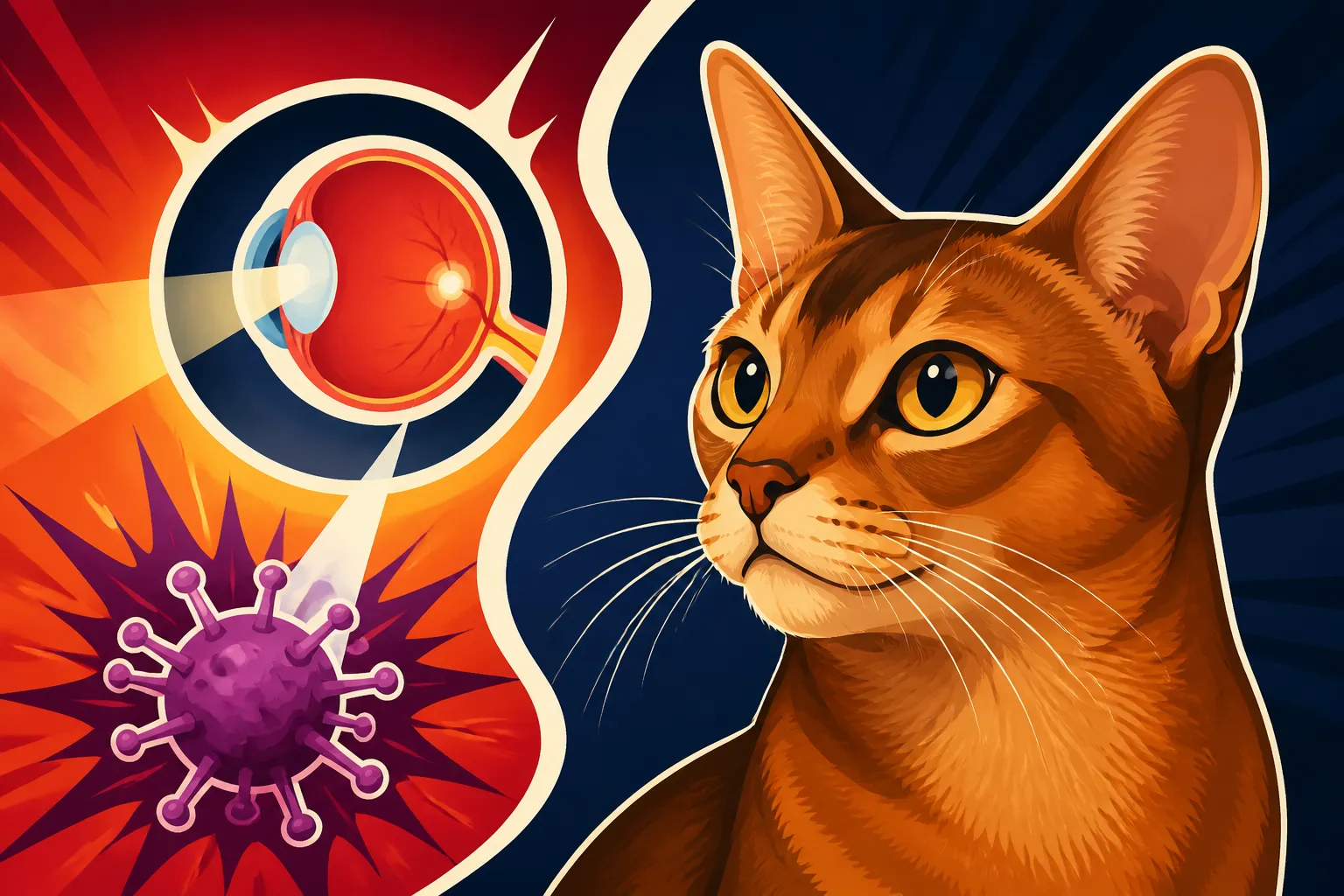
At the back of every cat’s eye lies the retina, a thin layer of tissue containing specialized light-sensing cells called photoreceptors. These come in two main types: rods and cones. Rods are crucial for vision in dim light and detecting movement, while cones are responsible for sharp, detailed vision and color perception, especially in brighter light. In Abyssinians affected by PRA-rdAc, these photoreceptor cells begin to degenerate. It usually starts with the rod cells, which explains why one of the first signs owners often notice is a decline in night vision. As the disease advances, the cone cells also become affected, leading to a more comprehensive loss of sight that impacts their ability to see clearly in all lighting conditions.
This degeneration isn't like a switch being flipped; it's a gradual process. Initially, your Abyssinian might just be a little hesitant in dimly lit rooms or seem startled by objects they used to navigate around effortlessly after dark. Over time, this progresses to more noticeable visual impairment during the day. The rate of progression can vary between individuals, but the general trajectory is always towards eventual blindness. It's a cruel disease for such an active and visually driven breed, impacting their independence and their ability to explore their world.
Why 'rdAc' Matters Specifically for Abyssinians
The "rdAc" in PRA-rdAc is a specific designation that points to the exact genetic mutation responsible for this form of Progressive Retinal Atrophy in Abyssinians, as well as their long-haired cousins, Somalis. While other cat breeds can suffer from various forms of PRA, the rdAc mutation is distinct to these breeds. This specificity is incredibly important because it means there's a particular gene that can be tested for, allowing breeders and owners to identify carriers and affected cats.
Without this specific identification, diagnosing PRA would be much more challenging, relying solely on ophthalmic examinations as the disease progresses. But thanks to genetic research, we know the precise nature of this particular form, which has been instrumental in developing DNA tests. This scientific understanding empowers responsible breeders to make informed decisions to reduce the prevalence of this devastating condition within the Abyssinian population. It’s a testament to how far veterinary science has come, offering a tool to fight back against inherited diseases.
The Genetic Roots of Abyssinian Blindness
The knowledge that PRA-rdAc is a genetic condition brings both challenges and opportunities. While it means this isn't something that can be caught or prevented through environmental factors, it also means that, through responsible breeding and testing, we have the power to eradicate it from future generations. Understanding the genetics is key to truly grappling with this condition.
Autosomal Recessive Inheritance Explained
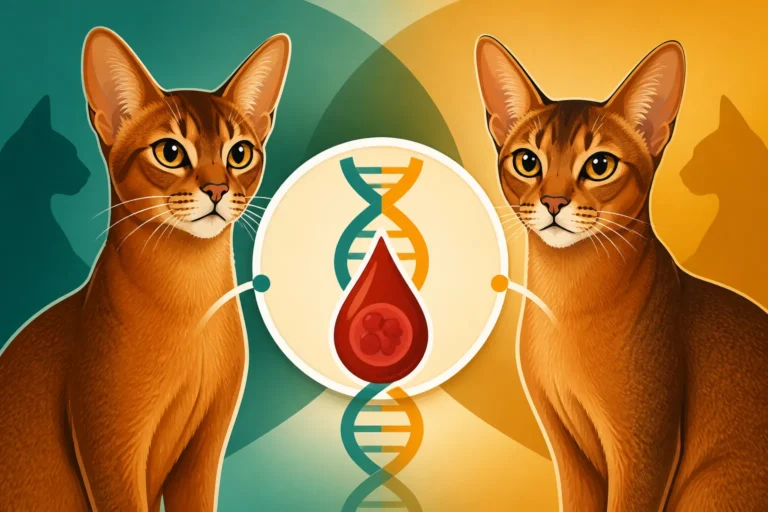
PRA-rdAc is inherited in an autosomal recessive pattern. This might sound like complex scientific jargon, but it’s actually quite straightforward when you break it down. "Autosomal" means the gene responsible is located on a non-sex chromosome, so it affects both male and female cats equally. "Recessive" means that a cat must inherit two copies of the mutated gene – one from each parent – to actually develop the disease and experience vision loss.
If a cat inherits only one copy of the mutated gene and one normal gene, they won’t develop PRA-rdAc themselves. These cats are called "carriers." They are perfectly healthy and have normal vision, but they carry the potential to pass the mutated gene on to their offspring. This is where the complexity lies and why the disease can persist silently within a breed. A carrier cat, when bred with another carrier, has a 25% chance of producing affected kittens, a 50% chance of producing carrier kittens, and a 25% chance of producing clear kittens. This explains why the disease can unexpectedly pop up in litters even from seemingly healthy parents, a frustration many breeders and owners face before they understand the underlying genetics. Knowing how the PKLR mutation reaches an Abyssinian for other genetic conditions helps reinforce this concept.
The Impact of Carrier Status on Breeding
For responsible Abyssinian breeders, understanding carrier status is paramount. Breeding two carriers together is a recipe for heartbreak, as it guarantees a quarter of the litter will be destined for blindness. This is why a simple DNA test for PRA-rdAc is so vital for any Abyssinian intended for breeding. If a cat tests as a carrier, they can still be bred, but only with a cat that has tested as "clear" – meaning they do not carry any copies of the mutated gene. This ensures that none of the kittens will inherit two copies of the mutated gene and thus, none will be affected by PRA-rdAc.
The goal for the breed community is to systematically reduce the number of carriers over time, eventually eliminating the disease altogether. This requires diligent testing and careful selection of breeding pairs. It's a long-term commitment, but one that is essential for the health and future of the Abyssinian breed. Breeders who bypass genetic testing, perhaps to cut costs, unwittingly perpetuate these devastating conditions. This is why knowing Which diseases an Abyssinian breeder must declare is so important for prospective owners.
Spotting the Subtle Changes in Your Abyssinian's Vision
As an owner, you're the first line of defense in noticing if something is amiss with your Abyssinian's vision. Because PRA-rdAc is progressive, the early signs are often subtle and can be easily overlooked or attributed to other factors. However, being attuned to your cat's usual behaviors can help you catch these changes sooner rather than later, allowing you to seek veterinary advice and prepare your home.
Early Indicators in a Playful Abyssinian
One of the earliest and most common indicators of PRA-rdAc is a decline in night vision. Abyssinians are naturally active and curious, even after the sun goes down. If you notice your cat, who once navigated dark hallways with feline grace, now hesitates, bumps into furniture, or seems disoriented in low light, this is a significant red flag. They might move more slowly, or you might hear them clattering into objects they used to avoid. Owners might observe their Abyssinian's pupils change with rdAc, appearing more dilated even in normal light conditions, as their eyes try to gather more light to compensate for the failing rod cells.
Another subtle sign can be a change in their play habits. An Abyssinian typically loves to chase moving objects, especially those that dart and weave. If they start to miss toys, seem less interested in games played in dim areas, or are simply less coordinated during playtime, it could indicate declining visual acuity. They might also become more reliant on their other senses, like hearing and smell, to locate toys or navigate the room. This shift isn't always obvious, particularly if your Abyssinian is still young and their energetic personality masks the developing issue. However, these are the little clues that, when pieced together, can paint a concerning picture. Indeed, What an Abyssinian does first as its sight goes often involves these night-time navigation difficulties.
Behavioral Shifts as Vision Declines
As PRA-rdAc progresses and their vision deteriorates further, your Abyssinian's behavioral changes will become more pronounced. They might become more hesitant to jump onto familiar high places, such as cat trees or shelves, or they might misjudge distances, leading to awkward landings. You might find them sticking closer to you, becoming more vocal for reassurance, or showing signs of increased anxiety in unfamiliar environments. Some cats might even become a bit more withdrawn, avoiding situations where their poor vision makes them feel vulnerable.
It's also common to notice changes in their pupils. As their retina degenerates, the pupils may appear consistently dilated, even in bright light, reflecting their eyes' attempt to capture as much light as possible. In some advanced cases, an opaque, reflective layer might be visible at the back of the eye, a direct result of the retinal damage. These later signs are usually unmistakable, but by this point, a significant portion of their vision may already be gone. Observing these shifts requires a keen eye and an understanding of your Abyssinian's normal personality and capabilities, allowing you to seek professional help early.
The Diagnostic Journey: Uncovering the Truth
Once you suspect vision problems in your Abyssinian, the next crucial step is getting a professional diagnosis. This isn't just about confirming vision loss, but identifying the specific cause, which in the case of PRA-rdAc, means confirming the genetic mutation. A proper diagnosis guides management and allows for informed breeding decisions if your cat is part of a breeding program.
Initial Vet Consultation and Examination
Your journey will begin with a visit to your regular veterinarian. During this initial consultation, your vet will perform a thorough general physical examination and discuss the behavioral changes you’ve observed. They'll also conduct a basic ophthalmic exam, which might include checking pupil responses, looking for any visible abnormalities in the eye, and possibly using an ophthalmoscope to get a preliminary look at the retina. However, detecting early retinal degeneration requires specialized equipment and expertise beyond what a general practitioner usually has.
If your vet suspects PRA or another serious eye condition, they will likely refer you to a veterinary ophthalmologist. This specialist has the advanced training and diagnostic tools to accurately assess the health of your Abyssinian’s eyes. They will perform a comprehensive ophthalmic examination, which can include electroretinography (ERG) – a test that measures the electrical responses of the retina’s photoreceptor cells to light. An ERG can detect retinal dysfunction long before outward signs of vision loss are apparent and can differentiate between different types of retinal disease. This is crucial for definitively diagnosing PRA-rdAc, as How a vet confirms retinal atrophy in an Abyssinian often relies on these advanced tests.
Genetic Testing: Confirming the Diagnosis
While an ophthalmic exam and ERG can strongly suggest PRA-rdAc, the definitive diagnosis comes from a genetic test. This test is typically performed using a simple cheek swab or blood sample, which is then sent to a specialized veterinary genetics laboratory. The lab analyzes the sample for the specific rdAc mutation in the CEP290 gene. The results will clearly indicate whether your Abyssinian is "Clear" (meaning they don't have the mutation), a "Carrier" (one copy of the mutation, no disease symptoms), or "Affected" (two copies of the mutation, meaning they will develop or are already developing PRA-rdAc).
This genetic test is not just for diagnosing symptomatic cats; it’s a critical tool for preventative breeding. For any Abyssinian, especially one in a breeding program, this test should be done early in life. The knowledge gained from this test is invaluable. If your cat is diagnosed as affected, it confirms the reason for their vision loss and helps you understand the progression. If they are a carrier, you know they must only be bred with a clear cat to prevent passing the disease to affected offspring. This proactive approach is what allows breeders to work towards Why two clear Abyssinian parents end the problem of PRA-rdAc in their lines.
Creating a Safe Haven for a Blind Abyssinian: Adapting Your Home
Discovering your Abyssinian is losing their sight is undoubtedly distressing, but it’s far from the end of their story. Cats are incredibly adaptable creatures, and with some thoughtful adjustments to your home environment, a blind Abyssinian can continue to live a full, happy, and confident life. The key is consistency and creating a predictable, safe space.
Navigating the Home Environment
The single most important rule when living with a blind Abyssinian is to maintain consistency in your home layout. Cats, especially Abyssinians, are creatures of habit, and a visually impaired cat will map out their environment meticulously. Every piece of furniture, every litter box, every water bowl becomes a landmark in their mental map. Moving furniture around frequently, leaving obstacles in new places, or even changing the location of their food and water bowls can cause significant stress, confusion, and potential injury.
Consider adding tactile markers to help them navigate. Small, low-pile rugs or textured mats can be placed before stairs, doorways, or near their food and water stations to signal changes in their environment. Block off potential hazards like open stairwells (especially if they are not carpeted or have open risers), fireplaces, or unsafe outdoor access. Ensure windows are securely screened, as a blind Abyssinian might still attempt to explore vertical spaces and could fall. Remember that Why a blind Abyssinian still climbs means you need to prioritize safety on their favorite high perches. What not to move around a blind Abyssinian goes beyond furniture; think about cords, bags, shoes, and anything that could become a sudden, unexpected obstacle.
Maintaining Mental and Physical Enrichment
Just because your Abyssinian can no longer see doesn't mean they stop being an Abyssinian! Their drive for exploration, play, and interaction remains strong. You'll need to adapt their enrichment to engage their other senses. Sound is paramount. Toys that crinkle, jingle, or contain catnip can stimulate their hunting instincts. Battery-operated toys that move and make noise can still provide hours of entertainment. You can also use scented toys, perhaps with different essential oils (cat-safe ones, of course) on distinct toys to make them more identifiable.
Interactive play with a wand toy is still possible; just ensure you're making noise with the toy to guide them. Talk to your cat frequently, using their name and distinct verbal cues to let them know where you are and what you're doing. This helps reduce anxiety and keeps them engaged. They'll still enjoy climbing, so ensure their favorite cat trees are stable and have a clear, consistent path to access. You might even consider ramps for easier access to higher spots. Regular exercise and mental stimulation are crucial for their overall well-being. Keeping up with these needs might also involve more frequent vet check-ups or specialized tools; having reliable pet insurance like Healthy Paws can certainly help cover the costs of adapting to these new needs and ensuring continuous care.
Preventing PRA-rdAc: The Breeder's Ethical Imperative
While we can adapt our homes for affected cats, the ultimate goal for PRA-rdAc, as with any genetic disease, is prevention. This responsibility falls squarely on the shoulders of ethical, responsible breeders who are committed to the long-term health and vitality of the Abyssinian breed. Their decisions impact generations of kittens.
Pre-breeding Genetic Screening
For any Abyssinian cat intended for breeding, genetic screening for PRA-rdAc is not just recommended; it's absolutely essential. Reputable breeders should have all their breeding stock tested for the rdAc mutation before any mating takes place. This involves a simple DNA test, usually a cheek swab, which provides a clear "Clear," "Carrier," or "Affected" status. This small investment in a test kit can prevent immense heartbreak and suffering down the line.
A clear understanding of a cat's genetic status allows breeders to make informed decisions. A cat that tests as "Clear" can be safely bred with any other cat, regardless of their status for this particular gene, without producing affected kittens. A "Carrier" cat, while perfectly healthy themselves, must only be bred with a "Clear" cat. This pairing ensures that no kittens will be affected by PRA-rdAc, though approximately half of the litter will be carriers. This method allows valuable carrier lines, which might possess other desirable traits, to continue contributing to the breed's genetic diversity without propagating the disease. The Abyssinian has three DNA tests and one disease with none, highlighting the importance of using the tests that are available.
Ensuring a Healthy Lineage
Beyond individual cat testing, responsible breeders also consider the lineage and family history of their breeding cats. While the genetic test for PRA-rdAc is highly accurate, understanding the health of ancestors and siblings provides an additional layer of security and insight into potential other issues. Breeders keep meticulous records of their cats' health, including any instances of PRA or other inherited conditions in their lines. This commitment to transparency and health tracking is what defines an ethical breeding program.
If a breeder is vague about testing, or can't provide verifiable test results for both parents of a kitten, it's a significant red flag. You, as a prospective owner, have every right to ask for proof of genetic testing for PRA-rdAc, as well as for Pyruvate Kinase Deficiency, which is the Abyssinian's best known test. The "How the CEP290 test clears an Abyssinian" is crucial information, and a good breeder will be happy to discuss it. Responsible breeders prioritize the health of their cats above all else, ensuring that the kittens they bring into the world have the best possible chance at a long, healthy life, free from preventable inherited diseases. This dedication to health often extends to regular veterinary care for breeding animals, a cost that Healthy Paws pet insurance might help mitigate for breeders committed to such high standards.
Supporting Your Abyssinian Through Vision Loss
Even with the best preventative measures, some Abyssinians may still be affected by PRA-rdAc, either due to unknown carrier status in their lineage or if they are rescue cats with no known history. When facing this reality, your role shifts from prevention to compassionate support, ensuring your cat maintains a high quality of life.
Emotional Well-being and Routine
An Abyssinian losing its sight may experience confusion, anxiety, and even fear. It's vital to provide them with extra reassurance and maintain a calm, predictable environment. Your voice becomes their anchor; speak to them frequently, gently, and consistently. Use specific words or sounds to signal your presence, approaching them slowly to avoid startling them. Gentle touches and consistent routines will help them feel secure and loved.
Maintain their feeding schedule, playtime, and grooming routine as consistently as possible. Changes in routine can be unsettling for any cat, but for a visually impaired Abyssinian, it can be profoundly disorienting. Consider making their sleeping areas extra comfortable and easily accessible. A warm, soft bed in a quiet corner where they feel safe and undisturbed can become their sanctuary. Some cats benefit from pheromone diffusers, like Feliway, to help reduce anxiety during this transition. Your patience and understanding are the most powerful tools in helping them adjust emotionally to their new reality.
Continued Engagement and Play
A blind Abyssinian is still a cat, and still an Abyssinian! Their instinct to play, hunt, and interact remains. You'll simply need to adapt how you engage with them. As mentioned before, sound-based toys are excellent. Laser pointers are out, but crinkle balls, feathered wands with bells, or remote-controlled mice that squeak can still ignite their prey drive. Hide-and-seek games, where you call their name gently and they "hunt" you by sound, can be a wonderful bonding experience and mental stimulation.
Food puzzles that rely on smell and touch rather than sight are also fantastic for keeping their minds active. You can even hide small treats around the house, guiding them with your voice or by tapping nearby, turning mealtime into an engaging foraging exercise. Remember that Abyssinians are intelligent and active; they thrive on interaction. Regular, short play sessions throughout the day will help keep them happy, healthy, and engaged, reinforcing their bond with you. Many owners find that the need for specialized enrichment and consistent veterinary oversight leads them to invest in pet insurance. A plan from Healthy Paws can often provide peace of mind, knowing that the ongoing costs of supporting a visually impaired cat’s specialized needs, including regular check-ups, diagnostics, and adaptive tools, can be more manageable.
Common Misconceptions and FAQs About Abyssinian Blindness
Dealing with a cat who is losing its sight brings up many questions and often some deeply ingrained misconceptions. It's important to address these head-on to ensure you can provide the best possible care for your Abyssinian.
Addressing Owner Concerns
One common concern for owners is whether a blind cat will be miserable or lose its zest for life. This is a significant misconception. While the initial adjustment period can be challenging for both cat and owner, cats are incredibly resilient. They compensate remarkably well with their other heightened senses – hearing, smell, and touch. Many blind Abyssinians continue to be active, playful, and affectionate, often showing few outward signs of their visual impairment once they've adapted to a consistent environment. Their world simply becomes a different sensory experience.
Another worry is about their safety, especially in a multi-pet household or with children. With careful introductions and supervision, blind Abyssinians can coexist peacefully with other pets and well-behaved children. The key is to teach everyone in the household to be mindful of the cat's lack of sight, avoiding sudden movements or loud noises that could startle them. Encourage gentle interactions and predictable routines. It is also common for owners to wonder about the long-term prognosis. While PRA-rdAc does lead to blindness, it is not a painful condition itself and does not directly affect lifespan. A blind Abyssinian can still enjoy The twelve to fifteen years an Abyssinian usually gets, if not more, with proper care and attention.
Quality of Life for a Visually Impaired Cat
The quality of life for a blind Abyssinian is ultimately determined by the care and love they receive from their humans. A visually impaired cat who lives in a stable, predictable, and loving home, with consistent routines and appropriate enrichment, can have an excellent quality of life. They may not be able to chase a feather toy across the room as they once did, but they can still enjoy a good snuggle, a rousing game of 'find the treat,' and the warmth of a sunny window.
It's about shifting your perspective and focusing on what your cat can do, rather than what they can't. Embrace their other senses, engage with them through sound and touch, and celebrate their amazing adaptability. While PRA-rdAc is a difficult diagnosis, it's not a death sentence for your Abyssinian's happiness. With your commitment, a blind Abyssinian can continue to be a cherished, integral, and joyful member of your family.
| Aspect of Vision Loss | Early Signs (Often Subtle) | Advanced Signs (More Obvious) | Impact on Abyssinian Life |
|---|---|---|---|
| Night Vision | Hesitation in dim light, slight clumsiness after dark, misjudging jumps in low light. | Complete disorientation in low light, bumping into objects, reluctance to move in darkness. | Affects nocturnal play, ability to navigate dark rooms or outdoors. |
| Day Vision | Missing toys, slight hesitation on stairs, bumping into newly placed objects. | Bumping into familiar furniture, pupils dilated, general disorientation, increased reliance on other senses. | Affects depth perception, object recognition, confidence in movement, jumping. |
| Pupil Appearance | Slightly dilated pupils, especially in normal indoor light. | Consistently wide, dilated pupils that don't constrict well in bright light; reflective tapetum visible. | Indicates retinal damage and the eye's attempt to gather more light. |
| Behavior | Increased caution, sticking closer to walls, less confident jumping. | Increased anxiety, vocalization, reluctance to explore, sticking close to owner, easily startled. | Can lead to stress, reduced play, altered social interaction, dependency. |
| Physical Eye Changes | None or very subtle changes on internal exam by specialist. | Visible changes to retina on ophthalmic exam, tapetal hyperreflectivity, vessel attenuation. | Confirms advanced retinal degeneration. |
Disclaimer
The information provided in this guide is for general informational purposes only and does not constitute professional veterinary advice. Always consult with a qualified veterinarian or veterinary ophthalmologist for any health concerns or before making any decisions about your Abyssinian's care.