Whether Fluids at Home Help an Abyssinian
Discovering your beloved Abyssinian has kidney disease can feel like a punch to the gut. The diagnosis often brings a tidal wave of fear and questions, especially when your vet suggests home fluid therapy. Many of us grapple with the idea: "Can I really do this myself? Will it help, or will I just stress my sensitive cat out more?" This guide is here to walk you through exactly what administering fluids at home entails, offering practical advice and empathetic understanding to help you make informed decisions for your cherished companion.
Understanding Kidney Disease in Your Abyssinian
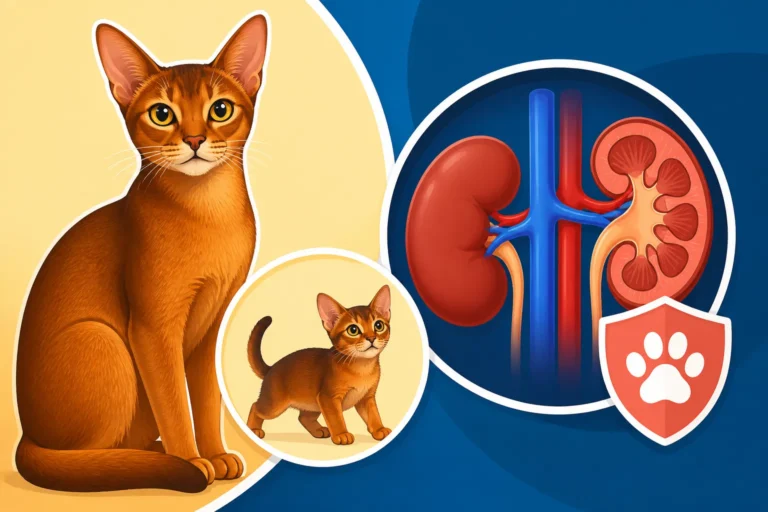
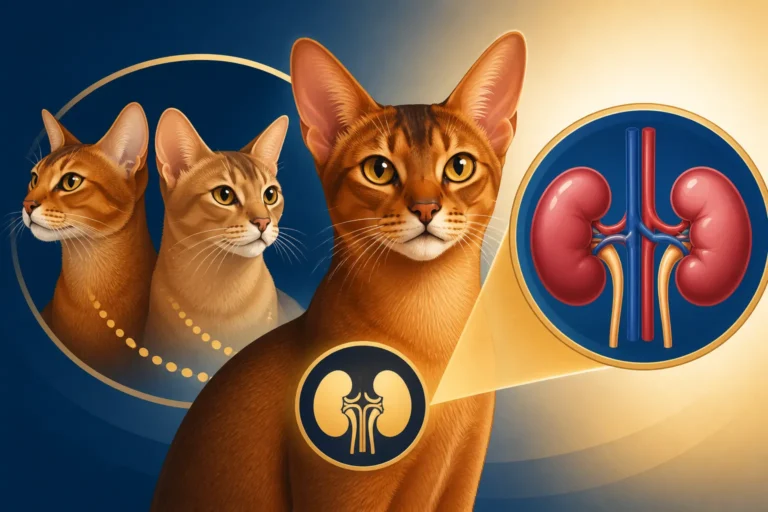
When your Abyssinian is diagnosed with kidney disease, it’s understandable to feel overwhelmed. Abyssinians are known for their vibrant energy and playful spirit, often masking illness until it's quite advanced, which makes early detection of conditions like kidney issues even more challenging. Their kidneys, much like ours, are vital organs responsible for filtering waste products from the blood, maintaining electrolyte balance, and producing important hormones. When these tiny, hard-working organs start to fail, toxins build up, and your cat can quickly become dehydrated and unwell.
Why Fluids Become Necessary
Chronic Kidney Disease (CKD) in Abyssinians often leads to a gradual decline in kidney function. As the kidneys lose their ability to concentrate urine, your Abyssinian will start to drink more water, but also urinate more, leading to a vicious cycle of dehydration. This constant state of dehydration exacerbates the kidney damage and makes your cat feel miserable. You might notice your Abyssinian being unusually thirsty, a symptom that can unfortunately be a red flag. Learn more about Why a Thirsty Young Abyssinian Is a Red Flag and what it might mean.
The goal of subcutaneous fluid therapy (often called "sub-Q fluids" or "subcutaneous fluids") is to supplement your cat’s hydration, helping flush out toxins and making them feel significantly better. It doesn't cure kidney disease, but it can dramatically improve their quality of life and slow the progression of the illness. Think of it as a crucial support system for their failing kidneys, giving them a much-needed boost.
The Vet's Role in Diagnosis and Prescription
It's absolutely critical to understand that home fluid therapy is never a do-it-yourself endeavor. It must be prescribed, guided, and regularly monitored by your veterinarian. They will conduct a thorough diagnosis, which includes blood tests that look at values like creatinine, BUN, and SDMA, as well as urine specific gravity to assess kidney function. Discover Which Blood Values Catch an Abyssinian's Kidneys Early to be more proactive. Based on these results and your Abyssinian's overall condition, your vet will determine if fluids are appropriate, what type of fluid to use (e.g., Lactated Ringer's Solution or saline), the correct dosage, and how frequently to administer them. They will also show you exactly how to give the fluids, which is often the most daunting part for owners. Your vet is your primary partner in managing this disease, and their guidance on How a Vet Manages an Abyssinian in Kidney Failure is invaluable. They might even discuss conditions like Renal Amyloidosis Is the Abyssinian Problem Nobody Can Test For which can be a particular concern for the breed, though it's not directly manageable with fluids alone.
The Practicalities of Administering Subcutaneous Fluids at Home
The thought of giving your cat an injection can be intimidating. Abyssinians are smart and spirited, and they can certainly put up a fight if they're not on board! But with a little patience, the right technique, and a calm demeanor, it becomes a routine that many owners successfully integrate into their lives.
Gathering Your Supplies
Before you start, make sure you have everything ready. This reduces stress for both you and your Abyssinian. Your vet will provide the initial supplies and prescription.
Here’s a typical list:
- Fluid Bag: Usually a 1000ml bag of Lactated Ringer's Solution (LRS) or 0.9% Sodium Chloride (saline).
- IV Line/Drip Set: This connects the fluid bag to the needle.
- Needles: Your vet will specify the gauge (e.g., 18-gauge or 20-gauge). Larger gauges are faster but can be more uncomfortable; smaller gauges are gentler but slower.
- Antiseptic Wipes: Optional, but good practice for hygiene.
- Towels or a Soft Blanket: To provide comfort and, if necessary, gentle restraint.
- Treats or Favorite Food: Essential for positive reinforcement!
- A Quiet, Comfortable Space: Where your Abyssinian feels safe and relaxed.
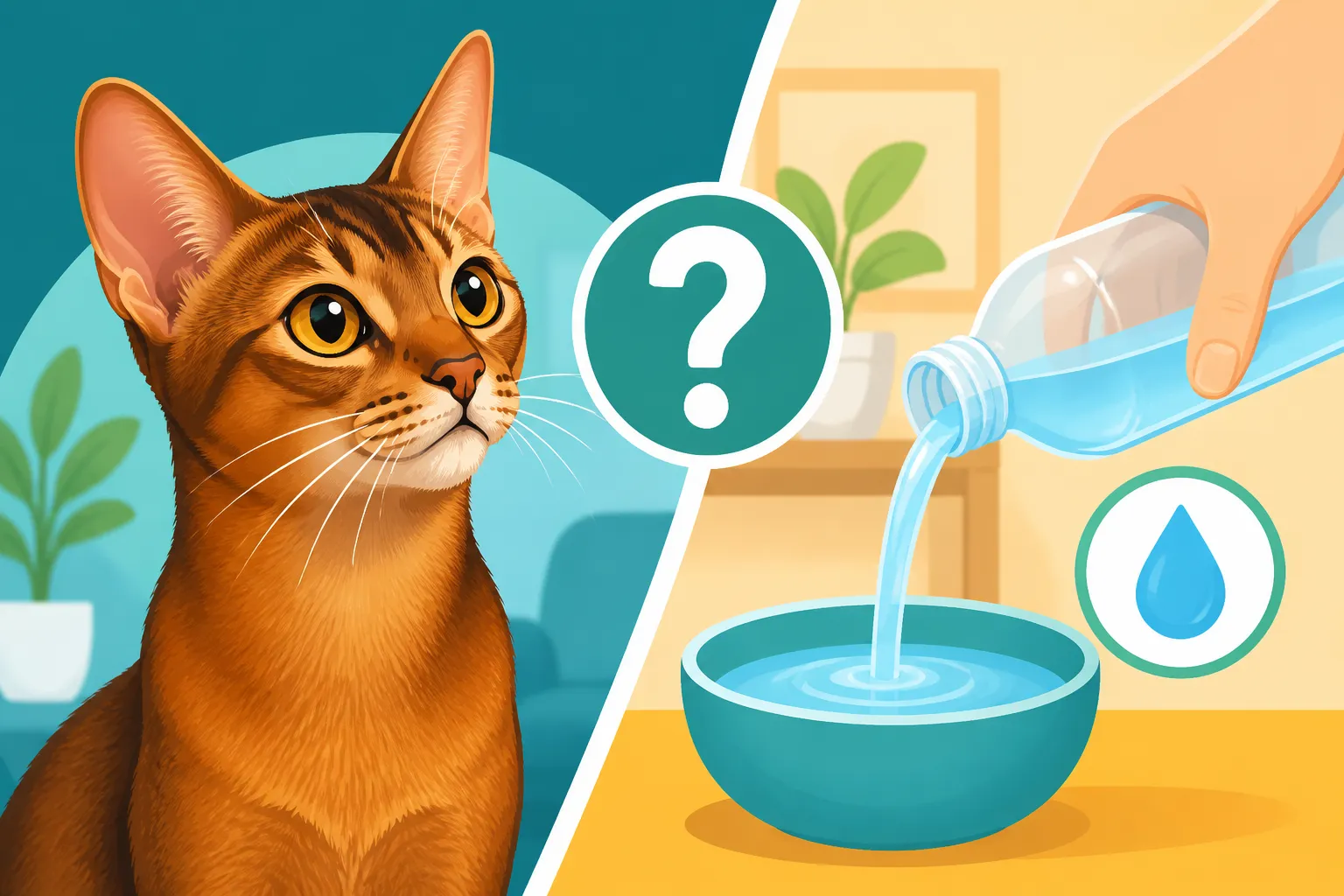
Many owners warm the fluids slightly before administration. You can do this by placing the fluid bag in a bowl of warm water for 10-15 minutes or by using a heating pad on a low setting. Always check the temperature on your wrist to ensure it's comfortably warm, not hot, as too-cold or too-hot fluids can be uncomfortable or even dangerous.
Step-by-Step Administration Guide
Okay, deep breaths. This isn't as scary as it sounds. Your vet will have demonstrated this, but here’s a refresher:
- Prepare the Setup: Hang the fluid bag from a shower rod, coat hanger, or IV pole. Spike the fluid bag with the IV line (remove the protective cap from the spike, insert firmly into the bag's port). Then, "prime" the line by opening the roller clamp and letting the fluid flow through until all air bubbles are gone and a few drops come out the end. Close the clamp. Attach a fresh needle to the end of the line.
- Prepare Your Abyssinian: Find your quiet spot. Gently bring your Abyssinian to you. Many cats tolerate this best when distracted with food. Some people wrap their cat loosely in a towel (a "purrito") with just their back exposed if they're squirmy, but for many Abyssinians, a calm lap and some yummy treats do the trick. Talk to them in a soothing voice.
- Find the Skin Tent: Feel along your Abyssinian’s back, between their shoulder blades. Gently lift the skin here to form a "tent." This area has loose skin and fewer nerve endings, making it ideal.
- Insert the Needle: Hold the needle bevel (the slanted opening) facing up. With a quick, confident motion, insert the needle into the base of the skin tent, parallel to your cat's body, aiming away from you. You should feel a slight "pop" as it passes through the skin. If inserted correctly, the needle will be under the skin, in the created "tent." Never push the needle straight down into the body.
- Administer the Fluids: Once the needle is in, open the roller clamp on the IV line. You should see the fluid drip steadily. A small lump will form under your cat's skin – this is normal and means the fluids are going into the right place. Administer the prescribed amount, which your vet will specify. This usually takes 5-15 minutes depending on the volume and needle gauge. While the fluids are running, continue to offer treats and praise. This is where pet insurance, like Healthy Paws, can be a huge comfort, covering a significant portion of these ongoing medical costs so you can focus on making this experience as stress-free as possible for your Abyssinian, without worrying about the bill stacking up.
- Remove the Needle: Once the correct amount of fluid has been given, close the roller clamp. Gently but swiftly pull the needle straight out. You can pinch the skin where the needle was removed for a few seconds to prevent leakage, then gently massage the area to help the fluids disperse. Reward your Abyssinian generously with their favorite treat!
Scheduling and Frequency
Your vet will give you a specific schedule. This might be daily, every other day, or a few times a week, and the volume will also vary. It’s crucial to stick to this schedule. Monitor your Abyssinian's response: are they more energetic? Is their appetite better? Keep an eye on their urine output as well. If you notice any significant changes or have concerns, always contact your vet immediately. Understanding What an Abyssinian's Urine Output Should Look Like can help you spot early changes.
The Benefits and Challenges of At-Home Fluid Therapy
Living with a cat undergoing fluid therapy is a journey with its own set of highs and lows. It's a testament to the incredible bond we share with our Abyssinians.
The Upside: Improved Quality of Life
The most rewarding aspect of home fluid therapy is seeing your Abyssinian perk up. Fluids combat dehydration, which often leads to an improvement in appetite, a boost in energy, and a general sense of feeling better. Many owners report that their cats become more active, playful, and affectionate again. This intervention can significantly extend their comfortable lifespan, truly adding quality to The Twelve to Fifteen Years an Abyssinian Usually Gets and influencing How Long an Abyssinian Lives After Amyloidosis Shows after diagnosis. It’s about giving them more good days, more chirps, and more zoomies around the house.
The Downside: Stress, Cost, and Commitment
While the benefits are huge, there are challenges. For some Abyssinians, the process itself can be stressful. They are highly intelligent and sensitive creatures, and some may strongly object to the needle. It requires patience, consistency, and sometimes creative methods to keep them calm. The ongoing cost of fluids, needles, and regular vet check-ups can also be substantial. This is where pet insurance, such as a policy from Healthy Paws, can be a game-changer. It helps mitigate the financial burden of chronic conditions, ensuring you can prioritize your Abyssinian's health without the added stress of crushing vet bills. You might find yourself scheduling routine bloodwork and assessments, adding to the overall What an Abyssinian Costs Over Fifteen Years.
When Home Fluids Aren't Enough (or Are Too Much)
It's vital to stay vigilant. While fluids are beneficial, they aren't a cure. Your vet will guide you on signs to watch for that indicate the disease is progressing or that the fluid regimen needs adjustment. These might include increased lethargy, decreased appetite, vomiting, or changes in breathing. Conversely, too many fluids can also be dangerous, leading to over-hydration, which can cause fluid to accumulate in the lungs or abdomen. Signs of this can include difficulty breathing, coughing, or swelling. This is why regular communication with your veterinarian is non-negotiable. They need to know how your Abyssinian is reacting, what their appetite is like, and any changes in their behavior. This ongoing care, including diagnostics and consultations, is exactly why having robust pet insurance like Healthy Paws can offer such peace of mind.
Integrating Fluids into a Holistic Care Plan
Fluid therapy is just one piece of the puzzle when managing kidney disease in your Abyssinian. A comprehensive approach involves diet, environmental considerations, and plenty of emotional support.
Dietary Considerations
Nutrition plays a massive role in kidney disease management. Your vet will likely recommend a prescription kidney diet. These diets are specifically formulated to have lower levels of phosphorus, reduced protein, and controlled sodium, which helps reduce the workload on the kidneys and slow disease progression. For Abyssinians, getting enough water is always critical, and wet food is often preferred over dry kibble. Discover Why Wet Food Protects an Abyssinian's Kidneys and how this small change can make a big difference. Talk to your vet about How a Kidney Diet Buys an Abyssinian Time and whether supplements like omega-3 fatty acids might also be beneficial.
Environmental Enrichment and Comfort
Even with kidney disease, your Abyssinian is still an Abyssinian – curious, energetic, and a born climber! While their energy levels might fluctuate, it’s important to maintain an enriching environment. Ensure they have easy access to clean, fresh water in multiple locations. Provide comfortable, warm sleeping spots, as cats with kidney disease can sometimes feel colder. If your Abyssinian loved to climb, consider adding ramps or lower steps to their favorite high perches, especially if they are getting older or weaker. Understanding Why an Old Abyssinian Stops Using the Top Shelf can help you adapt their environment to their changing needs without taking away their joy of vertical spaces. Gentle play with their favorite wand toy, tailored to their energy levels, can also provide mental and physical stimulation.
Emotional Support for You and Your Abyssinian
Caring for an Abyssinian with a chronic illness is emotionally taxing. It's okay to feel sad, frustrated, or exhausted. Remember, your Abyssinian senses your emotions, so try to approach fluid times with as much calm and positivity as you can muster. Celebrate the good days, and be kind to yourself on the hard ones. The bond you share is profound, and the effort you put into their care speaks volumes of your love. Leaning on your vet, online support groups, or trusted friends can provide much-needed emotional resilience. Knowing that a trusted partner like Healthy Paws has your back financially can also remove a significant layer of stress, allowing you to focus on what truly matters: your Abyssinian's comfort and well-being.
Key Considerations for At-Home Fluids
Here’s a quick overview of what to watch out for and discuss with your vet:
| Signs Your Abyssinian Might Need Fluids (or Increased Dose) | Signs Your Abyssinian Might Be Over-Hydrated |
|---|---|
| Lethargy or decreased activity | Difficulty breathing, rapid, shallow breaths |
| Decreased appetite or refusing food | Coughing or wheezing |
| Increased thirst but still showing signs of dehydration | Swelling in legs or abdomen |
| Dry, sticky gums | Increased nasal discharge |
| Sunken eyes or decreased skin elasticity | Persistent restlessness or discomfort |
| Weight loss | Bluish gums or tongue (indicates low oxygen) |
| Vomiting or nausea | Worsening lethargy or weakness |
This table is not exhaustive, and any concerning signs should always prompt a call to your veterinarian. They are the best resource for tailoring your Abyssinian’s treatment plan.
Disclaimer
The information provided in this article is for general informational purposes only and does not constitute veterinary advice. Always consult with a qualified veterinarian for any health concerns or before making any decisions related to your Abyssinian's medical care.