Why an Abyssinian’s Red Cells Break Down Early
It’s truly disheartening to see your vibrant, active Abyssinian suddenly seem… off. One minute they're scaling the cat tree, the next they're lethargic, their once bright eyes looking dull. Many Abyssinian owners eventually come face-to-face with a bewildering health issue where their beloved cat’s red blood cells mysteriously break down too soon, leading to debilitating anemia. This guide will walk you through understanding why this happens, how to recognize the signs, and what steps you can take to manage this challenging condition.
Understanding Pyruvate Kinase Deficiency in Abyssinians
If you're an Abyssinian owner, you've likely heard whispers of Pyruvate Kinase Deficiency, or PK deficiency, a genetic condition that disproportionately affects our lively little athletes. It’s a reality that can hit hard, often turning healthy, energetic cats into weary shadows of their former selves. The core issue lies deep within the red blood cells, which are the oxygen carriers in your cat’s body. When these crucial cells don't function correctly, the domino effect on their overall health can be profound and incredibly frustrating for loving pet parents to witness.
The Genetic Roots of PK Deficiency
PK deficiency isn't just a random ailment; it's rooted in genetics. Specifically, it's an inherited autosomal recessive disorder caused by a mutation in the PKLR gene. What does that mean for your Abyssinian? It means that for a cat to actually have the disease, it needs to inherit two copies of this faulty gene – one from each parent. If an Abyssinian inherits only one copy, they become a carrier. They won't show symptoms themselves, but they can pass the gene on to their offspring, continuing the cycle. This is why understanding How the PKLR Mutation Reaches an Abyssinian is so vital for breeders and prospective owners alike.
The widespread nature of this gene in the Abyssinian population is a testament to how easily these things can spread without diligent testing. For years, many cats carrying the gene were bred, simply because no one knew better. This silent proliferation led to a significant percentage of Abyssinians today either being carriers or, unfortunately, affected. It’s a sobering thought that something so microscopic can have such a huge impact on our cats' lives. The good news is that advancements in veterinary genetics mean we now have the tools to identify these carriers.
How Red Blood Cells Are Affected
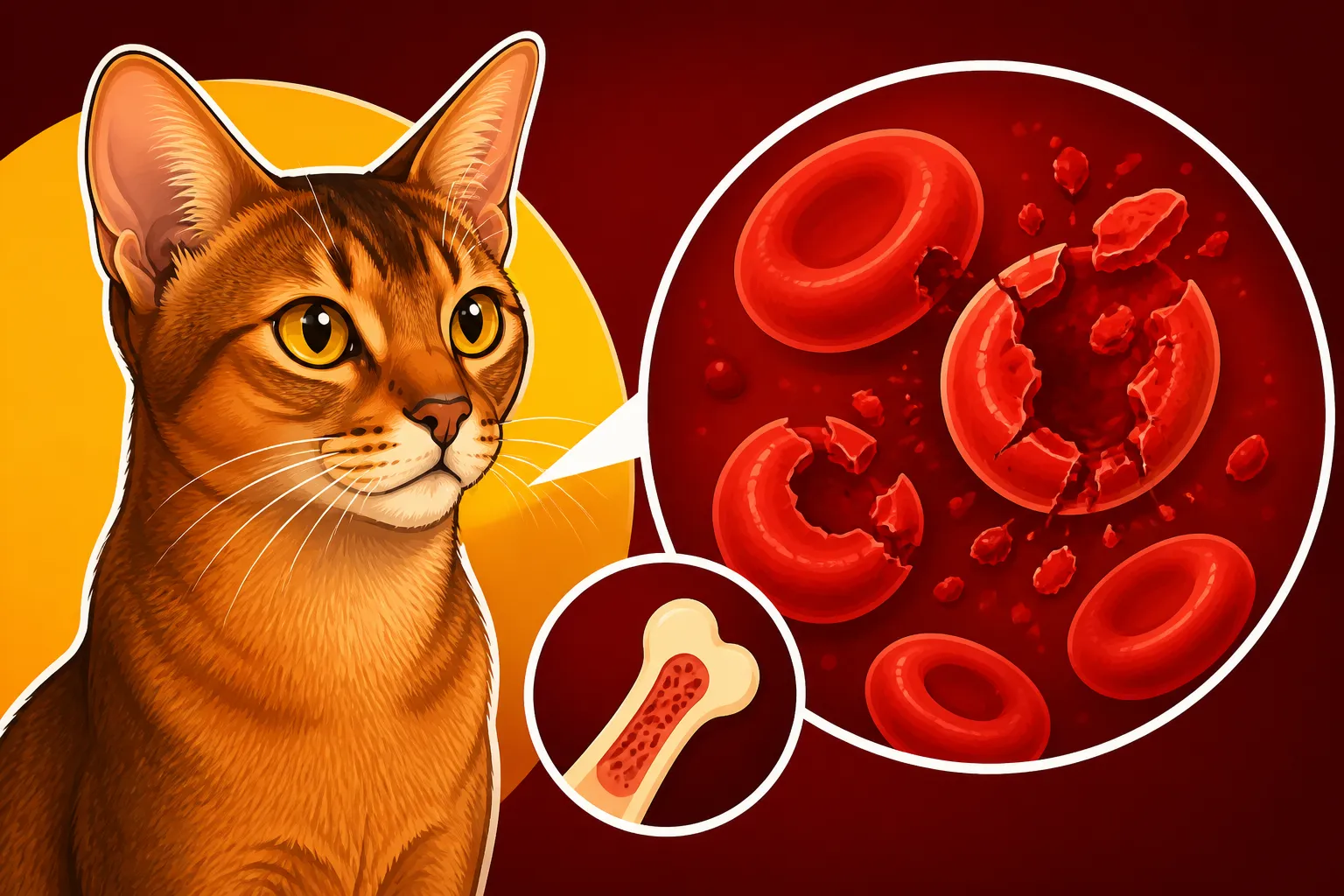
At the heart of PK deficiency is the enzyme pyruvate kinase, which plays a critical role in the glycolysis pathway. Think of glycolysis as the main energy-producing process within a red blood cell. Without a properly functioning pyruvate kinase enzyme, this process falters. The red blood cells can't produce enough energy to maintain their integrity, their structure, or their very existence. This leads to them becoming fragile, misshapen, and ultimately, breaking down prematurely in a process called hemolysis. This is exactly What PK Deficiency Does to an Abyssinian's Red Cells.
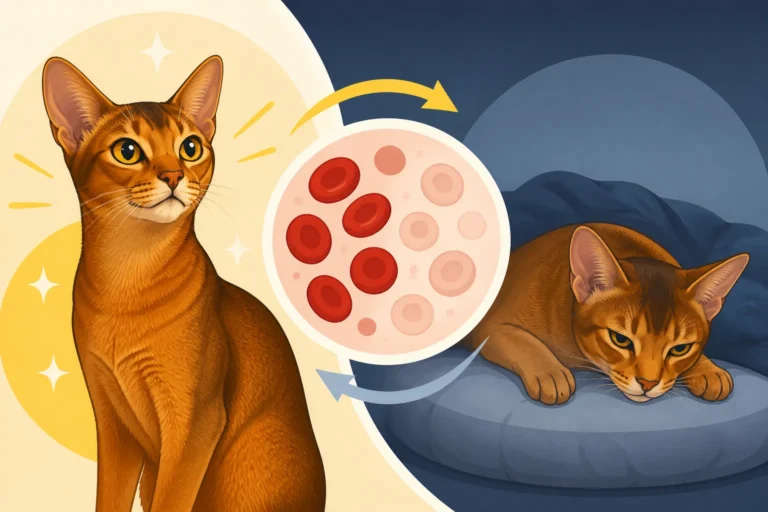
Normally, red blood cells have a lifespan of about 70 days in a cat, diligently circulating oxygen throughout the body. For an Abyssinian with PK deficiency, this lifespan is dramatically shortened, sometimes to just a few days. Imagine a steady stream of new red blood cells trying to keep up with the destruction of old ones. Eventually, the body's production can't keep pace, and the cat becomes anemic. This chronic red blood cell breakdown is the source of all the clinical signs we see, and it can fluctuate, making diagnosis a real puzzle.
Recognizing the Signs of Early Red Cell Breakdown
One of the trickiest aspects of PK deficiency in Abyssinians is that the symptoms aren't always glaringly obvious right from kittenhood. Our Abyssinians are famously energetic, intelligent, and masters of distraction. They can be incredibly stoic and often hide illness until it's quite advanced. This natural resilience, while admirable, can make it incredibly hard for even the most observant owner to pick up on the subtle cues that something is amiss. Owners often describe a feeling of unease before concrete symptoms emerge, feeling like their cat just isn't "quite themselves."
Spotting Intermittent Anemia
PK deficiency often manifests as intermittent anemia, which means the symptoms can come and go, or wax and wane in severity. This is incredibly frustrating because just when you think you have a handle on what's happening, your Abyssinian might have a "good day" and bounce back with seemingly boundless energy, only for the lethargy to return days or weeks later. This fluctuating nature can lead to delayed diagnoses and a lot of worry. What Intermittent Anemia Looks Like in an Abyssinian isn't always a dramatic collapse; it can be a slow, subtle decline followed by periods of remission.
During these anemic episodes, your cat's body is struggling with a lack of oxygen. Their bone marrow works overtime trying to produce new red blood cells, but it's a losing battle. You might notice your Abyssinian becoming more sedentary, perhaps skipping those high jumps they usually love, or simply not engaging in play as enthusiastically. They might seem more interested in sleeping in warm spots, even more so than a typical cat's preference for sunny naps. These subtle shifts are often the first, almost imperceptible red flags that something deeper is at play.
Physical Symptoms and Behavioral Changes
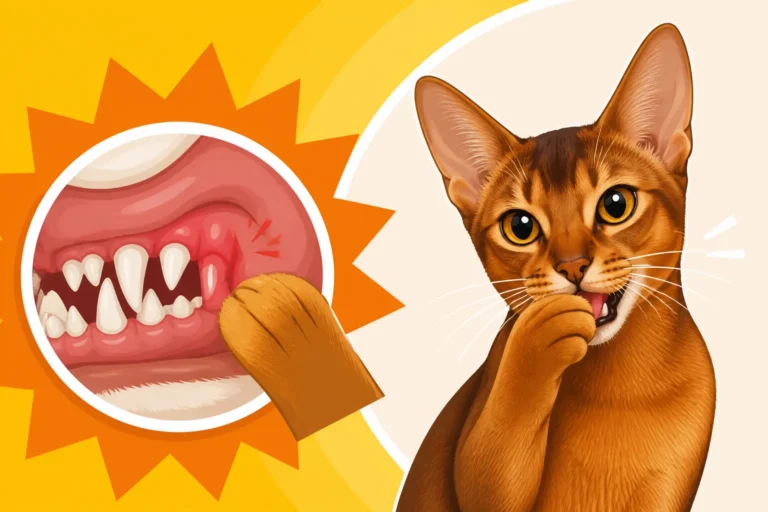
Beyond the intermittent lethargy, there are several key physical and behavioral changes that can signal early red cell breakdown. The most common physical indicator is pale gums. While a healthy cat's gums should be a vibrant pink, an anemic Abyssinian will often have gums that appear much lighter, sometimes almost white or chalky. This is a direct result of the reduced red blood cell count. Learning How Pale Gums Show Up on an Abyssinian can be a crucial first step in identifying a problem. Regularly checking their gums when they are relaxed is a good habit to get into.
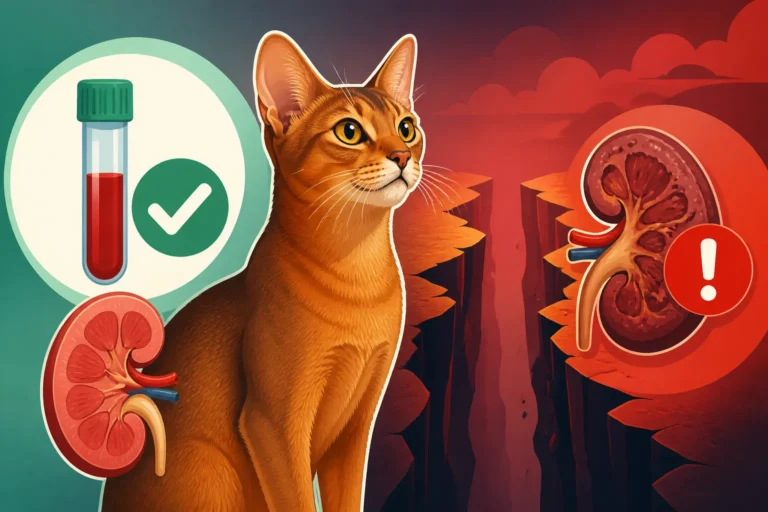
Other signs can include a reduced appetite, weight loss (which can be hard to notice under that sleek, ticked coat!), increased thirst, and even occasional jaundice, which might present as a yellowish tinge to their eyes or skin. Behaviorally, you might observe a general lack of zest for life. They may become less vocal, less interactive, and simply less… Abyssinian. If your typically outgoing and curious cat starts retreating, hiding, or seems generally unwell, it’s always a cause for concern. Remember, Why a Lethargic Abyssinian Needs Blood Work Fast is because these symptoms can escalate rapidly, and early intervention is key.
Diagnosis and Management for Affected Abyssinians
Discovering your beloved Abyssinian has PK deficiency can be devastating, but it’s not an automatic death sentence. While there's no cure for the genetic defect itself, understanding the condition means we can implement management strategies to improve their quality of life. The first hurdle, of course, is getting an accurate diagnosis, which sometimes feels like half the battle. Then, it's about partnering with your vet to create a supportive care plan that’s tailored to your unique cat’s needs, recognizing that every Abyssinian with PK deficiency can present differently.
The Diagnostic Journey
The journey to diagnosis often begins with your observations of the symptoms discussed earlier. When you bring your concerns to your veterinarian, they will likely start with a complete blood count (CBC) to assess your cat's red blood cell parameters. This blood test will confirm if anemia is present and give clues about its type (regenerative or non-regenerative). However, a definitive diagnosis of PK deficiency requires genetic testing. A simple cheek swab or blood sample can be sent to a specialized veterinary lab, like those offered by Optimal Selection, to specifically identify the PKLR gene mutation. This genetic test will confirm if your Abyssinian is clear, a carrier, or affected.
It’s important to remember that a positive genetic test for being affected doesn't mean immediate despair. It means you now have the knowledge to proactively manage your cat’s health. If you're buying an Abyssinian kitten, always ask the breeder for proof of genetic testing for both parents. This is part of The Abyssinian Has Three DNA Tests and One Disease With None that responsible breeders perform, giving you peace of mind from the start.
Treatment Options and Supportive Care
While there's no "cure" for the genetic mutation causing PK deficiency, the focus of treatment is on managing the anemia and its associated symptoms. This often involves supportive care aimed at keeping the cat comfortable and as healthy as possible. In severe anemic crises, your Abyssinian might require blood transfusions to rapidly increase their red blood cell count and provide immediate relief. This is a critical intervention that can literally save their life, especially when they are profoundly weak.
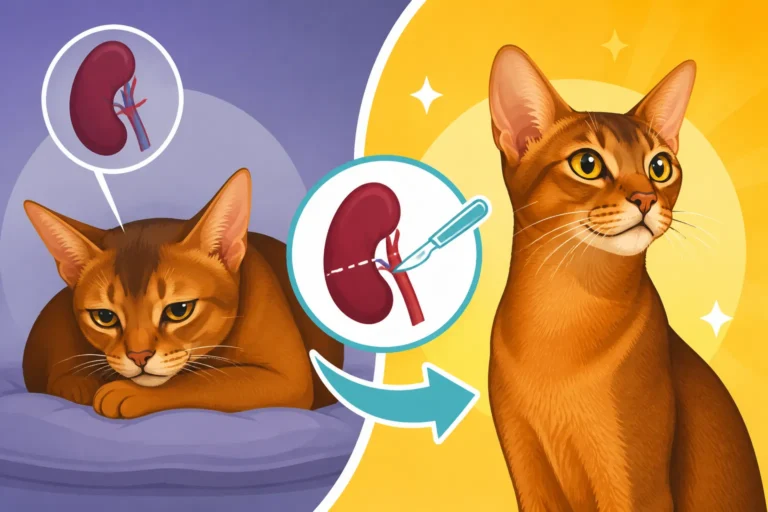
For long-term management, some vets may consider a splenectomy – the surgical removal of the spleen. The spleen is a major site of red blood cell destruction, and removing it can sometimes extend the life of red blood cells, reducing the severity of anemia and lessening the need for transfusions. However, this is a significant surgery with its own risks and isn't suitable for all affected cats. Discussing How a Splenectomy Helps an Anemic Abyssinian with your vet is crucial to determine if it's a viable option for your specific cat. Additionally, maintaining good nutrition, providing a low-stress environment, and regular veterinary check-ups are paramount. For ongoing vet costs, many owners find pet insurance plans, such as those from Healthy Paws, invaluable for helping manage the expenses associated with chronic conditions like PK deficiency. Ultimately, Whether an Abyssinian With PK Deficiency Can Live Normally depends heavily on the severity of their condition and the quality of care they receive.
Preventing PK Deficiency in Abyssinian Lines
The future of the Abyssinian breed, when it comes to inherited diseases like PK deficiency, lies firmly in the hands of responsible breeding and informed pet ownership. We've learned so much about canine and feline genetics in recent decades, and ignoring that knowledge isn't fair to our beloved animals. Preventing the spread of this debilitating condition is entirely achievable with careful planning and commitment.
The Importance of Genetic Testing
Genetic testing is the cornerstone of preventing PK deficiency. Every Abyssinian intended for breeding should be tested for the PKLR gene mutation. This simple, non-invasive test determines if the cat is clear, a carrier, or affected. A cat that tests "clear" does not carry the gene and cannot pass it on. A "carrier" cat has one copy of the faulty gene; they are healthy but can pass the gene to half of their offspring. An "affected" cat has two copies of the faulty gene and will develop PK deficiency. This information is powerful. Which Four Diseases the Abyssinian Actually Carries includes PK deficiency, and genetic testing is readily available for it.
By testing all breeding stock, breeders can make informed decisions. If a cat is a carrier, it can still be part of a breeding program, but only if it's mated with a cat that is "clear." This pairing will produce only clear or carrier kittens, ensuring no kittens are actually affected by the disease. This is Why an Abyssinian Marked as a Carrier Is Still Fine for breeding, under strict conditions. This strategy allows for the preservation of valuable bloodlines without perpetuating the disease.
Responsible Breeding Practices
Responsible breeding practices go beyond just genetic testing. It's about a holistic approach to preserving the health and integrity of the Abyssinian breed. This means selecting breeding pairs not only for their temperament and conformation but also for their comprehensive health profile, including clear genetic tests for conditions like PK deficiency and PRA-rdAc. It means being transparent with prospective owners, sharing all health testing results, and explaining the implications.
A responsible breeder would never breed two PK deficiency carriers together, as this pairing risks producing affected kittens. Why Two Carrier Abyssinians Should Never Be Bred is because statistically, 25% of the kittens from such a pairing would be affected, 50% would be carriers, and only 25% would be clear. This is an unacceptable risk when the tools exist to avoid it. By making a concerted effort to test and plan pairings, breeders contribute significantly to reducing the prevalence of PK deficiency in future generations, ensuring that more Abyssinians can live long, healthy, and energetic lives.
| Symptom | Mild Anemia | Moderate Anemia | Severe Anemia |
|---|---|---|---|
| Energy Level | Slightly less active, occasional naps | Noticeable lethargy, reduced play | Extreme weakness, reluctance to move |
| Gum Color | Pale pink | Light pink to pale | Almost white, chalky |
| Appetite | Slight decrease, may be finicky | Reduced, skips meals | Poor appetite, significant weight loss |
| Breathing | Normal | Slightly faster, especially after exertion | Rapid and shallow breathing at rest |
| Thirst | Normal to slightly increased | Increased, frequent trips to water bowl | Very thirsty, may drink excessively |
| Hiding Behavior | Minimal change | May seek quiet, secluded spots | Frequent hiding, avoids interaction |
| Jaundice | Absent | Possible, subtle yellow tinge to eyes | Often present, noticeable yellowing |
Disclaimer
This article is intended for informational purposes only and does not constitute veterinary advice. Always consult with a qualified veterinarian for any health concerns or before making any decisions about your pet's health or treatment.