Why a Lethargic Abyssinian Needs Blood Work Fast
It's absolutely terrifying when your usually vibrant Abyssinian, a cat known for its endless energy and curiosity, suddenly slows down. Their boundless enthusiasm and playful antics just… vanish, replaced by quiet stillness and a lack of interest in their favorite toys or even you. This sudden lethargy is never normal for such an active breed, and this guide will walk you through why swift veterinary action, specifically comprehensive blood work, is crucial when your active Abyssinian becomes lethargic, and what those vital diagnostic results might reveal.
Why Lethargy in an Abyssinian is Never Normal
Abyssinians are not your typical couch potato cats. They're often described as the "clowns of the cat world" or "nature's supermodels" due to their sleek, muscular bodies and boundless zest for life. A healthy Abyssinian is almost perpetually in motion, exploring, climbing, playing, and engaging with their human companions. When this inherent drive suddenly dims, it’s a blaring alarm bell that something significant is wrong. It's a fundamental shift in their core personality and physical state, not just a fleeting bad mood.
Their Instinct to Hide Illness
Cats, by their very nature, are masters of disguise when it comes to illness. This stems from their wild ancestors, where showing weakness made them vulnerable to predators. Your Abyssinian, despite generations of domestication, retains this deep-seated instinct. They will often hide pain and discomfort until they simply cannot anymore. What might seem like a sudden onset of lethargy to you could actually be the culmination of days, or even weeks, of your cat quietly battling something serious beneath their stoic exterior. This is especially true for an active, lean cat like the Abyssinian, where Why a Lean Abyssinian Hides Illness Longer Than a Heavy Cat is a critical factor. You might not notice the subtle changes in appetite or activity until they are truly exhausted.
Recognizing the Subtle Signs Before it Becomes Severe
Before full-blown lethargy sets in, you might notice other, more subtle clues. Perhaps your Abyssinian is a little less eager to chase the laser pointer, or they don't jump to the highest shelf quite as readily. They might eat a bit less, or drink a bit more, or simply seem "off." Why an Abyssinian Hides Pain Behind Its Energy is a difficult reality for owners. Don't dismiss these minor changes. Abyssinians often appear to "slow down" at around 10 years old, but true lethargy even in an older cat is distinct from a gentle decrease in activity. If your Abyssinian, young or old, is quieter than usual or avoiding interaction, pay close attention. What a Quiet Abyssinian Is Telling You is that they need your help. A change in vocalization, less purring, or a disinterest in grooming can also be early indicators.
Common Medical Reasons for Sudden Lethargy and What Blood Work Reveals
When your Abyssinian becomes lethargic, it's not a single illness but a symptom of many potential underlying problems, some of which can be life-threatening if not addressed quickly. Blood work is a critical diagnostic tool because it offers an internal snapshot of what's happening within your cat's body, far beyond what a physical exam can tell you.
Anemia and Red Blood Cell Issues
One of the most common reasons for a sudden crash in energy is anemia, a condition where your cat lacks sufficient healthy red blood cells to carry adequate oxygen to their body's tissues. This can make them feel incredibly weak, tired, and lethargic. In Abyssinians, a specific genetic condition called Pyruvate Kinase Deficiency (PK Deficiency) can cause intermittent or chronic anemia. What PK Deficiency Does to an Abyssinian's Red Cells can explain why this happens.
When your vet runs a Complete Blood Count (CBC), they'll be looking at several key indicators:
- Red Blood Cell Count (RBC): A lower-than-normal count points to anemia.
- Hemoglobin (Hgb): This is the protein in red blood cells that carries oxygen. Low hemoglobin means less oxygen transport.
- Hematocrit (HCT) or Packed Cell Volume (PCV): This measures the percentage of red blood cells in your cat's blood. A low percentage indicates anemia.
- Mean Corpuscular Volume (MCV) and Mean Corpuscular Hemoglobin Concentration (MCHC): These values help classify the type of anemia, which can give clues about its cause (e.g., iron deficiency, chronic disease).
If anemia is identified, further diagnostics might be needed to determine the root cause, such as a Coombs test for immune-mediated hemolytic anemia or, if you haven't already, a specific genetic test for PK Deficiency. Spotting How Pale Gums Show Up on an Abyssinian is a visual sign of anemia that should prompt immediate veterinary attention.
Kidney Disease and Metabolic Imbalances
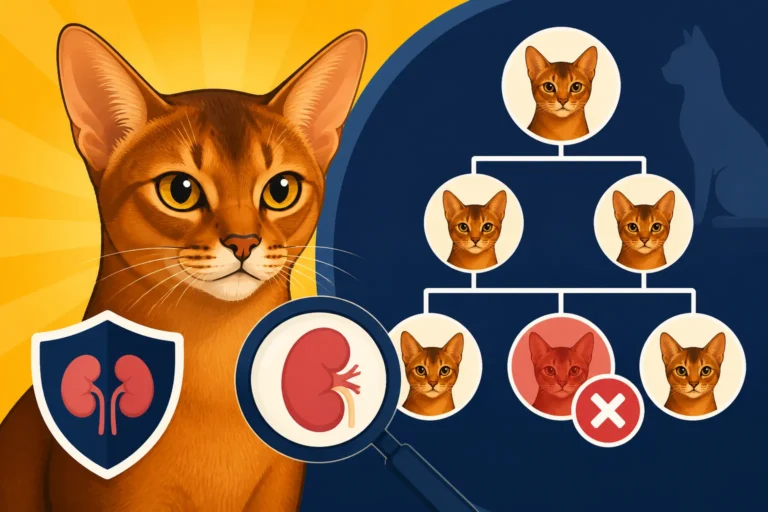
Kidney disease is another significant concern that can lead to lethargy, especially in Abyssinians, who are unfortunately predisposed to a hereditary form known as Renal Amyloidosis. This condition involves the abnormal deposit of amyloid proteins in the kidneys, which eventually impairs their function. How Young an Abyssinian Can Lose Its Kidneys is a sobering read, highlighting the importance of early detection.
A comprehensive chemistry panel within the blood work will evaluate:
- Blood Urea Nitrogen (BUN) and Creatinine: These are waste products that healthy kidneys filter out. Elevated levels indicate that the kidneys aren't doing their job effectively.
- Symmetric Dimethylarginine (SDMA): This is a newer, more sensitive marker for kidney function, often showing an increase much earlier than BUN or creatinine, giving vets a chance to intervene sooner. Which Blood Values Catch an Abyssinian's Kidneys Early elaborates on this crucial test.
- Phosphorus: Kidneys regulate phosphorus levels, so elevated phosphorus can be a sign of kidney failure.
- Potassium: Kidney disease can affect electrolyte balance, leading to either high or low potassium, both of which can cause weakness and lethargy.
Detecting kidney issues early, even if subtle, can mean the difference between managing the disease and facing a crisis. It highlights why regular check-ups, especially When a Middle Aged Abyssinian Needs Yearly Bloodwork, become increasingly important as your Abyssinian matures.
Infections, Inflammation, and Other Illnesses
Lethargy can also signal a systemic infection or significant inflammation somewhere in the body. This could be anything from a severe dental infection (Abyssinians are prone to gum disease) to a viral infection, bacterial infection, or even an inflammatory condition affecting organs.
The blood work can provide clues:
- White Blood Cell Count (WBC): Elevated WBCs often point to an infection or inflammation. Different types of white blood cells (neutrophils, lymphocytes, eosinophils) can increase or decrease, helping the vet pinpoint the type of immune response and potential cause.
- C-Reactive Protein (CRP) or Serum Amyloid A (SAA): These are acute phase proteins that increase in response to inflammation.
- Glucose: High or low blood sugar can cause lethargy. High glucose can indicate diabetes, while very low glucose can be a symptom of conditions like insulinoma or severe liver disease.
- Liver Enzymes (ALT, AST, ALP): Elevated liver enzymes can suggest liver disease or damage, which often presents with lethargy and poor appetite.
- Thyroid Hormones (T4): While hyperthyroidism (an overactive thyroid) typically causes hyperactivity and weight loss, in some older cats, advanced hyperthyroidism can paradoxically lead to lethargy and weakness. What an Old Abyssinian Slows Down From is often multifactorial, but thyroid issues can play a role.
This comprehensive approach allows the vet to rule out various conditions and move towards a more precise diagnosis. For example, if a cat has a high WBC count, it might lead the vet to search for a hidden infection.
Here's a quick overview of what certain blood work values might suggest:
| Blood Test Parameter | Normal Range (Approximate) | Potential Abyssinian-Specific Concerns | What High/Low Levels Might Indicate |
|---|---|---|---|
| Red Blood Cells (RBC) | 6.5 – 10 x 10^12/L | PK Deficiency | Low: Anemia, blood loss |
| Hemoglobin (Hgb) | 10 – 15 g/dL | PK Deficiency | Low: Anemia |
| Hematocrit (HCT/PCV) | 30 – 45% | PK Deficiency | Low: Anemia, dehydration (false high) |
| BUN | 16 – 36 mg/dL | Renal Amyloidosis | High: Kidney disease, dehydration |
| Creatinine | 0.8 – 2.0 mg/dL | Renal Amyloidosis | High: Kidney disease |
| SDMA | <14 µg/dL | Early Renal Amyloidosis | High: Early kidney disease |
| Phosphorus | 2.5 – 6.0 mg/dL | Renal Amyloidosis | High: Kidney disease |
| Glucose | 60 – 120 mg/dL | Diabetes, Pancreatitis | High: Diabetes, stress; Low: Liver disease, insulinoma |
| ALT (Liver Enzyme) | 12 – 130 U/L | Various liver conditions | High: Liver damage or disease |
| Total Protein | 5.7 – 8.9 g/dL | Chronic inflammation, dehydration | High: Dehydration, inflammation; Low: Liver/kidney disease, malnutrition |
| White Blood Cells (WBC) | 5.5 – 19.5 x 10^9/L | Infections, inflammation | High: Infection, inflammation; Low: Viral infection, bone marrow issues |
Note: Normal ranges can vary slightly between laboratories and specific reference values. Your vet will interpret these results in the context of your cat's overall health and symptoms.
The Urgency of Veterinary Intervention and Diagnostic Steps
It's tempting to think a few days of rest might fix things, especially if your Abyssinian still has occasional bursts of their usual energy. However, with this breed, time is often of the essence. Their capacity to mask illness means that by the time you see lethargy, the underlying condition might be quite advanced. Waiting could lead to the condition worsening, requiring more intensive and costly treatments, or even becoming irreversible.
Why Timely Blood Work is Non-Negotiable
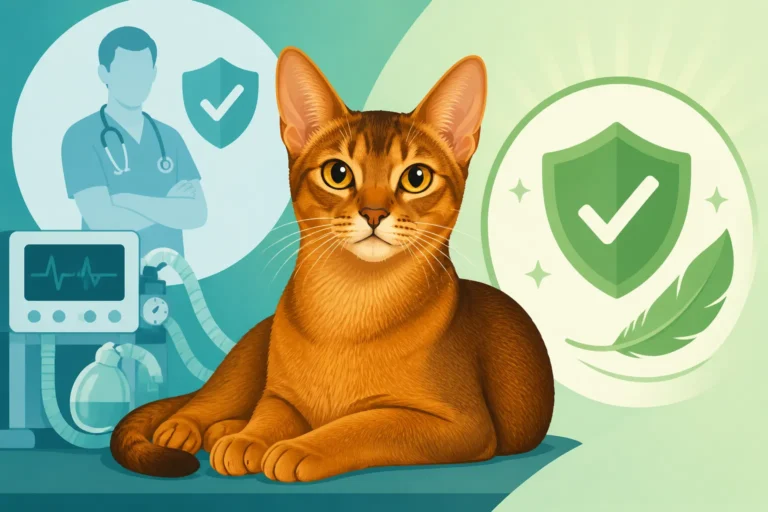
When your Abyssinian presents with lethargy, your veterinarian will likely recommend blood work as one of the first and most crucial diagnostic steps. This isn't just about confirming a suspicion; it's about casting a wide net to quickly identify or rule out common, severe issues. Unlike X-rays or ultrasounds which look at organ structure, blood work assesses organ function and systemic health. It provides objective data that helps your vet develop a targeted treatment plan. For instance, if the blood work indicates severe anemia, your vet knows immediately that When an Anemic Abyssinian Needs a Transfusion might be a consideration, and treatment for the underlying cause of anemia, such as How an Anemic Abyssinian Is Treated, can begin without delay. This proactive approach can significantly improve outcomes.
What to Expect at the Vet
When you bring your lethargic Abyssinian to the vet, be prepared to provide a detailed history. Even seemingly small details about changes in appetite, litter box habits, hydration, or activity levels are important. Your vet will perform a thorough physical examination, checking vital signs, listening to their heart and lungs, palpating their abdomen, and checking their gums for pallor.
Once blood is collected (usually a quick and minimally stressful procedure from a leg vein), it will be processed either in-house or sent to an external laboratory. Modern veterinary clinics often have rapid diagnostic tools that can provide initial results within minutes to a few hours, especially for critical values. This speed is incredibly beneficial when dealing with an acutely ill cat. For more comprehensive panels or specific genetic tests, results might take a few days. While the initial cost of diagnostics can feel overwhelming, many owners find great relief in having a robust pet insurance plan, with providers like Healthy Paws offering comprehensive coverage that makes these critical diagnostic decisions much easier.
Avoiding the "Wait and See" Trap
Resist the urge to adopt a "wait and see" approach. Lethargy in an Abyssinian is a serious symptom demanding prompt veterinary attention. Some conditions, like acute kidney failure or severe anemia, can progress rapidly. The sooner a diagnosis is made, the sooner appropriate treatment can begin, and the better your Abyssinian's chances of recovery or successful management of a chronic condition. Delaying could allow a treatable condition to become life-threatening. Remember, the investment in timely diagnostics is an investment in your beloved cat's health and potential lifespan. This is where pet insurance, such as a plan from Healthy Paws, really shines, by allowing you to make medical decisions based on what's best for your cat, rather than solely on immediate out-of-pocket costs.
Caring for Your Abyssinian During and After Diagnosis
The period surrounding diagnosis and initial treatment can be incredibly stressful for both you and your Abyssinian. Providing a calm, supportive environment is paramount, alongside diligently following your veterinarian's instructions.
Supporting Your Cat at Home
While waiting for test results or during the initial phases of treatment, create a comfortable and quiet space for your Abyssinian. Ensure they have easy access to food, water, and their litter box, perhaps even bringing these closer to their resting spot. Monitor their eating, drinking, and bathroom habits closely, and report any significant changes to your vet. Keep their environment stress-free; loud noises or sudden changes can exacerbate their discomfort. Gentle petting and reassurance, if they welcome it, can be helpful. Do not force them to eat if they are refusing, but offer highly palatable foods as recommended by your vet. You can also discuss options like appetite stimulants.
Following Through with Treatment Plans
Once a diagnosis is made, your veterinarian will outline a specific treatment plan. This might involve medications (antibiotics for infection, steroids for inflammation, or specific drugs for kidney disease), dietary changes, fluid therapy, or in severe cases, hospitalization. Adhering strictly to this plan is crucial. Administer medications exactly as prescribed, even if your cat starts to seem better. If dietary changes are recommended, such as a prescription kidney diet, be patient as your Abyssinian adjusts. This breed can be notoriously picky, and it may take time and different strategies to transition them successfully. Your vet might even suggest specific supplements to support their recovery.
For ongoing or chronic conditions, regular follow-up appointments and continued blood work monitoring will be necessary. This helps your vet track the progression of the disease and adjust treatment as needed. Having pet insurance, like the comprehensive plans offered by Healthy Paws, can be incredibly beneficial here, covering those recurring veterinary visits, medications, and monitoring tests, ensuring you can provide the best possible long-term care without constant financial worry. It's a true partnership between you, your vet, and your cat to ensure the best possible quality of life going forward.
Disclaimer
This article is for general informational purposes only and does not constitute professional advice. Laws, prices and regulations vary by location and change over time. Consult a qualified professional for guidance on your specific situation.