What a Quiet Abyssinian Is Telling You
It's incredibly unsettling when your usually vibrant, endlessly curious Abyssinian suddenly goes quiet. These aren't cats known for their stillness; they're celebrated for their boundless energy and constant presence. So, when your lively companion retreats into silence, it's often a stark and immediate indicator that something is genuinely wrong, and it requires your swift and thoughtful attention.
The Abyssinian's Natural Energy Level – A Baseline for Concern
To truly understand the gravity of a quiet Abyssinian, you first need to appreciate just how much energy these magnificent cats typically possess. They're not your average couch potatoes; they're athletes, explorers, and constant companions all rolled into one sleek, ticked package.
Why They're Called the Clowns of the Cat World
Abyssinians are practically synonymous with activity. They're often dubbed the "Clowns of the Cat World" or the "Puma of the Living Room" for a reason. From the moment they wake up until they finally crash for a deep sleep, they're usually in motion. You'll find them scaling bookshelves, launching themselves from doorframes, and engaging in elaborate games of chase with toys, dust bunnies, or even their own shadows. They're incredibly interactive, often following you from room to room, supervising your every move, and demanding to be involved in whatever you're doing. This isn't just a quirk; it's a fundamental aspect of their breed character, a testament to their intelligent and engaging nature. For a deeper dive into their typical activity levels, you might find "Why the Abyssinian Is the Busiest Cat in the House" helpful.
Their vocalizations, while not as loud or insistent as a Siamese, are varied and expressive, ranging from soft chirps and trills to excited "mrrps" when they greet you. They play with intensity, hunt with precision, and explore every nook and cranny of their environment. So, when this constant hum of activity ceases, it's not just a subtle change; it's a dramatic departure from their normal, healthy state. They don't just "chill out" without a good reason, and that reason is often rooted in discomfort or illness.
The Difference Between Resting and Quietness
Of course, all cats, even Abyssinians, need to rest. They'll nap in sunbeams, curl up on your lap (if they deign to do so for a moment), or snooze in their favorite high-up perch. But there's a world of difference between a cat that's enjoying a peaceful nap and one that has gone genuinely quiet. A resting Abyssinian is usually still responsive; their ears might twitch at a sound, their eyes might open to acknowledge your presence, and they're quick to rouse if there's an interesting sound or the promise of food or play.
A truly quiet Abyssinian, however, shows a deeper withdrawal. They might be unresponsive to their favorite toys, ignore mealtime, or fail to greet you at the door. They might seek out unusual hiding spots, appear hunched or guarded, or simply lie still for extended periods, even when typically stimulating activities are happening around them. This isn't just relaxation; it's a sign of a significant shift in their well-being, suggesting they're trying to cope with an internal struggle. It’s crucial to understand this distinction, as mistaking genuine distress for mere laziness can delay vital medical attention.
Sudden Quietness – A Major Red Flag
When an Abyssinian, a breed renowned for its vivacity, suddenly becomes quiet and withdrawn, it's not a minor behavioral shift. It's an alarm bell, a clear signal that something significant, and potentially serious, is affecting their health. This isn't a cat that "gets over it" quickly.
When to Worry About a Change in Behavior
Beyond just being quiet, there are other behavioral cues that, when combined with a lack of activity, should send you straight to the vet. Is your Abyssinian hiding in unusual places, perhaps under the bed or in the back of a closet, a place they rarely frequent? Are they refusing their favorite treats or showing a complete disinterest in food they usually devour? A sudden loss of appetite is a serious concern in any cat, particularly one as food-motivated as an Aby.
Observe their posture. Are they hunched, guarding their abdomen, or reluctant to move? Are their eyes dull or half-closed, rather than bright and alert? Any changes in litter box habits—straining, frequent trips with little output, or accidents outside the box—are also significant. Even subtle changes in their interaction with you, such as not purring, avoiding touch, or not engaging in their usual playful nips, are major indicators. Remember, these cats are masters of disguise, making it even more vital to catch these subtle signs.
The Instinct to Hide Illness
Cats, by their very nature, are survivors. In the wild, showing weakness or illness makes them vulnerable to predators. This deeply ingrained instinct persists even in our pampered housecats, and Abyssinians are no exception. They will go to great lengths to hide pain, discomfort, or disease, making it incredibly challenging for owners to detect when something is truly wrong. A quiet Abyssinian is often an Abyssinian that can no longer effectively mask its distress. For more on this innate behavior, check out "Why a Lean Abyssinian Hides Illness Longer Than a Heavy Cat".
They might simply become less active, spending more time sleeping or resting, but it’s a different kind of rest – a forced stillness rather than a voluntary one. They might stop jumping to their favorite high perches or avoid climbing their cat tree. This stoicism, while admirable, can be incredibly dangerous, as it often means that by the time you notice overt symptoms, the underlying condition might be quite advanced. This is why a sudden quietness, a complete departure from their baseline, demands immediate investigation.
Common Health Issues Behind a Quiet Abyssinian
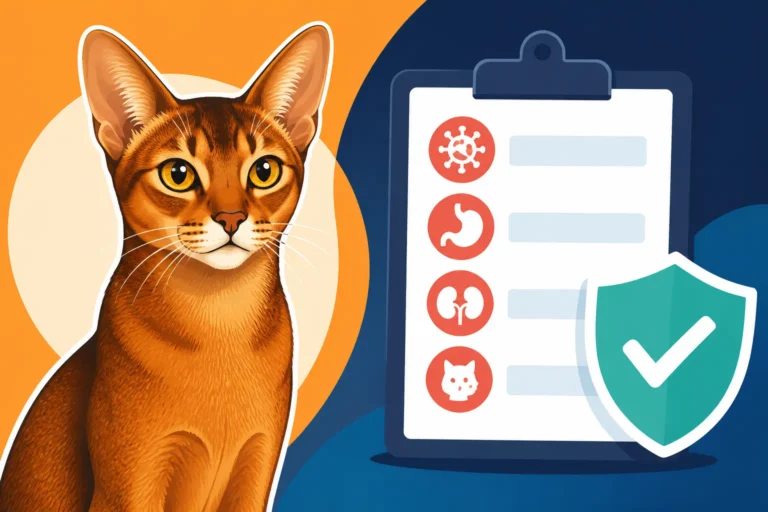
When an Abyssinian goes quiet, it's rarely for a benign reason. Their high energy levels and generally robust health mean that significant changes in behavior are often tied to underlying medical conditions. Here are some of the more common culprits that can steal your Aby's spark.
Gastrointestinal Discomfort and Pain
Digestive upset is a prime suspect when a cat, particularly an active one, suddenly loses interest in life. This isn't just a simple hairball; we're talking about more severe issues that cause significant pain or nausea. Conditions like acute pancreatitis, inflammatory bowel disease (IBD), or even severe constipation can make a cat feel utterly miserable, leading to lethargy and withdrawal. They might refuse food, vomit, or show discomfort when picked up.
Imagine having a terrible stomachache that just won't quit – you wouldn't feel like playing or interacting much either. For Abyssinians, who are usually enthusiastic eaters, a sudden refusal of food, especially wet food, is a massive red flag. Dehydration can quickly become a concern with GI issues, exacerbating their malaise. Pay close attention to any changes in stool consistency or frequency.
Kidney Disease and Its Subtle Onset
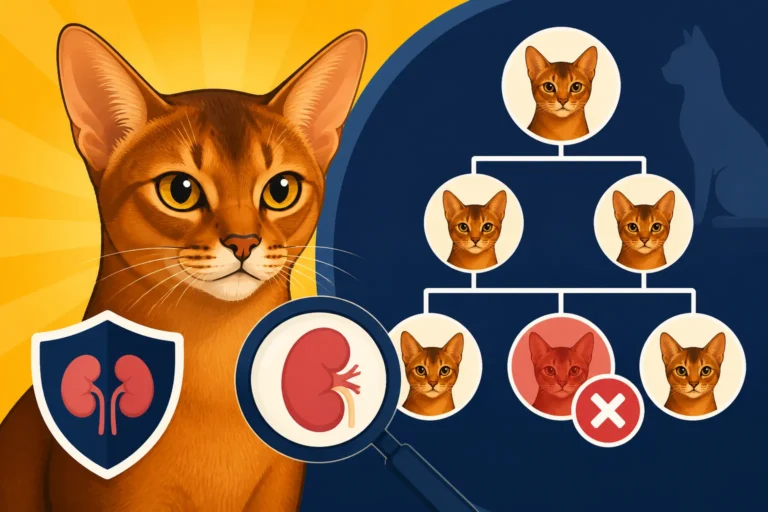
Kidney disease, particularly renal amyloidosis which Abyssinians are predisposed to, can manifest with very subtle signs in its early stages. One of the first indicators might simply be a general lack of energy and a quiet demeanor. As the kidneys struggle to filter waste products from the blood, toxins build up, making the cat feel unwell and lethargic. You might also notice increased thirst, which is a major red flag in a young Abyssinian, as detailed in "Why a Thirsty Young Abyssinian Is a Red Flag".
By the time more obvious symptoms like vomiting or significant weight loss appear, the disease might have progressed considerably. This is why veterinarians often recommend routine bloodwork for Abyssinians, even those who seem outwardly healthy, to catch changes early. Knowing "Which Blood Values Catch an Abyssinian's Kidneys Early" can be incredibly important for proactive care. The insidious nature of kidney disease means that a quiet Aby might be trying to cope with a chronic, debilitating condition.
Dental Pain and Its Impact on Overall Activity
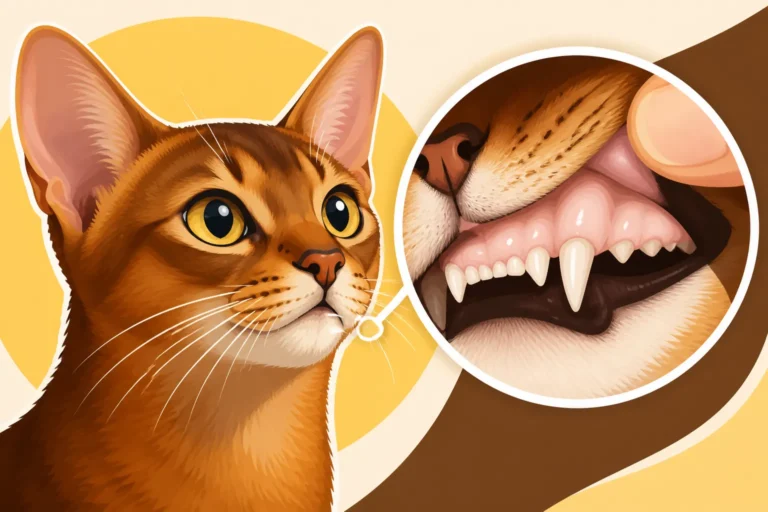
It might seem surprising, but chronic dental pain can profoundly affect a cat's overall activity level and demeanor. Abyssinians are particularly prone to certain dental issues, including severe juvenile gingivitis and subsequent tooth resorption. If you've ever had a throbbing toothache, you know how debilitating it can be. Cats experience this too, and constant oral pain can make them withdrawn, irritable, and uninterested in play or even eating.
They might approach their food bowl, sniff it, and then walk away, or they might prefer softer foods. You might notice them drooling, pawing at their mouth, or exhibiting bad breath. When their gums are inflamed and overgrown, a common issue in this breed, as explored in "Why an Abyssinian's Gums Overgrow Its Teeth", the discomfort can be constant. A vet visit for a thorough dental exam, often requiring sedation, is essential to diagnose and treat these painful conditions, which can dramatically improve your Aby's quality of life and restore their natural energy.
Other Potential Underlying Conditions
While GI issues, kidney disease, and dental pain are common culprits, a quiet Abyssinian could be suffering from a range of other serious health problems.
- Anemia: Conditions like Pyruvate Kinase Deficiency, common in Abyssinians, lead to the premature destruction of red blood cells, causing anemia. An anemic cat will be profoundly weak, lethargic, and quiet, often having pale gums. "What Intermittent Anemia Looks Like in an Abyssinian" delves into this specific issue.
- Heart Disease: Hypertrophic Cardiomyopathy (HCM) can also cause lethargy, shortness of breath, or even sudden collapse. While often silent, in more advanced stages, it can severely impact an Aby's energy.
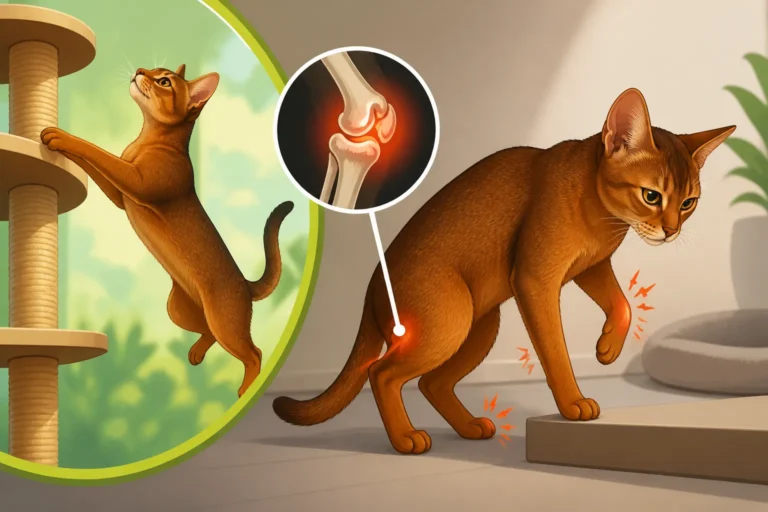
- Arthritis/Injury: Even an active cat can suffer from joint pain or a minor injury that makes movement uncomfortable. They might not limp dramatically, but simply reduce their overall activity to avoid pain.
- Infections: Bacterial or viral infections can cause fever, malaise, and a general feeling of being unwell, leading to quietness and withdrawal.
Given the potential severity of these conditions, any prolonged or significant quietness in your Abyssinian should be treated as an urgent medical concern.
What to Do When Your Abyssinian Goes Quiet
Observing your typically vibrant Abyssinian become quiet can be incredibly distressing. The most crucial step is to act promptly and thoughtfully. Time can be of the essence when dealing with a cat that is hiding its illness.
Immediate Home Observation and Care
First, try to gather as much information as possible without causing your cat additional stress.
- Observe their behavior meticulously: Note when the quietness started, if there were any precipitating events (like a new food, a change in routine, or a potential injury), and what other symptoms are present. Is there vomiting, diarrhea, straining in the litter box, or changes in drinking?
- Check their gums: Gently lift their lip to check the color of their gums. Pale gums can indicate anemia or shock, which is a critical emergency. "How Pale Gums Show Up on an Abyssinian" provides more detail.
- Assess appetite and thirst: Offer their favorite food, warm it slightly to enhance the aroma. If they refuse, don't force it but continue to offer small amounts periodically. Ensure fresh water is always available, and consider offering a feline-safe broth or even wet food mixed with extra water to encourage hydration.
- Monitor comfort and hiding spots: Let them hide if they want to, but observe from a distance. Are they hunched? Are they restless or unable to get comfortable? Is their breathing normal? Avoid excessive handling if they seem painful or agitated.
While you're observing, keep their environment quiet and calm. Minimise stressors, loud noises, and sudden movements. A quiet space allows them to rest and potentially reveal more symptoms.
When to Call the Vet – Don't Delay
This is paramount: do not wait. If your Abyssinian, known for being a whirlwind of activity, has been quiet and withdrawn for more than a few hours, or if you notice any other concerning symptoms like vomiting, diarrhea, pale gums, difficulty breathing, or complete refusal of food and water, it’s an emergency. Call your veterinarian immediately. Explain your cat's breed and their usual high energy levels, emphasizing that this quietness is a significant departure from their norm. Many vets understand that a quiet Aby is a serious concern.
If it's after hours, locate your nearest emergency veterinary clinic. Delaying can lead to a rapid deterioration in a cat's condition, especially with issues like kidney failure or severe anemia. It's always better to be safe than sorry, and early intervention can make all the difference in diagnosis and treatment. As discussed in "Why a Lethargic Abyssinian Needs Blood Work Fast", blood work is often the first step to figuring out what's truly going on.
Preparing for a Vet Visit
When you speak to your vet or prepare for the visit, be ready to provide as much detail as possible:
- Timeline: When did the quietness start? Has it gotten worse?
- Associated symptoms: Any vomiting, diarrhea, changes in urination, coughing, sneezing, limping, or behavioral changes?
- Appetite and water intake: How much are they eating and drinking (or not eating/drinking)?
- Medications/supplements: List anything they're currently on.
- Recent changes: New food, new pets, visitors, recent travel?
- Vaccination history: When was their last check-up and vaccinations?
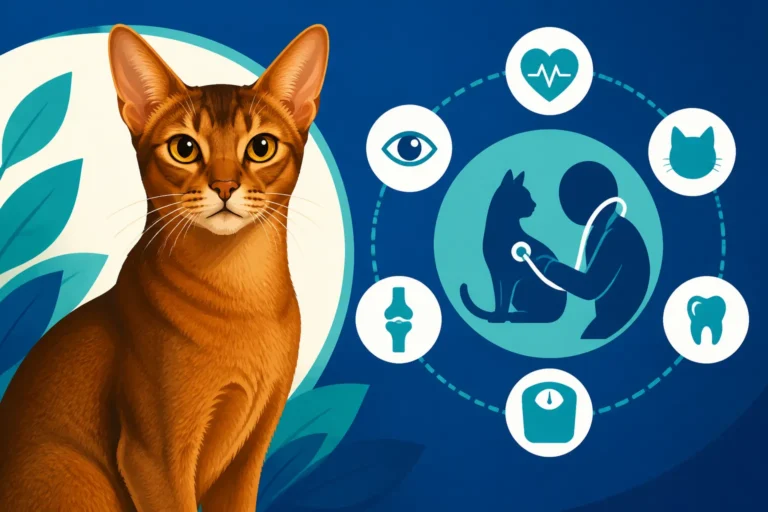
The vet will likely perform a thorough physical examination, checking their temperature, heart rate, breathing, abdominal palpation, and oral health. They will almost certainly recommend diagnostic tests, which could include blood work (a complete blood count and chemistry panel), urinalysis, and potentially imaging like X-rays or ultrasound. Be prepared for these steps; they are essential for pinpointing the problem.
For example, a comprehensive blood panel can reveal issues like anemia, kidney values (creatinine, BUN, SDMA), liver function, and electrolyte imbalances. A urinalysis can indicate kidney function or urinary tract infections. While tests might seem costly, they are crucial for accurate diagnosis. Many owners find pet insurance, such as through providers like Healthy Paws, to be a lifesaver in these situations. It can help cover unexpected emergency costs, making it easier to say "yes" to necessary diagnostics and treatments. Thinking about "What an Abyssinian's Annual Checkup Costs" can also help budget for regular health monitoring, which can sometimes catch issues before they become emergencies. Even if your Abyssinian is genetically tested for conditions like Pyruvate Kinase Deficiency, as explained in "The Abyssinian Has Three DNA Tests and One Disease With None", a new illness can still strike.
By being proactive and observant, and by not hesitating to seek veterinary care, you give your Abyssinian the best possible chance of recovery when they tell you something is wrong by simply going quiet.
Signs of a Quiet Abyssinian and Potential Causes
Here's a quick overview to help you identify the signs and understand some potential reasons behind your Abyssinian's sudden quietness.
| Sign of Quietness | Common Observations | Potential Causes (Non-Exhaustive) | Urgency Level |
|---|---|---|---|
| Reduced Activity & Play | Less running, jumping, disinterest in toys, reluctant to climb. | Pain (dental, joint, abdominal), lethargy from illness, general malaise. | High (If sudden and prolonged) |
| Increased Hiding/Withdrawal | Retreating to unusual spots (under bed, closet), avoiding interaction. | Pain, fear, severe illness, fever, feeling vulnerable. | High |
| Loss of Appetite (Anorexia) | Refusing favorite food/treats, sniffing food then walking away. | Nausea, dental pain, kidney disease, pancreatitis, infections, liver issues. | Critical (Especially if >24-48 hours) |
| Changes in Vocalization | Less chirping/purring, unusually quiet, or low, mournful meows. | Pain, weakness, respiratory distress, depression, general unwellness. | High |
| Altered Posture | Hunched back, tense abdomen, guarding certain areas, reluctance to stretch. | Abdominal pain, back pain, joint pain, nausea. | High |
| Dull/Half-Closed Eyes | Eyes lack usual bright, alert expression, slow to respond to stimuli. | Fever, severe pain, neurological issues, deep malaise. | High |
| Changes in Grooming | Neglecting grooming, matted coat, or excessive licking of one area. | Too unwell to groom, pain preventing reaching areas, pain at specific site. | Moderate to High (Depending on other signs) |
| Changes in Litter Box Habits | Straining, frequent visits, accidents outside box, less urine/stool. | Urinary tract infection, kidney disease, constipation, diarrhea, pain. | Critical (Especially straining or no urine) |
| Pale Gums | Gums appear white, grey, or very light pink instead of healthy pink. | Anemia (e.g., PK deficiency), internal bleeding, shock. | Immediate Emergency |
Remember, this table provides general guidance. If your Abyssinian is exhibiting any concerning change in behavior, particularly quietness, a prompt veterinary visit is the safest and most responsible course of action.
Disclaimer
This article is intended for informational purposes only and does not constitute professional veterinary advice. Always consult with a qualified veterinarian for any health concerns or before making any decisions related to your pet's medical care.