Why an Abyssinian Hides Pain Behind Its Energy
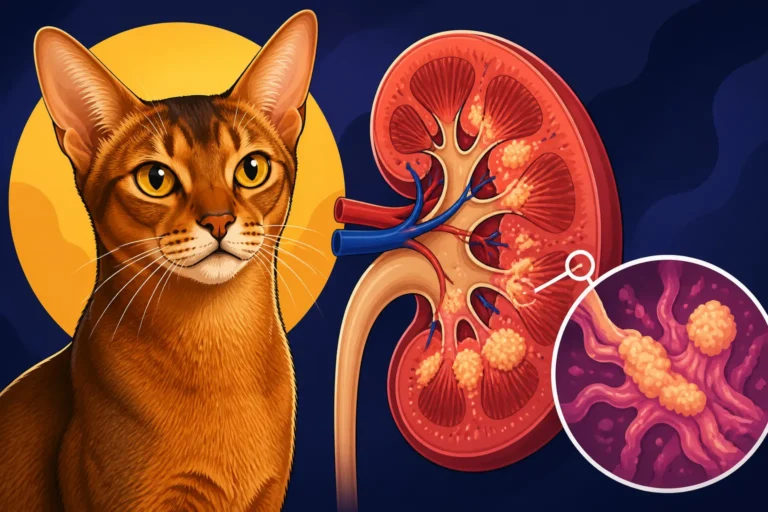
It’s a common, heartbreaking scenario: you see your Abyssinian zooming around, scaling cat trees, and chasing toys with their usual boundless energy, and you think, "They're fine!" But the truth is, these incredible athletes are masters of disguise, often hiding significant discomfort or illness right behind that vibrant, busy exterior. This guide will help you decode their subtle signals, understand why they mask pain so effectively, and empower you to become a true health advocate for your active companion.
The Abyssinian's Relentless Energy: A Deceptive Mask
Abyssinians are renowned for their boundless energy. They're not content to simply lounge on a sunny windowsill all day; they are explorers, climbers, and playful hunters from dawn till dusk, and sometimes through the night. This innate drive, while delightful, inadvertently becomes their most effective tool for masking discomfort. A cat, by nature, is a predator, and in the wild, showing weakness or pain makes them vulnerable. Abyssinians, with their lean, muscular build and sharp instincts, embody this survival trait fiercely. They push through pain, compensate for weaknesses, and often keep up appearances long after other breeds would have slowed down or withdrawn. This means that by the time an Abyssinian is overtly limping, refusing food, or genuinely lethargic, the underlying issue is often quite advanced, demanding immediate attention. It’s a frustrating reality for dedicated owners who just want to keep their beloved pets healthy.
Why Their High Metabolism Fuels the Deception
Their fast metabolism and lean body mass play a significant role in this masking behavior. An Abyssinian burns calories at an incredible rate, which means they're constantly needing fuel and are primed for action. This high-octane physiology can make it hard to spot subtle changes. For instance, a slight reduction in appetite might go unnoticed if they’re still eating something, or a minor stiffness might be overlooked because they're still leaping onto the counter, albeit perhaps with a slightly less graceful landing. This constant motion keeps their bodies warm and active, which can temporarily override minor aches and pains, making it seem like everything is business as usual. It’s also why monitoring their weight diligently at every vet visit is crucial, because even a small, unexplained drop can be a red flag. Learn more about why a lean Abyssinian hides illness longer than a heavy cat to truly appreciate this aspect of their physiology.
The Instinct to Conceal Vulnerability
From the moment they are kittens, Abyssinians are wired to be alert, active, and seemingly invincible. This instinct to conceal vulnerability isn't unique to them, but their high energy levels amplify it. They don't want to appear weak to other cats, perceived threats, or even to you, their devoted human. This means that a cat who might be experiencing joint pain from arthritis, discomfort from a dental issue, or even the early stages of a more serious illness, will still attempt to participate in normal activities. They might shorten a play session, avoid the very highest perches, or be less enthusiastic about a certain toy, but they won't typically present with a dramatic change until they simply cannot physically hide it any longer. This deep-seated evolutionary trait makes them challenging patients for even the most observant owners.
Unmasking Subtle Signs: Beyond the Obvious Symptoms
Given their talent for hiding discomfort, detecting pain or illness in an Abyssinian requires a keen eye and an understanding of their typical behavior. You can't wait for a dramatic limp or refusal to eat; you need to look for nuanced changes in their routine, their interactions, and even their body language that might otherwise be dismissed as a "bad day" or a temporary mood.
Behavioral Shifts That Indicate Discomfort
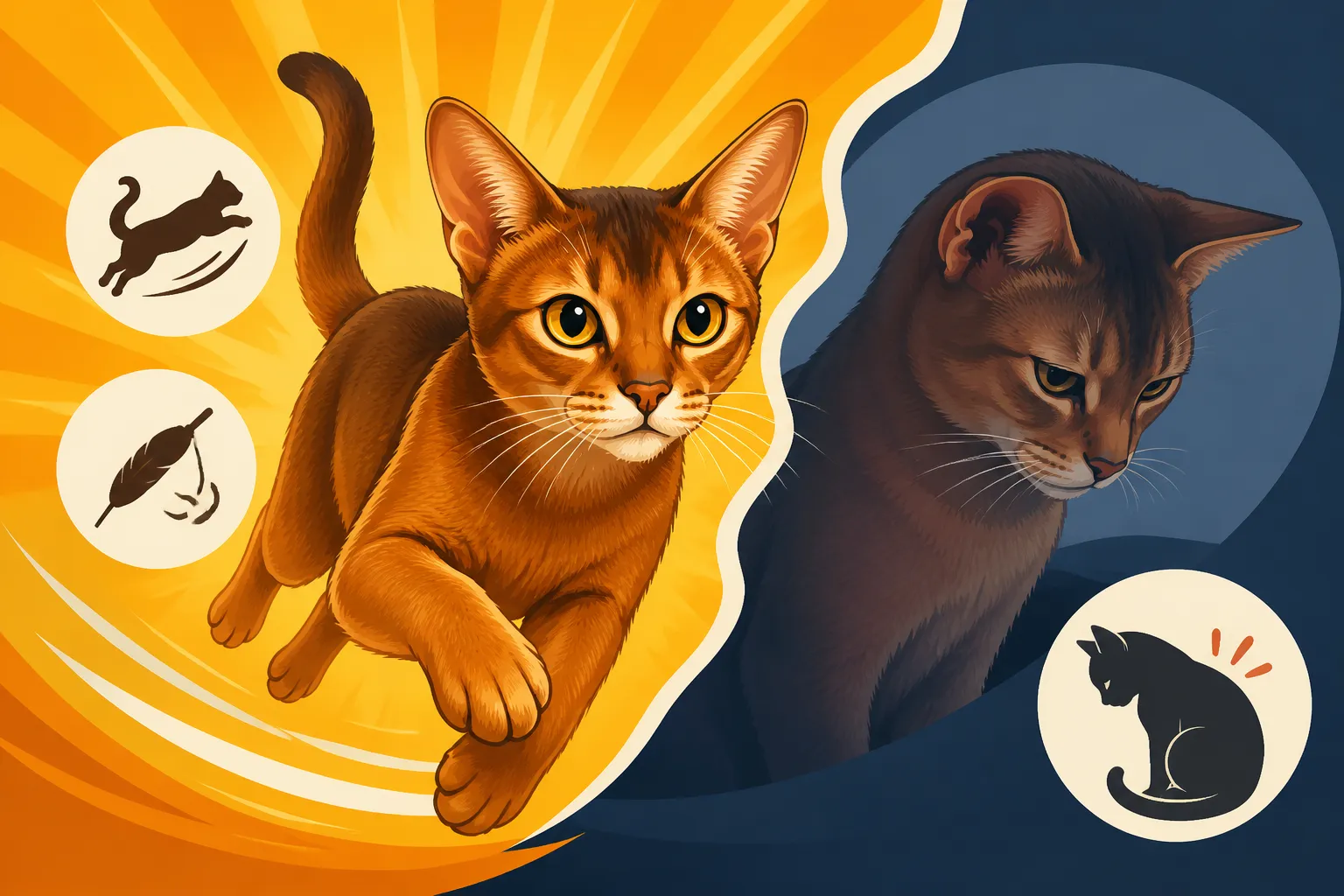
Instead of outright stopping an activity, an Abyssinian might modify it. Perhaps they still jump on the bed, but now they use the armchair as a stepping stone when they never used to. Or maybe they still chase the wand toy, but their leaps aren't quite as high, or they tire more quickly than usual. Observe how an Abyssinian’s play changes after ten, as age can bring about different patterns. Other subtle shifts include:
- Changes in vocalization: While Abyssinians are generally quieter than some breeds like the Siamese, a sudden increase in chirping or soft murmurs, or conversely, becoming unusually silent, can be a sign. What an Abyssinian's chirp means can offer insight into their usual communication patterns.
- Altered grooming habits: Over-grooming in a specific area could indicate localized pain or itchiness, while under-grooming might suggest they're too uncomfortable to reach certain spots. A stressed Abyssinian often overgrooms, so any change needs attention.
- Reduced interaction: They might still be in the same room as you, but perhaps they’re not initiating play or seeking attention as much. A slight withdrawal, even if they still greet you, is noteworthy. What a quiet Abyssinian is telling you could be crucial.
- Bathroom habit changes: Any deviation in litter box use – urinating outside the box, straining, or more frequent visits – is always a red flag for urinary or kidney issues. It's why maintaining an Abyssinian's water intake matters immensely for kidney health.
Physical Cues Hiding in Plain Sight
Beyond behavior, physical cues require careful observation. These aren't always overt signs like swelling or an open wound. Sometimes it’s as simple as how they hold their body.
- Posture and Movement: Watch for subtle stiffness when they wake up, a slight shift in weight distribution when standing, or an uneven gait. They might be trying to avoid putting full weight on a particular joint. If you notice them skipping a step on the stairs, it could indicate patellar luxation.
- Response to Touch: An Abyssinian usually loves a good scratch, but if they flinch, pull away, or even nip when you touch a particular area (like their back, hips, or even their mouth), it’s a clear sign of discomfort.
- Eye Changes: While an Abyssinian's night vision goes first with some conditions, generalized pain or discomfort can manifest as partially closed eyes, dilated pupils, or a duller gaze.
- Eating and Drinking Habits: They might still eat, but perhaps they drop food more often, chew on one side of their mouth, or take longer to finish. Increased thirst can signal kidney issues, or even diabetes, so a thirsty young Abyssinian is always a red flag.
Here’s a quick reference table to help differentiate normal behavior from subtle signs of potential pain:
| Normal Abyssinian Behavior | Subtle Sign of Potential Discomfort |
|---|---|
| Explosive bursts of play, high jumps, fast sprints | Slightly less height in jumps, shorter play sessions, taking detours |
| Eagerly greets you, rubs against legs, seeks attention | Present in the room, but less initiating interaction, slight withdrawal |
| Eats entire meal quickly and cleanly | Drops food, chews slowly/carefully, slightly reduced portion consumed |
| Drinks water regularly from favorite bowl | Increased thirst, less interest in water, changes in urine output |
| Agile climbing, exploring highest points effortlessly | Hesitation before jumping, using lower perches, slower ascent/descent |
| Active grooming, sleek coat | Over-grooming specific spots, neglected patches, duller coat |
| Relaxed posture, stretches freely | Hunched posture, stiffness after rest, favoring a limb subtly |
Proactive Monitoring: Becoming Your Abyssinian's Health Detective
Since Abyssinians are so adept at hiding discomfort, it's up to us, their human companions, to become vigilant health detectives. This involves more than just reacting when something is clearly wrong; it means actively looking for those tiny, almost imperceptible changes that signal a deeper issue.
Daily Check-Ins and Routine Observations
Building a habit of daily, informal check-ins can make all the difference. This isn't about formal examinations but rather integrating observation into your everyday interactions. As you pet your Abyssinian, run your hands gently over their body. Do you feel any lumps, bumps, or areas where they flinch? Are their muscles feeling tense or relaxed? Check their mouth gently for any redness in the gums, especially crucial for kittens whose gums fail at six months. Observe their eyes – are they bright and clear? Are their ears clean and free of odor? Pay attention to how they move when they first wake up versus after they've been active. Do they stretch fully? Do they favor a paw for a moment before walking normally? These small observations, consistently made, build a baseline of "normal" for your specific cat, making deviations easier to spot.
The Importance of Consistent Weight and Appetite Monitoring
One of the most powerful tools in your arsenal is simply tracking your Abyssinian's weight and appetite. Because Abyssinians are naturally lean and active, any unexplained weight loss is never minor and should prompt a vet visit. It's not just about what the scale says, but also how their body condition feels under that ticked coat. Can you easily feel their ribs without them protruding too much? Do they have a discernible waist? Regular weighing, perhaps weekly at home, can catch issues early. Simultaneously, monitor their food intake. Are they leaving a few kibbles more often? Are they less enthusiastic about their favorite wet food? While a full bowl might turn an Abyssinian into a grazer, any persistent change in eating habits warrants attention. If you're wondering what an Abyssinian's muscle loss shows before its fat, this vigilance is key.
Regular Veterinary Care and Diagnostic Tests
Even the most observant owner needs the expertise of a veterinarian. Regular check-ups are non-negotiable, especially as your Abyssinian ages. For a healthy adult Abyssinian, annual check-ups are typically recommended, but when an Abyssinian counts as senior, those visits should become more frequent, often every six months. During these visits, your vet can perform a thorough physical exam, checking for subtle signs you might have missed. They can also recommend routine bloodwork, which can flag issues like kidney disease, hyperthyroidism, or anemia long before clinical signs become obvious. For example, a lethargic Abyssinian needs blood work fast to rule out serious underlying conditions. Discuss with your vet when a middle-aged Abyssinian needs yearly bloodwork to stay ahead of potential health concerns.
Having a robust pet insurance plan, such as one from Healthy Paws, can be incredibly beneficial. When your keen observations suggest something is amiss, you won't hesitate to seek immediate veterinary care, knowing that the costs of diagnostics, specialists, or ongoing treatments for conditions like chronic kidney disease or unexpected injuries are covered. This peace of mind allows you to act quickly on subtle cues, rather than waiting for financially crippling emergencies.
When to Act: Don't Dismiss Subtle Warnings
The hardest part about owning an Abyssinian is overcoming your own desire to believe they are always fine. Their resilience is incredible, but it's a double-edged sword. Don't fall into the trap of thinking "they're still playing, so it can't be serious." When you notice a change, however slight, it's time to act.
Recognizing Emergency Situations
While this guide focuses on subtle signs, it’s important to distinguish them from outright emergencies. Sudden, drastic changes require immediate veterinary attention. These include:
- Sudden collapse or inability to move.
- Difficulty breathing, rapid panting, or open-mouthed breathing.
- Profuse vomiting or diarrhea, especially with blood.
- Obvious signs of severe pain: vocalizing loudly, hiding, aggression when touched, constant licking of a body part.
- Inability to urinate or straining unsuccessfully in the litter box.
For anything less dramatic but still concerning, trust your gut. If your Abyssinian that stops climbing needs a vet, it’s a valid concern. If you notice an Abyssinian being a suddenly still Abyssinian, this is a clear sign that immediate action is warranted.
Consulting Your Veterinarian with Specific Observations
When you contact your vet, be prepared to share specific, detailed observations rather than just saying "my cat isn't acting right." Note down:
- What exactly has changed? (e.g., "She's still jumping on the cat tree, but now she pauses for a second on the middle platform before leaping to the top, which she never used to do.")
- When did you first notice it? (e.g., "About three days ago.")
- Has it gotten worse, better, or stayed the same?
- Are there any other associated symptoms? (e.g., "She's also been drinking a bit more water.")
- What is their normal baseline behavior for this activity?
This detailed information helps your vet narrow down possibilities more quickly. They might recommend further diagnostics, which, again, is where financial preparedness through pet insurance like Healthy Paws becomes invaluable. Knowing you can afford a comprehensive workup means less stress and a faster path to diagnosis and treatment.
Supporting Your Abyssinian Through Recovery
Once a diagnosis is made, be diligent with treatment plans. Abyssinians can be notoriously difficult to medicate, but consistency is key. Provide a quiet, comfortable space for recovery if needed. Adapt their environment to their current abilities – if they have arthritis, provide ramps or lower steps to their favorite perches. Continue with your daily check-ins to monitor their progress and immediately report any new concerns to your vet. Understanding how to manage an Abyssinian in kidney failure, for instance, involves consistent medication, dietary changes, and regular check-ups. Your unwavering attention and proactive approach are the best tools you have to ensure your energetic Abyssinian lives a long, comfortable, and happy life, even if they try their best to convince you otherwise.
Disclaimer
This article is intended for informational purposes only and does not constitute professional veterinary advice. Always consult with a qualified veterinarian for any health concerns or before making any decisions related to your pet's health and treatment.