How Fast an Abyssinian Drops Weight When Ill
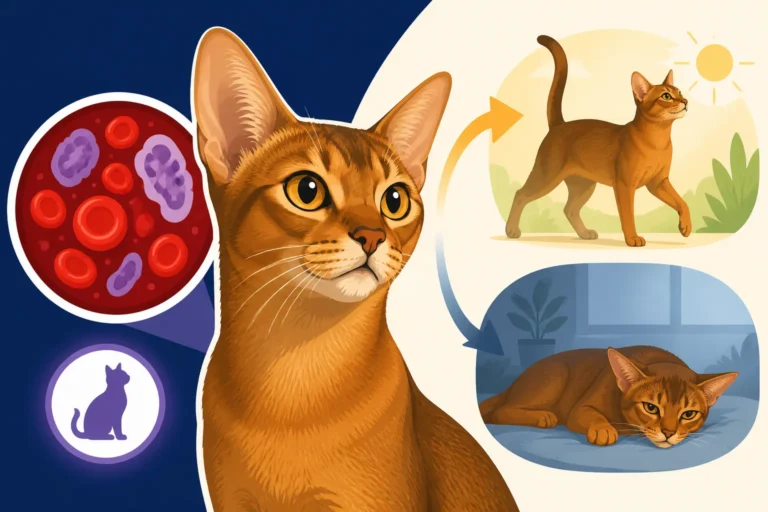
It’s heartbreaking to realize your vibrant Abyssinian, usually a whirlwind of energy, has suddenly lost weight. The truth is, these sleek, active cats can drop pounds surprisingly fast once illness takes hold, and their naturally lean build can mask those crucial early signs until the problem is well underway. This guide will walk you through why Abyssinians can lose weight so quickly when ill, how to spot the subtle indicators, and what steps you need to take immediately.
The Abyssinian's Natural Lean Physique
One of the most charming aspects of the Abyssinian is their elegant, athletic build, but this very feature can be a double-edged sword when it comes to detecting health issues. Unlike some fluffier breeds, an Abyssinian doesn't have a dense undercoat to hide changes in their body condition, yet their striking ticked fur can still create an illusion of fullness.
Why Their Build Can Mask Early Signs
Abyssinians are often described as having a "foreign" body type – lithe, muscular, and graceful, with long, slender legs. Their fur lies close to their body, highlighting their contours rather than obscuring them. This means they carry very little excess body fat naturally. While this makes them agile and prevents them from easily becoming overweight, it also means there's less "reserve" for their body to draw upon when they're not feeling well. A slight loss of muscle mass, which would be obvious on a heavier cat, might go unnoticed on an Abyssinian, especially if you're not routinely feeling their body underneath that beautiful coat. It's a cruel trick of nature that their beauty can sometimes delay the detection of a problem.
The Metabolism of a High-Energy Breed
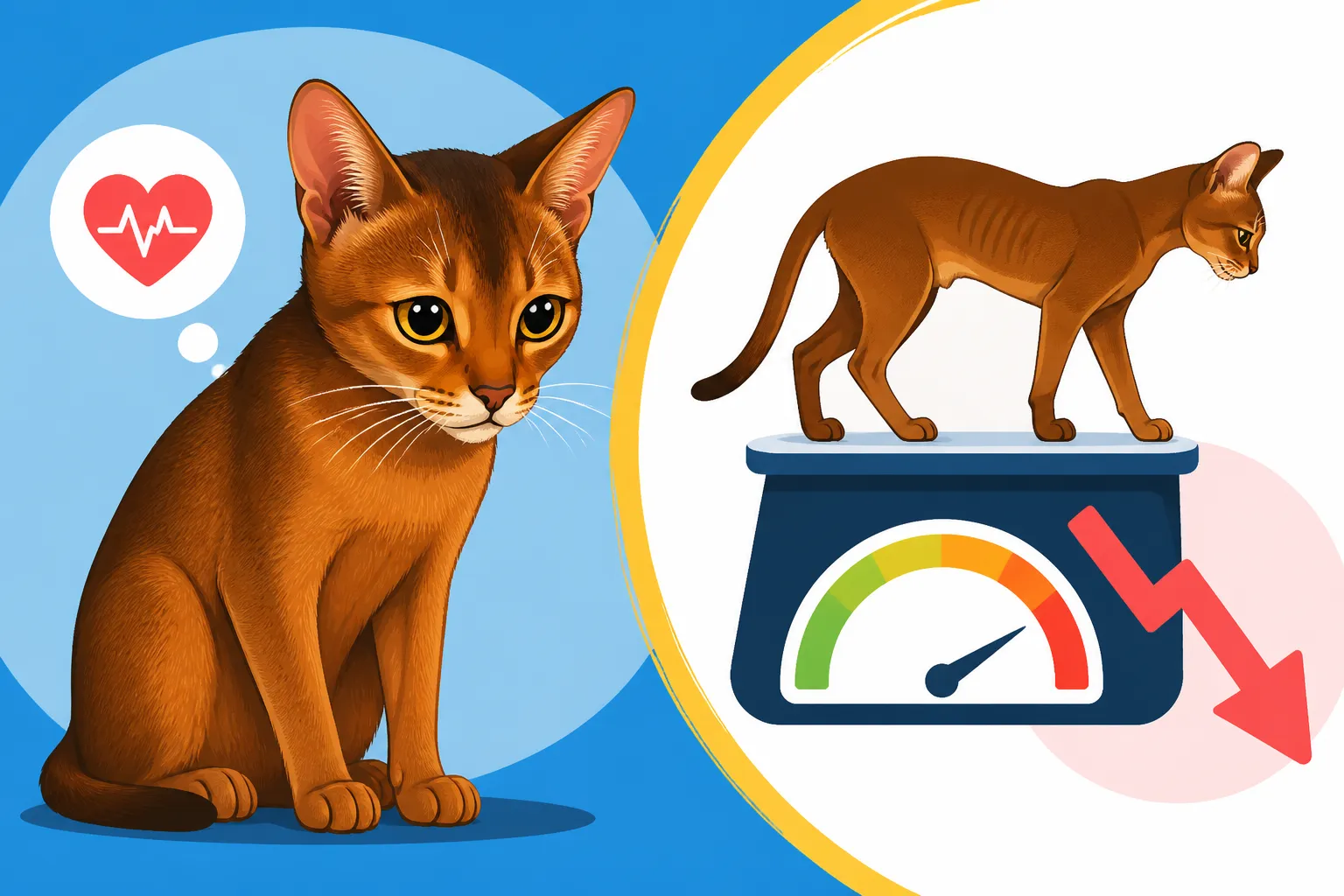
Beyond their physique, Abyssinians are renowned for their incredibly high energy levels and equally high metabolism. These cats are perpetual motion machines, burning through calories at an impressive rate throughout the day, even during their shorter sleep cycles. Think of them as tiny, highly efficient furnaces. This means that they need a consistent and robust caloric intake to maintain their weight and energy. If an illness causes even a marginal decrease in appetite or an increase in the body's energy demands (like fighting an infection or inflammation), that delicate balance is easily disrupted. Their body quickly dips into its reserves, and because those reserves are already minimal, weight loss can become visibly apparent alarmingly fast—sometimes within just a few days of a significant shift in health.
How Illness Accelerates Weight Loss in Abyssinians
When an Abyssinian falls ill, several factors combine to make weight loss a rapid and concerning symptom. It's not just about eating less; it's a complex interplay of reduced intake and increased metabolic demands.
The Sudden Drop When Eating Habits Change
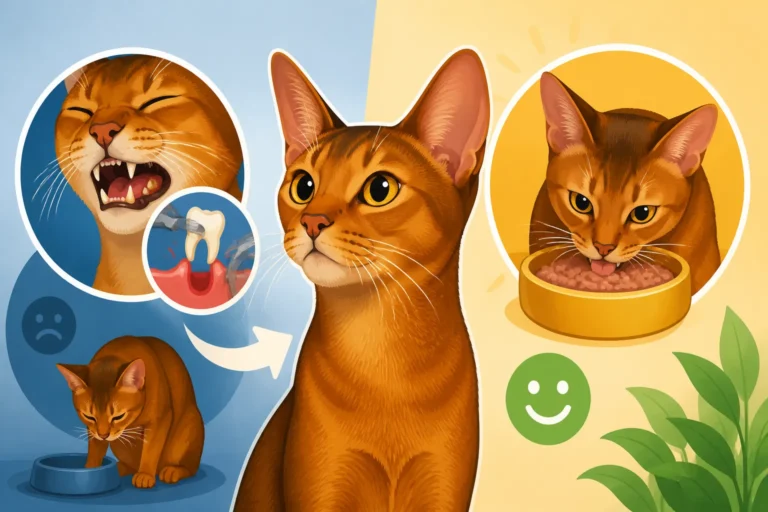
Abyssinians are typically very food-motivated. They’re often right there with you in the kitchen, curious about what you’re doing, and usually eager for their next meal. So, when an Abyssinian suddenly becomes less interested in food, or even completely turns their nose up at their favorite meal, it’s an immediate red flag. This isn’t a finicky eater; it’s a sick cat. Because of their fast metabolism, even missing a few meals or consistently eating slightly less than their usual intake can lead to a noticeable drop on the scales. Common issues like nausea from kidney problems, pain from dental disease (you might notice a cat that Why an Abyssinian Drops Food While Eating), or even gastrointestinal upset can severely curb their appetite. A sudden disinterest isn't just about hunger; it's often a sign that something is seriously wrong internally, demanding immediate attention.
Increased Calorie Burn Due to Underlying Conditions
It's not just a lack of food that contributes to rapid weight loss. Many underlying health conditions actually increase an Abyssinian's metabolic demands, effectively burning more calories even as they eat less. Conditions like hyperthyroidism, which is particularly common in older cats (and something you should monitor as Why Hyperthyroidism Catches an Older Abyssinian), can cause significant weight loss despite a ravenous appetite because their body is in overdrive. Chronic diseases such as inflammatory bowel disease, diabetes, or even kidney disease put immense stress on the body. A cat with kidney issues, for instance, may struggle to process toxins, leading to nausea and a general feeling of malaise that reduces appetite. Simultaneously, their body is working harder to cope with the failing organs, consuming more energy. This metabolic double-whammy – less fuel going in, more energy being expended – is why a previously healthy-looking Abyssinian can become noticeably thin within weeks, or even days, once these conditions take hold. This is why it's so important that How an Old Abyssinian's Kidneys Are Monitored and that any changes are discussed with your vet.
Recognizing the Subtle Signs Before Weight Loss Becomes Obvious
Because Abyssinians are so adept at hiding illness, observing their behavior and performing regular physical checks are your best tools for early detection. Don't wait until their ribs are clearly visible; by then, they might already be in a critical state.
Behavioral Changes as Early Warning Signals
Abyssinians are typically outgoing, playful, and very much a part of the family action. They thrive on interaction and can seem almost perpetually busy. Therefore, any shift in this baseline behavior should set off alarm bells. While they're known to Why an Abyssinian Hides Pain Behind Its Energy, subtle changes might include a slight decrease in their usual play intensity or duration. Perhaps they're spending more time napping, or choosing lower perches instead of their usual high-flying antics. You might notice they're a little less vocal than usual, or that their characteristic "chatter" is muted. Even a slight reluctance to jump as high as they used to, or a tendency to sit quietly observing rather than participating, can be a significant indicator. Don't dismiss these as simply "slowing down." A truly healthy Abyssinian maintains a robust energy level well into their senior years. Pay close attention to What a Quiet Abyssinian Is Telling You as it could be a crucial signal of distress.
Hands-On Assessment and Daily Monitoring
The best way to track your Abyssinian's body condition is with your hands. Their short, fine coat means you can easily feel their skeletal structure. Regularly (ideally weekly or bi-weekly) run your hands gently along their spine, ribs, and hip bones. You should feel their ribs, but they shouldn't protrude sharply or feel like a washboard. The spine should feel like individual vertebrae, but not overly prominent. The hip bones should be palpable but not sharp. If you notice a change, such as the ribs feeling much more distinct or a hollow appearance around the hips, it's time to act.
It’s also incredibly beneficial to weigh your Abyssinian regularly at home. Many home scales have a "tare" function that allows you to weigh yourself, then pick up your cat and weigh both, subtracting your own weight to get your cat's. Even a loss of just a few ounces in a small cat can be significant. Keep a log. This routine allows you to catch small, incremental weight loss that might not be visible to the eye until it's a much larger problem. Understanding How to Read an Abyssinian's Body Condition Through That Coat is an invaluable skill for any owner.
| Body Condition Score | Description | Urgency (Weight Loss) |
|---|---|---|
| Ideal (5/9) | Ribs easily felt, minimal fat cover. Waist visible. Abdominal tuck present. | No immediate concern, maintain current care. |
| Lean (4/9) | Ribs easily felt with minimal fat cover. Top of vertebrae visible. Obvious waist. | Monitor closely. Small loss, but may signal early issue. |
| Thin (3/9) | Ribs, lumbar vertebrae, and pelvic bones easily visible. No palpable fat. Obvious waist, severe abdominal tuck. | Moderate concern. Vet visit recommended soon. Indicates significant weight loss. |
| Emaciated (1-2/9) | Ribs, lumbar vertebrae, and pelvic bones prominently visible from distance. No fat. Severe muscle wasting. | High concern/Emergency. Immediate vet visit required. Severe illness likely. |
| Any Sudden Drop | A rapid decrease (e.g., 5-10% of body weight in a week) from a normal body condition score, even if still in the "lean" category, is highly alarming for an active Abyssinian. | Emergency. Immediate vet attention. Rapid loss in Abyssinians is never normal. |
Action Plan: What to Do When Your Abyssinian Loses Weight
Spotting weight loss in your Abyssinian, even if it seems minor, should always be taken seriously. Time is of the essence, and proactive intervention can make a world of difference in their prognosis.
Immediate Veterinary Consultation
The moment you notice unexplained weight loss, or significant changes in your Abyssinian's eating habits or behavior, schedule an urgent appointment with your veterinarian. Do not adopt a wait-and-see approach. Abyssinians have a knack for masking serious illness, and what seems minor to you could be a sign of a rapidly progressing condition. Your vet will likely perform a thorough physical exam, listen to your observations (which is why detailed notes on food intake and activity are so helpful!), and recommend diagnostic tests. This usually includes blood work (to check organ function like kidneys and liver, red and white blood cell counts, and thyroid levels) and a urinalysis. These tests are crucial for pinpointing the underlying cause. Sometimes, imaging like X-rays or ultrasound may also be necessary. Remember, when you notice your Why a Lethargic Abyssinian Needs Blood Work Fast, swift action is always best.
Supporting Your Abyssinian During Recovery
Once a diagnosis is made and treatment begins, your role in supporting your Abyssinian's recovery and encouraging weight gain is vital. This often involves careful nutritional management. Your vet might recommend a specific prescription diet tailored to their condition, for example, a kidney-friendly food for renal disease. For a cat with a poor appetite, tempting them to eat is key. Try warming their wet food slightly to enhance its aroma, offering small, frequent meals throughout the day, or even trying different textures and flavors. Sometimes, a high-calorie supplement or an appetite stimulant prescribed by your vet can help.
Hydration is also paramount, especially if kidney issues are suspected. Encourage water intake with multiple water bowls, a pet fountain, or by adding extra water or broth to their wet food. While the initial vet visit and diagnostics might seem daunting, this is precisely where having a good pet insurance plan, like those offered by Healthy Paws, can really make a difference, covering a significant portion of unexpected vet bills. Knowing that you have financial support to pursue every diagnostic and treatment option provides incredible peace of mind during a stressful time. Ensuring your Abyssinian gets enough moisture from their diet, for example with Which Wet Food Suits an Abyssinian, can also contribute to their overall health. Investing in pet insurance early, with providers such as Healthy Paws, ensures you're prepared for the unexpected, especially when dealing with rapid health declines.
Disclaimer
Please note: The information provided in this article is intended for general informational purposes only and does not constitute veterinary advice. Always consult with a qualified veterinarian for any health concerns or before making any decisions related to your pet's care.