How Many Years a Well Bred Abyssinian Lives
It’s a natural worry for any cat parent: how long will our beloved feline companions be with us? When you’ve chosen an Abyssinian, with their vivacious personality and stunning looks, that question can feel even more pressing, especially when you hear whispers about breed-specific health concerns. This guide will walk you through what to expect regarding the lifespan of a well-bred Abyssinian, focusing on how responsible breeding and dedicated care can extend their vibrant lives for many wonderful years.
The Typical Lifespan of a Well-Bred Abyssinian
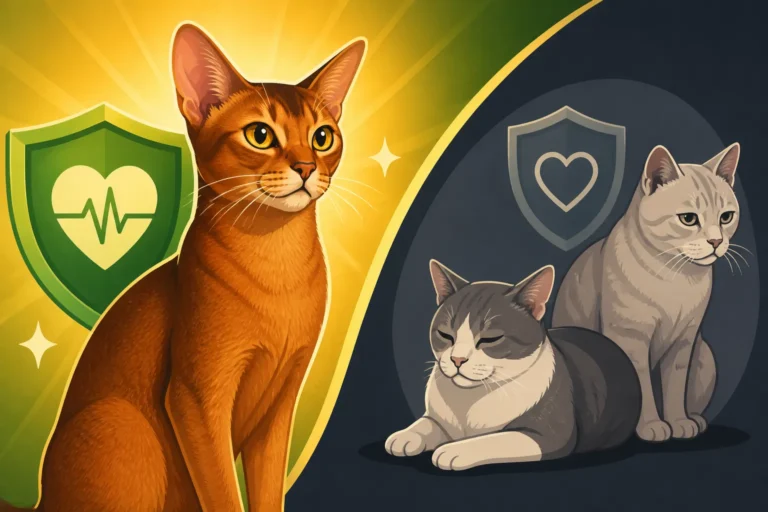
For many years, the Abyssinian was often cited as having a shorter lifespan than some other pedigree cats, but modern breeding practices and advancements in veterinary care have truly changed the game. While the average domestic shorthair might live around 12-15 years, a well-bred Abyssinian can absolutely meet and often exceed that. We're talking about a lifespan that generally falls in the range of 12 to 15 years, with many reaching into their late teens, and some truly thriving beyond 18 years! This makes them quite comparable to, or even outliving, many other breeds.
What "Well-Bred" Truly Means for Longevity
When we talk about a "well-bred" Abyssinian, it's not just about getting a cat with a perfect pedigree or show-winning ancestors. It’s fundamentally about a breeder’s commitment to health. This means a breeder who actively screens their breeding cats for known genetic diseases, and who understands the health history of their lines. They aren't just selling you a kitten; they're providing a foundation for a long, healthy life. Choosing a reputable breeder is the single most impactful decision you can make for your future Abyssinian’s health and longevity. It’s about minimizing inherited risks from the very start.
The Influence of Genetics and Breeder Responsibility
A good breeder will be transparent about the genetic health of their cattery. They will discuss the common genetic conditions that can affect Abyssinians and provide proof of screening for their breeding stock. The Abyssinian Has Three DNA Tests and One Disease With None, and a responsible breeder will use these tools.
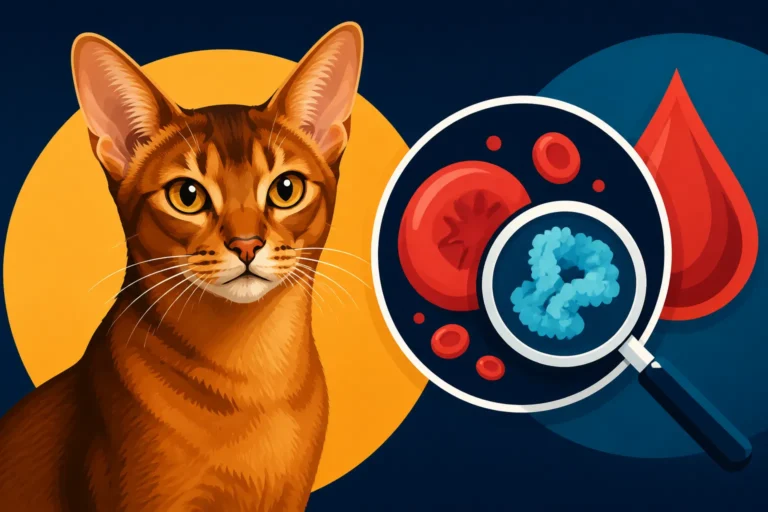
One of the most well-known is Pyruvate Kinase Deficiency Is the Abyssinian's Best Known Test. This is a hereditary anemia that, if not screened for, can significantly shorten a cat's life and lead to chronic health issues. Similarly, PRA-rdAc Takes an Abyssinian's Sight by Five, a form of progressive retinal atrophy that leads to blindness. While not life-threatening in itself, it’s a condition that greatly impacts quality of life and indicates a lack of responsible breeding if not screened out.
Perhaps the most challenging condition is Renal Amyloidosis Is the Abyssinian Problem Nobody Can Test For. This inherited kidney disease can tragically lead to early kidney failure. Since there isn't a direct genetic test, reputable breeders rely heavily on understanding their lines, tracking the health and lifespan of every cat in their pedigree, and never breeding from lines with a history of early amyloidosis. It means asking detailed questions about What an Abyssinian Breeder Should Have Tested Before You Buy and truly vetting their practices.
Crucial Environmental and Lifestyle Factors
While genetics lay the groundwork, the day-to-day care you provide plays an enormous role in helping your Abyssinian reach its full potential lifespan. A well-bred Abyssinian still needs a well-cared-for life to thrive into their senior years. This encompasses everything from their diet and exercise to their environment and emotional well-being.
Diet and Nutrition for Long-Term Health
Abyssinians are known for their high energy levels and lean, muscular build. This means they burn calories at a faster rate than many other breeds. Providing a high-quality, protein-rich diet is paramount. Think about their ancestors, whose natural diet would have been rich in lean meat. A diet that supports this metabolism helps maintain their muscle mass, keeps their energy up, and supports overall organ function. Hydration is also incredibly important, especially for breeds prone to kidney issues. Ensuring access to fresh, clean water at all times, and incorporating wet food into their diet, can significantly benefit kidney health over their lifetime.
Imagine a rambunctious kitten, tearing through the house, scaling cat trees like a pro. That energy requires fuel. As they age, this dietary focus shifts slightly, but the need for quality remains. A balanced diet prevents obesity, which can lead to other health complications down the line, and keeps their systems running smoothly.
The Importance of an Indoor-Only Lifestyle
This is non-negotiable for an Abyssinian's longevity. While they might be adventurous and seem to yearn for the outdoors, the risks far outweigh any perceived benefits. Outdoor cats face dangers like traffic accidents, fights with other animals (which can lead to injury or disease transmission), exposure to parasites, and accidental poisoning. An Abyssinian’s vibrant, active nature doesn't mean they're equipped to navigate the dangers of the street.
An indoor-only lifestyle, especially for a breed as precious as the Abyssinian, ensures they are protected from these external threats. Why an Indoor Abyssinian Reaches Fifteen More Often isn't just a suggestion; it's a statistical fact born from minimizing risks. However, "indoor" doesn't mean "bored." These cats are intelligent and highly active. They need vertical space, engaging toys, and plenty of interaction to keep their minds and bodies stimulated.
Regular Veterinary Care and Preventative Measures
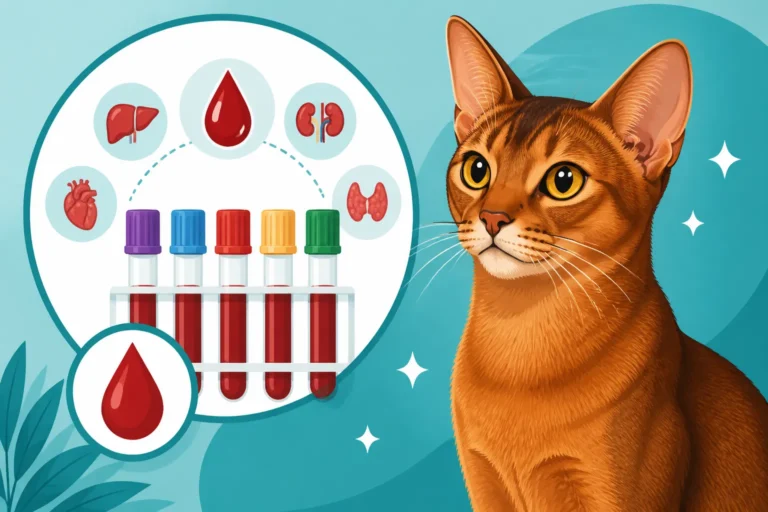
Annual vet check-ups are essential, even when your Abyssinian appears perfectly healthy. These visits allow your veterinarian to catch potential issues early, often before they become serious problems. Regular physical exams, dental checks, and routine vaccinations are part of the deal. As Abyssinians get older, yearly bloodwork can become even more crucial to monitor organ function, especially kidneys and thyroid.
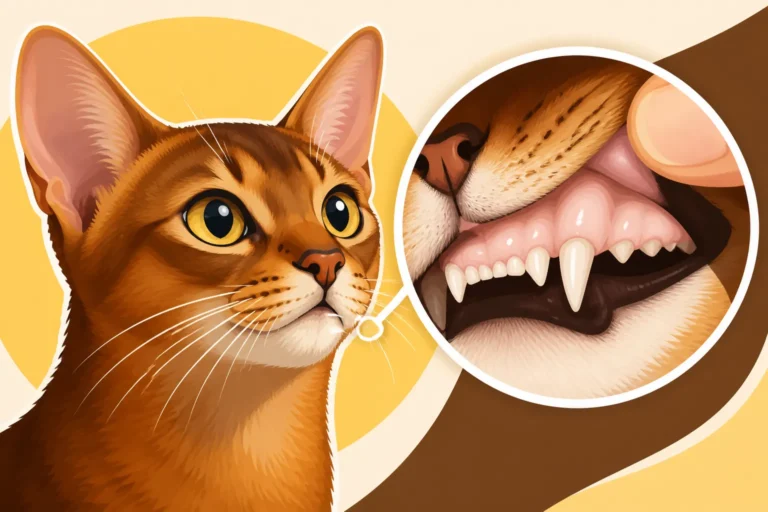
Consider the cost of veterinary care. Why Abyssinian Dental Work Is the Biggest Line in the Budget is a truth many Abyssinian owners learn. These cats are prone to gingivitis and other dental issues, which, if left untreated, can lead to painful infections and even systemic health problems. Budgeting for regular dental cleanings and being prepared for potential health issues is part of responsible ownership. Pet insurance, like that offered by Healthy Paws, can be a lifesaver, covering a significant portion of unexpected vet bills for accidents or illnesses, helping you provide the best care without financial strain. It can provide peace of mind, knowing that if a sudden illness or injury strikes, you can focus on your cat's recovery rather than worrying about the bill.
Recognizing and Addressing Health Challenges
Even with the best breeding and care, no cat is entirely immune to health issues. Being vigilant and proactive in recognizing signs of illness can make all the difference in managing conditions and extending your Abyssinian’s comfortable lifespan.
Subtle Signs of Illness in an Active Abyssinian
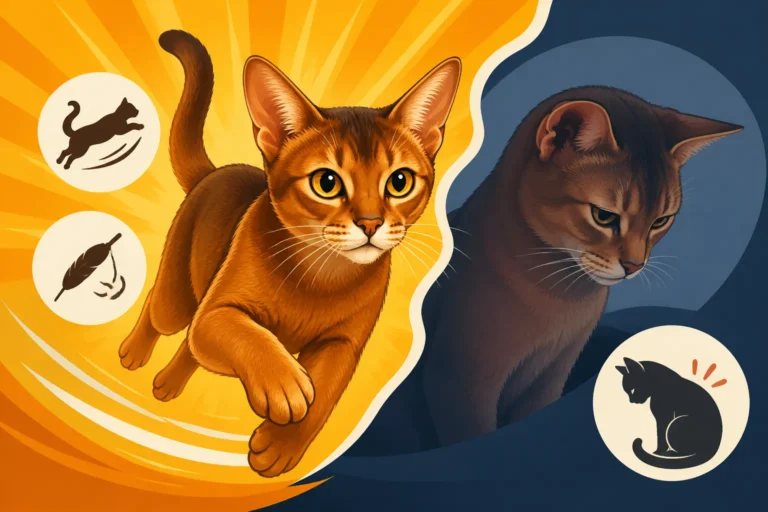
Abyssinians are incredibly resilient and often hide illness until it's quite advanced. Their energetic nature can mask subtle changes that in a lazier cat would be immediately obvious. This means you, as their dedicated owner, need to be extra attuned to their normal behavior. Is their play drive slightly less enthusiastic? Are they sleeping a little more than usual? Even minor shifts can be significant.
One critical area to watch is weight. Why a Lean Abyssinian Hides Illness Longer Than a Heavy Cat is because they don't have a lot of fat reserves to lose before muscle mass starts to go, which can signal a serious underlying problem. A sudden change in appetite, increased thirst, or changes in litter box habits are all red flags that warrant a vet visit. Early detection is often the key to successful treatment for many conditions, from kidney disease to hyperthyroidism.
Common Health Issues and Management
While Abyssinians are generally robust, there are a few conditions beyond the genetic tests that owners should be aware of, particularly as their cats age.
- Dental Disease: As mentioned, dental issues are common. Regular brushing at home, combined with professional cleanings, can prevent pain, infection, and tooth loss.
- Kidney Disease: Even without amyloidosis, kidney disease is a common ailment in aging cats of all breeds. Monitoring water intake, urine output, and regular blood tests (especially SDMA, which can detect kidney issues earlier than traditional creatinine) are vital. Dietary management and sometimes fluids can help manage this condition for years.
- Hyperthyroidism: This hormonal condition typically affects older cats, leading to weight loss despite a ravenous appetite, hyperactivity, and a host of other symptoms. It's usually manageable with medication, dietary changes, or radioactive iodine therapy.
- Arthritis: An active Abyssinian who loves to jump and climb will inevitably experience some wear and tear on their joints as they get older. Signs might include hesitation before jumping, stiffness, or changes in gait. Pain management, joint supplements, and making their environment more accessible (e.g., ramps, lower shelves) can significantly improve their comfort. Caring for an Abyssinian Past Ten often involves adjusting their home to support their changing mobility.
Enriching the Abyssinian's Life for Maximum Well-being
A long life isn't just about avoiding illness; it's about living a full, happy, and stimulated life. Abyssinians are exceptionally intelligent and active, and neglecting their mental and physical needs can lead to stress, behavioral problems, and potentially impact their overall health.
The Role of Mental Stimulation and Play
The Abyssinian Is the Busiest Cat in the House is no exaggeration. These cats thrive on interaction and challenge. Without enough mental stimulation, they can become bored, which might manifest as destructive behavior, excessive vocalization, or even over-grooming. Puzzle feeders, interactive toys, and regular play sessions with you are crucial. Think of them as small, agile detectives, always exploring and figuring things out.
They love to hunt and chase, so wand toys are often a huge hit. Rotate their toys regularly to keep things fresh and exciting. Teaching them tricks with positive reinforcement and clicker training can also provide an excellent outlet for their intelligence and strengthen your bond.
Creating an Environment for an Active Cat
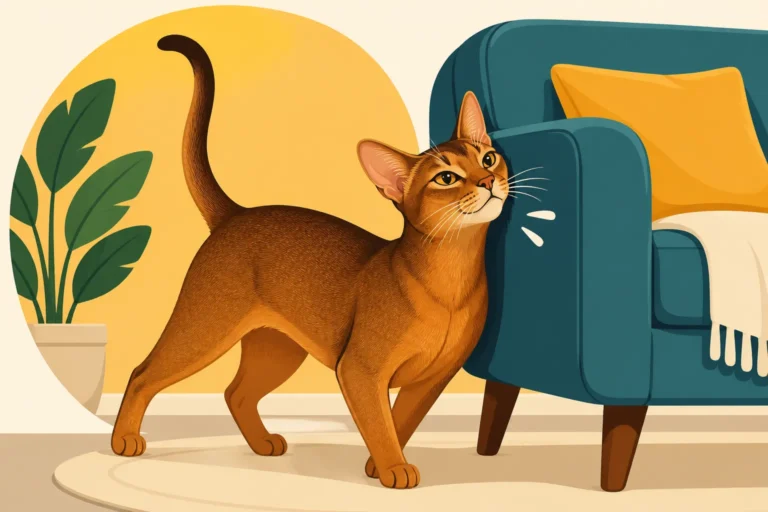
Beyond toys, their home environment needs to cater to their natural instincts. Abyssinians are climbers, jumpers, and observers. They want to be high up, watching the world go by. This means investing in good quality cat trees that reach the ceiling, and ideally, installing wall-mounted shelves or "cat superhighways" to give them ample vertical territory. An Abyssinian Needs Height More Than It Needs Floor is a fundamental truth of owning this breed.
A tall, sturdy cat tree isn't just decoration; it's essential for their physical health, allowing them to stretch, climb, and exercise. It also fulfills their innate desire to survey their domain from a safe vantage point. Window perches where they can watch birds or squirrels are also highly valued and provide hours of entertainment.
| Factor | Impact on Lifespan | Owner Action |
|---|---|---|
| Genetics (Well-Bred) | Minimizes risk of inherited diseases. | Choose a reputable breeder who screens for PK Deficiency, PRA-rdAc, and tracks amyloidosis in their lines. |
| Indoor Lifestyle | Greatly reduces risk of accidents, disease, parasites. | Keep your Abyssinian strictly indoors, or in a secure "catio." |
| High-Quality Nutrition | Supports energy, muscle, organ health, prevents obesity. | Feed a protein-rich diet, ensure adequate hydration (wet food, water fountains). |
| Regular Veterinary Care | Early detection and management of health issues. | Annual check-ups, vaccinations, parasite control, regular bloodwork, especially as they age. |
| Dental Hygiene | Prevents systemic health problems from oral infections. | Daily tooth brushing, professional dental cleanings as recommended by your vet. |
| Mental & Physical Enrichment | Prevents boredom, stress, supports physical fitness. | Provide puzzle toys, interactive play, cat trees, wall shelves, window perches. |
The Enduring Joy of an Abyssinian Companion
When you combine responsible breeding with a loving, stimulating home environment and proactive veterinary care, you are setting your Abyssinian up for a long and truly fulfilling life. These magnificent cats have so much joy and mischief to offer, and with dedication, you can expect to share many wonderful years with your vibrant companion. How Much an Abyssinian Costs to Keep Every Year might seem daunting, but the investment in their health and happiness truly pays off in the long run with a cherished friend by your side for well over a decade.
Disclaimer
Please remember that while this guide provides general information and recommendations, every Abyssinian is an individual. Always consult with your veterinarian for personalized advice regarding your cat's health, nutrition, and specific care needs. This content is not a substitute for professional veterinary medical advice.