Which Blood Panel an Abyssinian Should Have Yearly
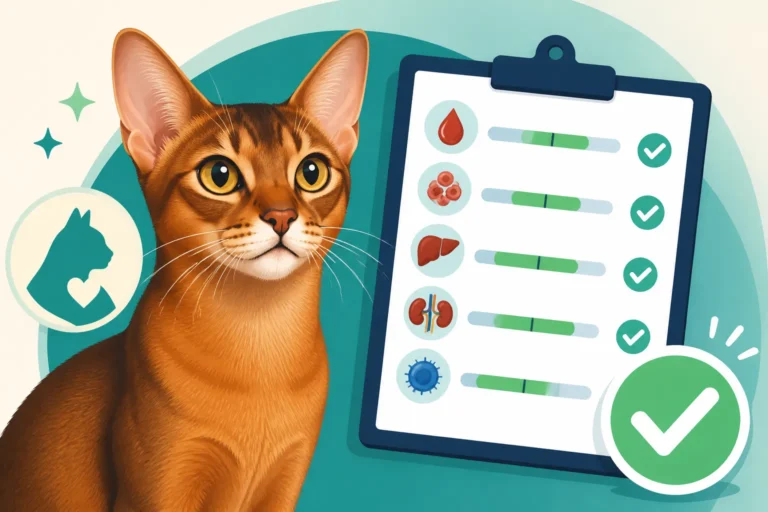
It's incredibly frustrating when your Abyssinian, who is usually a whirlwind of energy, suddenly seems a little off, but you can't quite pinpoint why. Abyssinians are champions at hiding illness until they're really struggling, making it hard for even the most observant owner to catch problems early. This guide will walk you through the essential blood panel components your Abyssinian should have annually, explaining what each test reveals about their health and how these regular check-ups can be a lifeline for these spirited cats.
Why Annual Bloodwork Isn't Just for Senior Abyssinians
Many people associate yearly blood tests with older pets, thinking their young, seemingly healthy Abyssinian is too vigorous to need such scrutiny. However, this couldn't be further from the truth. Abyssinians, with their lean, athletic builds and naturally active dispositions, can mask underlying health issues for an alarmingly long time. This is precisely why a yearly blood panel is a non-negotiable part of their preventative care, regardless of age.
The Abyssinian's Instinct to Hide Illness
Abyssinians are survivors. In the wild, showing weakness is an invitation for trouble, and this instinct is deeply ingrained in their domestic counterparts. Your Abyssinian might be experiencing discomfort or early-stage illness, yet they'll still zoom around the house, engage in play, and appear largely normal. They conserve their energy and choose their moments to act "sick," often when you're not looking, or they might just reduce their activity level subtly enough that you don't notice it until the problem is much more advanced.
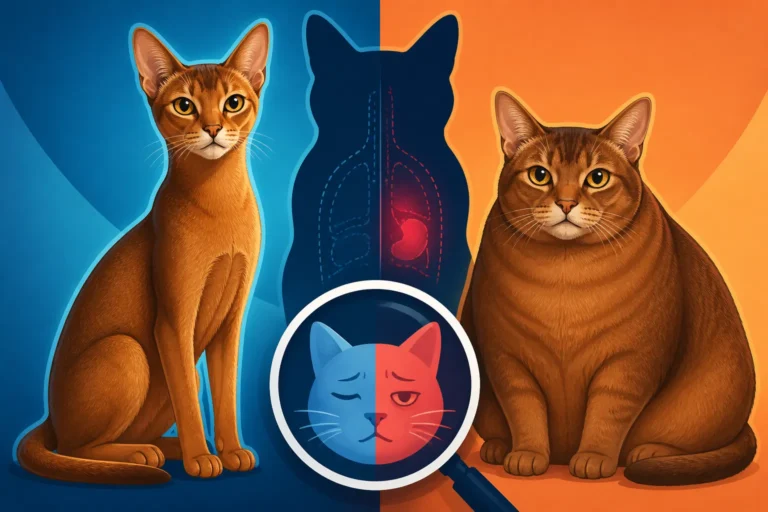
Consider a cat like Simba, a five-year-old ruddy Abyssinian who still scaled the highest cat tree daily. His owner, Sarah, noticed he was drinking a little more water than usual but dismissed it, thinking he was just more active in the summer. When his annual bloodwork came back, it revealed early signs of kidney compromise. Because it was caught early, Simba's vet was able to implement dietary changes and monitoring, potentially extending his quality of life significantly. If Sarah had waited for overt symptoms like vomiting or complete lethargy, the damage might have been irreversible. This ability to hide illness is why Why a Lean Abyssinian Hides Illness Longer Than a Heavy Cat is such a critical consideration for owners.
Early Detection for Breed-Specific Concerns
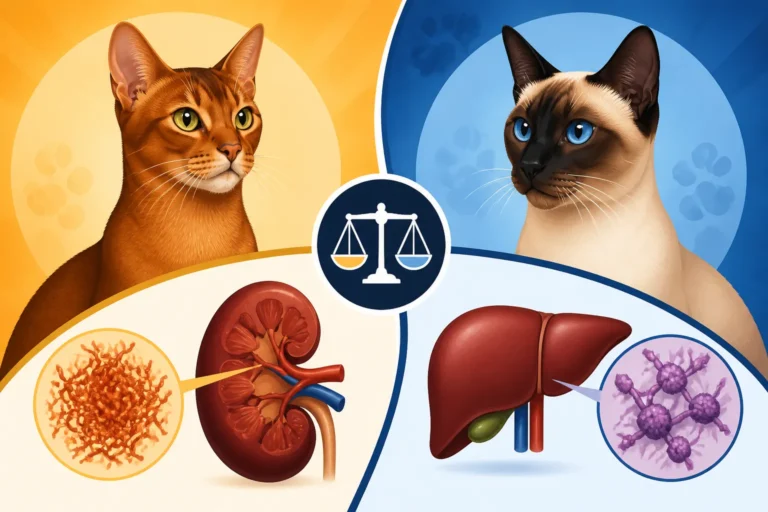
Beyond their general stoicism, Abyssinians are predisposed to certain genetic and acquired conditions that can benefit immensely from early detection via bloodwork. Conditions like renal amyloidosis, pyruvate kinase deficiency, and even common issues like hyperthyroidism in older cats, can show subtle changes in blood parameters long before clinical signs manifest. Waiting until your Abyssinian is clearly unwell often means the condition has progressed to a point where treatment is more challenging, more expensive, and less effective.
For instance, What Kidney Failure Looks Like in a Young Abyssinian highlights just how devastating and insidious kidney disease can be. Catching these changes early allows for proactive management, such as prescription diets or supplements, which can slow progression and improve your cat's long-term outlook. This proactive approach saves not only heartache but also potentially significant veterinary costs down the line. Preventative care, including annual blood panels, is an investment in your Abyssinian's vibrant future.
Key Components of an Abyssinian's Yearly Blood Panel
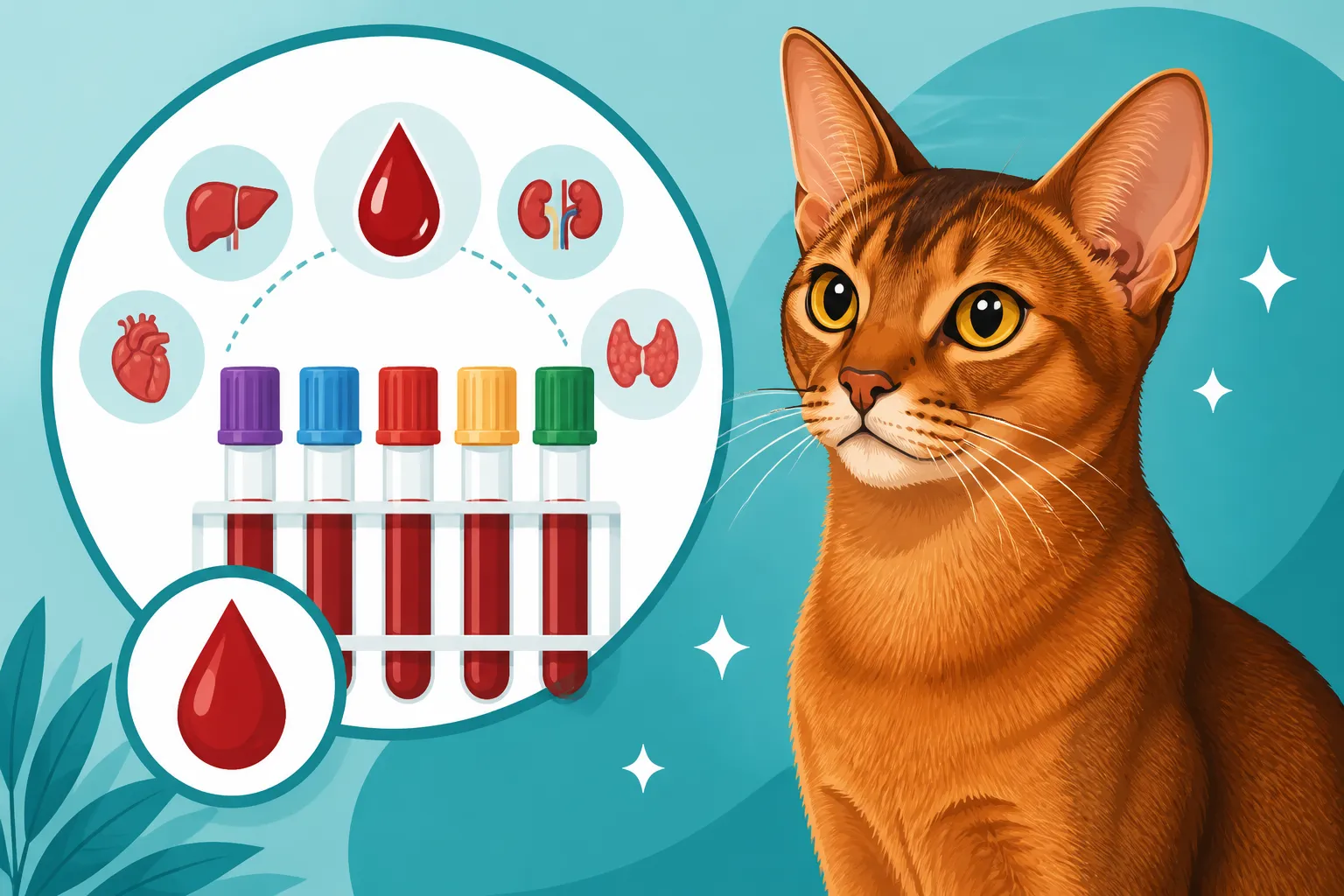
When your veterinarian recommends an annual blood panel for your Abyssinian, they're typically referring to a comprehensive set of tests designed to give a holistic view of your cat's internal organ function and overall health. These tests are not just random numbers; each one provides a piece of the puzzle, helping to identify potential issues before they become full-blown crises. It's truly one of the most powerful tools we have for keeping our Aby's thriving.
Complete Blood Count (CBC)
The Complete Blood Count, or CBC, is a fundamental part of any comprehensive blood panel. This test provides a detailed look at the different cells circulating in your Abyssinian's blood: red blood cells, white blood cells, and platelets. It's a snapshot of their immune system, oxygen-carrying capacity, and clotting ability.
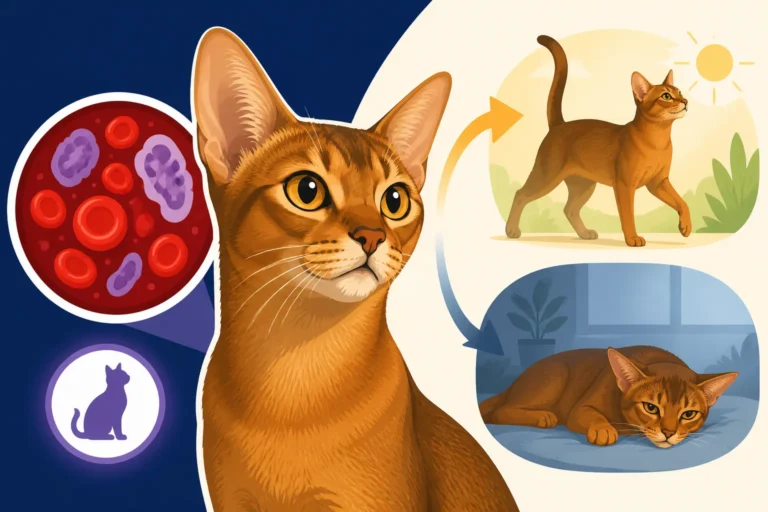
A CBC can reveal conditions like anemia, which might be a concern for Abyssinians due to their predisposition to Pyruvate Kinase Deficiency (PKD). If the red blood cell count is low, it suggests anemia, and further investigation might be needed to understand why. What PK Deficiency Does to an Abyssinian's Red Cells explains how this genetic condition specifically impacts red blood cell health, leading to intermittent anemia. An elevated white blood cell count, on the other hand, can indicate infection or inflammation, signaling to your vet that something is amiss internally. Platelet counts are crucial for blood clotting, and abnormalities here could suggest bleeding disorders.
For a normally energetic Abyssinian, subtle changes in these counts could be the first indicator of a problem, even before you notice any lethargy or paleness in their gums. For example, if a cat like Luna, a spirited blue Abyssinian, showed slightly low red blood cells on her annual check, her vet might recommend monitoring or additional tests to rule out underlying issues, catching a problem far earlier than if they waited until she was overtly symptomatic and required urgent intervention like How an Anemic Abyssinian Is Treated.
Comprehensive Metabolic Panel (CMP) or Chemistry Panel
This panel is often the workhorse of the annual blood test, offering insights into organ function, metabolic processes, and electrolyte balance. It's a wide-ranging test that looks at various enzymes, proteins, and waste products in the blood, giving your vet a detailed picture of how your Aby's internal systems are coping.
Critical components include kidney values like Creatinine, Blood Urea Nitrogen (BUN), and especially Symmetric Dimethylarginine (SDMA). SDMA is a relatively newer, but incredibly valuable, marker that can detect kidney disease much earlier than BUN and Creatinine, sometimes even when the kidneys have lost as little as 25% of their function. This is particularly vital for Abyssinians, given their genetic predisposition to renal amyloidosis. Knowing Which Blood Values Catch an Abyssinian's Kidneys Early can make all the difference in managing this serious condition. An early diagnosis gives you and your vet more options to slow progression, as discussed in What Renal Amyloidosis Deposits in an Abyssinian's Kidney.
The panel also assesses liver values, such as Alanine Aminotransferase (ALT) and Alkaline Phosphatase (ALP), which can indicate liver inflammation or damage. Glucose levels are checked for signs of diabetes, while electrolytes (like sodium and potassium) reveal hydration status and nerve/muscle function. Protein levels, including Albumin and Globulin, are important markers for nutritional status, inflammation, and liver or kidney health. A subtle increase in these values might be the only indicator that Why a Thirsty Young Abyssinian Is a Red Flag is an issue for your particular cat, even before changes in behavior are obvious.
Thyroid Hormone (T4) Screening
While often considered a concern for senior cats, checking thyroid hormone levels (specifically T4) is an important part of an annual blood panel for Abyssinians as they mature. Hyperthyroidism, a condition where the thyroid gland produces too much hormone, is common in older cats and can significantly impact their health, leading to weight loss despite a ravenous appetite, hyperactivity, and heart issues.
Even if your Abyssinian seems as energetic as ever, remember their incredible ability to hide illness. Early hyperthyroidism might not be obvious. A simple T4 test can catch this condition in its nascent stages, allowing for timely intervention with medication, dietary changes, or other treatments. This is especially crucial because Why Hyperthyroidism Catches an Older Abyssinian often goes unnoticed until the cat is losing significant weight or experiencing cardiac symptoms. Early diagnosis can prevent many secondary problems and ensure a better quality of life for your senior Aby.
Interpreting the Results and Taking Action
Getting those lab results back can feel a bit like reading a foreign language, especially with all the acronyms and numbers. But understanding the basics, and more importantly, knowing how to discuss them with your vet, empowers you to be a proactive advocate for your Abyssinian's health. It's not just about getting the tests done; it's about what you do with the information.
Understanding "Normal" for Your Abyssinian
While laboratories provide a "reference range" for what's considered normal, it's vital to remember that these are population averages, not necessarily a perfect fit for your individual Abyssinian. What might be a slightly elevated kidney value for one cat could be within a normal, healthy fluctuation for another, especially given the breed's natural lean musculature impacting creatinine. This is why establishing a baseline when your Aby is young and healthy, and then tracking trends over multiple years, is so incredibly valuable.
Imagine your vet has a record of your Abyssinian, Kiko's, bloodwork from age one, three, and five. Even if Kiko's current SDMA value is technically within the lab's "normal" range, your vet might notice a gradual upward trend over those years. This trend, even if not yet outside the reference, could be an early warning sign that something is changing with her kidney function, prompting further investigation. This continuous monitoring is far more informative than a single snapshot. This highlights the importance of consistent vet care and knowing When a Middle Aged Abyssinian Needs Yearly Bloodwork as part of their routine.
What Abnormal Results Might Mean
Discovering an abnormal result on your Abyssinian's blood panel can be unsettling, but it's crucial not to panic immediately. An abnormal value doesn't always mean a severe disease; sometimes, it's a minor fluctuation, a temporary issue, or requires further, more specific diagnostics. For example, a slightly elevated liver enzyme might simply mean your cat ate something they shouldn't have, or it could indicate early liver disease.
Your veterinarian will interpret these results in the context of your cat's age, physical examination findings, medical history, and clinical signs. They might recommend repeat bloodwork in a few weeks, additional tests like an ultrasound, urinalysis, or specific genetic testing, to get a clearer picture. For instance, if kidney values are elevated, they might suggest specific treatments. How a Vet Manages an Abyssinian in Kidney Failure outlines various approaches. Being proactive with these follow-up steps is key. Many pet insurance providers, like Healthy Paws, recognize the value of early diagnosis and can help cover the costs of these additional diagnostics and treatments, easing the financial burden on concerned owners. Don't be afraid to ask your vet for a clear explanation of what each abnormal finding could imply and what the next logical steps are.
Beyond the Bloodwork: A Holistic Annual Check-up
While the blood panel provides invaluable internal data, it's only one piece of the puzzle for your Abyssinian's overall health. A truly comprehensive annual check-up combines these laboratory findings with a thorough physical examination and other simple diagnostic tests. Think of it as a multi-pronged approach to ensure no stone is left unturned in safeguarding your Aby's wellbeing.
Physical Examination and Early Warning Signs
A thorough head-to-tail physical examination by your veterinarian is just as critical as the blood tests. Your vet will meticulously check your Abyssinian's weight, listen to their heart and lungs, palpate their abdomen for any abnormalities, check their lymph nodes, and examine their eyes, ears, and teeth. They'll also assess their muscle mass and overall body condition. How to Read an Abyssinian's Body Condition Through That Coat is something your vet is trained to do, even with their deceptive short coat.
This hands-on assessment can reveal issues that bloodwork alone might miss, such as dental disease. Abyssinians are unfortunately prone to dental problems, including juvenile gingivitis and gum overgrowth, so a careful mouth check is essential. Issues like Why an Abyssinian's Gums Overgrow Its Teeth can be spotted early. Similarly, any subtle changes in gait or joint health could be noticed during the physical exam, providing clues to potential conditions like arthritis in an older cat. Don't underestimate the power of your vet's experienced hands and eyes. For instance, any unexplained Why an Abyssinian's Weight Loss Is Never Minor would be immediately flagged during this part of the exam, prompting further investigation. This routine visit is also the ideal time to discuss any behavioral changes or concerns you've noticed at home, no matter how minor. Regular examinations contribute significantly to How Often a Healthy Adult Abyssinian Needs Checking.
Urinalysis
A urinalysis is another simple, yet powerful, diagnostic tool that often complements bloodwork, especially when assessing kidney health. It provides information about kidney function, hydration status, and can detect urinary tract infections, crystals, or even early signs of diabetes that might not yet be apparent in blood glucose levels. Ideally, a urine sample should be collected around the same time as the blood panel for the most accurate and comprehensive assessment.
It's actually quite easy to collect a "clean catch" urine sample at home using non-absorbent litter pellets, and many vets prefer this as it's less stressful for your cat. This simple test is often the first indicator for conditions affecting the urinary system. Which Urine Test Catches an Abyssinian's Kidneys First would tell you more about specific parameters vets look at, such as urine specific gravity and protein-to-creatinine ratios. Don't skip this easy step; it offers a wealth of information that your vet needs.
Considering Additional Tests
Depending on your Abyssinian's age, individual risk factors, and the initial findings from their physical exam and routine bloodwork, your vet might recommend additional, more specialized tests. For instance, for older Abyssinians, a blood pressure check is often advised to screen for hypertension, which can be a consequence of underlying kidney disease or hyperthyroidism. Knowing How Often an Abyssinian's Blood Pressure Should Be Checked becomes more important as they age.
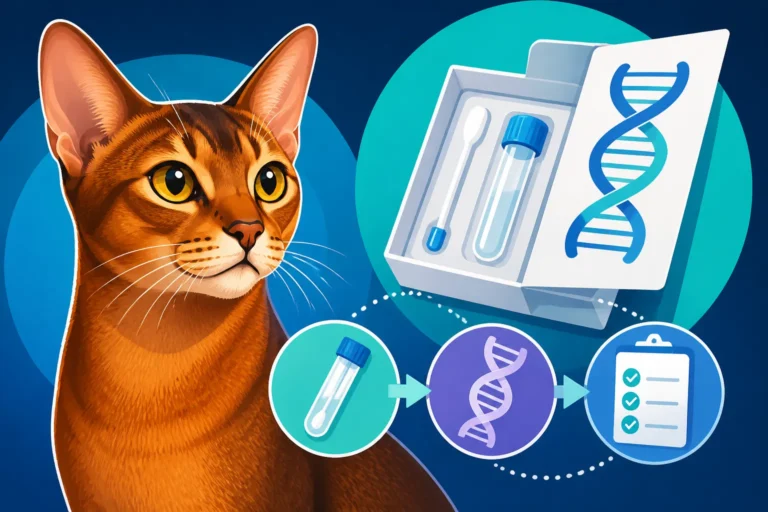
If initial blood tests indicate a potential issue, such as early kidney or liver changes, imaging like an ultrasound might be suggested to visualize the organs directly. For Abyssinians specifically, if a genetic condition like PKD wasn't tested for by the breeder, your vet might recommend a DNA test to confirm carrier or affected status. While these aren't typically part of a routine annual panel, they become important considerations for a holistic approach to your Abyssinian's long-term health, helping you stay ahead of potential challenges as your active companion ages and experiences What an Old Abyssinian Slows Down From. Healthy Paws, for example, often covers the diagnostic costs for these deeper dives when a pre-existing condition hasn't been established.
Summary of Annual Blood Panel Components for Abyssinians
| Test Category | Specific Tests/Markers | What It Measures | What Abnormalities Might Indicate (Abyssinian Context) |
|---|---|---|---|
| Complete Blood Count (CBC) | Red Blood Cell Count (RBC), Hemoglobin, Hematocrit | Oxygen-carrying capacity | Anemia (potentially due to PK Deficiency), chronic illness |
| White Blood Cell Count (WBC) | Immune system function, presence of infection/inflammation | Infection, inflammation, stress, immune disorders | |
| Platelets | Blood clotting ability | Bleeding disorders, immune-mediated conditions | |
| Comprehensive Metabolic Panel (CMP) | BUN (Blood Urea Nitrogen), Creatinine | Kidney function, waste product clearance | Kidney disease, dehydration, urinary obstruction |
| SDMA (Symmetric Dimethylarginine) | Early kidney function, detects disease earlier than BUN/Creatinine (critical for Abyssinians) | Early kidney disease, renal amyloidosis | |
| ALT (Alanine Aminotransferase), ALP (Alkaline Phosphatase) | Liver enzyme levels | Liver damage, inflammation, bile duct issues, some medications | |
| Glucose | Blood sugar levels | Diabetes, stress (especially in cats) | |
| Electrolytes (Sodium, Potassium, Chloride) | Hydration status, nerve & muscle function | Dehydration, kidney disease, endocrine imbalances | |
| Total Protein, Albumin, Globulin | Nutritional status, inflammation, liver & kidney function | Liver disease, kidney disease, malnutrition, chronic inflammation, certain infections | |
| Thyroid Hormone | Total T4 | Thyroid gland function | Hyperthyroidism (common in older cats), hypothyroidism (rare) |
Disclaimer
The information provided in this article is for general informational purposes only and does not constitute veterinary medical advice. Always consult with a qualified veterinarian for any health concerns or before making any decisions related to your Abyssinian's care. Your veterinarian is the best resource for personalized advice based on your cat's specific health history and needs.