How Often an Abyssinian’s Blood Pressure Should Be Checked
It's a frustrating reality that our beloved Abyssinians, despite all their energy and zest for life, can be masters at hiding discomfort. One of the silent threats to their long-term health, especially as they mature, is high blood pressure, or hypertension. Knowing how often your energetic companion should have their blood pressure checked is a crucial part of proactive care, and this guide will walk you through when and why these checks are so important.
Why Your Abyssinian Needs Blood Pressure Checks
When you think about a cat's health, blood pressure might not be the first thing that comes to mind, but it's incredibly important. Just like in humans, high blood pressure in cats can be a silent killer, causing damage to vital organs over time without any obvious external signs. Abyssinians, with their active, curious natures, can be particularly good at masking illness, making regular veterinary checks even more essential.
The Silent Threat of Hypertension
Imagine a tiny, powerful pump working tirelessly every second of your cat's life – that's their heart. When blood pressure is consistently high, this pump has to work harder than it should, and the constant force of blood against artery walls begins to take a toll. This isn't something you're likely to see your Abyssinian struggling with in their playful moments. They might still be darting up their favorite cat tree or chasing a laser pointer, completely oblivious to the internal strain. This makes early detection through routine checks absolutely critical. It's often only when the damage is significant that visible symptoms start to appear, and by then, treatment can be much more challenging.
Connecting Blood Pressure to Kidney and Thyroid Health
For Abyssinians, high blood pressure is very often linked to other underlying health issues, particularly kidney disease and hyperthyroidism. Think of it as a domino effect: if one system starts to struggle, others can quickly follow. Kidney disease, for instance, can both cause and be exacerbated by high blood pressure. When your Abyssinian's kidneys aren't filtering waste properly, it can affect their fluid balance and hormone regulation, leading to a rise in blood pressure. Conversely, sustained high blood pressure can further damage the delicate blood vessels within the kidneys, accelerating the progression of kidney failure. If you've ever wondered why your vet checks for things like blood values that catch an Abyssinian's kidneys early, this interconnectedness is a big part of the reason. Similarly, hyperthyroidism, a common condition in older cats where the thyroid gland produces too much hormone, can directly cause hypertension, putting immense strain on the heart and other organs. Understanding these links helps explain why a simple blood pressure check is such a valuable diagnostic tool.
When to Start and How Often to Check
It’s easy to think of health screenings as something only for senior cats, but proactive care for your Abyssinian should really start earlier than you might expect for certain things, including blood pressure. Knowing the recommended schedule can make all the difference in catching problems early.
Recommended Age for Initial Checks
For most healthy adult Abyssinians, the general recommendation is to start routine blood pressure screenings around the age of seven. This lines up with when a middle aged Abyssinian needs yearly bloodwork, as these checks often go hand-in-hand. Before seven, if your Abyssinian is healthy, has no concerning symptoms, and no family history of early-onset hypertension or related conditions, annual checks are usually not necessary. However, if your vet detects an issue during a routine check-up, like a new heart murmur, or if your Abyssinian starts showing any subtle signs of illness, a blood pressure check would be warranted at any age. It’s always best to discuss your individual cat's health history and risk factors with your veterinarian.
Increased Frequency for At-Risk Abyssinians
If your Abyssinian falls into an "at-risk" category, the frequency of blood pressure checks will naturally increase. Cats diagnosed with kidney disease, for example, will need very regular monitoring, often every 3 to 6 months, or even more frequently if they are starting new medications or experiencing a crisis. The same goes for Abyssinians diagnosed with hyperthyroidism; once treatment begins, blood pressure should be checked periodically to ensure it's responding. Conditions like heart disease, diabetes, or even certain chronic stress situations could also prompt your vet to recommend more frequent checks. These proactive measures help prevent secondary damage and allow for timely adjustments to treatment plans, aiming to provide the best possible quality of life for your active companion. If you're considering pet insurance, a provider like Healthy Paws can be a real lifeline in helping to manage the costs of ongoing monitoring and treatment for chronic conditions.
Here's a general guideline for Abyssinian blood pressure checks:
| Age/Health Status | Recommended Frequency | Rationale |
|---|---|---|
| Healthy, under 7 years old | Annually (routine check) | Baseline established; generally lower risk. |
| Healthy, 7+ years old | Annually | Increased risk of age-related conditions like kidney disease, hyperthyroidism. |
| Diagnosed with Kidney Disease | Every 3-6 months | Hypertension is common with kidney disease; close monitoring is vital. |
| Diagnosed with Hyperthyroidism | Every 3-6 months | Hyperthyroidism can cause hypertension, and monitoring ensures treatment efficacy. |
| Known Heart Condition | Every 3-6 months | Heart issues often correlate with blood pressure changes. |
| Receiving certain medications | As advised by vet | Some medications can impact blood pressure, requiring closer monitoring. |
| Showing concerning symptoms | Immediately | Any sudden changes warrant prompt investigation. |
The Blood Pressure Check Process
Taking a cat's blood pressure might sound like a challenge, especially with a lively Abyssinian who probably doesn't enjoy being still for very long! However, veterinarians are well-versed in techniques that minimize stress for your feline friend, making the process as calm and accurate as possible. It's a key part of what an Abyssinian's annual checkup costs, as it contributes significantly to a full health picture.
What Happens During a Vet Visit
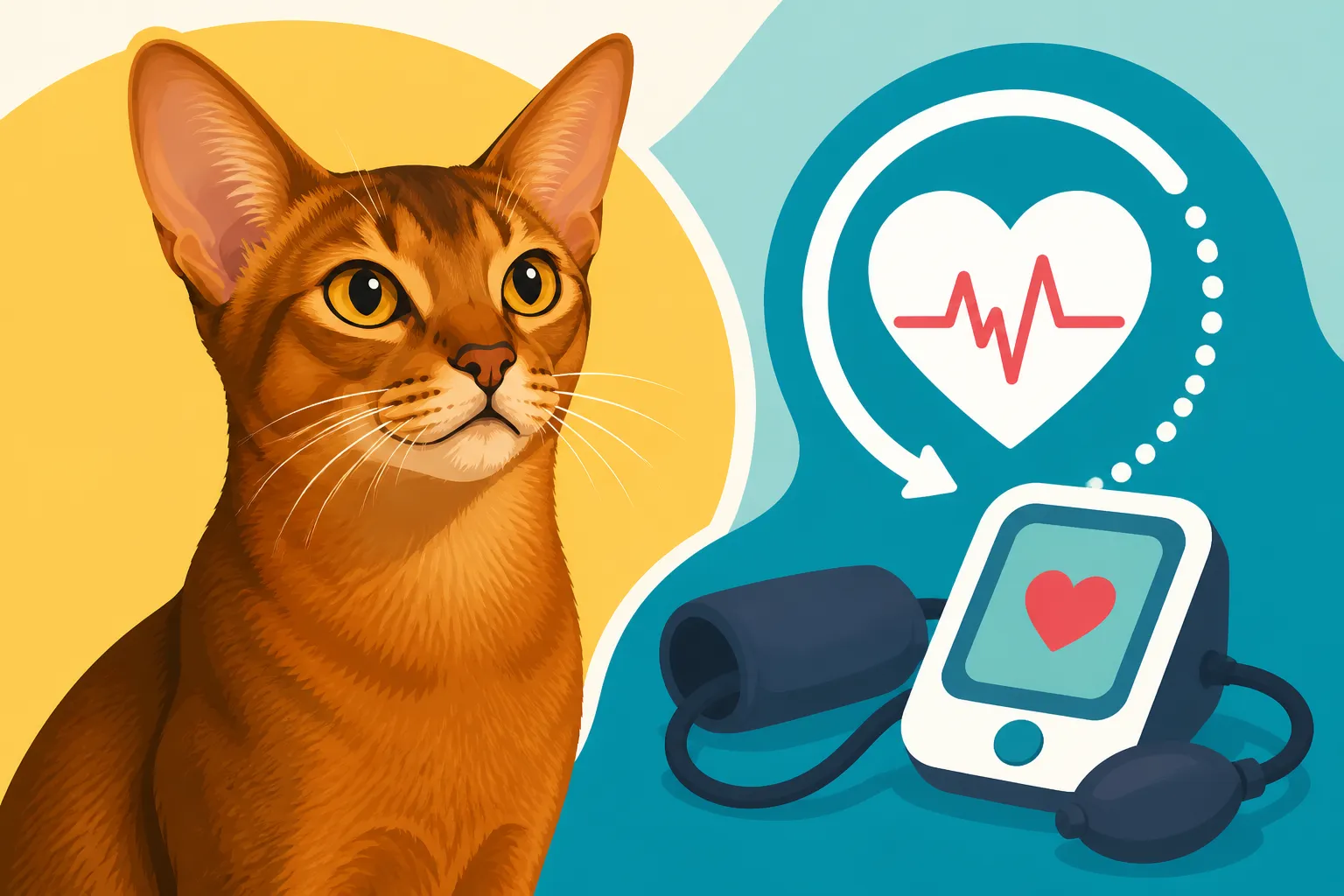
When your Abyssinian goes in for a blood pressure check, your vet or veterinary technician will typically use a small cuff, similar to those used on human infants, which is placed around your cat's tail or a front leg. The cuff inflates for a few seconds and then deflates, taking a reading. Most clinics use a Doppler ultrasound or oscillometric device, which are non-invasive and painless. The key is to keep your Abyssinian as calm as possible, as stress can artificially elevate blood pressure readings. This might mean taking the measurement in a quiet room, with you present to comfort your cat, or even trying a few times to get an accurate, relaxed reading. Some vets even employ calming pheromone sprays or a "cat-friendly" approach to ensure a stress-free experience. If your cat tends to get anxious at the vet, discussing sedation options or techniques for reducing stress beforehand can be helpful, though usually, it's not needed for a routine blood pressure check.
Interpreting the Results and Next Steps
Once the readings are taken, your vet will interpret them. A normal systolic blood pressure for a cat is generally considered to be below 140 mmHg. Readings consistently above this, especially over 160 mmHg, are usually indicative of hypertension and warrant further investigation and potentially treatment. Don't be surprised if the vet takes a few readings over several minutes; they're looking for a consistent average rather than a single spike that might be due to temporary stress. If your Abyssinian's blood pressure is elevated, your vet will likely recommend additional diagnostic tests to uncover the underlying cause, such as blood work to check kidney function or thyroid hormone levels, as well as a urinalysis. For Abyssinians, understanding how an old Abyssinian's kidneys are monitored becomes incredibly relevant here, as hypertension is often a key indicator of kidney trouble. Sometimes, simply identifying and treating the primary condition, like hyperthyroidism, can bring the blood pressure back down to a healthy range.
Managing Elevated Blood Pressure
Discovering your Abyssinian has elevated blood pressure can be worrying, but it's important to remember that it's often a manageable condition. The goal is always to protect their vital organs and ensure they continue to live a long, happy, and active life.
Treatment Options for Feline Hypertension
Treatment for high blood pressure in Abyssinians typically involves medication, often combined with addressing any underlying conditions. Oral medications, such as amlodipine, are commonly prescribed to help dilate blood vessels and reduce the strain on the heart. Your vet will determine the appropriate dosage, which might need to be adjusted over time based on your cat's response and subsequent blood pressure readings. Consistency is key with medication, and many Abyssinian owners find success with pill pockets or liquid formulations mixed into a favorite treat. Beyond medication, managing any primary diseases like kidney disease or hyperthyroidism is paramount. This might involve specific diets, additional medications, or other therapies. For example, a cat with kidney disease and hypertension might be put on a therapeutic renal diet designed to support kidney function, which in turn can help manage blood pressure. Regular follow-up appointments will be scheduled to monitor their progress and adjust the treatment plan as needed.
Lifestyle Adjustments and Ongoing Monitoring
While medication is often essential, certain lifestyle adjustments can also play a supportive role in managing your Abyssinian's blood pressure. Providing a calm, stable home environment can help reduce stress, which can impact blood pressure. Ensuring they have plenty of access to fresh water, perhaps even a flowing water fountain, can encourage hydration, which is vital for kidney health. While a lean Abyssinian hides illness longer than a heavy cat, maintaining an ideal body weight is always important for overall health, though Abyssinians are naturally quite lean and active. Regular, interactive play sessions, which are already second nature to most Abyssinians, contribute to their physical and mental well-being. Once an Abyssinian is diagnosed with hypertension, ongoing monitoring becomes a routine part of their care. This means consistent veterinary check-ups, often every few months, to ensure the medication is working effectively and that no further organ damage is occurring. This diligent approach helps ensure your energetic companion continues to thrive for many years. It's during these regular checks that the vet will closely monitor how a vet manages an Abyssinian in kidney failure, for example, making sure all aspects of their health are supported.
Disclaimer
This article is for general informational purposes only and does not constitute professional advice. Laws, prices and regulations vary by location and change over time. Consult a qualified professional for guidance on your specific situation.