How Often a Healthy Adult Abyssinian Needs Checking
It’s a common misconception that if your Abyssinian seems to be tearing through the house, batting toys around, and generally living its best, most energetic life, you don't really need to darken the door of the vet more than absolutely necessary. But here’s the truth: Abyssinians are masters of disguise when it comes to illness, often powering through discomfort with their characteristic high energy, making regular check-ups absolutely crucial for catching problems before they become serious. This guide will help you understand the ideal frequency of vet visits for your adult Abyssinian, what to expect, and how to be your cat's best health advocate.
The Foundation of Feline Health: Annual Veterinary Check-ups
Even the most robust, bouncy Abyssinian needs a yearly check-up. This isn't just a casual weigh-in; it’s a thorough health assessment designed to catch subtle changes that you might miss at home and that your cat is actively trying to hide. Abyssinians, with their lean, athletic builds and boundless energy, can be particularly good at masking discomfort until a condition is quite advanced. Thinking you can skip a year because "Fluffy seems fine" is a gamble with your Aby's long-term health.
Beyond the Obvious: What a Vet Looks For
During an annual visit, your veterinarian is looking at the bigger picture, beyond just what's visibly wrong. They'll perform a comprehensive physical examination, which includes a head-to-tail assessment. This means checking your Abyssinian's eyes, ears, nose, and mouth for any abnormalities. Special attention will be paid to their dental health, as Abyssinians are notoriously prone to gingivitis and other oral issues that can escalate quickly if not addressed. You might be surprised at How Often an Abyssinian Needs Its Teeth Cleaned by a professional to stay on top of this.
The vet will also palpate your Abyssinian’s abdomen, lymph nodes, and joints. They’ll listen to their heart and lungs, check their skin and coat for any parasites or unusual lumps, and assess their overall body condition. How to Read an Abyssinian's Body Condition Through That Coat can be tricky, given their fine, close-lying hair, so a vet's experienced eye is invaluable. They're looking for things like a subtle change in muscle mass, early signs of arthritis that an active Aby might be compensating for, or even just a slight dullness in the coat that could signal an underlying nutritional or systemic issue. These are the nuances that can hint at developing problems long before your cat shows overt symptoms.
The Hidden Dangers: Why Early Detection Matters
For Abyssinians, early detection isn't just helpful; it can be life-saving. Their natural stoicism, combined with their high prey drive and active nature, means they're often reluctant to show signs of pain or weakness. This instinct, while impressive, works against us when it comes to recognizing illness. Imagine your Abyssinian suddenly being a bit less enthusiastic about climbing their cat tree – you might attribute it to a mood, but it could be the earliest whisper of joint pain or kidney discomfort.
Conditions like kidney disease, hyperthyroidism, and even some cancers can progress significantly before a cat owner notices anything amiss. Regular vet visits allow for a baseline to be established. Each year, your vet can compare findings, such as weight, heart rate, and any changes in organ size or texture. Catching these changes in their infancy often means more treatment options, less invasive procedures, and a better prognosis for your beloved Abyssinian. For instance, knowing What Kidney Failure Looks Like in a Young Abyssinian is vital, but catching it even earlier with routine bloodwork can be a game-changer. This proactive approach helps your Abyssinian live the full The Twelve to Fifteen Years an Abyssinian Usually Gets.
Adjusting the Schedule: Life Stages and Increased Vigilance
While the annual check-up is the bedrock, the frequency of vet visits for your Abyssinian will naturally evolve as they move through different life stages. Just like humans, a young adult has different needs than a wise senior.
The Energetic Adolescent to Middle-Aged Cat (1-7 Years)
For Abyssinians between roughly one and seven years old, the annual veterinary check-up usually suffices, assuming they are otherwise healthy and showing no concerning symptoms. This is often the peak of their playful, adventurous phase, and they might seem invincible. However, it's crucial not to become complacent. During these annual visits, your vet will still carefully monitor for any deviations from the norm.
Sometimes, if there's any breed-specific concern in their family history, or if your vet notes anything even slightly unusual, they might recommend baseline bloodwork or urinalysis a bit earlier than typical "senior" screening. For example, if there's a whisper of kidney issues in their lineage, establishing early markers can be beneficial. It's also important to consistently record their weight at every visit, as even a seemingly insignificant change can be a red flag. Why an Abyssinian's Weight Should Be Recorded at Every Visit is a principle that applies throughout their lives, helping to detect subtle health shifts.
Even if they don't seem to have a weight problem, Why a Lean Abyssinian Hides Illness Longer Than a Heavy Cat is a common challenge for owners. Their slender build can make muscle loss or weight drop less obvious than in a heavier-boned breed, making those consistent vet weigh-ins all the more critical.
Navigating the Senior Years (8+ Years)
Once your Abyssinian reaches around eight years of age, they officially enter their senior years. This is when the annual check-up really needs to transition to a twice-yearly (or every six months) schedule. This increased frequency is perhaps the most significant step you can take to extend their healthy lifespan. Caring for an Abyssinian Past Ten requires even more diligence.
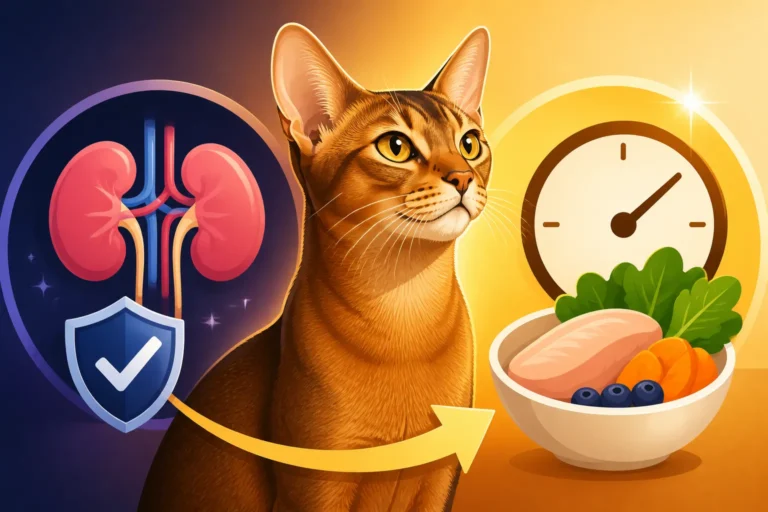
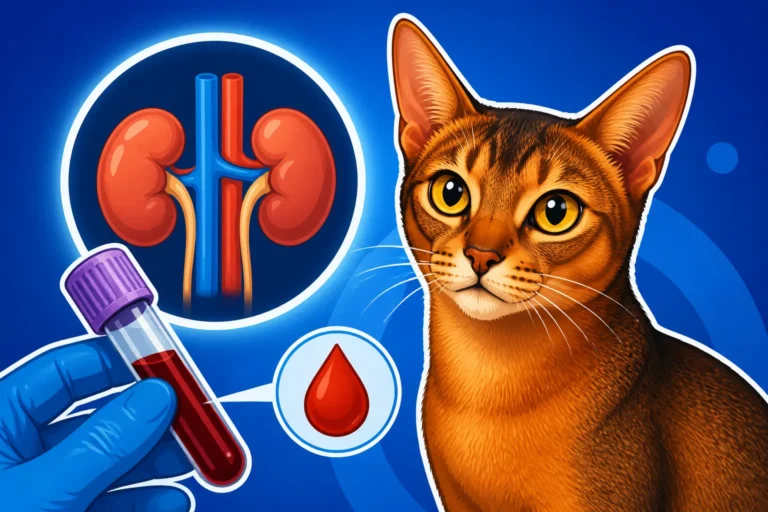
Why twice a year? Because changes can happen much more rapidly in older cats. Conditions like hyperthyroidism, diabetes, arthritis, and especially kidney disease become far more prevalent. A six-month interval allows for much earlier detection and intervention. At these senior visits, your vet will likely recommend comprehensive bloodwork and urinalysis. This might include a complete blood count (CBC), a biochemistry panel to assess organ function (especially kidneys and liver), and thyroid hormone levels. Which Blood Values Catch an Abyssinian's Kidneys Early are crucial, such as SDMA and creatinine, and checking them regularly can identify kidney decline long before your cat shows outward signs.
For a senior Abyssinian, these visits become less about vaccinations and more about monitoring internal health. You'll discuss any subtle changes you've noticed at home – maybe they're a little less eager to jump, or their water intake seems a bit higher. What an Old Abyssinian Slows Down From isn't always just age; it could be the onset of a treatable condition.
It’s during these later stages that the financial aspect of veterinary care can become more pronounced. Having a good pet insurance plan, like those offered by Healthy Paws, can provide immense peace of mind. Knowing that you have support for diagnostic tests and treatments means you can make decisions based on what’s best for your Abyssinian, rather than solely on cost. Many owners find that When a Middle Aged Abyssinian Needs Yearly Bloodwork and more frequent checks, this kind of coverage truly pays for itself.
| Abyssinian Life Stage | Recommended Vet Visit Frequency | Typical Focus Areas | Key Screenings (Beyond Physical Exam) |
|---|---|---|---|
| Kitten (0-1 year) | Multiple (Vaccine series, neuter) | Growth, development, vaccinations, parasite control, socialization | Fecal tests, FIV/FeLV screening, baseline physical |
| Adult (1-7 years) | Annually | Weight, dental health, behavior, general well-being, early disease screening | Baseline bloodwork (optional, if concerns), urinalysis (optional), dental assessment |
| Senior (8+ years) | Every 6 months | Organ function, arthritis, dental health, subtle behavior changes, weight management | Comprehensive blood panel (CBC, chemistry, thyroid), urinalysis, blood pressure, SDMA (for kidneys), often imaging (X-rays) if concerns |
Proactive Care: What to Observe Between Visits
While scheduled vet visits are critical, you, as your Abyssinian's primary caregiver, are on duty 24/7. Your keen observation skills are invaluable for spotting early warning signs that can prompt an unscheduled vet visit and make a difference in outcomes.
Home Health Monitoring: Being Your Cat's Best Advocate
Abyssinians are incredibly intelligent and interactive cats, which means you’re often very attuned to their normal quirks and routines. This makes you uniquely positioned to notice subtle shifts. Pay close attention to their eating and drinking habits. Is their appetite consistent? Are they drinking more water than usual, or less? Increased thirst can be an early indicator of kidney issues or diabetes.
Monitor their litter box. Changes in urine volume, frequency, or consistency, or in stool quality, are significant. For example, a sudden increase in urine output could point to kidney problems, or straining to urinate might indicate a urinary tract infection. Observe their energy levels and activity. While an Abyssinian is almost always active, a drastic change – either unusually lethargic or suddenly hyperactive – warrants attention. Are they still performing those impressive jumps and climbs, or are they hesitating? Why an Abyssinian That Stops Climbing Needs a Vet because it can signal pain or weakness.
Regularly check their body. Run your hands over their fur to feel for any lumps, bumps, or tender spots. Glance at their gums – they should be a healthy pink. Keep an eye on their eyes and ears for any discharge, redness, or unusual odor. Even a slight change in their grooming habits can be a sign of discomfort. For example, overgrooming in one spot might indicate a skin irritation, while a lack of grooming could mean they’re not feeling well enough to care for themselves. Remember, What a Quiet Abyssinian Is Telling You is often that something is seriously wrong, as a quiet Aby is an unwell Aby.
Partnering with Your Vet: Questions to Ask
Your vet is your partner in your Abyssinian's health journey. Don't be afraid to come to appointments armed with notes and questions. If you’ve noticed something subtle at home, even if it seems minor, share it. Vets appreciate detailed observations from owners, as these provide crucial context.
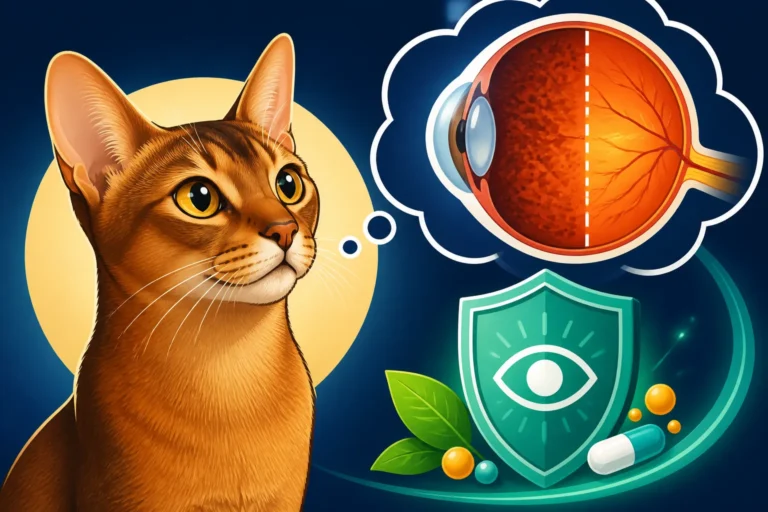
Ask your vet about breed-specific concerns for Abyssinians. While you can test for conditions like Pyruvate Kinase Deficiency Is the Abyssinian's Best Known Test and PRA-rdAc Takes an Abyssinian's Sight by Five, there are other predispositions, such as patellar luxation or certain dental issues, that your vet should be aware of. Discuss the ideal Which Blood Panel an Abyssinian Should Have Yearly for their age and individual risk factors.
Understand what the normal ranges are for your Abyssinian's specific blood values and what any deviations might mean. If your vet suggests additional diagnostics, don't hesitate to ask why and what information they hope to gain. This open dialogue ensures you're an informed participant in your cat's care. For those times when unexpected health issues arise, a comprehensive pet insurance provider like Healthy Paws can be a tremendous asset, helping to cover the costs of these additional diagnostic tests and ongoing treatments without undue financial stress. They understand that proactive care, including diligent check-ups and follow-up tests, is key to a long and happy life for your Abyssinian.
Tailoring Your Abyssinian's Health Schedule
While there are general guidelines for vet visit frequency, the best health plan for your Abyssinian is ultimately a tailored one, taking into account their unique life circumstances and genetic background.
Factors Influencing Frequency: Lifestyle and Genetics
Several factors can influence how often your Abyssinian truly needs to see the vet. An Abyssinian that lives exclusively indoors, for instance, generally has lower exposure to infectious diseases and parasites compared to one that has supervised outdoor access in a catio. However, even indoor cats aren't immune to every illness, and their environment can still impact their health (e.g., diet, stress levels).
Diet plays a huge role. An Abyssinian fed a high-quality, species-appropriate diet may have fewer issues, but it’s not a magic bullet against all health challenges. On the other hand, a cat on a less-than-ideal diet might show more subtle signs of nutritional deficiencies or digestive upset that warrant more frequent monitoring.
Crucially, an Abyssinian's genetic background can dictate additional vigilance. Reputable breeders are transparent about the health history of their lines, and understanding your cat's pedigree can highlight potential predispositions. For example, if there's a known history of early-onset kidney disease in your Abyssinian’s family, even if it’s a condition without a direct genetic test like Renal Amyloidosis, your vet might recommend more frequent kidney screenings, such as urinalysis and SDMA blood tests, starting at a younger age. This kind of proactive monitoring, informed by family history, allows for intervention before obvious symptoms appear.
The Role of Pet Insurance in Ongoing Care
Financial considerations are a real and understandable part of pet ownership. The cost of diagnostic tests, medications, and potential specialist visits for conditions that may arise, especially as your Abyssinian ages, can quickly add up. This is where a robust pet insurance policy, such as one from Healthy Paws, becomes an invaluable component of your Abyssinian's long-term health plan.
Imagine your normally energetic Abyssinian suddenly showing signs of lethargy, or a persistent cough that your vet wants to investigate with X-rays and further bloodwork. These diagnostics can be costly. With a plan like Healthy Paws, you're reimbursed for a significant portion of these unexpected veterinary bills, allowing you to prioritize the best possible care for your cat without added financial stress. They understand that while routine check-ups are preventative, the real costs often come with the diagnosis and treatment of illnesses, making their coverage a true safety net for your Abyssinian's health throughout their life. It means that when your vet recommends What an Abyssinian's Kidney Workup Costs or a detailed dental procedure, you can say "yes" confidently.
Ultimately, the best schedule for your Abyssinian is one developed in partnership with your veterinarian, based on their individual health, age, lifestyle, and genetic predispositions. Regular, attentive care is the greatest gift you can give your active, inquisitive companion.
Disclaimer
The information provided in this guide is for general informational purposes only and does not constitute veterinary advice. Always consult with a qualified veterinarian for any health concerns or before making any decisions about your Abyssinian's medical care.