Why an Abyssinian’s Weight Should Be Recorded at Every Visit
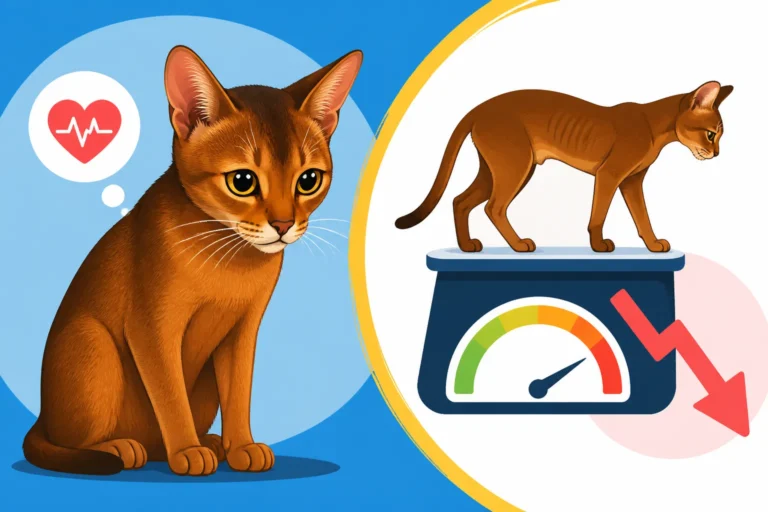
One of the most insidious challenges of owning an Abyssinian cat is how incredibly well they hide illness, often until a condition is quite advanced. Because they are naturally lean, muscular, and perpetually active, subtle changes in their physical condition, like weight loss, can go unnoticed by even the most devoted owner. This guide will explore why meticulously recording your Abyssinian's weight at every single vet visit isn't just a routine chore, but a crucial proactive measure for their long-term health and well-being.
The Elusive Nature of Abyssinian Weight Loss
It’s a common misconception that if a cat is losing weight, it will be obvious. For many breeds, especially those prone to a bit of a potbelly, a few pounds shed might visibly alter their silhouette. But an Abyssinian? They are athletes through and through, built for speed and agility, not for carrying extra cushioning. This inherent leanness, while beautiful, makes detecting weight loss a true challenge for even the most observant cat parent.
Why Their Lean Build Hides Trouble
Abyssinians are a study in sleek, muscular grace. Their bodies are long, lithe, and surprisingly dense with muscle, giving them that springy, energetic gait we all adore. They don't have the typical "fluff" or extra fat deposits that might make weight loss more apparent in other breeds. Because they naturally run on the leaner side, even a modest loss of a quarter-pound or half-pound can represent a significant percentage of their overall body mass. For a cat that might only weigh six to ten pounds in total, shedding even a small amount is like a much larger cat losing several pounds—it's a red flag that demands attention.
As their caretaker, you’re used to feeling their firm, athletic frame. When a health issue starts to brew, that muscle mass can slowly dwindle, and since there isn't much fat to begin with, the change can be incredibly gradual and difficult to pinpoint by touch alone. You might attribute a slight lightness to their usual energy or simply not notice the shift until it’s already progressed beyond the subtle stage. This is precisely why a consistent, objective measurement is so vital.
The Ticked Coat's Deceptive Fullness
Adding another layer of camouflage to this challenge is the Abyssinian's magnificent ticked coat. Their fur is short, fine, and lies close to the body, but the unique ticking – where each hair has multiple bands of color – creates a depth and shimmer that can be incredibly deceptive. This visual texture can actually make their bodies appear fuller than they are, artfully disguising any subtle changes in their underlying body condition. You might look at your gorgeous Abyssinian and see a perfectly healthy, vibrant cat, even as their body is quietly telling a different story underneath.
Trying to gauge their weight by sight is a losing battle. And feeling for their ribs can be tricky too, as their coat, while short, still requires a practiced hand to assess muscle and fat. Without a clear understanding of what you’re feeling for, it's easy to miss the subtle prominence of a spine or the decreased padding over their hips. This is why having an experienced veterinary professional regularly record their weight is so valuable; they can track changes that even the most loving owner might overlook. If you're wondering how to properly assess your Abyssinian's physical state, understanding How to Read an Abyssinian's Body Condition Through That Coat can be incredibly helpful.
Weight as a Silent Alarm Bell for Abyssinian Health
Your Abyssinian's weight isn't just a number; it's a vital sign, a subtle messenger that can signal both chronic and acute health issues long before other symptoms become obvious. Given their propensity to mask discomfort, a recorded weight change is often one of the earliest, most objective indicators something is amiss.
Early Warning for Chronic Conditions
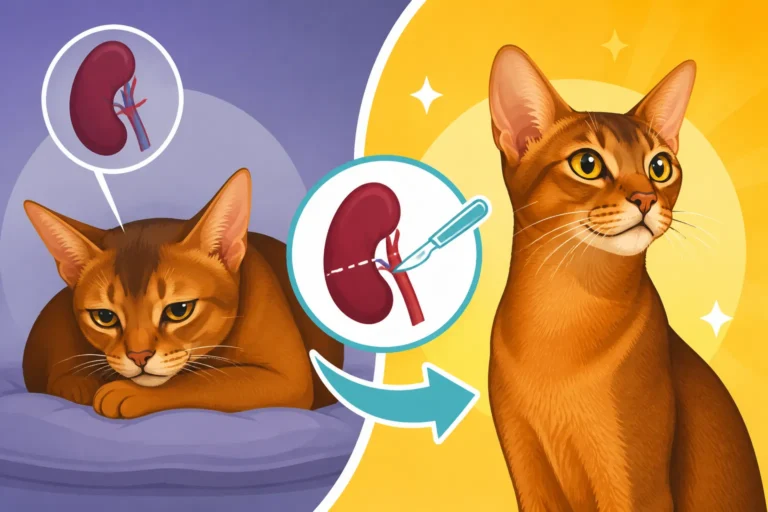
Many chronic health problems that affect cats, and Abyssinians in particular, manifest first through subtle weight loss. Take kidney disease, for example. Abyssinians are unfortunately prone to conditions like renal amyloidosis. As the kidneys gradually lose function, cats often begin to lose weight due to a reduced appetite, muscle wasting, and an inability to properly metabolize nutrients. This isn't usually a sudden, dramatic drop; it's a slow, insidious decline that might only be visible when comparing current weight to a historical baseline. Early detection here is absolutely key to managing the disease and improving quality of life, which is why understanding What Kidney Failure Looks Like in a Young Abyssinian is so important for Abyssinian owners.
Similarly, hyperthyroidism, more common in older Abyssinians, can lead to weight loss despite a ravenous appetite. The overactive thyroid gland speeds up their metabolism to an unhealthy degree, burning through calories faster than they can consume them. Again, this weight loss can be gradual. Having a consistent record allows your vet to spot these trends, prompting further diagnostic tests like blood work, which can lead to early diagnosis and intervention. This is why it's so helpful to know Why Hyperthyroidism Catches an Older Abyssinian and what to look for. These kinds of unexpected health challenges can often come with significant veterinary bills, which is where a reliable pet insurance provider like Healthy Paws can truly offer peace of mind, helping you focus on your cat's health rather than the financial strain.
Identifying Acute Illnesses Before They Escalate
While chronic conditions often show a slow decline, rapid weight loss can be the first, and sometimes only, indication of an acute illness. An Abyssinian that suddenly drops a significant amount of weight could be suffering from a severe infection, pancreatitis, inflammatory bowel disease, or even parasites that have spiraled out of control. These active cats have a high metabolism and energy demands, so any disruption to their ability to eat, digest, or absorb nutrients will quickly show up on the scale.
The challenge, as we know, is that Abyssinians are masters of disguise when it comes to pain or discomfort. They might continue to play and interact, albeit with slightly less gusto, even while battling a serious internal issue. They often don't display overt signs of sickness like lethargy or vomiting until they are quite unwell. This makes that regular weight check an invaluable safety net. If your vet notes a sudden drop, even if your Abyssinian seems otherwise "fine," it can prompt investigations that catch these acute problems early, leading to faster, more effective treatment. This behavior is precisely Why a Lean Abyssinian Hides Illness Longer Than a Heavy Cat, making vigilant monitoring indispensable.
The Power of Consistent Vet Records for Your Abyssinian
Recording your Abyssinian’s weight at every veterinary visit isn't just about catching problems now; it's about building a comprehensive health history that empowers your vet to provide the best possible care throughout your cat's entire lifespan. These records become an invaluable tool for preventative medicine and critical care alike.
Building a Baseline and Tracking Trends
Imagine trying to navigate a dense fog without a map. That's what a vet faces when trying to assess your Abyssinian's health without a consistent weight history. A single weight reading, in isolation, tells them very little. However, a series of readings taken over months and years creates a powerful baseline. Your vet can see what your Abyssinian's "normal" weight truly is, accounting for their age, activity level, and individual metabolism.
More importantly, these records allow for the tracking of trends. A sudden two-pound drop is obviously alarming, but sometimes a gradual, half-pound loss over six months can be even more concerning, hinting at a slow-burning issue that might otherwise be dismissed. By comparing the current weight to previous visits, your vet can identify these subtle shifts that indicate a physiological change long before you see physical symptoms. This proactive approach allows for early diagnostic testing and intervention, potentially extending and improving your cat's life. This is one of the many reasons why How Often a Healthy Adult Abyssinian Needs Checking is so important, as regular visits build these critical records.
A Critical Metric for Medication Dosing and Anesthesia
Beyond flagging potential illnesses, accurate and up-to-date weight information is absolutely critical for the safe administration of medications and anesthesia. Cats are not small dogs; their physiology is unique, and drug dosages are often calculated based on precise body weight. For a lean, athletic Abyssinian, even small errors in weight assessment can lead to under-dosing, making medication ineffective, or, far worse, over-dosing, which can be toxic or life-threatening.
This is especially true for anesthesia. Before any surgical procedure, your vet needs to know your Abyssinian's current weight to calculate the precise amount of anesthetic agents needed to keep them safe and comfortable, but not overly sedated. For a cat that already faces considerations like Whether an Abyssinian Is a Low Anesthetic Risk due to their unique physiology or potential underlying conditions, accurate weight becomes paramount. Having an up-to-date weight record ensures these calculations are as precise as possible, minimizing risks. Should your Abyssinian ever need unexpected surgery or extensive medication, knowing that pet insurance from Healthy Paws can help cover a significant portion of the costs can ease a huge burden, letting you prioritize the best medical care without worrying about breaking the bank.
Here's a quick look at common reasons for weight changes in Abyssinians:
| Weight Change Trend | Potential Causes | Action to Take | Importance of Early Detection |
|---|---|---|---|
| Gradual Weight Loss | Kidney disease, Hyperthyroidism, Dental issues, Diabetes, IBD, Chronic pain | Vet exam, bloodwork, urine test, dental check | Prevents progression, improves prognosis, better quality of life |
| Rapid Weight Loss | Acute infection, Pancreatitis, Severe parasites, Sudden stress, Organ failure | Immediate vet exam, diagnostic tests (blood, imaging) | Crucial for survival, prevents complications, targeted treatment |
| Gradual Weight Gain | Overfeeding, Decreased activity (especially in older cats), Hypothyroidism (rare) | Diet adjustment, increased play, vet check for underlying cause | Prevents obesity-related health issues (arthritis, diabetes) |
| Sudden Weight Gain | Fluid retention (heart/kidney disease), Medication side effect | Vet exam, diagnostic tests | Identifies serious underlying conditions requiring urgent care |
Practical Steps for Monitoring Your Abyssinian's Weight
As a loving Abyssinian owner, you're their first line of defense. While the vet provides the professional assessment, there's plenty you can do at home to complement their efforts and ensure your cat's weight is always on your radar.
At-Home Checks Between Visits
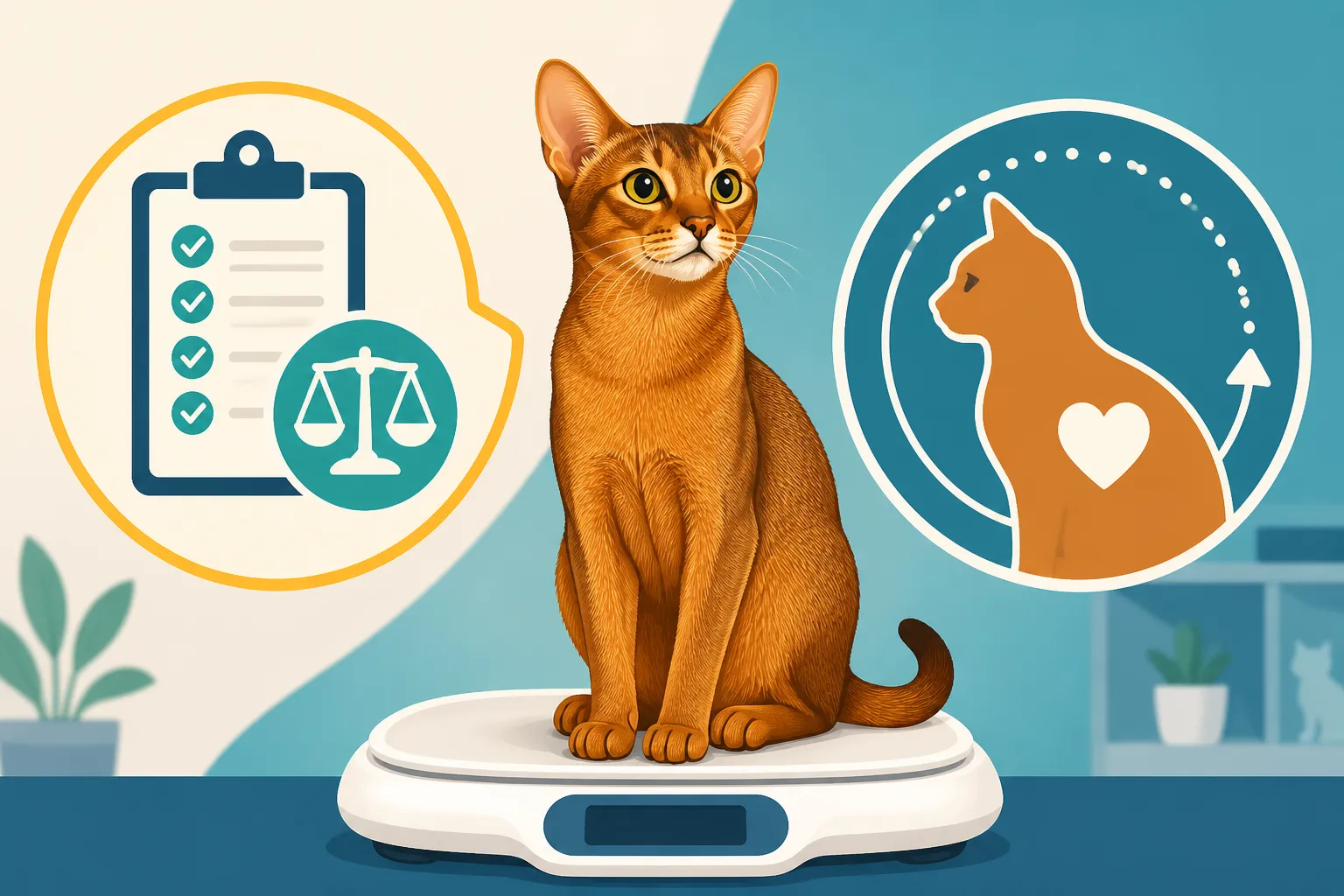
It might sound daunting to weigh a wiggly Abyssinian at home, but with the right tools and a bit of patience, it's absolutely doable and incredibly beneficial. The most accurate method is often to use a small digital baby scale, which has a higher precision for smaller weights than a standard bathroom scale. If you don't have one, you can use your own bathroom scale: weigh yourself first, then pick up your Abyssinian and weigh yourself holding them, then subtract your weight. The key is consistency: use the same scale, at the same time of day (ideally before breakfast), and record the results.
Doing this even once a month, or every few weeks, gives you an intermediate snapshot between vet visits. This allows you to catch any significant changes much sooner than if you waited six months for the next scheduled check-up. Remember that Abyssinian muscle loss often shows before its fat, so feeling their body condition can also give you clues. Regularly feeling along their spine and ribs, even through that ticked coat, can help you notice changes in muscle mass. If you're not sure how to do this effectively, refreshing your memory on How to Read an Abyssinian's Body Condition Through That Coat can be very useful.
Advocating for Weight Recording at the Vet
When you arrive at the vet's office, you're often swept into the exam room quite quickly. It's easy for the weight check, a seemingly simple step, to be overlooked or rushed, especially if the clinic is busy. Don't be shy about advocating for your Abyssinian! Politely remind the vet tech that you'd like their weight recorded accurately, and perhaps even ask what the number is so you can jot it down in your own pet health journal.
It's a great habit to keep your own small notebook or a dedicated app on your phone where you track your Abyssinian's weight, alongside any notes about their appetite, energy levels, or other observations. This way, you can compare the vet's recorded weight to your own home measurements and bring any discrepancies or worrying trends to your vet's attention. Even if your Abyssinian seems perfectly healthy, mentioning a slight, unexplained weight change to your vet during the appointment can prompt them to delve a little deeper during the examination or recommend basic bloodwork sooner rather than later. This proactive communication, coupled with the safety net of pet insurance from Healthy Paws, ensures that you and your vet have all the tools to keep your Abyssinian thriving. After all, the cost of owning an Abyssinian really adds up over their lifetime, and being prepared for unexpected health issues is just part of being a responsible owner. Considering What Owning an Abyssinian Really Costs a Year helps put the value of preventative measures into perspective. For an older Abyssinian, monitoring weight becomes even more critical as they are more prone to age-related conditions, highlighting What an Old Abyssinian Slows Down From.
Disclaimer
This article is for general informational purposes only and does not constitute professional advice. Laws, prices and regulations vary by location and change over time. Consult a qualified professional for guidance on your specific situation.