What Owning an Abyssinian Really Costs a Year
If you're considering welcoming an Abyssinian into your home, you're likely dreaming of their playful antics and striking looks. But beyond the initial purchase price, many prospective owners don't fully grasp the ongoing financial commitment required to truly give one of these active, intelligent cats the life they deserve. This comprehensive guide will walk you through the realistic yearly costs of owning an Abyssinian, ensuring you can budget effectively for their unique needs and enjoy many happy years together.
The Essential Recurring Costs: Food and Litter
When you bring an Abyssinian home, the very first things you'll start budgeting for on a recurring basis are their daily sustenance and maintaining a clean environment. These aren't just minor lines in your budget; they are foundational to your cat's health and happiness, and the choices you make here can significantly impact overall expenses. It’s easy to grab the cheapest option, but an Abyssinian's specific needs really do make a difference.
Fueling that Famous Abyssinian Energy
Abyssinians are known for their boundless energy, often described as perpetual motion machines. This isn't just a cute quirk; it means they burn a lot of calories. Unlike some more sedentary breeds, your Abyssinian will likely need a high-quality, protein-rich diet to maintain their lean muscle mass and support their active lifestyle. Skimping on food quality can lead to nutritional deficiencies, dull coats, and even health problems down the line, which can result in far higher vet bills. You might find yourself asking What an Abyssinian Eats in a Month and realizing it's more substantial than you first thought.
The cost of food will fluctuate based on the brand, whether you opt for dry kibble, wet food, or a combination, and if you explore specialized diets. Many Abyssinian owners find that feeding a blend of high-quality wet and dry food works best, as the wet food helps ensure adequate hydration, which is crucial for kidney health in all cats.
Remember that an Abyssinian's metabolism means they often eat more for their size than you might expect. They thrive on smaller, more frequent meals throughout the day, rather than one or two large servings. Investing in a good quality food dispenser or timed feeder can help manage this, ensuring they get their meals on schedule even when you're not home, which can prevent them from becoming overly focused on food or trying to steal yours!
Managing the Abyssinian's Litter Needs
While perhaps not as exciting as food, litter is another non-negotiable yearly expense that adds up. Abyssinians are generally fastidious cats, and they appreciate a clean litter box. Neglecting this can lead to behavioral issues, such as inappropriate urination, which nobody wants to deal with. The type of litter you choose will influence your costs, with options ranging from basic clay to more advanced silica gel, pine, or corn-based litters.
Premium litters, especially those with strong odor control or clumping properties, can offer better value in the long run by reducing how frequently you need to change the entire box and minimize waste. You'll likely find yourself scooping at least once, if not twice, a day to keep your Abyssinian happy. A good online retailer like Chewy offers a wide variety of litter options, often with bulk discounts or subscription services that can help manage these ongoing costs more efficiently.
It's also worth noting that Abyssinians are often more comfortable with open litter boxes due to their active nature and desire to survey their surroundings. While covered boxes might seem appealing for odor control, many Abyssinians prefer the visibility and ease of access of an uncovered tray. Ensure you have enough litter boxes – a good rule of thumb is one per cat, plus one extra, especially in a multi-cat household or a larger home.
Veterinary Care: More Than Just an Annual Checkup
Beyond the daily essentials, your Abyssinian's health will be one of the most significant line items in your yearly budget. It's a testament to responsible pet ownership, and it’s where preventative care truly shines, potentially saving you a fortune in emergency treatments down the road. Understanding these costs upfront is crucial.
Routine Preventative Health
Every Abyssinian, regardless of age, needs at least one annual veterinary checkup. These visits are vital for catching potential health issues early, discussing diet, behavior, and administering necessary vaccinations. Your vet will perform a thorough physical examination, checking everything from their teeth and ears to their heart and joints. These routine appointments are often referred to as wellness exams, and they're the cornerstone of a long, healthy life for your cat. Don't underestimate the importance of these regular visits; they're where your vet might notice subtle changes that could indicate a brewing problem.
Beyond the basic checkup, preventative care often includes annual booster vaccinations, parasite control (for fleas, ticks, and internal worms), and potentially blood work, especially as your Abyssinian enters their middle and senior years. For instance, regular blood panels can monitor organ function and catch issues like kidney disease early, which is particularly relevant for the breed. What an Abyssinian's Annual Checkup Costs will encompass these vital aspects, and it's a cost you should absolutely factor in every single year.
Sometimes, a routine visit might reveal something that needs closer attention, like a skin irritation, a mild infection, or an unusual lump. These additional tests or medications will, of course, add to the yearly vet expenses. It's always a good idea to discuss with your vet what preventative diagnostics they recommend based on your Abyssinian's age, lifestyle, and any predispositions.
The Significant Impact of Dental Health
I cannot stress this enough: dental care is an enormous, often underestimated, yearly expense for many Abyssinian owners. Abyssinians are unfortunately prone to certain dental issues, especially a condition called juvenile gingivitis, which can develop as early as six months of age. This can lead to painful gum overgrowth and, if left untreated, tooth resorption and early tooth loss. This is why Why Abyssinian Dental Work Is the Biggest Line in the Budget is a common refrain among owners.
Even with diligent home care, such as daily toothbrushing (which you should absolutely attempt from kittenhood), most Abyssinians will need professional dental cleanings under anesthesia regularly. Depending on your cat's genetics and how well their teeth respond to home care, these cleanings might be yearly or every couple of years. These procedures involve scaling, polishing, and sometimes extractions, and they represent a significant cost. You'll also want to know What an Abyssinian Dental Cleaning Costs in your area.
Beyond professional cleanings, you'll have ongoing costs for feline-specific toothbrushes and toothpaste. Dental treats can be a supplementary aid but are rarely a substitute for brushing or professional veterinary care. Addressing dental issues promptly is vital; chronic pain from dental disease can impact your cat's eating habits, energy levels, and overall quality of life. An Abyssinian in pain might start dropping food or become withdrawn, and these are signs that need immediate attention from your vet.
Understanding the Value of Pet Insurance
Considering the potential for routine and unexpected vet bills, pet insurance is a topic that often comes up in discussions about yearly Abyssinian costs. While it's an added monthly premium, many owners find that pet insurance offers invaluable peace of mind, especially when facing a sudden illness or accident. It can turn a potentially devastating five-figure veterinary bill into a manageable out-of-pocket deductible and co-pay. Asking Whether Pet Insurance Is Worth It for an Abyssinian is a smart move before costs pile up.
Companies like Healthy Paws offer various plans that can cover accidents, illnesses, emergency care, specialist visits, and even some alternative therapies. While no insurance covers pre-existing conditions, enrolling your Abyssinian when they are young and healthy can ensure coverage for future issues that might arise. This is particularly relevant for Abyssinians who, despite generally being robust, can be prone to certain genetic conditions like Pyruvate Kinase Deficiency or progressive retinal atrophy, though reputable breeders test for these.
It's important to research different providers and understand what their plans do and don't cover, as well as their deductibles and reimbursement rates. Some plans also offer wellness add-ons that can help cover routine care like annual exams and vaccinations, though many owners opt for accident and illness coverage only. Having insurance means you can make healthcare decisions based on what's best for your cat, rather than solely on your immediate financial capacity.
Enrichment and Environment: Keeping an Abyssinian Engaged
Abyssinians are not content to simply lounge on the couch all day. They are highly intelligent, curious, and incredibly athletic. Providing them with a stimulating environment is not just a luxury; it's a necessity for their mental and physical well-being. These environmental enrichments contribute significantly to their yearly costs, as toys wear out and structures need updating or replacing.
Investing in Vertical Play Spaces
One of the defining characteristics of an Abyssinian is their love for height. They are natural climbers and jumpers, always seeking the highest perch to observe their kingdom. This means your yearly budget needs to account for maintaining and updating their vertical landscape. High-quality cat trees, wall-mounted shelves, and window perches are not just decorative; they are essential for satisfying their instinct to climb and survey. You will quickly understand Why an Abyssinian Needs a Tall Cat Tree and not just any small, flimsy model.
While the initial investment in a sturdy, tall cat tree or a set of robust wall shelves can be substantial, these items also have ongoing costs. Posts might need re-wrapping, hammocks replaced, or sisal ropes on scratching posts worn down over time. It's a yearly maintenance task to ensure these structures remain safe and engaging. Cheaply made items will inevitably need more frequent replacement, leading to higher long-term costs and potential frustration for both you and your cat.
Consider incorporating different textures and heights into their climbing domain. You might find that a combination of a floor-to-ceiling cat tree and a few strategically placed wall shelves (think CatastrophiCreations or similar brands) offers the best variety and challenge. This investment ensures your Abyssinian has ample opportunity to exercise their natural athletic abilities, helping to prevent boredom and destructive behaviors that can arise from a lack of stimulation.
The Lifespan of Toys and Scratchers
An Abyssinian's play drive means they go through toys at a surprising rate. What might last weeks for a calmer cat could be shredded in days by a determined Aby. From wand toys with feathers to puzzle feeders, interactive toys, and simple crinkle balls, you'll be replacing these items regularly. It's not just about the cost of the toys themselves; it's about the consistent need to keep their environment fresh and engaging to prevent boredom.
Puzzle feeders, while an initial purchase, also have a "cost" in terms of the treats or portion of their meal you put inside. These are fantastic for mental stimulation, turning mealtime into a game and slowing down fast eaters. You might find yourself experimenting with different types of puzzle feeders as your Abyssinian masters them, adding to the yearly budget. Likewise, scratchers, whether cardboard, sisal, or carpeted, will be used enthusiastically and will need to be replaced as they wear down.
It's easy to get caught up in buying every new cat toy on the market, but focusing on quality, durability, and variety is key. Rotate toys to keep them interesting and hide some away for a "reinforcing" comeback a few weeks later. Online retailers like Chewy are excellent for stocking up on a variety of toys, often with multi-packs or bundle deals. Remember, a well-played-with Abyssinian is a happy Abyssinian, and this investment in their daily enjoyment pays dividends in good behavior and a strong bond with you.
Unexpected Expenses and Long-Term Planning
Even with the best preventative care and a stimulating environment, life with an Abyssinian can throw a curveball. Accounting for the unexpected is a critical part of a realistic yearly budget. These are the costs that often catch new owners off guard, but with a little foresight, you can minimize their impact.
Emergency Situations and Specialty Care
Despite their generally robust health, Abyssinians, like any living creature, can face sudden illnesses or accidents. A broken bone from a bad jump, an unexpected allergic reaction, or a sudden onset of illness can quickly lead to emergency veterinary visits, diagnostic tests, medications, and potentially even surgery. These unplanned events can carry a significant financial burden, often costing hundreds or even thousands of dollars in a single instance. While we hope for the best, preparing for the worst is a wise strategy for any pet owner.
This is where having an emergency fund or pet insurance, as discussed earlier, becomes paramount. Without it, you might find yourself in the heartbreaking position of making difficult decisions based on cost rather than what's medically ideal for your beloved cat. It’s not just about critical emergencies; sometimes, a chronic condition might require ongoing specialist care, such as a veterinary dermatologist for skin issues or an internal medicine specialist for complex digestive problems. Such specialized consultations and treatments add to the yearly cost.
Even something as seemingly minor as a persistent ear infection or an unusual lump that requires a biopsy can quickly escalate costs beyond routine care. How Much an Abyssinian Should Weigh at Its Frame is also important to monitor, as unexpected weight loss or gain can be an early indicator of a hidden health issue requiring investigation. Being proactive and having a financial cushion allows you to provide the best possible care without undue stress during already difficult times.
Planning for Care When You're Away
Life happens, and sometimes you need to travel. Whether it's for work or pleasure, you'll need a plan for your Abyssinian's care while you're away, and this is another yearly expense that can fluctuate. Options typically include professional pet sitting, boarding at a dedicated facility or vet clinic, or having a trusted friend or family member stay with or visit your cat. Each option comes with its own set of costs and considerations.
Professional pet sitters, who visit your home, can be a great option for Abyssinians, as they thrive on routine and familiarity. They are often less stressed when they can remain in their own environment. The cost will depend on the number of visits per day, the duration of each visit, and the services provided (feeding, litter box cleaning, playtime, administering medication). On the other hand, boarding facilities offer supervision but can be stressful for some cats due to the change in environment and proximity to other animals.
No matter which option you choose, it's an important yearly budget line, especially if you travel frequently. If you have two Abyssinians, which is often recommended to keep them company, these costs will be higher. Always vet any potential sitter or boarding facility thoroughly, ensuring they have experience with active and intelligent breeds like Abyssinians and can provide the level of interaction and mental stimulation your cat requires.
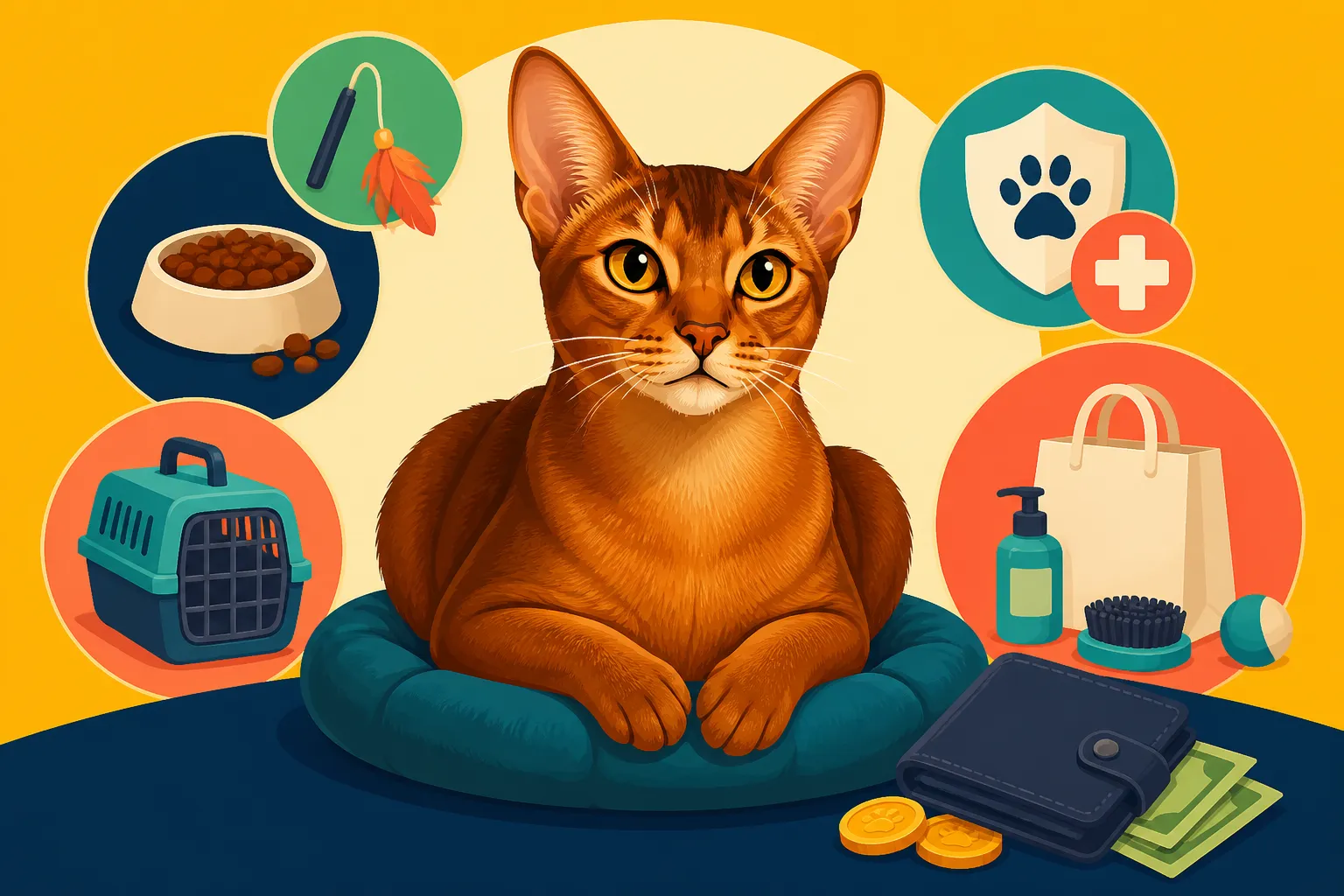
Here's a quick overview of typical annual Abyssinian expenses to help you visualize your budget:
| Category | Description | Cost Impact (General) |
|---|---|---|
| Food & Treats | High-quality wet/dry food, special dietary needs, training treats | Moderate to High (due to quality & energy needs) |
| Litter & Supplies | Premium clumping litter, waste bags, box liners | Moderate (depends on litter type and frequency) |
| Routine Vet Care | Annual exams, vaccinations, parasite control, basic diagnostics | Moderate (varies by vet and location) |
| Dental Care | Professional cleanings, at-home dental products | High (especially if professional cleanings are needed yearly, and How Often an Abyssinian Needs Its Teeth Cleaned is often more than other breeds) |
| Pet Insurance | Monthly premiums for accident/illness coverage (optional but recommended) | Moderate to High (depending on coverage level) |
| Toys & Enrichment | Replacing worn toys, puzzle feeders, scratchers, catnip | Low to Moderate (depends on frequency of replacement) |
| Vertical Spaces | Repairs to cat trees, replacing worn parts of wall shelves | Low to Moderate (maintenance of initial investment) |
| Miscellaneous | Grooming tools, carriers, minor incidentals, potential boarding | Low to Moderate (highly variable) |
| Emergency Fund | Saved for unexpected health crises (essential) | Not a direct yearly spend, but a yearly savings goal |
Ultimately, while the initial cost of an Abyssinian kitten might be significant, it's truly What an Abyssinian Costs to Keep Every Year that adds up and defines responsible ownership. By understanding and budgeting for these ongoing expenses—from nutritious food and quality litter to essential vet care, engaging enrichment, and preparing for the unexpected—you'll ensure your dynamic Abyssinian enjoys a long, healthy, and incredibly happy life as a cherished member of your family. Remember, What an Abyssinian's First Year Actually Costs can be higher due to initial vet visits and setting up their environment, but many of these costs remain consistent year after year.
Disclaimer
This article is for general informational purposes only and does not constitute professional advice. Laws, prices and regulations vary by location and change over time. Consult a qualified professional for guidance on your specific situation.