Whether a Sitter Beats Boarding for an Abyssinian
Leaving your vibrant Abyssinian when you travel can feel like you're abandoning a tiny, energetic shadow who thrives on interaction and routine. It's a common dilemma for Aby parents: do you hire a pet sitter to come into your home, or do you take your beloved companion to a boarding facility? Each option has its unique set of challenges and benefits, and the "best" choice really depends on your specific cat, your trip, and your peace of mind. This guide will help you weigh both sides of the coin to ensure your Abyssinian is happy and well-cared for while you're away.
The Abyssinian's Unique Social and Environmental Needs
Abyssinians are not your typical aloof cats; they are intensely social, endlessly curious, and deeply attached to their people and environment. This means that any disruption to their daily life can be a big deal. They are known for being The Abyssinian Is the Busiest Cat in the House and thrive on consistent engagement, often following you from room to room. Their intelligent, often mischievous nature means they're constantly exploring, climbing, and "helping" with whatever you're doing.
Leaving an Abyssinian alone for extended periods can lead to boredom, anxiety, and even destructive behaviors. They aren't cats who just curl up and sleep the day away, patiently awaiting your return. They need mental stimulation, plenty of play, and a consistent routine to feel secure. Even though Why an Abyssinian Will Not Sit on Your Lap might be true for many, they crave your presence and interaction. A sudden change in their environment or a lack of attention can be genuinely stressful for them, sometimes manifesting as unusual quietness or even overgrooming. This breed truly struggles with isolation, far more than many other feline companions.
The Benefits and Drawbacks of a Professional Pet Sitter
For many Abyssinian owners, a professional pet sitter who comes to your home offers the most comfort and continuity for their cat. The core idea here is to minimize disruption by keeping your Aby in its familiar territory. This means less stress, which is always a win for a sensitive breed.
Maintaining Routine and Environment at Home
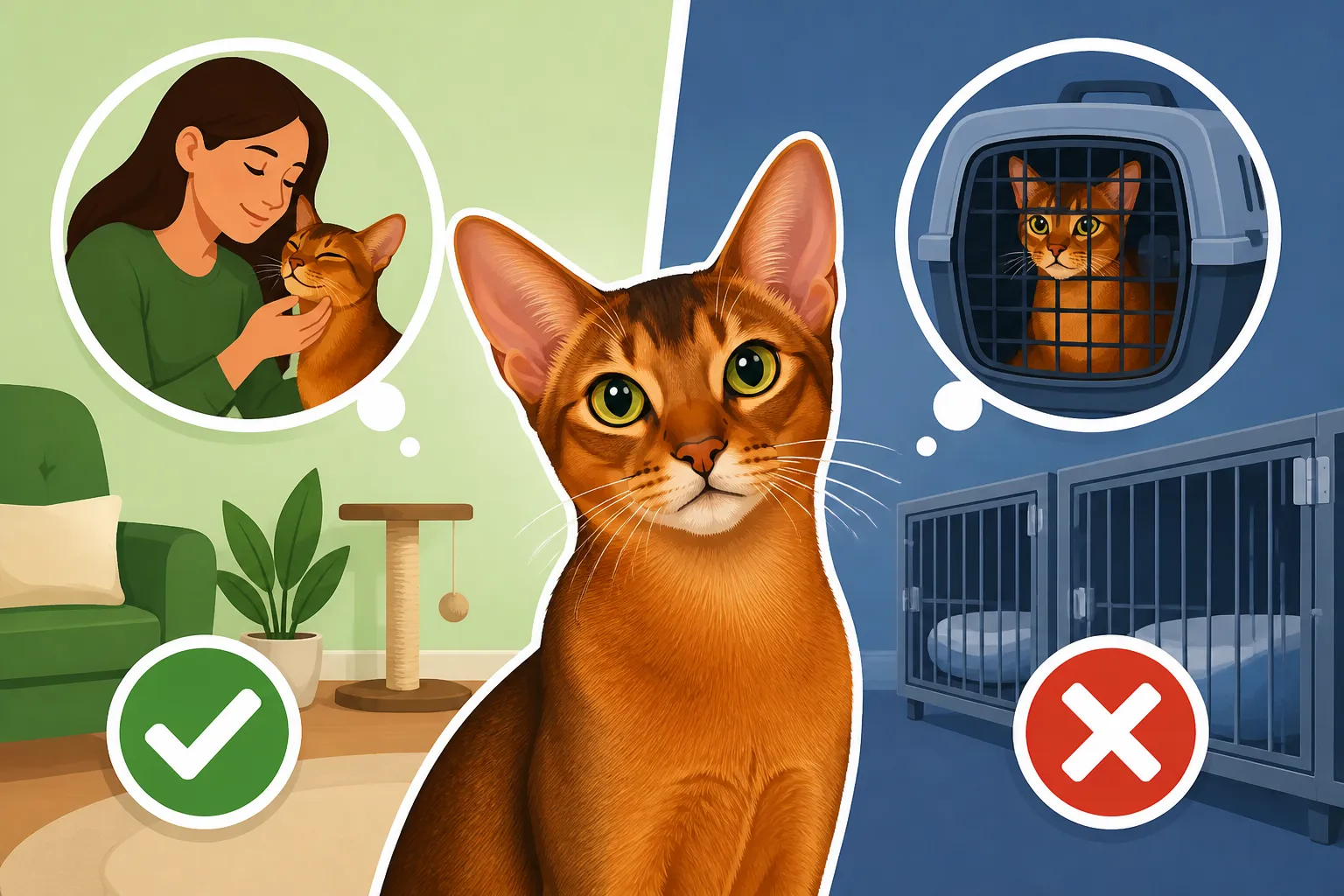
The biggest advantage of a pet sitter is that your Abyssinian gets to stay in their own home. Imagine your cat waking up in their favorite sunbeam spot, eating from their usual bowl, and exploring the familiar territory they know so well. There's no strange smells, no new cat noises, and no enclosed spaces that feel unfamiliar. This continuity helps immensely in reducing stress and anxiety. Your cat's feeding schedule, playtime, and even their preferred litter box routine can be maintained exactly as if you were there, which is crucial for a breed that appreciates predictability.
A good pet sitter doesn't just feed your cat; they truly step into your shoes. They'll know where your Abyssinian likes to hide, which toys are their favorites, and how much interaction they typically receive. This means your Aby continues to get their regular dose of exercise and mental stimulation, which is vital for preventing boredom-induced mischief. Plus, they're not just caring for your cat; they're also keeping an eye on your home, collecting mail, watering plants, and generally making the house look occupied, which can offer an added layer of security. If you use a pet sitter, you can even have essentials like food and litter delivered right to your door through services like Chewy, ensuring your cat's routine isn't disrupted.
Personalized Attention and Play
Abyssinians thrive on interaction. They are bright, active cats who need regular engagement to be truly happy. A dedicated pet sitter provides that one-on-one attention that is so critical. Instead of being one of many cats in a facility, your Abyssinian gets focused playtime, cuddles (if they're into that!), and conversation. This can include using their favorite wand toys, playing fetch if your Aby is into that, or simply having someone to "talk" to. How Much Play an Abyssinian Needs Each Day is often underestimated, and a good sitter understands this, making sure those high-energy bursts are catered for.
A professional sitter can adapt their care to your Abyssinian's specific personality. If your Aby is shy at first, a sitter can take the time to build trust. If your cat is a demanding chatterbox, they'll respond to those vocalizations. This personalized approach is something a busy boarding facility simply cannot replicate. Furthermore, if your cat is on a special diet or needs medication, a sitter can ensure these are administered precisely as prescribed, without the risk of mix-ups that can sometimes occur in a larger facility. Some pet sitters can even help prepare specialized meals if your Abyssinian is on a specific diet recommended by a vet.
Health Monitoring and Communication
When your cat stays home, a pet sitter provides eyes on your Abyssinian daily. They'll notice changes in appetite, litter box habits, or behavior that might indicate a health issue much faster than if your cat were in a new, potentially stressful environment. This early detection can be critical, especially for a breed known to hide illness until it's advanced, as is often the case with kidney problems or other conditions. Why a Lean Abyssinian Hides Illness Longer Than a Heavy Cat highlights just how subtle these signs can be.
A good pet sitter will also provide regular updates, often including photos and videos, giving you immense peace of mind. You'll know your Aby is doing well, eating, playing, and generally being their usual self. In the event of an emergency, the sitter can contact your vet directly, transport your cat, and keep you informed every step of the way. When considering a sitter, think about how quickly you'd need to access vet records or insurance information; platforms like Healthy Paws can often simplify this in an emergency, as your sitter might need policy details quickly. This direct line of communication and immediate action capability is invaluable.
The Consideration of a Boarding Facility
While pet sitters offer continuity, boarding facilities provide a different kind of peace of mind with constant supervision and a dedicated animal care environment. However, this option comes with its own set of potential stressors for an Abyssinian.
Structured Environment and Constant Supervision
For some cats, especially those who are more independent or perhaps not as deeply attached to their immediate home environment, a good boarding facility can be a viable option. These facilities typically offer constant supervision from trained staff, which means someone is always on-site, even overnight, to monitor the cats. This can be reassuring for owners who worry about their cat being truly alone at any point. Many modern boarding facilities offer individual "condos" or suites rather than small cages, which provide more space, natural light, and even windows for cats to look outside.
These facilities are also often set up specifically for animal care, meaning they have dedicated cleaning protocols, air filtration systems, and separate areas for different types of animals to minimize stress and the spread of illness. Some even have veterinary staff or on-call vets associated with them, offering immediate medical attention if needed. For certain very shy or anxious cats, the structure and consistent presence of caregivers, even if not one-on-one, can sometimes be less unsettling than the unpredictable nature of someone coming and going in their home.
Potential for Stress and Illness
However, for an Abyssinian, a boarding facility can present significant challenges. Abyssinians are creatures of habit and deeply connected to their territory. Being removed from their home and placed in an unfamiliar environment, surrounded by the sights, sounds, and smells of other cats (and sometimes dogs), can be incredibly stressful. This stress can manifest in various ways, from refusal to eat or use the litter box, to increased aggression or withdrawal. How an Abyssinian's Energy Changes After Seven and even younger can make them more susceptible to environmental stress. The constant novelty can be overstimulating for some, leading to anxiety, while the lack of personal space and quiet can be equally distressing for others.
Beyond the stress, there's also the increased risk of exposure to illness. Even the cleanest facilities can't eliminate the risk of respiratory infections or other common feline ailments when multiple cats from different households are in close proximity. While reputable facilities require vaccinations, there's always a chance for something new to crop up. The energy and playful nature of an Abyssinian also mean they might struggle in a more confined or less interactive space, potentially leading to boredom, frustration, and even depression. It’s hard for a facility to provide the extensive climbing opportunities and mental engagement an Abyssinian needs, which An Abyssinian Needs Height More Than It Needs Floor often goes to show.
Cost Considerations and Logistics
The cost of boarding can vary widely depending on the facility, the type of accommodation (standard cage vs. luxury suite), and any additional services like playtime or special feeding. Generally, boarding fees are charged per night. When you factor in the cost for a longer trip, especially if you opt for a more comfortable suite with extra amenities, it can quickly add up. For example, some facilities charge extra for administering medication or providing specific types of food, which is common for Abyssinians on specialized diets.
Logistically, you also need to consider the drop-off and pick-up process. This means transporting your Abyssinian, which for some cats is an ordeal in itself, both to and from the facility. You'll need a secure carrier, and for an Abyssinian who might find car rides stressful, this adds another layer of anxiety. You also have to adhere to the facility's hours for drop-off and pick-up, which might not always align perfectly with your travel schedule. Compared to a sitter who comes to your home, the logistics are often more involved for you as the owner.
Making the Right Choice for Your Abyssinian
Deciding between a pet sitter and a boarding facility isn't a one-size-fits-all answer. It truly boils down to understanding your Abyssinian, your trip, and your comfort level.
Assessing Your Cat's Personality and Habits
The most crucial factor is your Abyssinian's individual personality. Is your Aby an outgoing, confident cat who adapts quickly to new environments and isn't easily stressed? Or are they more on the shy, reserved side, deeply attached to their home comforts and prone to anxiety with change? A highly sensitive or anxious Abyssinian will almost certainly fare better with a pet sitter, as staying in a familiar environment is less disruptive. They might even act out or become withdrawn if their routine is too severely altered.
Consider their activity level and need for interaction. If your Aby needs constant mental stimulation and vigorous play to avoid becoming bored and destructive, a pet sitter who commits to dedicated play sessions is likely the better choice. If your cat tends to hide from strangers, a sitter might be able to work with that gradually, whereas a boarding facility might be too overwhelming. Think about your cat’s history with changes: how do they react to guests, new furniture, or even a different food bowl? Their past reactions can be a strong indicator of how they'll handle your absence.
Length of Your Trip and Special Needs
The duration of your absence also plays a significant role. For a very short trip, say an overnight or a weekend, some Abyssinians might tolerate a boarding facility if it's high-quality. However, for longer trips, a week or more, the accumulated stress of an unfamiliar environment can become quite significant. The longer the absence, the more critical it becomes to maintain stability and routine, which generally points towards a pet sitter.
Special needs are another major consideration. Does your Abyssinian require daily medication, a specific diet, or have a health condition that needs close monitoring, such as kidney issues which may require you to know How a Vet Manages an Abyssinian in Kidney Failure? A pet sitter can often provide more attentive and consistent care for these situations. While boarding facilities can administer medication, the one-on-one focus of a sitter often provides greater peace of mind for complex care regimens. If you have concerns about potential emergencies, knowing your pet insurance, like Healthy Paws, is readily available to your sitter for any quick questions can be a lifesaver.
Budgeting for Care and Unexpected Costs
The cost difference between a pet sitter and boarding can sometimes be negligible, or it can be substantial. Pet sitters typically charge per visit, and if you have multiple cats, this can sometimes be more economical than paying per cat at a boarding facility. Boarding facilities charge per night, and sometimes per cat, so the costs can add up quickly, especially for longer stays or luxury accommodations. Always get clear quotes from both options, outlining exactly what is included in the price.
Beyond the basic fees, remember to budget for potential unforeseen costs. For instance, if your cat gets sick at a boarding facility, you'll be responsible for vet bills. If your Abyssinian becomes stressed and develops behavioral issues at home while a sitter is visiting, you might need to adjust their care. It's wise to set aside an emergency fund for your cat, as vet visits can be expensive; perhaps consider if Whether Pet Insurance Is Worth It for an Abyssinian for these kinds of scenarios. Making a realistic budget that covers not just the basic care but also potential veterinary needs or additional enrichment is a smart move for any Abyssinian owner.
| Feature | Professional Pet Sitter (At Home) | Boarding Facility (Away from Home) |
|---|---|---|
| Environment | Familiar, comfortable, less stress; cat remains in its own territory. | Unfamiliar, new smells/sounds/cats; potential for high stress. |
| Routine | Maintained exactly as if owner were home (feeding, play, litter). | New routine, different feeding times, limited play opportunities compared to home. |
| Attention | One-on-one personalized interaction and play; direct observation of behavior. | Group supervision by staff; limited individual attention; often one of many cats. |
| Health Monitoring | Daily check-ins by a dedicated person; quick to notice subtle changes in health. | Staff present, but less focused individual health monitoring; harder to spot subtle shifts. |
| Risk of Illness | Very low, as no exposure to other animals. | Higher risk due to proximity with other cats from various households. |
| Cost | Per visit (often better for multiple cats); potentially more economical for long trips. | Per night, per cat (can add up quickly); extra fees for specific services. |
| Logistics | Less owner hassle (no transport); sitter handles home tasks; can include mail/plants. | Requires transport of cat; adherence to facility drop-off/pick-up hours. |
| Security | Home looks occupied (lights, mail); less risk of house breaking. | Home is empty; no one present unless other arrangements made. |
| Suitability | Ideal for sensitive, anxious, or high-energy Abyssinians; cats with special needs. | May suit more independent, adaptable cats; cats who don't mind new environments. |
Ultimately, the decision rests on prioritizing your Abyssinian's well-being. For a breed as intelligent, social, and routine-oriented as the Abyssinian, minimizing disruption and maximizing personal attention usually points towards a qualified pet sitter. It allows your cat to remain in their comfort zone, reducing stress and ensuring they continue to thrive even in your absence.
Disclaimer
This article is for general informational purposes only and does not constitute professional advice. Laws, prices and regulations vary by location and change over time. Consult a qualified professional for guidance on your specific situation.