What an Abyssinian’s First Year Actually Costs
Bringing home a new Abyssinian kitten is an absolute joy, a whirlwind of boundless energy and curious exploration. However, many new owners, swept up in the excitement, are often surprised by the true financial commitment that comes with their first year of Abyssinian ownership. It's not just the purchase price; it's a whole host of initial setup costs, ongoing care, and those inevitable surprises that can quickly add up. This guide is here to give you a realistic breakdown of what you can expect to spend in that crucial first year, helping you budget wisely and ensure your Abyssinian has everything they need to thrive.
Initial Acquisition Costs: Beyond the Kitten Price Tag
The first year of owning an Abyssinian often begins with the most significant upfront expense: the kitten itself. But it’s crucial to understand that this is just the tip of the iceberg. There are many other immediate costs associated with bringing your new feline family member home and setting them up for success. Thinking of these costs as a package deal rather than individual surprises will give you a much clearer financial picture.
The Purchase Price of an Abyssinian Kitten
Let's be honest, Abyssinian kittens from reputable breeders are an investment. You're not just paying for a cute face; you're paying for generations of careful breeding, health testing, socialization, and the breeder's dedication to the well-being of the breed. Prices can vary quite a bit depending on factors like pedigree, geographical location, the kitten's color, and whether it's sold as a pet or a show prospect. A pet-quality Abyssinian, which is often what most families are looking for, will still command a significant sum. Don't be tempted by unusually low prices, as these often signal a breeder who skimps on essential health screenings or proper care, which can lead to far greater costs down the line. It's worth researching How Much a Pet Abyssinian Costs From a Breeder to understand the typical range. Remember, a good breeder will usually send their kittens home around fourteen weeks of age, after they've had their initial vaccinations and time to properly socialize with their littermates and mother. This extended stay, as covered in Why an Abyssinian Kitten Leaves at Fourteen Weeks, also means they've had more robust initial care invested in them by the breeder, which factors into the price.
This initial cost also usually includes the breeder providing vital paperwork, such as registration papers, a health guarantee, and a record of the kitten's first vaccinations and deworming. This isn't just bureaucratic red tape; it's a promise of the kitten's lineage and initial health. Understanding what is included in the purchase price versus what you'll need to cover immediately upon arrival is key. For instance, while some initial shots are done, there will be boosters and other preventative care you’re responsible for. It’s also important to confirm if your Abyssinian comes microchipped, as this is a crucial step for their safety that you’ll need to budget for if not already included. Whether an Abyssinian Comes Microchipped is a good question to ask your breeder.
Initial Supplies and Setup for an Abyssinian
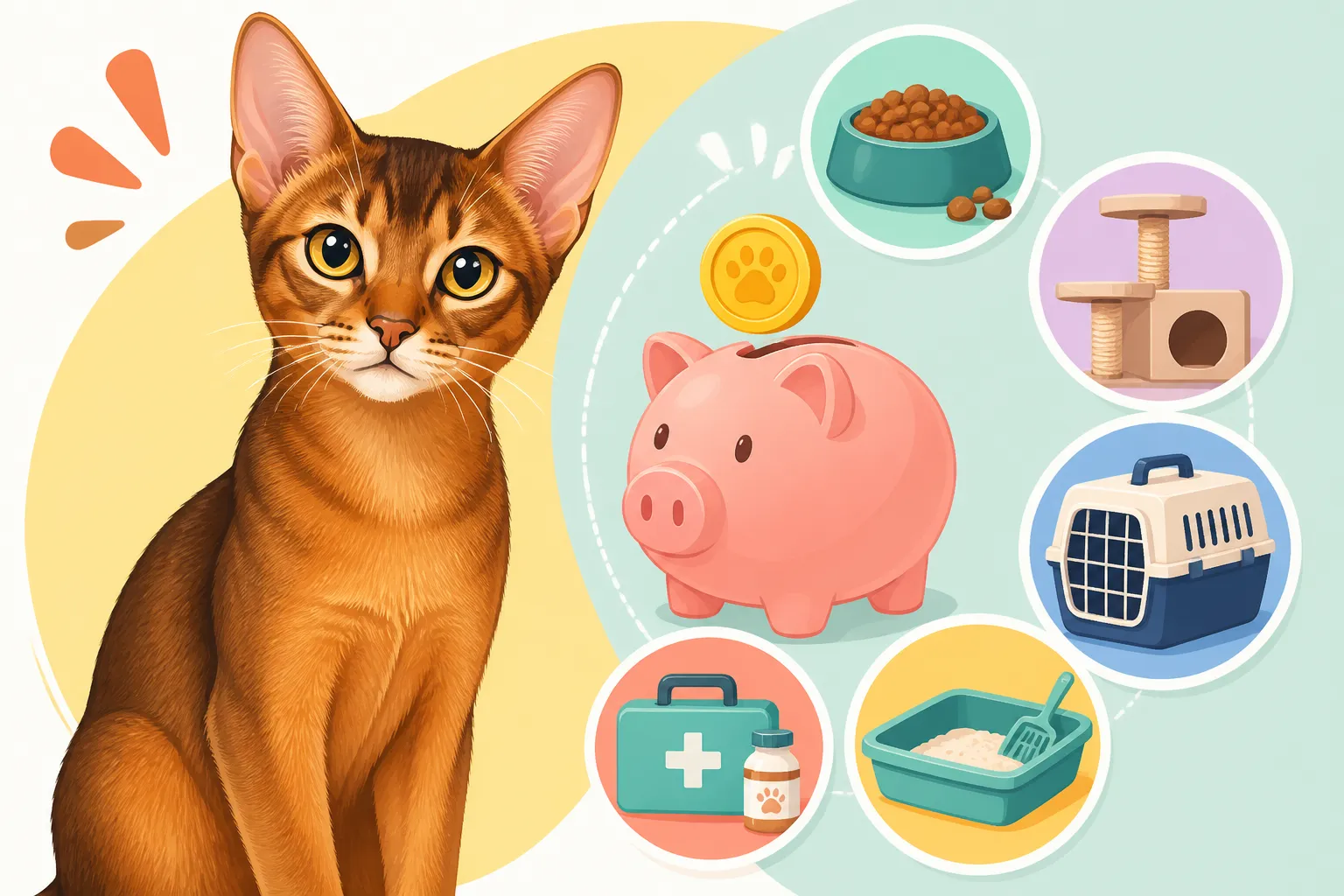
Once you’ve committed to your Abyssinian, you’ll quickly realize that they need more than just a food bowl. These are active, intelligent cats who thrive on enrichment and a comfortable environment. The shopping list for a new kitten can be extensive, from basic necessities to items designed to cater specifically to the Abyssinian's unique personality. Think about food and water bowls – ceramic or stainless steel are often preferred for hygiene and to prevent chin acne. You'll need a litter box (or two!), scoop, and quality litter. Given their athleticism, a tall, sturdy scratching post or cat tree is non-negotiable from day one to protect your furniture and provide an outlet for their climbing instincts.
Beyond the basics, consider a cozy bed (even if they prefer your head!), a carrier for vet visits, and a good selection of engaging toys. Abyssinians are known for their playful nature and will quickly grow bored with static toys. You’ll want a variety of wand toys, crinkle balls, and puzzle feeders to keep their minds sharp and bodies active. These initial setup costs, while seemingly small individually, accumulate quickly. It’s a good idea to create a checklist and research prices beforehand, perhaps even browsing online pet supply retailers like Chewy, which often have starter kits or bundle deals that can help manage these expenses. Don't forget nail clippers and a soft brush for their minimal grooming needs – starting these routines early makes life easier for everyone.
Travel and Transport Expenses
Bringing your Abyssinian kitten home often involves more than just a short car ride. If your chosen breeder is in another state or even a different part of your own state, you’ll need to factor in travel costs. This could mean gas, overnight stays, or even airfare if you're flying the kitten yourself or having them flown to you. While flying an animal comes with specific regulations and costs, driving can also be substantial if it’s a long journey. Many breeders require you to pick up the kitten in person, and this is always recommended so you can see the cattery environment firsthand and meet the kitten's parents.
Even if you pick up locally, you'll need a secure, comfortable carrier for the journey home. This isn’t a place to skimp; a flimsy carrier can be stressful and unsafe. Invest in a sturdy, well-ventilated carrier that’s large enough for the kitten to stand and turn around in, but not so big that they slide around excessively. Line it with a familiar-smelling blanket if possible. If you’re traveling a significant distance, you’ll also need to consider food, water, and perhaps a small portable litter box for comfort breaks. These transportation logistics and associated expenses are a vital part of the first-year cost and shouldn’t be overlooked in your initial budgeting.
Veterinary Care: Getting Your Abyssinian Started Right
One of the most critical investments in your Abyssinian's first year is comprehensive veterinary care. A healthy start lays the foundation for a long, vibrant life, and proactive care can prevent more expensive problems down the road. It’s not just about addressing illness; it’s about prevention, protection, and establishing a baseline for your cat's health.
First-Year Vaccinations and Health Checks
Your Abyssinian kitten will arrive with some initial vaccinations from the breeder, but the first year requires a series of booster shots to ensure full immunity against common feline diseases. These typically include follow-up doses for feline distemper (panleukopenia), calicivirus, and rhinotracheitis (often given as a combined FVRCP vaccine). Depending on your lifestyle and your cat's potential exposure, your vet may also recommend a feline leukemia virus (FeLV) vaccine, especially if there's any chance of outdoor access or contact with other cats whose vaccination status is unknown. Each visit for these boosters will incur a consultation fee and the cost of the vaccines themselves. You can learn more about what to expect with What Vaccinations an Abyssinian Kitten Arrives With by a breeder.
Beyond vaccinations, routine health checks are crucial. These visits allow your veterinarian to monitor your kitten's growth and development, listen to their heart and lungs, check their teeth and gums, and ensure they are meeting all developmental milestones. Abyssinians are naturally lean and active, so monitoring their weight and body condition is particularly important, as noted in Why a Lean Abyssinian Hides Illness Longer Than a Heavy Cat. Early detection of any potential issues, from minor infections to congenital conditions, can lead to quicker, less invasive, and often less expensive treatments. These regular check-ups in the first year are about establishing a strong foundation for lifelong wellness.
Spaying or Neutering Your Abyssinian
Unless you are a registered breeder planning to show and breed your Abyssinian responsibly, spaying or neutering is a fundamental part of responsible pet ownership and a significant first-year veterinary expense. This procedure typically occurs around six months of age, though your vet might recommend a slightly different timeline based on your individual cat's health and development. The cost of spaying (for females) is generally higher than neutering (for males) due to the more invasive nature of the surgery.
Beyond preventing unwanted litters, spaying and neutering offer numerous health and behavioral benefits. It eliminates the risk of certain cancers, such as mammary tumors in females and testicular cancer in males. It also reduces undesirable behaviors like spraying, roaming, and incessant vocalization, making your Abyssinian a happier, more settled companion. When budgeting for this, remember to factor in pre-surgical blood work, the anesthesia itself, the surgery, pain medication, and post-operative check-ups. It's a one-time cost that provides long-term benefits for both you and your Abyssinian.
Parasite Prevention and Microchipping
Parasite prevention is an ongoing necessity, but the initial setup in the first year can be a significant cost. This includes regular deworming treatments, especially for kittens who are prone to internal parasites. Your vet will recommend a schedule based on your kitten’s age and potential exposure. Flea, tick, and heartworm prevention are also crucial, even for indoor Abyssinians. Parasites can be brought into the home on shoes or other pets, and the health risks they pose are far greater than the cost of prevention. There are various options available, from topical treatments to oral medications, and your vet will help you choose the best fit for your cat and your lifestyle.
Finally, microchipping is a relatively inexpensive procedure that offers invaluable peace of mind. A tiny chip, no larger than a grain of rice, is inserted under your cat’s skin between the shoulder blades. This chip contains a unique identification number linked to your contact information in a national database. If your Abyssinian ever gets lost, a shelter or vet clinic can scan the chip, and you can be reunited. Whether an Abyssinian Comes Microchipped directly from the breeder is something to confirm, as this one-time cost is often part of the first-year budget if not included. While the initial chip implant is a minor cost, remember there's often a registration fee to ensure your details are current in the database.
Feeding Your High-Energy Abyssinian
Abyssinians are known for their sleek, muscular bodies and incredible energy levels. This isn't a couch potato breed that grazes through a single bowl of kibble all day. Their active metabolism and constant motion mean that what and how you feed them is paramount, and it will be a significant recurring cost in that first year and beyond.
Quality Food Choices for a Growing Abyssinian
A growing Abyssinian kitten needs high-quality nutrition to support their rapid development, bone growth, and endless energy. This means investing in premium cat food formulated specifically for kittens, rich in animal-based protein. Look for ingredients where meat is the first listed item, not grains or fillers. While dry kibble can be a component, many Abyssinian owners find that a diet incorporating wet food is beneficial for hydration, which is especially important for kidney health in Abyssinians as they age. Why an Abyssinian's Kidneys Make Water Intake Matter is a crucial consideration for this breed's long-term health. The cost of premium kitten food, particularly wet food, can be surprisingly high, but it’s an investment in their health.
Avoid generic, inexpensive foods, as these often contain less digestible ingredients and can lead to nutritional deficiencies or digestive upset. Abyssinians are typically not prone to obesity, thanks to their high metabolism, but appropriate portion sizes are still important. Your vet can advise on the right type and quantity of food for your specific kitten's age, weight, and activity level. As they transition from kitten to adult food, usually around 10-12 months, you'll want to gradually introduce the new formula to avoid tummy troubles. Keep an eye on how many calories an Abyssinian kitten needs, as this will change as they grow. How Many Calories an Abyssinian Kitten Needs will give you a baseline to discuss with your vet.
Treats and Nutritional Supplements
Treats are more than just tasty morsels; they can be invaluable tools for training and enrichment, especially with an intelligent and trainable breed like the Abyssinian. However, not all treats are created equal, and their cost can add up. Opt for healthy, low-calorie options, and always feed in moderation to avoid unbalancing their primary diet. Interactive treat-dispensing toys or puzzle feeders can make treats last longer and provide mental stimulation, turning snack time into a fun challenge.
Sometimes, despite a high-quality diet, a vet might recommend specific nutritional supplements, particularly for growing kittens or those with unique dietary needs. This could include omega fatty acids for coat health, or probiotics for digestive support. While these aren't always necessary, they can contribute to the overall first-year feeding budget. Always consult your veterinarian before adding any supplements to your Abyssinian's diet, as too much of a good thing can sometimes be harmful. Remember, the goal is to complement, not replace, a balanced diet.
Water Needs and Hydration for Abyssinians
Given the Abyssinian's high activity level and potential predisposition to certain health issues, particularly kidney-related ones, ensuring adequate hydration is paramount. While wet food contributes significantly, providing fresh, appealing water sources is crucial. A simple bowl of tap water might suffice, but many Abyssinians are notoriously picky about their water. This might mean investing in filtered water, multiple water bowls placed throughout the house, or, a popular choice, a cat drinking fountain.
Fountains often encourage cats to drink more because they prefer moving water over stagnant water. The sound and movement can be enticing, mimicking a fresh stream. There are various types of fountains available, from ceramic to stainless steel, and their costs vary widely, including replacement filters. This might seem like a small detail, but the long-term health benefits of consistent hydration, especially in preventing urinary tract issues and supporting kidney function, make it a worthy investment in your Abyssinian's first year. How Much Water an Active Abyssinian Drinks is more than you might think!
Essential Gear and Enrichment for a Busy Abyssinian
An Abyssinian isn't content to simply nap on the sofa all day. They are natural athletes, explorers, and climbers, driven by an insatiable curiosity. To prevent destructive behaviors stemming from boredom, you need to invest in an environment that caters to their energetic spirit. This means providing ample opportunities for climbing, playing, and mental engagement.
Climbing Structures and Vertical Space
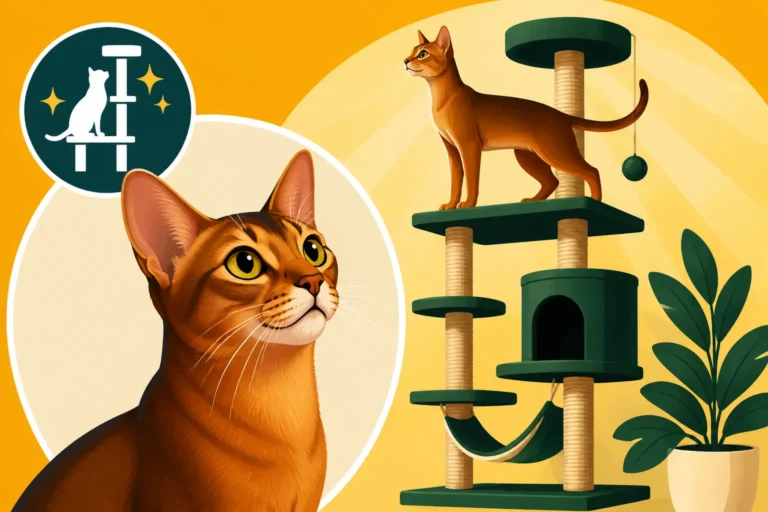
If there's one piece of furniture that's truly non-negotiable for an Abyssinian, it's vertical climbing structures. These cats thrive on height and love to survey their domain from above. Investing in a sturdy, tall cat tree or a series of wall-mounted shelves is crucial. Why an Abyssinian Needs a Tall Cat Tree isn't just a suggestion; it's a fundamental requirement for their well-being. Cheap, flimsy cat trees will quickly be destroyed or ignored if they don't feel secure or offer sufficient height. You're looking for stability, multiple levels, and scratching surfaces.
Wall shelves are an excellent alternative or complement to cat trees, as they can transform unused wall space into an engaging "cat highway." While the initial cost of quality shelves and professional installation (if you're not handy) can be higher, they offer an incredible return on investment by keeping your Abyssinian stimulated and protecting your other furniture. Remember, Abyssinians are adept climbers and jumpers, so ensure any vertical structures are securely fastened and can bear their weight during energetic leaps. Creating these vertical pathways helps fulfill their natural instinct to climb and observe.
Toys and Mental Stimulation
An Abyssinian's intelligence means they require more than a few scattered toys. They need constant mental stimulation to prevent boredom, which, for an Abyssinian, often manifests as mischievous or even destructive behavior. A variety of toys is essential: wand toys for interactive play, crinkle balls, soft mice for batting, and especially puzzle toys or feeders. Puzzle feeders, which require your cat to "work" for their food or treats, are fantastic for engaging their problem-solving skills and slowing down their eating.
Rotate their toys regularly to keep things fresh and interesting. What they loved yesterday might be ignored today, but bringing it back out in a week can renew their interest. Consider investing in a laser pointer for exercise (just remember to end play with a tangible toy they can "catch"), or even some simple paper bags and cardboard boxes, which often provide endless entertainment. The cost of toys might seem ongoing, but it's a small price to pay for a happy, engaged Abyssinian and undisturbed household items. Keep an eye out for sales at pet stores like Chewy, or consider making some DIY toys to save a bit!
Litter Boxes and Grooming Supplies
While not as glamorous as cat trees, adequate litter box provisions are paramount for hygiene and behavioral health. Abyssinians are generally fastidious cats, and they prefer clean litter boxes. For the first year, you should have at least two litter boxes for one Abyssinian, placed in different, easily accessible locations. Consider the size; Abyssinians are long, lean cats, so a large box is always better to give them ample digging room. The cost isn't just the box itself but the ongoing expense of quality litter. Scoopable, unscented litter is often preferred.
Grooming an Abyssinian is relatively low maintenance thanks to their short, ticked coat and minimal undercoat. You won't be dealing with mats or extensive shedding. However, you'll still need a few essential items. A soft rubber grooming mitt or a chamois cloth works wonders for removing loose hairs and bringing out the shine in their unique coat. Regular nail clipping is necessary to keep their claws healthy and prevent damage to furniture. Most critically, starting early with dental care is essential, as Abyssinians are prone to gum issues. Why an Abyssinian's Gums Overgrow Its Teeth highlights the importance of consistent dental hygiene, which involves a cat-specific toothbrush and toothpaste. The cost of these items might be small, but the routine use is vital.
Unexpected Expenses and Long-Term Planning
Even with the best planning, life with an Abyssinian kitten will inevitably throw some curveballs your way. Unexpected veterinary visits or sudden illnesses are a reality of pet ownership. Budgeting for these unknowns, and considering how to mitigate their financial impact, is a crucial part of first-year ownership planning.
Emergency Vet Visits and Illnesses
No matter how robust your kitten's initial health is or how carefully you've chosen your breeder, emergencies can happen. Kittens are curious creatures and can get into things they shouldn't, leading to anything from minor cuts to poisoning. Accidents like falls (especially given their climbing prowess) are also a possibility. Furthermore, while reputable breeders screen for genetic conditions, some health issues might not manifest until later in the first year or are simply unforeseen. The cost of an emergency vet visit can be substantial, often involving after-hours fees, diagnostics (blood tests, X-rays), and potentially surgery or hospitalization.
Even common kitten ailments like a stubborn upper respiratory infection or digestive upset requiring medication can add unexpected costs to your budget. Having an emergency fund specifically for your Abyssinian is highly recommended. Think of it as a safety net that allows you to make decisions based on your cat's health needs rather than your immediate financial capacity. This foresight can prevent immense stress during an already difficult time.
Pet Insurance Considerations for an Abyssinian
Given the potential for unexpected health issues and the high cost of modern veterinary care, many Abyssinian owners find pet insurance to be a worthwhile investment from day one. Whether Pet Insurance Is Worth It for an Abyssinian is a question many ponder, and for an active breed that can sometimes have breed-specific health concerns, it often is. Pet insurance typically works by reimbursing you for a percentage of your vet bills after you've paid your deductible. There are various plans available, ranging from accident-only coverage to comprehensive plans that cover accidents, illnesses, and even some routine care.
It's crucial to research different providers and their policies carefully. Pay close attention to waiting periods, deductibles, reimbursement percentages, and any exclusions, especially concerning breed-specific conditions or pre-existing conditions. Enrolling your Abyssinian kitten as young as possible is usually beneficial, as it minimizes the chances of anything being deemed a pre-existing condition before coverage begins. Companies like Healthy Paws are popular choices, but comparing several quotes will ensure you find the best fit for your budget and your Abyssinian's needs.
Planning for Dental Health Early
Abyssinians are unfortunately predisposed to certain dental issues, particularly a condition called juvenile gingivitis, which can lead to gum overgrowth and tooth resorption if not managed. This makes early and consistent dental care critically important, and it can become a significant cost factor in their lifetime, including the first year. While your kitten's baby teeth will eventually fall out, establishing good habits now and being vigilant about their oral health can save you a lot of heartache and expense later.
Beyond daily toothbrushing (which you should start as soon as your kitten arrives to get them accustomed to it), professional dental cleanings under anesthesia may become necessary even at a young age if issues arise. Why an Abyssinian Dental Cleaning Costs can be substantial due to the need for anesthesia, scaling, polishing, and potentially extractions. Recognizing the early signs of gum trouble and proactively addressing them with your vet is key. Don't wait until your Abyssinian is older and in pain to think about their teeth; integrate dental care into your first-year budget and routine from the very beginning. It's a long-term commitment that truly pays off in their comfort and health.
The Abyssinian First-Year Cost Breakdown Table
To give you a clearer picture of where your money might go in that first year, here's a general breakdown of common expenses. Remember, these are estimates, and actual costs will vary widely based on your location, chosen products, veterinary fees, and any unexpected health issues. This table is meant to help you visualize the different categories of spending.
| Expense Category | Description | Typical Cost Shape (First Year) |
|---|---|---|
| Acquisition | Purchase price of the Abyssinian kitten from a reputable breeder. | High, one-time upfront cost. This is often the largest single expense. |
| Initial Supplies | Carrier, food/water bowls, litter boxes, first bag of litter, scratching posts, initial set of toys, bed, grooming tools. | Moderate to High, one-time upfront cost. Can be reduced if you already own some items or find deals. |
| Travel/Transport | Gas, airfare, overnight stays, or specific transport fees if picking up the kitten from a distance. | Variable, one-time upfront cost. Ranges from minimal (local pickup) to significant (cross-country travel). |
| Veterinary – Initial | Kitten wellness exams, core vaccine boosters (FVRCP), FeLV vaccine (if recommended), deworming, microchipping, first-year parasite prevention (flea/tick/heartworm). | Moderate to High, spread over several initial visits. |
| Veterinary – Spay/Neuter | Surgical procedure, anesthesia, pain medication, pre-surgical blood work. | Moderate, one-time cost, typically around 6 months of age. Spaying is usually more expensive than neutering. |
| Food & Treats | Monthly supply of high-quality kitten food (wet and/or dry), healthy treats. | Moderate, recurring monthly cost. Quality wet food can increase this significantly. |
| Litter | Monthly supply of quality cat litter. | Low to Moderate, recurring monthly cost. |
| Enrichment & Toys | Replacements for worn-out toys, new interactive toys, puzzle feeders, possible water fountain or additional climbing structures. | Low to Moderate, ongoing as needed. Can become high if you invest in large, durable cat trees or wall systems. |
| Emergency Fund/Insurance | Monthly pet insurance premiums OR setting aside funds for unexpected vet visits. | Variable, recurring monthly cost for insurance. Emergency fund savings can be as much as you can manage. |
| Dental Maintenance | Cat toothbrush, toothpaste, potential early professional cleaning if needed due to juvenile gingivitis. | Low for initial supplies; potentially high if an early professional cleaning (under anesthesia) is required. |
| Miscellaneous | Cat sitter/boarding if you travel, potential damage to property (despite best efforts!), unexpected incidentals. | Variable, highly unpredictable. Can be low or surprisingly high. This is why an emergency fund is so important. |
| Total Estimated First Year | Sum of all initial, recurring, and potential unexpected costs. Often considerably higher than subsequent years due to initial setup and spay/neuter. | Significantly Higher than Subsequent Years. Plan for a substantial initial outlay followed by recurring monthly expenses. What an Abyssinian Costs to Keep Every Year will be a good guide for after the first year. Expect the total to be a considerable investment. How Much an Abyssinian Costs Over Fifteen Years puts this into a long-term perspective. |
Mastering Your Abyssinian Budget: Tips for the First Year
Understanding the costs is one thing; managing them is another. The first year with your Abyssinian can feel like a financial stretch, but with a bit of savvy planning and smart choices, you can provide an excellent life for your cat without breaking the bank.
Prioritize Quality Over Cheapness
This is perhaps the most important tip, especially for an Abyssinian. While it might be tempting to opt for the cheapest food or the flimsiest cat tree to save money upfront, these choices often lead to greater expenses down the line. Cheap food can result in health issues requiring vet visits. Flimsy toys and furniture will break quickly, forcing you to replace them repeatedly, and can even pose safety risks or lead to your Abyssinian finding more "creative" (and destructive) outlets for their energy. Why an Abyssinian Destroys Cheap Furniture Faster is a lesson learned by many owners!
Investing in high-quality, durable items – from a robust carrier to premium food and sturdy climbing structures – will generally last longer, provide better enrichment, and contribute to your Abyssinian's overall health and happiness. Think of these as long-term investments rather than short-term savings. Sometimes, paying a bit more upfront saves a lot more in the long run.
Embrace Preventative Care and Early Detection
Proactive health management is your best friend when it comes to managing long-term costs. Regular vet check-ups, even when your Abyssinian seems perfectly healthy, are essential for catching potential issues early. This includes things like monitoring their weight, checking their gums (remembering their predisposition to dental issues), and staying on top of vaccinations and parasite control. Early detection of conditions often means less invasive and less expensive treatments, whereas letting a problem fester can lead to complicated, costly interventions.
Think of it this way: a yearly dental cleaning for an Abyssinian might seem like a lot, but it pales in comparison to the cost of multiple tooth extractions or treating a severe oral infection. Being diligent with their diet and hydration, and keeping them mentally and physically stimulated, are all forms of preventative care that contribute to a healthier, and thus less expensive, Abyssinian.
Research and Compare Providers
From pet insurance to veterinary clinics and even pet supply stores, don't be afraid to shop around. Get quotes from several pet insurance companies (like Healthy Paws) to compare coverage and premiums. When choosing a vet, consider not only their fees but also their philosophy on care, emergency protocols, and how well they communicate. Some clinics offer kitten packages that bundle initial vaccinations and spay/neuter at a reduced rate.
For supplies, take advantage of online retailers like Chewy for bulk purchases of food and litter, which often come with discounts or subscription savings. Local pet stores can also have loyalty programs. Comparing prices on items like puzzle feeders or cat trees before you buy can yield significant savings. A little research goes a long way in ensuring you're getting the best value for your money.
Budget for the Long Haul
While this article focuses on the first year, it’s important to remember that Abyssinian ownership is a commitment that can last 12-15 years, or even longer. The costs don't end after the first birthday. While the upfront investment of the first year is significant, there will be ongoing annual costs for food, litter, routine vet visits, and potentially emergency care as they age.
Think about how costs might change over your Abyssinian’s lifetime. For instance, an older Abyssinian might require more specialized diets or more frequent vet visits for age-related conditions. Having a long-term financial perspective will help you better prepare for the financial journey of Abyssinian ownership, ensuring you can provide for your beloved cat for their entire life.
Disclaimer
This article is for general informational purposes only and does not constitute professional advice. Laws, prices and regulations vary by location and change over time. Consult a qualified professional for guidance on your specific situation.