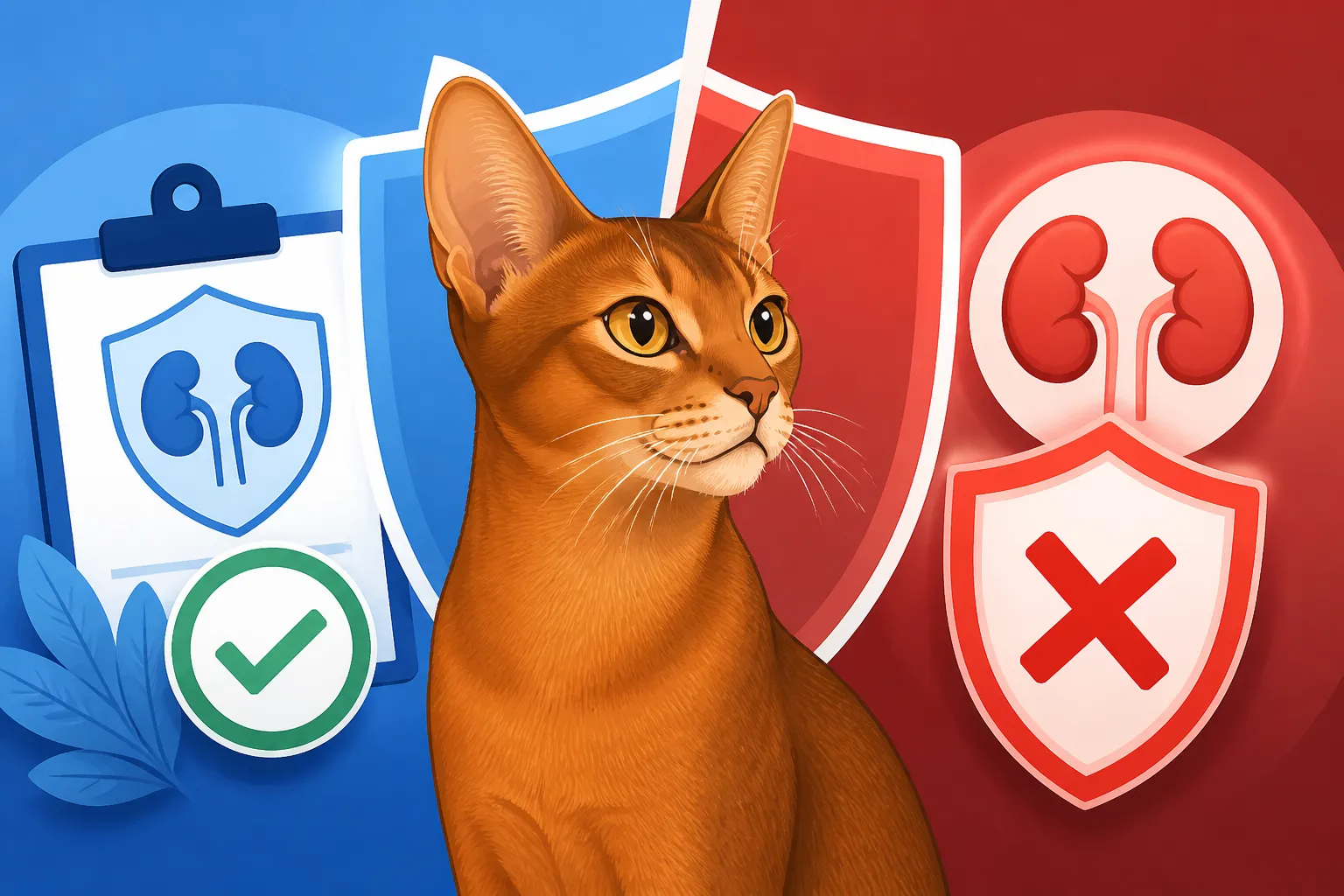
Whether an Abyssinian Insurer Excludes Inherited Kidney Disease
One of the most anxiety-inducing moments for any Abyssinian owner is facing a serious health diagnosis and then wondering if your pet insurance will actually cover the costs. It's especially complicated when you consider inherited conditions, which can feel like a hidden trap in the fine print. This guide aims to demystify how pet insurance providers typically view and cover — or don't cover — inherited kidney disease in Abyssinians, offering you a clearer path to protecting your beloved feline.
Understanding Inherited Conditions and Pet Insurance Definitions
When you're trying to figure out if your pet insurance will cover a condition like kidney disease in your Abyssinian, the language used by insurers around "inherited" or "hereditary" conditions can feel like a legal minefield. It's not always straightforward, and what one company considers inherited, another might treat differently, depending on their specific policy wording and exclusions. This is where a little bit of detective work on your part can save you a lot of heartache (and money) down the line.
What "Inherited" or "Hereditary" Means to Insurers
Generally, an "inherited" or "hereditary" condition is one that is passed down genetically from parent to offspring. Insurers often lump these in with "congenital" conditions, which means present at birth, even if not immediately apparent. For many breeds, this category includes a whole host of predispositions that are well-known within their breed lines. The challenge arises because not all genetic conditions manifest at birth or even in kittenhood; some, like certain forms of kidney disease, can appear much later in life, making it a moving target for both owners and insurers.
The core problem for insurance companies is predicting risk. If a breed is known to carry a high risk for a particular genetic ailment, covering that ailment without careful stipulations would be financially unsustainable for them. So, they design their policies to either exclude these conditions entirely, cover them with specific riders, or only cover them if certain preventative measures (like genetic testing of the parents) have been taken. This is why reading the policy before you sign up, and asking direct questions, is absolutely vital.
The Specific Challenge with Abyssinian Kidney Disease
For Abyssinian owners, the primary concern when discussing inherited kidney disease often revolves around Renal Amyloidosis. This is a particularly insidious condition where abnormal proteins, called amyloid, deposit in various organs, most critically the kidneys in Abyssinians. The heartbreaking reality is that Renal Amyloidosis Is the Abyssinian Problem Nobody Can Test For. Unlike some other inherited conditions for which clear genetic tests exist, there isn't a definitive DNA test for amyloidosis in Abyssinians. This makes it incredibly difficult for breeders to eliminate, and equally challenging for insurers to underwrite.
Because there's no "clear by DNA test" certificate for amyloidosis, insurance companies can't rely on a simple piece of paper to gauge risk. They might view it as a breed-specific predisposition, and some policies could have clauses that explicitly or implicitly exclude conditions commonly found in a particular breed if those conditions are considered hereditary and untestable. It places a significant burden on owners to choose a breeder with an impeccable history and to understand their insurance policy's limitations regarding such conditions. The lack of a simple genetic marker means a different approach is needed from both a breeding and insurance perspective.
How Pet Insurance Companies Handle Inherited Conditions
The way pet insurance companies approach inherited conditions isn't uniform. It's a complex landscape with variations in policy language, waiting periods, and specific exclusions that can leave even the most diligent pet parent scratching their head. It's not just about inherited kidney disease; it applies to a range of genetic predispositions across all breeds, but the lack of a direct genetic test for something like Abyssinian amyloidosis adds another layer of complexity.
Common Exclusions and Waiting Periods
Almost every pet insurance policy comes with waiting periods. This is the amount of time you have to wait after purchasing a policy before certain conditions become eligible for coverage. These can range from a few days for accidents to several weeks or even months for illnesses. Crucially, any condition that manifests or is diagnosed during this waiting period, or any condition your pet had before the policy started, is considered a "pre-existing condition." Pre-existing conditions are almost universally excluded from coverage, and this is where inherited conditions can get tricky.
If your Abyssinian shows any symptoms of kidney disease or receives a diagnosis before your policy's waiting period ends, or if it was noted in their vet records prior to coverage, it will likely be deemed pre-existing and therefore excluded. Some insurers might offer a "curable" pre-existing condition clause, meaning if a condition is completely resolved for a specific period (e.g., 6-12 months), it might become eligible again. However, for a chronic, progressive illness like kidney disease, this rarely applies. This is why Why to Insure an Abyssinian Before Its First Birthday is often the best advice – enroll them young, before any signs of illness appear.
The "Curable vs. Incurable" Distinction
While most pre-existing conditions are excluded, some insurance providers make a distinction between curable and incurable conditions. A curable condition might be something like an ear infection or a urinary tract infection. If your Abyssinian had one before getting insurance, and then goes a specified period (say, 180 days or 12 months) without recurrence, some policies might then cover future, unrelated occurrences of that condition.
However, for chronic, progressive, or incurable conditions like most forms of kidney disease, this distinction often doesn't offer a path to coverage if it was pre-existing. Inherited kidney disease, especially something like Renal Amyloidosis, is generally considered chronic and progressive, meaning it cannot be cured. Therefore, if signs were present or diagnosed before or during the waiting period, it's highly unlikely to be covered under this distinction. It's a crucial point to clarify with any potential insurer.
The Role of Genetic Testing and Health Certificates
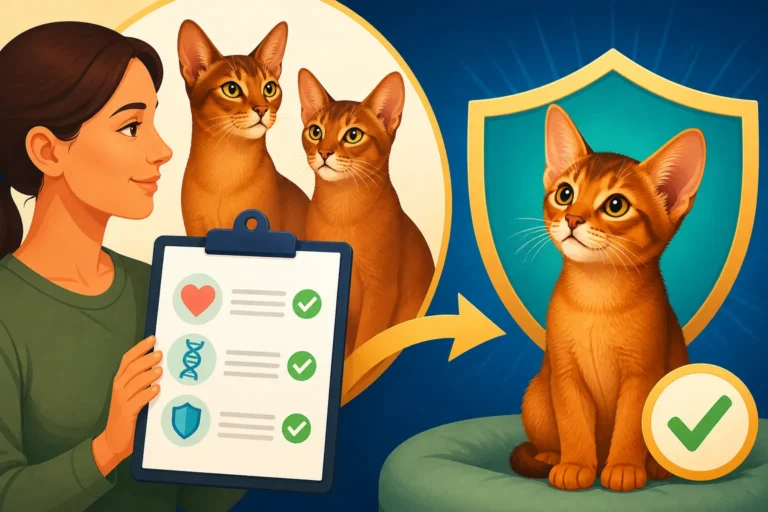
For many purebred cats, genetic testing plays a vital role in determining eligibility for coverage of specific inherited diseases. For example, for conditions like Pyruvate Kinase Deficiency (PKD) or Progressive Retinal Atrophy (PRA-rdAc), reputable Abyssinian breeders will have their breeding cats DNA tested. These tests confirm whether a cat is clear, a carrier, or affected by these specific genetic mutations. What an Abyssinian Breeder Should Have Tested Before You Buy outlines these essential tests.
When a breeder can provide clear genetic test results for parents, showing they are free of a specific inherited disease, some insurance companies may be more likely to cover that disease if it were to somehow develop in the kitten (though this is rare with proper breeding). However, as we discussed with Abyssinian amyloidosis, the absence of a definitive genetic test means this avenue isn't available. Instead, breeders rely on extensive pedigree research and tracking health outcomes within their lines. What an Abyssinian's Grandparents Reveal About Its Kidneys can tell you a lot about the genetic health of a line. Always ask Why a Breeder Should Show You the Abyssinian Parents' Results.
Navigating Policies for Abyssinian Owners
Choosing pet insurance for an Abyssinian isn't a task to be taken lightly. Given their breed-specific predispositions, particularly the shadow of untestable inherited kidney disease, you need to be exceptionally thorough. It's not just about finding the cheapest premium; it's about understanding what you're actually paying for, and more importantly, what you're not paying for.
Asking the Right Questions Before You Buy
Before you commit to any policy, arm yourself with a list of pointed questions. Don't assume anything. Here’s what you absolutely need to ask:
- "How do you define and handle 'inherited' or 'hereditary' conditions, specifically kidney disease, for Abyssinians?" Push for details. Do they have a list of breed-specific exclusions?
- "Does your policy cover conditions that are considered 'breed predispositions' even if there's no genetic test?" This directly addresses the amyloidosis concern.
- "What is your stance on pre-existing conditions, and how do you determine what constitutes one?" Understand their look-back period for medical records.
- "Are there any specific exclusions related to renal amyloidosis or chronic kidney disease for this breed?" Get a direct answer.
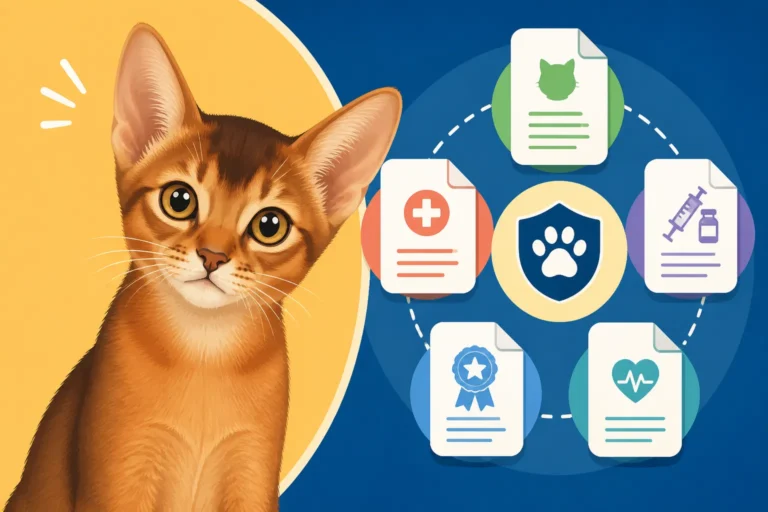
- "What documentation do you require from a breeder regarding a kitten's health and its parents' health?" This helps you understand what evidence they'll accept.
Don't be afraid to speak to a few different customer service representatives, as clarity can sometimes vary. Keep notes of who you spoke to and when.
Reviewing Policy Wording Carefully
The devil is truly in the details when it comes to insurance contracts. You need to read the entire policy document, not just the summary. Pay close attention to sections titled "Exclusions," "Definitions," and "Hereditary/Congenital Conditions."
Look for specific terms:
- "Inherited" or "Hereditary": Understand if they define this broadly to include any condition with a genetic link, or narrowly to only those with a direct, identified gene mutation.
- "Congenital": This often means present at birth. Kidney issues, even if not diagnosed until later, can sometimes be argued as congenital by an insurer if they believe the underlying issue was present from day one.
- "Pre-existing Conditions": Reiterate their definition and look-back period. If your Abyssinian had a high SDMA reading at a young age, even without a full kidney diagnosis, this could be used as evidence of a pre-existing condition. Which Blood Values Catch an Abyssinian's Kidneys Early is important here.
If anything is unclear, demand clarification in writing from the insurer. A verbal assurance is rarely enough when it comes to a claim.
Brand Spotlight: How Specific Companies Might Approach It
Different insurance companies have varying approaches, even if the general principles remain similar. It's worth researching how different insurers handle breed-specific conditions and those without clear genetic markers.
Healthy Paws, for example, is known for its comprehensive accident and illness coverage. Their general stance on hereditary conditions is that they are covered, as long as they are not pre-existing. This is a big "as long as," because if any signs or symptoms of an inherited condition appeared before enrollment or during the waiting period, it would be considered pre-existing. Their policy is usually clear that they don't have per-condition payout limits, which can be a huge relief if your Abyssinian develops a chronic condition requiring extensive treatment.
Chewy, through their pet health services, often partners with reputable insurers to offer plans. When exploring options through Chewy, you'd be looking at the underlying insurer's specific terms. It's crucial to ask the same direct questions you would of any other provider. They can help you compare plans, but the ultimate responsibility for understanding the policy's nuances falls to the pet parent reading the fine print of the actual insurance company.
Many pet-focused companies are branching out into or partnering with pet insurance providers. If a pet food company offers or promotes pet insurance, it is essential to scrutinize the specific policy provider they work with. Their philosophy might lean towards preventive health, but that doesn't automatically translate to comprehensive coverage for all inherited conditions, especially those without clear diagnostic tests. Always dig into the policy details of the actual insurance underwriter.
Ultimately, while some providers might generally cover inherited conditions, the untestable nature of Abyssinian amyloidosis means a strong "no pre-existing conditions" clause is your biggest protection, emphasizing why early enrollment of a healthy kitten is paramount.
Strategies for Protecting Your Abyssinian's Health
Beyond the intricate world of insurance policies, there are proactive steps you can take as an Abyssinian owner to both manage health risks and ensure you’re as prepared as possible for unexpected veterinary costs. It's a combination of smart financial planning, diligent care, and informed choices from the very beginning.
Early Enrollment and Wellness Plans
The single most impactful strategy for ensuring coverage of inherited conditions (should they appear later in life) is to enroll your Abyssinian in a pet insurance policy as early as possible. This means signing up when they are a kitten, ideally before any minor health issues can be noted in their veterinary records and flagged as "pre-existing." As discussed earlier, Why to Insure an Abyssinian Before Its First Birthday is critical. If your cat develops an inherited kidney condition, and there were no signs or symptoms before or during your policy's waiting period, the chances of it being covered are significantly higher.
Consider coupling your accident and illness policy with a wellness plan, if available and if it makes sense for your budget. While wellness plans don't typically cover major illnesses, they can help offset the costs of routine care like annual exams, vaccinations, and sometimes even dental cleanings. This can free up your regular insurance for those big, unexpected bills. A wellness plan often pays for itself through preventative care and can encourage you to keep up with regular vet visits, which is key for early detection of any health changes. Whether an Abyssinian Wellness Plan Pays for Itself is a question worth exploring for your individual situation.
Proactive Veterinary Care
Regular, consistent veterinary care is not just good practice; it's a vital part of managing your Abyssinian's health and your insurance strategy. Annual check-ups are non-negotiable, and for a breed with specific health concerns, they might even need to be more frequent as they age. How Often a Healthy Adult Abyssinian Needs Checking should be a discussion with your vet.
During these visits, your vet will perform a thorough physical exam and can often catch subtle changes that you might miss at home. Ask for routine bloodwork, including a full chemistry panel and SDMA (Symmetric Dimethylarginine), starting at a young age, especially if there's any family history of kidney issues. This helps establish a baseline and can detect early indicators of kidney problems before they become clinically obvious. Which Blood Values Catch an Abyssinian's Kidneys Early are critical for this breed. Regular documentation of clear health by your vet is your best friend when it comes to insurance claims for later-developing conditions. An What an Abyssinian's Annual Checkup Costs is a worthwhile investment.
Choosing a Reputable Breeder
Perhaps the most fundamental step in protecting your Abyssinian from inherited diseases, including kidney disease, starts long before you even consider insurance: choosing a reputable breeder. A responsible breeder will prioritize the health and genetic soundness of their lines above all else. They understand the breed's predispositions and actively work to mitigate risks through selective breeding.
This means they will:
- Perform all available genetic tests (like PK Deficiency and PRA-rdAc) on their breeding cats and provide you with verifiable results. Which Diseases an Abyssinian Breeder Must Declare includes these.
- Be transparent about the health history of their breeding lines, including any instances of conditions like renal amyloidosis in their cats' ancestors. They often track this meticulously. What an Abyssinian's Grandparents Reveal About Its Kidneys is a huge indicator.
- Offer a health guarantee that outlines their responsibilities if a kitten develops a covered inherited condition.
- Be willing to answer all your questions, allow you to visit their cattery (if feasible), and even interview you to ensure their kitten is going to a good home. How to Vet an Abyssinian Breeder Before Paying is crucial.
While a good breeder cannot guarantee an Abyssinian will never develop an illness, they significantly reduce the risk of common inherited conditions. This proactive approach from the breeder, combined with early insurance enrollment and consistent vet care, forms the strongest defense against the financial and emotional toll of inherited diseases.
Here's a quick overview of how pet insurance generally categorizes and approaches inherited conditions:
| Feature/Condition Type | General Insurance Approach | Specific to Abyssinian Kidney Disease (Amyloidosis) |
|---|---|---|
| Pre-existing Conditions | Universally excluded. If symptoms/diagnosis occur before or during waiting period. | If any renal insufficiency is noted before enrollment, likely excluded. Emphasizes early enrollment. |
| Genetic Test Available | Often covered if parents are cleared and condition develops later, provided it's not pre-existing. | N/A for Amyloidosis. No direct genetic test. Insurers can't rely on this for risk assessment. Coverage depends entirely on pre-existing status and policy wording on breed predispositions. |
| Breed Predispositions | Varies widely. Some policies cover if not pre-existing. Others may have breed-specific exclusions or higher premiums. | Critical area for Abyssinians. Insurers might classify amyloidosis as a breed-specific predisposition, even without a genetic test. Careful policy review and direct questions are essential. |
| Waiting Periods | Standard for all conditions (e.g., 14-30 days for illness). Conditions appearing during this time are pre-existing. | Must be respected. Any sign of kidney trouble during this period will lead to exclusion for kidney-related claims. |
| Wellness Plans | Cover routine care (exams, vaccines). Do not cover treatment for illness but support early detection. | Helpful for routine bloodwork and urine tests to monitor kidney health. Can detect early changes that might be covered if a subsequent diagnosis is not pre-existing. |
| Policy Language | Look for "hereditary," "congenital," "inherited," and "breed-specific exclusions." | Scrutinize carefully for any mention of kidney disease, renal amyloidosis, or breed-specific exclusions for Abyssinians. Ask for written clarification if ambiguous. |
The cost of What an Abyssinian Insurance Costs Per Month can feel like a lot, but for a breed prone to specific issues, it often provides invaluable peace of mind.
Disclaimer
This article is for general informational purposes only and does not constitute professional advice. Laws, prices and regulations vary by location and change over time. Consult a qualified professional for guidance on your specific situation.