Why a Breeder Should Show You the Abyssinian Parents’ Results
Bringing a new Abyssinian kitten into your home is an incredibly exciting time, full of dreams of playful antics and affectionate headbutts. However, beneath all that joy, a silent worry can nag at prospective owners: what if your spirited new family member carries hidden health issues? This guide is here to empower you by explaining precisely why demanding to see the genetic test results of an Abyssinian kitten's parents isn't just a good idea, it's absolutely essential for their long-term health and your peace of mind.
The Foundation of a Healthy Abyssinian: Understanding Genetic Screening
When you choose to welcome an Abyssinian into your life, you're not just picking a beautiful face; you're investing in a living, breathing creature with a unique genetic blueprint. Reputable breeders understand this implicitly, which is why genetic screening isn't just a fancy term—it's a critical part of ensuring the health and longevity of the breed. Without it, you're essentially buying a lottery ticket where the prize could be a lifetime of heartbreak and expensive veterinary bills.
What Genetic Tests Mean for Abyssinian Health
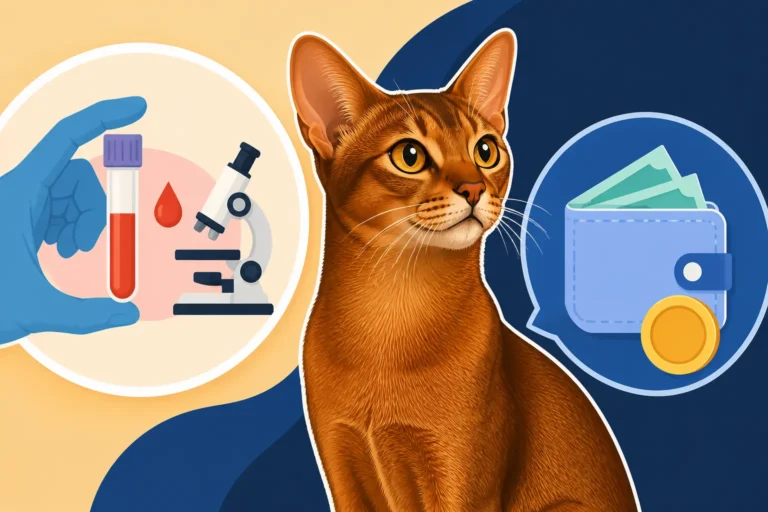
Genetic tests are powerful tools that allow breeders to identify specific mutations in a cat's DNA that are linked to inherited diseases. Think of it like a peek behind the curtain of their genetic code. For Abyssinians, these tests are particularly important because the breed is known to carry a few distinct genetic conditions. By testing the parent cats, a breeder can make informed decisions about pairings, ideally preventing the transmission of these detrimental genes to their offspring. This proactive approach safeguards the health of future generations and ensures that the kittens they offer have the best possible start in life. It's not about eradicating carriers, but about making sure that two carriers aren't bred together, which is where affected kittens come from.
The Specific Risks Abyssinians Face
The Abyssinian breed, despite its general robustness, is unfortunately predisposed to a couple of significant inherited health conditions that prospective owners need to be aware of. The most prominent ones are Pyruvate Kinase Deficiency (PKD or PK-Def) and Progressive Retinal Atrophy (PRA-rdAc).
Pyruvate Kinase Deficiency is a serious blood disorder that affects red blood cells. Cats with PK-Def cannot produce enough of a specific enzyme needed for red blood cell metabolism, leading to intermittent or chronic anemia. The symptoms can vary wildly, from mild lethargy to life-threatening anemic crises requiring transfusions. It's a progressive disease, and while some cats live relatively normal lives with careful management, others face significant health challenges. You can read more about What PK Deficiency Does to an Abyssinian's Red Cells.
Progressive Retinal Atrophy (PRA-rdAc) is an inherited eye disease that causes the gradual degeneration of the retina, ultimately leading to blindness. Abyssinians with PRA-rdAc typically start showing signs of night blindness in their early years, which then progresses to complete blindness, often by the time they are five years old. Imagine the distress of your lively Abyssinian slowly losing its ability to navigate its world. While a blind cat can adapt remarkably well, it's a condition that can be entirely avoided through responsible breeding practices based on genetic testing. Learning How PRA-rdAc Blinds an Abyssinian Slowly can give you a deeper understanding of this condition.
Both of these conditions are autosomal recessive, meaning a kitten must inherit two copies of the faulty gene (one from each parent) to be affected. If a cat inherits only one copy, it's a "carrier"—perfectly healthy itself, but capable of passing the gene on. This is why testing both parents is so crucial.
Why You Absolutely Need to See the Parent's Results
Understanding the genetic risks is one thing, but acting on that knowledge is another. As a potential kitten owner, your primary leverage is your right to ask for proof. A responsible breeder will not only understand this but welcome it. They are proud of their health testing protocols and are transparent about their breeding program.
Verifying the Breeder's Claims
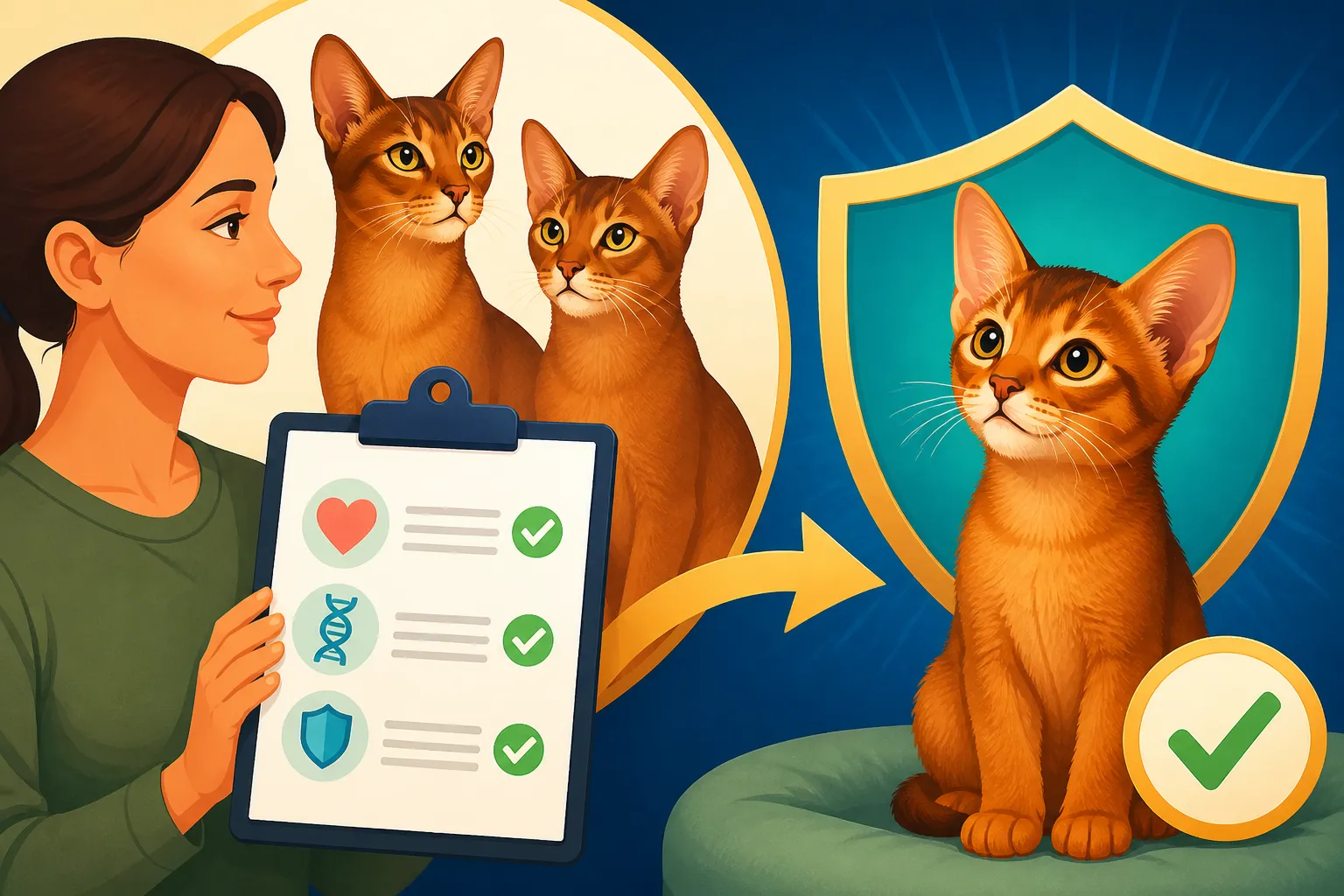
It's one thing for a breeder to say their cats are tested, and quite another to show you the official documentation. Think about it: anyone can claim anything online or over the phone. But a signed certificate from a reputable genetic testing laboratory is irrefutable evidence. This document will clearly state the registered name of the parent cat, its microchip or tattoo number (linking it directly to that specific cat), the date of the test, and the results for each genetic condition screened. This transparency isn't just about trust; it's about verifiable facts. If a breeder hesitates, makes excuses, or provides blurry screenshots, that's a massive red flag. You're looking for clear, official reports. You also want to ensure the reports are for the actual parents of the kitten you're considering. Don't be shy about asking to see the dam (mother) and sire (father) in person, and verify their identities against the test paperwork.
Understanding "Clear," "Carrier," and "Affected" Status
The results of genetic tests typically come back with one of three classifications:
- Clear (or Normal): This means the cat does not carry the gene mutation for the tested disease and cannot pass it on to its offspring.
- Carrier: This means the cat carries one copy of the gene mutation but does not typically show symptoms of the disease itself. However, it can pass the gene to its offspring.
- Affected: This means the cat carries two copies of the gene mutation and is expected to develop the disease.
The critical point here, especially for recessive conditions like PK-Def and PRA-rdAc, is that breeding two "Clear" cats will always produce "Clear" kittens. Breeding a "Clear" cat with a "Carrier" cat will produce a mix of "Clear" and "Carrier" kittens (but no "Affected" ones). However, breeding two "Carrier" cats together carries a 25% risk of producing "Affected" kittens, a 50% risk of "Carrier" kittens, and a 25% risk of "Clear" kittens. A responsible breeder will never breed two carriers together because of this high risk to the kittens. This is why it's so important for you to understand Why Two Carrier Abyssinians Should Never Be Bred. The breeder should be able to explain these genetics to you clearly and confidently.
The Long-Term Financial and Emotional Impact
Choosing a kitten from untested parents is, frankly, a gamble with extremely high stakes. The financial implications alone can be staggering. Treatments for conditions like PK-Def, including ongoing veterinary visits, diagnostic tests, medications, and potentially even blood transfusions or surgery (such as a splenectomy to manage severe anemia, as discussed in How a Splenectomy Helps an Anemic Abyssinian), can run into thousands of dollars over a cat's lifetime. Similarly, managing a blind cat with PRA-rdAc requires special considerations to ensure their safety and quality of life, which can also involve adaptations to your home and increased vet visits.
Beyond the monetary cost, consider the emotional toll. Watching your beloved pet suffer from a preventable genetic illness is heartbreaking. The joy of kittenhood can quickly be overshadowed by anxiety, worry, and profound sadness. By choosing a kitten from health-tested parents, you're not just saving money; you're significantly increasing the chances of having a healthy, happy companion for many years, reducing the likelihood of facing these difficult situations down the line. It truly is an investment in your future together.
Navigating Breeder Interactions and What to Look For
Interacting with breeders can sometimes feel daunting, especially if you're new to the world of purebred cats. However, remember that you are a discerning buyer, and you have every right to ask questions and expect transparency. A good breeder will appreciate your thoroughness.
What a Reputable Breeder Will Provide
A truly reputable Abyssinian breeder will not only readily offer their cats' genetic test results but will also ensure they come from established, accredited laboratories. Common labs that conduct genetic panels for Abyssinians include Optimal Selection and Paw Print Genetics, among others. They will provide clear, readable copies of the official certificates for both the kitten's mother and father, explicitly showing their status for PK-Def and PRA-rdAc.
Beyond just the genetic tests, a responsible breeder will also provide:
- A detailed pedigree, often going back at least four generations, showing the lineage of your kitten. This is important for understanding the overall health history of the line, especially for conditions like renal amyloidosis, for which there isn't a direct genetic test. Why an Abyssinian Line's History Matters More Than Any Test delves deeper into this.
- Proof of veterinary health checks for the kitten, including vaccination records and deworming history.
- A written contract that outlines health guarantees, spay/neuter agreements (for pet quality kittens), and return policies.
- An invitation to visit their cattery (if feasible) to see the parents and the kittens in their home environment. This allows you to observe the parents' temperament and overall health, which are also hereditary.
- A willingness to answer all your questions thoroughly and patiently, demonstrating their knowledge and commitment to the breed.
When it comes to general supplies and ongoing care, a good breeder might also recommend specific food brands or even send you home with a starter pack. Many breeders, for instance, prefer high-quality cat food to support the active metabolism of an Abyssinian.
Red Flags to Watch Out For
Just as there are signs of a good breeder, there are equally glaring red flags that should make you pause, or even walk away.
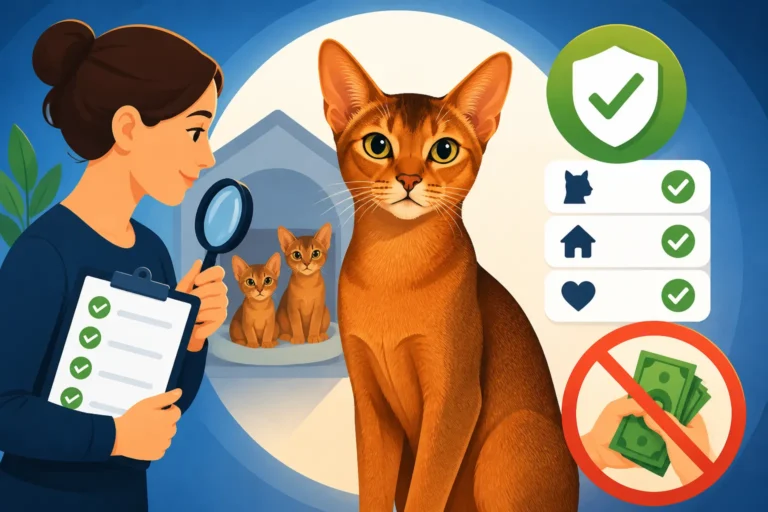
- Refusal or Evasion: If a breeder refuses to show you the genetic test results, claims they "don't believe in them," or gives vague excuses like "the vet said they're fine," that's a huge warning. There's no good reason to withhold this critical information.
- Too Cheap, Too Good to Be True: Abyssinians from health-tested lines and responsible breeders are an investment. If a kitten's price seems significantly lower than others, it often indicates a lack of proper health testing or care. Why an Abyssinian Sold Cheap Is Usually Untested explains this common pitfall.
- No Contract or Guarantee: A breeder without a clear contract or health guarantee offers you no protection if health issues arise later.
- Unsanitary Conditions or Unsocialized Kittens: While not directly related to genetic tests, poor living conditions or kittens that are shy, fearful, or poorly socialized are signs of an irresponsible breeder.
- Early Separation: A responsible breeder will not allow kittens to leave their mother before 12-14 weeks of age. This crucial period allows for proper socialization and development.
- Advertising "Rare" Colors at Inflated Prices: While Abyssinians come in beautiful shades like Ruddy, Sorrel, Blue, and Fawn, claims of "rare" colors often mean the cat is either not a purebred Abyssinian, or it's a non-standard color being marketed misleadingly. Why an Abyssinian Advertised as Rare Is a Warning can provide more insight.
How to Verify the Test Results Independently
Even with official documents in hand, a savvy prospective owner might want to go a step further to ensure everything is legitimate. Fortunately, there are ways to verify genetic test results independently. Many reputable labs offer online databases where you can look up a cat's results using its registered name, microchip number, or the test certificate number. Ask the breeder for the full registered names of the parents, the testing lab they use, and if possible, the specific certificate or accession numbers. This allows you to cross-reference the information directly with the lab's public records.
Additionally, breed clubs and registries often maintain public health databases or advocate for specific testing protocols. Familiarizing yourself with these resources can add another layer of confidence. Don't be afraid to reach out to the relevant breed club for guidance if you have any doubts.
Beyond Genetics: The Importance of Comprehensive Health Background
While genetic testing is paramount, a truly comprehensive understanding of your kitten's potential health involves looking beyond just the DNA panel. It's about piecing together a larger picture of health and lineage.
The Role of Pedigree and Lineage
Some serious health conditions in Abyssinians, like Renal Amyloidosis, do not currently have a direct genetic test available. Renal Amyloidosis Is the Abyssinian Problem Nobody Can Test For highlights this challenge. In these cases, the breeder's knowledge of their cats' lineage and family history becomes incredibly valuable. A responsible breeder will meticulously track health issues and causes of death in their lines, particularly for conditions like amyloidosis, which can strike young Abyssinians. They should be able to discuss the health of the kitten's grandparents, great-grandparents, and siblings of previous litters. A good pedigree is not just a piece of paper; it's a historical record of health and temperament. Asking about the longevity of the cat's ancestors and any known health concerns in their line provides crucial context that genetic tests alone cannot.
Why Veterinary Records Matter Too
Beyond genetic history, the general health and care of the parent cats and kittens speak volumes. Ask to see the mother cat's recent veterinary records, especially those pertaining to her pregnancy and the kittens' early care. This ensures she received proper prenatal care and that the kittens had a healthy start. Your kitten should come with its initial vaccination records and a health certificate from a veterinarian stating it's free of obvious health problems. The breeder should also provide documentation that the kitten has been dewormed appropriately and received a microchip. This overall attention to veterinary care, combined with genetic screening, paints a picture of a breeder who prioritizes the well-being of their animals. For ongoing care, consider pet insurance from providers like Healthy Paws; it can be an invaluable safety net for unexpected vet costs, no matter how carefully you choose your kitten. You also might want to check out online stores like Chewy for a reliable source of all your cat's health and wellness needs, from preventative care to specialized diets.
Abyssinian Genetic Health Testing Overview
To help you keep track of what to ask for, here's a quick reference table for the primary genetic tests relevant to Abyssinians:
| Genetic Condition | Type of Test | Inheritance Pattern | What it Detects | Importance |
|---|---|---|---|---|
| Pyruvate Kinase Deficiency (PK-Def) | DNA Test (cheek swab) | Autosomal Recessive | Mutation in the PKLR gene causing enzyme deficiency | Prevents a potentially life-threatening form of anemia. |
| Progressive Retinal Atrophy (PRA-rdAc) | DNA Test (cheek swab) | Autosomal Recessive | Mutation in the CEP290 gene causing retinal degeneration | Prevents gradual, irreversible blindness. |
| Renal Amyloidosis | No Direct DNA Test | Complex/Polygenic | Accumulation of amyloid protein in kidneys | Relies on pedigree research and family history; a major health concern. |
This table should give you a clear outline of what tests you need to inquire about specifically. Remember, a "clear" result for both PK-Def and PRA-rdAc in both parents ensures that your kitten will not be affected by these specific diseases.
Bringing home an Abyssinian should be a joyous occasion, not one fraught with hidden anxieties about their health. By understanding the importance of genetic testing and insisting on seeing the parent cats' results, you empower yourself to make an informed decision and significantly reduce the risk of future heartbreak and financial strain. A responsible breeder will welcome your diligence, as it reflects a shared commitment to the health and welfare of this incredible breed. Don't compromise on this vital step; it's the best way to ensure a long, happy, and healthy life with your active, inquisitive Abyssinian companion.
Disclaimer
This article is for general informational purposes only and does not constitute professional advice. Laws, prices and regulations vary by location and change over time. Consult a qualified professional for guidance on your specific situation.