Why an Abyssinian Line’s History Matters More Than Any Test
It can be incredibly frustrating to feel like you're doing everything right for your beloved Abyssinian—choosing a reputable breeder, asking all the right questions—only to learn that some of the most serious health concerns, like kidney disease, don't have a simple "yes" or "no" answer from a genetic test. This guide aims to pull back the curtain on why, for conditions lacking a clear DNA marker, the detailed health history of an Abyssinian's lineage becomes an indispensable tool, often far more revealing than any single test result.
The Limitations of Genetic Testing for Abyssinians
When you're looking into bringing an Abyssinian into your home, you're rightfully focused on their health. Breeders often talk about DNA testing, and that's fantastic for specific issues. But it’s crucial to understand what those tests cover and, just as importantly, what they don’t.
Understanding What DNA Tests Do Cover
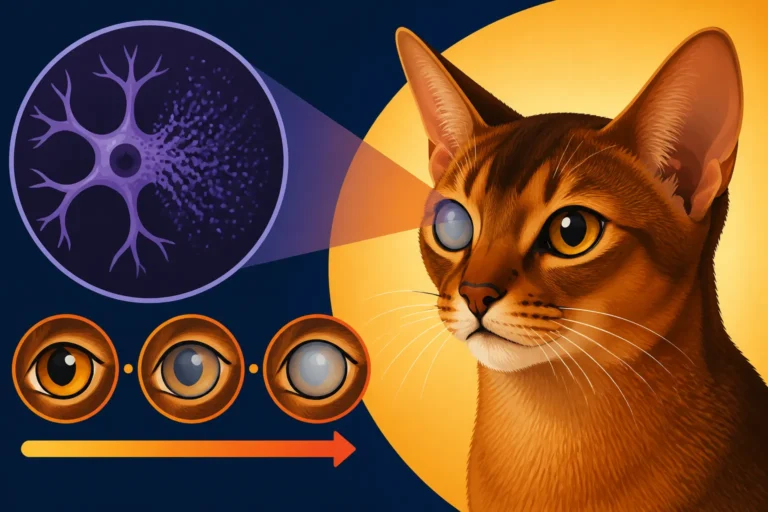
For some conditions, modern veterinary science has truly delivered, giving us definitive answers. For Abyssinians, the most well-known and widely used genetic tests are for Pyruvate Kinase Deficiency (PK deficiency) and Progressive Retinal Atrophy (PRA-rdAc). These are incredible tools that have allowed responsible breeders to make informed decisions and significantly reduce the incidence of these diseases.
With a simple cheek swab, a lab can tell you if an Abyssinian is "clear," meaning they don't carry the gene; a "carrier," meaning they carry one copy of the gene but won't develop the disease themselves (though they can pass it on); or "affected," meaning they have two copies and will likely develop the disease. This clarity is a game-changer. For example, knowing an Abyssinian's status for PK deficiency allows breeders to avoid mating two carriers, thus preventing the birth of affected kittens who would suffer from chronic anemia. Similarly, the test for PRA-rdAc helps ensure that cats destined to go blind by age five are not bred, protecting the future vision of the breed. If you're curious about the process, you can learn more about How the Abyssinian's DNA Panel Is Ordered. These tests give us concrete, actionable data, and they are a non-negotiable part of responsible Abyssinian breeding.
The Elephant in the Room: Renal Amyloidosis
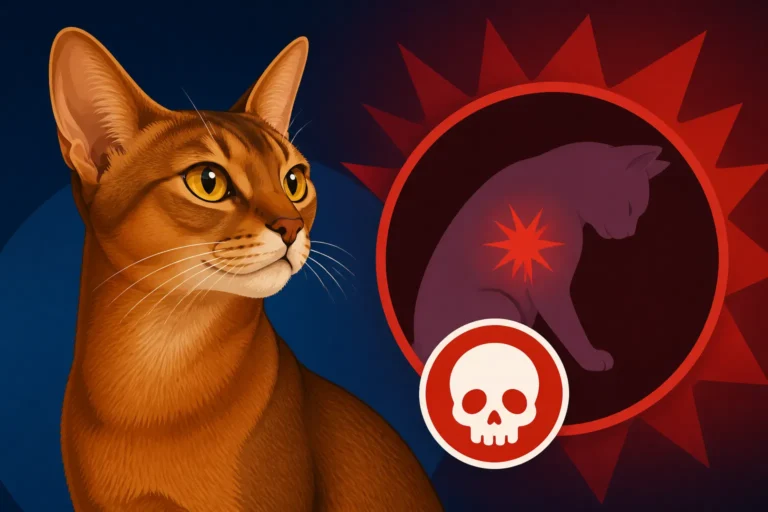
However, not all severe diseases have caught up with this level of genetic predictability. The most significant example for Abyssinians is renal amyloidosis. This is a devastating condition where an abnormal protein, called amyloid, deposits in the kidneys, eventually leading to kidney failure. The frustrating reality is that despite extensive research and effort from geneticists and breed clubs, there is still no direct genetic test for amyloidosis in Abyssinians.
This lack of a test leaves breeders and owners in a difficult position. Unlike PK deficiency or PRA-rdAc, where a simple swab provides a clear answer, there's no way to definitively say whether an individual cat carries a gene that predisposes them to amyloidosis. The disease can strike seemingly healthy cats, often in the prime of their lives, leading to heartbreak and confusion. It's a silent threat that can manifest as early as a few years old, rapidly progressing to kidney failure. This is why Renal Amyloidosis Is the Abyssinian Problem Nobody Can Test For remains such a significant challenge within the breed, making other investigative methods absolutely vital.
Why a Line's History Becomes Your Crystal Ball
In the absence of a direct genetic test for conditions like renal amyloidosis, the detailed, meticulous history of an Abyssinian's lineage steps up as the most powerful tool we have. It’s not about individual genes but about patterns and probabilities across generations.
The Power of Pedigree Research
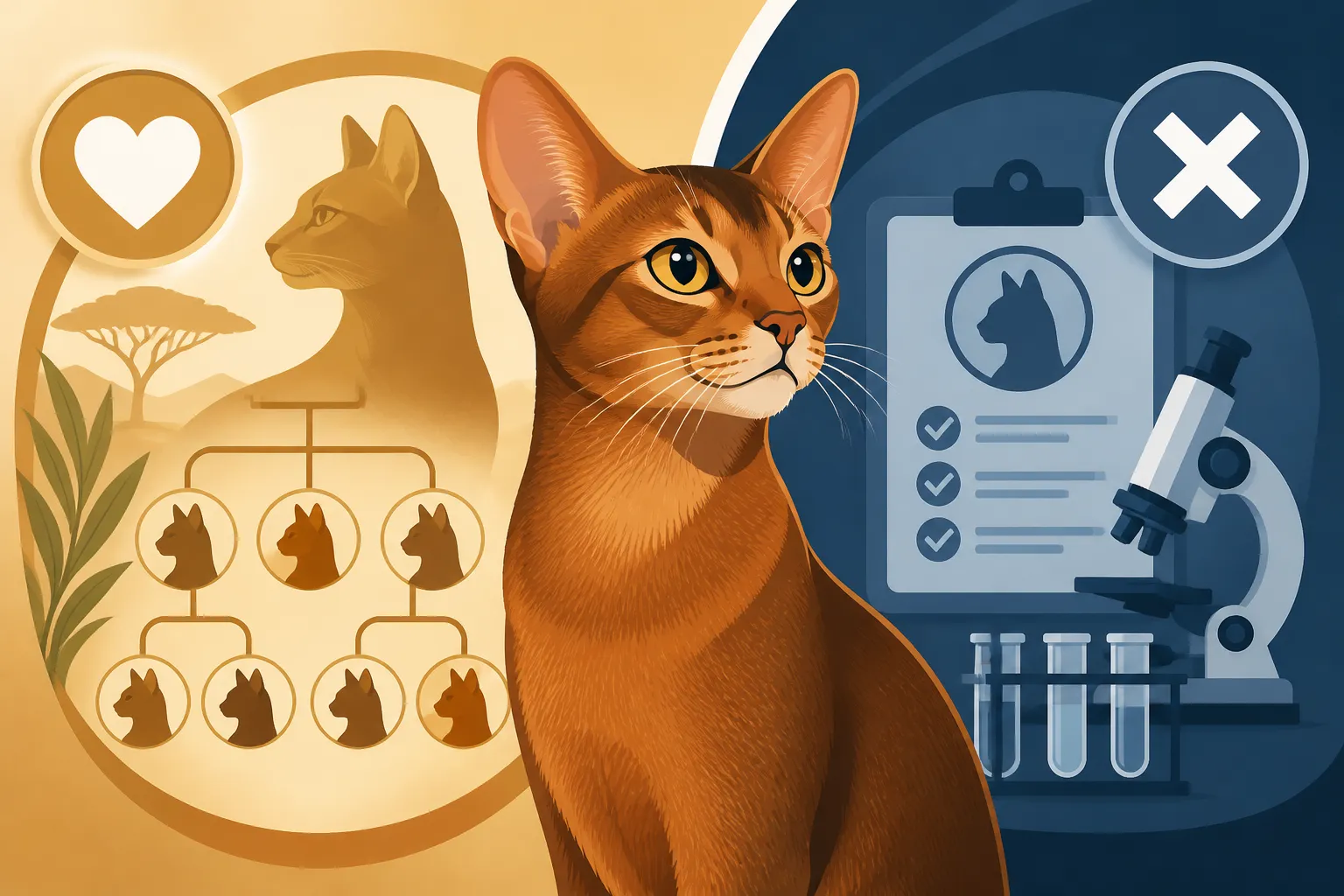
Responsible Abyssinian breeders become veritable historians, tracking not just the names and titles on a pedigree, but the health outcomes, lifespans, and causes of death for every cat in a line. This involves a deep dive into medical records, conversations with other breeders, and a long-term commitment to transparency within their breeding program. When you're looking at a pedigree, it's not just a piece of paper; it's a living document reflecting decades of breeding decisions and observations.
What breeders are looking for are trends. If a particular line consistently produces cats that develop kidney disease at a young age, even if those cats are not directly related to an individual kitten, it raises a red flag for the entire line. This kind of research requires patience, an extensive network, and a willingness to be honest about challenges. It’s this collective wisdom and commitment to shared information that provides the best defense against diseases that hide from genetic testing. For example, understanding What an Abyssinian's Grandparents Reveal About Its Kidneys can give you a critical perspective on potential long-term health.
Identifying Red Flags in Ancestry
When reviewing an Abyssinian's pedigree with a breeder, you're essentially looking for clues. The absence of a direct test means you’re trying to piece together a puzzle. Here are some red flags that experienced breeders learn to recognize:
- Short Lifespans: If several cats in the direct lineage (parents, grandparents, great-grandparents) consistently passed away at significantly younger ages than the typical 12-15 years for an Abyssinian, it warrants investigation. While an accident can shorten a life, multiple early deaths from "unknown causes" can be concerning.
- Kidney-Related Diagnoses: Look for any mention of kidney issues, even if the specific diagnosis wasn't amyloidosis. Things like chronic kidney disease (CKD) at an unusually young age, or cats requiring long-term kidney support, could point to an inherited predisposition within that line.
- Lack of Information: A breeder who cannot or will not provide information on the longevity and health history of their breeding cats' ancestors should be approached with caution. While some information might be lost over time, a reputable breeder will have a good grasp of the health of their core lines for at least three to four generations back.
It's about probability. A single instance of early kidney disease in a distant ancestor might not be a major concern if the rest of the line is robust. But a pattern of multiple cats dying prematurely from kidney issues suggests a higher risk, even without a specific gene identified.
The Breeder's Role as Health Historian
The integrity and dedication of an Abyssinian breeder play an enormous role in navigating the complexities of health issues that don't have clear genetic tests. They aren't just selling pets; they are stewards of the breed's future.
Responsible Breeding Practices Beyond DNA
A truly responsible Abyssinian breeder understands that DNA tests are only one piece of the puzzle. They integrate DNA testing with a deep understanding of their pedigrees and an unwavering commitment to health. This means making tough decisions based on observational data, even when a "test" doesn't exist. For example, if a promising breeding cat comes from a line that has shown a higher incidence of amyloidosis, a responsible breeder might opt not to use that cat in their program, even if the cat itself is perfectly healthy.
This proactive approach is what sets exceptional breeders apart. They keep meticulous records, share information openly with fellow breeders, and are continually educating themselves on emerging health research. They also take pride in their cats' longevity, and many will track the health of their kittens for years after they've gone to their new homes. This long-term commitment to monitoring the health of their lines is vital, especially since amyloidosis can manifest later in life. This is part of What an Abyssinian Breeder Should Have Tested Before You Buy – it’s not just about the tests they can do, but the ethical and historical diligence they must do.
Questions to Ask Your Breeder
Engaging with a breeder about health history should feel like a collaborative conversation, not an interrogation. You’re seeking transparency and knowledge. Here are crucial questions to ask:
- "What is the average lifespan of cats in your breeding lines, especially the parents of this kitten?" Look for breeders who can provide a general age range and discuss common causes of death in older cats. A good answer will focus on cats living well into their senior years.
- "Have there been any instances of renal amyloidosis or early-onset kidney disease in this kitten's direct lineage (parents, grandparents, great-grandparents)?" A candid breeder will discuss any known cases and explain how they've managed or bred away from those lines. Be wary of breeders who claim their lines are "completely free" of any health issues, as no living creature is immune to all potential problems.
- "How do you track the health of cats you've bred, even after they've gone to new homes?" A breeder actively engaged in their program will maintain communication with owners and encourage them to share health updates, good or bad. This helps them build a comprehensive picture of their lines.
- "What steps do you take to mitigate the risk of diseases like amyloidosis, given there isn't a genetic test?" Listen for answers that emphasize pedigree research, careful selection of breeding pairs, and a commitment to not breeding cats from lines with a history of early-onset disease. The answer should show a thoughtful, proactive strategy. The depth of their tracking, like why Abyssinian Breeders Track Kidney Deaths by Line, speaks volumes about their dedication.
Long-Term Vigilance: Living with an Abyssinian
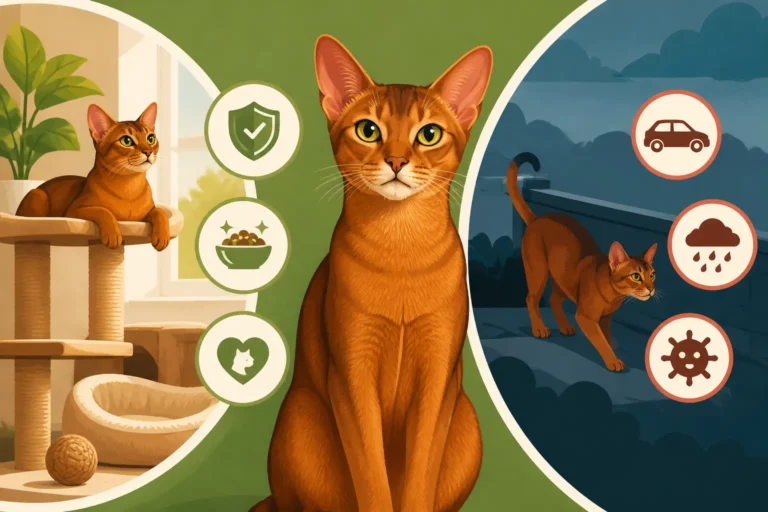
Even with the most reputable breeder and a solid pedigree history, owning an Abyssinian (or any pet) means committing to ongoing vigilance and proactive care throughout their life.
Early Detection and Proactive Care
Knowing that conditions like renal amyloidosis lurk without a direct test means that once you bring your Abyssinian home, your role as a diligent owner becomes paramount. Regular veterinary check-ups are essential, but for Abyssinians, it’s particularly important to prioritize certain diagnostics as they mature. This includes routine bloodwork that goes beyond the basic panel. Specifically, asking your vet to run an SDMA (Symmetric Dimethylarginine) test annually, especially once your Abyssinian reaches middle age, can be incredibly insightful. SDMA can detect kidney function decline much earlier than traditional creatinine levels, sometimes months or even years before obvious symptoms appear. A urinalysis is also critical, checking for protein in the urine, which can be an early indicator of kidney issues. Catching these changes early can allow for dietary modifications, supplements, and other supportive care that can significantly slow the progression of kidney disease and improve your cat's quality of life. For more detailed information on monitoring, look into Which Blood Values Catch an Abyssinian's Kidneys Early.
Thinking ahead about potential health issues is also where pet insurance can truly shine. Companies like Healthy Paws offer comprehensive plans that can cover a significant portion of unexpected veterinary costs, from diagnostic tests like advanced blood panels to specialized treatments if a condition like kidney disease is diagnosed. Having that financial safety net in place means you can make decisions based on what’s best for your Abyssinian, rather than being constrained by cost.
Understanding Subtle Signs of Illness
Abyssinians are incredibly active, playful, and often quite stoic creatures. They can be masters at hiding pain or discomfort, a survival instinct from their wilder ancestors. This means you, as their owner, need to become an expert observer of their normal behavior. Slight changes, which might go unnoticed in a less energetic or more vocal cat, can be critical indicators in an Abyssinian.
Watch for subtle shifts in their routine: a slight decrease in their usual frantic playtime, drinking a bit more water than normal, or a change in their litter box habits (either more frequent urination or larger clumps). Even a slight dip in appetite or a momentary reluctance to jump to their favorite high perch could be a sign. Remember, Why a Lean Abyssinian Hides Illness Longer Than a Heavy Cat is a real phenomenon; their active metabolism and lean build can mask weight loss or muscle wasting that might be more obvious in other breeds. If your Abyssinian, typically a creature of boundless energy, seems a little "off" for more than a day, don't wait. A prompt vet visit is always the safest course of action. Trust your gut; you know your cat best.
Comparing Diagnostic Approaches for Abyssinian Health
Here’s a quick overview of how different health concerns are typically approached regarding diagnosis and risk assessment in Abyssinians.
| Health Concern | Primary Diagnostic/Assessment Method | Explanation |
|---|---|---|
| PK Deficiency | DNA Test (Clear/Carrier/Affected) | Simple cheek swab provides definitive genetic status, allowing breeders to avoid affected offspring. |
| PRA-rdAc | DNA Test (Clear/Carrier/Affected) | Simple cheek swab provides definitive genetic status, preventing the breeding of cats prone to early blindness. |
| Renal Amyloidosis | Pedigree Health History, Annual SDMA/Urinalysis, Clinical Signs | No direct gene test. Relies heavily on breeder tracking of lineage health, longevity, and diligent owner/vet monitoring for early detection of kidney changes. |
| Juvenile Gingivitis | Visual Vet Exam, Biopsy, Dental X-rays | Clinically diagnosed by observation of gum inflammation/overgrowth, especially in young kittens, often requiring a biopsy for confirmation. Pedigree can show trends. |
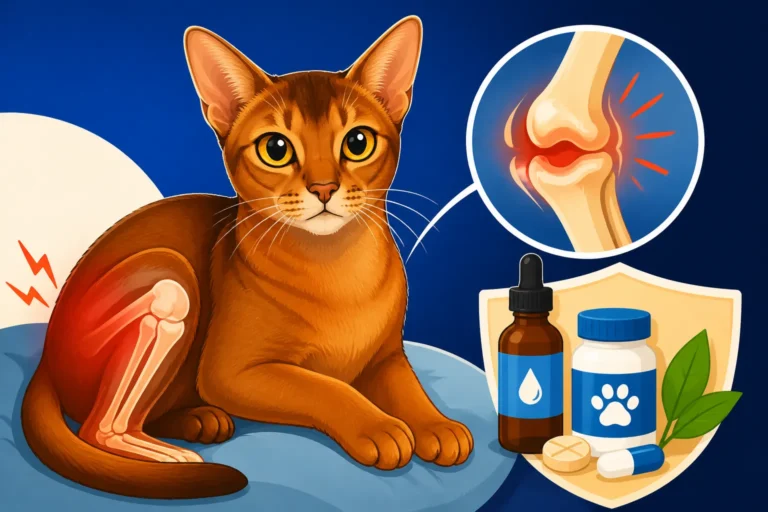
| Patellar Luxation | Veterinary Palpation, X-rays | Diagnosed by physical examination of the kneecap's movement; x-rays confirm severity. Some genetic predisposition can be observed in lines. |
Disclaimer
This article is intended for informational purposes only and does not constitute veterinary advice. Always consult with a qualified veterinarian for any health concerns or before making any decisions about your pet's health or treatment plan. The information provided here is based on general knowledge of Abyssinian cat health and should not replace professional medical guidance.