What Pain Relief an Arthritic Abyssinian Can Take
It's absolutely heart-wrenching to watch your once-acrobatic Abyssinian start to slow down. That boundless energy, those effortless leaps, the way they used to scale the highest cat tree – it can be incredibly distressing to see them struggle, or worse, quietly endure pain. This guide is here to walk you through the various pain relief options available for an arthritic Abyssinian, helping you understand how to keep your cherished companion comfortable and happy for as long as possible.
Recognizing Arthritis in Your Abyssinian
One of the toughest parts of owning an Abyssinian is how incredibly good they are at hiding discomfort. Their natural instinct is to mask any signs of weakness, and arthritis can creep up subtly, making it challenging for even the most observant owner to spot early on.
Subtle Signs of Discomfort
Your Abyssinian, famously known for its boundless energy and climbing prowess, might not limp dramatically like a dog. Instead, their arthritic pain often manifests in much more understated ways. You might notice they're a little less enthusiastic about jumping to their favorite high perch, or perhaps they hesitate before launching themselves onto the bed. They might start using lower furniture as stepping stones where they once cleared everything in a single bound. That favorite spot on the top of the bookshelf? It might become a rarely visited memory. This change in vertical movement is often one of the first clues. You might even notice subtle changes in their grooming habits, as reaching certain areas becomes painful, leading to matted or less tidy patches of fur, particularly around their back or hips. If you've ever wondered How Arthritis Shows in an Abyssinian That Used to Climb, these are exactly the kinds of signs to look for.
Another tell-tale sign can be stiffness after a period of rest. When your Abyssinian wakes from a nap, does it seem a bit creaky or reluctant to stretch fully? Do they move a little more slowly for the first few minutes before "warming up"? This morning stiffness, or stiffness after prolonged inactivity, is a classic symptom. They might also become a bit more withdrawn or less tolerant of being touched in certain areas. What was once a gentle pet might now elicit a flinch or a quick nip if you inadvertently brush a sore joint. It's not that their personality has changed; it's that they're communicating their pain in the only ways they know how. It's so important to be tuned into these quiet signals, because these highly active cats are pros at playing down their discomfort. Sometimes, the only clue that What an Old Abyssinian Slows Down From is not just old age, but actual pain, is a change in a deeply ingrained habit.
The Vet's Role in Diagnosis
If you suspect your Abyssinian is experiencing arthritic pain, the very first step, and the most crucial one, is a thorough veterinary examination. Don't try to self-diagnose or medicate based on online information. Your vet has the expertise to correctly identify arthritis and differentiate it from other conditions that might present similarly, such as neurological issues, muscle strains, or even more serious underlying diseases. During the appointment, your vet will perform a comprehensive physical exam, carefully palpating your cat's joints for swelling, pain, or decreased range of motion. They might gently manipulate limbs to assess flexibility and listen for any tell-tale "creaking" sounds.
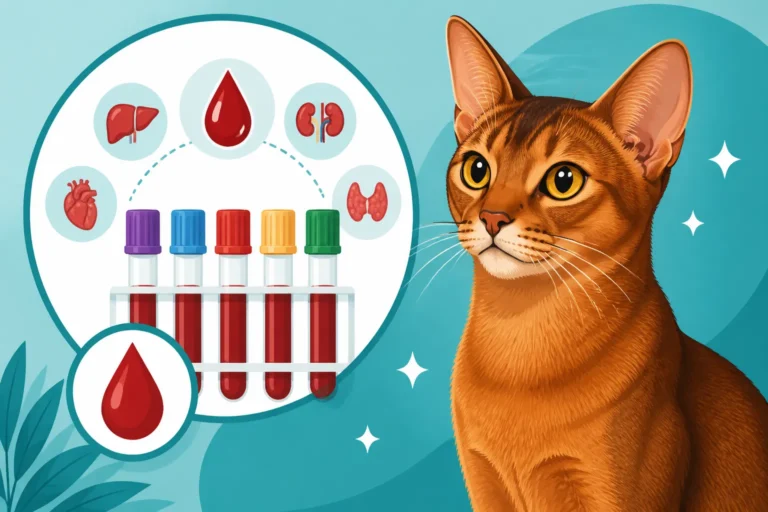
Beyond the physical exam, diagnostic tools are often employed to get a clearer picture. X-rays are commonly used to visualize the joints and bones, allowing the vet to see changes indicative of osteoarthritis, such as joint space narrowing, bone spurs (osteophytes), or changes in bone density. While X-rays are excellent for confirmation, it's worth noting that the severity of radiographic changes doesn't always correlate perfectly with the amount of pain your cat is experiencing. Some cats with significant changes on X-ray might show minimal pain, while others with subtle changes might be very uncomfortable. Your vet might also recommend blood tests to rule out other health issues, especially if they are considering long-term medication, as it's vital to ensure organs like kidneys and liver are functioning optimally. This comprehensive approach ensures that the diagnosis is accurate and that any treatment plan is tailored specifically to your Abyssinian's individual needs and overall health.
Veterinary Pain Management Approaches
Once arthritis is diagnosed, your vet will work with you to create a multi-modal pain management plan. This often involves a combination of medication, supplements, and other therapies to address pain and inflammation from several angles.
Non-Steroidal Anti-Inflammatory Drugs NSAIDs
When it comes to direct pain and inflammation relief, Non-Steroidal Anti-Inflammatory Drugs, or NSAIDs, are often the first line of defense prescribed by veterinarians. These medications work by inhibiting enzymes that produce inflammatory chemicals in the body, thereby reducing pain, swelling, and stiffness. For cats, specific NSAIDs are formulated and dosed carefully, as feline physiology handles these drugs differently than humans or dogs. It is absolutely crucial to never give your cat human NSAIDs like ibuprofen or aspirin, as they can be toxic and even fatal.
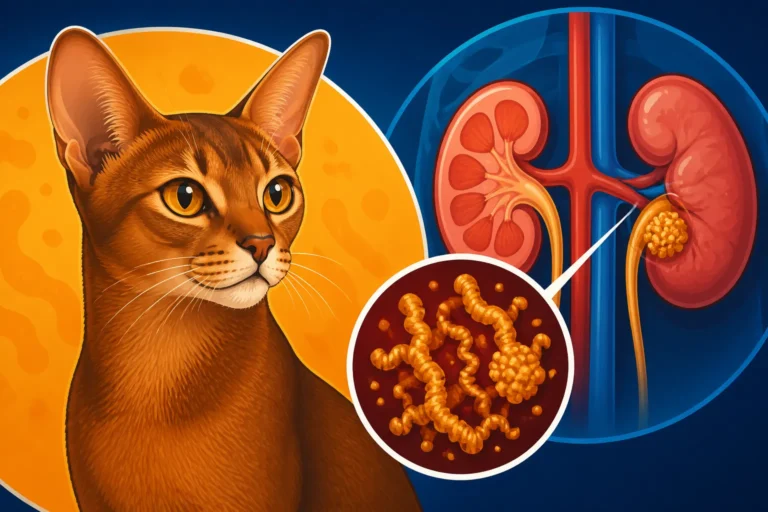
The benefits of veterinary-prescribed NSAIDs can be profound for an arthritic Abyssinian. Owners often report a noticeable improvement in their cat's mobility, activity levels, and overall demeanor within days or weeks of starting treatment. They might start jumping again (albeit perhaps not to their previous heights), playing more, and generally seem more comfortable. However, NSAIDs are not without potential side effects, which is why strict veterinary supervision is non-negotiable. Possible side effects can include gastrointestinal upset (vomiting, diarrhea), and in rarer cases, kidney or liver issues. This is why your vet will typically recommend blood work before starting NSAIDs and periodic monitoring throughout treatment, especially for older cats where How an Old Abyssinian's Kidneys Are Monitored is already a consideration. They'll help you find the right NSAID and the lowest effective dose for your unique feline friend.
Adjunctive Medications and Supplements
Beyond NSAIDs, your vet might suggest other medications that tackle pain through different pathways, especially if NSAIDs alone aren't fully effective or if your Abyssinian has kidney or liver concerns that limit NSAID use. Gabapentin, for example, is a medication often used to manage chronic pain, particularly neuropathic pain, and can also have a sedative effect which can be beneficial for anxious cats. Amantadine is another drug that can be added to an NSAID regimen, working to reduce central sensitization, a phenomenon where chronic pain makes the nervous system more sensitive to pain signals. For acute flare-ups or severe pain, opioid medications like buprenorphine might be prescribed for short-term relief, though these are generally not suitable for long-term daily use at home.
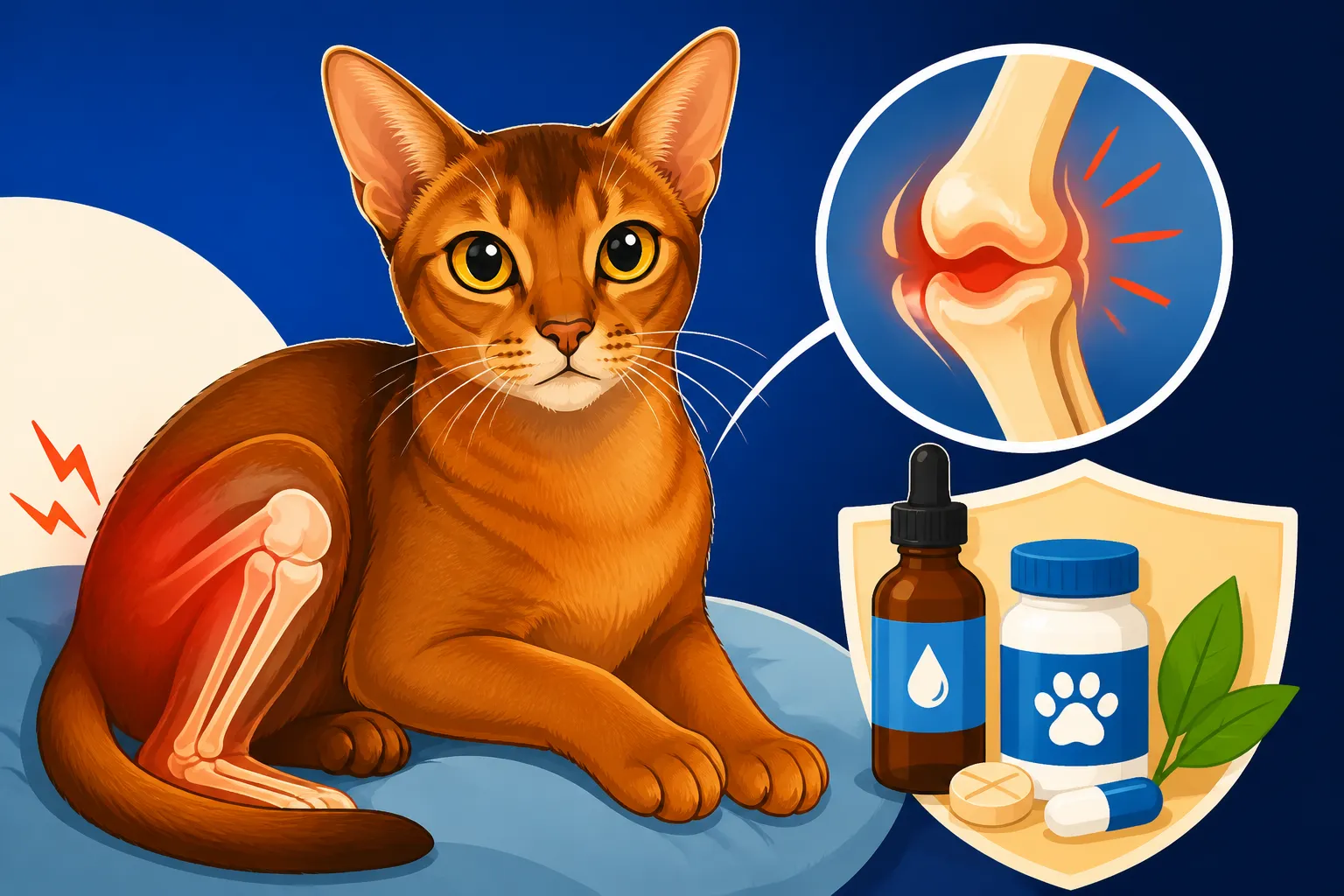
Supplements also play a significant role in a multi-modal approach. Chondroprotectants, such as glucosamine, chondroitin, and MSM, are widely used. These substances are thought to help protect cartilage, improve joint fluid quality, and reduce inflammation, supporting overall joint health. They won't work like a fast-acting painkiller, but over time, many owners observe an improvement in their cat's comfort and mobility. Omega-3 fatty acids, particularly EPA and DHA found in fish oil, are powerful natural anti-inflammatories. They can help reduce the inflammatory processes contributing to arthritis pain. When considering these long-term therapies and the costs involved, many Abyssinian owners find that pet insurance, such as through providers like Healthy Paws, can be incredibly helpful for managing the ongoing expenses of chronic conditions, including the consultations and medications for arthritis.
Here's a quick look at some common pain relief options:
| Option | How it Works | Key Benefits | Considerations |
|---|---|---|---|
| NSAIDs | Reduces inflammation and pain | Fast-acting, significant pain relief | Vet supervision essential, potential GI/kidney/liver side effects |
| Gabapentin | Modulates nerve pain, mild sedation | Effective for chronic/neuropathic pain, anxiety | Can cause drowsiness, dosage must be precise |
| Amantadine | Blocks pain amplification in the nervous system | Enhances NSAID efficacy, combats chronic pain | Often used in combination, requires vet prescription |
| Chondroprotectants | Supports cartilage, improves joint fluid | Long-term joint health, preventative | Slow onset, not for acute pain, widely available over-the-counter |
| Omega-3 Fatty Acids | Natural anti-inflammatory | Reduces systemic inflammation | Slow onset, check source for purity, usually given with food |
| Buprenorphine (Opioid) | Strong pain relief | Effective for acute, severe pain flare-ups | Short-term use, vet prescription, can cause sedation/constipation |
Therapeutic Interventions
Beyond medications and supplements, a range of therapeutic interventions can greatly improve an arthritic Abyssinian's quality of life. These therapies often complement medical treatments, offering non-pharmacological ways to reduce pain and improve mobility. Laser therapy, specifically cold laser (low-level laser therapy), is gaining popularity. This non-invasive treatment uses specific wavelengths of light to stimulate cellular repair, reduce inflammation, and alleviate pain. Many cats tolerate it very well, often finding the warmth soothing. A series of sessions is typically recommended, and owners frequently report seeing improved comfort and flexibility in their cats after just a few treatments.
Acupuncture, a traditional Chinese medicine technique, involves inserting fine needles into specific points on the body to stimulate natural pain-relieving mechanisms and promote healing. While the idea of needles might sound daunting for a cat, many Abyssinians relax during sessions, and some vets even offer needle-less laser acupuncture. This therapy can be particularly effective for chronic pain conditions like arthritis. Physical therapy, tailored by a certified veterinary rehabilitation therapist, can include gentle exercises, massage, and stretching to maintain muscle mass, improve joint flexibility, and reduce stiffness. These sessions can teach you how to perform specific exercises at home, empowering you to actively participate in your cat's recovery. Finally, maintaining a healthy weight is paramount. Even a slight reduction in weight can significantly decrease the load and stress on arthritic joints, offering natural pain relief. This goes hand-in-hand with medical treatments to ensure your Abyssinian puts Why a Lean Abyssinian Puts Less Load on Its Joints.
Supporting Your Arthritic Abyssinian at Home
Your home environment plays a critical role in managing your Abyssinian's arthritis. Small adjustments can make a huge difference in their daily comfort, independence, and overall happiness.
Environmental Modifications
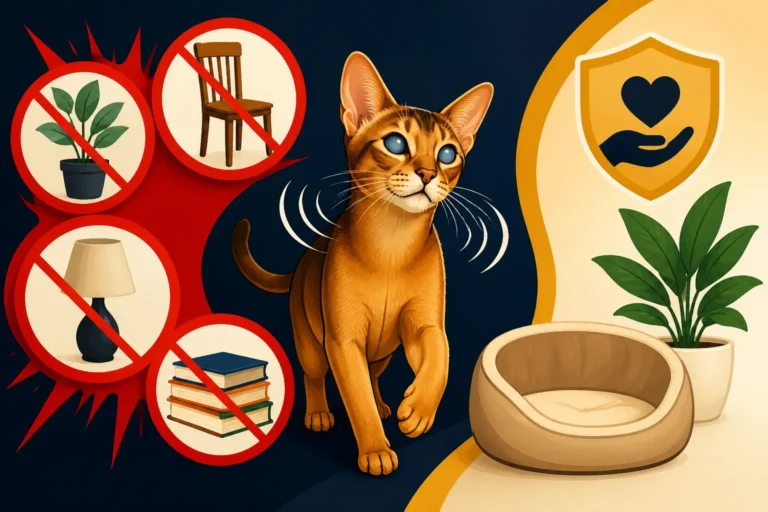
As your Abyssinian ages and arthritis progresses, those effortless jumps they once made can become painful or even impossible. It’s our job to adapt their world to their changing needs. Think about their favorite spots: the window perch, the top of the cat tree, the sofa. Are they still able to reach them without strain? Installing ramps or providing sturdy, stable pet stairs can be a game-changer, allowing them to access elevated areas without putting stress on their joints. This is crucial for enabling them to continue enjoying their vertical space, which is so important for their mental well-being. Consider How to Keep an Old Abyssinian Climbing Safely by strategically placing these aids. You might also want to look at Why an Old Abyssinian Needs Lower Steps for daily access to preferred resting spots.
Litter boxes often become a challenge. A high-sided litter box might be too difficult to step into comfortably. Switching to a low-entry litter box, or even cutting down the side of an existing one, can prevent accidents and ensure they can relieve themselves without pain. Similarly, elevate their food and water bowls to a comfortable height so they don't have to bend down excessively, which can strain their neck and spine. Soft, orthopedic bedding in easily accessible, warm spots (away from drafts) provides cushioning and support for aching joints. Heated beds can also be incredibly soothing, helping to relax stiff muscles and increase circulation. These thoughtful modifications allow your Abyssinian to maintain dignity and comfort, reducing frustration and potential behavioral issues that can arise from pain or inaccessibility.
Nutritional Support and Weight Management
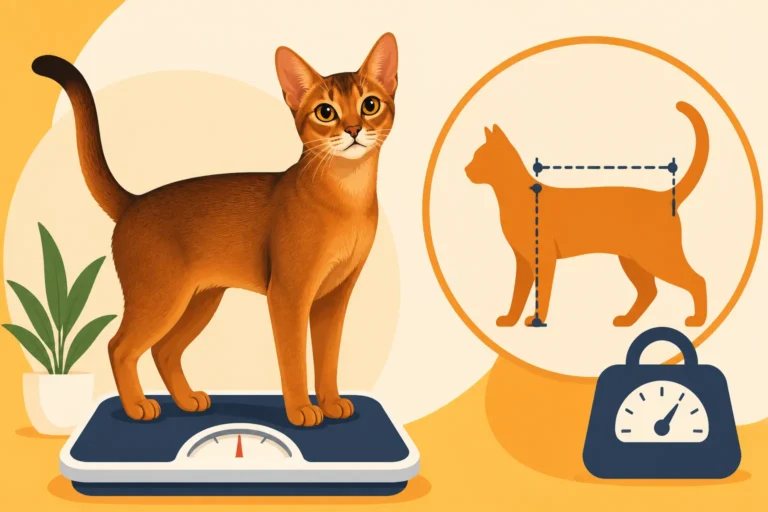
One of the most impactful things you can do for an arthritic Abyssinian is to meticulously manage their weight. Even a small amount of excess weight puts additional strain on already compromised joints, exacerbating pain and accelerating the progression of arthritis. Your vet will help you determine your Abyssinian's ideal body condition and weight. If they are overweight, a gradual weight loss plan is essential. This usually involves adjusting their caloric intake and ensuring they receive a balanced, nutrient-dense diet. Remember, Why an Abyssinian Needs Fewer Calories After Twelve as their metabolism naturally slows down.
Many senior cat diets are formulated to be lower in calories while still providing essential nutrients. Some prescription diets are specifically designed to support joint health, often containing higher levels of omega-3 fatty acids, glucosamine, and chondroitin. Discuss these options with your vet to see if they are suitable for your cat. The key is consistency and accurate portion control. Measure their food precisely, avoid free-feeding, and limit treats, or choose low-calorie, healthy alternatives. Regular check-ins with your vet to monitor their weight and adjust their diet as needed are also vital. This nutritional management is a cornerstone of long-term arthritis care, and having financial support for these specialized diets and vet consultations, perhaps through a pet insurance plan like Healthy Paws, can make it much easier to provide the best care.
Gentle Exercise and Enrichment
While an arthritic Abyssinian can't engage in the same vigorous play sessions they once did, keeping them gently active and mentally stimulated is still incredibly important. Complete inactivity can lead to muscle wasting, joint stiffness, and a decline in overall well-being. Instead, focus on short, gentle play sessions that encourage movement without overexertion. Think about toys that they can stalk and pounce on from a stable position, rather than those that require high jumps or rapid twists. A laser pointer (used carefully to avoid frustration), feather wands dragged along the floor, or soft balls that can be batted can still provide enjoyment. Which Games Suit an Old Abyssinian are often those that engage their hunting instincts without stressing their joints.
Mental enrichment is just as vital. Puzzle feeders can keep their minds sharp and provide a stimulating challenge, encouraging slow, deliberate movement. Spending quality time with your Abyssinian, offering gentle petting, soft brushing, and quiet companionship, also contributes significantly to their emotional well-being. Arthritis can be frustrating for cats, leading to changes in behavior or increased anxiety. Consistent interaction and a predictable routine can provide comfort and security. Avoid sudden, loud noises or abrupt movements that might startle them or cause them to react defensively if they're in pain. The goal is to keep them engaged and feeling loved, helping them navigate their golden years with as much comfort and joy as possible.
Navigating Long-Term Care and Financial Considerations
Caring for an arthritic Abyssinian is a marathon, not a sprint. It requires ongoing dedication, a close relationship with your veterinary team, and a realistic understanding of the financial commitment involved.
Creating a Comprehensive Care Plan
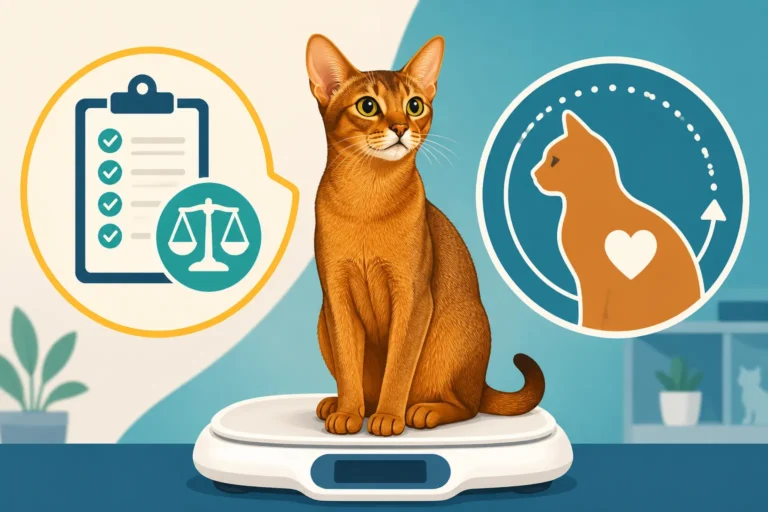
Managing chronic arthritis in your Abyssinian means embracing a long-term, evolving care plan. This isn't a one-and-done solution; it's an ongoing partnership with your veterinarian. Regular vet check-ups are paramount, often more frequent than for a healthy younger cat. These appointments allow your vet to assess the effectiveness of current pain relief strategies, monitor for any potential side effects of medications, and make adjustments as needed. They'll also keep a close eye on other age-related conditions, ensuring that all aspects of your senior Abyssinian's health are being addressed. For example, How an Old Abyssinian's Kidneys Are Monitored is particularly important if they are on long-term NSAIDs or other medications.
Your role in this plan is crucial. You are the one who observes your Abyssinian daily. Keep a journal of their symptoms, activity levels, appetite, and any changes in behavior. This information is invaluable to your vet. Be proactive in discussing any concerns or changes you notice, no matter how small they seem. The treatment plan for arthritis is often multi-modal and adaptive. What works well today might need tweaking next year, or even next month. This might involve adjusting medication dosages, adding new supplements, or incorporating different therapies. Think of your vet as your guide through this journey, and open, honest communication is the key to ensuring your Abyssinian receives the most appropriate and effective care throughout their golden years. This comprehensive approach is part of Caring for an Abyssinian Past Ten, ensuring their comfort is prioritized.
Understanding the Costs of Chronic Pain Management
Let's be realistic: chronic pain management for any pet, including our beloved Abyssinians, comes with a significant financial commitment. The cost isn't just the initial diagnosis; it's the ongoing medications, specialized diets, supplements, regular veterinary check-ups, and potentially therapeutic interventions like laser therapy or acupuncture. NSAIDs, while effective, are a continuous expense, and if adjunctive medications like Gabapentin or Amantadine are added, the monthly bill can climb. Then there are the costs of periodic blood tests to monitor organ function, especially with long-term medication use. Specialized joint-supportive foods, while beneficial, are often more expensive than standard kibble.
This is where pet insurance can truly make a difference. Many Abyssinian owners find that investing in a robust pet insurance policy, particularly from a provider like Healthy Paws, early in their cat's life can provide a vital safety net for these unforeseen, yet entirely predictable, chronic conditions. A good policy can help cover a significant portion of the costs associated with diagnostics, medications, therapies, and even prescription diets for chronic conditions like arthritis. Without insurance, these expenses can quickly accumulate, sometimes forcing difficult decisions about treatment options. It's not about making money from a tragedy; it's about having the peace of mind that you can afford to provide the best possible care for your Abyssinian without facing undue financial strain. Planning for these costs is an essential part of responsible pet ownership, and Healthy Paws is one option that can help ease that burden for many families.
Disclaimer
This article is for general informational purposes only and does not constitute professional advice. Laws, prices and regulations vary by location and change over time. Consult a qualified professional for guidance on your specific situation.