Why an Old Abyssinian Stops Using the Top Shelf
It can be truly heartbreaking to watch your once-acrobatic Abyssinian, a cat renowned for its boundless energy and love of vertical spaces, suddenly stop seeking out the highest shelves or no longer effortlessly leaping onto the kitchen counter. This isn't just a sign of them "slowing down"; it's a critical shift that often points to underlying health changes, and understanding why it happens is the first step in providing the best care for your aging companion. This guide will explore the common reasons behind this change and what you can do to help.
The Abyssinian's Innate Drive for Altitude
Abyssinians aren't just pets; they're tiny, graceful athletes designed for movement, observation, and scaling heights. Their sleek, muscular bodies and intelligent minds are perfectly suited for exploring every nook and cranny of your home, with a particular fondness for anything that offers an elevated vantage point. For an Abyssinian, the top shelf isn't just a place to sit; it's a throne, a lookout, a secure hideaway, and a stage for their magnificent agility.
Think about your Aby's typical day: leaping from the floor to the back of the sofa, scaling the tallest cat tree, perhaps even making it onto the top of the kitchen cabinets or the fridge. This isn't just random play; it's deeply ingrained behavior. From these high perches, they can survey their territory, feel safe from perceived threats (even if those threats are just the vacuum cleaner or a sudden doorbell), and observe the fascinating world below. It's a key part of their mental and physical enrichment. When you have a cat that embodies the phrase "always on the move," like an Abyssinian, their constant upward trajectory speaks volumes about their confidence and physical capability. They crave these elevated positions, and indeed, a proper home setup for an Abyssinian almost always includes extensive Why an Abyssinian Needs More Vertical Furniture Than Most Cats. To them, the world is meant to be explored from above, and losing access to that world is not just a physical limitation, but a psychological one.
Why High Places Are So Important to Abyssinians
The reason Abyssinians adore heights is multifaceted. Firstly, it satisfies their natural hunting instincts. In the wild, a predator gains an immense advantage from an elevated position, allowing them to spot prey more easily and plan their attack. Even if your Aby isn't hunting mice in your living room, that primal urge to survey and observe remains. Secondly, it provides a sense of security. Cats often feel vulnerable at ground level, especially in busy households. Being up high allows them to feel in control of their environment, safe from clumsy feet, rambunctious children, or curious dogs. It's their safe haven, a quiet retreat from the bustling world.
Moreover, these climbing feats are a fantastic form of exercise. The powerful spring in their hind legs, the precise balance, and the agility to navigate narrow ledges are all honed through regular climbing. It keeps their muscles strong, their joints flexible, and their minds sharp. An Abyssinian who actively uses its vertical space is a healthy, engaged Abyssinian. Any deviation from this pattern, therefore, is rarely just a passing fancy; it often signals something more profound is at play, a change in their physical comfort or ability that prevents them from engaging in this fundamental aspect of their being.
Common Reasons for Reduced Climbing in Older Abyssinians
When your once-daring climber starts to hesitate, misses jumps, or completely abandons their favorite high spots, it's a strong indicator that something is amiss. While it's easy to assume it's just "old age," that phrase often masks treatable conditions. Abyssinians are generally robust, and The Twelve to Fifteen Years an Abyssinian Usually Gets is often active, so a sudden decline deserves investigation.
Arthritis and Joint Pain
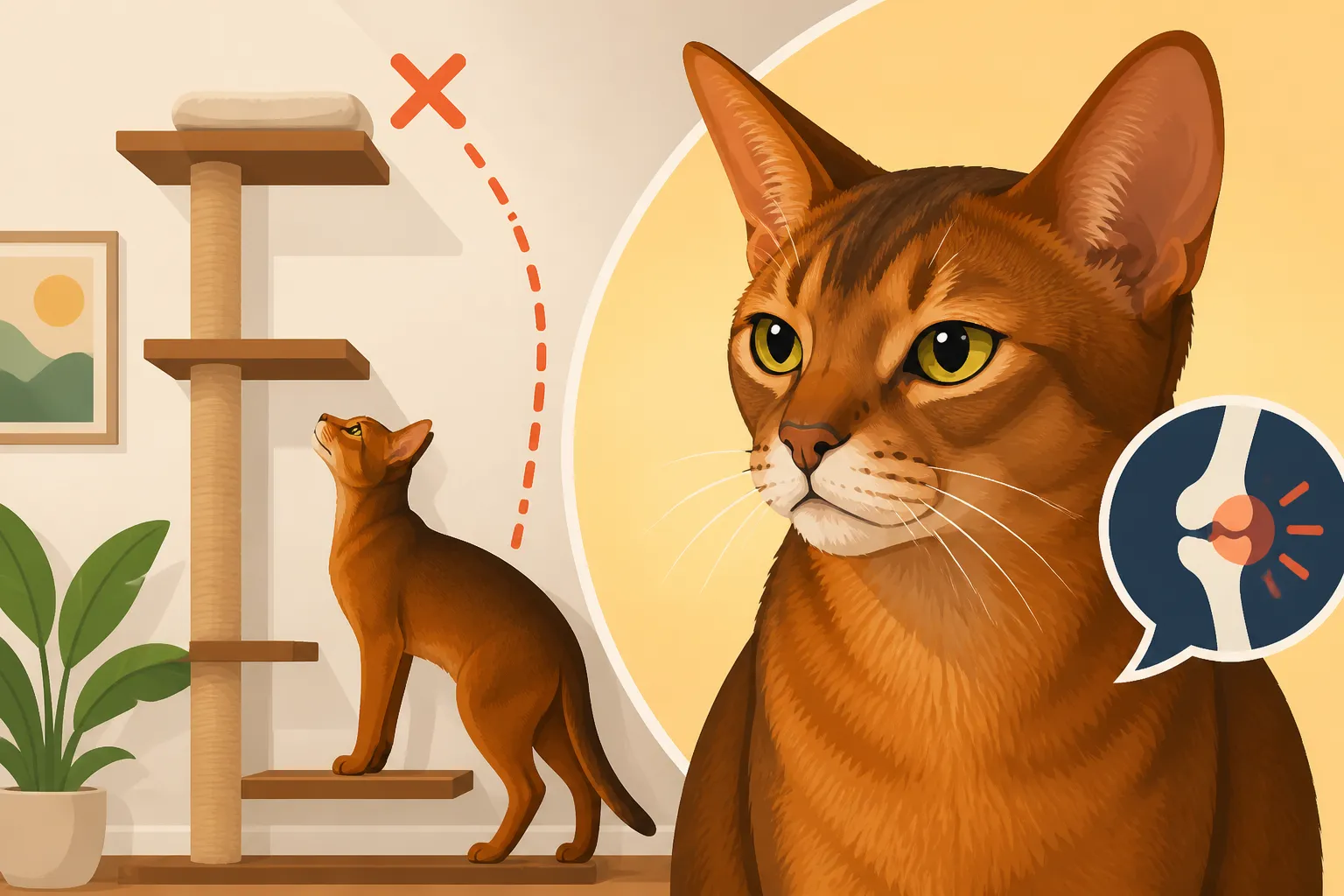
Arthritis, or osteoarthritis, is by far one of the most common culprits. Just like in humans, a cat's joints can suffer from wear and tear over time. Cartilage, the cushioning tissue between bones, can erode, leading to bone-on-bone friction. This causes pain, stiffness, and inflammation, making jumping and landing incredibly uncomfortable. Imagine trying to leap onto a high shelf with aching knees or a stiff back – it's simply not worth the pain for your cat.
You might not see obvious limping initially. Instead, you'll observe subtle changes: a slower gait, reluctance to stretch, less enthusiastic play, or taking multiple small jumps to reach a height they once cleared in one graceful bound. Sometimes, they might misjudge a landing because their body can't execute the jump with the precision it once could. This slow, insidious onset of pain means many owners don't realize their cat is suffering until the condition is quite advanced. If you notice your Abyssinian hesitating at the base of their favorite cat tree or seeming stiff after a nap, it's time to consider that joint pain might be robbing them of their vertical world. This is especially important for an active breed that tends to "hide" illness, as Why a Lean Abyssinian Hides Illness Longer Than a Heavy Cat explains.
Muscle Loss and Weakness
As Abyssinians age, they can experience sarcopenia, which is the natural, age-related loss of muscle mass. Their powerful hind legs, once capable of propelling them skyward, might become weaker and less efficient. This isn't just about strength; it affects their balance and coordination too. A weaker cat might attempt a jump and simply not generate enough power to reach the ledge, or they might land awkwardly, scaring themselves and further discouraging future attempts.
This muscle loss can be exacerbated by other underlying health issues that reduce their activity levels or affect nutrient absorption. Even a slight decrease in muscle mass can significantly impact their ability to perform agile movements like climbing and jumping, which require explosive power and fine motor control. You might notice their hindquarters appear a bit less defined, or they might struggle to push off from surfaces. This isn't something that happens overnight, but a gradual process that, when combined with joint pain, makes high-level exploration feel like an impossible task.
Sensory Decline: Vision and Hearing
Our beloved Abyssinians, like us, can experience a decline in their senses as they get older. Impaired vision, particularly in low light, can make judging distances for jumps incredibly difficult and dangerous. If your Aby has always relied on visual cues to navigate their vertical playground, a loss of acuity could make them fearful of jumping onto an unseen or vaguely perceived surface. They might miss a landing, leading to a fall and a learned aversion to heights. While How PRA-rdAc Blinds an Abyssinian Slowly affects younger cats, general age-related vision changes are also common.
Similarly, a decline in hearing can affect their spatial awareness. Cats use their hearing to process echoes and nuances in their environment, contributing to their remarkable navigation skills. If they can't quite "map" their surroundings as accurately, the confidence to make those daring leaps diminishes. These sensory changes, often coupled with some cognitive decline (dementia-like symptoms), can make a cat feel less secure and less capable in environments they once dominated.
Other Health Issues
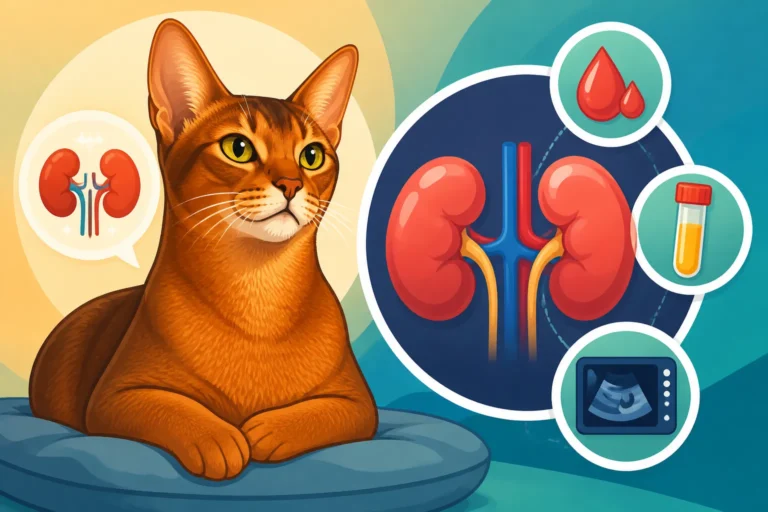
Beyond joint and muscle problems, a host of other health conditions common in senior cats can reduce an Abyssinian's overall energy and motivation to climb. Conditions like What Kidney Failure Looks Like in a Young Abyssinian or even more subtle kidney issues common in older cats can lead to lethargy, nausea, and general malaise, making physical exertion the last thing on their mind. Hyperthyroidism, while often making cats more active initially, can eventually lead to muscle wasting and weakness. Heart conditions can reduce their stamina and cause breathlessness with exertion. Any chronic illness that results in general discomfort, pain, or reduced energy will impact their desire and ability to jump.
It's vital to remember that a cat slowing down or withdrawing from activities they once loved is rarely just "getting old." It's often a sign of underlying pain or illness that requires veterinary attention. Ignoring these changes can lead to a significant reduction in their quality of life.
Recognizing the Signs and Seeking Veterinary Help
Noticing your Abyssinian's reluctance to climb is a significant observation, and it's your cue to take action. Don't wait until they've completely stopped; early intervention can make a huge difference in managing discomfort and improving their quality of life. As a pet parent, you're their best advocate.
Observing Subtle Changes
Before you even step foot in the vet's office, you can be an invaluable detective. Keep a detailed log of what you observe:
- Hesitation: Does your Aby stand at the base of the cat tree, looking up, but then walk away? Do they pause before jumping onto the bed, as if weighing the effort?
- Altered Jumping Style: Instead of a fluid leap, do they now "bunny hop" up stairs, or take multiple small jumps to get to a favorite spot they once cleared in one go? Do they brace themselves more on landing?
- Stiffness or Limping: Is there any stiffness after naps? Do they limp, even subtly, on one leg?
- Reduced Play: Are they less interested in wand toys that encourage jumping and pouncing?
- Changes in Grooming: Are they struggling to groom hard-to-reach areas, like their back or tail base, indicating reduced flexibility?
- Personality Shifts: Are they more irritable when handled, particularly around their back or hind legs? Do they seem less keen on being picked up?
- Weight or Muscle Changes: Has their weight changed? Are their muscles less prominent than they used to be? This is critical, as Why an Abyssinian's Weight Loss Is Never Minor can be a huge indicator.
These observations will provide your vet with crucial context, helping them narrow down potential causes. A small change in behavior can be a huge red flag when it comes to an Abyssinian.
The Importance of a Veterinary Examination
When you notice these changes, it's crucial to schedule a full veterinary check-up. Your vet will conduct a thorough physical examination, paying close attention to their joints, spine, and muscle mass. They'll palpate (gently feel) these areas for signs of pain, swelling, or reduced range of motion. Don't be surprised if your vet wants to see your Aby walk and move around the examination room.
Often, diagnostic imaging like X-rays will be recommended to assess the severity of arthritis in specific joints or to rule out other bone-related issues. Blood work, including a full chemistry panel and complete blood count, is also essential to check organ function, particularly kidneys and thyroid, which can significantly impact energy levels and overall health. For an older Abyssinian, monitoring values like SDMA is key, as described in How the SDMA Value Reads on an Abyssinian.
Discussing your cat's symptoms openly and honestly with your vet is paramount. They might suggest referrals to specialists, such as an orthopedic veterinarian or a veterinary ophthalmologist if a specific issue like vision loss is suspected. It's a team effort, and your vet is your most important partner in helping your Aby age gracefully.
| Symptom Category | Specific Observations | Potential Underlying Cause | Action Step |
|---|---|---|---|
| Mobility Changes | Hesitates before jumping; takes multiple small jumps | Arthritis, joint pain, muscle weakness, neurological issues | Vet exam, X-rays, discuss pain management options |
| Lands awkwardly; misjudges jumps | Arthritis, muscle weakness, vision impairment | Vet exam, vision check, physical therapy referral | |
| Stiffness after rest; less stretching | Arthritis, muscle soreness | Warm compresses, gentle massage, vet for anti-inflammatory medication | |
| Activity Level | Reduced interest in active play; sleeps more | General pain, underlying illness (kidney, thyroid, heart) | Vet check-up, bloodwork, urinalysis, discuss What an Old Abyssinian Slows Down From |
| Less enthusiasm for wand toys or chasing | Pain, lethargy, sensory decline, cognitive changes | Vet exam, consider environmental enrichment adjustments | |
| Behavioral Shifts | Irritability when handled; hides more | Pain, discomfort, fear (due to insecurity from physical decline) | Gentle handling, create safe, accessible resting spots, vet consultation |
| Struggles to groom; matted fur | Arthritis, spinal issues, severe obesity (less common in Aby) | Vet assessment, consider grooming aids or professional grooming | |
| Physical Appearance | Visible muscle loss, especially hindquarters | Sarcopenia, chronic illness | Vet exam, nutritional assessment, discuss specialized diets |
Adapting Your Home for an Aging Abyssinian
Once you understand why your senior Abyssinian is avoiding the top shelf, you can begin to make meaningful changes to their environment to improve their comfort and quality of life. This isn't about eliminating their love for height, but rather making it accessible again, or finding alternative forms of enrichment.
Creating Accessible Vertical Spaces
Even with some physical limitations, Abyssinians still crave those elevated vantage points. The key is to make them easier and safer to reach.
- Ramps and Steps: Invest in sturdy, carpeted ramps or pet steps that allow your Aby to gracefully ascend to their favorite spots without jumping. Place these leading up to beds, sofas, window perches, and low-to-mid-level cat tree platforms. This is particularly useful as part of How to Keep an Old Abyssinian Climbing Safely.
- Lowered Perches: If your cat tree is a towering monstrosity, consider adding more platforms at lower, easier-to-reach heights. You can also stack sturdy boxes or low tables near window sills or shelves to create intermediate "stepping stones."
- Soft Landings: Ensure that any areas where your Aby might still jump, even from a lower height, have soft, padded landing zones. Thick rugs or pet beds can cushion potential impacts and reduce strain on their joints.
- Secure Surfaces: As their balance might not be what it once was, ensure all perches, shelves, and cat tree platforms are stable and won't wobble or tip. A fall can be incredibly traumatic and deter future climbing.
Remember that while your Aby may no longer be scaling the ceiling, they still benefit immensely from a sense of elevation. A comfortable, easy-to-reach window perch can offer just as much joy as the tallest cat tree once did.
Managing Pain and Supporting Mobility
Your vet will be instrumental in developing a pain management plan for conditions like arthritis. This might include:
- Medication: Non-steroidal anti-inflammatory drugs (NSAIDs) can reduce pain and inflammation. Other medications, like gabapentin, can help with chronic pain. Always administer medication exactly as prescribed by your vet. For conditions like arthritis, What Pain Relief an Arthritic Abyssinian Can Take is a crucial conversation with your veterinarian.
- Joint Supplements: Glucosamine, chondroitin, and omega-3 fatty acids are common supplements that can help support joint health and reduce inflammation. Discuss these with your vet before adding them to your cat's diet.
- Physical Therapy/Rehabilitation: Some vets may recommend gentle exercises, massage, or even hydrotherapy (under strict professional supervision) to help maintain muscle strength and flexibility.
- Weight Management: Maintaining a healthy weight is paramount. Excess weight puts additional strain on painful joints. Your vet can help you determine the ideal weight for your Abyssinian and recommend a suitable diet.
Pet insurance, like policies from Healthy Paws, can be an absolute lifesaver when it comes to managing the ongoing costs of chronic conditions in older cats. Diagnostic tests, specialized medications, and regular veterinary visits can add up quickly, and having a reliable pet insurance plan in place means you can make decisions based on what's best for your cat, not just your wallet. Many owners find that signing up for Healthy Paws or similar plans when their cat is younger is a wise investment, ensuring coverage for age-related issues down the line.
Maintaining Mental Stimulation
While physical climbing might be less of an option, your Abyssinian's keen mind still needs stimulation.
- Puzzle Feeders: These can keep their minds engaged and slow down eating, which is good for digestion.
- Interactive Toys: Toys that don't require high jumps but still encourage stalking and pouncing can be great. Consider automated laser pointers (used sparingly to avoid frustration) or toys they can bat around on the floor.
- Dedicated Playtime: Even if it's gentler, continue daily play sessions. Use wand toys to encourage low-level pouncing and chasing. The goal is engagement, not Olympic-level athletics.
- New Scents and Sounds: Introduce new cat-safe toys, scratchers, or even safe outdoor smells (like a leaf or a small branch brought inside) to pique their curiosity.
- One-on-One Attention: Spend quality time with your Aby, offering cuddles, gentle brushing (especially as How an Old Abyssinian's Grooming Changes might mean they struggle to self-groom), and soft conversation. This strengthens your bond and provides comfort.
Remember, an aging Abyssinian might not be the fearless climber they once were, but with your loving attention, appropriate veterinary care, and thoughtful adjustments to their home, they can still enjoy a rich, fulfilling life, albeit with their paws a little closer to the ground. Early detection and proactive care, often supported by resources like Healthy Paws, are key to ensuring their golden years are as comfortable and joyful as possible.
Disclaimer
This article is for general informational purposes only and does not constitute professional advice. Laws, prices and regulations vary by location and change over time. Consult a qualified professional for guidance on your specific situation.