How the SDMA Value Reads on an Abyssinian
When you have an Abyssinian, you know they are bundles of boundless energy, always on the go, and masters of distraction. This incredible vitality, while charming, can make it agonizingly difficult to spot the subtle signs of illness, especially something as insidious as kidney disease. Many of us have experienced the frustration of conventional blood tests coming back "normal" only to discover our beloved Abyssinian is much sicker than we realized. This guide will walk you through understanding the SDMA value, a crucial early indicator that can give your energetic companion a fighting chance against kidney issues.
The Challenge of Catching Kidney Issues Early in Abyssinians
Abyssinians are incredibly athletic and stoic creatures. They’re built for action, and their natural instincts tell them to hide any weakness. This means that by the time classic signs of kidney disease, like lethargy or loss of appetite, become obvious, the disease is often quite advanced. It’s a heartbreaking reality that many Abyssinian owners face, feeling like they missed something, even when they were doing their best.
Why Traditional Kidney Markers Are Often Too Late
For years, veterinarians primarily relied on two main blood values to assess kidney function: blood urea nitrogen (BUN) and creatinine. While these tests are valuable, they have a significant drawback. To see an elevation in BUN or creatinine, your cat's kidneys typically need to have lost around 75% of their function. Imagine waiting for three-quarters of your car engine to fail before the "check engine" light comes on! That's the reality with these traditional markers.
For an Abyssinian, whose whole metabolism is geared towards efficiency and activity, these changes can be particularly difficult to spot. A slight increase in thirst might be dismissed as a hot day, or a subtle dip in energy mistaken for a long nap. You might hear your vet say, "Well, the creatinine is normal," and breathe a sigh of relief, but as we often find out, a normal creatinine does not clear an Abyssinian from all kidney concerns. The disease is often silently progressing, and by the time BUN and creatinine show clear signs, the treatment options become more limited and the prognosis often less favorable. It's a truly disheartening situation that leaves many of us wishing there was a better, earlier way to detect these problems.
The Abyssinian's Natural Masking Abilities
It's not just the limitations of traditional tests that make early detection hard; it's also the very nature of the Abyssinian cat. They are the ultimate "I'm fine!" actors. Their sleek, muscular bodies and constant motion mean that even a significant amount of muscle wasting, which often accompanies illness, can be difficult to discern beneath their beautiful ticked coats. Unlike a fluffier, more sedentary breed, an Abyssinian might appear completely normal even as they're losing weight and muscle tone. This is particularly true when considering why a lean Abyssinian hides illness longer than a heavy cat, as any loss of condition can be masked by their inherent leanness.
They continue to jump, climb, and play, sometimes even more frantically than usual, as if trying to overcompensate for how they're truly feeling. They might still greet you at the door, still demand playtime, and still eat with gusto, all while their internal organs are struggling. This incredible resilience is one of their most endearing qualities, but it also makes them incredibly challenging patients when it comes to early diagnosis. It’s a constant tightrope walk for owners, trying to differentiate between typical Abyssinian exuberance and a subtle signal of distress.
Understanding SDMA: The Early Warning System
Given these challenges, the introduction of the Symmetric Dimethylarginine, or SDMA, test has been a game-changer for monitoring kidney health in our feline companions, especially for active, resilient breeds like the Abyssinian. It offers a much-needed earlier look into kidney function, providing a window of opportunity for intervention that simply didn't exist before.
What SDMA Actually Measures
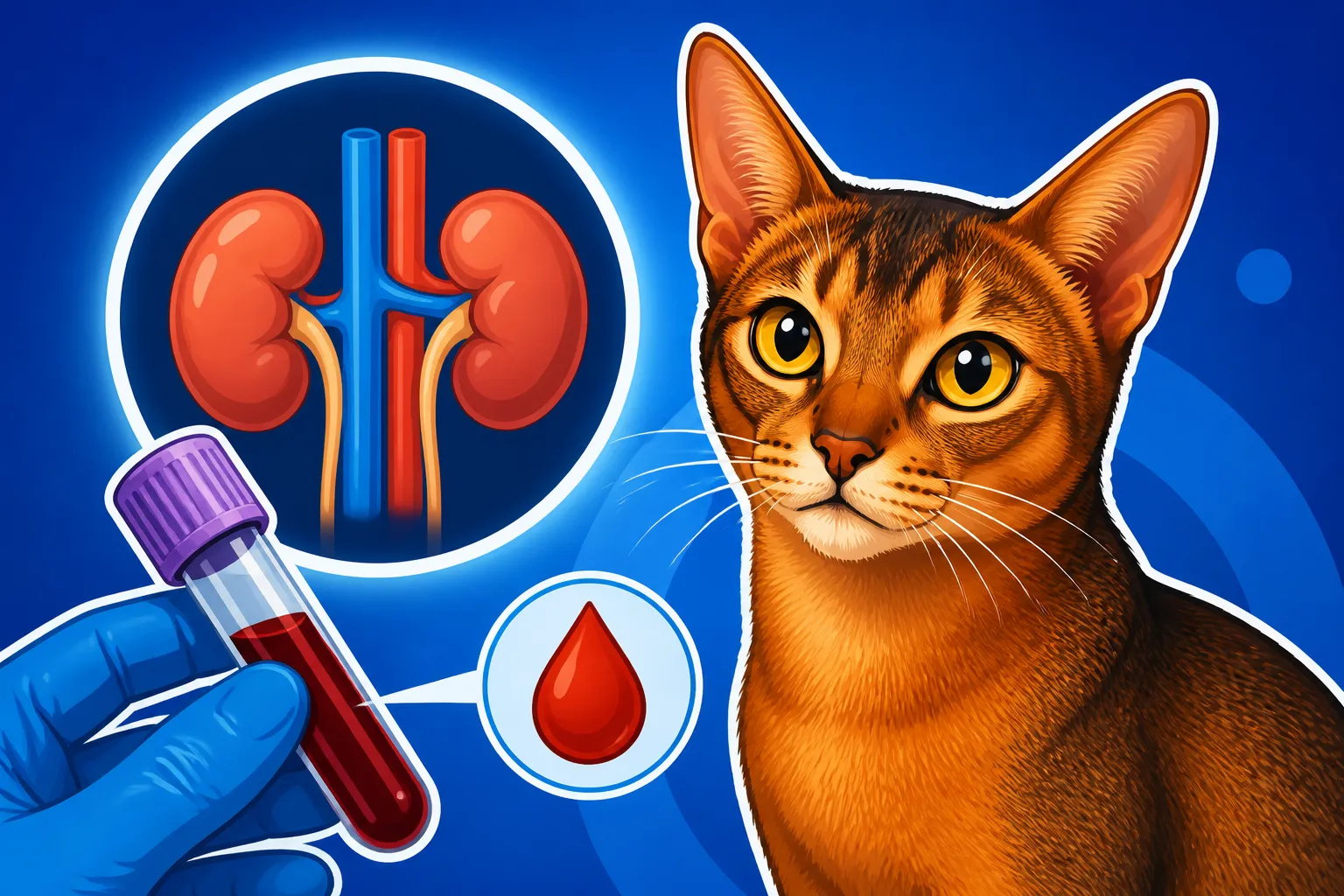
At its core, SDMA is a biomarker for kidney function that is produced in the body during the breakdown of proteins and is then exclusively excreted by the kidneys. Think of it like a waste product. Healthy kidneys efficiently filter out this waste, keeping its levels in the blood low. If the kidneys aren't working as well, they won't filter out as much SDMA, and its level in the blood will start to rise.
This is a significant difference from creatinine, which can be influenced by muscle mass. A very lean Abyssinian might have a "normal" creatinine level simply because they don't have much muscle to produce it, even if their kidneys are struggling. SDMA, however, isn't significantly affected by muscle mass, making it a much more reliable indicator of kidney function across various body conditions. It gives us a clearer, less ambiguous picture of what the kidneys are actually doing, or, more accurately, not doing. This particular insight is invaluable for a breed known for its lean physique and incredible activity levels.
How SDMA Gives You a Head Start
The real power of SDMA lies in its ability to detect kidney disease much earlier than traditional tests. While creatinine and BUN don't usually rise until about 75% of kidney function is lost, SDMA can show an elevation when as little as 25-40% of kidney function is compromised. This means you could get a warning sign months, or even years, before other markers would even hint at a problem.
For an Abyssinian owner, this is nothing short of revolutionary. It transforms the conversation from "Your cat's kidneys are failing" to "We need to monitor your cat's kidney health, as there's an early flag." This precious lead time allows for proactive management, dietary changes, and other interventions that can significantly slow the progression of kidney disease and improve your Abyssinian's quality of life. It moves us away from reactive crisis management and towards preventative care, which is what every dedicated pet parent truly wants. When you consider why an Abyssinian's kidneys fail before its coat dulls, it underscores just how vital these early indicators are.
When SDMA Becomes a Red Flag
So, how does the SDMA value reads on an Abyssinian? Generally, the normal reference range for SDMA in cats is often quoted as up to 14 µg/dL (micrograms per deciliter). An SDMA value consistently above this threshold, even if creatinine is still within the normal range, should be considered a significant red flag.
Let's look at some hypothetical scenarios to make this concrete:
- Scenario 1: SDMA of 16 µg/dL, Creatinine 1.0 mg/dL (normal): This is the classic early warning. Your Abyssinian's creatinine is normal, making you think all is well, but the elevated SDMA strongly suggests early kidney compromise. This isn't a panic situation, but it's definitely a "let's investigate and monitor" signal.
- Scenario 2: SDMA of 20 µg/dL, Creatinine 1.8 mg/dL (borderline high): Here, both markers are showing concern. The higher SDMA confirms what the creatinine is starting to hint at. This indicates more significant kidney dysfunction, and your vet will likely recommend immediate intervention.
- Scenario 3: SDMA of 30 µg/dL, Creatinine 3.5 mg/dL (clearly high): This represents advanced kidney disease. While SDMA is still a good marker, at this point, creatinine will also be clearly elevated. The goal here is usually symptom management and supportive care.
The key takeaway is that any consistent elevation of SDMA above the normal range, especially when creatinine is still normal or borderline, warrants a conversation with your veterinarian about further diagnostics and management strategies. It’s the whisper before the shout, giving you time to act.
| Kidney Marker | When It Detects Disease (Approx. Kidney Function Loss) | Influenced by Muscle Mass? | What It Indicates |
|---|---|---|---|
| Creatinine | ~75% | Yes | Waste product of muscle metabolism |
| BUN | ~75% | Yes (also by diet/hydration) | Waste product of protein breakdown |
| SDMA | ~25-40% | No (mostly) | Specific marker for kidney filtration |
Practical Steps When Your Abyssinian's SDMA is Elevated
Discovering an elevated SDMA can be unsettling, but remember, it’s an early warning. This means you have precious time to work with your vet to create a plan. The goal is always to slow progression and maintain your Abyssinian's quality of life for as long as possible.
Further Diagnostics and Monitoring
An elevated SDMA isn't a diagnosis in itself; it's a call to action for further investigation. Your veterinarian will likely recommend a battery of follow-up tests to get a complete picture of your Abyssinian's kidney health and to rule out other potential issues. This might include:
- Urinalysis with Urine Specific Gravity (USG): This simple test checks how concentrated your Abyssinian's urine is. Dilute urine (low USG) in a cat that isn't overhydrated can indicate the kidneys are losing their ability to concentrate urine, a very early sign of dysfunction. This is often the first specific test to consider when wondering which urine test catches an Abyssinian's kidneys first.
- Urine Protein:Creatinine Ratio (UPC): This test helps assess if the kidneys are leaking protein, which can be damaging and worsen kidney disease.
- Blood Pressure Measurement: High blood pressure is both a cause and a consequence of kidney disease in cats. Regular monitoring is crucial, and if elevated, medication might be prescribed.
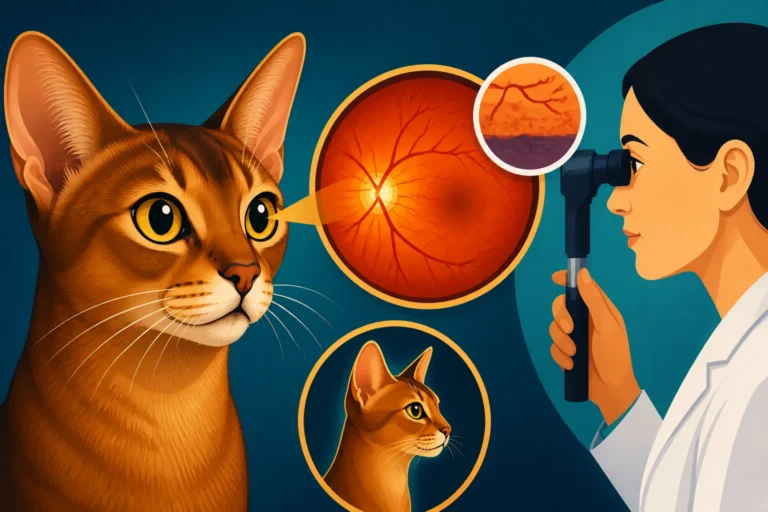
- Imaging (Ultrasound): An ultrasound of the kidneys can reveal structural changes, such as size, shape, and the presence of stones or other abnormalities, including potential signs of what renal amyloidosis deposits in an Abyssinian's kidney.
- Regular Bloodwork: Consistent monitoring of SDMA, BUN, creatinine, phosphorus, and potassium levels will help track the disease's progression and the effectiveness of any interventions.
These additional diagnostics help your vet pinpoint the extent of the kidney damage and tailor a treatment plan specific to your Abyssinian's needs.
Dietary Changes and Support
Diet plays a pivotal role in managing kidney disease once it's detected. The right diet can significantly impact how a kidney diet buys an Abyssinian time. Your vet will likely recommend a prescription kidney-supportive diet. These diets are specifically formulated to:
- Lower Protein: But not too low! The protein needs to be high quality and easily digestible to reduce the workload on the kidneys while still maintaining muscle mass. Abyssinians, being so active, need adequate protein.
- Reduced Phosphorus: High phosphorus levels can worsen kidney disease, so these diets restrict it.
- Controlled Sodium: To help manage blood pressure.
- Increased Omega-3 Fatty Acids: These have anti-inflammatory properties that can benefit kidney health.
- Added B Vitamins: Cats with kidney disease often lose B vitamins in their urine.
Transitioning your Abyssinian to a new food can be a challenge, especially if they're already not feeling their best. Do it slowly, mixing small amounts of the new food with their old food and gradually increasing the proportion over several weeks. Patience is key. Remember, compliance is paramount; the best kidney diet in the world won't help if your Abyssinian refuses to eat it!
The Importance of Hydration
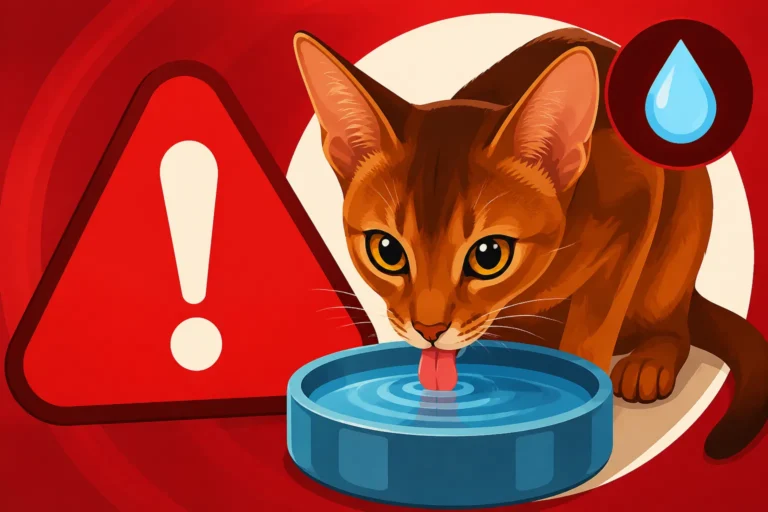
For any cat with kidney concerns, but especially for an Abyssinian, hydration is non-negotiable. Their kidneys are already working harder, and dehydration puts an even greater strain on them. This is particularly relevant given how much water an Abyssinian's amyloid risk demands, as good hydration can potentially help flush toxins.
Here are some ways to encourage your Abyssinian to drink more:
- Multiple Water Stations: Place several water bowls throughout the house, in different shapes and materials (ceramic, stainless steel, glass).
- Water Fountains: Many Abyssinians love running water. A pet fountain can be a great investment.
- Wet Food: Incorporating wet food into their diet dramatically increases their daily water intake compared to kibble alone.
- Flavoring Water: Some cats respond to a tiny bit of tuna juice or low-sodium chicken broth added to their water.
- Subcutaneous Fluids: In more advanced cases, your vet might show you how to administer subcutaneous fluids at home. This can significantly improve their comfort and help flush toxins. Whether fluids at home help an Abyssinian is a common question, and for many, it provides immense relief.
Keep an eye out for signs like why a thirsty young Abyssinian is a red flag, as increased thirst and urination are classic indicators of kidney trouble. Providing constant access to fresh, appealing water is one of the easiest yet most effective things you can do.
Long-Term Management and Outlook
Managing kidney disease in an Abyssinian is a marathon, not a sprint. It requires ongoing vigilance, close collaboration with your veterinary team, and a commitment to adapting care as your cat's needs change.
Proactive Care with SDMA Tracking
The beauty of SDMA testing is that it empowers you and your vet to be proactive. Instead of waiting for obvious symptoms or dramatic changes in traditional bloodwork, regular SDMA checks allow for continuous monitoring of kidney function. When a middle aged Abyssinian needs yearly bloodwork, make sure SDMA is part of that panel. For an Abyssinian with an elevated SDMA, your vet might recommend retesting every 3-6 months, or even more frequently depending on the values and your cat's overall health.
This frequent tracking helps your vet fine-tune treatment plans, adjust medications, and ensure that the dietary management is having the desired effect. It allows for early detection of any further decline, so interventions can be made before your Abyssinian experiences a significant health crisis. Think of it as a constant feedback loop that helps keep your Abyssinian as healthy and happy as possible for as long as possible. This proactive approach can make a real difference in the long-term prognosis, offering much better outcomes than simply reacting to emergencies.
Working with Your Vet and Considering Insurance
Your veterinarian is your most important partner in managing your Abyssinian's kidney health. Don't hesitate to ask questions, voice your concerns, and discuss all available options. They can guide you through the complexities of diagnostics, treatment protocols, and nutritional plans.
It’s also wise to consider the financial implications of long-term care. Kidney disease management can involve frequent vet visits, specialized diets, medications, and potentially fluids or other supportive therapies. This is where pet insurance can be a huge relief. Providers like Healthy Paws offer comprehensive plans that can cover a significant portion of diagnostic tests, treatments, and even prescription diets for chronic conditions like kidney disease, especially if you enroll your cat before any pre-existing conditions are identified. Having that financial safety net can allow you to make medical decisions based on what’s best for your Abyssinian, rather than solely on cost, which is a common worry for many pet parents facing chronic illness.
The Genetic Component and Family History
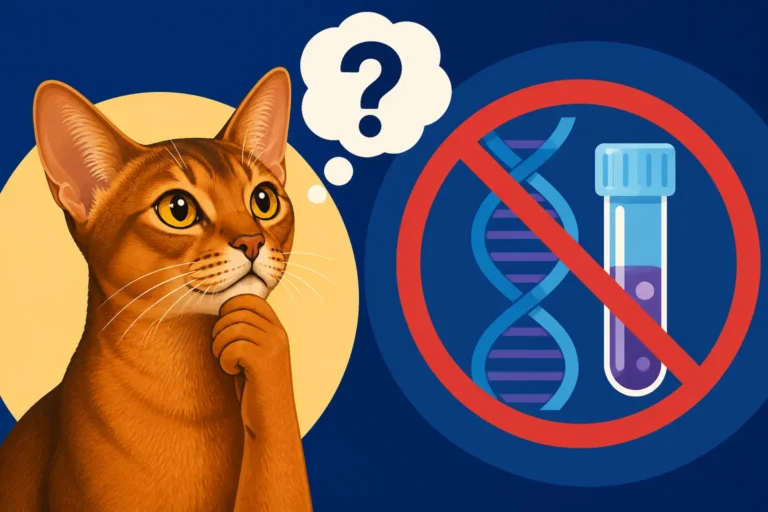
While SDMA provides an excellent snapshot of current kidney function, it's also important to remember the breed's predispositions. Abyssinians, unfortunately, are known to be at a higher risk for certain kidney conditions, most notably Renal Amyloidosis. This is a cruel disease where an abnormal protein called amyloid is deposited in the kidneys, eventually leading to kidney failure. Unfortunately, there's currently no specific genetic test for this form of amyloidosis, making early detection and proactive management even more critical.
This is why why an Abyssinian line's history matters more than any test for certain conditions. A reputable breeder will be transparent about the health history of their lines, especially regarding kidney disease. Knowing if there's a history of early-onset kidney failure or amyloidosis in your Abyssinian's family tree won't change your current SDMA reading, but it should heighten your vigilance and encourage even more proactive screening. While SDMA helps us track what's happening now, understanding the genetic background can inform what might be more likely to happen. It adds another layer to the proactive care puzzle, aiming to maximize how long an Abyssinian lives after amyloidosis shows.
Disclaimer
This article is intended for informational purposes only and is not a substitute for professional veterinary advice. Always consult with your veterinarian for any health concerns or before making any decisions about your pet's health or treatment.