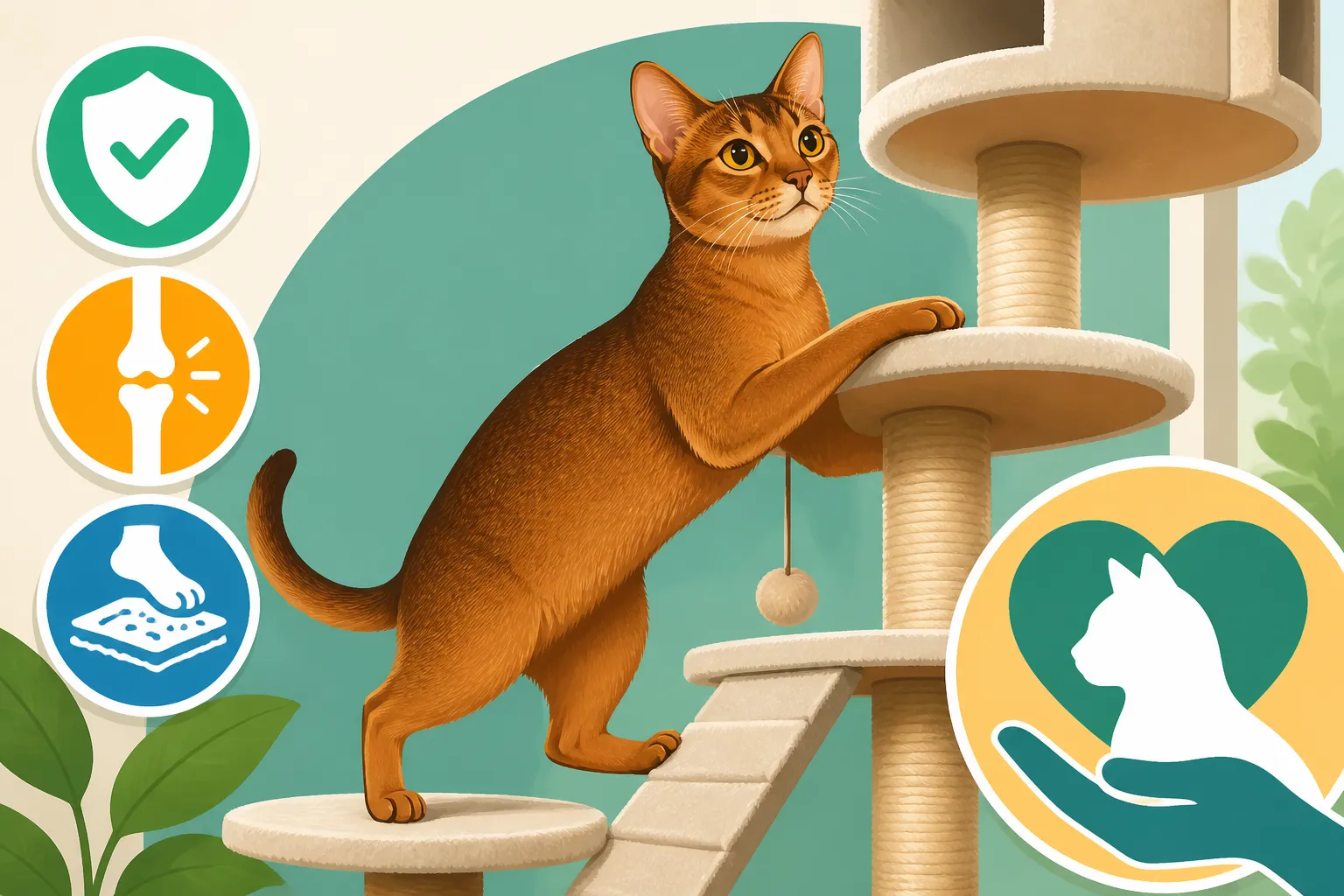
How to Keep an Old Abyssinian Climbing Safely
It's heartbreaking to watch our once agile, gravity-defying Abyssinian companions start to struggle with the leaps and bounds that defined their younger years. That favorite spot on top of the bookshelf or the dizzying heights of the cat tree suddenly become perilous, causing us a great deal of worry. This guide is here to help you understand why your senior Abyssinian still craves those vertical spaces and, more importantly, how to adapt your home to keep them climbing safely and confidently, without risking injury.
Understanding the Senior Abyssinian's Climbing Instinct
Even as the years catch up, your Abyssinian retains that incredible zest for life and an unshakeable desire to survey their kingdom from on high. It’s part of their very essence, ingrained in their personality and physical build. A senior Abyssinian might move a little slower, jump a little less enthusiastically, but the need to climb, explore, and perch remains as strong as ever.
Why Older Abyssinians Still Love to Climb
Abyssinians are not your typical lounge-lizard cats. They are inherently active, intelligent, and incredibly curious creatures. From the moment they are kittens, they are investigating every nook and cranny, and their world isn't just horizontal; it's emphatically vertical. This isn't just about play for them; it's about security, observation, and mental engagement.
Think about it: from a high vantage point, your Abyssinian can keep an eye on everything happening in their home, feeling safe and in control. They get to watch the birds outside the window, monitor your movements, and generally supervise the household. This provides immense mental stimulation, which is crucial for older cats. For many years, jumping to high places has been a core part of their daily routine, a habit as fundamental as eating or sleeping. Taking that away completely can lead to frustration, boredom, and even depression, impacting their overall quality of life. The mental benefit of reaching a cherished spot can actually outweigh the physical effort for them, which is why they push themselves even when it’s getting harder. This breed thrives on having a "job," and for many, that job is being the resident high-altitude supervisor.
Common Age-Related Changes Affecting Climbing
While their spirit remains youthful, their bodies unfortunately do not. As Abyssinians age, they, like all senior pets, experience various physical changes that can make climbing a challenge. The most common culprit is arthritis, which causes pain and stiffness in their joints, particularly in the hips, knees, and spine. A once effortless leap becomes a painful, stiff affair.
Beyond arthritis, we often see muscle loss, a natural part of aging known as sarcopenia. Those powerful hind legs that once propelled them upwards lose some of their mass and strength, making powerful jumps harder and landings less controlled. Their balance can also become less reliable due to inner ear changes or neurological issues. Decreased vision, especially night vision, can also play a role, making them misjudge distances or heights, leading to clumsy jumps or falls. For instance, jumping onto a bed might involve a quick, confident launch for a younger cat, but for a senior Abyssinian with early arthritis and reduced muscle, it might become a hesitant scramble, or they might even fall off the side of the bed as they try to land. It's truly difficult to see them struggle with something that once brought them so much joy.
Assessing Your Senior Abyssinian's Current Climbing Ability
Being proactive is key when you have a senior Abyssinian. You know your cat best, and recognizing the subtle shifts in their behavior can make all the difference in providing timely support. Don't wait for a serious fall to realize they're struggling.
Observing Subtle Signs of Difficulty
Your Abyssinian is a master of hiding discomfort, a trait that stems from their wild ancestry. They don't want to show weakness. This means you need to be a keen observer. Pay close attention to how they approach their favorite climbing spots. Do they hesitate before jumping? Do they take a few extra steps back to gain momentum? Perhaps they used to jump onto a particular tall cat tree or shelf in one fluid motion, but now they try to use an intermediate step, or worse, they bail out of the jump entirely, looking for an easier route. This is a clear red flag.
When they land, watch for stiffness, a slight wobble, or a need to quickly resettle their balance. Are their landings softer, or do they seem heavier, less agile? They might even start making little grunts or groans, subtle vocalizations that indicate discomfort upon impact. Sometimes, a previously well-used climbing route, like the top of a tall bookshelf, is suddenly avoided altogether. They might spend more time on lower perches or seem content with window sills they previously ignored. If you notice your Abyssinian, who once loved the very top, now preferring a lower level, it could be a sign that Why an Old Abyssinian Stops Using the Top Shelf. It's these subtle changes, not dramatic falls, that often signal underlying issues.
Consulting Your Veterinarian for a Mobility Check-up
The moment you suspect your Abyssinian is having difficulty, scheduling a visit with your veterinarian is paramount. Regular check-ups are always important for senior cats, but a targeted mobility assessment can reveal a lot. Your vet will conduct a thorough physical examination, feeling their joints for swelling, stiffness, and pain. They'll also assess muscle mass and overall body condition. Remember, even a slightly overweight Abyssinian will experience more strain on their joints, so maintaining a lean physique is crucial. Why a Lean Abyssinian Puts Less Load on Its Joints.
Sometimes, the vet might recommend X-rays to visualize the joints and assess the extent of arthritis. They might also discuss pain management options, including anti-inflammatory medications or joint supplements like glucosamine and chondroitin, which can significantly improve comfort and mobility. Don't be afraid to discuss options for What Pain Relief an Arthritic Abyssinian Can Take. Early intervention can make a huge difference in your Abyssinian's comfort and their ability to continue enjoying their vertical world. The vet can help clarify What an Old Abyssinian Slows Down From and guide you on the best course of action. It's a team effort between you and your vet to ensure your beloved cat's golden years are as comfortable and active as possible.
Modifying the Environment for Safe Vertical Access
Once you've assessed your Abyssinian's changing needs, it's time to become their personal interior designer, focusing on safety and accessibility. The goal isn't to eliminate climbing entirely, but to provide safer, easier routes to their cherished high places.
Strategic Placement of Ramps and Steps
Ramps and steps are game-changers for senior Abyssinians. Instead of forcing them to make high, impactful jumps, these structures provide a gentle incline or a series of manageable intermediate platforms. Think about your Abyssinian's favorite spots: that sunny windowsill, the top of your dresser, or their preferred cat tree perch. Each of these could benefit from an accessibility upgrade.
You can purchase pre-made pet ramps or steps from retailers like Amazon that are designed for pets, often with non-slip surfaces. Look for sturdy options that won't wobble, as instability can scare a hesitant cat. A good ramp should have a gradual slope, not a steep ascent, and steps should be wide enough for comfortable footing, with a low rise between each. For instance, if your Abyssinian loves the top of the sofa, a small set of pet steps placed beside it can eliminate the need for a jump. For higher perches, a series of staggered shelves, like a cat staircase, can work wonders. Ensure each step is wide enough for them to pause and feel secure before moving to the next. This allows them to ascend and descend gracefully, reducing strain on their aging joints. If you're wondering Why an Old Abyssinian Needs Lower Steps, this is precisely why – smaller, easier transitions make a world of difference.
Enhancing Grip and Stability on Climbing Surfaces
A wobbly cat tree or a slippery shelf surface is an accident waiting to happen for a senior Abyssinian. Beyond providing ramps and steps, you need to ensure all climbing surfaces offer excellent grip and stability.
Start by checking all your existing cat furniture. Tighten any loose screws on cat trees or wall-mounted shelves. If a cat tree base feels unstable, consider adding weight to it or securing it to a wall stud for extra peace of mind. For slippery surfaces like polished wood, laminate, or even some carpeted perches that have worn smooth, you can easily add non-slip solutions. Sisal rope, often used on scratching posts, can be wrapped around legs or edges of platforms to create a textured climbing surface. Strips of carpet, rubber matting, or even self-adhesive non-slip stair treads can be applied to flat surfaces. Imagine your Abyssinian, perhaps with a touch of arthritis, trying to leap onto a smooth windowsill; their paws might slip, leading to a nasty fall. By adding a small, non-slip mat, you provide the necessary traction for a safe ascent and descent. This attention to detail dramatically reduces the risk of slips and falls, making their vertical explorations much safer.
Lowering Heights and Creating New Ground-Level Enrichment
While we want to support their climbing instinct, there might be some truly high or precarious spots that are just no longer safe. In these cases, selective height reduction or redirection is a responsible choice. This doesn't mean taking away all their fun; it means adapting to their physical limits.
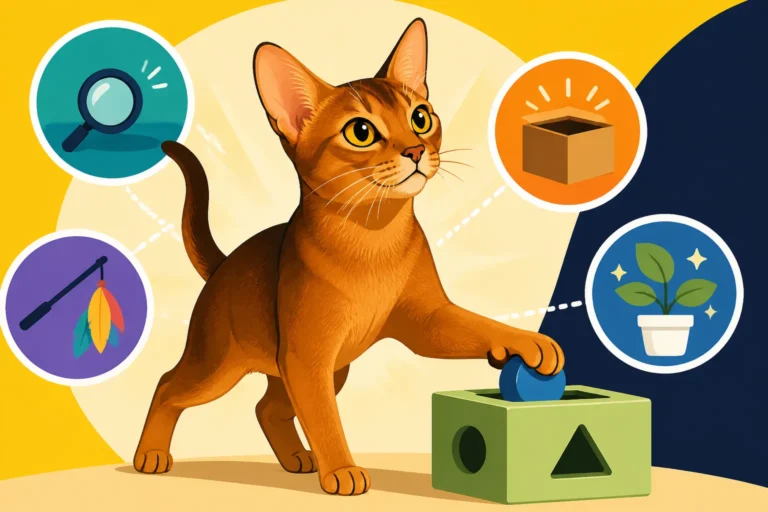
For example, if the very top tier of a towering cat tree has become too risky, you might remove it or block access, ensuring the highest accessible perch is still stimulating but safely within their capabilities. Simultaneously, make lower perches and ground-level areas equally appealing. A comfortable, elevated bed by a window, for example, can offer a great view without requiring a challenging climb. Create engaging "puzzles" and activities at lower levels. Consider a new, elaborate tunnel system on the floor, or interactive puzzle feeders that encourage mental work without physical exertion. Toys that dispense treats or crinkle balls that they can chase on the floor can still provide excellent stimulation. Forging activities, where you hide treats around the house, can be done at accessible heights and on the floor. Remember, Which Games Suit an Old Abyssinian might change, focusing more on mental engagement than raw athleticism. The goal is to ensure your senior Abyssinian always has stimulating options, whether they're at ground level or enjoying a modified, safer high perch.
Ongoing Support and Care for Your Climbing Senior
Providing a safe climbing environment is just one piece of the puzzle. The long-term health and well-being of your senior Abyssinian require a holistic approach that supports their body and mind as they age.
Maintaining Muscle Strength and Joint Health
Maintaining muscle strength and healthy joints is paramount for any senior cat, especially an Abyssinian who still loves to climb. Regular, gentle exercise is crucial. This doesn't mean pushing them to jump or run like a youngster. Instead, focus on controlled movements that encourage muscle use without strain. Short, gentle play sessions with a wand toy can encourage stretching and slow, deliberate movements. Some Abyssinians, if accustomed to it from a younger age, may still enjoy short, supervised walks on a harness in a safe, quiet area. This keeps their muscles engaged and prevents atrophy.
Beyond exercise, your vet might recommend specific joint supplements containing ingredients like glucosamine, chondroitin, or MSM, which can help support cartilage health. Omega-3 fatty acids are also often recommended for their anti-inflammatory properties. For more advanced arthritis, prescription medications can provide significant pain relief, allowing them to move more comfortably. Finally, maintaining a healthy weight is absolutely critical. Excess weight puts immense strain on already compromised joints, exacerbating arthritis and making every movement harder. A balanced diet with appropriate protein levels, as discussed in Why an Old Abyssinian Needs Its Protein Kept Up, is essential for preserving muscle mass.
Regular Grooming and Claw Care
As Abyssinians age, their self-grooming habits might decline, and their claws can become overgrown. This might not seem directly related to climbing, but it plays a significant role in their safety and comfort. Overly long claws can get snagged on carpet or fabric, leading to falls or injuries. They also prevent proper retraction, affecting their grip on climbing surfaces and making landings less stable.
Your senior Abyssinian might also have trouble reaching certain areas to groom themselves, especially their back or hips. This can lead to matting or skin issues. Regularly brushing your Abyssinian, perhaps a little more often than the weekly brush they needed when younger, not only helps with shedding but also acts as a gentle massage, stimulating circulation and allowing you to check for any lumps, bumps, or tender spots. You might find that When an Old Abyssinian Needs Help Reaching Its Back becomes a regular occurrence. Use a soft brush or grooming mitt, making it a soothing bonding experience. Regularly trimming their claws is essential. If you're uncomfortable doing it yourself, your vet or a professional groomer can assist. This ensures their paws can grip effectively and reduces the risk of accidental falls from unstable footing.
Monitoring for Changes and Adapting as Needed
Your Abyssinian's journey through their senior years will be dynamic. Their needs won't stay static, so your care and environmental modifications must evolve alongside them. What works today might need adjustment six months from now.
Continuous, observant monitoring is crucial. Pay attention to any new hesitations, changes in their gait, or reluctance to use previously modified climbing routes. If they seem to struggle with a ramp that was once easy, it might be time for an even shallower incline or more intermediate steps. If they start spending all their time on the lowest levels, consult your vet to rule out any new pain or health issues. Be prepared to adapt and innovate. Perhaps a beloved window perch needs to be moved to a lower, more accessible window. Maybe that custom catio needs a new set of wider, more stable stairs instead of the old, narrower ones. The key is to remain flexible and responsive to their changing abilities. Ultimately, providing Caring for an Abyssinian Past Ten means a commitment to constant assessment and adjustment, ensuring their golden years are filled with comfort, engagement, and the joy of still being able to embrace their natural instincts, safely.
Comparing Climbing Safety Before & After Modifications
Here's a quick look at how modifying your home for your senior Abyssinian can drastically improve their safety and quality of life when it comes to their beloved climbing habits.
| Feature / Behavior | Before Modifications (Typical Senior Abyssinian) | After Modifications (Safe Senior Abyssinian Environment) |
|---|---|---|
| Access to High Perches | Difficult, hesitant jumps; risk of falls or injury; avoidance of high spots. | Easy, gradual access via ramps, steps, or staggered platforms; confident movement. |
| Stability on Surfaces | Slippery surfaces (wood, worn carpet); wobbly cat trees; potential for slips. | Non-slip mats, carpet strips, sisal wraps; secured furniture; firm footing. |
| Joint Strain | High-impact jumps and landings; exacerbation of arthritis pain. | Reduced impact from gentle ascents/descents; less strain on hips and knees. |
| Confidence & Well-being | Frustration, anxiety, or giving up on favorite activities; reduced mental stimulation. | Continued engagement with vertical spaces; mental and physical enrichment; reduced stress. |
| Claw Engagement | Long claws getting stuck or providing poor grip; discomfort. | Trimmed claws; optimal grip on textured surfaces. |
| Overall Activity Level | Decreased activity due to pain or fear of falling; lethargy. | Encouraged movement; sustained activity with safe options; improved quality of life. |
Disclaimer
This article is for general informational purposes only and does not constitute professional advice. Laws, prices and regulations vary by location and change over time. Consult a qualified professional for guidance on your specific situation.