Why an Abyssinian Learns Faster When It Is Hungry
Many cat owners find themselves utterly baffled when it comes to training their feline companions. It often feels like you're talking to a furry brick wall, especially if your previous experience is with dogs. But if you're lucky enough to share your home with an Abyssinian, you already know they're a different breed of cat entirely—bursting with intelligence, boundless energy, and an insatiable curiosity that often borders on mischief. The secret to unlocking their remarkable learning potential and transforming that raw energy into focused engagement often boils down to one simple, yet powerful, principle: a slightly hungry Abyssinian is a highly motivated Abyssinian. Understanding how to leverage their natural food drive can revolutionize your training approach, making sessions more productive, more fun, and ultimately, more successful for both of you. This guide will explore exactly why your Abyssinian learns faster when a treat is on the line and how to use this knowledge to your advantage for everything from basic manners to impressive tricks.
The Abyssinian's Innate Drive: Energy, Intelligence, and Motivation
Abyssinians aren't just pretty faces; they are highly athletic and incredibly smart cats, traits that are deeply intertwined with their learning capabilities. Their physical prowess and mental agility mean they thrive on challenge and engagement, and often, the most direct path to their cooperation is through their stomach.
Their Boundless Energy and High Metabolism
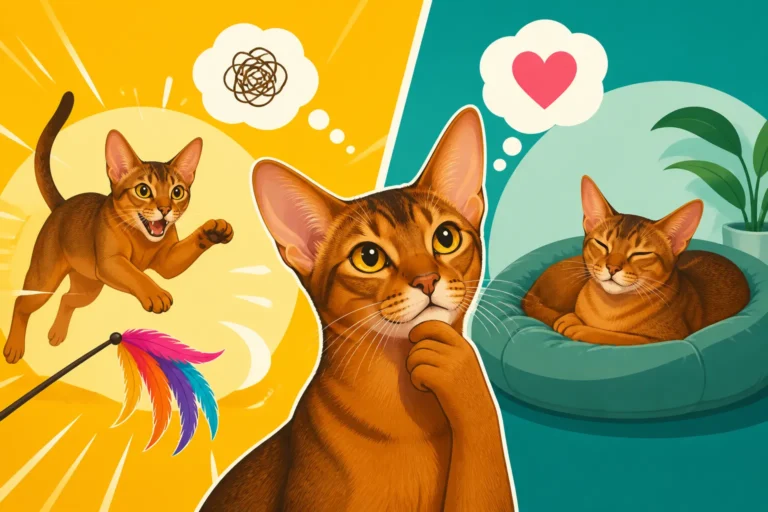
If you live with an Abyssinian, you're intimately familiar with their incredible energy levels. These cats are practically built for motion, constantly exploring, climbing, and zipping from one end of the house to the other. It's not uncommon to witness an Abyssinian spontaneously race through the house, scaling furniture or performing acrobatic leaps, just for the sheer joy of it. This isn't just a quirky personality trait; it's a reflection of their exceptionally high metabolism. Unlike many sedentary cat breeds, Abyssinians burn a significant amount of calories just living their lives. This constant expenditure means they genuinely need more fuel, and often feel a sense of hunger more frequently than their couch-potato counterparts.
Think about it from their perspective: their bodies are always on the go, always demanding energy. This inherent physiological need makes food a consistently high-value reward. A cat that's truly hungry is going to pay much closer attention when you're holding something delicious. It elevates food from a mere sustenance item to a powerful incentive, a prize worth working for. This is why you might notice your Abyssinian is far more attentive and eager during training sessions right before their usual mealtime, or if you've slightly reduced their regular portion to create that critical "training hunger." How Many Calories an Adult Abyssinian Burns explains more about their dietary needs and how they differ from other breeds.
The Abyssinian's Sharp Mind
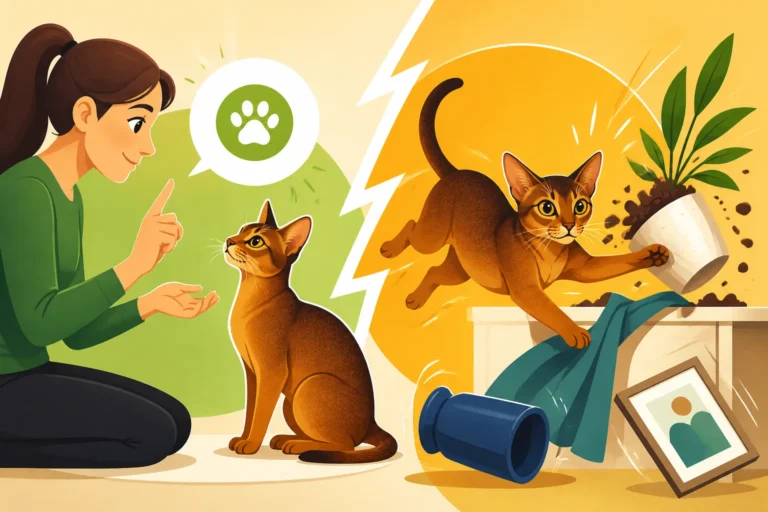
Beyond their physical energy, Abyssinians possess a remarkable intellect. They are problem-solvers by nature, keen observers, and quick learners. They figure out how to open doors, unlock cabinets, and even retrieve items they've hidden. This intelligence, while often charming, can also lead to mischief if not properly channeled. A bored Abyssinian is a destructive Abyssinian, or at the very least, one that will invent their own entertainment, which may not align with your household rules.
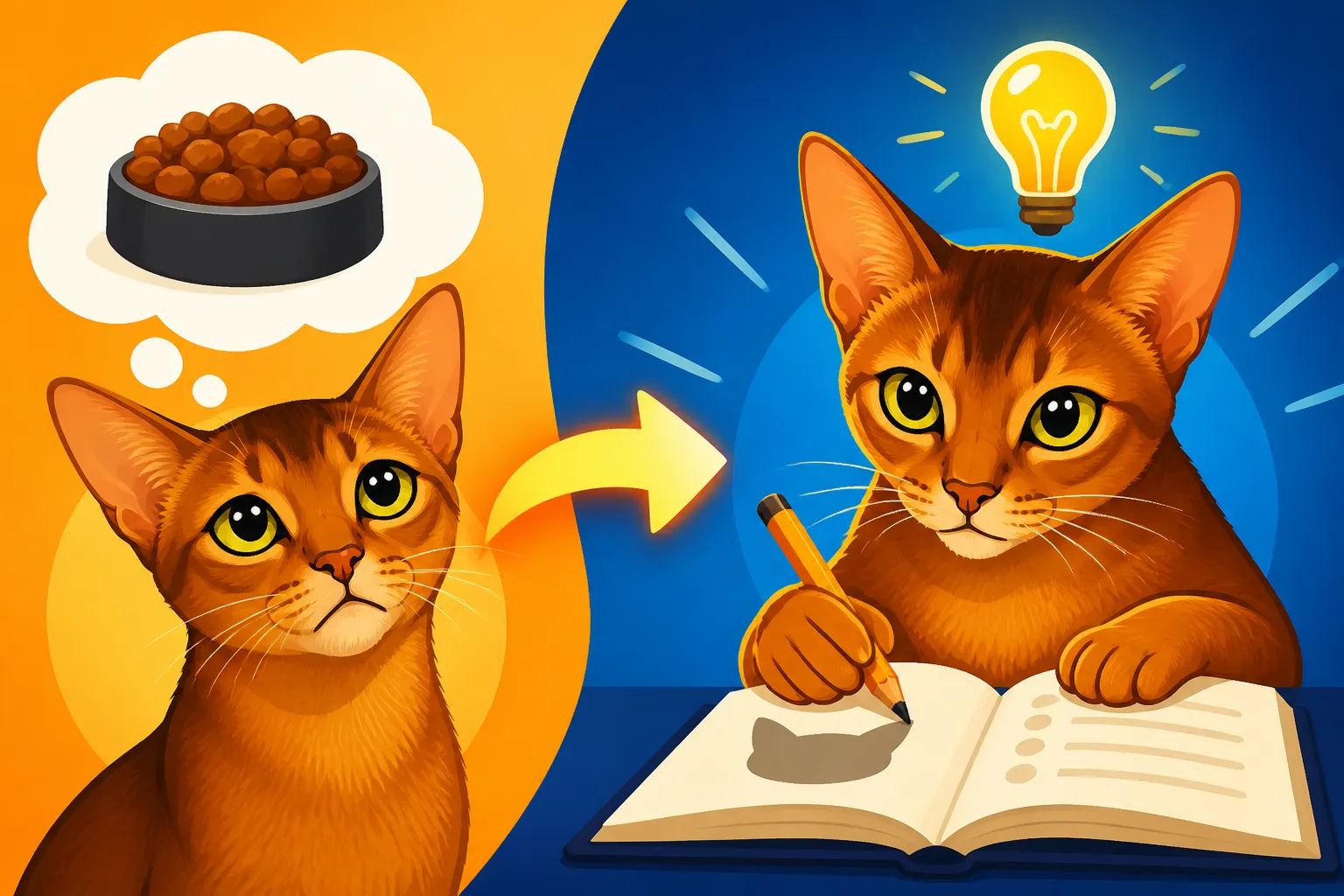
This sharp mind is a tremendous asset in training. When combined with a strong motivator like food, it creates an eager and capable student. They quickly grasp the cause-and-effect relationship between performing a desired action and receiving a tasty reward. They’re not just going through the motions; they're actively trying to understand what you want them to do to earn that delicious morsel. They will experiment with behaviors, trying to replicate what worked before, which is exactly what you want in a trainable animal. This innate intelligence means they can master complex sequences and respond to a wider range of cues than many other cats, provided you tap into their primary drivers.
Food as a Primary Motivator: Instinctual Drive
For Abyssinians, food isn't just food; it's a fundamental part of their instinctual drive. Their ancestors were likely adept hunters, constantly active in pursuit of prey. While your domestic Abyssinian doesn't need to hunt for survival, that primal instinct to seek, earn, and consume food remains incredibly strong. This makes food a "primary reinforcer"—something inherently desirable and necessary for survival, rather than a learned association. When you use food in training, you're tapping directly into this deep-seated, instinctual need.
Consider the difference between praise and a treat. While an Abyssinian will appreciate a gentle stroke or a kind word, these are secondary reinforcers, meaning their value is learned. A high-value treat, however, doesn't need to be learned; its appeal is immediate and universal. This makes it an incredibly efficient tool for quickly establishing new behaviors. When an Abyssinian is slightly hungry, that primal drive for sustenance is heightened, making them even more receptive to performing tasks that lead to a meal. It bypasses the need for complex motivations and goes straight to what truly matters to them: getting to eat.
Leveraging Hunger: Food as a Training Superpower
Understanding why hunger works is one thing, but knowing how to effectively use it in your training strategy is another. It's about timing, treat selection, and creating the right environment for learning.
Timing Is Everything: When to Schedule Training Sessions
One of the biggest mistakes cat owners make is trying to train their Abyssinian right after they've had a full meal. At that point, the primary motivator (food) has lost much of its power. A cat with a full belly is a content cat, and a content cat has little incentive to perform tricks or learn new behaviors. They're more likely to stretch out for a nap or go about their usual post-meal grooming.
The optimal time to schedule your training sessions is right before a meal, when your Abyssinian is naturally feeling a bit peckish. Instead of putting down their entire dinner in a bowl, use a portion of it as your training treats. This makes them truly "work" for their meal, fulfilling their natural foraging instincts. You can also schedule sessions between meals, provided you've managed their portion sizes throughout the day. For example, if your Abyssinian normally eats twice a day, an afternoon training session where you use a small portion of their evening meal can be highly effective. This timing ensures that their hunger instinct is gently present, making them more focused and eager to engage with you. How to Portion an Abyssinian Across Three Sittings can help you plan your feeding schedule to maximize training opportunities.
Choosing the Right Treats: High-Value Rewards
Not all treats are created equal in the eyes of an Abyssinian. While they might politely nibble at a dry kibble if truly desperate, a truly high-value treat will ignite their enthusiasm and make them willing to go the extra mile. High-value treats are typically soft, small, and intensely flavorful or aromatic. Think about what your Abyssinian really loves. Is it a tiny piece of cooked chicken? A dollop of tuna paste? Some freeze-dried salmon? Experiment to find their absolute favorites.
The key is to use treats that are easily consumable and don't require much chewing. This allows for quick repetitions during a training session without breaking the flow. Small, pea-sized pieces are ideal. Avoid large, crunchy treats that take too long to eat, as this can interrupt their focus. You can find many excellent options, including freeze-dried meats or specific training treats, on platforms like Amazon. Having a variety of high-value treats on hand means you can rotate them, keeping your Abyssinian guessing and preventing them from getting bored with the same old reward. Remember, the higher the value of the treat, the stronger the motivation for your smart Abyssinian to perform the desired action.
Understanding the "Work for Food" Concept
The "work for food" concept isn't just about training; it's a philosophy that aligns perfectly with the Abyssinian's active and intelligent nature. In the wild, cats spend a significant portion of their day hunting, stalking, and capturing food. This process is mentally stimulating and physically demanding. In a domestic setting, if food is simply presented in a bowl twice a day, they miss out on this crucial enrichment. This can lead to boredom, frustration, and even behavioral issues.
By making your Abyssinian "work" for a portion of their food, you're not just training them; you're enriching their lives. This can involve using puzzle feeders, hiding food around the house for them to discover, or, of course, using their regular meal portions as rewards during structured training sessions. This approach taps into their natural instincts, providing mental stimulation and a sense of accomplishment that goes far beyond simply eating. It teaches them that their actions have consequences and that engaging with their environment (and with you!) can lead to positive outcomes. Why Foraging Suits an Abyssinian's Mind delves deeper into the benefits of this kind of mental activity.
Practical Training Strategies for Your Hungry Abyssinian
Now that we understand the 'why,' let's dive into the 'how.' Practical application is key to successful training.
Clicker Training and Food Rewards: The Powerful Combo
Clicker training is a highly effective, positive reinforcement method that works exceptionally well with intelligent, food-motivated cats like the Abyssinian. The clicker acts as a "marker signal," precisely telling your cat the exact moment they performed the correct behavior. When paired with a high-value food reward, it creates a powerful learning loop.
Here’s how it works:
- Charge the Clicker: Start by simply clicking, then immediately giving your Abyssinian a treat. Do this 10-20 times in a short session, several times a day, until they associate the click with a reward. They learn that "click = treat."
- Lure the Behavior: Once the clicker is charged, you can start luring behaviors. For example, to teach "sit," hold a treat near their nose and slowly move it backward over their head. As their head goes up, their rear end naturally lowers. The instant their bottom touches the ground, click, and then give the treat.
- Repeat and Refine: Practice in short, frequent sessions (2-5 minutes is ideal for an Abyssinian). As they consistently sit when lured, start phasing out the lure and introduce a verbal cue like "sit" just before they perform the action.
- Proofing: Once they understand the behavior, practice in different locations and with slight distractions.
The precision of the clicker, combined with the immediate gratification of a delicious treat, accelerates learning dramatically. Your hungry Abyssinian is far more likely to focus on your cues and the treat, making the connection between action and reward much clearer. How Long It Takes to Clicker Train an Abyssinian provides more insights into this training method.
Puzzle Feeders: Making Them Earn Their Meals
Puzzle feeders are fantastic tools for Abyssinians, transforming mealtime into an engaging mental workout. Instead of simply dumping their kibble into a bowl, you can use these devices to dispense food only when your cat interacts with them in a specific way—whether it's batting a ball, pushing a lever, or extracting pieces from a maze. Many innovative designs are readily available on Amazon, from simple treat balls to more complex multi-stage puzzles.
These feeders capitalize on your Abyssinian's natural desire to hunt and problem-solve, while also leveraging their hunger. Because they have to work for their food, it provides mental enrichment and slows down their eating, which can be beneficial for digestion and preventing boredom. Start with easier puzzles to build their confidence, then gradually introduce more challenging ones. This incremental approach keeps them engaged and prevents frustration. Using puzzle feeders for a portion of their daily meals means they're not just learning in dedicated training sessions, but integrating the "work for food" principle into their daily routine. Which Puzzle Feeders Hold an Abyssinian's Attention lists some great options.
Teaching Basic Cues with Food Lures
Beyond complex tricks, food lures are excellent for teaching basic manners and ensuring your Abyssinian responds to fundamental commands.
Here are a few examples:
- Come: Stand a short distance from your Abyssinian with a high-value treat in your hand. Say their name followed by "come!" in a bright, inviting voice. As soon as they take a step towards you, offer the treat. Gradually increase the distance and add distractions. A truly hungry Abyssinian will respond to this cue with surprising speed, especially if they know a delicious reward awaits.
- Targeting: Hold a target stick (or even your finger) near your cat’s nose. When they touch it, click and treat. This can be used to direct them to specific locations, like their carrier, a cat tree, or a specific spot for grooming. It gives them a job, and the treat reinforces the correct action.
- Sit/Stay: As mentioned with clicker training, food lures are perfect for these. Once they consistently sit, you can gradually introduce a "stay" cue by taking one step back, returning to click and treat if they hold the position. Incrementally increase distance and duration.
The crucial element in all these is the food. Without that compelling reward, an Abyssinian's focus might waver, or they might decide there are more interesting things to do. By making the reward irresistible, you make yourself, the trainer, the most interesting thing in the room.
Beyond the Bowl: Sustaining Engagement and Mental Stimulation
While hunger is a powerful initial motivator, sustaining your Abyssinian's engagement requires a holistic approach that incorporates consistent enrichment and understanding their unique needs.
Enrichment Games and Foraging: Keeping Them Interested
Training shouldn't be confined to structured sessions alone. Integrating enrichment games and foraging opportunities into your Abyssinian's daily life keeps their bright minds stimulated and prevents boredom, which can lead to destructive behaviors. Abyssinians are natural explorers and climbers, so mental and physical enrichment is vital.
Here are some ideas:
- Hide-and-Seek with Treats: Hide small portions of their daily kibble or treats in various safe spots around the house—on cat trees, in puzzle toys, or even under a crumpled piece of paper. This encourages their natural foraging instincts and provides a "hunt" without the need for live prey.
- Interactive Play: Use wand toys to simulate hunting behaviors. These active play sessions, often found on Amazon, are crucial for burning off their incredible energy and satisfying their predatory drive. End the session by letting them "catch" the toy, sometimes followed by a small, high-value treat to mimic the reward of a successful hunt. How Much Play an Abyssinian Needs Each Day emphasizes the importance of these sessions.
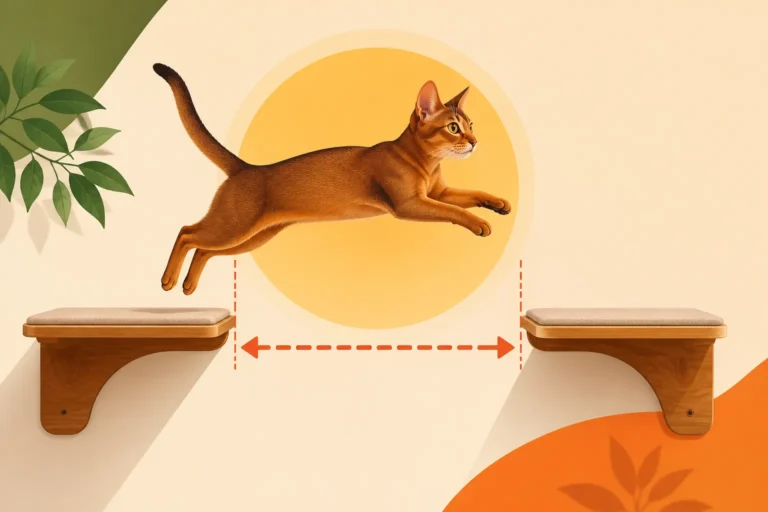
- Vertical Space: Abyssinians love to climb and observe from high vantage points. Providing tall cat trees or wall-mounted shelves satisfies this need and offers mental stimulation as they navigate their elevated territory. Why an Abyssinian Needs a Tall Cat Tree is a great resource for this.
These activities, while not always directly linked to "hunger" in the same way as a training session, reinforce the idea that engagement with their environment (and with you) leads to positive outcomes. It keeps them sharp and receptive to learning, making future training endeavors even more fruitful.
The Role of Consistency and Patience
Even with the potent motivation of food, consistency and patience are paramount in training an Abyssinian. These cats are intelligent, but they also have short attention spans and can get easily bored if sessions are too long or repetitive. Aim for frequent, short training bursts rather than one long, drawn-out session. Two to three five-minute sessions a day are far more effective than a single thirty-minute one.
Every interaction is a learning opportunity. If your Abyssinian jumps on the counter and you sometimes scold them but other times ignore it, they learn that the "rules" are inconsistent. Consistency in your responses, whether it’s for a desired behavior or an undesirable one, helps them understand what is expected. Pair this with unwavering patience. There will be days when your Abyssinian seems to have forgotten everything you've taught them, or when they're simply not in the mood. Don't get discouraged. End the session on a positive note, even if it's just rewarding them for something simple they already know, and try again later. Their learning journey is a marathon, not a sprint. What an Abyssinian Does When It Is Bored outlines behavioral problems that can occur without consistency and engagement.
Avoiding Overfeeding and Maintaining a Healthy Weight
While leveraging hunger is a powerful training tool, it's critical to do so responsibly. The goal is to create a slight hunger, not to starve your cat. Overfeeding during training can quickly lead to weight gain, which is detrimental to your Abyssinian's health. Abyssinians are naturally lean and athletic, and maintaining a healthy weight is crucial for their long-term well-being.
To prevent overfeeding:
- Calorie Count Treats: Factor in the calories from training treats as part of their daily food intake. If you're using their regular kibble as treats, simply reduce the amount in their bowl proportionally.
- Small Portions: Keep individual treats tiny. Even a small amount of high-value treat can be incredibly motivating.
- Monitor Weight: Regularly weigh your Abyssinian and monitor their body condition. You should be able to easily feel their ribs without seeing them prominently, and they should have a discernible waist when viewed from above. How to Read an Abyssinian's Body Condition Through That Coat provides guidance on this.
By being mindful of their total caloric intake, you can effectively use hunger as a motivator without compromising their health. The aim is to create a keen interest in food that drives learning, not to promote excessive consumption. Ultimately, a healthy, happy, and well-trained Abyssinian is the best reward of all.
Disclaimer
This article is for general informational purposes only and does not constitute professional advice. Laws, prices and regulations vary by location and change over time. Consult a qualified professional for guidance on your specific situation.