Whether an Abyssinian Ever Calms Down
If you're living with an Abyssinian, you've probably asked yourself, often around 3 AM as they rocket across the room, "Will this cat ever calm down?" It's a common question, born from the sheer, often overwhelming, energy of these incredible felines. This guide aims to tackle that very question head-on, giving you a realistic understanding of the Abyssinian's lifelong zest and how their boundless energy can be beautifully managed, not just endured.
The Abyssinian's Innate Dynamo: More Than Just Hyperactivity
Let's be clear from the start: Abyssinians are not your average chill, lap-lounging cat. They are the Olympians of the feline world, built for speed, agility, and an almost relentless pursuit of activity. Their energy isn't a temporary kitten phase; it's a fundamental part of their genetic makeup and breed personality. They come wired for action, curiosity, and interaction, making them incredibly engaging companions, but also demanding ones.
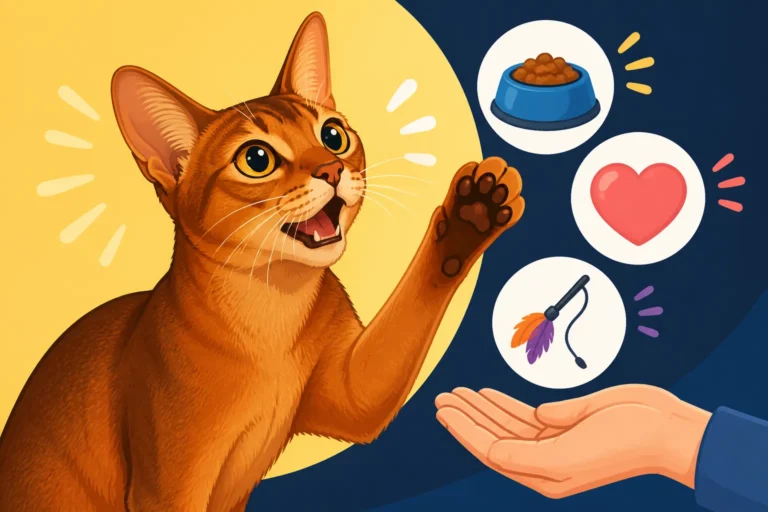
You'll notice it from the moment you bring an Abyssinian kitten home. They're into everything, climbing curtains, exploring every nook and cranny, and engaging in intense play sessions that would exhaust a less energetic breed. This isn't naughtiness; it's simply an Abyssinian being an Abyssinian. They have a profound need to move, investigate, and interact with their environment and their people. They're often described as having a "dog-like" personality because of their involvement in household activities. They want to be where the action is, observing, participating, and often initiating the fun. For more on their general activity levels, you might find The Abyssinian Is the Busiest Cat in the House a fascinating read.
This inherent energy means they require significant mental and physical stimulation. A bored Abyssinian is often a destructive Abyssinian, not out of malice, but out of a desperate need to find something, anything, to do. If you've come home to rearranged shelves or opened cabinets, you know exactly what I mean. Their minds are as sharp as their bodies are agile, and they thrive on challenges. This breed truly embodies the phrase "curiosity killed the cat," though in their case, it's more likely curiosity just opened the pantry door.
Understanding the "Calming Down" Myth
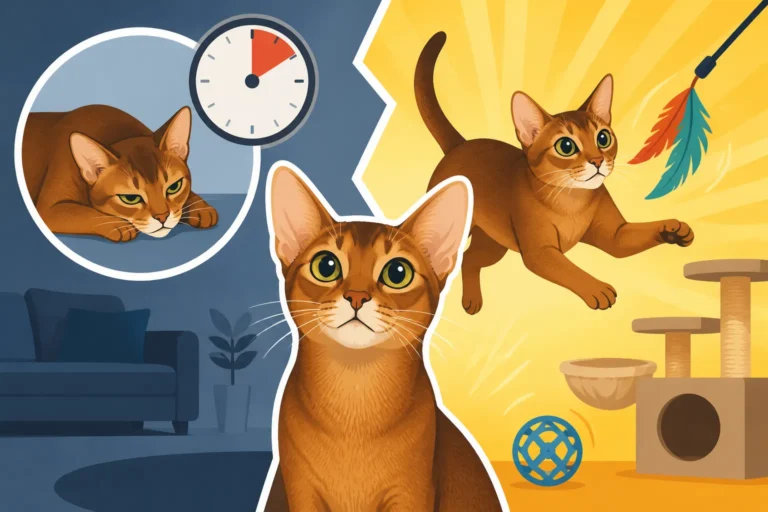
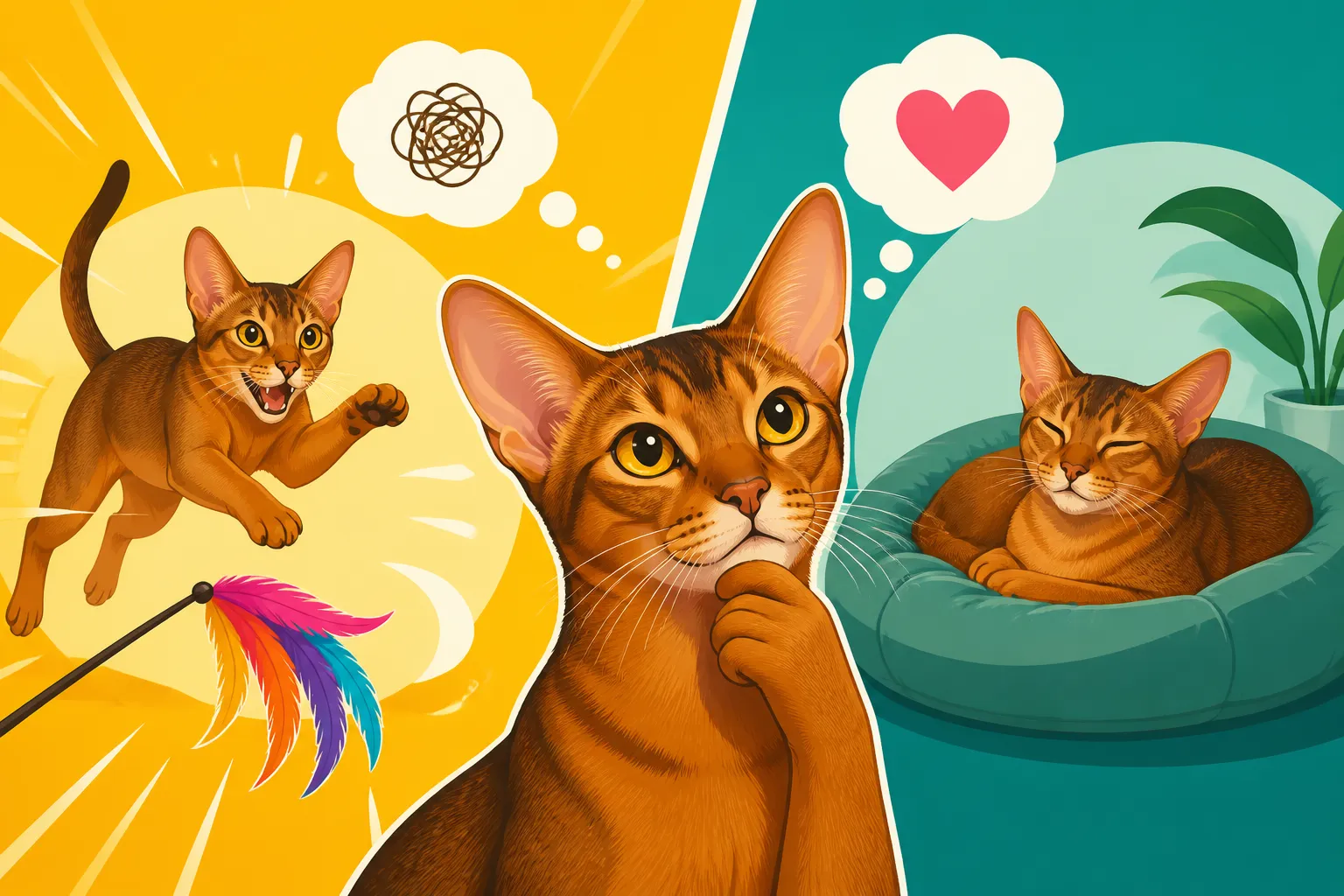
The idea that an Abyssinian will suddenly "calm down" and transform into a sedate housecat is, unfortunately, largely a myth. It sets owners up for disappointment and misunderstanding. What actually happens is a gradual shift in how their energy is expressed and how you learn to manage it, rather than a fundamental change in their intrinsic drive.
They won't ever become completely still creatures. They'll always retain a spark, a desire for play, and a need to explore. Expecting them to suddenly stop their five-AM zoomies or their insistent demands for playtime is unrealistic. Think of it less as "calming down" and more as "maturing into their energy." A mature Abyssinian might spend less time chasing imaginary prey at top speed and more time strategizing how to get onto the highest bookshelf, or engaging in a more focused game of fetch. They might still wake you at dawn, but perhaps with a gentle nudge instead of a full-body pounce. This is why understanding What Age an Abyssinian Finally Settles is important – it's often more about consistency in routine than a sudden change in temperament.
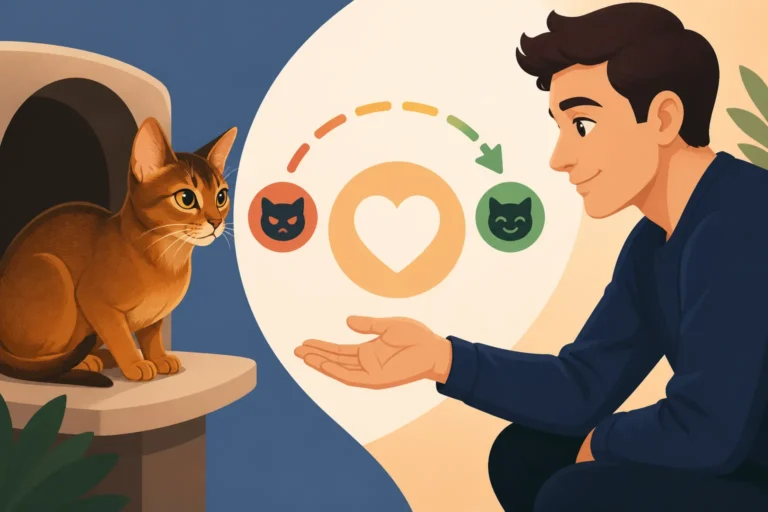
It’s crucial to distinguish between true calming and simply learning boundaries or finding appropriate outlets for their energy. A well-adjusted adult Abyssinian will have learned the household rules and will typically channel their energy into acceptable activities because their owners have provided ample opportunities. They learn that certain toys are for vigorous play, and that climbing the cat tree is encouraged, while scaling the curtains is not. They still have the energy, but they've learned where and when it's appropriate to unleash it.
| Abyssinian Life Stage | General Energy Level Description | Owner Approach |
|---|---|---|
| Kitten (0-1 year) | Relentless, boundless, destructive if bored, constant exploration. | High interaction, consistent play sessions (multiple short bursts), kitten-proofing home, early training. |
| Young Adult (1-3 years) | Very high, still intensely playful, intelligent, prone to mischief, requires significant enrichment. | Structured playtimes, puzzle feeders, vertical space, leash training, consider a companion. |
| Mature Adult (3-7 years) | High, but more refined. Energy is purposeful, focused. May initiate play less often but still eager. | Maintain routine, continue enrichment, introduce new challenges, observe for changes in play style. |
| Senior (7+ years) | Moderate to high. Still playful, but with shorter bursts. May prefer gentler games. Still enjoys interaction. | Adapt play to their physical ability, ensure comfort in high places, monitor health, prioritize mental stimulation. |
Managing Energy Levels Through Enrichment, Not Suppression
Since "calming down" isn't really in an Abyssinian's vocabulary, our job as their human companions is to provide outlets for that incredible energy. This means enrichment, enrichment, enrichment! It's about channeling their natural instincts into positive behaviors, rather than trying to suppress what makes them so unique and wonderful.
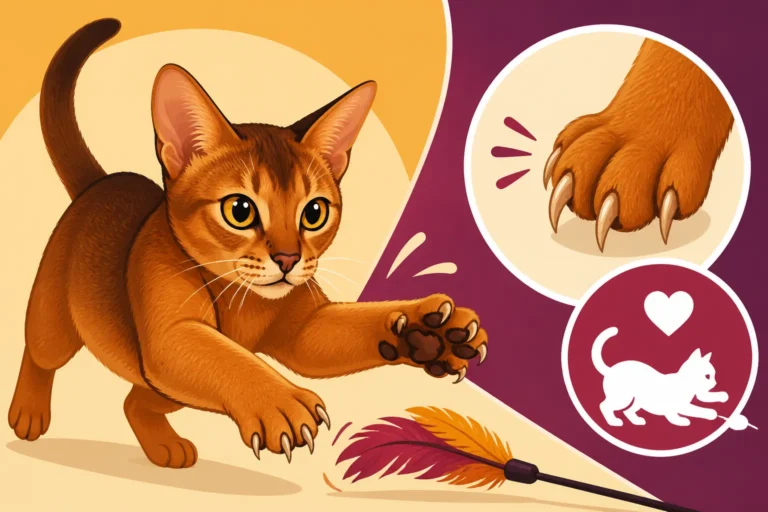
One of the most effective ways to manage their energy is through consistent, interactive playtime. Abyssinians thrive on engaging with their people. Wand toys, laser pointers (used responsibly to avoid frustration), and fetch games are all fantastic. They love to chase, pounce, and "hunt." Instead of one long play session, consider multiple shorter bursts throughout the day. This aligns better with their natural hunting patterns and helps burn off steam. You might find some excellent strategies in How to Split an Abyssinian's Play Into Sessions. Look for durable, interactive toys on platforms like Amazon that can withstand their enthusiastic play. Many owners swear by specific wand toys with interchangeable lures to keep things fresh.
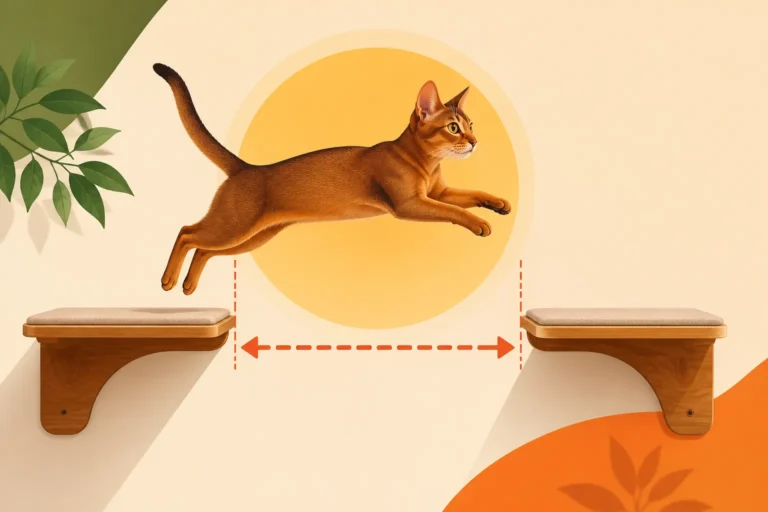
Vertical space is another non-negotiable for this breed. Abyssinians are climbers, observers, and they love being up high. Investing in tall, sturdy cat trees, wall-mounted shelves, or even repurposing existing furniture for safe climbing routes can make a huge difference. These spaces provide both exercise and a sense of security, allowing them to survey their domain from above. For ideas on creating this environment, check out Why an Abyssinian Needs Height More Than It Needs Floor. You can find fantastic multi-level cat trees and wall-mounted cat furniture kits from various sellers on Amazon to transform your living space into an Abyssinian paradise.
Mental stimulation is just as important as physical exercise. Puzzle feeders, which require your Abyssinian to work for their food, are brilliant for engaging their intelligent minds. You can hide treats in various places around the house for them to "forage" for, tapping into their natural hunting instincts. Teaching them tricks with a clicker can also be incredibly rewarding for both of you. Abyssinians are remarkably intelligent and enjoy learning, especially if treats are involved! You can find a wide range of puzzle feeders and clicker training kits on Amazon. Some Abyssinians even take well to leash training, allowing them to explore the outdoors safely. If that sounds intriguing, our guide on How to Leash Train an Abyssinian offers practical advice.
Age-Related Changes and the Senior Abyssinian
While a young Abyssinian's energy can feel like a perpetual whirlwind, there are certainly shifts as they move into maturity and then their senior years. This isn't "calming down" in the traditional sense, but a natural evolution of their activity levels.
As Abyssinians mature, usually around 3-4 years old, their energy might become a bit more focused and less chaotic. They might still have bursts of intense activity, but these could be interspersed with more periods of thoughtful observation or contented napping. They're still high-energy, but perhaps a bit more discerning about when and how they expend that energy. They might not initiate play quite as frantically, but they'll be just as eager to join in if you offer.
When they reach their senior years, typically around 7-10 years old, you'll naturally see a more noticeable decrease in their overall activity. They might not jump quite as high, or run quite as fast. Joint stiffness and other age-related health issues can start to emerge, making prolonged bursts of energy more challenging. However, their playful spirit usually remains intact. An older Abyssinian might still enjoy a gentle game with a feather wand or a puzzle feeder that doesn't require too much acrobatics. They might choose to nap in a sunny spot more often, but they'll still be present, watching, and participating from a distance. The article What an Old Abyssinian Slows Down From goes into more detail about these changes.
It's crucial to adapt your play and enrichment strategies for a senior Abyssinian. Keep them moving, but gently. Offer ramps or steps to help them reach their favorite high perches if jumping becomes difficult. Continue mental stimulation with puzzle toys and interactive games that don't strain their bodies. Regularly monitoring their health with your vet is paramount to ensure any discomfort is managed, allowing them to maintain as much of their cherished activity as possible. While their physical energy may wane, their need for connection and mental engagement endures. For ideas on keeping them active and engaged, explore How an Abyssinian's Play Changes After Ten and How to Keep an Old Abyssinian Climbing Safely.
In essence, your Abyssinian will always be an active, curious, and engaged companion. They won't suddenly become a sedentary lap cat. What changes is how you understand, anticipate, and channel that incredible energy through consistent enrichment and interaction, allowing them to thrive and bringing you endless joy in return.
Disclaimer
This article is for general informational purposes only and does not constitute professional advice. Laws, prices and regulations vary by location and change over time. Consult a qualified professional for guidance on your specific situation.