How to Recall Train an Abyssinian
Anyone who has lived with an Abyssinian knows their fierce independence and boundless energy. While they love their people, getting them to reliably come when called can feel like asking a cloud to sit still. This guide is here to walk you through the real talk about recall training your Abyssinian, making it a positive, rewarding experience for both of you, and turning that seemingly impossible "come here!" into a consistent reality.
Understanding the Abyssinian Mindset for Recall
Let's be honest: cats aren't dogs. They don't have an innate desire to please us in the same way, nor do they often operate on a "pack mentality." Abyssinians, with their intelligent and often wilful nature, take this to another level. They're constantly assessing the situation, weighing whether coming to you is truly worth their while, or if that dust bunny under the sofa offers a more compelling adventure. This isn't defiance; it's just pure, unadulterated Abyssinian pragmatism.
Why "Come" Isn't Instinctive for a Cat
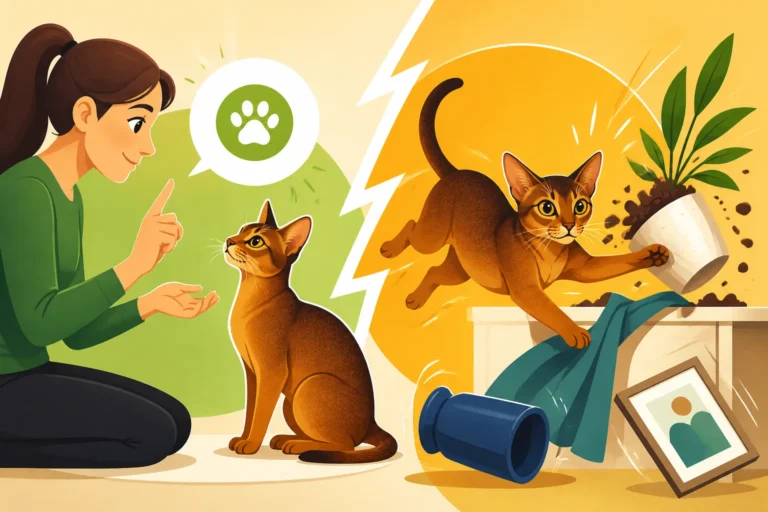
Unlike dogs, who have been selectively bred for centuries to work alongside humans and respond to commands, cats pretty much domestication on their own terms. For a cat, especially one as active and curious as an Abyssinian, their world is a rich tapestry of sights, sounds, and smells, all demanding their immediate attention. When you call them, they're not thinking "Oh, my human needs me!" but more likely, "Is what they're offering better than hunting that imaginary fly?" Their natural instincts tell them to explore, hunt, and survey their territory, not necessarily to interrupt a fascinating mental calculation just because you uttered a sound. This is why a simple verbal cue needs to be strongly associated with something incredibly positive. Trying to force an Abyssinian to obey will lead to nothing but frustration for both of you, and potentially damage your bond. You'll quickly learn that for an Abyssinian, everything is a negotiation.
The Importance of Positive Reinforcement
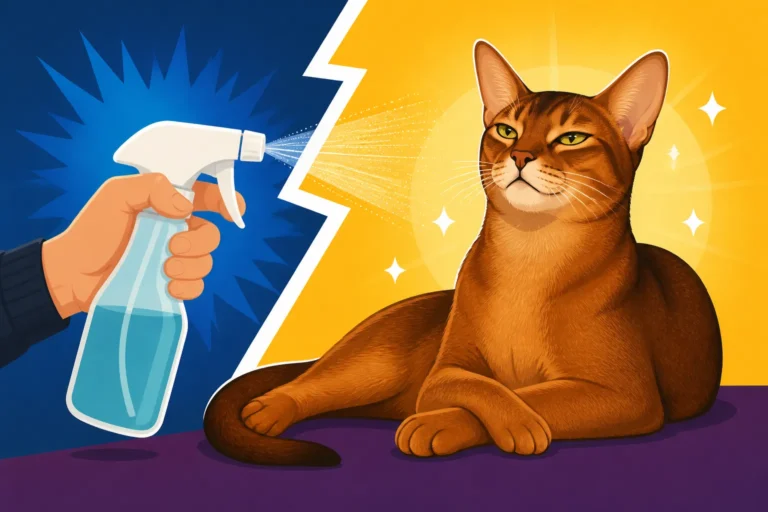
With a cat, particularly an Abyssinian, positive reinforcement isn't just a training method; it's the only training method that works. Forget stern words, scolding, or anything that remotely resembles punishment. An Abyssinian will simply learn to avoid you or the situation altogether, quickly forming negative associations that are incredibly hard to break. They thrive on reward, praise, and making connections between their actions and desirable outcomes. If they come when you call, and something amazing happens (a super tasty treat, an engaging play session), they are far more likely to repeat that behavior. You're not coercing them; you're convincing them that choosing to come to you is their idea, and it's always the best choice. This approach taps into their intelligence rather than trying to suppress their independence. It builds trust and strengthens your relationship, transforming a command into an invitation they genuinely want to accept. For an Abyssinian, learning often hinges on what's in it for them. Why an Abyssinian Comes When It Feels Like It can really highlight this aspect of their personality.
Setting the Stage for Successful Recall Training
Before you even utter your first "come," a little preparation goes a long way. Think of it like setting up a high-stakes treasure hunt where your Abyssinian is the intrepid explorer, and you're the one holding the map to the ultimate prize. The clearer the map and the more enticing the treasure, the more likely they are to follow your lead. This isn't just about yelling a word; it's about creating an irresistible experience.
Choosing Your Recall Cue and High-Value Rewards
First things first: decide on a consistent, short, and clear verbal cue. "Come," "Here," "Treat time," or even a specific whistle are all good options, but pick one and stick with it. Consistency is paramount. Next, and arguably most important for an Abyssinian, you need to identify their absolute favorite, high-value rewards. We're not talking about their everyday kibble here. We're talking about the stuff they would cross oceans for. Think small pieces of cooked chicken, freeze-dried salmon, or those delectable lickable treats like Churu or Inaba Churu Squeeze Tubes. These high-value treats should be exclusive to recall training, at least initially. If they get them all the time for nothing, they lose their special appeal. You can find a fantastic selection of these specialized cat treats on Amazon, often in multi-packs, perfect for training. The goal is to make the reward so good that it overrides any other distraction. Which Treats an Abyssinian Will Actually Work For goes into more detail on finding the perfect high-value items.
The Power of the Clicker
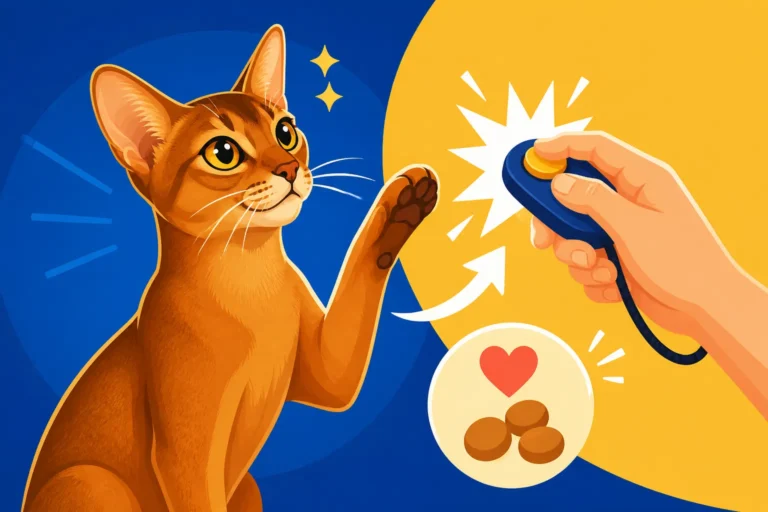
A clicker is an incredibly powerful tool for training any animal, and especially a smart, quick-witted Abyssinian. It acts as a precise marker, telling your cat exactly the moment they performed the desired behavior. The click is instantaneous, removing any ambiguity that might occur if you just used your voice. Before you start recall training, you'll need to "charge" the clicker. This is simple: click, then immediately give a high-value treat. Repeat this about 10-20 times in a quiet session, then do another session later. Your Abyssinian will quickly learn that the click predicts something wonderful is coming. Once they associate the click with a reward, it becomes a powerful signal. When they move towards you, even a tiny step, you can click, and they instantly know that specific movement is what you wanted. Why Clicker Training Works on an Abyssinian details this process perfectly. You can easily pick up a reliable clicker with a wrist strap from Amazon, making it convenient to always have on hand during training sessions.
Understanding Your Abyssinian's Motivation
Abyssinians are naturally playful and inquisitive, and their strong prey drive can be leveraged for training. While high-value food treats are often the primary motivator, don't underestimate the power of a favorite wand toy or a short, intense play session as a reward. Observing How an Abyssinian Signals It Wants Something will help you understand their unique forms of communication and what truly excites them. Some Abyssinians might prefer a vigorous game of chase with a feather wand over any treat, while others are purely food-motivated. Tailor your rewards to your individual cat. The key is to make coming to you the most desirable outcome in any given moment, and what defines "desirable" can vary from one Abyssinian to the next, and even from day to day for the same cat!
Step-by-Step Recall Training in Action
Now that you've got your tools ready, it's time to put theory into practice. Remember, patience is key, and short, frequent sessions are far more effective than long, drawn-out ones. Your Abyssinian has a busy mind and a short attention span for anything that isn't their idea, so keep it fun and snappy!
Starting in a Quiet Environment
Begin in a small, quiet room with minimal distractions. This could be a bedroom, a bathroom, or even a large closet, just somewhere your Abyssinian can focus on you.
- Get Ready: Have your clicker and high-value treats ready in your hand or pouch.
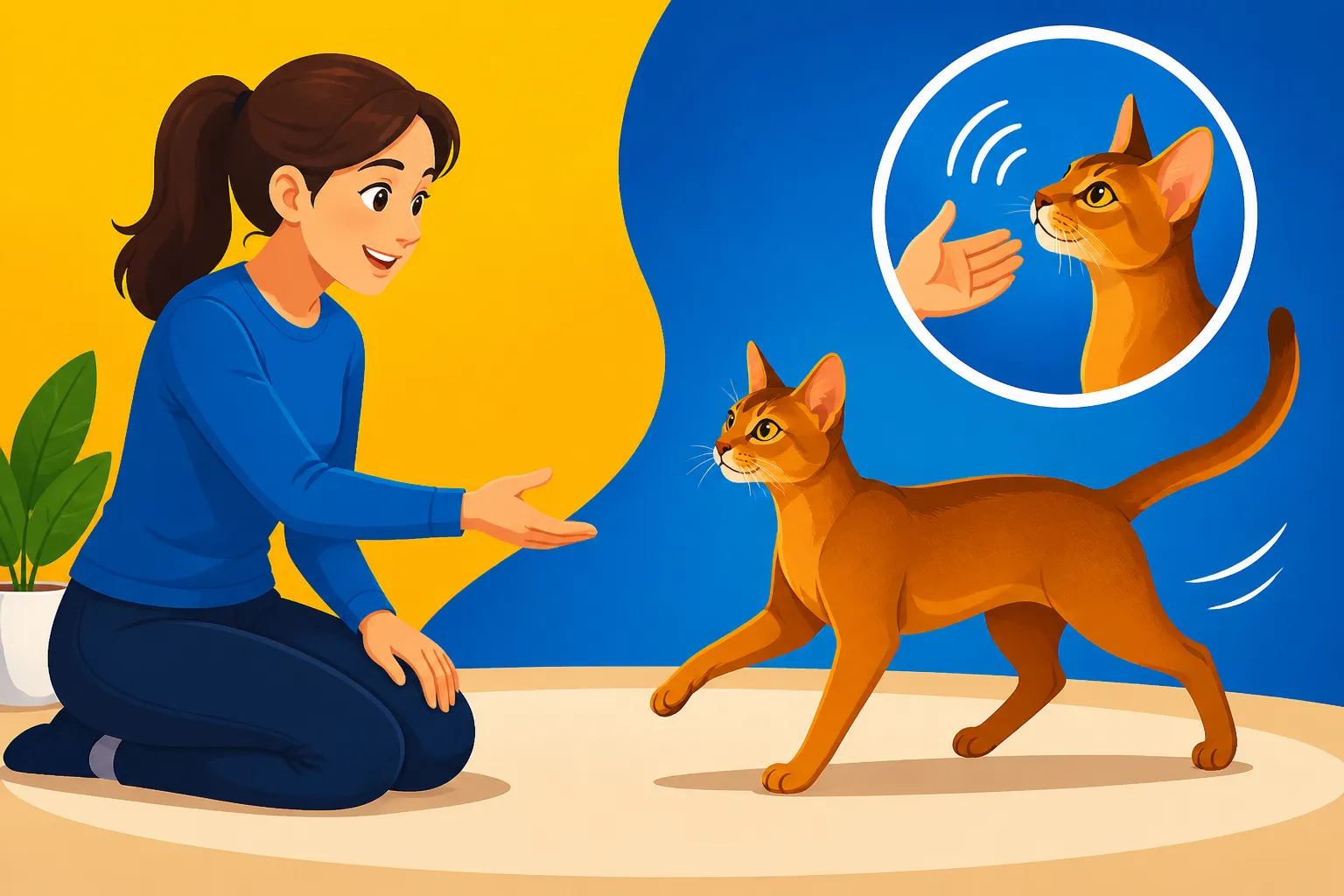
- Initial Call: Start by simply kneeling or sitting a short distance from your Abyssinian (a few feet away). Say your chosen recall cue (e.g., "Come, kitty!"), and as soon as your cat makes any movement towards you – even just looking at you or twitching an ear in your direction – click and immediately offer the treat.
- Encourage Movement: If they don't move immediately, gently tap the floor near you or show them the treat to entice them. As soon as they take a step towards you, click and treat. The goal is to reward any step in the right direction.
- Repeat, Repeat, Repeat: Do this 5-10 times in a session. Keep sessions very short (2-5 minutes) to prevent boredom. You want to end on a high note.
- Increase Distance: Once your Abyssinian is consistently coming to you from a few feet away, gradually increase the distance. Move across the room, or even just around a piece of furniture. Always click and treat as they arrive or just before they reach you.
This foundational stage is crucial. Don't rush it. You're building a strong, positive association that will serve as the bedrock for more advanced training.
Gradually Increasing Distance and Distractions
Once your Abyssinian is reliably coming to you in a quiet room, it's time to slowly up the ante.
- New Locations: Move your training sessions to different rooms in the house, each with slightly more distractions. Start again with a short distance and gradually increase it. A hallway, the living room, or even the kitchen (if there aren't too many enticing smells) are good next steps.
- Mild Distractions: Introduce very mild, controlled distractions. This could be another person sitting quietly in the room, a very soft radio playing, or a small, non-moving toy in their line of sight. Call, click, treat. If they get too distracted, reduce the distraction level or distance and try again.
- The "Hide and Seek" Game: This is where it gets fun for an Abyssinian! Hide behind a door, a sofa, or in another room, then call your cat. When they come searching for you, and find you, click and give that super reward. This teaches them to seek you out when they hear the cue, which is excellent for real-world situations.
- Controlled Outdoor Environments: If you have a secure catio or are considering harness training, this is where recall becomes invaluable for safety. Start recall training inside the catio first, or in a very quiet, secure area of your yard while on a harness. The outdoor environment is full of overwhelming new stimuli, so start small and with the highest value rewards. For tips on getting them comfortable with gear, see How to Harness Train an Abyssinian Without a Fight.
Remember, progress isn't linear. Some days will be better than others. Always make sure the reward is still high-value enough to compete with the new distractions.
Making Recall a Game, Not a Chore
Abyssinians are naturally playful, and incorporating recall into their playtime makes it much more engaging. This breed needs How Many Hours a Day an Abyssinian Stays Active, and training can be part of that!
- Play and Call: During a session with their favorite wand toy (which you can easily find on Amazon), engage them in a chase. Just as they're about to "catch" the toy, pull it away, say your recall cue, and then reward their coming with the actual catch of the toy and praise. This teaches them that coming to you leads to more fun.
- Fetch Integration: If your Abyssinian enjoys fetching (and many do!), use your recall cue before throwing the toy. When they bring it back, click and offer a treat, then throw the toy again. This reinforces the idea that returning to you is part of the game. How to Teach an Abyssinian to Fetch offers great insights here.
- Food Puzzles: While not direct recall training, puzzle feeders, also readily available on Amazon, can mentally stimulate your Abyssinian and reinforce their association with you as the source of good things. Call them to the puzzle feeder, for example, making them 'come' before they can access the hidden treats. Why Foraging Suits an Abyssinian's Mind explains why this type of enrichment is so beneficial.
The key is to keep it light, fun, and always positive. Never get frustrated if they don't respond immediately. Just reset, simplify, and try again with even more enticing rewards.
Maintaining and Troubleshooting Your Abyssinian's Recall
Recall training isn't a "one and done" deal. Like any skill, it needs regular practice and reinforcement to stay sharp, especially with a clever cat like an Abyssinian. There will be times when they choose to be a typical independent cat, but with consistent effort, you can make "come" a command they generally respect.
Consistency is Key
The absolute golden rule of recall training is consistency.
- Always Reward: Every single time your Abyssinian comes when called, always reward them. It doesn't have to be a huge party every time, but a small, tasty treat or a moment of enthusiastic praise should always follow. If you call them and don't reward, you're weakening the association you've worked so hard to build.
- Don't Use for Negative Things: Never use your recall cue to call your Abyssinian for something they dislike, such as being put into a carrier for a vet visit or an unwelcome bath. If you do, they will quickly form a negative association with the cue and learn to ignore it. Instead, if you need to do something unpleasant, simply go get them without using the recall cue.
- Random Practice: Practice recall in various situations and at random times throughout the day, not just during dedicated training sessions. Call them when they're lounging, when they're playing, or when they're just walking past. This keeps the skill fresh and prevents them from associating the cue only with specific training times.
What to Do When Your Abyssinian Ignores You
Let's face it, your Abyssinian will, at some point, decide that whatever they're doing is far more interesting than your voice. It's frustrating, but it's part of living with these clever creatures.
- Don't Repeat the Cue: If you call and they ignore you, resist the urge to repeat the cue over and over. This teaches them that they don't need to respond immediately and that the cue is simply background noise.
- Re-evaluate the Reward: Is your high-value treat still high-value enough? Maybe they're bored with it, or the distraction is simply too compelling. Try an even better treat or a different type of reward (play, petting).
- Reduce Distraction: If they're consistently ignoring you, go back to a less distracting environment. Reset the situation and build back up. It's okay to take a step back in training.
- Go Get Them (Quietly): If they truly ignore you and you need them, simply go and calmly retrieve them without making a fuss or using the recall cue. Avoid chasing, as this can turn into a game for them, or worse, make them fear you.
- Check for Underlying Issues: If an Abyssinian suddenly becomes withdrawn or stops responding to things they usually would, it could be a sign of illness. What a Quiet Abyssinian Is Telling You is a great resource for understanding subtle changes in their behavior that might warrant a vet visit.
When Recall Becomes a Safety Net
For an indoor Abyssinian, a reliable recall can literally be a lifesaver. Accidents happen; a door might be left ajar, or an unexpected visitor could cause a dash for freedom. Why an Abyssinian Should Not Roam Outdoors is a crucial read, highlighting the many dangers that await an uncontained cat.
- Emergency Situations: Imagine a momentary lapse where your Abyssinian spots an open garage door or a squirrel outside an open window. A strong recall cue, backed by months of positive association, could be the difference between a quick return and a lost cat. This is where those exclusive, high-value treats truly earn their keep.
- Vet Visits and Emergencies: While you shouldn't use the recall cue for putting them in a carrier, a reliable "come" can be invaluable if you need to quickly locate your cat in an emergency, or if they've hidden due to fear or pain.
- House Management: Beyond safety, recall makes everyday life easier. Want them out of the kitchen while you cook? Need them to move from a precarious shelf? A well-trained recall, coupled with a generous reward, makes these situations manageable rather than a battle of wills.
Recall training an Abyssinian takes dedication and an understanding of their unique personality, but the bond it builds and the safety it provides are immeasurable. It's an ongoing journey of mutual respect and delicious treats!
Disclaimer
This article is for general informational purposes only and does not constitute professional advice. Laws, prices and regulations vary by location and change over time. Consult a qualified professional for guidance on your specific situation.