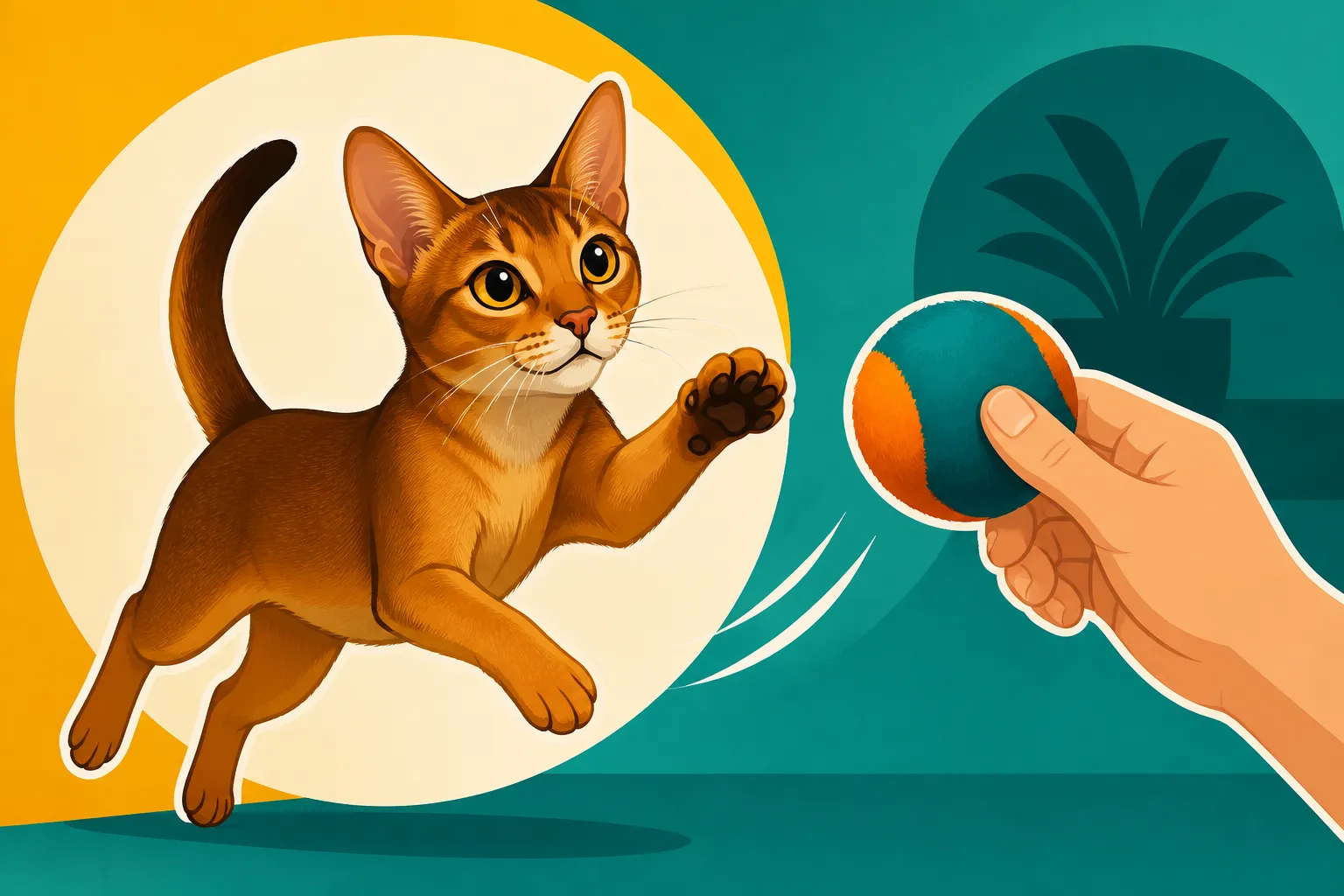
How to Teach an Abyssinian to Fetch
If you've ever watched your Abyssinian tear through the house, scaling shelves and pouncing on imaginary prey, you might have wondered if all that boundless energy could be channeled into something productive, or even just plain fun. The truth is, many Abyssinian owners find themselves a bit overwhelmed by their cat's relentless drive. This guide is here to walk you through how to transform that natural prey instinct into an engaging game of fetch, turning a common cat frustration into a delightful interaction for both of you.
Understanding the Abyssinian's Natural Instincts for Fetch
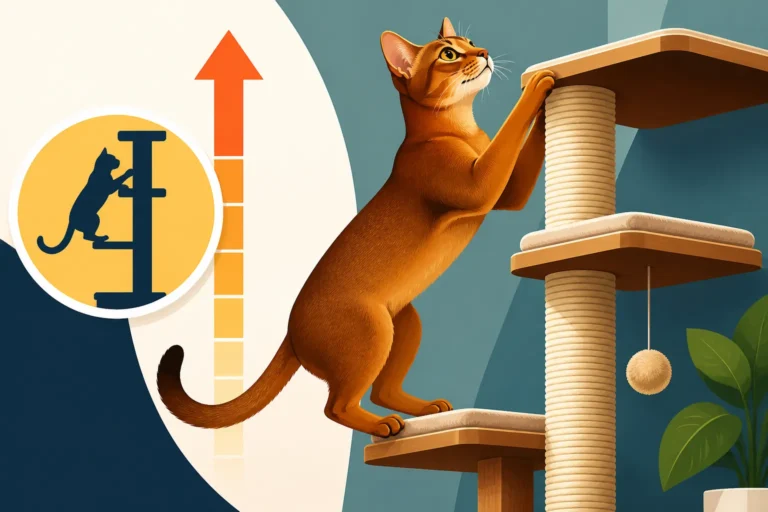
Abyssinians are not your typical lounge-lizard cats. They are incredibly athletic, intelligent, and driven by a strong desire to interact with their environment and their people. This isn't just random hyperactivity; it's a deep-seated set of instincts that makes them uniquely suited for activities like fetching. Tapping into these natural behaviors is key to successful training.
Their Built-in Prey Drive and Energy Levels
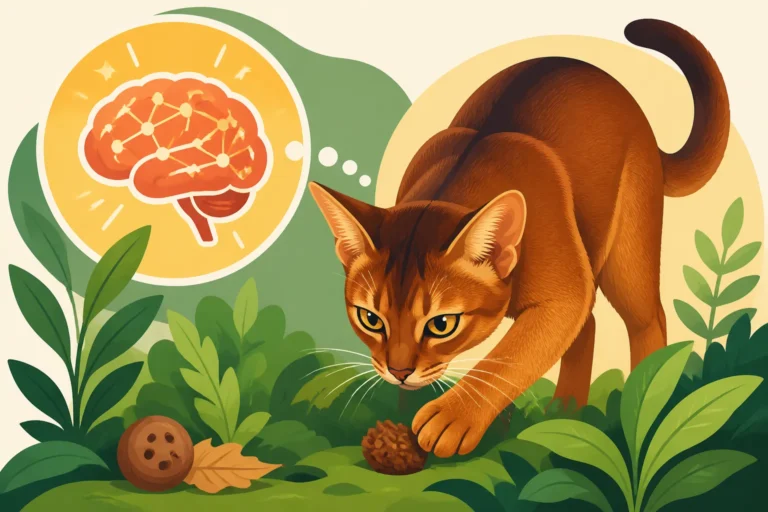
Let's be honest, your Abyssinian acts more like a tiny jungle cat than a fluffy house pet, right? That's because they possess an incredibly strong prey drive, a primal urge to hunt, chase, and capture. When you throw a toy, their instincts kick in immediately. They see it as a small creature attempting to escape, and their mission is to "capture" it. This isn't something you teach them; it's something they already have in spades.
The sheer energy of an Abyssinian is legendary. How Many Hours a Day an Abyssinian Stays Active is a question many owners ask, often through tired smiles. They don't just run around; they explode with activity, often for extended periods. This high energy means they need outlets, and games like fetch provide a fantastic way to burn off steam both physically and mentally. A bored Abyssinian is often a mischievous Abyssinian, so channeling that energy into interactive play can actually save your furniture and sanity! When they're given a constructive way to express their hunting instincts, like chasing a tossed toy, they are much less likely to invent their own "games" that might involve knocking your favorite vase off a shelf or "hunting" your feet under the covers at 3 AM.
Their Intelligence and Curiosity
Abyssinians are famously smart. They watch, they learn, and they experiment. This isn't just about figuring out how to open cabinets – though they're certainly adept at that! Their intelligence means they can understand cause and effect, and they can connect a thrown toy with the reward of interaction and praise from you. They are naturally curious and love to explore new situations and objects, which makes them open to new games and training opportunities.
This breed thrives on mental stimulation as much as physical exertion. A game of fetch isn't just about running; it involves problem-solving, anticipation, and interaction. They have to process the flight path of the toy, calculate the pounce, and then decide what to do with their "prey." For a smart cat like an Abyssinian, this mental engagement is incredibly satisfying. It satisfies their need to "work" and keeps their sharp minds from getting into trouble out of sheer boredom. This intelligence also means they'll quickly pick up on your cues and expectations, making the training process much smoother than you might expect for a cat.
Gathering Your Fetch Training Toolkit
Before you dive headfirst into fetch training, it's a good idea to set yourself up for success with the right tools and environment. This isn't just about having the right toys; it's about creating an atmosphere where your Abyssinian feels comfortable, stimulated, and ready to engage with you.
Choosing the Right Toys
The type of toy you use can make or break your fetch training efforts. Abyssinians are discerning hunters, and they often have strong preferences. You'll want something light enough for them to pick up easily, small enough to carry in their mouth, and intriguing enough to capture their attention. Often, the best fetch toys mimic natural prey. Think small, soft, and easy to bat around.
Some popular choices include:
- Crinkle Balls: These are often a huge hit because they make a satisfying crinkling sound when batted, which stimulates their auditory hunting senses. They're lightweight and easy for an Abyssinian to pick up and carry.
- Springs: Simple plastic springs can be surprisingly engaging. They bounce erratically, mimicking unpredictable prey movement, and are easy for cats to grab.
- Soft Mice or Birds: Toys made from rabbit fur, felt, or even tightly rolled fabric often resemble small animals, tapping directly into their hunting instincts. Look for ones without small, easily detachable parts that could be swallowed.
- Small Pompoms: Especially those with a bit of sparkle or texture. They're lightweight and fun to chase.
When selecting toys, consider what your individual Abyssinian already enjoys. Do they prefer noisy toys or silent ones? Do they like to bat things around or stalk and pounce? Observe their current play habits. Which Wand Toy an Abyssinian Prefers might offer clues about their general toy preferences, even though you won't be using a wand for fetch itself. Variety is also key; rotating toys helps keep their interest piqued. Many owners find a good selection of these small, engaging toys easily available on platforms like Amazon, making it simple to test out different options to see what your particular cat enjoys most.
Creating a Positive Training Environment
The environment where you train your Abyssinian is just as important as the toys you choose. You want a space that is safe, free from distractions, and encourages active play. Think about where your cat already feels most comfortable and playful.
First, choose a quiet area of your home. A long hallway, a clear living room, or a spare bedroom works well. You don't want other pets, loud noises, or sudden movements to interrupt your cat's focus. Abyssinians are high-energy, but they can also be easily distracted. Clear the area of anything fragile or that could be knocked over during an enthusiastic chase. Remember, these cats can jump incredibly high and quickly, so secure anything valuable.
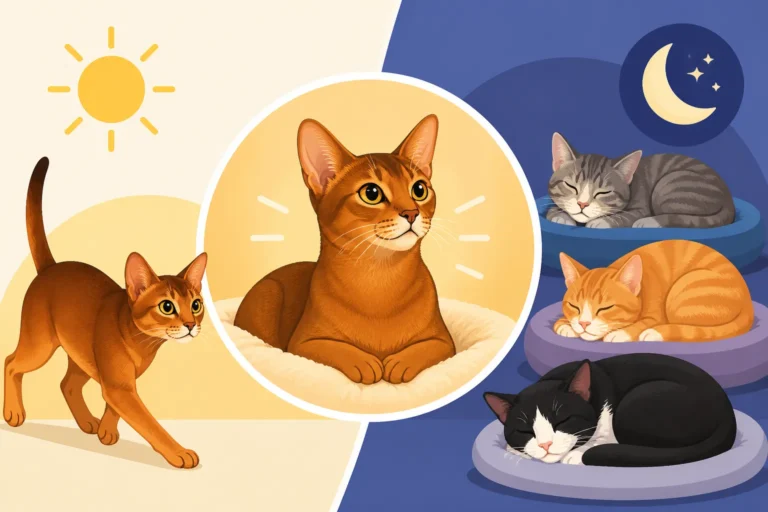
Also, consider the timing. Your Abyssinian is likely most active during certain parts of the day, often in the early morning or evening. These are prime times for training, as their natural energy levels will be at their peak. Trying to teach fetch when your cat is sleepy or just finished a big meal will likely lead to frustration for both of you. Short, frequent sessions (5-10 minutes each) are far more effective than one long, drawn-out session. You want to end the session while your cat is still eager to play, leaving them wanting more. This keeps the experience positive and exciting for them.
The Step-by-Step Guide to Teaching Fetch
Teaching an Abyssinian to fetch is less about "training" in the traditional sense and more about guiding their natural instincts. You're not forcing them to do something unnatural; you're simply helping them refine a behavior that is already coded into their DNA. The key is patience, consistency, and making it incredibly fun and rewarding for your cat.
Introducing the Toy and Engaging Play
Start by identifying a toy your Abyssinian absolutely adores. This is crucial for capturing their attention. Once you have their "favorite," begin with simple, interactive play. Sit on the floor with your cat and the toy. Wiggle the toy on the ground a bit, just enough to get their hunting instincts engaged. Let them stalk it, pounce on it, and "capture" it. The goal here is to get them excited about the toy and to enjoy the act of catching it.
Once they've "captured" it, praise them enthusiastically! Tell them they're a good hunter, a smart cat. Let them bat it around for a moment. Then, gently toss the toy a very short distance, perhaps just a foot or two away. The distance is critical in the beginning; you want it close enough that it's an easy retrieval and they don't lose interest. As they pounce on it again, continue with the praise. The initial steps are all about positive reinforcement and making the toy the most exciting thing in the room. Don't worry about them bringing it back yet; the focus is on the chase and the capture. This also helps you understand How Much Play an Abyssinian Needs Each Day, as you'll see their energy levels in action.
Encouraging the Retrieve and Return
This is often the trickiest part, but with an Abyssinian's intelligence and desire for interaction, it's often more straightforward than with other breeds. After they've captured the toy you tossed a short distance, and they're still holding it or batting it, try to entice them back to you. Don't chase them! Instead, try these techniques:
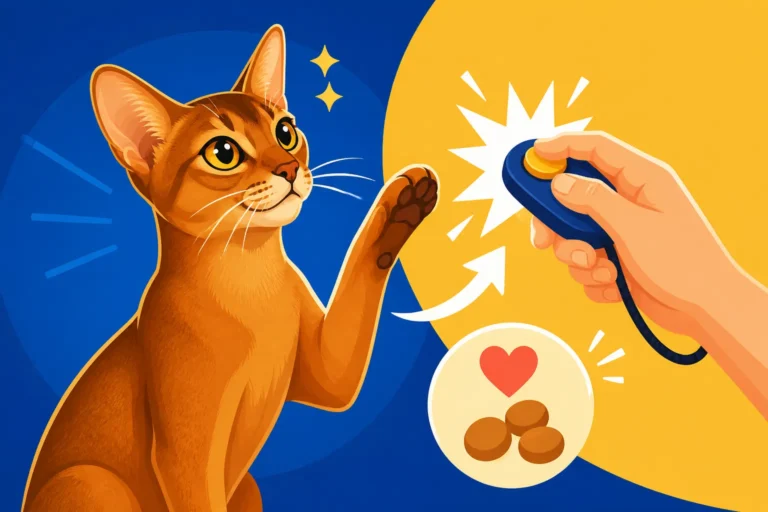
- Positive Reinforcement: Offer a small, high-value treat as they approach with the toy. Even if they just drop it near you, reward them. Why an Abyssinian Learns Faster When It Is Hungry can be a useful insight here – a few small, delicious treats can be powerful motivators.
- The "Second Toy" Trick: Have a duplicate of the favorite toy ready. When they have the first toy, show them the second one and make it wiggle enticingly. Often, they'll drop the first toy and come for the second. As they drop the first, quickly grab it, then toss the second. This creates a continuous loop of chasing and dropping. Many Abyssinians get very into this, especially if you have a selection of their preferred toys. You can find excellent value packs of crinkle balls or springs on Amazon for this purpose.
- Praise and Petting: When they bring the toy close, or even drop it at your feet, immediately shower them with praise and gentle head scratches (if they enjoy them). Make a big deal out of their "return." The more positive the experience of bringing the toy back, the more likely they are to repeat it.
Gradually increase the distance you throw the toy. Start with just a few feet, then across the room, and eventually down a hallway. Patience is your best friend here. Some Abyssinians will pick this up in a matter of days, others might take a few weeks. The key is not to get frustrated if they don't immediately "get" it. Remember, they're not retrieving for you; they're bringing their "prey" back to their hunting partner for the next part of the game.
Adding Verbal Cues
Once your Abyssinian is consistently bringing the toy back, or at least dropping it near you, you can start adding a verbal cue. This is where the real "training" aspect comes in, solidifying the behavior.
Choose a simple, clear word like "fetch," "get it," or "bring it." Just before you throw the toy, say your chosen cue clearly. As your cat chases, captures, and brings the toy back, continue to use positive reinforcement (treats, praise). When they drop the toy, immediately say "good fetch!" or "good return!" This helps them associate the sound with the action. Consistency is paramount; always use the same word and tone.
You might also consider adding a release cue, such as "drop" or "give." When your cat brings the toy to you, gently hold out your hand and say "drop" just as they release it (or you take it from them if they're not dropping it yet). This helps to prevent them from becoming possessive of the toy, ensuring a smooth transition for the next throw. Over time, your Abyssinian will learn that the sound of your voice means it's playtime and that bringing the toy back earns them positive attention and the chance for another round. Remember, How to Turn an Abyssinian's Fetching Into a Routine relies heavily on consistent cues and rewards.
| Step | Action | Key Point |
|---|---|---|
| 1. Choose Your Toy | Select a lightweight, enticing toy your Abyssinian loves (e.g., crinkle ball, spring). | Must be easy for them to carry and stimulating to their prey drive. |
| 2. Engage & Toss Short | Wiggle toy, let them "capture," then toss 1-2 feet away. | Focus on excitement and the act of chasing/catching, not returning yet. |
| 3. Entice Return | Offer a treat, use a second toy, or give verbal praise when they approach. | Don't chase them; make coming back to you more rewarding than running off. |
| 4. Reward & Repeat | Immediately praise/treat when they drop the toy near you. Gradually increase distance. | Keep sessions short and positive, ending before they lose interest. |
| 5. Add Verbal Cue | Say "Fetch!" before throwing; "Good fetch!" when they return. | Use consistent, clear words to link action with sound. |
Troubleshooting Common Fetch Training Challenges
Even with the most enthusiastic Abyssinian, you might hit a few snags along the way. Don't get discouraged! These cats are smart and independent, and sometimes their strong personalities mean they'll have their own ideas about how the game should go. Understanding these common challenges and having strategies to overcome them will keep both you and your feline friend from getting frustrated.
When Your Abyssinian Runs Off With the Toy
This is perhaps the most common "problem" cat owners face when trying to teach fetch. You throw the toy, they pounce on it with all the enthusiasm of a tiny lion, and then… they trot off with their "kill" to a quiet corner, proudly guarding it. This isn't a sign of failure; it's a perfectly natural cat behavior. They've captured their prey, and now they want to enjoy it!
The key here is never to chase them. Chasing only reinforces the idea that running away with the toy is part of the game. Instead, make returning to you more appealing than keeping the toy.
- The "Trade-Up": Have a second, identical (or even more appealing) toy ready. When they run off with the first, show them the second one. Wiggle it, make it enticing. Often, the allure of a new "prey" will make them drop the first one and come back to you. As soon as they drop the first toy, quickly pick it up and launch the second.
- High-Value Treats: Keep some incredibly delicious, tiny treats on hand. If they run off, call their name, and when they look at you, toss a treat near you (not at them, which could make them drop the toy further away). The idea is to associate being near you with rewards, even if they still have the toy.
- Enthusiastic Praise: When they drop the toy, even far away, give them exaggerated verbal praise. "Good kitty! What a good hunter!" Their desire to please and engage with you can be a powerful motivator. Why an Abyssinian Comes When It Feels Like It perfectly describes their independent nature, so positive reinforcement is much more effective than force.
Remember to keep the initial throwing distances very short. The less distance they have to travel away from you, the easier it is to entice them back. As they get better at returning, you can slowly increase the throw distance.
When They Lose Interest Quickly
Abyssinians have a notoriously short attention span for repetitive tasks if there's no novelty. One minute they're a fetch superstar, the next they're grooming their paw as if nothing else exists. Why an Abyssinian Loses Interest in a Toy Fast is a common frustration for owners. Their intelligence means they get bored easily once they've "solved" the game.
To combat this:
- Keep Sessions Short: Aim for 5-10 minute play sessions, two or three times a day, rather than one long one. End the game before they lose interest, leaving them wanting more. This builds anticipation for the next session.
- Rotate Toys: Don't use the same fetch toy every single time. Have a selection of 2-3 favorite fetch toys and rotate them. This keeps things fresh and exciting. You can store the "inactive" toys out of sight so they feel new again when reintroduced. How to Rotate an Abyssinian's Toys is a crucial strategy for sustained engagement.
- Vary the Game: Sometimes, a session of fetch can be interspersed with a wand toy game or a puzzle feeder. This keeps their mind stimulated and prevents them from getting into a rut.
- Make it Unexpected: Don't always start fetch in the exact same spot at the exact same time. Surprise them with a sudden toss when they're looking attentive. The element of surprise can re-engage their hunter's focus.
If your Abyssinian is truly done, respect that. Trying to force them to play will only create a negative association with fetch. Just end the session and try again later.
Dealing With Play Biting
Abyssinians are known for their enthusiastic, sometimes intense, play style. Their strong prey drive means they might occasionally get a little too "into" the game, which can manifest as play biting. This is often not aggressive, but rather an instinctual reaction to "capturing" their prey (the toy) and sometimes your hand if it's too close. How to Stop an Abyssinian Play Biting is a vital skill for any Abyssinian owner.
If your Abyssinian starts to bite your hand during fetch:
- Withdraw Immediately: If they bite too hard, let out a high-pitched "ouch!" or "no!" and immediately withdraw your hand and end the game. Walk away for a minute or two. This teaches them that biting stops the fun.
- Redirect to a Toy: If they're getting too excited and trying to bite your hand, immediately redirect their attention to the toy. Wiggle it, make it more appealing than your fingers. Use a toy that's long enough to keep your hands a safe distance away.
- Use the Right Toys: Ensure your fetch toys are appropriate for biting and carrying. Avoid using your hands as play objects, even if they're gentle at first. Always use a barrier between their teeth and your skin.
- Discourage Rough Play Early: Especially with kittens, it's vital to teach them early that human hands are not toys. Never encourage roughhousing with your hands.
This is all about setting clear boundaries. Abyssinians are smart enough to understand what's acceptable and what isn't, especially if you're consistent with your reactions. They want to play with you, so they'll learn what behaviors keep the game going.
Maintaining and Advancing Your Abyssinian's Fetch Skills
Teaching your Abyssinian to fetch is a fantastic achievement, but it's just the beginning! To keep the game exciting and ensure they remain engaged, you need to continually refresh the experience and integrate it into their daily life. Remember, Abyssinians thrive on novelty and interaction.
Keeping It Fun and Fresh
One of the biggest mistakes owners make is letting fetch become predictable. An Abyssinian will quickly get bored if it's the same toy, the same throw, in the same spot, every single time. Their active, intelligent minds crave variety.
- Introduce New Toys Regularly: Even if they have favorites, bring in a new toy every few weeks or months. You don't have to break the bank; even something as simple as a new crinkle ball shape or a different texture of fabric mouse can reignite their interest. What Toys an Abyssinian Gets Through in a Year is a good read for understanding how to manage their toy collection. When shopping, whether at a local pet store or browsing options on Amazon, look for variety in materials, sizes, and textures to keep things exciting.
- Change the Location: Don't always play fetch in the same room. Take the game to the hallway, the bedroom, or even a different level of your home. A new environment can make old toys feel new again.
- Vary the Throw: Instead of always throwing in a straight line, try bouncing the toy off a wall, tossing it under a chair, or hiding it partially behind something before throwing. This simulates a more challenging "hunt" and makes them think more.
- Involve Other Family Members: If you have other people in your household, have them take turns playing fetch. Different throwing styles and interactions can add a layer of novelty for your Abyssinian. Just ensure everyone uses the same verbal cues for consistency.
The goal is to keep them guessing and to make each fetch session feel like a unique and exciting hunting expedition.
Integrating Fetch into Daily Routine
Fetch isn't just a party trick; it can be a valuable part of your Abyssinian's daily enrichment. Weaving it into their routine ensures they get consistent physical and mental exercise, which is crucial for a breed as active as the Abyssinian.
- Pre-Meal Play: A short fetch session before a meal can be incredibly rewarding. It simulates a "hunt" before eating, which is very natural for a cat. Plus, Why an Abyssinian Guards Its Feeding Time highlights their connection to food, making pre-meal play a highly motivating activity.
- Morning and Evening Bursts: Abyssinians often have bursts of energy in the morning and evening. Capitalize on these times for a quick fetch session. It can help burn off some of that "zoomies" energy constructively.
- Transition Activities: Use fetch to transition between activities. For example, a quick game of fetch might be a great way to get them energized for grooming or to get them settled down before you leave for work.
- "Work" for Treats: Instead of simply giving treats, make your Abyssinian "work" for them through fetch. A successful retrieve might earn a small, healthy reward. This reinforces the positive association between fetching and desirable outcomes.
Remember that an Abyssinian's overall well-being is deeply tied to their activity levels. Integrating fetch isn't just about fun; it's about providing the enrichment and mental stimulation that this incredible breed truly needs to thrive. It strengthens your bond, keeps them fit, and provides an engaging outlet for their abundant energy and intelligence, making for a happier, healthier, and more contented Abyssinian. What an Abyssinian Kitten's First Year Looks Like is often a whirlwind of energy, and fetch can be a fantastic way to navigate that initial exuberance.
Disclaimer
This article is for general informational purposes only and does not constitute professional advice. Laws, prices and regulations vary by location and change over time. Consult a qualified professional for guidance on your specific situation.