What an Abyssinian Kitten’s First Year Looks Like
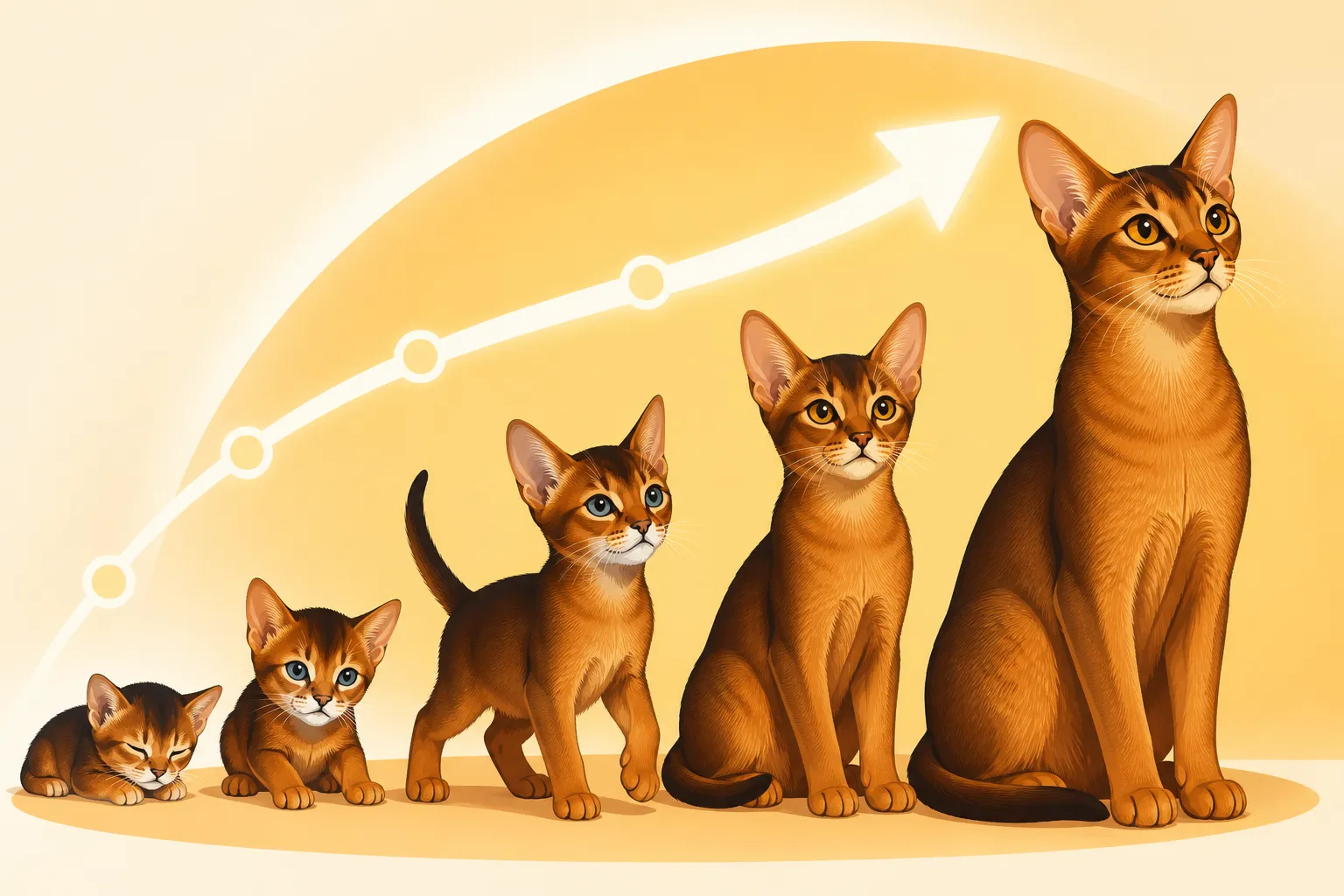
Bringing an Abyssinian kitten home is an exciting time, but if you're expecting a quiet, cuddly lap cat, you might be in for a vibrant surprise! The first year with an Abyssinian kitten is less about gentle purrs on the sofa and more about a non-stop, exhilarating journey of discovery, boundless energy, and undeniable charm. This guide will walk you through what to truly expect, from their tiny, boisterous beginnings to their blossoming into a sophisticated, albeit still incredibly active, young adult.
The Whirlwind Energy of an Abyssinian Kitten
Prepare for a force of nature. Abyssinian kittens are not just energetic; they are a perpetual motion machine, tiny bundles of muscle and curiosity that will redefine your understanding of feline activity. From the moment they open their eyes, they are ready to explore, climb, and pounce on anything that moves, or anything that doesn't.
From Tiny Terror to Agile Acrobat: Early Weeks
When your Abyssinian kitten first arrives, typically around 12 to 14 weeks of age, they've already had a solid start with their mother and littermates. This early socialization is crucial, as it teaches them bite inhibition and appropriate play. However, once in your home, that innate drive to move, investigate, and conquer becomes instantly apparent. You'll observe them testing their limits, whether it's scaling the curtains (yes, really!), launching themselves from one piece of furniture to another, or simply racing through the house at warp speed for no discernible reason other than the sheer joy of movement. Their coordination develops at an astonishing rate, transforming from slightly clumsy fluffballs into incredibly agile athletes within weeks. They are constantly practicing their pouncing, stalking, and climbing skills, making every object in your home a potential new challenge or obstacle course. This isn't just play; it's a vital part of their physical and mental development.
Their little bodies are wired for speed and agility, and they often use every ounce of that energy to explore their new territory with an unbridled enthusiasm that can be both adorable and a little overwhelming. If you've ever thought about getting a breed because you like a quiet companion, the Abyssinian kitten will swiftly disabuse you of that notion. Their active nature means they need constant engagement and opportunities to burn off steam, or they'll invent their own, often mischievous, entertainment.
Managing the Endless Play Sessions
One of the biggest lessons you'll learn in that first year is that "play" for an Abyssinian isn't a suggestion; it's a daily requirement, often multiple times a day. These aren't cats content with a quick flutter of a feather wand; they demand rigorous, interactive play sessions that can last for 15-20 minutes, sometimes more, several times throughout the day. If you don't initiate play, they absolutely will, and often in ways you didn't anticipate. This might manifest as "attack the ankles" when you walk by, or launching themselves from a shelf onto your unsuspecting shoulder. How Much Play an Abyssinian Needs Each Day covers this in more detail.
The key to managing this boundless energy is structured play. Invest in a variety of wand toys, laser pointers (used carefully to avoid frustration), and toys they can chase and retrieve. Don't be surprised if your kitten brings toys back for you to throw, much like a dog. This interactive play is not only for exercise but also a crucial bonding experience. Without adequate outlets, their energy can turn destructive, leading to scratched furniture, climbed curtains, or even attempting to "redecorate" your shelves. Rotate their toys regularly to keep things interesting, as an Abyssinian can get bored quickly with the same old thing. Think of yourself as their personal trainer and entertainment director rolled into one.
Why They Seem to Never Sleep
It can certainly feel like Abyssinian kittens operate on a different sleep schedule than the rest of the world. While all kittens sleep a lot, an Abyssinian kitten's "awake" periods are incredibly intense. They charge through the house, play with the ferocity of a tiny lion, and then, seemingly out of nowhere, they crash. You might find them curled up in the most unlikely spots, dead asleep, only to spring back to full alertness seconds later. This isn't abnormal; it's how they recharge their miniature batteries. Their high metabolism and constant activity mean they burn through energy fast, necessitating these power naps.
However, their internal clock might not always align with yours. Many Abyssinian owners quickly learn about the "witching hour" or the "zoomies," periods of intense activity often occurring in the early morning or late evening. This can be challenging if your kitten decides 3 AM is the perfect time for a full-throttle sprint across your bed. Establishing a consistent routine, including vigorous play sessions before bed, can help shift their internal clock to be more compatible with your own. How to Shift an Abyssinian's Morning Schedule offers some great tips on this. Providing a warm, comfortable, and elevated sleeping spot can also encourage them to settle down in a designated area when they do finally decide to rest.
Social Butterflies or Solitary Explorers?
Abyssinians are famously social cats, and this trait starts developing strongly in their first year. They are rarely content to be mere decorative objects in your home; they want to be part of everything you do, observing, participating, and often leading the charge.
Bonding with Your Abyssinian Kitten
From day one, your Abyssinian kitten will show a keen interest in you. Unlike some breeds that might be aloof, Abyssinians tend to shadow their humans, following them from room to room, perching on shoulders, or simply "supervising" from a high vantage point. They want to know what you're doing, and more importantly, they want to be involved. This intense curiosity and desire for interaction make them incredibly rewarding companions. Bonding with an Abyssinian kitten is less about forcing affection and more about inviting them into your world. Talk to them, play with them, and include them in your daily activities.
They might not be a traditional lap cat, preferring to sit next to you rather than on you, always ready to spring into action. But their affection is evident in other ways: the soft head-butts, the excited chirps when you walk in the door, and the way they'll weave between your legs. Consistency and positive reinforcement are key to building a strong bond. They thrive on attention and will quickly learn that good behavior (from their perspective, which often means being charmingly mischievous) earns them more interaction. This early bonding sets the stage for a lifetime of close companionship.
Navigating Introductions to Other Animals
If you have other pets, the first year with an Abyssinian kitten will largely involve them navigating their place within the existing animal hierarchy. Abyssinians are generally quite outgoing and confident, often taking the lead in introductions rather than hiding away. They'll approach other cats and even friendly dogs with a bold, playful curiosity. However, "play" for an Abyssinian can sometimes be intense for a more sedate cat or a nervous dog. They might pounce, chase, and instigate play relentlessly.
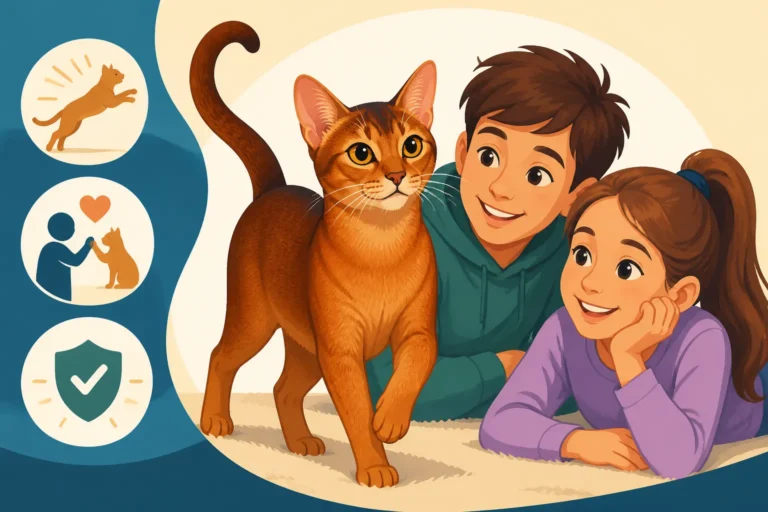
Slow, supervised introductions are paramount to ensure a smooth transition. Allow both pets plenty of safe spaces and escape routes. A confident Abyssinian kitten can sometimes overwhelm an older, quieter cat, so ensure the resident cat has plenty of high perches and quiet rooms to retreat to. Similarly, while Abyssinians often get along well with dogs, ensure your dog is well-socialized and patient. A tiny Abyssinian kitten zooming around can be an irresistible temptation for a dog with a high prey drive. Proper introductions and management will ensure that your Abyssinian kitten integrates well into a multi-pet household, often becoming the undisputed leader of the pack. How an Abyssinian Behaves With Children and Dogs offers further insights.
The Importance of a Companion
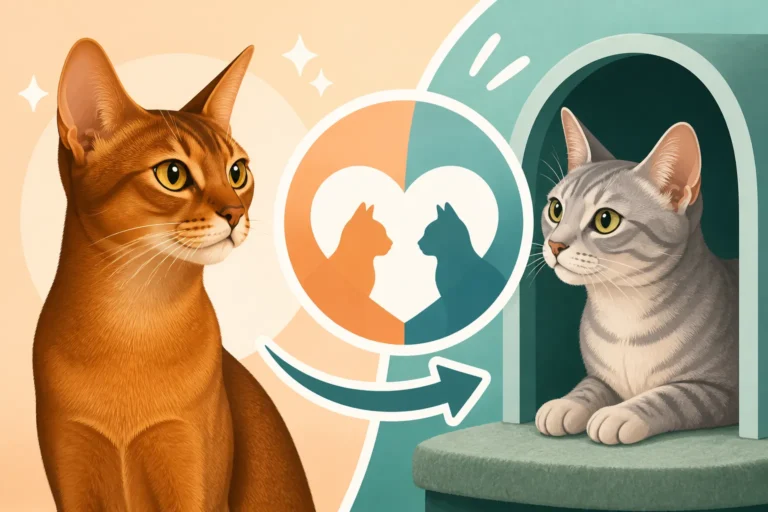
Given their high energy and social nature, leaving an Abyssinian kitten alone for extended periods can quickly lead to boredom, which in turn leads to creative (and often destructive) forms of self-entertainment. Many Abyssinian owners find that having another energetic feline companion, particularly another Abyssinian or a similarly playful breed, is not just helpful but almost essential. A companion can provide the constant interaction and wrestling partner that a single Abyssinian kitten craves, especially during those long stretches when you're at work or otherwise occupied. Why a Second Cat Suits an Abyssinian details this perfectly.
Two kittens will keep each other entertained, teach each other boundaries, and provide an outlet for that ceaseless energy, often resulting in less wear and tear on your furniture and less demand for your constant attention. While the initial cost and responsibility might be double, many argue that the overall experience is smoother and more rewarding in the long run. They will chase, pounce, and groom each other, fulfilling many of their social and physical needs in ways a human simply cannot.
Intellectual Curiosity and Mischievous Minds
An Abyssinian kitten's brain is as active as its body. They are incredibly intelligent, problem-solvers who quickly learn how things work – and how to make them work in their favor. This intelligence, combined with their boundless curiosity, can make them notorious for getting into places they shouldn't.
Mastering the Art of Unlocking and Opening
Your Abyssinian kitten will quickly become a master of household mechanics. Doors, cabinets, drawers – if it can be opened, they will figure out how. This isn't just idle exploration; it's a dedicated mission to understand and conquer their environment. They learn by observation and by persistent experimentation. You might find them batting at a cabinet handle until it swings open, or pushing a door just enough to squeeze through. How an Abyssinian Learns to Open a Cupboard dives into this specific trait.
This means you'll need to secure anything you don't want them to access, and quickly. Child-proof latches often become cat-proof latches in an Abyssinian home. Medications, toxic cleaning supplies, human food that's bad for cats, or anything breakable should be stored behind secure doors. They will test every boundary, and what worked yesterday might not work today as their strength and dexterity improve. This problem-solving ability, while impressive, requires you to always be one step ahead in cat-proofing your home.
Redirecting Chewing and Destructive Habits
Just like human toddlers, Abyssinian kittens explore the world with their mouths. This means chewing is a natural part of their development, but it needs to be managed to prevent damage to your belongings and, more importantly, to keep your kitten safe. Electrical cords, houseplants, and even books can become targets. Their high energy levels can also lead to destructive behavior if they're bored or under-stimulated. Torn paper, shredded soft toys, or even claw marks on furniture can be signs that your kitten needs more appropriate outlets for their energy.
The key is redirection. Provide plenty of safe, durable chew toys. Puzzle feeders can also be a fantastic way to engage their minds and bodies, making them work for their food and tiring them out mentally. If you catch them chewing on something inappropriate, gently redirect them to a proper toy. Invest in scratch posts and pads, ensuring they are tall and sturdy enough for an Abyssinian's enthusiastic scratching. Why an Abyssinian Destroys Cheap Furniture Faster highlights the importance of quality scratchers. Positive reinforcement for using appropriate items is far more effective than punishment, which can simply make them sneakier.
The Thrill of the Hunt and Puzzle Toys
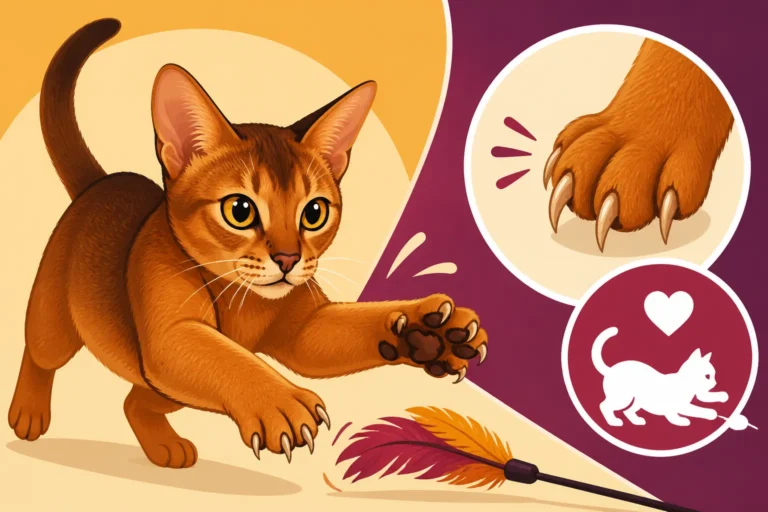
The Abyssinian's ancestral hunting instincts are incredibly strong, and this translates into a deep love for games that mimic the hunt. They are natural stalkers and pouncers, and toys that allow them to fulfill these instincts are incredibly valuable. Feathery wand toys that dart and fly, small plush toys they can "kill" and carry, and even crinkle balls can provide immense satisfaction. They thrive on the chase and the satisfying "capture."
Puzzle toys, especially those that dispense treats, are another excellent way to engage their intelligent minds. Starting with simpler ones and gradually introducing more complex designs will keep them challenged and entertained. They love figuring things out, and the reward of a treat makes the effort worthwhile. These toys are particularly useful when you need to occupy them independently, giving you a short break from their constant demands for interactive play. Which Puzzle Feeders Hold an Abyssinian's Attention can guide you. Utilizing their feeding time for enrichment, by hiding kibble around the house or using puzzle feeders for meals, transforms eating from a passive activity into an engaging hunting game.
Scaling New Heights: The Abyssinian's Vertical World
If you want to truly understand an Abyssinian kitten, look up. These cats have an insatiable desire to climb and perch on the highest possible vantage point. It's not just a preference; it's a fundamental part of their being, driven by instinct and their agile physique.
Why Vertical Space is Non-Negotiable
For an Abyssinian kitten, the world isn't just a two-dimensional floor plan; it's a complex, multi-level playground waiting to be explored. Their natural instinct is to survey their domain from above, seeking security, warmth, and the best view of the action. This means that if you don't provide ample vertical opportunities, they will create their own, often using your bookshelves, cabinets, or even doorframes. An Abyssinian Needs Height More Than It Needs Floor emphasizes this critical need.
Investing in tall cat trees, wall-mounted shelves, and window perches isn't a luxury for an Abyssinian; it's a necessity. Without these outlets, they can become frustrated, stressed, and even destructive. They need to feel like they have dominion over their territory, and that means having options for scaling new heights. A tall, sturdy cat tree that reaches near the ceiling will be an instant hit, offering multiple platforms for climbing, playing, and napping.
Designing a Kitten-Proof Climbing Paradise
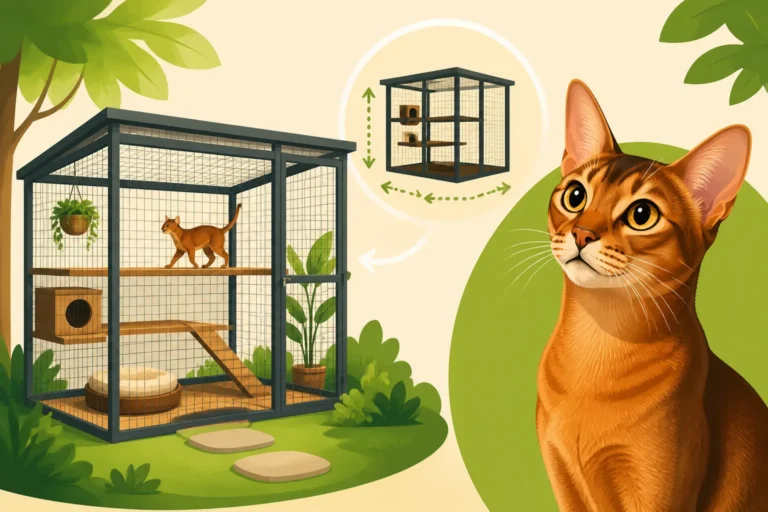
Creating a safe and stimulating vertical environment for your Abyssinian kitten requires a bit of foresight. Ensure that any cat trees or shelves are stable and securely mounted, as these energetic climbers can put a lot of force on them. Look for cat trees with multiple levels and scratching surfaces. For wall-mounted shelves, consider staggered heights that allow for easy ascent and descent, creating a "cat highway" around your room.
Consider where these climbing opportunities are placed. Near windows, they offer entertainment from the outside world. In central living areas, they allow your kitten to be part of the family without being underfoot. Remember, the highest point is often the most coveted, so ensure there's at least one truly commanding perch. Think about the texture of the climbing surfaces too – sisal rope is excellent for scratching and provides good grip, while soft carpeted platforms offer cozy resting spots. An Abyssinian kitten needs these physical challenges to thrive, and a well-designed vertical space prevents them from turning your curtains into their personal climbing gym.
Avoiding the Countertop Conundrum
The desire to be high up naturally extends to your kitchen countertops and dining tables. While an Abyssinian kitten might look adorable perched on your shoulder at the dinner table, establishing boundaries early is crucial for hygiene and safety. It's much easier to prevent the habit than to break it later. Consistency is key here. Every time they jump on a forbidden surface, gently but firmly remove them, placing them on an approved cat tree or floor.
Positive reinforcement plays a huge role. Make those designated climbing spots more appealing than your kitchen surfaces. Offer treats on their cat tree, play with them exclusively on approved surfaces, and ensure those spots offer a better view or more comfort than the forbidden zones. Deterrents like double-sided tape or motion-activated air canisters can sometimes work for particularly persistent climbers, but often, just making the alternative more appealing is the most effective long-term solution. Your goal isn't to punish them for their natural instinct to climb, but to redirect that instinct to safe and appropriate areas. Whether an Abyssinian Can Be Kept Off Counters offers more strategies.
Establishing Routines and Boundaries
While Abyssinians are highly adaptable, they also thrive on routine and clear boundaries. Establishing these early in their first year will make for a more harmonious household and a well-adjusted cat.
The Ritual of Mealtimes and Hydration
Abyssinian kittens are growing at an incredible rate and burning an immense amount of calories, so their nutritional needs are significant. They often eat more than you'd expect for their size. Establishing consistent meal times, rather than free-feeding, can help regulate their energy levels and prevent them from becoming grazers who constantly demand food. Most kittens do well on 3-4 small meals a day. How Many Calories an Abyssinian Kitten Needs offers specific guidance.
Hydration is also critical, especially given the Abyssinian's propensity for kidney issues like renal amyloidosis later in life. While there's no test for it, encouraging excellent water intake from a young age is a proactive step. Provide multiple water bowls in various locations, away from their food, as many cats prefer to drink and eat separately. A pet water fountain can also be highly appealing to an Abyssinian, as they are often fascinated by running water. High-quality wet food is also a great way to boost their daily water intake.
Litter Box Etiquette and Preferences
Abyssinian kittens are typically very clean cats and are usually litter box trained by the time they come home. However, ensuring their litter box experience is positive is crucial for preventing accidents and behavioral issues. Provide at least one more litter box than you have cats, placing them in easily accessible yet private locations. For an Abyssinian, whose active nature means they might be on a different floor or in a different room when nature calls, having multiple boxes is essential.
They generally prefer an open litter box to a hooded one, as these offer better ventilation and visibility. Keep the litter boxes impeccably clean, scooping at least once a day, and changing the litter entirely on a regular schedule. Experiment with different types of litter if your kitten seems particular; some prefer fine, soft textures. Remember, a sudden aversion to the litter box can be a sign of a medical issue, so consult your vet if this occurs.
Early Training and Socialization
The first year is the prime time for training and socialization. Abyssinian kittens are highly intelligent and eager to learn, making them excellent candidates for positive reinforcement training. Clicker training works wonders, teaching them basic commands like "sit," "stay," and even tricks like "fetch" or "high five." This not only mentally stimulates them but also strengthens your bond and provides another outlet for their energy. How to Teach an Abyssinian to Fetch can get you started.
Socialization involves exposing your kitten to a variety of sights, sounds, people, and experiences in a positive way. This helps them grow into confident, well-adjusted adults. Gentle handling, exposure to different household noises, and meeting calm, cat-friendly visitors can all contribute. If you plan to harness train your Abyssinian for walks, start early with short, positive sessions. The more positive experiences they have as a kitten, the more adaptable and fearless they will be as adults.
Health, Grooming, and Veterinary Milestones
Keeping your Abyssinian kitten healthy is paramount, and their first year involves several key veterinary and care milestones that set the foundation for a long, happy life.
Essential Vet Visits and Preventive Care
The first year is packed with crucial vet visits. Your kitten will need their initial set of vaccinations, often including distemper (FVRCP) and rabies, followed by boosters. They'll also need deworming and parasite prevention, especially if they came from a multi-cat environment. Your vet will conduct thorough physical exams to ensure they are growing properly and to check for any early signs of congenital issues. Why an Abyssinian Kitten Needs an Early Vet Visit details the importance of this.
Neutering or spaying is typically done between 5-6 months of age, depending on your vet's recommendation. This is not only important for population control but also offers significant health benefits, such as reducing the risk of certain cancers and behavioral issues. Discuss diet, exercise, and any concerns you have about their development with your veterinarian. Establishing a good relationship with a vet who understands the unique needs of the Abyssinian breed is invaluable.
The Unique Needs of an Abyssinian Coat
One of the beauties of the Abyssinian is their low-maintenance coat. Their ticked fur is short, fine, and lies close to the body, with very little undercoat. This means grooming requirements are minimal, a stark contrast to many other long-haired breeds. In their first year, you'll see their "baby coat" mature into the vibrant, ticked adult coat. It might look a little blotchy at first, but it will eventually develop its full, rich color and beautiful banding.
A weekly brush with a soft rubber grooming mitt or a chamois cloth is usually sufficient to remove loose hairs and distribute natural oils, keeping their coat shiny and healthy. This also doubles as a bonding opportunity. Avoid harsh slicker brushes or de-shedding tools, as these can damage their delicate ticking. The Ticked Coat Is the Whole Abyssinian Grooming Job provides more context. Abyssinians rarely need baths unless they've gotten into something particularly messy. Their lack of an undercoat also means they can get cold easily, so ensure they have warm spots in your home during colder months.
Proactive Dental Health from the Start
While dental health is important for all cats, it's particularly critical for Abyssinians due to their predisposition to certain dental issues like juvenile gingivitis and periodontal disease. Starting a dental routine early in their first year is crucial. Even if your kitten isn't thrilled about it at first, getting them accustomed to having their mouth handled and a toothbrush in their mouth will pay dividends down the road.
Use a cat-specific toothbrush and enzymatic toothpaste (never human toothpaste). Aim for short, gentle brushing sessions daily or at least several times a week. Focus on the outside surfaces of their teeth, where plaque tends to accumulate. Your vet can provide demonstrations and advice on proper technique. Regular dental care at home, combined with professional dental check-ups, can help prevent painful and costly dental problems later in their life. Ignoring dental care in an Abyssinian kitten's first year is a common mistake that can lead to significant issues by the time they are just a few years old.
The Transformation into a Young Adult
As your Abyssinian kitten approaches their first birthday and moves into their second year, you'll start to see a subtle but noticeable shift in their behavior and personality. While they will always retain their energetic and curious nature, some of the frantic kitten energy begins to temper slightly.
Maturation of Play and Energy Levels
Around their first birthday, and certainly by eighteen months, that boundless kitten energy will start to mature. They won't become lazy, far from it, but the constant, non-stop zooming and chaotic play sessions might become slightly less frequent or intense. They might still have bursts of "zoomies," but they might also be more inclined to settle down for longer stretches after an invigorating play session. Their play will become more refined, more focused on simulated hunting, and less on pure, unadulterated chaos.
They'll still need plenty of interactive play to keep them physically and mentally stimulated, but you might find they are better at entertaining themselves for short periods or that a companion cat provides even more effective outlets. They might develop specific play preferences, focusing on particular types of toys or games that truly engage their intelligence and hunting drive. This doesn't mean they're slowing down, but rather that their energy is becoming more directed and efficient.
Personality Traits That Begin to Solidify
The first year is when your Abyssinian's core personality truly blossoms. While some traits are innate, their environment, your interaction, and their experiences during this formative year will heavily shape the adult cat they become. You'll see their confidence grow, their intelligence shine, and their unique quirks become more pronounced. Are they a chatterbox? Do they love to "help" with your computer? Are they master retrievers? These traits will solidify.
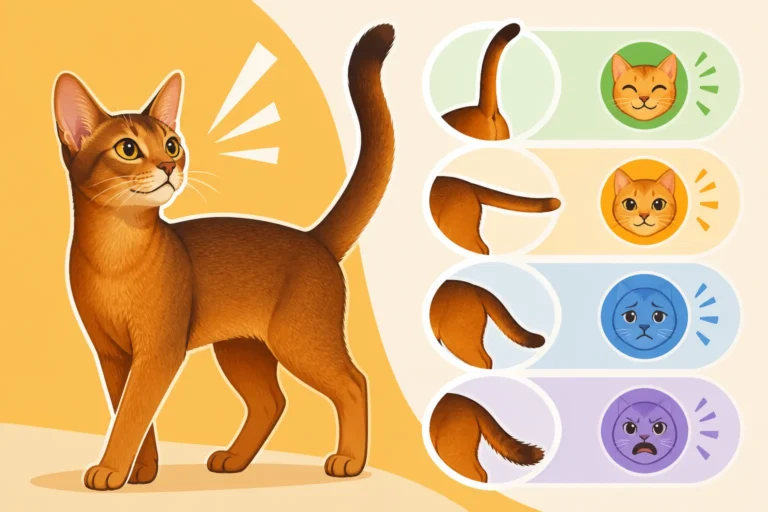
They'll become even more adept at communicating their desires, whether through chirps, body language, or direct nudges. Their loyalty and affection for you will deepen, though still expressed in their distinctly Abyssinian way of being constantly present and involved, rather than a passive lap-sitter. This is the year they truly become an integral, vibrant member of your family, their individual character shining through in every playful pounce and curious glance.
Preparing for a Lifetime of Abyssinian Companionship
Reaching the one-year mark with an Abyssinian is a significant milestone. You've navigated the whirlwind of kittenhood and are now the proud owner of a magnificent young adult. This transition means preparing for a lifetime of companionship that is anything but boring. While the frantic pace might slow slightly, their need for engagement, vertical space, mental stimulation, and affection will remain constant.
Regular veterinary check-ups, a high-quality diet, continued dental care, and plenty of opportunities for play and climbing are essential for their continued well-being. By investing heavily in their care, training, and enrichment during their first year, you've laid a solid foundation for a healthy, happy, and incredibly rewarding relationship with one of the most intelligent and active cat breeds. They will continue to surprise and delight you with their antics and unwavering companionship for many years to come.
Disclaimer
This article is for general informational purposes only and does not constitute professional advice. Laws, prices and regulations vary by location and change over time. Consult a qualified professional for guidance on your specific situation.