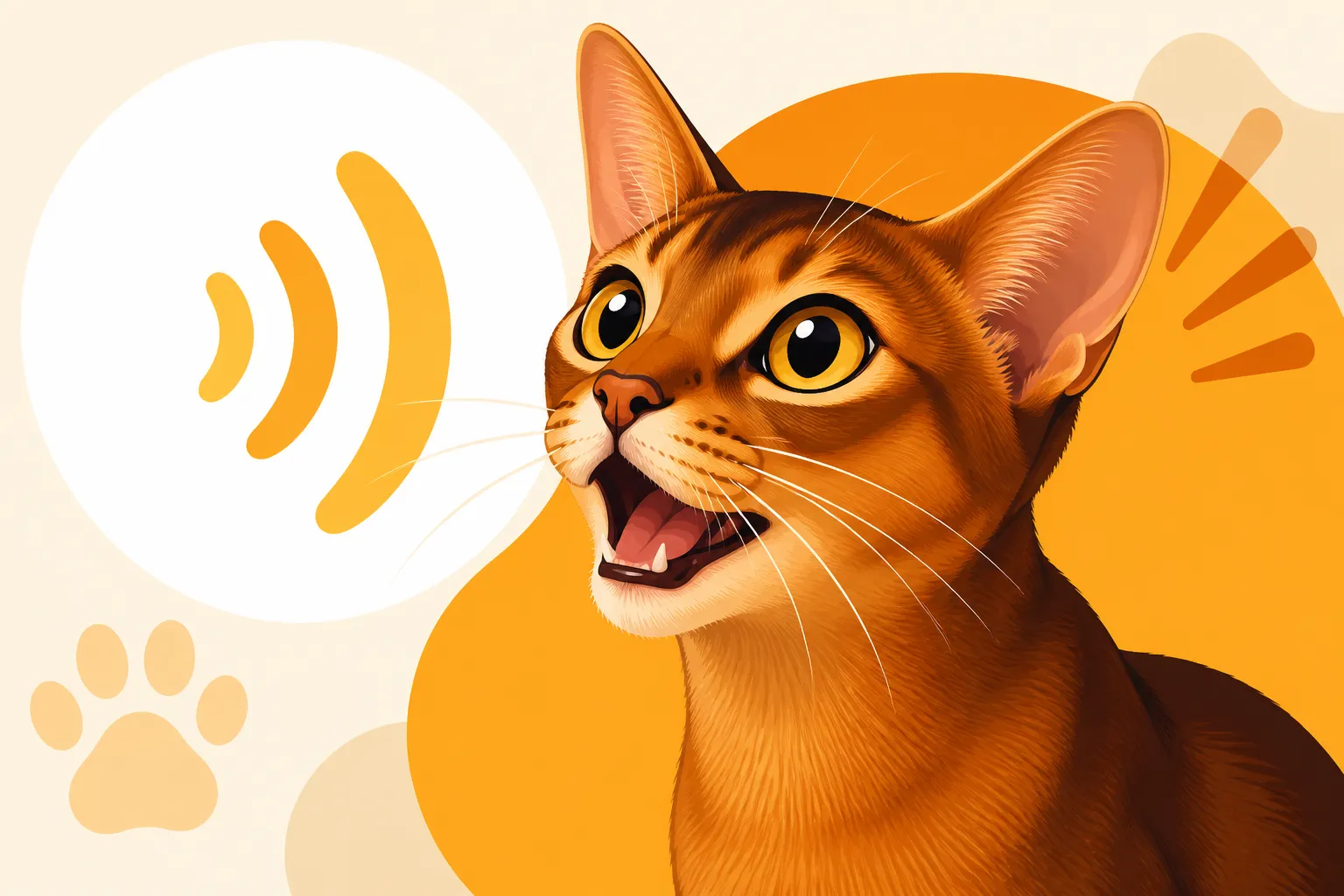
What an Abyssinian’s Chirp Means
Many Abyssinian owners find themselves captivated and, at times, utterly baffled by the unique vocalizations of their energetic companions, especially that distinct, often trill-like "chirp." It's not quite the plaintive meow of a domestic shorthair, nor the insistent conversational chatter of a Siamese; it's a sound that stands alone, leaving us to wonder what our lithe, busy cats are trying to tell us. This guide will delve deep into the fascinating world of Abyssinian communication, specifically deciphering the various contexts and messages behind their characteristic chirp, helping you better understand your feline friend's expressive language.
The Abyssinian's Unique Vocal Dictionary
Abyssinians are renowned for their playful, curious, and often very "talkative" personalities, but their vocalizations are surprisingly nuanced and distinct from many other breeds. While they may not be as overtly loud or demanding as some of their oriental cousins, their communication is rich with a variety of sounds that convey a wealth of information to the observant owner. Understanding this range is the first step in truly connecting with your Abyssinian.
Understanding Their Standard Sounds Meows, Purrs, Trills
Like all cats, Abyssinians employ the classic meow, though theirs tends to be softer, almost a little musical, compared to the robust calls of, say, a Maine Coon. They use it for general attention-seeking, asking for food, or simply greeting you when you walk in the door. The purr, of course, is a universal sign of contentment, and an Abyssinian's purr can be surprisingly powerful for such a lean cat, vibrating through their entire body as they knead happily on your lap (if you're lucky enough to get them to sit still for a moment!).
Beyond these common sounds, Abyssinians also use trills—a rolled "prrrrupt" sound that's often a friendly greeting or an invitation to interact. This trill is somewhat akin to the chirp, but often longer and more drawn out, signaling clear positive intent. It’s a sound of welcome, a "hello there!" that can make your heart melt. These sounds are foundational to their language, but the chirp adds another layer of intrigue. You might notice your Abyssinian making quite a few different sounds throughout the day, so knowing How Vocal an Abyssinian Actually Is can give you a baseline.
What Makes the Abyssinian Chirp So Distinctive
The Abyssinian chirp truly stands out. It's typically a short, sharp, bird-like sound, often emitted with a slightly open mouth and intense focus. It's not a relaxed sound; rather, it's usually accompanied by body language that suggests heightened awareness or excitement. Imagine the sound a bird makes when it spots something interesting—that's the closest human analogy to the Abyssinian chirp. It's a sudden, almost involuntary sound that bubbles up from their highly active and observant nature.
This distinct sound seems to have evolved from their innate predatory instincts, a sort of excited vocalization that bridges the gap between silent stalking and an outright vocal call. It’s a sign that their hunting brain has been activated, even if that "prey" is just a dust bunny under the sofa. Because of their generally quieter nature compared to other breeds, this sudden sharp sound really gets your attention. You might find that Why an Abyssinian Is Quieter Than a Siamese helps put their vocal range into perspective.
The Evolutionary Roots of Feline Chirping
To truly understand the Abyssinian's chirp, we need to look at its wild ancestors. Many domestic cats, when observing birds or small rodents from a window, will emit a similar chattering or chirping sound. This behavior is thought to be an instinctual response, a displaced hunting behavior. Some theories suggest it's an attempt to mimic the sounds of their prey, to lull them into a false sense of security, or perhaps an expression of pure, unadulterated frustration at being unable to reach the tempting target.
For an Abyssinian, a breed known for its "wild" appearance and intense athleticism, these ancestral instincts run particularly strong. Their entire being is geared towards movement, observation, and mock-hunting. The chirp is a direct manifestation of this deep-seated drive, a tiny echo of the wild cat within, expressing excitement, anticipation, and sometimes a touch of irritation that the object of their desire remains just out of reach.
Deciphering the "Hunter's Chirp"
Perhaps the most common context in which you'll hear an Abyssinian chirp is when they've spotted something that triggers their prey drive. This "hunter's chirp" is a clear signal that their inner predator has switched on, and it's a fascinating display of their natural instincts at work, even within the confines of a safe home.
The Predator's Silent Call: Observing Prey
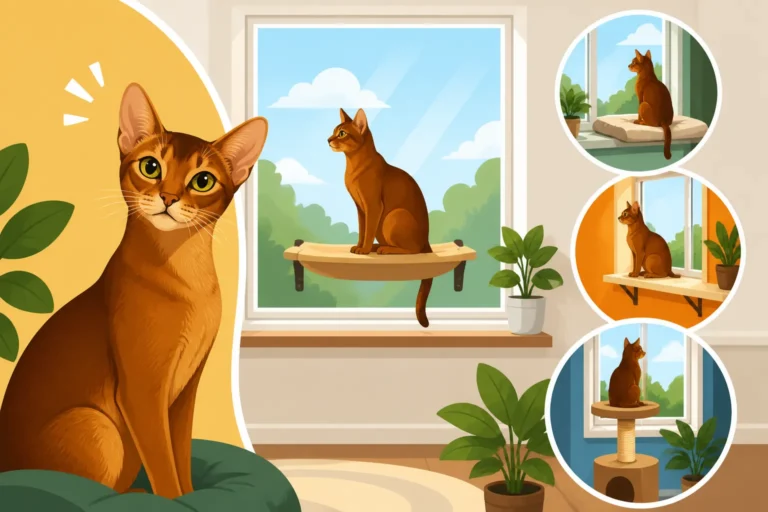
Picture this: your Abyssinian is perched on a windowsill, eyes fixed intently on a bird flitting outside, or a squirrel scampering up a tree. Their tail might be twitching ever so slightly, and their body tensed, ready to spring. Then, a soft, rapid chirp escapes their lips. This isn't a call to arms for you, their human, but rather an internal monologue, an involuntary expression of their focused observation. They are completely engrossed, mentally calculating angles, distances, and attack strategies, even though a pane of glass separates them from their "prey."
This chirp is often quiet, almost as if they're trying not to alert the tiny creature outside. It's a moment of pure, undiluted instinct, a raw connection to their wild heritage. It speaks volumes about their incredible focus and the intensity of their prey drive, which remains strong even in the most pampered housecat. You can see this same focus when they're tracking a laser pointer or a feather wand toy, a great way to provide How Much Play an Abyssinian Needs Each Day.
The Excitement and Frustration Behind It
The hunter's chirp isn't just about spotting prey; it's a complex blend of excitement and, quite often, frustration. The excitement comes from the thrill of the chase, the stimulation of their natural hunting sequence. Their senses are alight, their adrenaline is flowing, and the chirp is an outlet for this surging energy. However, this excitement is frequently tinged with frustration. They see, they want, but they cannot physically act on that impulse due to barriers like windows or screens.
This combination of intense desire and thwarted action can lead to a more agitated series of chirps, sometimes escalating into a distinct chattering. It's their way of saying, "Oh, if only I could get my paws on that!" or "I see you! You would be MINE!" It’s a powerful reminder that while domesticated, their primal instincts are very much alive and well. Providing them with interactive toys that simulate hunting, like those found on Amazon, can help redirect this energy.
When a Chirp Turns Into Chattering
Sometimes, the initial chirp evolves into a rapid, almost machine-gun-like chattering of the teeth. This is an even more intensified version of the "hunter's chirp" and often indicates extreme excitement and palpable frustration. The Abyssinian's jaw might tremble, their eyes wide and pupils dilated, as they make these quick, staccato sounds. It’s as if their body is so overwhelmed with the urge to pounce and bite that their jaw is involuntarily mimicking the action.
This chattering is a classic sign of a cat being utterly absorbed in their observation of prey, unable to act. It's a fascinating, if sometimes noisy, display of their predatory prowess. If you notice this, it’s a good cue to engage them in a vigorous play session with a Which Wand Toy an Abyssinian Prefers to help them burn off that intense, pent-up energy. It provides a healthy outlet for those instincts they're feeling so strongly.
Chirps as Communication: Directing Their Humans
Beyond the pure hunting instinct, Abyssinians often use chirps as a direct form of communication with their human companions. These chirps are usually less about external prey and more about internal desires or observations they want to share with you. They're a way for your Abyssinian to actively engage you in their world, directing your attention or requesting an action.
The "Follow Me" or "Come See This" Chirp
One of the most charming uses of the Abyssinian chirp is when they want you to follow them or draw your attention to something specific. You might be relaxing on the couch, only for your Abyssinian to approach you, let out a clear, insistent chirp, and then trot off a few steps, looking back to see if you're following. If you don't move, they might return, chirp again, and repeat the process, sometimes escalating their vocalizations until you get the message.
They might be leading you to an empty food bowl, a forgotten toy under the sofa, or perhaps to a perceived "intruder" outside the window they want you to investigate. This chirp is their equivalent of saying, "Hey! Over here! You really need to see this!" or "Come with me, I have something important to show you." It's a clear directive, demonstrating their intelligence and their desire to involve you in their daily adventures. They often make similar sounds when inviting you to play, which is one way How an Abyssinian Shows Affection Instead of Lap Sitting.
The "Play With Me" or "Feed Me" Chirp
Abyssinians are incredibly active and intelligent cats, and they thrive on interaction and mental stimulation. A chirp can very often be a direct invitation to play. They might drop a favorite toy at your feet, then chirp expectantly, waiting for you to engage. This is especially common if they've been left alone for a while and are craving some attention and a good runaround.
Similarly, a chirp can be a very polite, yet firm, request for food. While some cats might resort to incessant meows or headbutts, an Abyssinian might try a strategic chirp first, perhaps while standing near their food bowl or weaving around your legs. It's their initial, less demanding attempt to get your attention before they escalate to more traditional hunger cues. Providing them with Which Puzzle Feeders Hold an Abyssinian's Attention can satisfy both their hunger and their need for mental stimulation.
Chirps as a Greeting or Attention-Seeking Tool
Sometimes, an Abyssinian's chirp is simply a greeting. When you come home, instead of a loud meow, you might be met with a series of happy trills and chirps as they weave around your legs, delighted by your return. It's a sound of welcome, a "I missed you!" that's all their own. This friendly vocalization shows their affectionate side, even if they're not the type to sit idly on your lap.
They might also use a chirp to simply demand attention. If you're engrossed in a book or working on your computer, a persistent chirp can be their way of breaking through your concentration, a subtle reminder that they are present and would like a pat, a scratch, or even just eye contact. They are masters of getting your focus, and the chirp is one of their favored tools. You might notice them using it especially when they have been How to Set Up a Room for an Abyssinian Home Alone for a good portion of the day.
Chirping in Social Contexts
The Abyssinian chirp isn't exclusively reserved for human interaction or window-gazing. These social and intelligent cats also utilize this unique vocalization in their interactions with other animals, both feline and otherwise, and in response to various environmental stimuli. Observing these instances can offer even deeper insights into their complex communication patterns.
Inter-Cat Chirps: Invitations to Play or Warnings
If you have multiple cats, especially if one or more are also Abyssinians, you might observe them chirping at each other. This inter-cat chirp often serves as an invitation to play. One Abyssinian might chirp playfully at another, then crouch down in a play bow-like stance, or dart away, encouraging a chase. It's a clear signal, understood between felines, that "I want to wrestle!" or "Let's run around like crazy!" This kind of interaction is precisely Why a Second Cat Suits an Abyssinian so well, as they thrive on having a playmate.
Less commonly, a chirp might also function as a mild warning, particularly if one cat is encroaching on another's perceived territory or disrupting their rest. It's usually a softer, more pointed chirp in this context, accompanied by a subtle shift in body language like a flattened ear or a direct stare. It's their way of saying, "Hey, a little too close there," or "Give me some space." While not aggressive, it's a clear boundary-setting vocalization.
Chirps with Other Animals and Why It's Rare
While Abyssinians are often described as being good with respectful dogs, you're far less likely to hear them chirp directly at a canine companion. The hunting chirp is tied to small, fast-moving prey, and dogs typically don't fit that profile. If an Abyssinian does chirp in the presence of a dog, it's usually either a continuation of a "hunter's chirp" they were already making at something else, or a redirected "play with me" chirp if they have a very established, playful relationship with the dog. Even then, it's not the primary form of interspecies communication they'll use with a dog.
Similarly, chirping at smaller pets like hamsters or birds (if you dare to have them in the same household!) would revert to the primal hunter's chirp, full of predatory excitement. Abyssinians are keenly aware of their environment, and any small, scurrying creature will undoubtedly trigger their innate chase response, leading to those familiar bird-like sounds.
Chirping and Environmental Triggers
Beyond living creatures, certain environmental triggers can also elicit an Abyssinian chirp. A sudden, unusual noise outside, like a faint rustle in the bushes or a strange bird call, can spark their curiosity and their hunter's instinct, leading to a chirp. A light flickering just so, a shadow moving unexpectedly, or even a dust mote dancing in a sunbeam can sometimes be enough to warrant a focused, inquisitive chirp.
Think of it as their internal radar pinging: "Alert! Something new or interesting has been detected!" They are highly sensitive to their surroundings, and any anomaly can set off their observational chirps. This makes them excellent (if sometimes overly dramatic) guardians of the house, always on patrol and quick to point out anything amiss. This constant vigilance speaks to their high energy and intellectual needs, making interactive toys like How to Make a Puzzle Feeder Harder for an Abyssinian an essential part of their daily routine.
How to Respond and Strengthen Your Bond
Understanding the nuances of your Abyssinian's chirps isn't just a fun exercise; it's a crucial component of building a deep, empathetic bond with your feline companion. By correctly interpreting their vocal cues and responding appropriately, you can foster trust, reinforce desired behaviors, and truly communicate with your intelligent cat.
Interpreting the Body Language Alongside the Chirp
The chirp itself is just one piece of the puzzle. To truly understand what your Abyssinian is trying to convey, you must always observe their body language in conjunction with their vocalization. Are their pupils dilated and fixed on something outside? Is their tail twitching with intense focus? That's likely a "hunter's chirp." Are they looking at you, then at their food bowl, with a soft chirp and a hopeful expression? That's probably a request for a meal.
Consider their posture: Are they crouched low, tensed for action, or standing tall and expectant? Their ears: Are they forward and alert, or slightly flattened with irritation? All these subtle cues provide context and deepen your understanding. This holistic approach to communication is key to deciphering your Abyssinian's intentions. Pay close attention to their tail, for instance; What an Abyssinian's Tail Says can often be as informative as their vocalizations.
Engaging with Different Chirp Meanings
Once you've identified the likely meaning behind a chirp, tailor your response accordingly.
- The Hunter's Chirp: If they're chirping at a bird outside, acknowledge their excitement. You might say, "Oh, you see a birdy!" in a calm, understanding tone. Then, redirect that energy. Grab a feather wand or a laser pointer and engage them in a vigorous play session. This allows them to "hunt" and release that pent-up predatory drive in a safe, appropriate manner. Interactive play is vital for these cats, as Why an Abyssinian Guards Its Feeding Time highlights their resource-driven nature.
- The "Follow Me" Chirp: If they chirp and lead you somewhere, follow them! Show interest in what they're trying to show you. If it's an empty food bowl, fill it. If it's a forgotten toy, pick it up and initiate play. If it's just them wanting you to join them for a moment on a cat tree, indulge them. This validates their attempt to communicate and reinforces that you understand and care about their needs.
- The "Play With Me" or "Attention" Chirp: These are clear invitations. Drop what you're doing for a few minutes and engage. A quick play session, a treat, or some focused petting can go a long way in strengthening your bond. Abyssinians thrive on interaction, and ignoring these bids for attention can lead to boredom and potentially destructive behaviors later on.
Using Chirps to Communicate Back Yes, Really!
This might sound a little strange, but you can actually use similar sounds to communicate back to your Abyssinian. While you won't perfectly mimic their chirps, adopting a soft, trilling sound, especially when greeting them or inviting them to play, can be incredibly effective. Cats learn through association, and if you consistently use a gentle, high-pitched "prrrrupt" sound when you offer treats or initiate a game, they will quickly associate that sound with positive outcomes.
Many Abyssinian owners find that using a soft trill can elicit a similar response from their cat, sometimes even sparking a back-and-forth "conversation." It's a fantastic way to engage with their natural vocalizations and show them that you're speaking their language, even if it's with a human accent. This kind of communication fosters a deeper understanding and appreciation between you and your wonderfully expressive Abyssinian, making your bond even stronger and more unique.
Here's a quick summary of common Abyssinian chirps and their probable meanings:
| Chirp Type | Context | Common Body Language | Probable Meaning | Suggested Human Response |
|---|---|---|---|---|
| Hunter's Chirp | Observing prey (birds, bugs, laser dots) | Fixed gaze, dilated pupils, tail twitch, tensed body | Excitement, frustration, primal hunting instinct | Acknowledge, then redirect with a wand toy game. |
| Follow Me Chirp | Leading you to a specific spot or object | Looks back at you, trots a few steps, then waits | "Come see this!", "Follow me!", "I need something!" | Follow them, investigate, respond to their need. |
| Play Chirp | Dropping a toy, inviting interaction | Play bow, bouncy movements, direct eye contact | "Let's play!", "Entertain me!" | Engage in interactive play with their favorite toy. |
| Greeting Chirp | Your arrival, waking up, passing by you | Rubbing, weaving, tail up, purring (sometimes) | "Hello!", "Good to see you!", "Acknowledge me!" | Gentle pets, soft vocal response, positive attention. |
| Attention Chirp | You're busy, they want focus | Sitting near you, staring, sometimes a light paw tap | "Pay attention to me!", "I'm here!" | Acknowledge with a glance, a soft word, or a quick pet. |
| Chatter | Intense observation of unreachable prey | Rapid jaw movements, wide eyes, extreme focus | Extreme frustration, simulated bite response | Redirect with a high-energy play session. |
Disclaimer
This article is for general informational purposes only and does not constitute professional advice. Laws, prices and regulations vary by location and change over time. Consult a qualified professional for guidance on your specific situation.