How Vocal an Abyssinian Actually Is
Many prospective Abyssinian owners worry about bringing a "noisy" cat into their homes, often having heard stories about other talkative breeds. While Abyssinians are certainly not silent, their vocalizations are often misunderstood, leading people to believe they'll be overwhelmed by constant chatter. This guide will clarify exactly how vocal an Abyssinian typically is, what their various sounds mean, and how their communication style might surprise you compared to other cat breeds.
The Abyssinian's Unique Voice: Dispelling Misconceptions
It's common to hear people categorizing cats into two camps: the loud, insistent talkers, and the quiet, almost mute observers. When it comes to Abyssinians, many assume they fall into the latter, perhaps due to their sleek appearance or association with ancient, regal breeds. However, this assumption often misses the nuance of their communication. Abyssinians are far from silent, but their vocalizations differ significantly from the boisterous demands you might associate with other highly vocal breeds.
Why People Expect Silence
The myth of the "quiet" Abyssinian might stem from their general demeanor compared to certain famously loud breeds. They aren't typically known for incessant, piercing meows that demand attention at all hours. Owners who are used to breeds like the Siamese, for example, might find an Abyssinian's more subtle approach to vocalization to be a welcome change, leading them to describe their Abyssinian as "quiet" in comparison. It's less about a lack of sound and more about the type of sound and its context. They aren't prone to the same sustained, attention-seeking wails.
However, this doesn't mean they don't have plenty to say. Abyssinians are deeply intelligent and highly interactive cats, and vocalization is a key part of how they engage with their environment and their human companions. Their communications are often purposeful, directed, and less about generating noise for noise's sake. They are observant creatures, always taking in their surroundings, and their vocal responses are usually a direct reaction to something specific, whether it's a bird outside the window or a human walking into a room.
The Difference Between Volume and Frequency
When we talk about an Abyssinian's vocal habits, it's crucial to distinguish between the sheer volume of their voice and the frequency of their utterances. An Abyssinian generally doesn't possess the ear-splitting caterwauls or piercing shrieks that some breeds are known for. Their "meow" tends to be softer, more melodic, and almost bird-like in quality. You'll rarely find yourself needing earplugs when living with an Aby.
However, the frequency of their vocalizations can be quite high, especially if they are actively engaged or have something important to communicate. They might chirp, trill, or make soft mews quite often throughout the day, particularly when interacting with you. Think of it less as a constant loud chatter and more as an ongoing, gentle commentary on their lives and yours. They are truly participants in your daily routine, and their voices are their way of letting you know they're involved.
Decoding Abyssinian Vocalizations: More Than Just Meows
Abyssinians are masters of nuanced communication, and their vocal repertoire extends far beyond a simple "meow." Understanding these distinct sounds is key to truly connecting with your Abyssinian and appreciating their unique conversational style. They use a symphony of chirps, trills, and soft mews to express a wide range of emotions and desires, making them captivating companions for those willing to listen closely.
The Signature "Chirp" and What It Means
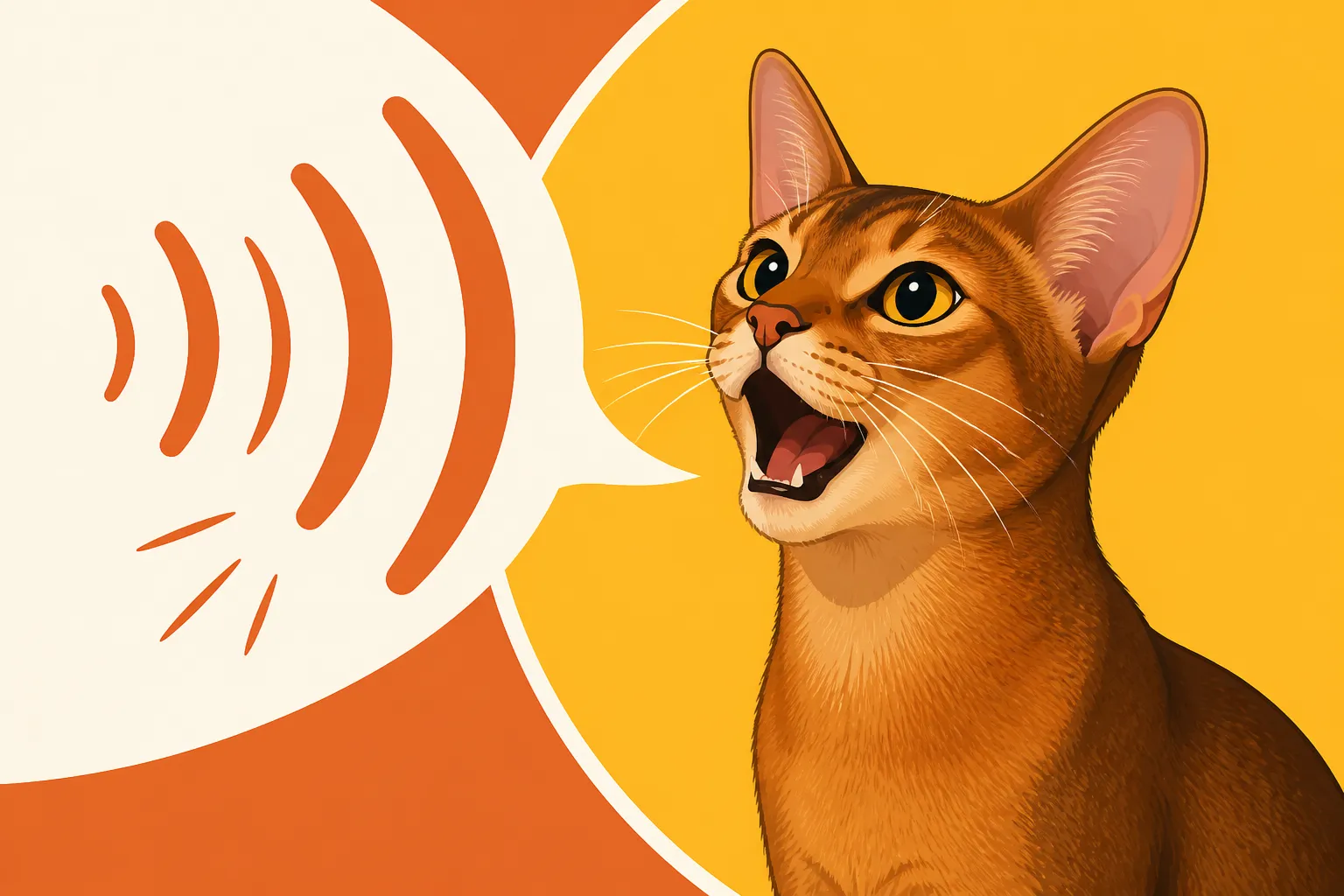
One of the most distinctive and endearing vocalizations of the Abyssinian is their signature "chirp." This isn't a bird-like sound in the sense of a high-pitched tweet, but rather a short, rolling, often slightly trilled sound that resembles a complex vocalization a wild cat might make. It's a sound that many Abyssinian owners immediately recognize and associate with affection, greeting, or playful excitement. You'll often hear this chirp when your Aby spots you entering a room, when they're particularly happy to see you, or when they're engaging in a game of chase.
This chirp is often a form of greeting or an invitation to interact. An Abyssinian might chirp as they wind around your legs, or as they jump onto a piece of furniture near you, signaling that they are present and open to engagement. It’s their polite way of saying "hello" or "pay attention to me, please." It's rarely demanding, but rather an offering of their presence, and it's one of the most charming aspects of their personality. If you've ever wondered What an Abyssinian's Chirp Means, it's usually a positive indicator of their mood and a desire for connection.
Other Sounds: Trills, Mews, and the Occasional Yodel
Beyond the chirp, Abyssinians employ a variety of other sounds. Trills are similar to chirps but often a bit more extended and used in excited moments, perhaps when they're playing with a favorite Which Wand Toy an Abyssinian Prefers or watching birds intensely through a window. These trills can sometimes be combined with body language, like a twitching tail or intense focus, to convey their heightened state of excitement.
Their mews are generally soft and sweet, used for more direct requests. A gentle mew might mean "I'm hungry" when they rub against your leg near their food bowl, or "I want attention" when they gently head-butt your hand. They aren't typically the loud, insistent mews you might hear from a Siamese, but they are clearly requests. Occasionally, in moments of great excitement or perhaps mild frustration (like if a door is unexpectedly closed), an Abyssinian might let out a more extended, almost yodel-like sound, a bit more drawn out than their usual chirps, showing a broader range of their vocal capabilities when truly moved.
Body Language as Part of Communication
It's impossible to discuss Abyssinian vocalization without acknowledging the critical role of their body language. For an Abyssinian, their voice is just one tool in a much larger communication arsenal. Their active, expressive bodies speak volumes, often complementing or even overriding their verbal cues. A swishing tail, ears flicking, dilated pupils, or a playful pounce often say as much as any chirp or mew.
For instance, an Abyssinian who wants attention might not just mew at you; they'll also rub against your legs, make eye contact, and perhaps even jump onto your shoulder, all while purring loudly. This integrated approach to communication means that you need to be attentive to the whole cat, not just listening for sounds. Understanding How an Abyssinian Shows Affection Instead of Lap Sitting often involves recognizing these non-verbal cues that are just as vital as their vocal offerings, helping you to interpret their desires and mood more accurately.
What Drives an Abyssinian's Vocal Habits
Abyssinians are incredibly intelligent and interactive cats, and their vocalizations are rarely random. Instead, their diverse range of sounds is often a direct response to their environment, their needs, or their desire to engage with the world around them. Understanding what prompts their unique vocal habits can help you better anticipate and respond to your Aby's communications, fostering a deeper bond.
Expressing Needs and Desires
Just like any cat, Abyssinians use their voices to express their fundamental needs. This is often the most common reason for a more persistent mew or even a slightly louder chirp. When they're hungry, they might circle your feet, look pointedly at their food bowl, and offer a series of soft, questioning mews. They are very adept at letting you know when it's mealtime or when their water fountain needs a refill. These requests are usually quite clear, especially once you've learned your individual cat's specific "hunger meow" or "thirst chirp."
Beyond food and water, Abyssinians are also vocal about their need for attention and interaction. They thrive on companionship and mental stimulation, and a silent house often isn't an Abyssinian's ideal environment. If they feel neglected or are simply craving a play session, they might start chirping to draw you into a game. A cat that follows you from room to room, offering little chirps and trills, is likely asking for engagement, a sure sign that they need some quality time with their favorite human.
Play and Excitement
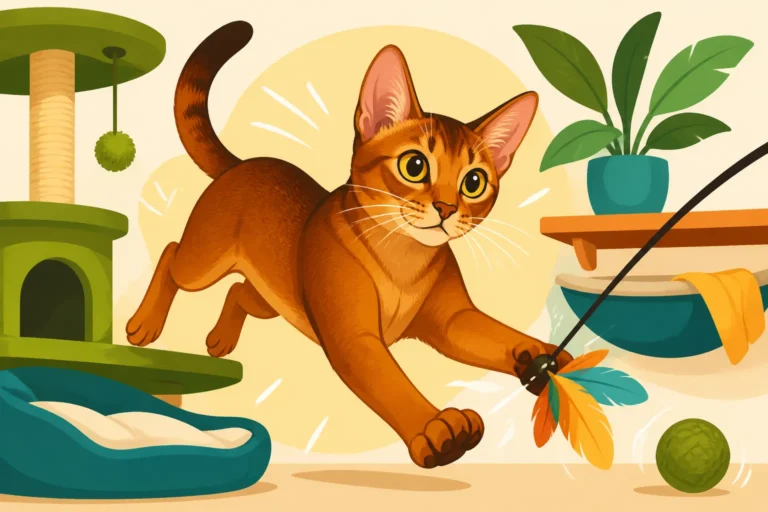
Abyssinians are renowned for their boundless energy and playful nature, often described as the "clowns of the cat world." This vibrant personality translates directly into their vocal habits, particularly during playtime. When an Abyssinian is thoroughly engrossed in a game, whether it's chasing a feather wand or batting around a favorite crinkle ball, you'll often hear a medley of excited chirps, trills, and soft guttural noises. These sounds are expressions of pure joy and concentration, a running commentary on their hunting prowess and the thrilling chase.
Watching them stalk a toy, then pounce with a sudden burst of energy, often accompanied by a rapid series of chirps, is a truly delightful experience. They might also vocalize to encourage you to continue the game, dropping a retrieved toy at your feet with an expectant mew or a quick trill. This high level of engagement means that How Much Play an Abyssinian Needs Each Day directly impacts their vocal expression; a well-played Aby is a happy, and often vocal, Aby.
Responding to Their Environment
Abyssinians are incredibly aware of their surroundings, and their curious, intelligent minds process every sight, sound, and smell. This keen environmental awareness often triggers vocal responses. They are avid "window watchers," and a sudden chirp or trill might indicate they've spotted a bird, a squirrel, or even just a leaf blowing past outside. Their hunting instincts are strong, and these sounds are a natural part of their "inner commentary" on potential prey, even if it's safely out of reach.
Beyond wildlife, Abyssinians react to household sounds too. The doorbell, the rustle of a food bag, or even the sound of running water can prompt a vocal response. They are often right there, investigating every new occurrence, and their voice is part of that investigation process. A sudden, short mew might be a reaction to an unfamiliar sound, while a series of chirps could be a greeting to a familiar visitor. Their active participation in household life ensures there's always something to talk about.
Managing Abyssinian Chatter in Your Home
While an Abyssinian's vocalizations are generally charming and not overly loud, even the sweetest chirps can become overwhelming if they're constant or if you're not used to such an interactive cat. The good news is that Abyssinian vocalizations are often purposeful, meaning there are usually underlying reasons for their chatter. By understanding these reasons, you can implement strategies to manage their vocal habits and ensure a harmonious home for everyone.
Environmental Enrichment: The Key to a Content Abyssinian
One of the primary drivers of excessive vocalization in an Abyssinian is boredom. These are not cats content to simply nap all day; their active minds and bodies require constant stimulation. If an Abyssinian isn't adequately enriched, they might vocalize more frequently out of frustration or a desperate plea for engagement. Providing a stimulating environment is therefore paramount. This includes plenty of vertical space, like tall What a Cat Tree Tall Enough for an Abyssinian Costs or cat shelves, as Abyssinians love to climb and observe from high vantage points.
Interactive toys are also crucial. Puzzle feeders from retailers like Amazon can keep their intelligent minds occupied, making them "work" for their food rather than simply eating from a bowl. Rotating toys regularly can prevent boredom, and designated playtimes with wand toys are non-negotiable for burning off their boundless energy. If you notice your Aby constantly chirping at you with no obvious reason, consider if they've had enough mental and physical exercise. A tired Abyssinian is often a quieter, more content Abyssinian. An Abyssinian that is always exploring and has new things to "discover" is less likely to feel the need to constantly vocalize its discontent.
Training for Quieter Moments
While you can't, and shouldn't, try to silence an Abyssinian completely, you can certainly guide their vocal habits. Positive reinforcement training can be incredibly effective. For instance, if your Aby is meowing incessantly for food, wait for a brief moment of silence before placing their bowl down. This teaches them that quiet behavior is rewarded. Similarly, if they are overly vocal when demanding attention, only provide that attention when they offer a softer vocalization or a moment of quiet. Consistency is key here.
It’s also helpful to teach them cues. Some owners find success in training their Abyssinians to "speak" on command, which can then be used to teach a "quiet" command. This gives them an outlet for their vocal tendencies on your terms. Remember, an Abyssinian's intelligence means they are highly trainable, and engaging them in positive training exercises can be another form of enrichment that ultimately reduces unwanted, persistent vocalization.
When Vocalization Indicates a Problem
It's vital to recognize that a sudden or drastic change in your Abyssinian's vocalization patterns could be a red flag. While a playful chirp is wonderful, an increase in loud, distressed cries, or conversely, a sudden silence from a typically vocal cat, warrants attention. Cats are masters at hiding illness, and a shift in behavior, including vocal habits, can be one of the few indicators that something is wrong. For instance, increased vocalization might point to pain, discomfort, cognitive dysfunction in older cats, or even an underlying medical issue that needs veterinary attention.
If your Abyssinian starts vocalizing excessively at night, seems disoriented, or vocalizes while using the litter box, it's time for a vet check-up. Conversely, if your normally chatty Aby becomes withdrawn and quiet, this too can be a sign of illness. What a Quiet Abyssinian Is Telling You is often that they are feeling unwell or stressed. Always err on the side of caution and consult your veterinarian if you notice any concerning changes in their behavior or vocalizations.
Comparing Abyssinian Vocalization to Other Breeds
When considering an Abyssinian, it's natural to compare their characteristics to other breeds you might be familiar with. Their vocal habits are a common point of comparison, as different cat breeds have earned reputations for varying levels of chattiness. Understanding where the Abyssinian falls on this spectrum can help you determine if their communication style is a good match for your household.
Against the Loudest: The Siamese Comparison
If you're worried about bringing a truly "loud" cat into your home, the Abyssinian is generally not the breed that should give you pause in the way a Siamese might. Siamese cats are famous, or infamous, for their incredibly loud, insistent, and often sustained vocalizations, which can sound quite like a baby crying. They are known for their strong opinions and their determination to express them at full volume. Living with a Siamese often means an ongoing, very public dialogue.
In contrast, Why an Abyssinian Is Quieter Than a Siamese comes down to both volume and intent. Abyssinians tend to have softer voices and use their vocalizations more for specific interactions or observations rather than constant, attention-demanding pronouncements. While an Aby might chirp to greet you, a Siamese might yowl until you pick them up and carry them around. If you're sensitive to noise or prefer a more subtle feline companion, an Abyssinian's vocal style is likely to be a much better fit than the booming declarations of a Siamese.
Against Quieter Breeds: The British Shorthair
On the other end of the spectrum, some breeds are known for being incredibly quiet, almost to the point of being silent companions. The British Shorthair, for example, is often described as a placid, calm cat that rarely vocalizes beyond a soft purr or a gentle chirp when truly necessary. Owners of these breeds often cherish their quiet, undemanding presence.
An Abyssinian falls somewhere in the middle. While not as vocally demure as a British Shorthair, they are also not constantly chattering. They possess a distinct voice that they aren't afraid to use, but their communication is typically charming and engaging rather than intrusive. If you're looking for a cat that will interact with you vocally but won't dominate the soundscape of your home, the Abyssinian offers a delightful balance. They are present and conversational, but they respect the quiet moments too.
Impact of Breed Traits on Vocalization
The vocal tendencies of a breed are often deeply tied to their overall personality and historical traits. Abyssinians, with their lean, athletic build and famously active, intelligent, and curious dispositions, are naturally inclined to be expressive. They are often described as "dog-like" in their desire to interact and follow their humans around, and vocalization is a key part of that engagement. Their high energy levels mean they are constantly alert and exploring, leading to more opportunities for chirps and trills. The Abyssinian Is the Busiest Cat in the House, and this business translates into a need to communicate their experiences.
Conversely, breeds bred for a more sedentary or independent lifestyle might naturally be less vocal. The Abyssinian's social nature means they genuinely enjoy communicating with their family members, both feline and human. This makes their vocalizations a direct reflection of their personality: always active, always aware, and always ready to tell you what they're up to, in their own charming and distinctive way.
Understanding the Abyssinian's Communicative Nature
Living with an Abyssinian means embracing a cat that is truly part of your daily life, and their vocalizations are a beautiful testament to that connection. They are not a breed content to simply exist in the background; they actively engage, observe, and comment on their world, often with a repertoire of sounds that are uniquely their own. Far from being "noisy" in the annoying sense, their vocalizations are a rich tapestry of chirps, trills, and soft mews that deepen your bond and provide endless entertainment.
For new owners, learning to interpret these sounds becomes a delightful journey. You'll quickly discern the difference between a playful chirp, an affectionate trill, and a gentle mew signaling a need. Providing ample enrichment, understanding their energetic needs, and recognizing when a vocal change might indicate a health concern are all part of nurturing a happy and well-adjusted Abyssinian. Ultimately, your Abyssinian's voice is a gift, offering a constant, loving commentary on the joy of sharing a home with these captivating feline companions. They truly speak to you, and with you, in a way that is utterly unique and rewarding.
| Vocalization Type | Typical Sound | Common Meaning | Intensity |
|---|---|---|---|
| Chirp | Short, rolling, bird-like, often trilled | Greeting, excitement, invitation to play | Low to Medium |
| Trill | Longer, more sustained, rolling sound | High excitement, playful engagement, stalking prey | Medium |
| Soft Mew | Gentle, questioning "mrrrow" | Request (food, water, attention), mild complaint | Low |
| Purr | Deep, rumbling vibration | Contentment, affection, comfort | Varies (often low to medium audible sound, high vibration) |
| Yowl/Howl | Extended, louder, drawn-out sound | Distress, frustration, seeking mate (if unaltered) | Medium to High |
| Growl/Hiss | Low, guttural rumble or sharp, expelled breath | Warning, fear, aggression | Medium to High |
Embracing the Aby-Chatter
Once you've tuned into the subtle language of your Abyssinian, you'll find their vocal presence to be one of their most charming traits. They use their voices to maintain a constant, gentle connection with you, and it's a testament to their intelligence and social nature. Don't be surprised if you find yourself "talking" back to them, mimicking their chirps, or engaging in soft conversations. This back-and-forth is a hallmark of the Abyssinian bond, turning everyday interactions into moments of shared communication.
Remember, an Abyssinian's vocalizations are never just noise; they are always communicating something specific. Whether they're alerting you to a bird outside, expressing their joy during playtime, or simply saying hello as you walk by, their voice is a vital part of who they are. Learning to listen, understand, and respond appropriately will only strengthen the incredible connection you share with your intelligent, active, and wonderfully vocal Abyssinian. Just like Why a Single Abyssinian Costs More in Damage due to boredom, a well-stimulated and engaged Aby is generally a happily vocal one.
Disclaimer
This article is for general informational purposes only and does not constitute professional advice. Laws, prices and regulations vary by location and change over time. Consult a qualified professional for guidance on your specific situation.