Why an Abyssinian Is Quieter Than a Siamese
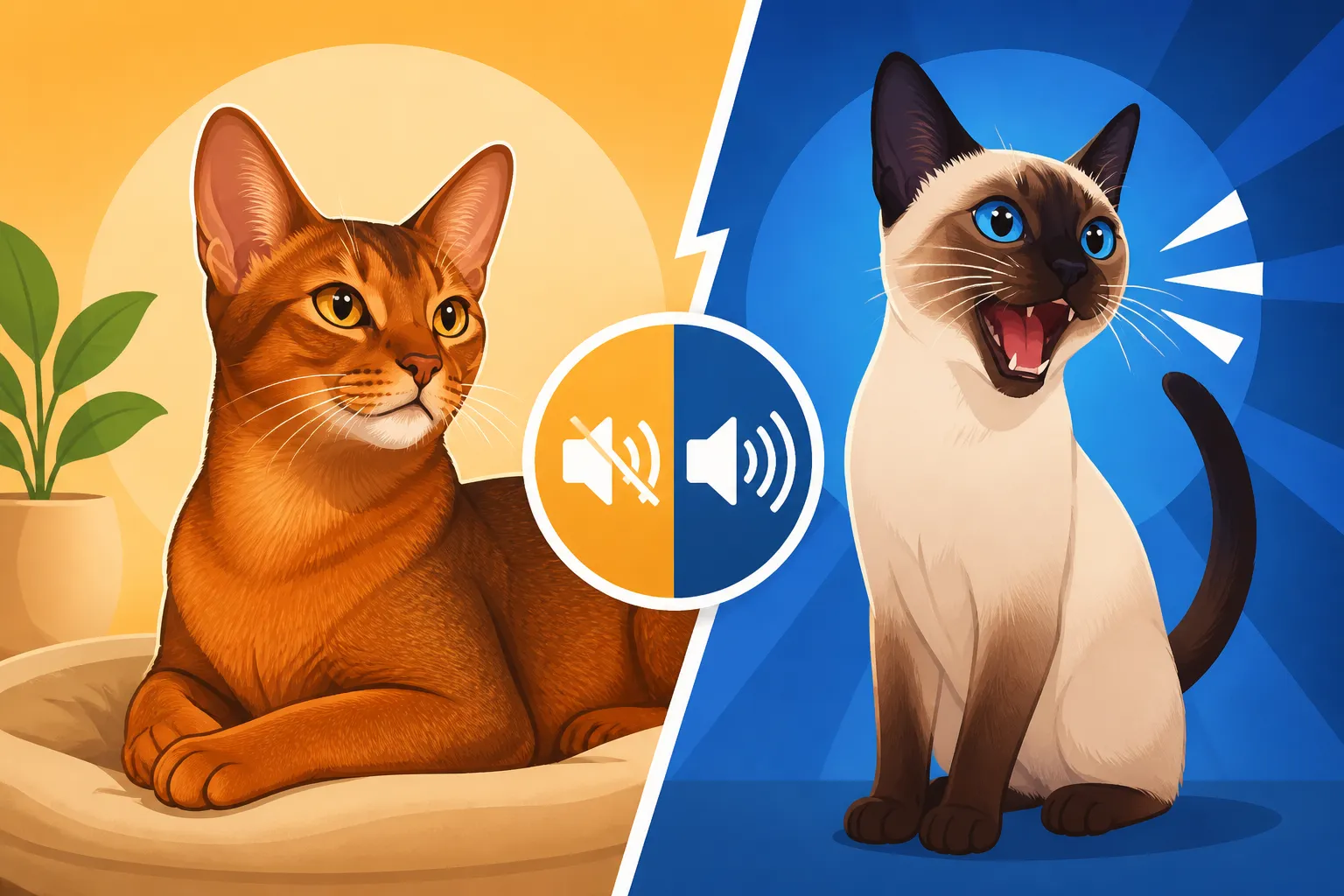
If you've ever spent time around a Siamese cat, you know their voice is unforgettable – a loud, insistent yowl that can command attention from across the house. So, when you hear that Abyssinians are also high-energy, active cats, it's natural to wonder if they come with the same vocal demands. The good news for your eardrums? While Abyssinians are definitely talkative in their own way, they tend to be far quieter than their Siamese cousins. Let's explore why these two vibrant breeds have such different vocal profiles.
Understanding Vocalization in Cats: A Spectrum of Sounds
Cats, much like people, have their own unique ways of communicating. It’s a fascinating spectrum, ranging from the nearly silent observer to the most boisterous conversationalist. When we talk about how vocal a cat is, we’re really delving into their inherent tendencies, how they’ve learned to interact with us, and what exactly they're trying to achieve with their sounds. Not all meows are created equal, and certainly, not all cat voices carry the same volume or urgency.
The Purpose of Feline Communication
Why do our feline friends bother to vocalize at all? For domestic cats, it’s largely about interacting with us, their humans. Kittens meow to their mothers, but adult cats rarely meow at each other in the wild; that particular vocalization seems to have evolved specifically for human ears. They’ll purr when content, certainly, and hiss or growl when threatened, but the variety of meows, chirps, and trills they employ with us is truly remarkable. From a short, questioning "mew" to a long, drawn-out "meeeoooow," each sound often carries a specific intent, whether it's an urgent request for food, a demand for attention, or simply a friendly greeting. They’ve learned that we respond to these noises, making vocal communication a highly effective tool in their daily lives.
Beyond the basic needs, cats also vocalize to express emotions, signal their presence, or even to comment on the world around them. A chirrup might mean they’ve spotted a bird outside the window, while a series of short meows could be a welcoming committee at the door. Understanding these nuances is key to appreciating your cat's unique communication style. It's not just noise; it's their way of connecting with you, albeit sometimes with varying degrees of subtlety or volume. They’re constantly taking our cues and adjusting their vocalizations based on what gets them the desired response, making us unwitting participants in their language development.
Breed-Specific Vocal Tendencies
Just like some dog breeds are known for barking more than others, cat breeds can have distinct vocal tendencies that are often rooted in their genetics and centuries of selective breeding. Some breeds were historically encouraged to be more vocal, perhaps to alert their human companions, while others were favored for a quieter disposition. This isn’t to say that every cat within a breed will behave identically, but there are definitely general predispositions. For instance, you wouldn't expect a Ragdoll to have the same vocal presence as a Siamese, simply because their breed profiles are so different.
Environmental factors and learned behaviors also play a significant role. A cat raised in a quiet home might be less vocal than one living in a bustling household where they need to make themselves heard. They learn what works. If a soft meow gets them what they want, they'll stick with it. If they have to escalate to a full-blown caterwaul to get attention, that becomes their go-to strategy. It's a delicate balance between their inherent nature and the environment we provide. We also need to distinguish between a truly "chatty" cat, who enjoys conversational meows, and a "demanding" cat, whose vocalizations are solely focused on getting their way, often with a louder, more insistent tone. Both can be vocal, but the underlying motivation and impact on your daily life can be quite different.
The Siamese: A Legacy of Loudness
Ah, the Siamese! Few cat breeds are as instantly recognizable, not just by their striking looks but by their unforgettable voices. If you've ever had the pleasure (or sometimes, the challenge) of living with a Siamese, you know exactly what I'm talking about. Their vocal cords seem to be designed for maximum impact, making them the divas of the feline world when it comes to sound. This isn't a new phenomenon; their reputation for being incredibly vocal has been part of their charm and challenge for generations.
The Iconic "Siamese Yowl"
The Siamese doesn't just meow; they yowl. It's a distinct, almost mournful, yet incredibly persistent sound that carries a remarkable distance and resonance. It's often described as sounding like a baby crying, or sometimes even a distressed human. This isn't a soft, delicate sound you might miss; it's a full-throated, attention-grabbing vocalization designed to be heard and acted upon. Their calls can range from sharp, piercing demands to long, drawn-out lamentations, each with its own specific intent, but rarely delivered at a whisper. It’s part of their ancient heritage, a trait that has been celebrated and, occasionally, endured by their devoted owners for centuries.
Historically, the Siamese cat's vocal prowess is often linked to their origins. Some theories suggest that as revered temple cats or companions in royal courts, their distinctive voices might have served a purpose, perhaps to alert their handlers or to communicate over larger distances. This characteristic became a defining trait, one that breeders have unintentionally, or perhaps intentionally, preserved. When you acquire a Siamese, you're not just getting a beautiful, intelligent cat; you're adopting a tiny, opinionated opera singer. Their vocalizations are an integral part of their personality, a constant soundtrack to their lives and yours, letting you know precisely what they think about everything from their dinner plate to the dust motes dancing in the sunlight.
Communicative Intent of the Siamese
The Siamese cat uses its voice for everything. Seriously, everything. They aren't just making noise; they are engaging in a constant, running commentary on their world and their interactions with you. Did you just walk into the room? Expect a vocal greeting, perhaps a question about where you’ve been. Are they hungry? They won't just rub against your legs; they'll often tell you about their empty bowl in no uncertain terms. Bored? They'll yowl to initiate play. Want attention? They will loudly demand it until they receive their desired petting or lap time. This constant dialogue means that silence in a Siamese household is a rare and often suspicious occurrence.
They truly engage in "conversations" with their humans, pausing to listen for your response before continuing their vocal outpouring. It's not uncommon for a Siamese owner to find themselves chatting back to their cat, acknowledging each meow, yowl, or trill as if they understand every word. This desire for constant vocal interaction and their relentless persistence is what sets them apart. They simply do not give up. If their initial gentle request is ignored, the volume and urgency will escalate until they've made their point abundantly clear. This high level of communicative intent, coupled with their unique vocal tone and sheer volume, solidifies their reputation as one of the loudest, if not the loudest, cat breeds out there.
The Abyssinian: Energetic, But More Subtly Expressive
Now, let's turn our attention to the Abyssinian. These are not quiet, wallflower cats by any stretch of the imagination. They are bundles of energy, perpetually in motion, and deeply interactive. Yet, when compared to the vocal marathon runners that are Siamese cats, Abyssinians possess a decidedly more subtle and, dare I say, polite vocal repertoire. They have things to say, absolutely, but they choose their moments and their volume with a bit more discretion.
A More Reserved Vocal Repertoire
When an Abyssinian decides to speak, their sounds are generally much softer and less insistent than a Siamese's penetrating yowl. You'll hear charming little chirps, soft trills, and gentle meows that sound more like a question or a greeting than a demand. It's the kind of sound you might genuinely miss if you're not paying close attention. They often use these sounds as they move through the house, a little "hello" as they pass by, or a curious vocalization while investigating a new object. What an Abyssinian's Chirp Means is often a sign of interest or an invitation to interact, rather than a full-blown clamor for attention. Their purr, when they settle down for a rare cuddle, can be surprisingly loud and rumbling, a true testament to their contentment, but it’s a contented sound, not a demanding one.
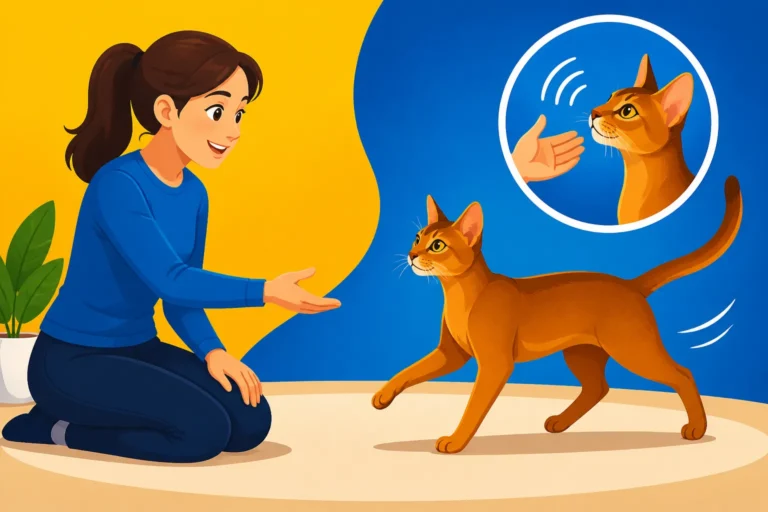
Abyssinians communicate a great deal through their body language and actions, often preferring to show you what they want rather than tell you in a loud voice. A nudge of the head, a swift dash across your path, or an insistent gaze are often their first lines of communication. They might jump onto a counter to demonstrate their hunger by inspecting their food bowl, or tap you lightly with a paw to solicit attention. These physical cues are often enough for them, and if you’re attentive, you’ll quickly learn to read their silent signals. This preference for physical expression over vocal demands contributes significantly to their reputation as a less noisy, though equally engaging, companion compared to some other active breeds.
Purpose Behind Abyssinian Sounds
So, when does an Abyssinian choose to vocalize? Typically, their sounds are reserved for specific, clear purposes. They are wonderful greeters, often offering a string of soft meows or chirps when you arrive home or enter a room. It’s their way of acknowledging your presence and expressing their pleasure at seeing you, a polite "welcome back!" Their vocalizations can also be gentle requests – perhaps a quiet meow by the kitchen for dinner, or a soft trill to invite you to play with their favorite wand toy. These aren't usually urgent, earsplitting demands, but rather mild suggestions.
They are generally not the type of cat to loudly protest every minor inconvenience. If they're bored, an Abyssinian is far more likely to climb to the highest point in the room, scale your bookshelves, or investigate a closed cabinet than they are to sit and yowl about their predicament. How Many Hours a Day an Abyssinian Stays Active directly impacts their communication style; their energy finds outlets in physical exploration and play rather than constant vocal commentary. This means their vocal output is usually tied to genuine interaction or needs, rather than being a continuous background soundtrack. For an Abyssinian, action often speaks louder than words, and their high activity levels provide plenty of avenues for expressing themselves without needing to raise their voice.
Behavioral Differences That Influence Vocal Output
It's not just about what sounds a cat can make; it's about their overall personality and how they choose to interact with their environment and their humans. Both Abyssinians and Siamese are renowned for being active, intelligent, and interactive breeds, but the way they channel that energy and desire for connection is profoundly different, leading to varied vocal outputs. Understanding these behavioral nuances is key to appreciating why one might prefer a quiet physical display while the other opts for a dramatic vocal performance.
Activity Levels and Expressive Outlets
Both the Abyssinian and the Siamese are high-energy cats, constantly on the move and needing significant mental and physical stimulation. However, their primary modes of expression for this energy diverge significantly. A Siamese might vocally announce their readiness for play, trot around meowing incessantly while carrying a toy, or demand attention through persistent yowls. Their activity often comes with a vocal narration. They want you to know they are active, engaged, and ready for action.
An Abyssinian, on the other hand, expresses its boundless energy more physically. They are the acrobats and explorers of the cat world. The Abyssinian Is the Busiest Cat in the House, and they demonstrate this by literally being busy. You'll find them scaling curtains, exploring the tops of cabinets, racing through the house, or deftly navigating a series of wall shelves. An Abyssinian Needs Height More Than It Needs Floor, and they will use every available vertical space to fulfill their need for climbing and observation. This constant physical engagement serves as a significant outlet for their energy, reducing the need for loud vocal demands. They are too busy doing things to spend all their time telling you about it. When an Abyssinian is feeling energetic, they are more likely to chase a laser pointer or an Amazon wand toy with enthusiastic leaps than to sit and complain vocally about their boredom. Their satisfaction comes from the act of doing, exploring, and moving, which inherently reduces their reliance on vocal communication to express their zest for life.
Social Dynamics and Bonding Styles
The way these breeds form bonds with their humans and interact within a household also plays a crucial role in their vocal tendencies. Siamese cats are famous for forming incredibly strong, often singular, bonds with one or two people. They thrive on constant interaction and can become quite demanding, almost possessive, of their chosen human's attention. This intense social need often manifests as persistent vocalization. They will follow you from room to room, engaging in a continuous dialogue, wanting to be involved in every aspect of your day, and vocally expressing their disapproval if they feel ignored or left out. Their vocality is a direct extension of their deep-seated desire for connection and constant interaction.
Abyssinians are also incredibly social and loving, but their bonding style can be a bit more independent. While they adore their humans and will seek out interaction, they often do so on their own terms. They might prefer to perch on your shoulder, weave between your legs, or cuddle up beside you rather than directly on your lap. Why an Abyssinian Will Not Sit on Your Lap isn't a sign of aloofness, but rather their preference for being near you while retaining their sense of independence. They are often content to supervise you from a high vantage point, or engage in solo play nearby, rather than needing constant, direct engagement. This means they rely less on vocal demands to secure your attention. Furthermore, many Abyssinian owners find that Why a Second Cat Suits an Abyssinian is not just about companionship but also about energy diffusion. Another cat, especially one with a similar play drive, provides an excellent outlet for their social and physical needs, further reducing the impetus for intense vocal demands on their human companions.
Living with Vocal Cats: Management and Expectations
Bringing any cat into your home is a commitment, and understanding their unique personality, including their vocal tendencies, is crucial for a harmonious household. While Abyssinians might be generally quieter than Siamese, it's important to set realistic expectations and be prepared to meet the needs of any cat, whether they're a subtle chirper or a full-blown opera star. Knowing what to expect allows you to provide the right environment and enrichment, ensuring a happy cat and a peaceful home.
Setting Expectations and Providing Enrichment
Before bringing home a cat, especially a purebred, it's essential to research the breed's typical temperament, including how vocal they tend to be. If you're sensitive to noise or live in an apartment where loud pets might be an issue, a Siamese might not be the best fit, despite their charm. For Siamese owners, managing vocalization often means preemptively providing consistent attention, engaging play, and mental stimulation. They need to feel like they are part of the conversation and are not being ignored. Interactive toys, regular play sessions, and even teaching them tricks can help channel their high intelligence and need for interaction into less vocal forms of expression.
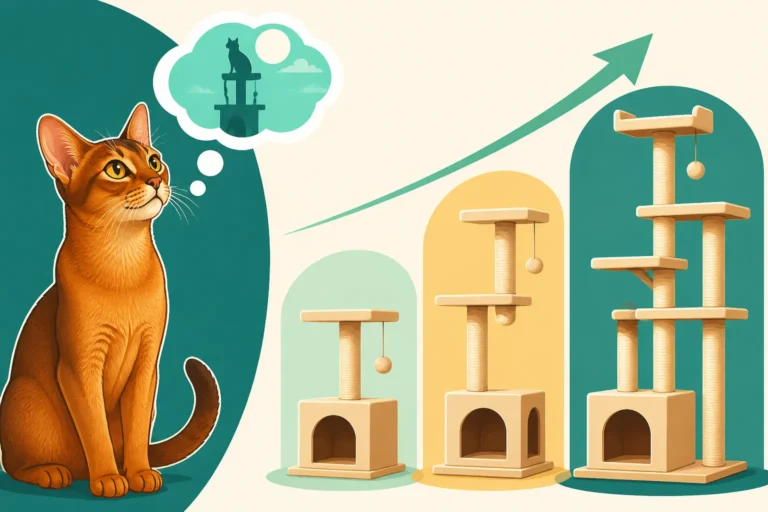
For Abyssinians, while less vocally demanding, their intense energy still requires significant outlets. If an Abyssinian becomes bored or under-stimulated, they might start to develop undesirable behaviors, including increased vocalization, though it's still unlikely to reach Siamese levels. Providing plenty of vertical space, such as cat trees and wall-mounted shelves (many great options are available on Amazon), is paramount. Think about How Many Vertical Levels an Abyssinian Needs to truly thrive. Puzzle feeders, regular play with wand toys, and even leash training can help channel their natural athleticism and curiosity. By fulfilling their inherent need for activity and exploration, you naturally reduce any potential for attention-seeking vocalizations. A well-exercised and mentally stimulated Abyssinian is usually a content and relatively quiet one, communicating through purrs and contented chirps rather than insistent meows.
When Vocalization Becomes a Concern
While we've discussed the typical vocal patterns of these breeds, it's vital to recognize that any sudden or unusual change in a cat's vocalization should always be a red flag. If your normally quiet Abyssinian suddenly starts crying out frequently, or if a Siamese's already loud yowling becomes more distressed or constant, it could be a sign of pain, stress, or an underlying medical issue. Cats are masters at hiding illness, and a change in vocal behavior can sometimes be one of the few indicators that something is wrong. What a Quiet Abyssinian Is Telling You if they suddenly become withdrawn or, conversely, become unexpectedly vocal, often warrants immediate veterinary attention.
Increased vocalization can also be a symptom of conditions like hyperthyroidism, kidney disease (especially in older cats), or even dental pain. Never dismiss a significant change in your cat's voice as "just being dramatic." It's always better to be safe and schedule a visit to your veterinarian to rule out any health concerns. They can perform a thorough examination, including blood work or other diagnostics, to pinpoint the cause. Once any medical issues are addressed, you can then focus on behavioral solutions or environmental enrichments to help your feline friend return to their usual, happy vocal equilibrium, whatever that may be for their breed.
Here's a quick comparison of Abyssinian and Siamese vocal and communication styles:
| Feature | Abyssinian Cat | Siamese Cat |
|---|---|---|
| Typical Vocalizations | Soft chirps, trills, gentle meows, contented purrs | Loud yowls, insistent meows, continuous chatter |
| Volume | Generally quiet, subtle | Very loud, highly resonant |
| Frequency | Moderate, often tied to greetings or specific needs | High, almost constant conversational |
| Communicative Intent | Expresses contentment, greets, gentle requests | Demands attention, expresses needs, protests, converses |
| Primary Expression | Physical activity, climbing, exploration, body language | Vocalization, direct verbal interaction |
| Attention Seeking | More through physical presence, following, nudges | Primarily through loud vocal demands |
| Adaptability | Adapts to household rhythm, less prone to "speaking for effect" | Insistent on being heard, regardless of situation |
This comparison highlights that while both breeds are highly interactive, their preferred methods of engagement, and particularly their vocal habits, are distinctly different. An Abyssinian is far more likely to engage with you through play and exploration, whereas a Siamese will use its voice as its primary tool for communication and connection. How Vocal an Abyssinian Actually Is comes down to a more nuanced, less ear-splitting approach than its Siamese counterpart. They might express How an Abyssinian Shows Affection Instead of Lap Sitting through a purring head-nuzzle or a playful swat rather than a loud declaration of love. Even Why an Abyssinian Wakes You at Five in the morning is more likely to involve pawing and insistent purring than persistent meows. If you're considering an Abyssinian, you can generally expect a cat that's full of life and personality, but one that respects your ears a little more than the famously vocal Siamese. Why an Abyssinian Learns Faster When It Is Hungry means that you can often use food rewards to teach them to communicate in desired ways, potentially redirecting any excessive vocalization into a more polite request.
Disclaimer
This article is for general informational purposes only and does not constitute professional advice. Laws, prices and regulations vary by location and change over time. Consult a qualified professional for guidance on your specific situation.