Which Cat Tree Height Suits an Abyssinian
It's a common dilemma for us Abyssinian owners: how do you provide enough stimulating, safe, and engaging vertical space for a cat that seemingly wants to climb to the moon? These magnificent, energetic felines aren't content to simply nap on the sofa; they thrive on elevation, observation, and exploration. This guide will help you navigate the world of cat trees and other vertical solutions, ensuring your Abyssinian's home satisfies their natural instincts without turning your living room into a precarious climbing gym (unless that's what you're going for!).
Why Abyssinians Are Obsessed With Height
If you've ever owned an Abyssinian, you know they're not your average couch potato cat. They are bundles of lean muscle and boundless curiosity, always seeking the highest vantage point in any room. Understanding this innate drive is the first step to providing an environment where they truly flourish.
Their Innate Drive to Ascend
Abyssinians, with their sleek, athletic build and keen intelligence, possess a primal instinct to climb. It’s part of their very nature, a carryover from their ancestors who would have sought high perches for safety from predators, for hunting advantage, or simply to survey their territory. In your home, this translates into an unstoppable desire to reach the top of bookcases, refrigerator, or, yes, even your shoulders! It's not just about getting up; it's about the journey, the challenge, and the feeling of accomplishment when they conquer a new summit. Ignoring this drive isn't an option, as it will simply manifest in your cat climbing places you'd rather they didn't, potentially damaging furniture or knocking over precious items.
They aren't just looking for a soft place to nap; they're looking for a strategic position. Think about a wild cat in a tree, scanning the landscape. Your Abyssinian is doing the same thing, just with your living room. Providing sanctioned, safe climbing opportunities channels this energy positively. They learn that their climbing instincts are understood and catered to, reinforcing their bond with you and reducing the likelihood of them seeing your antique armoire as their next great mountain. This is a breed that truly exemplifies An Abyssinian Needs Height More Than It Needs Floor, making vertical enrichment a non-negotiable part of their care.
Observational Advantage and Security
From a high perch, an Abyssinian can take in their entire domain – your home – with a sense of security and control. This elevated perspective allows them to monitor all activity, from the arrival of guests to the rustle of a toy mouse under the sofa. For a cat that is as engaged with its environment as an Abyssinian, this "command center" feeling is incredibly important for their mental well-being. It reduces anxiety because they can see potential threats (like the vacuum cleaner) coming, and it satisfies their innate curiosity without requiring them to be in the thick of things.
Imagine your Abyssinian perched high on a cat tree, their eyes wide and ears swiveling, absorbing every detail. This isn't just a place to relax; it's their personal observatory. If they’re on the ground, they might feel vulnerable, constantly needing to be on alert. But from above, they feel safe, secure, and ready to spring into action or simply observe the world with serene confidence. This sense of security can make a huge difference in their overall happiness and how comfortable they feel in their own home.
Energy Levels and Vertical Play
Let's be real: Abyssinians have energy for days! They are known for being incredibly active, playful, and almost endlessly curious. They're not called the "Clown of Cats" for nothing. Their vertical space needs are directly tied to these high energy levels. A cat tree isn't just for resting; it's a launchpad, a chase arena, and a battleground for imaginary prey. They will use the different levels to leap, bound, and dash, expending that incredible energy in a way that is satisfying and natural to them.
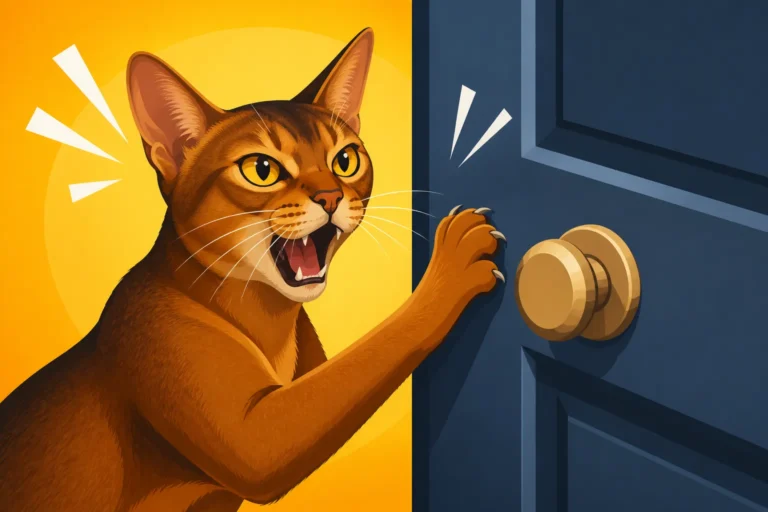
Without adequate vertical outlets, that energy can quickly turn into boredom, and a bored Abyssinian is a recipe for mischief. You might find them scaling your curtains, exploring the insides of kitchen cabinets, or even attempting to Why an Abyssinian Opens Doors and Cabinets. Providing tall, sturdy cat trees and other climbing structures gives them a designated, safe place to perform their acrobatic feats. It's not just about providing a place to climb, but providing a place that invites active, energetic play, multiple times a day.
Understanding Abyssinian Climbing Needs
It's not just about getting any cat tree; it's about getting the right cat tree. Abyssinians are unique, and their climbing structures need to cater to their specific physique and temperament. Think beyond just "tall" and consider what truly makes a piece of vertical furniture suitable for these agile felines.
Defining "Tall Enough" for an Abyssinian
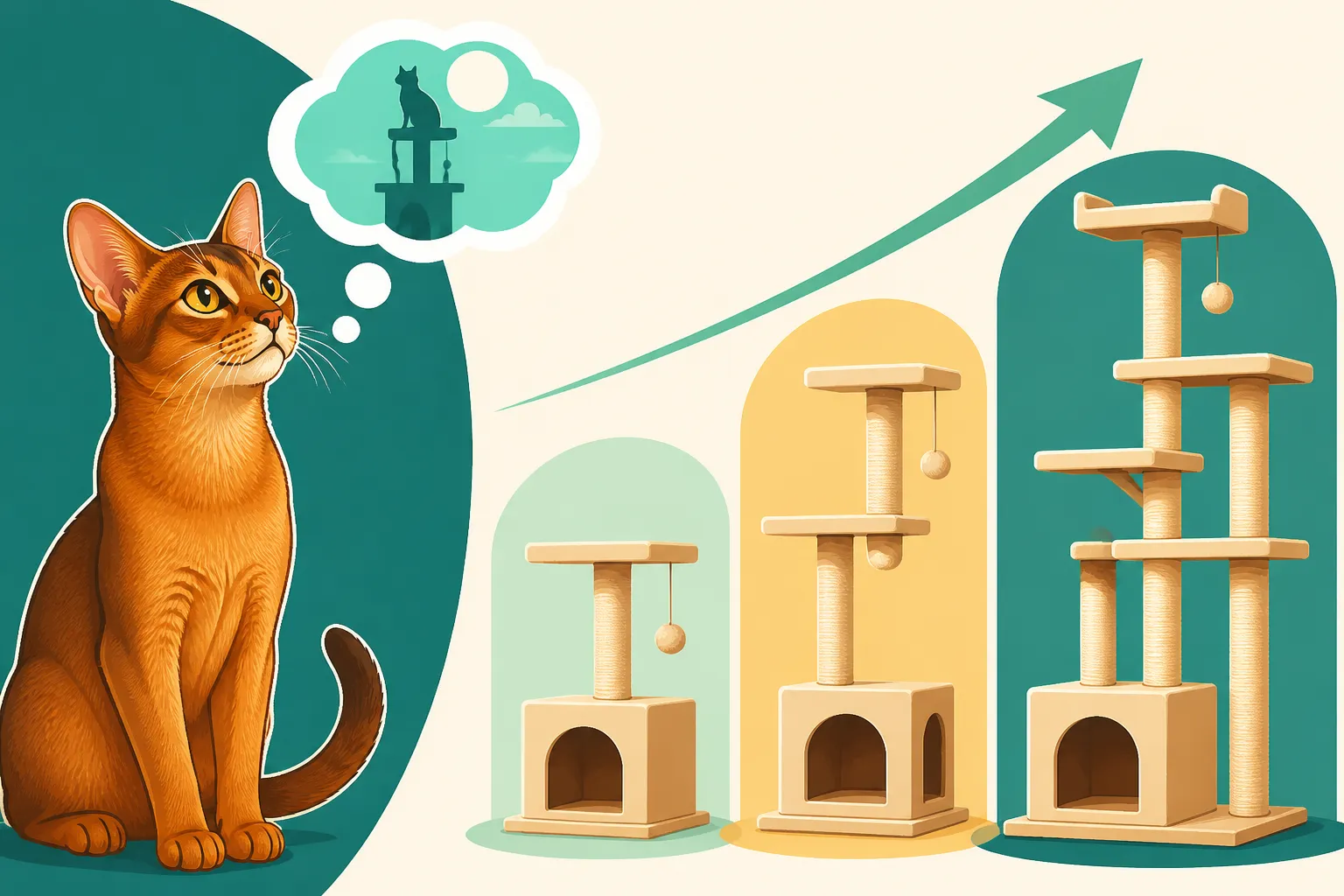
When we talk about "tall enough" for an Abyssinian, we're really looking at something that allows them to get above head-height, ideally reaching the ceiling if possible. A cat tree that merely offers a platform at windowsill level isn't going to cut it for an Aby with serious aspirations. They want to be able to survey their territory from a commanding height, looking down on everything. A multi-level cat tree, reaching six feet or more, is often a good starting point. However, an ideal setup might even involve ceiling-height structures that bolt into the ceiling or walls for maximum stability.
Consider your own home's ceiling height. For an Abyssinian, a tree that nearly touches the ceiling (or has an adjustable tension rod to secure it there) offers the ultimate satisfaction. It gives them a true "summit" to conquer, a place where they feel completely dominant and safe. If your ceilings are particularly high, combining a very tall cat tree with wall-mounted shelves leading up to it can extend their climbing domain even further. This also helps in directing their climbing energy away from places like your drapes or bookcases. You might be surprised at How High an Abyssinian Will Climb given the opportunity, so it's best to provide acceptable outlets.
The Importance of Multiple Levels and Pathways
An Abyssinian doesn't just want one high spot; they want a journey to get there, and options once they're up. A single-platform tall tree might satisfy the height requirement, but it won't satisfy their need for dynamic movement and exploration. They need multiple levels, ramps, or steps that allow them to ascend and descend with grace and speed. This creates an engaging, stimulating environment where they can chase phantom prey, play hide-and-seek with you, or simply change their viewing angle throughout the day.
Think of it as a multi-story mansion for your cat. Each level offers a different perspective and a different function. A lower level might be a cozy cubby for a quick nap, a middle level for observing foot traffic, and the top level for ultimate supremacy. Pathways between these levels should be varied, encouraging different types of movement, from graceful leaps to agile scrambling. This multi-level approach is crucial for preventing boredom and providing continuous mental and physical stimulation. It's also why structures that offer How Many Vertical Levels an Abyssinian Needs are far more engaging than a simple single-perch option.
Considering Their Athletic Build
Abyssinians are known for their sleek, muscular, and incredibly agile bodies. They are built for climbing, jumping, and running, often described as having a "foreign" body type, meaning longer and leaner than many domestic cats. This athletic build means they need sturdy structures that can handle their powerful leaps and quick movements. A flimsy, wobbly cat tree designed for a more sedate cat simply won't do; it could be dangerous if it tips or breaks under their enthusiastic play.
When selecting a cat tree or building shelves, prioritize stability and robust construction. Look for wide bases, heavy materials, and secure fastenings. Platforms should be large enough to comfortably accommodate their full body length, allowing them to stretch out or curl up without fear of falling. The covering material, ideally sisal rope or thick carpet, should provide good grip for their claws during energetic ascents. This attention to detail ensures not only their safety but also their confidence in using the structure, making it a beloved part of their daily routine. Abyssinians are true athletes, and their climbing equipment should reflect that.
Evaluating Cat Tree Features for an Abyssinian
Choosing a cat tree for an Abyssinian isn't just about finding the tallest one. It’s about looking at the details that cater to their unique personality and physical prowess. From stability to the types of materials, every feature plays a role in how much your Aby will love (and safely use) their new vertical kingdom.
Stability and Construction
This is, without a doubt, the most critical factor for an Abyssinian cat tree. These cats are dynamic, launching themselves with incredible force and speed. A wobbly tree isn't just annoying; it's a serious safety hazard. Imagine your Aby mid-leap, only for the entire structure to sway dangerously or even topple. This could lead to injury and, just as importantly, teach your agile feline that climbing isn't safe, leading to them avoiding the tree altogether. You want a tree that feels like a solid piece of furniture, not a temporary prop.
Look for cat trees with a wide, heavy base that provides excellent stability. Trees designed to reach the ceiling, often called "floor-to-ceiling" or "pressure-mounted" trees, can be excellent options because they can be secured with tension, adding an extra layer of stability. If choosing a freestanding tree, consider models with a larger footprint and heavier materials. Inspect the connections between platforms and posts; they should be robust and show no signs of weakness. Some owners even choose to anchor freestanding trees to a wall using L-brackets for ultimate security. You can find many robust options on sites like Amazon, but always read reviews with an eye for comments on stability under active cats.
Platform Size and Spacing
An Abyssinian, while lean, is still a medium-sized cat with a surprising amount of length when stretched out. The platforms on their cat tree need to accommodate this. Small, cramped perches might work for a tiny kitten or a very petite cat, but an adult Abyssinian needs space to comfortably lie down, stretch, and turn around. If platforms are too small, they won't use them for lounging, diminishing the tree's utility.
Equally important is the spacing between platforms. Abyssinians are incredible jumpers, but they also appreciate a clear, accessible route. If the platforms are too far apart, it might be too much of a stretch for comfortable climbing, especially as they get older. If they're too close, it can feel redundant and less engaging, like climbing a ladder with tiny rungs. Ideally, the spacing should encourage fluid movement, allowing for both short hops and longer leaps, mimicking natural climbing scenarios. A good rule of thumb is 12-18 inches between primary levels, with staggered smaller perches for variety.
Scratching Surfaces and Materials
Beyond climbing and resting, a cat tree serves another vital purpose: providing designated scratching areas. Abyssinians need to scratch to maintain their claw health, stretch their muscles, and mark their territory. The best cat trees integrate ample scratching surfaces, ideally covered in sisal rope. Sisal is durable, satisfying for claws, and mimics the rough texture of tree bark that cats instinctively seek out.
Avoid trees with flimsy carpet coverings that shred easily or offer little resistance for scratching. Over time, these materials will degrade, creating mess and failing to satisfy your cat's needs. Look for sisal-wrapped posts, ideally on multiple levels, to encourage scratching where your cat climbs. Some trees even incorporate sisal-covered ramps or platforms. The quality of the sisal and how well it's attached makes a huge difference in the longevity and effectiveness of the scratching areas. This feature not only protects your furniture but also adds to the overall enrichment the cat tree provides. How to Trim a Climbing Abyssinian's Claws will still be necessary, but good scratching surfaces help maintain them.
Beyond the Cat Tree: Complementary Vertical Solutions
While a well-chosen cat tree is a cornerstone of vertical enrichment for an Abyssinian, it shouldn't be the only solution. Thinking outside the traditional "tree" offers even more opportunities to satisfy their climbing instincts and keep them engaged. A truly enriched environment provides a variety of vertical options.
Wall-Mounted Shelves and Steps
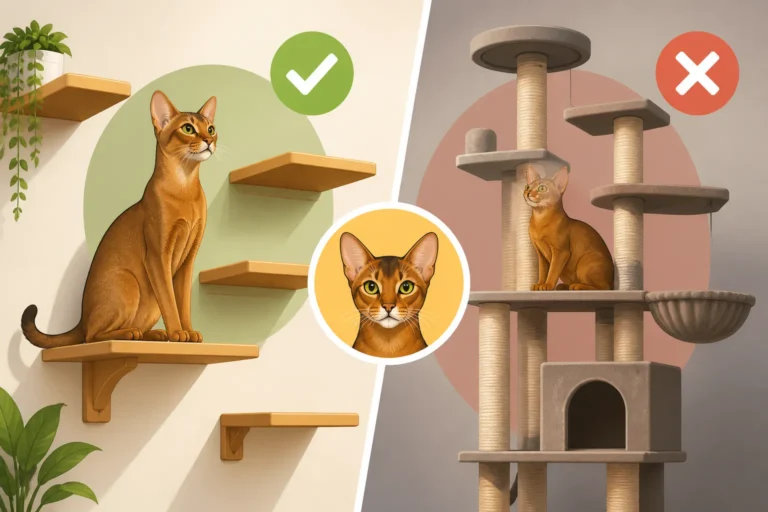
For an Abyssinian, who often prefer the dynamic challenge of climbing rather than just sitting in one spot, wall-mounted shelves and steps can be a game-changer. These allow you to create custom vertical pathways, turning an otherwise blank wall into an exciting climbing circuit. This is especially useful if you have limited floor space, as wall shelves utilize vertical real estate without cluttering the room. They can lead to the top of a bookcase, connect to a high window perch, or even bridge two separate cat trees, creating an expansive aerial highway.
When choosing wall-mounted solutions, prioritize strong, sturdy materials and secure installation. These cats are powerful jumpers, and flimsy shelves could lead to accidents. Look for shelves with non-slip surfaces or add carpet squares for extra grip. Arranging them in a staggered pattern, mimicking natural climbing opportunities, will be far more engaging than a simple ladder-like setup. Many companies specialize in cat-specific wall furniture, offering different finishes and styles to blend with your decor. This type of setup truly embodies Why Wall Shelves Work Better Than a Tree for an Abyssinian in many cases, as they offer unparalleled flexibility and climbing diversity.
Catios and Outdoor Climbing
While Abyssinians are definitely indoor cats (due to their curious nature and general lack of street smarts), providing safe outdoor access can significantly enhance their quality of life. A "catio" – a secure, enclosed outdoor patio or enclosure – offers a fantastic way to combine fresh air and natural climbing opportunities. Within a catio, you can install branches, multi-level platforms, and even small trees, giving your Aby a taste of the wild in a controlled environment. This stimulation is invaluable for a breed that thrives on novelty and exploration.
Catios can range from small window boxes to elaborate multi-story structures. The key is to ensure they are fully enclosed, escape-proof, and offer protection from the elements. Inside, focus on creating varied climbing challenges. Use untreated wood, sturdy ropes, and natural elements where possible. The changing sights, sounds, and smells of the outdoors, combined with ample climbing space, provide an unparalleled sensory experience that can combat boredom and reduce stress. A catio allows your Abyssinian to enjoy the benefits of nature without the dangers of free-roaming, truly enriching their environment. Why an Abyssinian Should Not Roam Outdoors is a critical piece of advice for their safety.
DIY Solutions and Repurposing Furniture
Don't feel limited to store-bought options! Many household items and a bit of creativity can be transformed into fantastic vertical spaces for your Abyssinian. Old sturdy bookcases can be emptied, laid on their side, or modified with added shelves and carpeted steps to create a climbing and lounging station. Even robust side tables or entertainment units can be stacked or arranged to form a multi-level structure. The beauty of DIY is that you can tailor it exactly to your space and your cat's preferences, often at a fraction of the cost.
When repurposing or building, always prioritize safety. Ensure all structures are stable, free of sharp edges, and made with non-toxic materials. You can find sisal rope and cat-safe carpet remnants easily on Amazon to cover surfaces and posts, providing excellent scratching material and grip. Old wooden ladders, if secured horizontally or vertically, can also serve as interesting climbing paths. The joy of a DIY project is seeing your Abyssinian enjoy something you crafted specifically for them, meeting their unique climbing needs with a personal touch. This creative approach can be especially rewarding if you find What an Abyssinian Does When It Is Bored and are looking for new ways to engage them.
Placing Your Abyssinian's Vertical Kingdom
Once you've chosen your cat trees and vertical structures, where you put them is just as important as what they are. Strategic placement can maximize their use, integrate them seamlessly into your home, and ensure your Abyssinian feels both stimulated and secure.
Strategic Placement for Engagement
Location, location, location! An Abyssinian's cat tree isn't just a piece of furniture; it's a hub of activity and observation. Place it in a high-traffic area, such as the living room or a bustling hallway, so your Aby can feel part of the family action. They love to observe, so a spot near a window with a view of birds or outdoor activity will be highly prized. Placing it where they can watch you cook, work, or relax will satisfy their intense curiosity and desire to be involved in everything you do.
However, balance this with a sense of security. While they want to be part of the action, they also need to feel safe. A corner spot or a location near a wall can offer this security, giving them a "back to the wall" feeling that mimics a safe wild perch. Avoid placing it in the middle of a wide-open room where they might feel exposed. Think about how they can use the tree to interact with you and their environment without feeling vulnerable. This thoughtful placement will encourage them to use the tree constantly, making it a central part of their daily routine.
Safety Considerations
Safety should always be paramount when installing vertical structures for an Abyssinian. These agile cats are fearless, and it's up to us to ensure their daring feats don't end in injury. Ensure that cat trees are placed away from precarious objects like delicate vases, easily toppled lamps, or shelves with breakable items. A powerful leap or a frantic play session could send things crashing down. Also, consider the materials around the tree; heavy curtains might get snagged, or blinds might be damaged.
Check the stability of the cat tree regularly, especially if it's a tension-mounted or freestanding unit. Over time, components can loosen, or the base might shift. For wall-mounted shelves, ensure they are securely fastened into studs or with appropriate heavy-duty anchors. Avoid placing climbing structures near open flames (like fireplaces), hot surfaces, or electrical cords that could be chewed or tripped over. Think about possible fall trajectories and clear the area beneath and around the tree. Your Abyssinian relies on you to create a safe playground, allowing them to indulge their adventurous spirit without undue risk.
Integrating with Existing Home Decor
Let's face it, not every cat tree is a design masterpiece. However, with a little thought, you can choose and place vertical structures that blend seamlessly, or even enhance, your home decor. Modern cat trees come in a variety of styles, from sleek minimalist designs to more rustic, natural wood options. Consider the colors and materials that complement your existing furniture and color palette. You can even personalize plain cat trees by adding carpet in a matching shade or painting exposed wood.
Wall-mounted shelves offer even greater flexibility, allowing you to choose materials and finishes that integrate directly with your walls and shelving. For example, solid wood shelves stained to match your existing furniture can look quite elegant. The goal isn't just to provide function but also to ensure that your cat's climbing structures contribute to a harmonious living space. After all, your home is for you too! Many high-quality cat furniture options can be found on Amazon that focus on aesthetics as well as function, so you don't have to compromise on style.
Maintenance and Longevity of Abyssinian Climbing Structures
Investing in good vertical enrichment for your Abyssinian means thinking about the long haul. These structures aren't "set it and forget it" items; they require regular attention to remain safe, clean, and engaging for your active feline.
Regular Inspection for Wear and Tear
Abyssinians are not gentle users of their cat trees and climbing shelves. Their powerful claws, energetic leaps, and constant activity mean that these structures will experience significant wear and tear over time. Regular inspection is crucial to ensure they remain safe and functional. Pay close attention to sisal scratching posts: are they fraying heavily? Are they still securely attached? Loose sisal can be a tripping hazard or simply ineffective for scratching. Check all screws, bolts, and connections; these can loosen with constant impact and movement.
Look for any signs of instability – does the tree wobble more than it used to? Are wall shelves coming away from the wall? Is the carpeting torn, revealing sharp edges underneath? Damaged platforms or wobbly components not only make the tree less appealing but can also be dangerous. A monthly walk-around, giving each piece a good tug and visual inspection, can help you catch small issues before they become major problems. Addressing these quickly ensures the structure's longevity and, most importantly, your Abyssinian's safety and continued enjoyment.
Cleaning and Hygiene
Just like any other piece of furniture in your home, cat trees and climbing structures can get dirty. Abyssinians are generally fastidious cats, but dust, shedding fur, dander, and occasional hairballs or accidents can accumulate. Regular cleaning is essential for hygiene and to keep the structure inviting for your cat. A dirty, smelly cat tree is far less appealing than a clean one, no matter how tall it is.
For carpeted or fabric-covered trees, a thorough vacuuming at least once a week will help remove loose fur and dander. For more stubborn dirt or stains, spot clean with a pet-safe cleaner. Avoid harsh chemicals or strong fragrances, which can deter your cat from using the tree. Wooden or laminate surfaces on shelves and posts can be wiped down with a damp cloth. If you have removable covers or beds, wash them according to the manufacturer's instructions. Keeping their vertical spaces clean is part of Caring for an Abyssinian Past Ten and ensuring their long-term health and comfort, making it a pleasant place for them to relax and play.
Refreshing and Upgrading Over Time
Over many years of enthusiastic use, even the most robust cat tree will start to look a bit tired, or components may wear out completely. Rather than buying an entirely new tree, consider refreshing or upgrading parts of your existing setup. Sisal rope, for example, can be re-wrapped on posts once the old rope is completely shredded. You can often purchase replacement parts from the manufacturer or find generic components that fit. Adding new carpet squares to platforms can give them a fresh look and renewed grip.
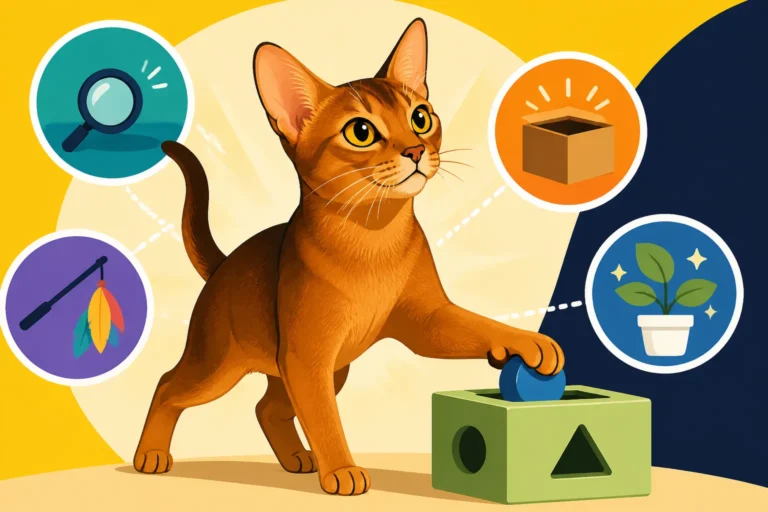
Beyond repairs, think about how you can upgrade your vertical space. Perhaps your Abyssinian's preferences have changed, or you've added new furniture that opens up a new climbing route. Could you add a new hammock perch, a tunnel, or a wall-mounted scratcher to an existing setup? Maybe connect a new set of wall shelves to their favorite window perch. Continuous adaptation and improvement keep the environment novel and engaging for your intelligent Aby, preventing What an Abyssinian Does When It Is Bored and ensuring their vertical kingdom evolves with them through all stages of their life.
| Feature / Type | Cat Tree (Freestanding) | Wall-Mounted Shelves | Repurposed Furniture |
|---|---|---|---|
| Initial Cost | Moderate to High | Moderate | Low to Moderate |
| Space Required | Significant Floor Space | Minimal Floor Space | Varies |
| Stability | Variable (needs wide base, anchoring) | High (when properly installed) | Variable (needs securing) |
| Climbing Variety | Good (multiple levels, posts) | Excellent (customizable routes) | Limited (depends on piece) |
| Aesthetics | Wide range of styles, can be bulky | Can be sleek and integrated | Depends on furniture and modification |
| Scratching Surfaces | Often integrated sisal posts | Can add sisal wraps/panels | Requires DIY addition of sisal/carpet |
| Flexibility | Limited configuration changes | Highly customizable and expandable | Limited by original piece |
| Ease of Cleaning | Varies by material, vacuuming | Easy (wipeable surfaces, remove pads) | Varies |
Disclaimer
This article is for general informational purposes only and does not constitute professional advice. Laws, prices and regulations vary by location and change over time. Consult a qualified professional for guidance on your specific situation.