How Many Vertical Levels an Abyssinian Needs
Many Abyssinian owners find themselves constantly surprised by where their agile companions turn up – on top of the tallest bookshelf, scaling the kitchen cabinets, or even peering down from the highest curtain rod. This isn't just a quirky habit; it's a fundamental need for this active, intelligent breed. This guide will delve into why vertical territory is so crucial for an Abyssinian's well-being and how you can create an enriching, multi-level environment in your home to satisfy their natural instincts.
The Abyssinian's Innate Need for Height and Space
When you bring an Abyssinian into your home, you're not just gaining a pet; you're inviting a miniature acrobat, a curious explorer, and a watchful observer who thrives on elevated vantage points. Their entire disposition is geared towards being active and engaged with their surroundings, and a significant part of that engagement happens off the ground.
Why Vertical Territory Matters So Much to an Aby
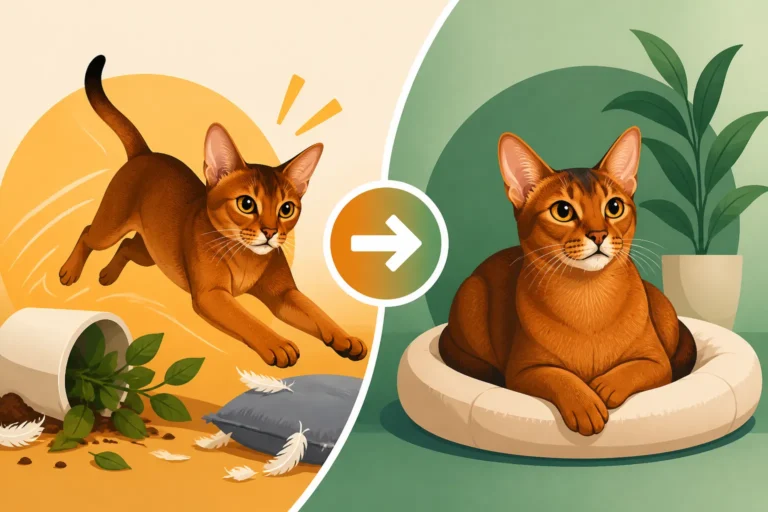
For an Abyssinian, vertical space isn't just about fun; it's about security, stimulation, and asserting their place in the household hierarchy. Imagine living in a world where everything is at eye-level or above, and suddenly being able to survey your domain from a higher perch. That's what it feels like for an Aby. From a high shelf or the top of a cat tree, they feel safer, less vulnerable, and have a better view of everything happening around them. This natural instinct stems from their ancestral roots, where being high up meant spotting prey or predators more easily. In a domestic setting, it translates to feeling calm and confident. A bored or anxious Abyssinian will often seek height instinctively, as if trying to gain control over their environment.
Understanding the Abyssinian's Wild Ancestry
While our modern Abyssinians are far removed from their wild ancestors, their instincts remain incredibly strong. These cats are built for agility, speed, and climbing. Their sleek, muscular bodies and powerful hind legs are perfectly adapted for leaping and scaling. Think of a small wild cat observing its territory from a tree branch, out of reach of ground-level threats, planning its next move. This inherent programming is why Abyssinians possess such an insatiable desire to climb and explore vertical spaces. They retain that primal urge to survey their surroundings from above, to observe their human "pride" from a safe distance, and to pounce on imaginary prey from a commanding position. Denying them this outlet can lead to frustration and behavioral issues.
The Difference Between Floor Space and Vertical Space
Many people focus on providing ample floor space for their cats, assuming that a large house or apartment is enough. However, for an Abyssinian, horizontal square footage is only part of the equation. A small apartment with well-designed vertical enrichment can be far more stimulating and fulfilling than a sprawling house with only ground-level access. Vertical space expands their territory exponentially. It gives them multiple pathways to navigate, different vantage points to observe from, and a clear distinction between resting spots, play areas, and observation posts. Without it, your Abyssinian might feel confined, regardless of how much floor space they have. They need that sense of elevation, the feeling of literally rising above the mundane. An Abyssinian Needs Height More Than It Needs Floor isn't just a catchy phrase; it's a fundamental truth for this breed.
Assessing Your Home's Current Vertical Landscape
Before you rush out and buy every cat tree you see, take a moment to evaluate what you already have and how your Abyssinian interacts with it. This observational phase is key to understanding their preferences and identifying gaps in your current setup.
Evaluating Existing Furniture as Climbing Opportunities
Look around your home with a fresh pair of eyes. Do you have tall bookshelves, sturdy dressers, or even kitchen cabinets that your Abyssinian already attempts to scale? Many pieces of human furniture can be repurposed or adapted to serve as vertical stepping stones or perches. A tall bookshelf, if stable and secured, can become a multi-level climbing structure. A sturdy wardrobe can offer a high lookout point. Even the back of a sofa, combined with a side table, can create a small vertical ascent. The key is safety and stability. Anything they climb on must be secure enough to prevent tipping, and surfaces should offer good paw grip. Remember, an Abyssinian's climb isn't always graceful; sometimes it's a powerful leap, and their landing needs to be safe.
Identifying "Dead Zones" and Underutilized Vertical Spaces
Every home has them: those stretches of wall, corners, or areas above doorways that are essentially blank canvases. These are prime locations for adding vertical enrichment. Think about the space above your doors, around window frames, or even in a hallway. These "dead zones" can be transformed into exciting pathways or secluded perches. Perhaps there's an empty wall in your living room that could become a series of floating shelves leading up to a comfy bed. Or maybe the space above a desk could host a small, sturdy perch. By identifying these overlooked areas, you can maximize your Abyssinian's territory without sacrificing valuable floor space for your own use. Why an Abyssinian Prefers the Highest Point in a Room means these high, often ignored spots are exactly where they want to be.
How to Observe Your Abyssinian's Current Climbing Habits
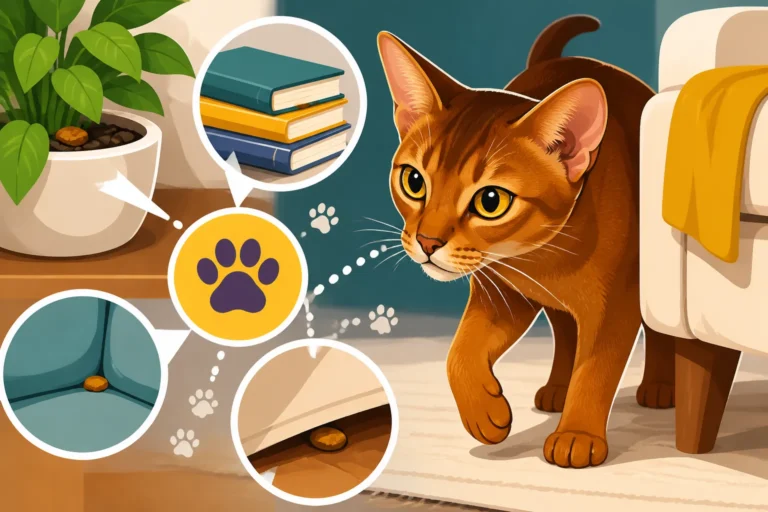
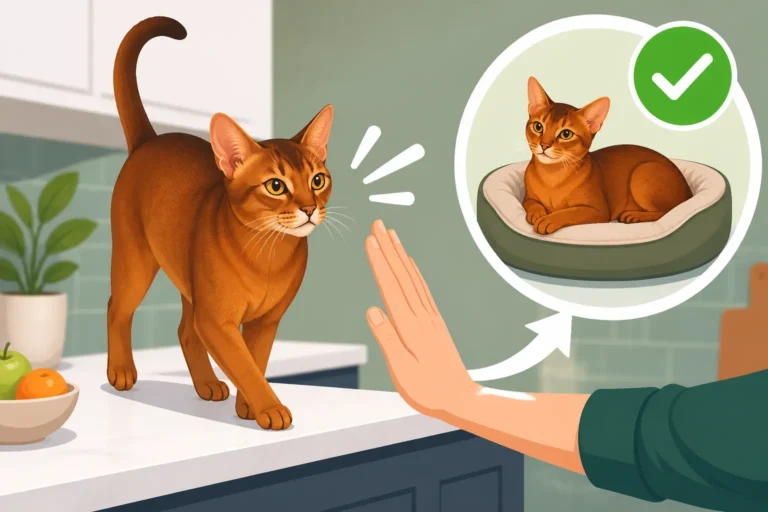
Spend some time simply watching your Aby. Where do they try to climb? What routes do they attempt? Do they seem frustrated when they can't reach a certain height? Their current behavior is a treasure trove of information about their preferences. If they constantly leap onto the kitchen counter, they're telling you they desire high access in that area. If they stare longingly at the top of your bookshelf, that's a clue. Notice their agility, their preferred jumping distances, and whether they enjoy enclosed spaces or open perches. This observation will help you tailor your vertical additions to their specific needs and desires, rather than just guessing. Pay attention to how they explore: are they methodical, or do they launch themselves with reckless abandon? This will inform the types of structures you install.
Designing the Ideal Vertical Playground for Your Abyssinian
Once you understand your Abyssinian's needs and your home's potential, it's time to get creative. The goal is to build a network of vertical pathways that mimic a natural environment, offering both challenge and comfort.
The Multi-Level Cat Tree: A Foundation Piece
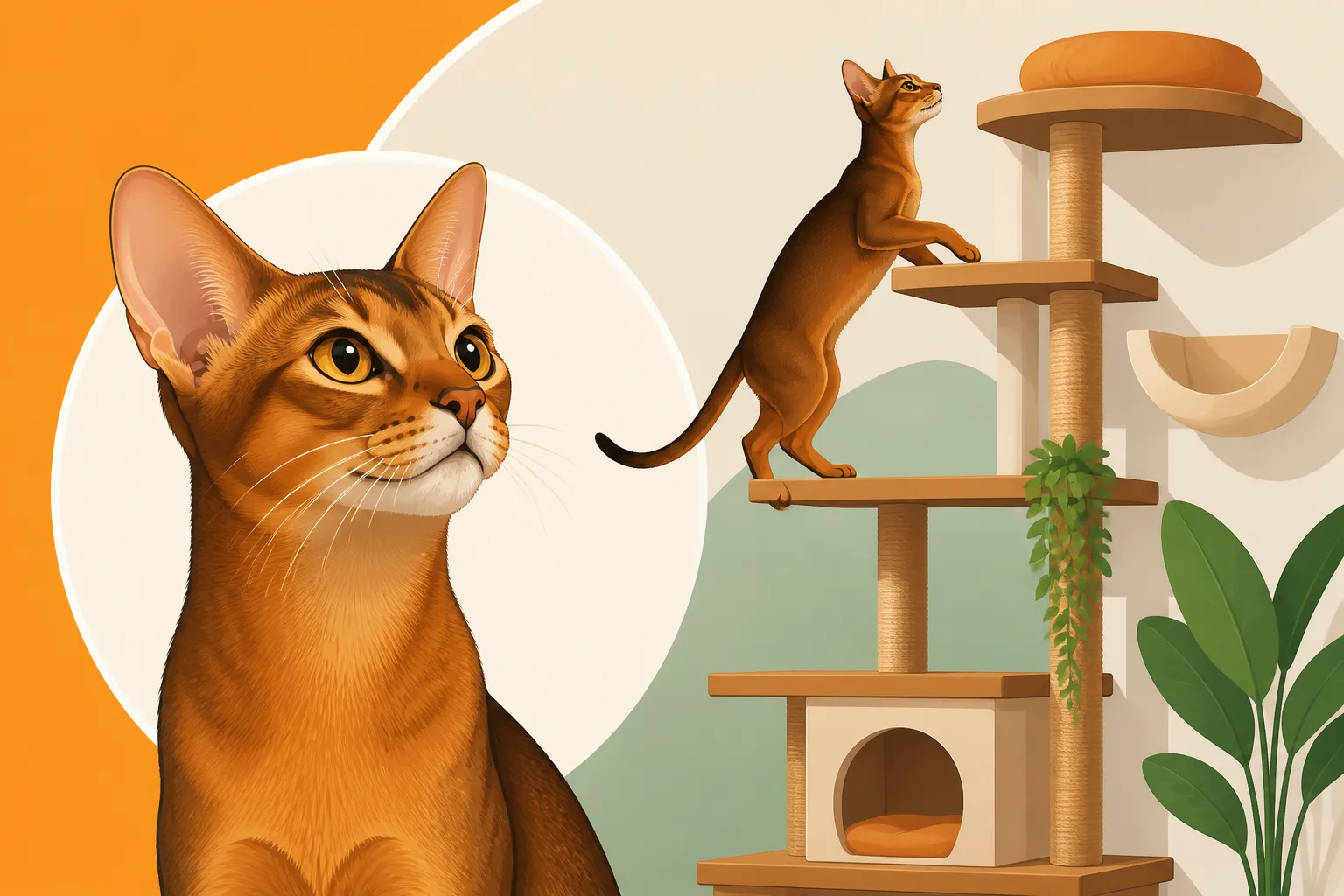
A sturdy, multi-level cat tree is often the cornerstone of an Abyssinian's vertical kingdom. These trees provide a safe, dedicated space for climbing, scratching, napping, and observing. Look for models that are tall and stable, with multiple platforms at varying heights. A good cat tree for an Abyssinian will have scratching posts made of sisal or carpet on several levels, as they love to stretch and mark their territory. Consider one that reaches near the ceiling, offering that ultimate high perch they crave. Some excellent brands can be found on Amazon, offering a variety of heights and features. Remember, Which Cat Tree Height Suits an Abyssinian is crucial; it needs to be tall enough to be exciting, but also stable enough to be safe when they launch themselves off it.
Strategic Placement of Wall-Mounted Shelves and Perches
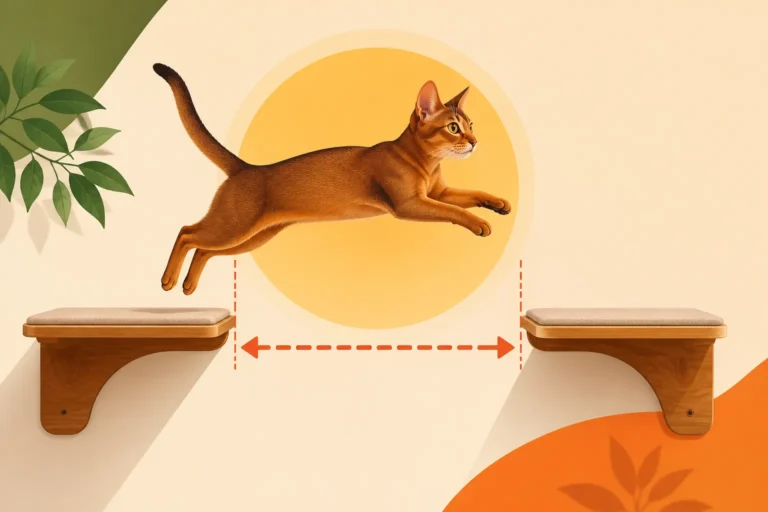
While cat trees are fantastic, wall-mounted shelves and perches truly unlock the potential of vertical space. They allow you to create custom pathways and observation points that seamlessly integrate into your home's decor. Think of them as a spiderweb, connecting different pieces of furniture or leading to high vantage points. Place shelves at staggered heights, creating a "staircase" effect that encourages climbing. Install comfortable perches near windows for prime bird-watching opportunities. These shelves should be deep enough for your Aby to lie down comfortably and made of sturdy materials, securely mounted into wall studs. Why Wall Shelves Work Better Than a Tree for an Abyssinian in some cases is because they offer more flexibility in placement and often utilize otherwise unused wall space. You can extend their territory across an entire wall, giving them an aerial highway.
Integrating Human Furniture into the Vertical Network
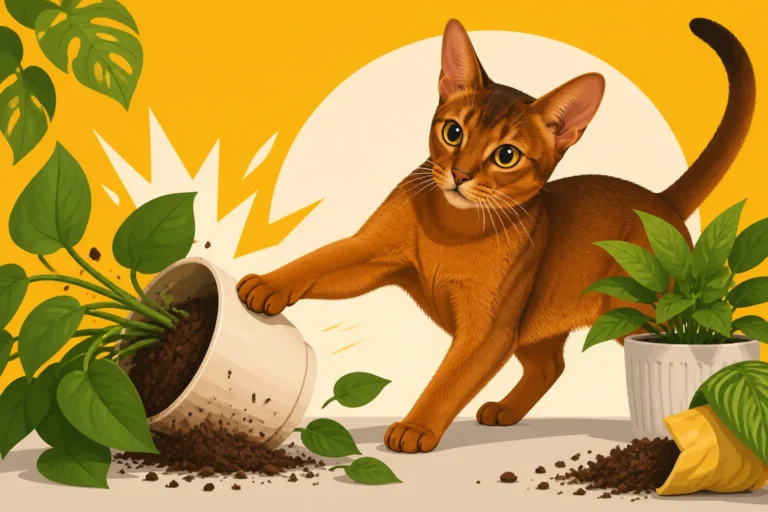
Don't underestimate the power of human furniture to enhance your vertical design. A tall dresser can become a launching pad to a wall shelf. A sturdy bookcase can be adorned with small cat beds on its upper shelves, creating cozy hideouts. The key is to see your existing furniture not just as static objects, but as potential components of a larger climbing system. For instance, you might place a small cat tree next to a desk, allowing your Abyssinian to jump from the tree to the desk, and then to a nearby wall shelf. Just ensure that anything they use is stable and that valuable or breakable items are moved to safer locations. An Abyssinian will find a way up, even if it means knocking your favorite vase off the mantelpiece!
Practical Considerations for Abyssinian Vertical Enrichment
Building a vertical playground is one thing; maintaining it and ensuring it serves its purpose for years to come is another. Practicality and safety are paramount for these energetic climbers.
Ensuring Safety and Stability for High Climbers
An Abyssinian's enthusiasm for climbing can sometimes outweigh their judgment. Therefore, every vertical structure must be rigorously checked for safety.
- Anchoring: Wall-mounted shelves must be securely anchored into wall studs, not just drywall. For larger cat trees, consider anti-tip kits if they are particularly tall or freestanding in an active area.
- Weight Capacity: Ensure shelves and perches can easily support your Abyssinian's weight, plus any added momentum from their leaps.
- Surface Grip: Smooth, slippery surfaces can be dangerous. Add carpet tiles, sisal, or non-slip mats to perches and shelves to provide good paw grip.
- Clear Pathways: Ensure there are clear, unobstructed pathways for your Abyssinian to navigate. Avoid placing fragile items directly below a jump zone.
- Material Quality: Invest in durable materials. Why an Abyssinian Destroys Cheap Furniture Faster is a real issue, as their claws and powerful jumps can quickly wear down flimsy structures.
Maintaining the Appeal of Vertical Spaces Over Time
Cats, Abyssinians especially, can sometimes get bored with static environments. To keep their vertical kingdom engaging, consider regular rotations or additions.
- Toy Rotation: Hang new toys from various perches, or rotate existing toys to keep things fresh. A simple feather wand dangled from a high shelf can reignite interest.
- Treat Puzzles: Hide treats on different levels of their cat tree or shelves, encouraging them to explore and forage.
- New Elements: Every few months, consider adding a new small shelf, a rope bridge, or a different type of cat bed to a perch. Even a new texture on a surface can make it feel novel.
- Cleanliness: Regularly clean their vertical spaces. Cats are fastidious, and a dirty perch can become unappealing. This includes vacuuming carpeted trees and wiping down shelves.
Catering to Multiple Abyssinians or Other Pets
If you have more than one Abyssinian, or other pets, your vertical strategy becomes even more critical. Vertical spaces reduce competition for prime spots and offer escape routes.
- Multiple Retreats: Ensure there are enough high-up resting spots for all cats. Abyssinians often enjoy sharing space, but having individual options reduces stress.
- Layered Design: Create multiple "traffic lanes" at different heights. This allows cats to pass each other without direct confrontation, or for one cat to escape a playful chase from another.
- Dog-Proof Zones: For homes with dogs, vertical spaces offer invaluable dog-free zones for your Aby. Ensure some perches are too high or too narrow for your canine companions.
- Consider the Peacekeepers: Abyssinians are generally good at coexisting, but ensuring ample vertical territory means less squabbling over who gets the best sunbeam or the highest perch. Whether Two Abyssinians Are Easier Than One can often depend on how well their environment meets their needs for personal space, both horizontally and vertically.
Beyond the Obvious: Creative Vertical Solutions
Sometimes, standard cat trees just don't cut it, or you might be looking for ways to integrate vertical play more seamlessly into your living space.
Window Perches and Catios for Outdoor Views
An Abyssinian loves a good view, and a window perch is an absolute must. These can be simple suction-cup shelves, or more elaborate wall-mounted platforms that allow them to watch the world go by. For ultimate outdoor enrichment, consider a "catio" – an enclosed outdoor patio designed for cats. A catio provides safe access to fresh air, sunshine, and the thrill of observing birds and squirrels, all while preventing your agile Abyssinian from escaping or encountering dangers. Many catios can be designed with multiple levels, ramps, and platforms, turning them into a true vertical adventure playground. How an Abyssinian Uses a Catio is to explore, hunt imaginary prey, and bask in the sun, all from varying heights.
DIY Vertical Projects and Budget-Friendly Options
You don't need a massive budget to create an amazing vertical environment. Many effective solutions can be DIY projects or found secondhand.
- Repurposed Furniture: Old bookcases can be secured and adapted with carpeting or sisal. Sturdy wooden crates can be stacked and secured to create climbing towers.
- Floating Shelves: Inexpensive wooden shelves can be purchased from home improvement stores and customized with carpet or fabric for grip and comfort.
- Tree Branches: For a truly natural look, thoroughly cleaned and secured tree branches can create climbing opportunities (though ensure they're free of parasites and splinters).
- Cardboard Creations: While not permanent, large cardboard boxes can be taped together to create temporary forts, tunnels, and climbing structures, offering hours of fun for minimal cost. Remember, the goal is enrichment, and a simple, safe setup is better than nothing. You can find many inspiring ideas for DIY cat furniture on Amazon by searching for "cat climbing shelf DIY" or "cat wall furniture ideas."
Training Your Abyssinian to Use New Vertical Features
While Abyssinians are natural climbers, sometimes a little encouragement helps them discover and utilize new vertical additions.
- Positive Reinforcement: Use treats and praise to reward them when they explore or climb onto a new perch. Place treats directly on the new platform to entice them.
- Interactive Play: Use a wand toy to guide them up new climbing routes. Dangle the toy from a higher shelf, encouraging them to follow its path. Which Wand Toy an Abyssinian Prefers is usually a lightweight one with feathers or crinkly material that mimics prey.
- Gradual Introduction: Don't expect them to immediately embrace a brand-new, complex structure. Start with a simpler piece or a lower level, and gradually introduce them to more complex or higher elements.
- Familiar Scents: Place a familiar blanket or toy on a new perch to make it smell like "home" and encourage them to investigate. Patience is key; your Abyssinian will eventually discover and love their new vertical domain. How to Teach an Abyssinian to Fetch is another great way to engage their intelligent minds, and some will even fetch toys from high places!
Disclaimer
This article is for general informational purposes only and does not constitute professional advice. Laws, prices and regulations vary by location and change over time. Consult a qualified professional for guidance on your specific situation.