How to Give an Abyssinian a Job
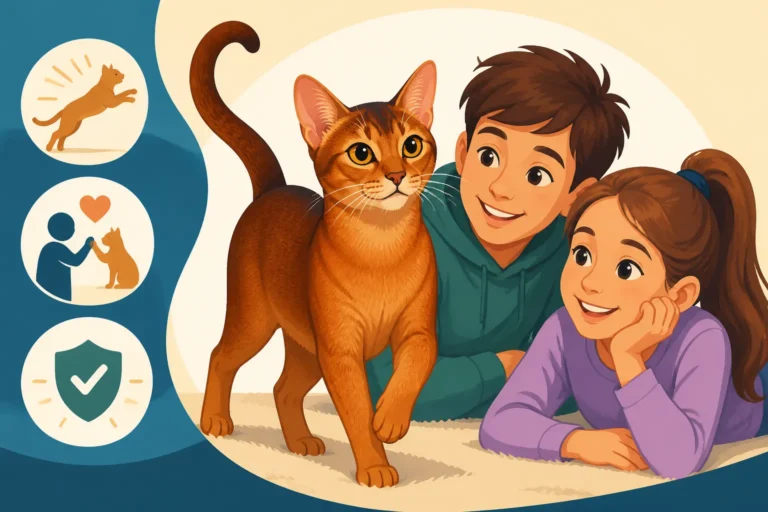
Anyone who has lived with an Abyssinian knows that these incredible cats are bundles of energy and sharp intelligence. The frustration often comes when all that amazing potential turns into mischief, destruction, or incessant demands because they're simply not challenged enough. This guide is all about understanding that deep-seated need for activity and purpose, and how you can channel it by giving your Abyssinian a fulfilling "job" in your home, keeping them happy, engaged, and your curtains intact.
Understanding the Abyssinian's Innate Drive for Activity
Abyssinians are not your typical lounging lap cats. If you were hoping for a quiet companion content to snooze on the sofa all day, you probably quickly realized that an Aby has other plans! Their lean, muscular bodies are built for action, and their bright, alert eyes miss nothing. This breed carries a strong legacy of its active ancestors, often likened to small cougars or wildcats in miniature, and that ancestral spirit means they are always seeking stimulation.
Why a Busy Cat Needs a Purpose
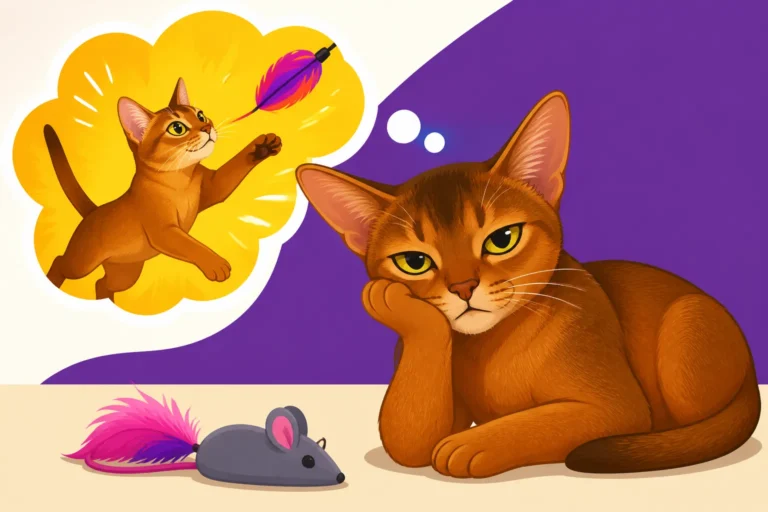
Imagine yourself with a brilliant mind, boundless energy, and absolutely nothing to do all day. You'd probably get bored, restless, and maybe even a little destructive, right? It's much the same for an Abyssinian. Their high intelligence means they constantly need puzzles to solve, environments to explore, and challenges to overcome. Without these mental and physical outlets, they don't just "relax"; they get stressed, frustrated, and will often invent their own "jobs," which might not align with your household rules.
They thrive on engagement and interaction, viewing their human companions not just as providers of food and comfort, but as fellow participants in their daily adventures. This isn't just about entertainment; it's about fulfilling their core behavioral needs. A cat with a purpose is a happy cat, and an Abyssinian without one can be a handful, no matter how much you adore them. It's truly a matter of their well-being.
The Consequences of Boredom
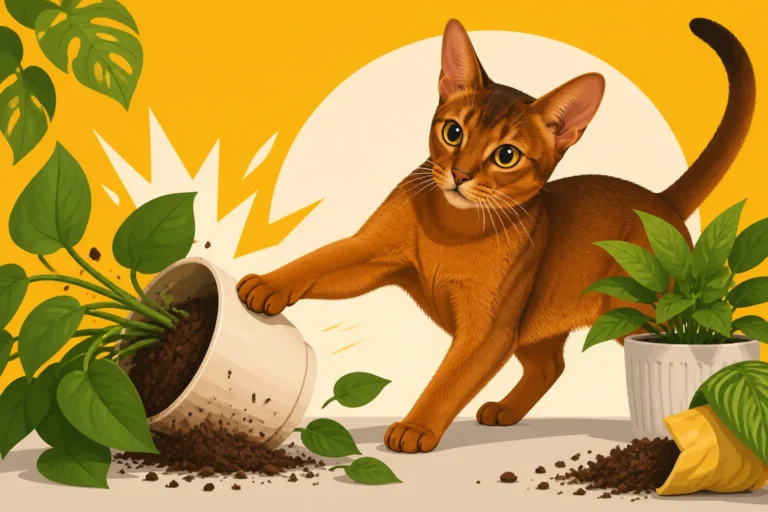
An Abyssinian who isn't given a job will quickly find one. Unfortunately, these self-appointed tasks often manifest as behaviors we find problematic. You might come home to shredded toilet paper rolls, knocked-over decorative items, or cabinets pried open. Some Abyssinians become excessively vocal, constantly chirping, trilling, or even meowing loudly to demand attention or express their discontent. Others might resort to destructive scratching on furniture, or even over-grooming themselves to the point of skin irritation.
It’s easy to dismiss these behaviors as naughtiness, but it’s crucial to understand they are usually symptoms of an underlying issue: boredom and lack of adequate mental and physical stimulation. They aren't doing it to spite you; they're doing it because their powerful instincts are compelling them to act, and they don't have a better outlet. Understanding What an Abyssinian Does When It Is Bored is the first step to redirecting these tendencies into positive, acceptable behaviors.
Their Hunter Instincts
At the heart of an Abyssinian's need for a job lies their profound hunter instinct. They are natural predators, built for stalking, chasing, pouncing, and "killing" prey. While your home might not be teeming with mice, their brains are hardwired to seek out these experiences. This isn't just about catching dinner; it's about the entire behavioral sequence of the hunt. From the initial search and observation to the final triumphant "capture," each stage provides crucial mental and physical exercise.
Ignoring this instinct is like giving a highly intelligent dog no training or walks – it's simply unfair and leads to an unhappy animal. Providing opportunities for them to express these instincts in a safe, appropriate way is fundamental to their welfare. This is why puzzle feeders, interactive toys, and even controlled outdoor experiences become so vital; they're not just toys, they're tools for survival, albeit in a domestic setting.
The Art of Foraging: Making Mealtime a Mission
One of the easiest and most effective ways to give an Abyssinian a job is to transform mealtime from a simple bowl-filling exercise into a challenging hunt. In the wild, cats spend a significant portion of their day foraging for food, and domestic cats retain this innate drive. By making them "work" for their food, you're tapping into their natural instincts and providing both mental and physical enrichment.
Moving Beyond the Bowl
The traditional food bowl, while convenient for us, offers absolutely no challenge or stimulation for an Abyssinian. Food is simply delivered, consumed, and then they're left with nothing else to do. This can lead to rapid eating, boredom, and a missed opportunity for enrichment. Instead, think of every meal as a chance for your cat to engage their brain and body. This practice is often called "foraging," mimicking how a wild cat would search for its meals.
Starting this can be as simple as scattering dry kibble around a room, forcing your Aby to hunt for each piece. They'll use their senses of smell and sight, prowling and investigating, which is far more engaging than simply eating from a dish. Over time, you can increase the difficulty by hiding food in more complex spots or using specialized tools designed for this purpose.
Types of Puzzle Feeders
There's a fantastic array of puzzle feeders available today, many of which you can find easily on sites like Amazon, that are perfect for stimulating your Abyssinian's mind. These range from beginner-friendly options to complex contraptions that require serious problem-solving skills.
- Slow Feeder Bowls: These have ridges and mazes that force your cat to eat more slowly, making mealtime last longer and preventing scarf-and-barf issues. They’re a great entry point into making food less accessible.
- Treat Balls/Dispensers: These are hollow balls or toys with adjustable openings that dispense kibble as your cat bats them around. The movement and reward combination is highly engaging for active Abyssinians.
- Interactive Feeder Mats: Often made of fabric or silicone with various pockets and folds, these mats encourage cats to sniff out and dig for their food.
- Multi-Level Puzzle Towers: These require your cat to bat pieces of kibble down through different levels or manipulate levers to get their reward. These are particularly good for Abyssinian intelligence, as they often involve multiple steps.
When choosing a puzzle feeder, consider your cat's current skill level. Start simple and gradually introduce more complex designs to keep them challenged but not frustrated. Which Puzzle Feeders Hold an Abyssinian's Attention can help you pick the best options.
Hiding Food for a Challenge
Beyond specific puzzle feeders, simply hiding portions of your Abyssinian's daily kibble ration around the house can provide hours of fun and engagement. This turns your entire home into a hunting ground. Start with easy spots, like on a low shelf, next to a chair leg, or under a throw rug. As your Aby gets the hang of it, gradually increase the difficulty.
Think about places they love to explore: on top of a cat tree, tucked behind a houseplant (make sure it's cat-safe!), or even inside an empty paper towel roll with the ends folded in. The goal is to make them search, sniff, and think. This engages their senses and their predatory drive, providing mental and physical exercise throughout the day. Remember to always make sure the hidden spots are safe and accessible enough that they won't get stuck or hurt trying to retrieve their "prey."
Harnessing Their Climbing Prowess: Vertical Exploration
Abyssinians are renowned for their athleticism and their love for heights. If you've ever watched an Aby launch itself onto the top of a refrigerator or balance precariously on the narrowest bookshelf, you know exactly what I mean. This isn't just about being playful; it's a deeply ingrained instinct for safety, observation, and territorial marking. Providing ample vertical opportunities gives your Abyssinian a crucial "job" of patrolling and overseeing their domain from above.
The Importance of Vertical Space
In the wild, cats climb to escape predators, hunt from an advantageous position, and survey their territory. Your domestic Abyssinian still feels these urges. A home that only offers horizontal space can feel confining and unstimulating for such an arboreal creature. Vertical space provides exercise, mental stimulation, and a sense of security. It allows them to express their natural behaviors like jumping, balancing, and perching.
Without adequate vertical options, your Abyssinian might take to climbing your curtains, scratching up your walls trying to get leverage, or constantly trying to reach the highest point on your furniture, potentially damaging it or hurting themselves. By intentionally designing your home with verticality in mind, you fulfill a fundamental need for your cat, making them feel more secure and enriching their lives immensely.
Wall Shelves and Cat Trees as "Observation Posts"
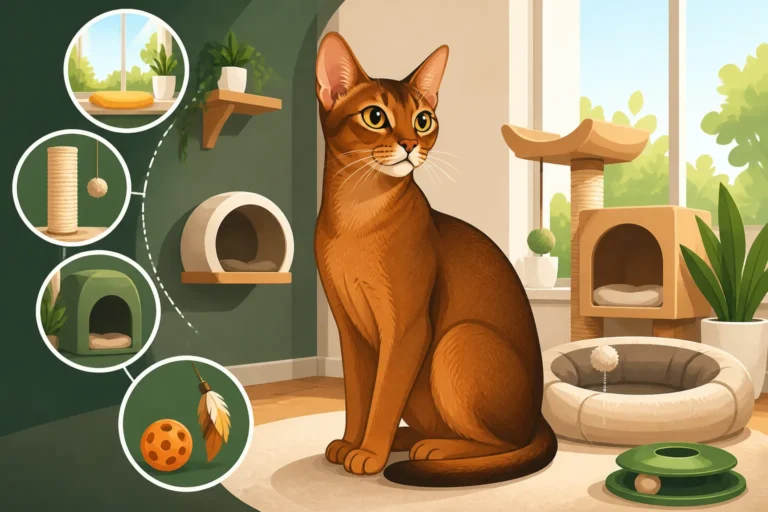
Cat trees and wall-mounted shelves are absolutely essential for an Abyssinian. They transform flat walls into dynamic climbing courses and offer elevated resting spots that fulfill their need to supervise. Look for sturdy, multi-level cat trees – the taller the better – that allow your Aby to reach significant heights. Brands found on platforms like Amazon often carry a wide range of options, from simple single perches to elaborate feline condos.
Wall shelves, in particular, can be custom-arranged to create a unique climbing path that suits your space and your cat's abilities. You can link shelves with ramps, steps, or even suspended bridges, creating a full "cat superhighway." These elevated perches serve as perfect observation posts, giving your Aby a sense of control and a broad view of their territory, which is incredibly satisfying for them. An Abyssinian Needs Height More Than It Needs Floor provides further insight into setting up the ideal vertical environment.
Creating Safe Climbing Routes
While Abyssinians are incredibly agile, safety should always be a priority when designing their climbing routes. Ensure that all shelves and cat trees are securely anchored to the wall, especially if your Aby is a particularly enthusiastic climber or a heavier male. Check for stability regularly. Consider the distances between shelves or levels; they should be challenging but not impossible for your cat to jump, minimizing the risk of falls.
Also, think about the materials. Sisal-covered posts and carpeted shelves offer good grip for claws. Avoid slippery surfaces. When planning your layout, integrate scratching surfaces at various heights along the route, which encourages appropriate scratching behavior while your cat is on its "patrol." Remember, their safety is paramount as they engage in their climbing "job."
Interactive Play: Scheduled "Work" for Your Abyssinian
While free exploration and foraging are vital, structured, interactive play sessions are perhaps the most crucial "job" you can give your Abyssinian. This is where their predatory sequence truly comes alive, and where you get to bond with them through shared activity. These aren't just casual playtimes; they are carefully orchestrated hunting simulations that engage both their body and mind.
Wand Toys as Prey Simulation
Wand toys are undoubtedly the best tool for engaging an Abyssinian's hunting instincts. The long wand allows you to mimic the erratic, unpredictable movements of prey, making the toy dart, hide, and pounce in a way that captures your Aby's full attention. Think like a bird fluttering, a mouse scurrying, or an insect buzzing – vary the speed, direction, and height of the toy. The key is to make it irresistible, triggering their chase and pounce drive.
Different attachments – feathers, crinkly plastic, fuzzy creatures – can keep things fresh. Let your Abyssinian "catch" the toy regularly, feeling the satisfaction of a successful hunt. This isn't just about physical exercise; it's mentally stimulating, requiring focus, planning, and quick reflexes. Regular, intense sessions with a wand toy can burn off significant energy and prevent boredom-induced mischief.
Fetch and Retrieve Games
Many Abyssinians, almost dog-like in their eagerness, absolutely adore playing fetch! This is another excellent way to give them a "job" that involves both physical exertion and mental engagement. Start with small, lightweight toys that are easy for them to carry in their mouths, like crinkly balls, soft mice, or even rolled-up pieces of paper. Toss it a short distance and reward them with praise or a tiny treat when they bring it back.
Consistency is key here. Make it a fun, positive experience, and don't force it. Some Abyssinians will pick it up almost immediately, while others might need a bit more encouragement. The joy of a successful retrieve and the interaction with you makes this a highly rewarding job for them. It strengthens your bond and provides a fantastic outlet for their energy. If your Aby shows a talent for bringing things back, lean into it! You'll find How to Teach an Abyssinian to Fetch a helpful guide.
Rotate Toys to Maintain Interest
Abyssinians are intelligent and can quickly become bored with the same old toys. To keep their "job" of playing exciting and engaging, it's essential to rotate their toy selection regularly. Have a basket of toys, but only make a few available at any given time. Every few days or once a week, swap out the current toys for a fresh selection from the basket.
This strategy ensures that when a "new" toy appears, it feels novel and exciting, rekindling their interest and curiosity. It prevents them from becoming complacent or losing enthusiasm for their play. This applies not just to interactive wand toys, but also to solo playthings like kickers, balls, and small plush toys. A fresh rotation keeps their hunting and playing instincts sharp, ensuring they stay engaged with their "work."
Training and Mental Stimulation: Brain Games for Your Aby
Beyond physical activity, Abyssinians thrive on mental challenges. Their intelligence is remarkable, making them excellent candidates for various forms of training. Giving them the "job" of learning new things provides immense mental stimulation, boosts their confidence, and further strengthens the bond you share.
Clicker Training for Commands
Clicker training is an incredibly effective and positive reinforcement method that works wonders with intelligent cats like Abyssinians. The clicker acts as a precise marker for desired behavior, immediately followed by a treat reward. This clear communication helps them quickly understand what you want them to do. You can teach a variety of commands, such as "sit," "stay," "come," or even more complex sequences.
Start with simple behaviors. For example, when your Aby sits, click and treat. Repeat this many times. Soon, you can introduce a verbal cue like "sit" just before the action, and they'll associate the word with the behavior. This type of training is not only fun but also builds their problem-solving skills and makes them feel like a valued, contributing member of the household. Which Tricks an Abyssinian Learns Fastest might offer some inspiring ideas.
Leash Training for Outdoor Adventures
While Abyssinians should always be indoor cats for their safety, leash training can offer a wonderful controlled outdoor "job." This allows them to explore the sights, sounds, and smells of the world beyond your home in a secure way. It's a fantastic way to provide novel enrichment that can't be replicated indoors.
Start by getting your Aby comfortable with wearing a harness indoors for short periods, gradually increasing the time. Never use a collar for leash walking; a secure harness is essential to prevent escape. Once they are accustomed to the harness, introduce the leash inside, letting them drag it around. Finally, venture into a quiet, safe outdoor space, like a fenced yard or a calm park. The new sensory input is incredibly stimulating and provides an excellent mental workout. Remember, a leashed walk is a job, not a stroll, and your Aby will be absorbing everything.
Teaching Tricks and Problem-Solving
Abyssinians are quick learners and love to show off their intelligence. Teaching them tricks, beyond basic commands, provides an advanced form of mental stimulation. Think about teaching them to high-five, spin, jump through a hoop, or even retrieve specific objects. These activities challenge their cognitive abilities, requiring them to think, strategize, and remember sequences.
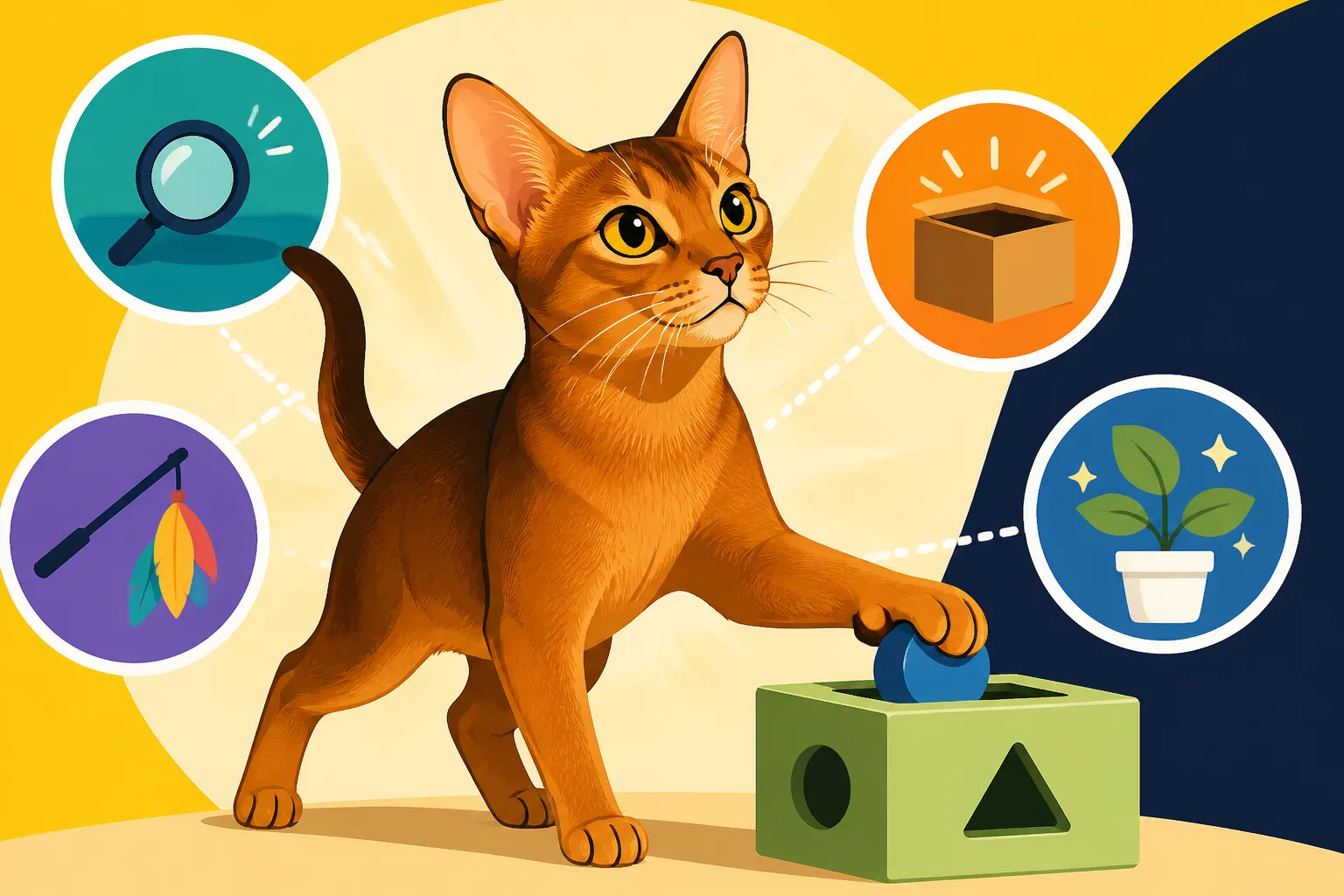
Puzzle toys that involve manipulation (like sliding panels, lifting lids, or pressing buttons for a treat) also fall into this category. These provide solo problem-solving "jobs" that keep their minds engaged even when you're not actively training them. The satisfaction an Abyssinian gets from figuring out a new trick or solving a puzzle is palpable and contributes greatly to their overall happiness and well-being.
Enriching Their Environment: Beyond the Basics
Creating a stimulating environment for your Abyssinian is an ongoing "job" for you, but it pays dividends in their happiness and your peace of mind. It’s about more than just toys; it’s about crafting a home that caters to their natural behaviors and satisfies their insatiable curiosity.
Window Perches and Bird Feeders
For an indoor Abyssinian, a window perch is like having their own personal cinema. Elevated window seats, especially those that attach securely to the sill, allow them to survey the outside world safely. Watching birds, squirrels, leaves rustle, and people pass by provides endless visual and mental stimulation. It's their version of watching TV or reading a book.
To enhance this "job," consider placing a bird feeder outside the window. The constant activity of birds will captivate your Aby for hours, tapping into their hunter's gaze without any risk to the wildlife. Ensure the feeder is close enough for good viewing but far enough that the birds feel safe. This passive enrichment is invaluable for keeping an Abyssinian entertained, especially when you're busy.
Catios and Safe Outdoor Access
While leash walks are great, a catio (a secure outdoor enclosure for cats) offers an even more extensive and constant "job" of outdoor exploration. Catios provide fresh air, sunshine, and a world of new smells and sounds, all within a safe, enclosed space. This is a dream come true for an adventurous Abyssinian.
Catios can range from small window boxes to elaborate multi-level structures. You can furnish them with climbing shelves, scratching posts, and even live cat-safe plants for extra enrichment. For an Abyssinian, who loves to climb and survey, a spacious catio becomes their personal jungle gym and observation deck. It allows them to fulfill their deep desire to be outdoors without the dangers of traffic, predators, or getting lost. You can find ready-made catio kits or components on sites like Amazon, or build your own.
Dealing with "Job-Related" Mischief
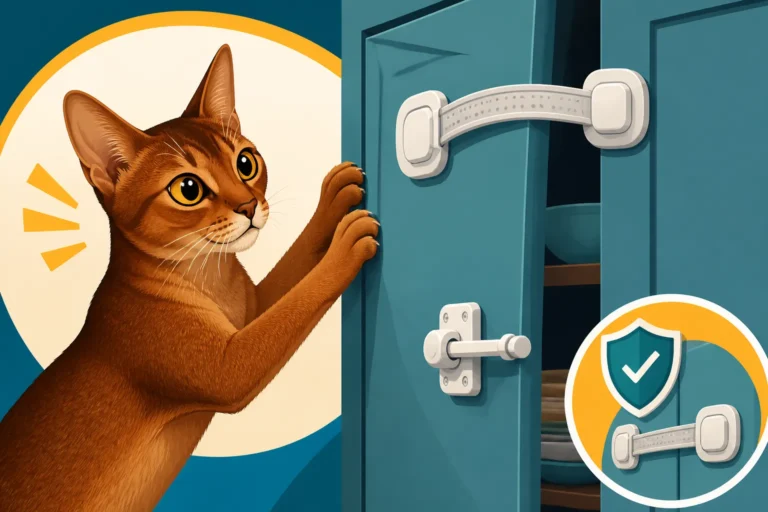
Despite all your efforts to give your Abyssinian appropriate "jobs," their intelligence and curiosity mean they might still find ways to create their own entertainment, which sometimes leads to mischief. Abyssinians are famous for figuring out how to open doors, cabinets, and even childproof latches. This isn't naughtiness; it's them doing their "job" of exploring and manipulating their environment.
Instead of punishing them, which rarely works and can damage your bond, focus on cat-proofing. Use stronger, cat-resistant latches on cabinets, especially those containing food or dangerous items. Consider heavy-duty door stops or even temporary barriers for rooms you want to keep inaccessible. Redirect their energy by offering more engaging approved "jobs" when you notice them becoming overly interested in forbidden areas. For instance, Why an Abyssinian Opens Doors and Cabinets explains this behavior in detail.
The Role of a Companion: Another "Co-Worker"
Sometimes, the best "job" you can give an Abyssinian is a companion. While you do your best to provide stimulation, another energetic, playful cat can offer a level of interaction and engagement that no human can fully replicate. Abyssinians are social creatures, and many thrive in the company of another feline.
Why a Second Cat Suits an Abyssinian
Abyssinians are known for their high energy and constant desire for play. A single Aby, especially one left alone for long hours, can easily become bored and lonely, even with the best toys and enrichment. A second cat acts as a built-in playmate, wrestling partner, and chase companion. They can groom each other, chase each other up and down cat trees, and generally keep each other occupied, especially when you're not available.
This doesn't eliminate your responsibility for interactive play, but it significantly augments their daily activity levels and social fulfillment. It spreads their energy out, so they're less likely to focus all their intense demands on you. When considering a second cat, look for one with a similar energy level to ensure a good match. Why a Second Cat Suits an Abyssinian delves into this topic further.
Choosing the Right Companion
If you're thinking about adding a second cat, choosing a compatible personality and energy level is crucial for success. Another Abyssinian is often an excellent choice, as they speak the same "language" of high-energy play and climbing. However, other breeds known for their active and social nature, such as Bengals or Siamese, can also make wonderful companions.
Avoid pairing a high-energy Abyssinian with a very shy or sedentary cat, as the Aby might constantly pester the quieter cat, leading to stress for both. Consider adopting a bonded pair, or choose a kitten who is still adaptable and can grow up with your existing Aby's energy. Introduce them slowly and carefully, allowing them to acclimate at their own pace.
Introducing New Friends
Bringing a new cat into the home to be your Aby's "co-worker" requires patience and a structured introduction process. Rushing it can lead to conflict and a strained relationship. Start by confining the new cat to one room with all its necessities, allowing both cats to get used to each other's scent under the door. Feed them on opposite sides of the closed door to create positive associations.
Gradually progress to supervised visual introductions through a baby gate, then short periods of direct interaction. Always provide plenty of resources – separate food bowls, litter boxes, and climbing spots – to prevent competition. The goal is for them to associate each other with positive experiences, eventually forming a bond that makes both cats happier and more fulfilled. It's a job for you, but a vital one for them!
Monitoring and Adjusting: Keeping the Job Fulfilling
Just like any good manager, you need to regularly assess how your Abyssinian is performing in their "jobs" and be prepared to make adjustments. Their needs can change, and what was once stimulating might become routine. Staying attuned to their behavior will ensure their enrichment remains effective and fulfilling throughout their lives.
Recognizing Signs of Boredom or Stress
Even with the best intentions, it's possible for an Abyssinian to become bored or stressed if their "jobs" aren't cutting it anymore. Pay close attention to subtle shifts in their behavior. Are they becoming more destructive? Are they more vocal than usual, or withdrawing and becoming less interactive? Are they exhibiting excessive grooming, leading to bald patches, or changes in eating habits?
These can all be red flags that your Aby needs a change in their routine or an increase in stimulation. It might mean introducing new types of puzzle feeders, refreshing their toy rotation, adding more interactive play sessions, or exploring new training challenges. Catching these signs early allows you to intervene before unwanted behaviors become ingrained. What a Stressed Abyssinian Overgrooms is a good read on a specific symptom.
Adapting Activities as They Age
An Abyssinian's needs will naturally evolve as they move from energetic kittenhood to active adulthood and then into their senior years. The "jobs" you provide should adapt accordingly. A kitten might need relentless play and constant supervision, whereas an adult will benefit from more complex puzzles and consistent routines.
As your Abyssinian ages, their physical capabilities might decrease. They might not jump as high or run as fast. Adjust their climbing routes to include easier steps or ramps. Offer gentler play sessions that still engage their minds without overexerting their bodies. Mental stimulation remains incredibly important, so continue with puzzle feeders and gentle training. Which Games Suit an Old Abyssinian will help you keep your senior Aby happy and active.
The Long-Term Benefits of a Busy Aby
Giving your Abyssinian a variety of fulfilling "jobs" isn't just about managing their energy; it's about investing in their long-term health and happiness. A well-stimulated Abyssinian is less likely to develop behavioral problems, more likely to maintain a healthy weight and muscle tone, and generally exhibits a more balanced and contented demeanor.
The consistent engagement strengthens your bond, turning you into their trusted partner in adventure. They learn to trust you and communicate their needs effectively. Ultimately, a busy, purposeful Abyssinian is a joy to live with – a vibrant, intelligent companion who brings endless entertainment and affection to your home. It truly is the best way to honor the magnificent spirit of this incredible breed.
Disclaimer
This article is for general informational purposes only and does not constitute professional advice. Laws, prices and regulations vary by location and change over time. Consult a qualified professional for guidance on your specific situation.