Why an Abyssinian Loses Interest in a Toy Fast
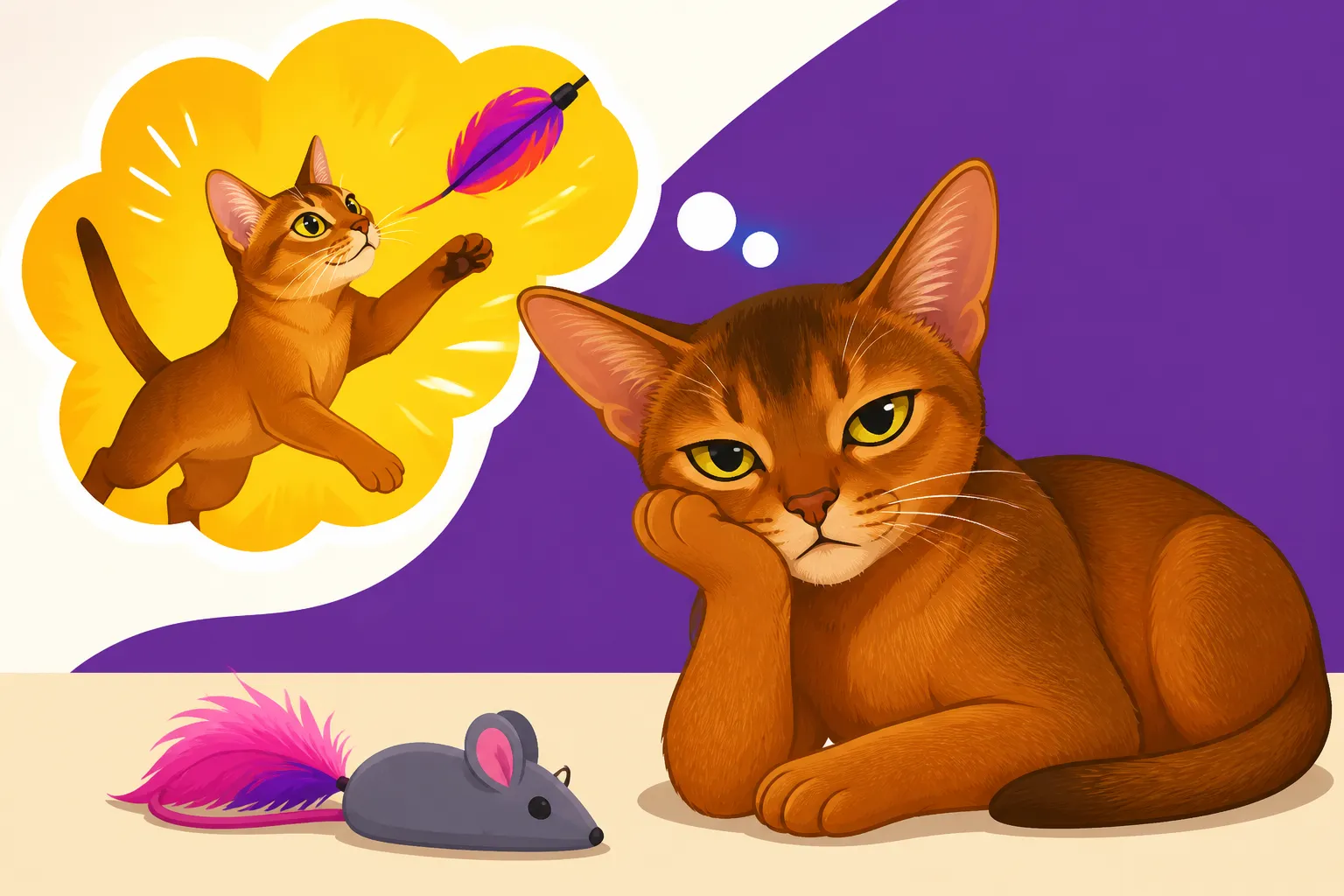
It's a familiar scenario for many Abyssinian owners: you spend good money on what looks like the perfect new toy, your Aby goes absolutely wild for it for a glorious five minutes, and then… nothing. It's tossed aside, ignored, perhaps even given a dismissive sniff, as if to say, "Is that all you've got?" This quick dismissal can be incredibly frustrating, leaving you wondering if your cat is just spoiled or if there's something you're missing about their unique play style. This guide will dive deep into why your Abyssinian loses interest in toys so fast and, more importantly, what you can do to keep their brilliant minds and energetic bodies engaged.
The Abyssinian's Innate Drive for Novelty and Challenge
If you've ever lived with an Abyssinian, you know they're not your average couch potato cat. They are bundles of energy, curiosity, and boundless enthusiasm, often described as the "clowns of the cat world." This intense personality isn't just for show; it's deeply rooted in their nature, and it directly impacts how they interact with their environment and, yes, their toys. Understanding this core drive is the first step to figuring out their rapid toy turnover.
The Hunter's Instinct: Why Repetition Doesn't Cut It
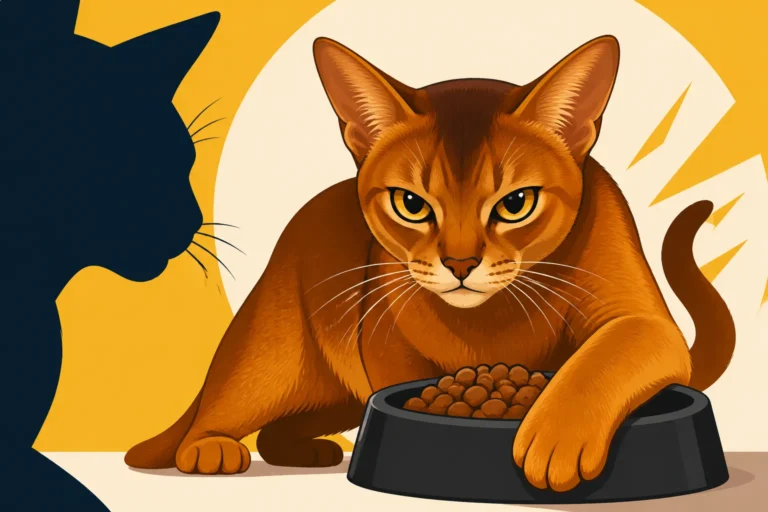
Abyssinians possess a highly developed predatory instinct, a remnant of their likely wilder ancestry. For a hunter, novelty is key to survival. A successful hunt isn't just about the kill; it's about the chase, the stalk, the unpredictability of the prey. Imagine a wild cat hunting the same, predictable mouse every single day in the exact same spot. It would quickly become boring and inefficient, and the cat wouldn't hone its skills or adapt to new challenges.
Your Abyssinian, even though they're safe and sound indoors, still has this ancient programming running in their little brains. A toy that always moves in the same pattern, always makes the same sound, or always appears in the same place quickly loses its appeal because it no longer simulates a real hunting scenario. They need that element of surprise, the challenge of figuring out a new "prey" behavior, or the thrill of encountering something fresh. Once they've "conquered" a toy's predictable pattern, it's relegated to the dusty toy basket. It’s not that they don't like the toy; it’s that it no longer offers a satisfying mental or physical challenge for their innate drives.
High Intelligence Demands High Stimulation
Beyond their hunting instincts, Abyssinians are famously intelligent. They're problem-solvers, explorers, and often described as "dog-like" in their trainability and devotion. This intelligence, while endearing, comes with a caveat: a highly intelligent animal gets bored fast if not adequately stimulated. Think of it like a gifted child needing advanced lessons; rote memorization quickly becomes tedious.
For an Abyssinian, a simple crinkle ball or a static plush toy, while initially exciting, doesn't engage their complex cognitive abilities for very long. They'll bat it around, maybe pounce on it a few times, and then their mind moves on to the next puzzle. They're constantly seeking new sensory input, new textures, new movements, and new ways to interact with their world. If a toy doesn't offer ongoing mental engagement – perhaps it has multiple layers, hides treats, or responds dynamically to their actions – it quickly falls short of their expectations. This is why you often find an Abyssinian exploring cupboards, opening doors, or trying to understand how the tap works, rather than batting a static toy. Their brains are just too busy for simple amusements.
Why "Old" Toys Become Invisible Almost Overnight
It's not just that Abyssinians crave novelty; it's also that they seem to develop a form of "toy amnesia" for anything that's been around for more than a day. That laser pointer that was the highlight of last night's play session might be met with a yawn today. This phenomenon isn't arbitrary; it's tied to their sensory perception and their need for dynamic interaction.
The Sensory Details That Fade with Familiarity
Cats rely heavily on their senses – sight, sound, smell, and touch – to interact with their environment. When a new toy is introduced, it’s a sensory explosion: a fresh smell, a novel texture, a unique sound, and an exciting visual profile. Your Abyssinian processes all of this information rapidly, filing it away. Once those sensory details become familiar, they lose their initial impact.
- Scent: Cats explore with their noses first. A new toy carries new scents from the factory, the packaging, or even just being untouched. After a few play sessions, it simply smells like "cat" (or "house"). The novelty of the odor quickly fades.
- Sound: Many toys come with crinkles, bells, or squeakers. These are thrilling initially, mimicking the sounds of prey. But if the sound is always the same, or only activates with a specific, predictable action, it ceases to be interesting.
- Texture: A new toy might feel different under their paws, prompting them to explore. Once they've "felt" every inch and discovered it's not a real mouse, that tactile novelty is gone.
- Visual Appeal: The bright colors or unique shape of a new toy can grab their attention. But without dynamic movement or a changing visual stimulus, a static object quickly becomes part of the background, especially for a cat whose vision is tuned for movement.
When you think about Why an Abyssinian Loses Interest in a Toy Fast, it's a combination of these fading sensory novelties and their high intelligence. They quickly catalogue and understand the toy, rendering it "solved" in their minds.
Predictable Play is No Play at All
The way a toy is presented and interacted with makes a huge difference. If you always dangle the wand toy in the same spot, or roll the ball down the hallway in the same manner, your Abyssinian will quickly figure out the pattern. Predictability is the enemy of engagement for these clever cats. Their minds are wired to anticipate, to strategize, and to react to the unexpected.
Imagine you're playing a video game. If the enemies always appear in the same place, use the same attack, and have the same weaknesses, you'd master it quickly and then move on. It's no different for an Abyssinian. They don't just want to chase a toy; they want to outsmart it. They want the thrill of the unpredictable flutter, the sudden dart, the hidden pounce. If the "prey" is too easy or too obvious, the challenge is gone, and so is their interest. This is also why How Much Play an Abyssinian Needs Each Day is crucial – it's not just about the quantity, but the quality and variability of the play. If you're looking for more ways to keep them engaged, remember that What an Abyssinian Does When It Is Bored often includes destructive behaviors, so proactive engagement is key.
Strategies to Reignite Your Abyssinian's Play Drive
So, what’s a devoted Abyssinian owner to do? The good news is that their quick boredom isn't a flaw; it's a feature of their amazing personalities! You just need to adjust your approach to play and toy management. It's all about embracing novelty, encouraging problem-solving, and providing plenty of interactive stimulation.
The Power of Toy Rotation and Novelty
One of the simplest yet most effective strategies is toy rotation. Don't leave all the toys out all the time. Instead, have a curated collection of toys you present for a few days, then put them away and bring out a different set. This way, when a "new" set of toys appears, they truly feel new again. It reignites those fading sensory details and provides the novelty your Aby craves.
Think of it as having several small "play libraries" that you cycle through. A good rule of thumb is to have 3-4 different sets of toys. You can bring one set out for a few days, then swap it for another. When a toy from an old set reappears after a week or two, it often gets a fresh burst of attention. This is especially true for interactive toys or those with distinct textures and sounds. You can even find great multi-packs of varied toys on Amazon to build up your rotation stock easily. For a deeper dive, check out How to Rotate an Abyssinian's Toys to maximize their impact.
Engaging the Mind: Puzzle Toys and Foraging
Since Abyssinians are so intelligent, they thrive on mental challenges. Puzzle feeders and foraging toys are fantastic for this. These aren't just toys; they're jobs. They require your cat to think, strategize, and problem-solve to get a treat or a portion of their meal. This engages their natural curiosity and predatory drive in a mentally stimulating way.
Start with simpler puzzle toys that offer easy rewards, then gradually introduce more complex ones. You can hide treats in treat balls, snuffle mats, or multi-level feeders. Some of the best options can be found on Amazon, with designs ranging from simple roll-and-treat balls to complex towers that require multiple steps. You can also hide their regular kibble in various spots around the house, encouraging them to "hunt" for their food. This kind of Why Foraging Suits an Abyssinian's Mind taps into their innate behaviors and provides extended engagement beyond a quick batting session. If you're looking for advanced techniques, How to Make a Puzzle Feeder Harder for an Abyssinian will give you some great ideas.
Here's a quick comparison of toy types and their typical engagement for an Abyssinian:
| Toy Type | Initial Engagement | Sustained Engagement (without rotation/interaction) | Mental Stimulation | Physical Exertion | Best Use Case |
|---|---|---|---|---|---|
| Wand/Teaser Toy | High | Low | Moderate | High | Interactive play with owner, mimics prey movement |
| Crinkle Ball/Light Plush | Moderate | Very Low | Low | Moderate | Short bursts of solo play, good for rotation |
| Laser Pointer | Very High | Low (can be frustrating without a "kill") | Low | High | Quick bursts of cardio, always end with a tangible toy |
| Puzzle Feeder | Moderate | High | Very High | Low to Moderate | Independent mental stimulation, slows eating, reduces boredom |
| Interactive Electronic Toy | High | Moderate | Moderate | Moderate | Solo play when owner is busy, offers varied movement |
Interactive Play and Scheduled Sessions
No matter how many fantastic toys you buy, nothing replaces dedicated, interactive play with you. Abyssinians thrive on interaction, and they see you as a key part of their "pride." A wand toy, when manipulated by you to mimic realistic prey behavior (darting, hiding, pouncing), becomes infinitely more exciting than one they bat around alone.
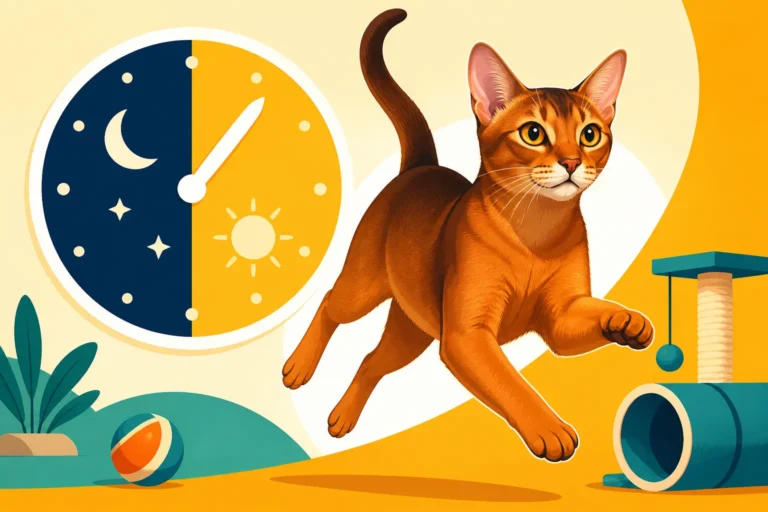
Schedule a couple of dedicated play sessions each day, even if they're only 10-15 minutes long. During these times, give your Abyssinian your full attention. Use a variety of wand toys, feather teasers, or even just crumpled paper on a string to create engaging "hunts." Make the toy appear and disappear, hide it behind furniture, and let them "catch" it occasionally to build their confidence. This is where you really see The Abyssinian Is the Busiest Cat in the House come alive. This consistent engagement strengthens your bond and fulfills their need for mental and physical exertion. For guidance on structuring these sessions, check out How to Split an Abyssinian's Play Into Sessions.
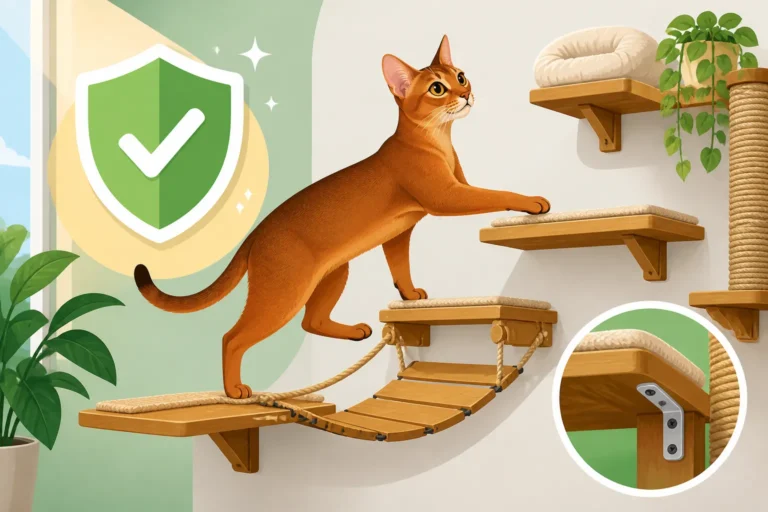
Remember that your Abyssinian's environment also plays a huge role. They are vertical climbers, so providing plenty of Why an Abyssinian Needs More Vertical Furniture Than Most Cats helps them survey their territory and feel secure, which can also contribute to their overall happiness and willingness to play.
Understanding Your Abyssinian's Unique Play Style
Ultimately, the key to keeping your Abyssinian engaged with their toys is to understand and cater to their distinct personality and inherent needs. They aren't aloof, low-energy cats; they are active, intelligent, and highly social creatures who need an environment that stimulates both their bodies and their minds.
Tailoring Play to Their "Busy Cat" Nature
Abyssinians are not content to simply observe; they want to participate. They are "busy cats" who need a job, even if that job is just playing vigorously. This means their play style is less about casual batting and more about intense, focused hunting simulations. They love toys that fly, dart, or offer resistance, much like real prey. They also enjoy toys they can carry around in their mouths, enacting the "kill" and transport phase of a hunt.
When choosing toys, think about those that allow for varied movement and interaction. Laser pointers can be great for getting them moving, but always follow up with a physical toy they can capture, otherwise, the lack of a "kill" can lead to frustration and redirected energy. Many owners have found success with interactive cat toys that move on their own, or those that dispense treats irregularly, which you can often find from brands on Amazon. These help satiate their need for constant activity and engagement, especially if you have a Why a Single Abyssinian Costs More in Damage situation.
When to Seek Professional Help for Persistent Boredom
While it's normal for an Abyssinian to lose interest in toys quickly, there's a difference between healthy boredom (which you can manage with rotation and engagement) and persistent, destructive boredom. If your Abyssinian is consistently:
- Displaying destructive behaviors: Chewing inappropriate items, scratching furniture even with ample scratch posts, or knocking things off shelves excessively.
- Becoming lethargic or withdrawn: An Abyssinian who suddenly stops playing or seems uninterested in everything could be experiencing stress or a health issue.
- Overgrooming or showing other signs of stress: Licking patches of fur raw, vocalizing excessively, or changes in litter box habits. This could indicate chronic under-stimulation or anxiety. You can learn more about this in How an Abyssinian Shows It Is Overstimulated.
In these cases, it's always wise to consult your veterinarian first to rule out any underlying medical conditions. Once health issues are excluded, a certified feline behaviorist can help you develop a comprehensive enrichment plan tailored to your Abyssinian's specific needs. They can help identify triggers for boredom and stress and suggest advanced strategies to improve their quality of life. An Abyssinian's What an Abyssinian Kitten's First Year Looks Like is often a whirlwind of energy and curiosity, so establishing good play habits early on is essential for their long-term well-being.
Disclaimer
This article is for general informational purposes only and does not constitute professional advice. Laws, prices and regulations vary by location and change over time. Consult a qualified professional for guidance on your specific situation.