How Many Hours a Day an Abyssinian Stays Active
One of the biggest surprises new Abyssinian owners often face is just how much energy these cats possess. If you're envisioning a placid lap cat spending its days napping in sunbeams, you might be in for a shock – or, more likely, a delightful whirlwind of activity. It can be incredibly frustrating to feel like your cat is constantly on the go, making you wonder if you're doing enough to keep them entertained or if this boundless enthusiasm is actually normal. This guide is here to reassure you and explore just how active an Abyssinian typically stays throughout the day, offering insights into their unique needs and how to best manage their incredible zest for life.
Understanding the Abyssinian's Innate Energy Levels
Abyssinians aren't just a little active; they are often described as the "Clowns of the Cat World" or "the Busiest Cat in the House" for a very good reason. Their energy isn't an anomaly; it's a fundamental part of their breed's identity, woven into their very DNA. Unlike some of their more sedate feline cousins, Abyssinians are built for motion, exploration, and constant engagement. They embody the spirit of their wilder ancestors, always alert, always curious, and always ready for the next adventure, even if that adventure is just sprinting from one end of your living room to the other.
This isn't to say they are hyperactive in a negative sense, but rather that their baseline activity level is significantly higher than what many people expect from a domestic cat. They truly thrive on interaction and mental stimulation, and without it, that incredible energy can quickly turn into destructive behaviors or, paradoxically, a kind of frustrated lethargy. It's a key aspect of their personality that requires understanding and proactive management from their human companions. The Abyssinian Is the Busiest Cat in the House touches on this perfectly.
Why Abyssinians Are Built for Motion
Take a moment to look at an Abyssinian's physique, and you'll start to understand their endless motion. They are sleek, muscular, and lithe, with long, elegant legs that make them look like they're always poised to spring. Their lean build means they don't carry excess weight, allowing for incredible agility and speed. This physical design makes them natural athletes, capable of astounding jumps and lightning-fast sprints. It’s no wonder they seem to be in perpetual motion; their bodies are literally designed for it.
Furthermore, their unique ticked coat, which lies close to their body with very little undercoat, doesn't offer as much insulation as the dense fur of some other breeds. While this makes their grooming relatively low maintenance, it can also mean they might feel the cold more readily, prompting them to keep moving to stay warm. Think of it like a natural thermostat that encourages them to maintain a certain level of activity throughout the day. They aren't just playing; they're often regulating their body temperature too!
The Drive to Hunt and Explore
At their core, Abyssinians possess a strong predatory drive. They are natural hunters, albeit of dust bunnies and toy mice in your living room rather than actual prey. This instinctual drive means they are constantly scanning their environment, seeking out things to stalk, chase, and pounce upon. This isn't just a random urge; it's a deep-seated need to engage their hunting skills. Without appropriate outlets, this instinct can become a source of frustration for both cat and owner.
They are also incredibly intelligent and curious creatures. A closed door is not a barrier but a challenge. A new object in the house is not just a thing but a mystery to be investigated, sniffed, and possibly batted off a shelf. This insatiable curiosity fuels their exploration and problem-solving behaviors, meaning they are rarely content to simply observe. They want to be involved in everything that's happening, making them truly engaging, if sometimes exhausting, companions. Providing them with opportunities to "solve" things, like Which Puzzle Feeders Hold an Abyssinian's Attention, can be immensely rewarding for them.
The Daily Rhythm of an Abyssinian
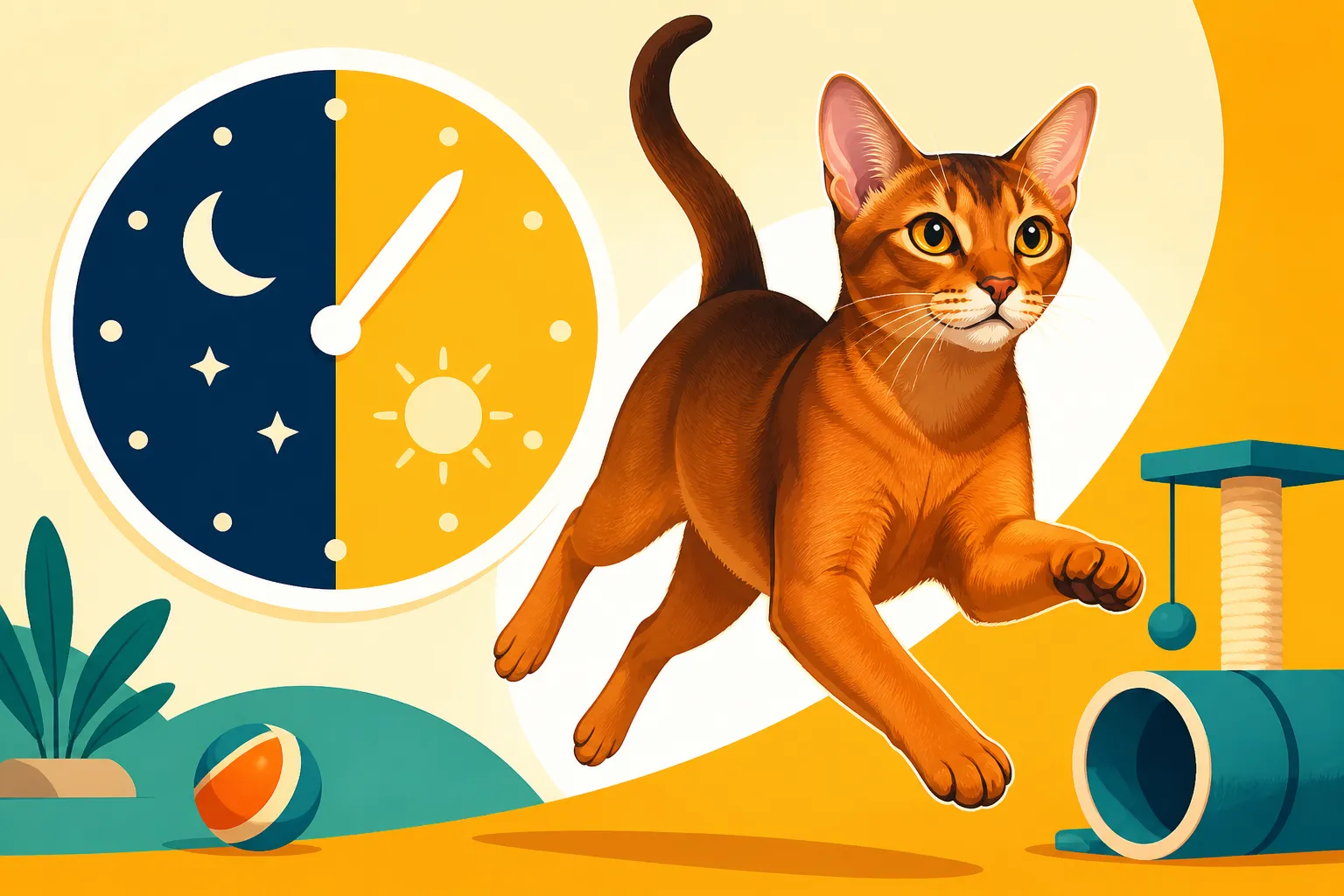
If you were to chart an Abyssinian's day, you'd find it less like a steady hum and more like a series of energetic bursts punctuated by short, deep periods of rest. They aren't typically a cat that will sprawl out for a four-hour nap in the middle of the afternoon like some of their more sedentary counterparts. Instead, they operate on a dynamic schedule that keeps them engaged and active for a significant portion of their waking hours.
Many owners mistakenly believe their Abyssinian is always active, but it's more accurate to say they are frequently active, with shorter rest periods. These cats are not content to simply lounge; they are driven to participate in life, observing, exploring, and playing with an intensity that can be quite astonishing. Understanding this rhythm is key to integrating an Abyssinian smoothly into your home and ensuring their needs are met.
Morning Mania: The Pre-Dawn and Breakfast Rush
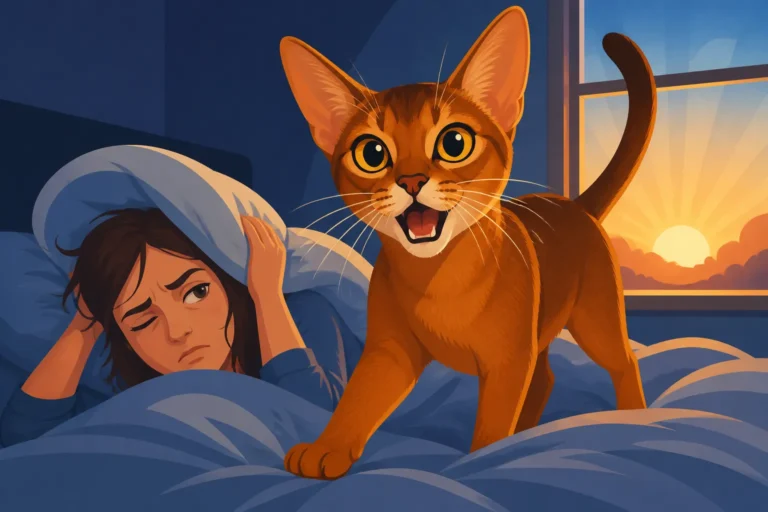
For many Abyssinian owners, the day often begins before the sun rises, ushered in by a flurry of activity. Abyssinians are not subtle about their morning routines. You might hear them racing through the house, scaling furniture, or even "hunting" your toes under the covers. This pre-dawn burst is often a direct result of their natural instinct to be most active at dawn and dusk, times when wild prey would traditionally be available. They are primed for action, and breakfast is often the first "hunt" of the day.
After breakfast, their energy doesn't typically wane. Instead, they might launch into a series of frantic play sessions, chasing toys, climbing their cat tree, or attempting to "help" you with your morning routine. This period can last for several hours, marked by intense focus and seemingly endless stamina. It’s not uncommon for an Abyssinian to dedicate a solid two to three hours to various forms of play and exploration before finally deciding a short power nap is in order. You can almost set your watch by their morning antics!
Mid-Day Sprints and Evening Zoomies
While the morning is usually a clear peak, the Abyssinian's energy doesn't disappear during the day. You'll likely see several shorter, intense play sessions interspersed with brief naps. These "mid-day sprints" might involve sudden bursts of speed, chasing sunbeams, or a quick game of fetch. They are experts at conserving just enough energy during their short rests to be ready for the next adventure. Don't be surprised if they suddenly appear on your shoulder while you're working, ready for a quick interaction before vanishing to explore again.
The evening, however, often brings a renewed surge of energy, affectionately known as the "zoomies" or the "witching hour." This is another prime hunting time for felines, and your Abyssinian will likely engage in another prolonged period of intense activity. This might involve chasing imaginary prey, scaling How High an Abyssinian Will Climb to the very top of their cat tree, or demanding interactive play with you. These evening sessions can easily last for an hour or two of focused, high-intensity play, culminating in a well-deserved, though still relatively short, rest before starting all over again.
In total, an Abyssinian can easily be actively engaged for anywhere from 6 to 10 hours a day, though these hours are rarely continuous. Instead, they're broken up into numerous shorter bursts of intense activity, exploration, and focused play, interspersed with periods of observant lounging and quick naps.
Channeling That Abyssinian Energy Productively
Living with an Abyssinian means embracing their energy and proactively finding ways to channel it. Simply hoping they'll "calm down" or expecting them to entertain themselves with a few static toys is a recipe for frustration – for both you and your cat. The key is to provide a rich, stimulating environment and consistent engagement that speaks to their natural instincts. This isn't just about preventing mischief; it's about fulfilling their inherent needs for mental and physical exertion.
Failing to provide adequate enrichment can lead to some truly unique Abyssinian behaviors, like opening cabinets, knocking items off shelves for attention, or even developing anxiety. They are intelligent and resourceful, and if you don't give them appropriate "jobs," they'll create their own, often to your detriment! Investing in their well-being through proper enrichment is an investment in a happy, well-adjusted companion.
Interactive Play Sessions Are Non-Negotiable
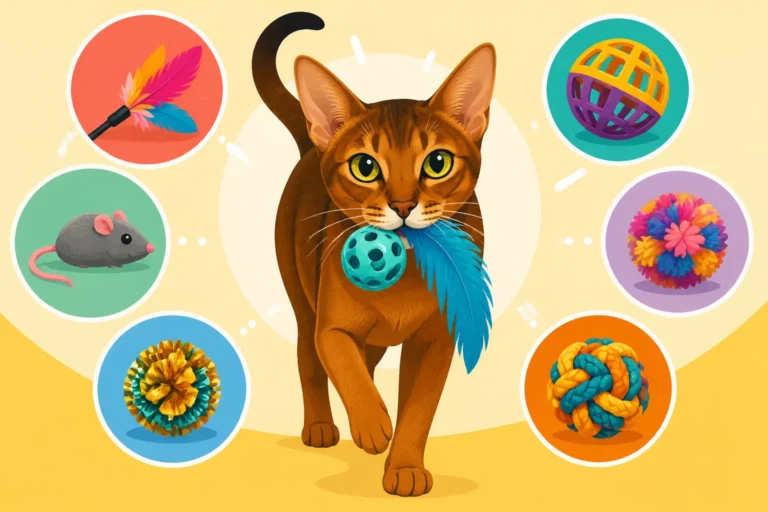
For an Abyssinian, interactive play isn't a luxury; it's a fundamental necessity. You should aim for at least two to three dedicated play sessions per day, each lasting at least 15-20 minutes, though more might be needed depending on your cat's individual drive. These sessions should mimic hunting, with you acting as the "prey" controller. Wand toys are a huge hit with Abyssinians because they allow for long, exciting chases and satisfying "kills." You can find excellent, durable options on Amazon, often with interchangeable attachments to keep things fresh.
Remember to vary the speed and direction of the toy, allowing your Abyssinian to stalk, pounce, and capture their "prey." Always allow them to "win" at the end of the session by catching the toy and holding it for a moment, satisfying their hunting instinct. Without this success, they can become frustrated. How Much Play an Abyssinian Needs Each Day dives deeper into the specifics of daily play. Consider a consistent schedule, perhaps one session in the morning, one mid-afternoon, and a final one before bedtime to help them burn off that last burst of energy.
Environmental Enrichment and "Jobs"
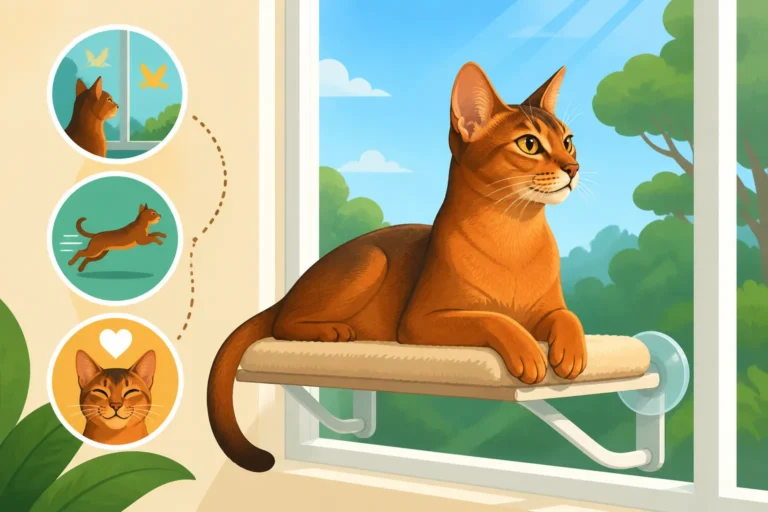
Beyond direct interaction, creating an enriching environment is paramount. Abyssinians need vertical space more than any other cat. They love to climb, perch, and survey their domain from on high. Tall cat trees are a must, but even better are cat shelves mounted on walls, creating a stimulating aerial highway for them to explore. These structures tap into their natural desire to climb and provide outlets for their acrobatic tendencies. Investing in quality, sturdy cat furniture is crucial; a flimsy tree simply won't stand up to an Abyssinian's antics. Many high-quality wall shelves and cat trees can be found on Amazon, designed for active breeds.
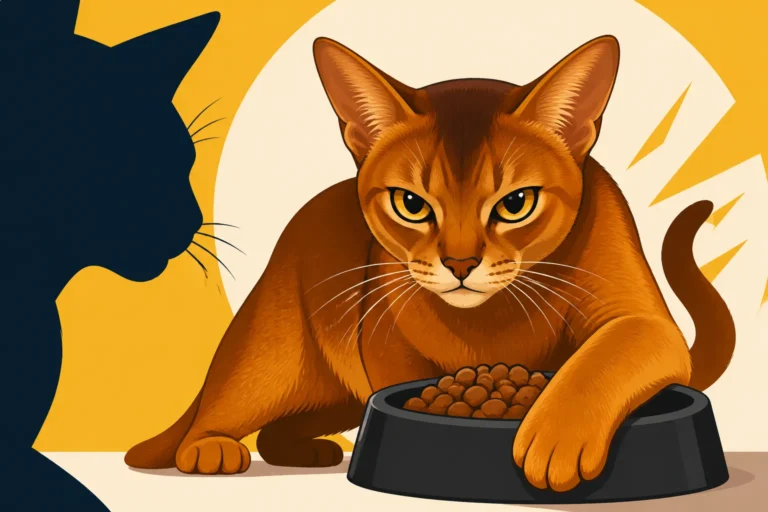
Puzzle feeders are another fantastic tool for mental stimulation. These devices require your Abyssinian to "work" for their food, engaging their problem-solving skills and predatory drive. Instead of just putting down a bowl, hide food in various places or use treat balls. This turns mealtime into a scavenger hunt, which can be incredibly satisfying for an intelligent breed like the Abyssinian. How to Give an Abyssinian a Job highlights the importance of such activities. You might also find your Abyssinian loves chasing moving light patterns from a laser pointer, but always end these sessions by directing the beam onto a physical toy they can "catch" to prevent frustration.
Here's a quick comparison of enrichment options:
| Enrichment Type | Benefits for Abyssinians | Best for | Where to Find |
|---|---|---|---|
| Wand Toys | Mimics prey, encourages chasing/pouncing, builds bond. | Daily interactive play | Pet stores, Amazon |
| Puzzle Feeders | Mental stimulation, slows eating, satisfies hunting instinct. | Mealtime, solo engagement | Specialty pet stores, Amazon |
| Cat Trees/Shelves | Vertical space, climbing, observation points, energy release. | All-day environmental enrichment | Pet stores, Amazon, DIY |
| Clicker Training | Mental challenge, strengthens bond, teaches tricks and commands. | Structured interaction, learning skills | Online resources, books |
| Catios/Secure Runs | Safe outdoor access, sensory stimulation, fresh air. | Controlled outdoor exploration | Professional builders, DIY kits, Amazon |
Clicker training can also be an excellent way to engage their intelligent minds. Abyssinians are surprisingly quick learners and can be taught a variety of tricks, from sitting and staying to fetching and high-fiving. This not only provides mental stimulation but also strengthens the bond between you and your cat. Which Tricks an Abyssinian Learns Fastest will give you some great ideas to get started.
Recognizing When Activity Levels Signal a Problem
While Abyssinians are inherently active, there's a difference between a healthy, energetic cat and one whose activity levels are either too much or too little, potentially signaling an underlying issue. It's crucial for owners to develop a keen eye for changes in their cat's normal patterns, as subtle shifts can be the first indicator that something isn't quite right. Abyssinians are incredibly stoic and often hide pain or illness until it's quite advanced, making vigilance on your part even more important.
Never dismiss a significant change in behavior or activity as just "being an Abyssinian." Always err on the side of caution and consult your veterinarian if you notice anything out of the ordinary. Early intervention can make a world of difference in your cat's health and well-being.
Signs of Excessive or Destructive Activity
Sometimes, an Abyssinian's boundless energy can spill over into behaviors that are destructive or seem excessive even for their active nature. If your cat is consistently tearing up furniture, vocalizing excessively, waking you multiple times throughout the night despite ample daytime play, or seems unable to settle down even for short periods, it might be a sign of stress, anxiety, or insufficient enrichment.
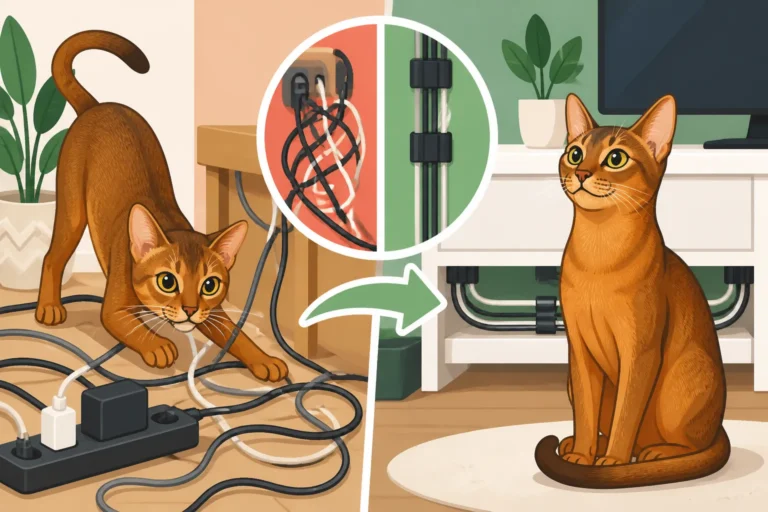
A common scenario is an Abyssinian who becomes extremely destructive when left alone for long periods. They might tear at curtains, scratch doorframes, or persistently knock valuable items off shelves. While some of this is typical Abyssinian mischief, persistent, intense destruction could indicate boredom, loneliness, or a cry for more mental and physical stimulation. These cats truly need to be given engaging activities; otherwise, they invent their own. If you're struggling to keep up, considering a second compatible cat can often help. Why a Second Cat Suits an Abyssinian discusses this option in detail.
A Drop in Activity Levels: A Red Flag
Perhaps even more concerning than excessive activity is a sudden or gradual decrease in an Abyssinian's usual energy levels. Because they are naturally so active and agile, a quiet or lethargic Abyssinian is almost always a cause for concern. These cats are masters at hiding discomfort, so by the time they show obvious signs of slowing down, an illness might be progressing significantly.
If your Abyssinian is suddenly less interested in play, sleeping more than usual, no longer greeting you at the door with their customary enthusiasm, or skipping their usual climbing routes, it's time for a vet visit. This could be a sign of anything from pain and joint issues (even in younger cats) to more serious underlying health problems. Why a Suddenly Still Abyssinian Needs a Vet explains why this symptom should never be ignored. Similarly, if you notice a change in their weight or appetite alongside reduced activity, it's an immediate call for professional advice. Why an Abyssinian's Weight Loss Is Never Minor can offer further insights. Regular veterinary check-ups are essential to catch any potential health issues early, especially as they get older.
Disclaimer
This article is for general informational purposes only and does not constitute professional advice. Laws, prices and regulations vary by location and change over time. Consult a qualified professional for guidance on your specific situation.