What an Abyssinian’s Tail Says
It's easy to think you know what your cat is feeling just by looking at their tail, but with an Abyssinian, that quick swish or subtle twitch can mean a whole spectrum of things. Their boundless energy and distinct personality mean their tail language is often more dynamic and complex than you might expect, sometimes leading to misunderstandings. This guide will help you decipher the rich vocabulary of your Abyssinian's tail, so you can better understand their moods, intentions, and needs.
The Abyssinian Tail: A Dynamic Communication Tool
Your Abyssinian's tail is far more than just a counterbalance for all their incredible aerial acrobatics; it's a vital, living part of their communication system. Unlike some cat breeds who might be more subtle, an Aby's tail is often in near-constant motion, reflecting their internal state with a remarkable degree of precision. Learning to read these signals can unlock a deeper connection with your feline companion, helping you anticipate their needs and react appropriately to their moods, whether they're feeling playful, cautious, or outright annoyed.
The Upright Tail: Happiness and Confidence
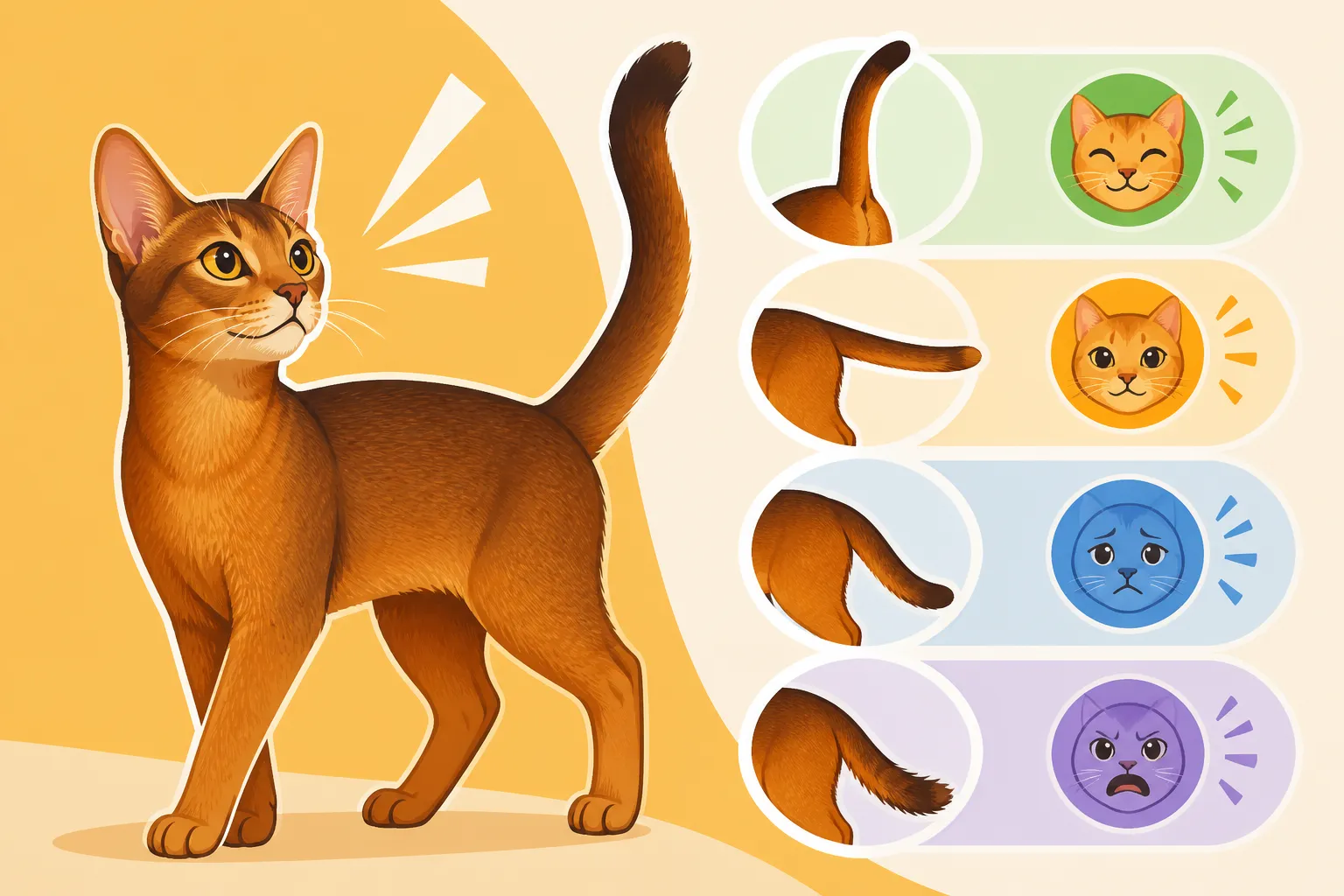
When you see your Abyssinian marching towards you with their tail held high, almost like a flag proudly waving, you’re usually looking at a very happy and confident cat. This is often their go-to greeting, a clear sign that they are pleased to see you, feeling secure in their environment, and generally well-adjusted. Think of it as their equivalent of a big, warm smile and a friendly "hello!" They might weave through your legs, rubbing their cheeks against you, all while that high tail signifies their contentment.
A slight curve in this upright tail, or a gentle twitch at the very tip, can add another layer to this happy display. This often indicates an extra burst of excitement or an eager interest in whatever it is you're doing. Perhaps you're heading towards the treat cupboard, or maybe you've just picked up their favorite wand toy. That little extra flourish on a high tail shows they’re engaged and anticipating something good. Sometimes, a high tail might even form a gentle curve, like a question mark, which is a classic sign of a friendly, inquisitive cat. They're asking, "What's up? Can I join in? What exciting things are we doing next?" It's an invitation to interact, often preceding a playful pounce or an exploratory sniff. This confident tail posture is a lovely thing to witness, especially when you know your Abyssinian is settled and content.
The Low Tail: Uncertainty and Submission
Conversely, a tail that is held low, close to the body, or even tucked completely between the legs, usually signals a cat that is feeling anything but confident. This posture is a universal feline sign of fear, insecurity, or submission. If your Abyssinian approaches you with their tail tucked tightly, they might be feeling overwhelmed by a new situation, scared by a loud noise, or perhaps trying to avoid confrontation with another pet in the house. It's a clear signal that they are not feeling brave, and they might be looking for reassurance or a safe retreat.
A slightly lowered tail, not quite tucked but definitely not held high and proud, can indicate mild anxiety or caution. They might be exploring a new room or encountering an unfamiliar person or object. This tail position is a softer warning sign, suggesting they're assessing the situation carefully and are ready to bolt if necessary. It’s important to give them space and allow them to investigate at their own pace without forcing interaction. Sometimes, a cat might wrap their tail tightly around their body, almost hugging themselves with it. This is a subtle form of self-comfort, showing mild apprehension or a desire to make themselves seem smaller and less threatening. It’s a good moment to speak softly, offer a gentle presence, and perhaps tempt them with a beloved toy from a distance to rebuild their confidence. Remember, a Why a Suddenly Still Abyssinian Needs a Vet cat often shows these subtle changes as an early sign of discomfort, so pay close attention.
Nuances in Abyssinian Tail Movements
The Abyssinian's tail isn't just about static positions; its movements add layers of meaning that can tell you even more about their inner world. These rapid-fire flickers, dramatic lashing, or slow, deliberate swishes provide crucial context to their overall body language. Because Abyssinians are so active and engaged, their tails are rarely truly still, always communicating something about their current focus or emotional state.
Twitching and Flicking: Excitement and Irritation
A rapid twitching of just the tip of your Abyssinian's tail can be a fascinating, multi-faceted signal. Often, it's a sign of intense focus, particularly when they are in "hunt" mode. You might see this as they stare intently at a bird outside the window, their whole body vibrating with suppressed energy, preparing for a pounce that will never come. It signifies excitement and deep concentration. However, a rapid tail-tip twitch can also subtly hint at a growing irritation. If your Abyssinian is resting but their tail starts twitching while you’re petting them, it might be their way of saying, "I'm enjoying this, but I'm reaching my limit," or "I'm a little annoyed by whatever is happening around me."
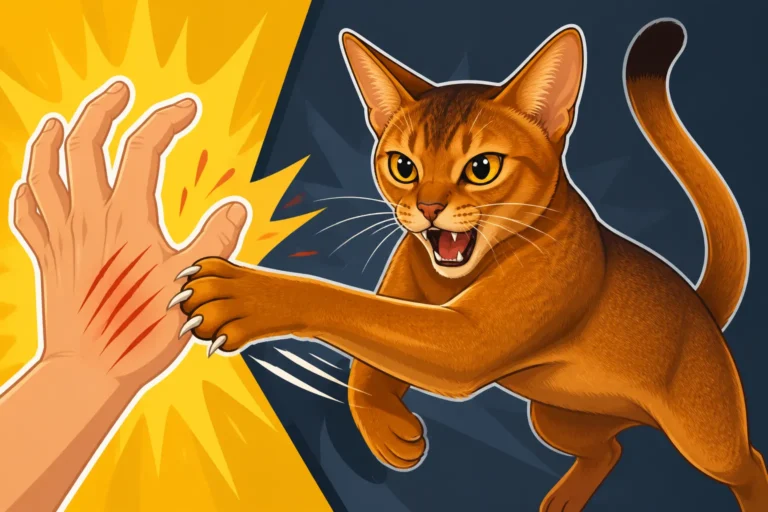
On the more dramatic end of the spectrum, a full tail lashing back and forth with force is a clear warning sign. This usually indicates high irritation, anger, or feeling extremely overstimulated. If you're playing with them and the tail starts lashing, it’s a strong indication that they're no longer enjoying the interaction and might be about to escalate to a swat or a bite. This is a moment to immediately disengage and give them space. How an Abyssinian Shows It Is Overstimulated often includes this lashing tail, coupled with flattened ears and dilated pupils. Conversely, a slow, gentle swish of the tail, especially when they're lying down, often signals a state of relaxed attention and contentment. They're aware of their surroundings, but not agitated; simply observing and enjoying their environment.
The Bushy Tail: Arousal and Defense
One of the most unmistakable and dramatic tail signals from any cat, including the Abyssinian, is the "bottle brush" tail. This happens when the fur on their tail (and often along their spine) stands on end, making it appear significantly thicker and bushier. This piloerection is an involuntary reflex, usually triggered by sudden fear, aggression, or surprise. When your Aby's tail puffs up, they are trying to make themselves look bigger and more intimidating to whatever they perceive as a threat. It's an instinctive defense mechanism, designed to deter a potential attacker.
If you see this bushy tail, it's a clear indication that your Abyssinian is feeling highly threatened or extremely agitated. This tail posture is almost always accompanied by other strong body language cues: an arched back, flattened ears, dilated pupils, perhaps hissing or growling. It's not a playful gesture, and it's essential to give them plenty of space and avoid any actions that might further stress them. Why an Abyssinian Hides Pain Behind Its Energy can sometimes manifest in such defensive postures if their pain is sudden or acute. It's distinctly different from a relaxed, slightly fluffed tail you might see on a cat who is simply feeling cozy or has just woken up; the bottle brush tail is a much more intense and alarming signal that demands immediate recognition and a cautious response from you.
Combining Tail Cues with Other Body Language
Understanding the tail in isolation is a good start, but to truly become fluent in your Abyssinian's language, you need to read it in conjunction with their entire body. Cats communicate holistically, and the tail is just one piece of a complex puzzle. Their ears, eyes, whiskers, and overall posture will amplify or nuance the message their tail is sending, especially for a high-energy breed like the Abyssinian.
Reading the Whole Picture: Ears, Eyes, and Posture
When your Abyssinian's tail is telling a story, their ears, eyes, and overall posture are providing the narration. For instance, an upright, slightly twitching tail combined with forward-pointing ears and wide, inquisitive eyes means a very different thing than the same tail twitch with flattened ears and narrowed pupils. Forward ears indicate interest; flattened ears scream fear or aggression. Dilated pupils can signify excitement or fear, while narrowed eyes might suggest discomfort or aggression. You might also notice their whiskers are pulled back tight against their face when scared or angry, or fanned out wide when curious.
The overall body posture provides the biggest context. Is your Aby relaxed, stretched out, and purring? Then a gently swishing tail means contentment. Is their body tense, crouched low to the ground, with their back slightly arched? Then a low-held tail indicates fear or a readiness to pounce or flee. Abyssinians are known for their incredibly active and expressive nature; they are The Abyssinian Is the Busiest Cat in the House, which means their movements can be very quick. This high-energy baseline can sometimes make it tricky to distinguish playful intensity from genuine agitation, but learning to read the combination of cues is key. A playful pounce will have a different overall feel to it than a defensive crouch, even if the tail movement looks similar at first glance.
The Playful Tail vs. the Agitated Tail
This is where things can get a little tricky with an active Abyssinian. A tail that is upright and swishing gently can signal a cat that's ready for play, especially if paired with a bouncy, engaging posture, wide eyes, and an open mouth (in their version of a smile). They might bat at the air, wiggle their hindquarters, or chase after a toy with great enthusiasm, tail moving fluidly. This is pure, joyful play, an invitation to interact.
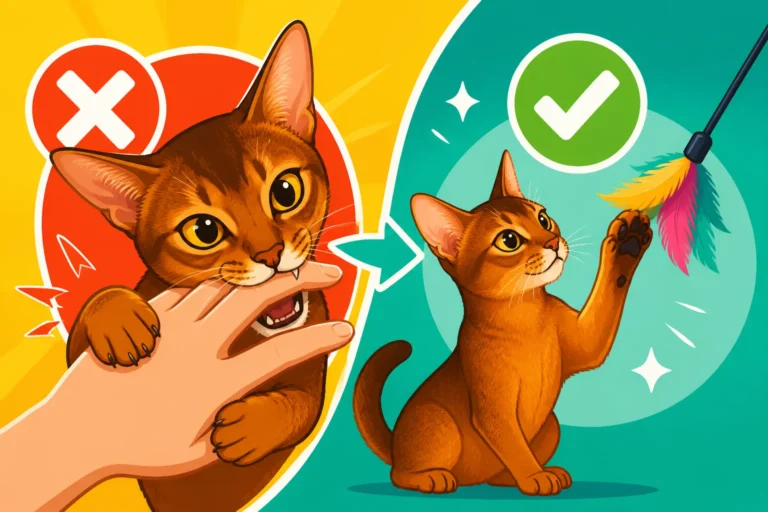
However, a tail that starts to lash vigorously, particularly if held lower or tucked, transitions rapidly from playful to agitated. If you see their tail thumping against the floor or flicking sharply from side to side, and their body language shifts from loose and bouncy to tense and low, it's time to back off. They've moved from enjoying the game to feeling overstimulated or irritated. Many owners accidentally encourage Why an Abyssinian Bites During Play because they miss these early tail warnings. It’s crucial to know the difference between a happy, playful swish and an angry, warning lash. One is an invitation, the other is a firm "no more."
When to Be Concerned: Subtle Shifts in Tail Language
Sometimes, the most concerning changes in tail language are not the dramatic ones, but the subtle, persistent shifts. If your Abyssinian, who is usually confident and carries their tail high, suddenly starts holding it low for extended periods, or is constantly tucking it away, this could be a red flag. It might indicate underlying pain, discomfort, or chronic stress. Similarly, a noticeable lack of tail movement in a normally animated cat can be worrying. Abyssinians are typically expressive, so a tail that seems unusually still or unresponsive might suggest they're feeling unwell or lethargic.
Any departure from your cat's usual tail patterns warrants attention. If they stop wagging their tail when you approach, or if their tail seems less active during playtime, it's worth observing them closely for other signs of illness. Sometimes, a change in litter box habits, appetite, or general energy levels accompanies these subtle tail shifts. Why a Lean Abyssinian Hides Illness Longer Than a Heavy Cat means you need to be extra vigilant for these kinds of subtle cues. If you notice a persistent change in their tail behavior that can't be explained by a clear external stressor, a vet visit is always a wise decision to rule out any health issues.
Building a Better Connection Through Tail Observation
Becoming a skilled interpreter of your Abyssinian's tail language isn't just about avoiding scratches; it's about deepening your bond and ensuring their well-being. By actively observing and understanding their nuanced signals, you can create a more harmonious environment and respond to their needs with empathy and intelligence. This takes practice, but it's incredibly rewarding.
Observing Your Abyssinian's Unique Language
Just like people have different dialects or mannerisms, each Abyssinian will have their own unique quirks and nuances in their tail language. While the general rules apply, one cat might have a more pronounced "question mark" tail, while another might use a tiny, almost imperceptible tail-tip flick to convey mild annoyance. The key is consistent, daily observation of your cat. Try keeping a mental note, or even a small journal, of what your Abyssinian's tail does in different situations: when they greet you, when they're playing, when they're eating, or when they're simply relaxing. This will help you learn their baseline and quickly spot any deviations.
Interactive play is a fantastic way to observe their tail in action, as their emotions and focus will be clearly visible. Consider investing in a variety of interactive toys – you can find a fantastic array of durable wand toys, laser pointers, and feather teasers on Amazon that will keep your Aby engaged and give you plenty of opportunities to study their movements. Pay attention to how the tail changes as they go from hunting mode to catching the "prey" to winding down. This practice will refine your ability to read their signals and understand their individual communication style. How an Abyssinian Learns Faster When It Is Hungry can also be a good context for observing tail cues during training sessions, as their focus is heightened.
Responding Appropriately to Tail Signals
Once you start to understand what your Abyssinian's tail is telling you, you can respond in ways that build trust and strengthen your relationship. If you see a confident, high tail and a friendly approach, reciprocate with gentle petting, soft words, or an invitation to play. This reinforces their positive behavior and sense of security. If the tail is low or tucked, indicating fear or uncertainty, give them space. Don't force interaction. Speak in a calm, reassuring tone, and let them come to you on their own terms. Sometimes, simply sitting quietly nearby is the best response.
For an agitated or overstimulated Abyssinian, signaled by a lashing tail, the appropriate response is to disengage and allow them to decompress. Trying to soothe them with touch in this state can often backfire. Instead, respect their boundaries and remove whatever is causing their stress. Providing adequate mental and physical enrichment is also crucial. A bored Abyssinian might become destructive or agitated, and their tail will often reflect this frustration. Puzzle feeders, a catio, or designated climbing spaces can give your Aby a "job" and outlet for their energy, leading to a more content, less agitated cat whose tail often reflects that inner peace. How to Give an Abyssinian a Job means understanding their needs for stimulation and providing appropriate outlets. Look for innovative cat trees and wall-mounted shelves on Amazon to cater to their love for height and climbing, helping them feel secure and happy, which translates to a more relaxed tail.
Disclaimer
This article is for general informational purposes only and does not constitute professional advice. Laws, prices and regulations vary by location and change over time. Consult a qualified professional for guidance on your specific situation.