How Rough Play With an Abyssinian Gets
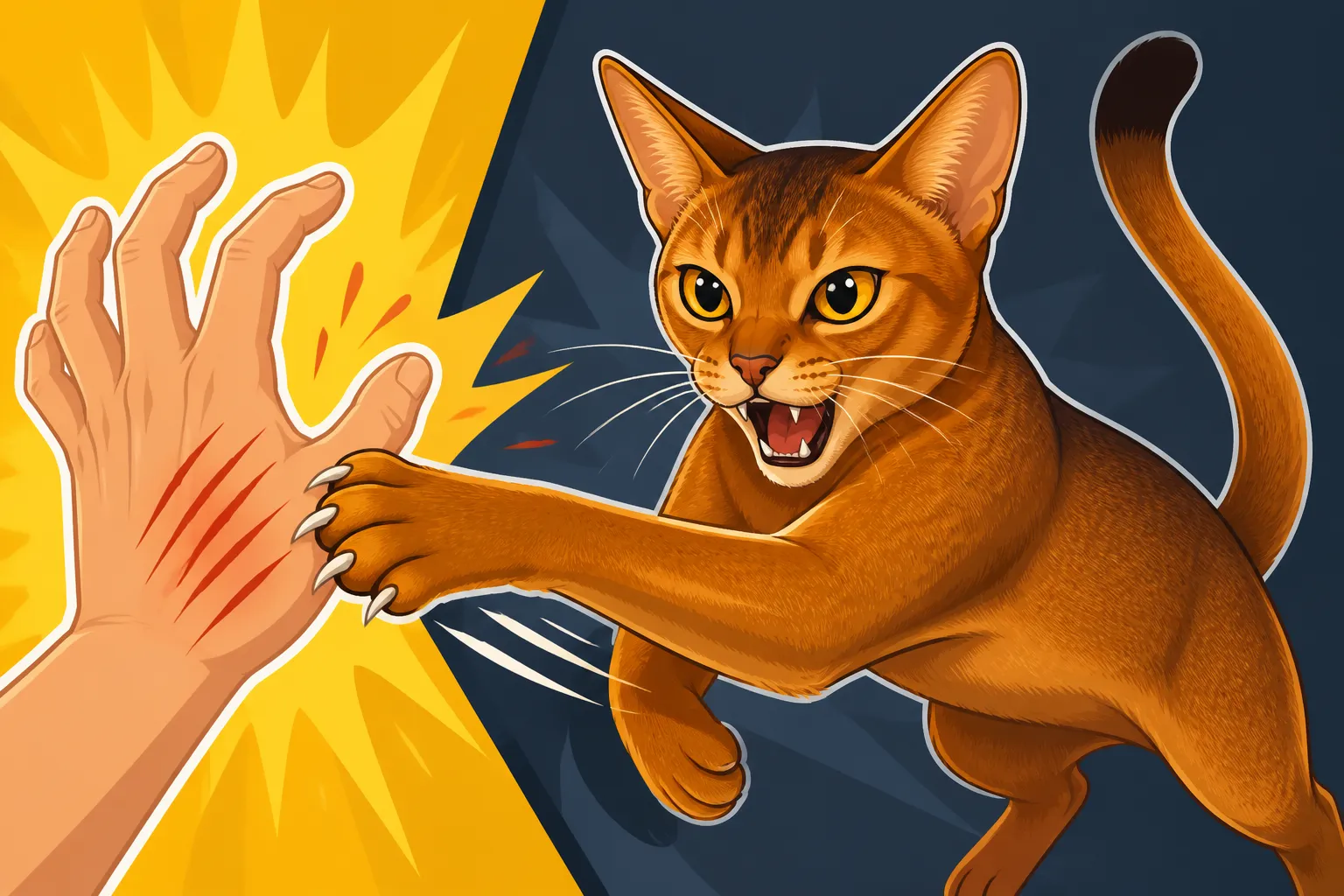
It's a common scenario: you're relaxing on the couch, maybe wiggling your toes a little, and suddenly, a sleek, muscular blur attacks your foot with the ferocity of a tiny tiger. Or perhaps you're reaching for a mug, and your Abyssinian launches itself at your hand, claws out, teeth bared. Owners often ask, "How rough does play with an Abyssinian actually get?" and the answer, for many, is "surprisingly rough!" This guide will dive into the unique blend of instinct and energy that drives your Abyssinian's intense play style, help you recognize when it’s escalating, and offer practical strategies to redirect that powerful drive into appropriate, less painful, outlets.
Understanding the Abyssinian's Innate Drive for Intense Play
Let's be real, Abyssinians aren't your average lap cats, content to purr softly for hours. They are bundles of lean muscle and boundless energy, and their play reflects that. If you've ever felt like you're wrestling a small, furry predator, you're not wrong – you kind of are.
A Hunter's Instinct in the Living Room
The Abyssinian is often described as resembling the wild cats of the African plains, and it’s not just their striking ticked coat that gives that impression. Deep within their DNA lies a potent hunting instinct that fuels their every movement. They are natural stalkers, pouncers, and jumpers, and they channel all of this into their play. When your Abyssinian is chasing a toy, it's not just idly batting it around; it's engaging in a full-blown simulated hunt.
This means they bring a surprising amount of force to their games. They bite, they kick with their powerful back legs (often called "bunny kicks"), and they use their claws with precision. Many first-time Abyssinian owners are taken aback by the intensity, especially if they've only ever owned more sedate breeds. It's easy to forget that despite being domesticated for centuries, these cats retain a strong connection to their predatory roots. You might look at your beautiful, elegant Abyssinian and wonder how it can transform into such a fierce little beast in an instant. It's just their nature. It's why people sometimes say Why an Abyssinian is Mistaken for a Wild Cat, because their movements and intensity truly echo something untamed. They aren't trying to hurt you; they're just playing the way nature intended them to.
The "Forever Kitten" Mentality
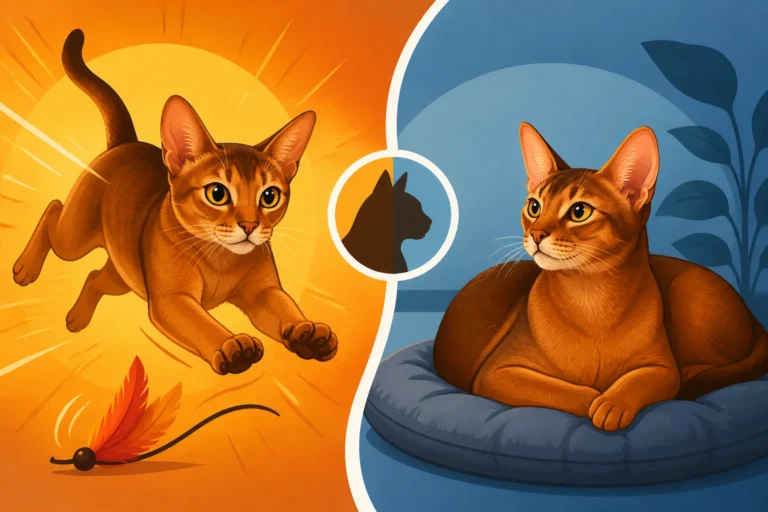
One of the most charming, yet sometimes exasperating, traits of the Abyssinian is their seemingly endless kittenhood. While many cat breeds mellow significantly by their first birthday, Abyssinians often maintain a high level of energy and a playful demeanor well into their senior years. You might have bought a kitten expecting it to eventually settle into a quiet adulthood, only to find yourself with a five-year-old cat that still acts like a rambunctious six-month-old. This "forever kitten" mentality means that the vigorous, often borderline-rough play you experienced in their early months isn't just a phase that will pass.
They crave constant interaction and mental stimulation, and if that isn't provided, they'll seek it out in other ways, often involving your hands, feet, or anything that moves. This isn't a sign of immaturity or a failure on your part; it's simply how the breed is wired. It requires an owner who understands this innate need for prolonged, intense play and is willing to engage with it consistently. Trying to force an Abyssinian to be a placid lap cat will only lead to frustration for both of you, and potentially, more rough play when they try to fulfill their instincts.
Misdirected Energy and Boredom
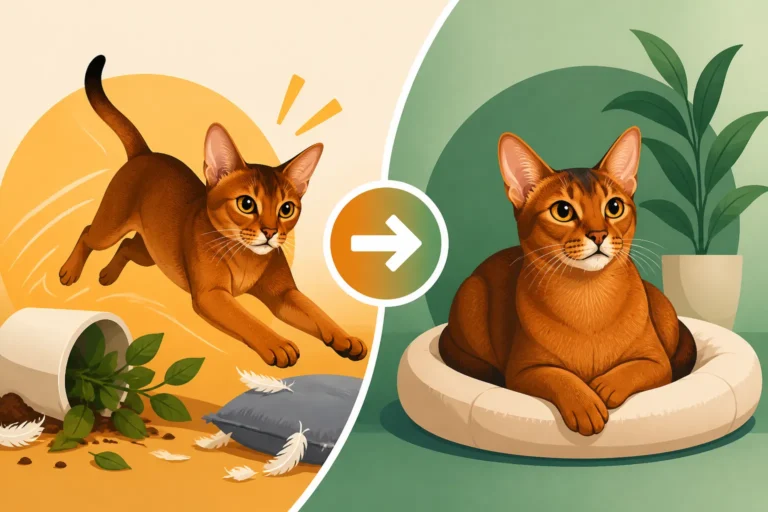
The sheer athleticism and intelligence of an Abyssinian mean they need significant outlets for their energy, both physical and mental. If they don't get enough appropriate stimulation, that pent-up energy has to go somewhere, and often, it gets directed at the closest, most available "toy" – you. A bored Abyssinian is not just a lazy Abyssinian; it's a destructive, mischievous, or overly rough Abyssinian. They might start climbing curtains, systematically knocking objects off shelves, or, yes, turning your ankles into their personal prey.
It’s easy to feel personally attacked when your cat lunges at you, but in most cases, it’s not personal at all. It’s a cry for engagement. Imagine being full of energy and having nothing to do all day. That’s how your Abyssinian feels if their environment isn't stimulating enough. This misdirection isn't aggression; it's a natural consequence of their high drive and intellectual needs. If you've ever come home to a chaotic scene, you'll know What an Abyssinian Does When It Is Bored. They are simply trying to entertain themselves, and unfortunately, their methods aren't always kind to your belongings or your skin.
Recognizing the Signs of Over-Arousal and Escalating Play
It can be a fine line between enthusiastic play and genuinely rough, potentially hurtful, behavior. Abyssinians, with their lightning-fast movements and intense focus, can cross that line quickly. Learning to read their body language is crucial to intervene before play escalates beyond what's acceptable.
From Playful Nips to Serious Bites
Many cat owners are familiar with the concept of a "love bite" – a gentle nip that doesn't break the skin, often accompanied by purrs or headbutts. Abyssinians certainly do this, but they also have a range of play bites that can quickly escalate. What starts as a soft grab with their mouth might become a hard bite if the play continues unchecked or if they become over-stimulated. Their sharp little teeth are designed for tearing, and even a playful bite can draw blood if they put too much pressure.
The key is to watch their body language closely. Are their pupils dilating, even in a well-lit room? Are their ears flattening back against their head, or twitching rapidly? Is their tail lashing back and forth with increasing speed, rather than a gentle swish? These are all signs that your Abyssinian is getting over-stimulated and their predatory instincts are taking over. A cat that's truly "in the zone" might also tense their body, lower their head, and focus intently on their target. If you see these signals, it’s time to disengage immediately. Don’t wait for the painful bite to happen; recognize the warning signs before it does.
The Chase and Ambush Games
Abyssinians excel at the classic cat-and-mouse game, and they often try to make you the mouse. Chasing feet under a blanket, ambushing hands from behind furniture, or suddenly launching themselves at you as you walk by are all typical Abyssinian behaviors. For them, it’s a thrilling hunt; for you, it can be startling, painful, and frankly, a bit annoying, especially when it happens at inconvenient times, like Why an Abyssinian Wakes You at Five. They love the thrill of the chase and the satisfaction of a successful "capture."
The problem arises when these games become too focused on your body parts. While a cat batting playfully at a dangling shoelace is one thing, a cat sinking its claws into your bare ankle is another entirely. This is where boundaries become incredibly important. They learn what constitutes a successful "hunt" from your reactions. If you scream and pull away, they might interpret that as exciting prey behavior, reinforcing the idea that your feet are fair game. It's a tricky balance, because you don't want to encourage the behavior, but an overly dramatic reaction can inadvertently make the game more appealing to them.
When Play Becomes a Challenge
Sometimes, rough play isn't just about misdirected energy; it can be about testing boundaries or asserting themselves in a playful, yet insistent, manner. Abyssinians are intelligent and perceptive cats. They learn quickly what they can get away with and what elicits a strong reaction from you. If you're inconsistent with your responses – sometimes allowing playful nips, other times getting upset – they might become confused and push harder to understand the rules.
This isn't necessarily a sign of aggression or malice. It's often just an Abyssinian's way of engaging with their world and the beings in it. They love to interact, and if a certain level of roughhousing gets them attention, even negative attention, they might continue it. They're smart enough to know when they're getting a rise out of you, and sometimes, that's part of the game for them. It’s crucial to present a united front and consistent rules if you live with others, so your Abyssinian understands what’s acceptable play and what isn’t, regardless of who they’re playing with.
Strategies for Managing and Redirecting Rough Abyssinian Play
The good news is that an Abyssinian's intense play is entirely manageable and can be redirected into safe, satisfying activities for both of you. It requires consistency, patience, and a deep understanding of their needs.
Establishing Clear Boundaries from Day One
The most important rule for managing rough play is simple: never use your hands or feet as toys. This is foundational. If you start out letting your kitten bat at your fingers, you’re teaching them that human body parts are fair game for their claws and teeth. And what’s cute in a small kitten can be quite painful in a powerful adult Abyssinian.
From the moment you bring your Abyssinian home, whether it’s a tiny kitten or an adult rescue, make sure every interaction reinforces this boundary. If they latch onto your hand or foot, immediately let out a sharp "ouch!" or "no!" and then withdraw your hand and disengage from play. Don't pull your hand away quickly, as that can simulate prey behavior and make them hold on tighter. Instead, let your hand go limp, make the noise, and remove your attention. Even a few seconds of ignoring them can send a clear message. If they persist, walk away entirely. This teaches them that rough play with you ends the fun. You really need to be consistent to make this stick, because they will push. For more specific guidance, check out How to Stop an Abyssinian Play Biting.
Providing Appropriate Outlets for Their Energy
Since their rough play stems from natural hunting instincts and boundless energy, the solution lies in providing ample, appropriate outlets. This means investing in a variety of toys that satisfy their need to stalk, chase, pounce, and "kill."
- Wand Toys: These are gold for Abyssinians. A good wand toy with feathers, ribbons, or small stuffed animals at the end allows you to simulate prey movement without putting your hands at risk. Drag the toy, hide it, make it dart and fly – mimic the unpredictable movements of a bird or mouse. Many excellent options can be found on Amazon, from simple feather wands to more elaborate creations designed for vigorous play. Which Wand Toy an Abyssinian Prefers offers more specific recommendations.
- Puzzle Feeders: These engage their minds and make them "work" for their food, tapping into their foraging instincts. There are many interactive puzzle feeders available on Amazon that can keep them occupied and mentally stimulated, reducing boredom that leads to rough play.
- Kick Toys: Look for sturdy, catnip-filled toys that your Abyssinian can bunny-kick to their heart's content. These allow them to use their powerful back legs in a safe and appropriate way.
- Laser Pointers: Use with caution! While exciting for the chase, always end a laser pointer session by directing the beam onto a physical toy or treat that your Abyssinian can "catch" and feel satisfied with. Without a tangible "kill," they can become frustrated and redirect that frustration.
Here's a quick comparison of toy types and their benefits:
| Toy Type | Benefit | Best For | Notes |
|---|---|---|---|
| Wand Toys | Simulates prey, interactive, full-body play | Satisfying hunting instinct, tiring them out | Essential for daily engagement; rotate styles frequently. |
| Puzzle Feeders | Mental stimulation, slows eating, foraging | Reducing boredom, rewarding problem-solving | Good for solo play, ensures they "earn" food. |
| Kick Toys | Outlet for bunny kicks, solo wrestling | Releasing pent-up aggression, physical exercise | Choose durable materials, often infused with catnip. |
| Treat Balls | Combines food reward with light play | Encouraging movement, mental engagement | Simple but effective for keeping them occupied between meals. |
| Interactive Toys | Motion-activated, electronic (e.g., on Amazon) | Solo play, keeping them entertained when you're busy | Can be great, but don't replace human-led interactive play. |
The Power of Structured Play Sessions
It's not enough to just throw toys at them and hope for the best. Abyssinians thrive on structured, intense play sessions that mimic the hunting cycle: stalk, chase, pounce, kill, and then eat or groom. Aim for at least two to three dedicated play sessions a day, each lasting 10-15 minutes, or until your Abyssinian is panting slightly and loses interest.
During these sessions, use wand toys to get them running, jumping, and engaging fully. Lead them up and down cat trees, across the room, and around furniture. At the end of each session, allow them a definitive "win" by letting them catch the toy. After they've caught it, let them "kill" it – hold it still while they bunny-kick and bite it. This provides a crucial sense of satisfaction. Then, put the toy away. This tells them play is over and keeps the toy exciting for the next session. Many owners find How to Split an Abyssinian's Play Into Sessions helpful for structuring their cat's day.
Considering a Companion or Increased Vertical Space
Sometimes, despite your best efforts, one human simply isn't enough to handle the sheer energy of an Abyssinian. If you have the capacity, bringing another cat into the household can be a game-changer. Abyssinians often thrive with a companion, especially another high-energy cat that can match their play style. They can chase, wrestle, and burn off steam with each other, rather than constantly directing that energy at you. Why a Second Cat Suits an Abyssinian delves into the benefits of a companion for this breed.
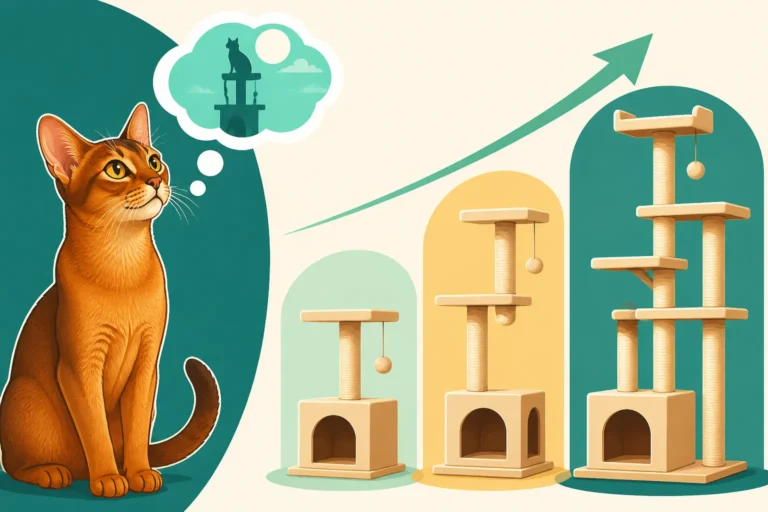
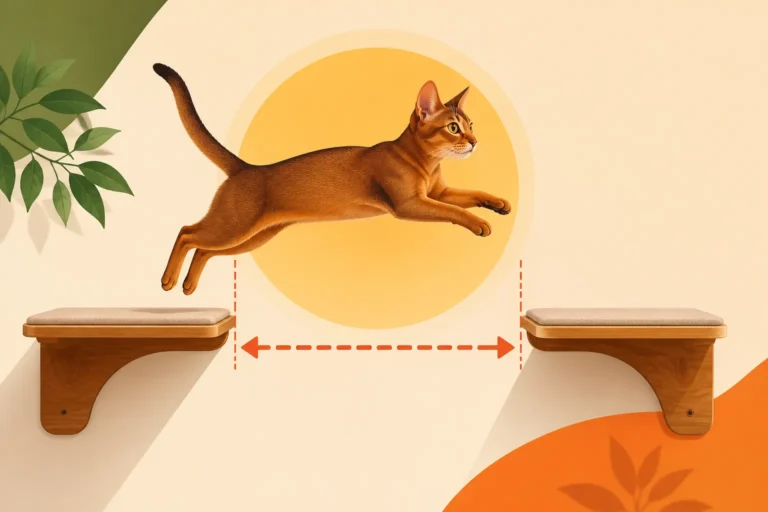
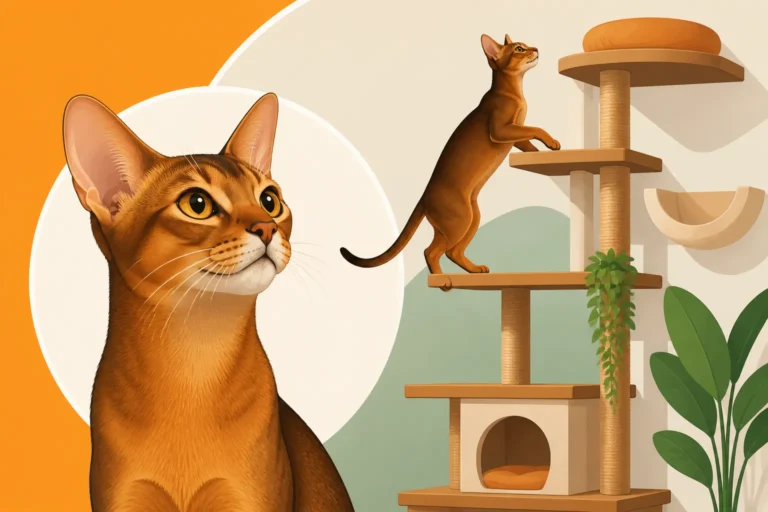
Another critical element is vertical space. Abyssinians are climbers, jumpers, and perchers by nature. They need to explore heights, survey their domain, and have elevated places to escape or observe. If your home lacks sufficient vertical territory, they might become frustrated and act out. Invest in tall, sturdy cat trees (many excellent options available on Amazon), wall-mounted shelves, or cat-friendly furniture that allows them to climb. Creating a stimulating vertical environment gives them more physical exercise and mental engagement, which in turn can reduce their need to play roughly with you. After all, An Abyssinian Needs Height More Than It Needs Floor, and providing it can dramatically improve their behavior and well-being.
Disclaimer
This article is for general informational purposes only and does not constitute professional advice. Laws, prices and regulations vary by location and change over time. Consult a qualified professional for guidance on your specific situation.