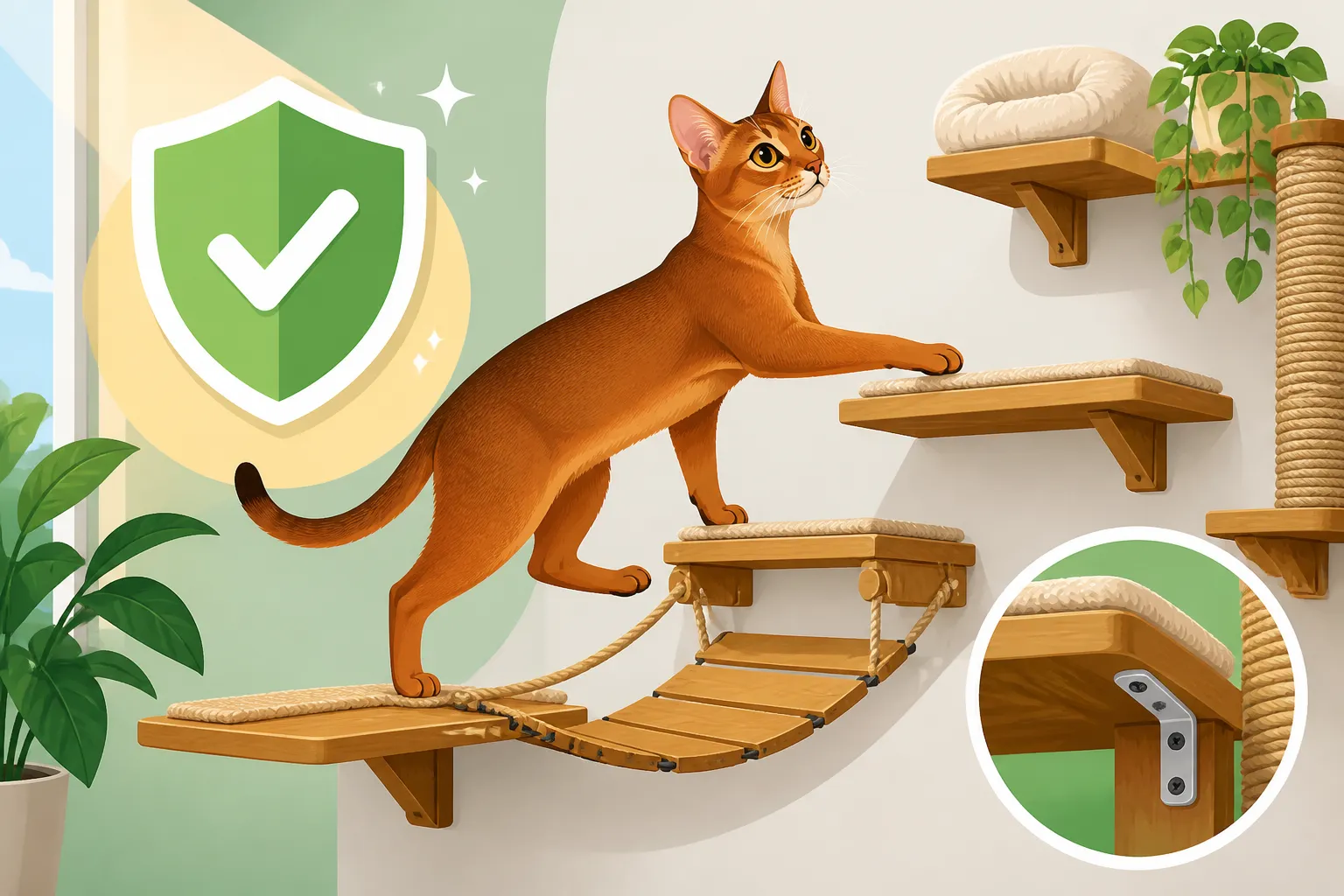
How to Make an Abyssinian’s Climbing Route Safe
Any Abyssinian owner knows that these graceful, energetic cats aren't content with just floor space; they live for the vertical. However, their boundless athleticism can sometimes lead to tumbles, broken ornaments, or even serious injuries if their climbing routes aren't carefully considered. This guide is all about helping you create a safe, stimulating, and damage-resistant climbing environment for your beloved Aby, turning your home into their personal, secure adventure park.
Understanding Your Abyssinian's Drive to Climb
If you live with an Abyssinian, you've probably already noticed their incredible athleticism and almost insatiable desire to be up high. It's not just a quirk; it's deeply ingrained in their nature. They aren't content with observing the world from the sofa, or even from the windowsill. They want to be above it all, surveying their kingdom, and that means ascending.
The Instinct for Height and Observation
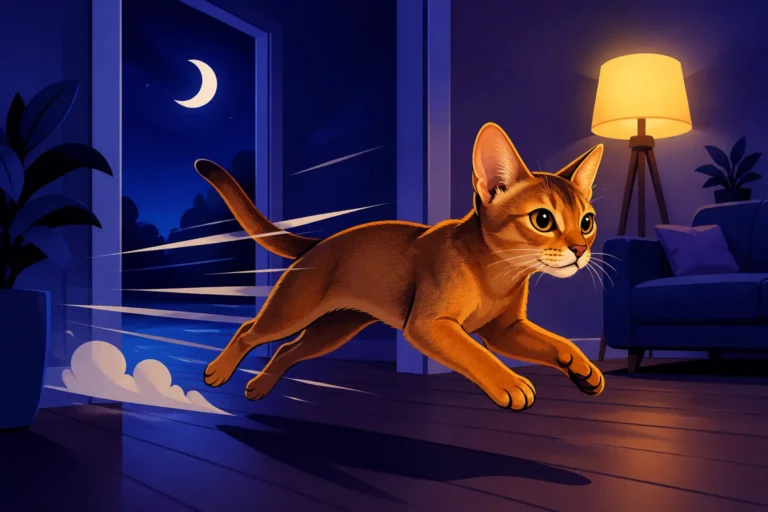
Abyssinians are naturally curious and highly intelligent cats. Their need for elevation stems from a few key feline instincts. Firstly, being high up offers a sense of security. From a lofty perch, they can observe their surroundings, identify potential threats (like the vacuum cleaner or a new visitor), and feel less vulnerable. This isn't just about fear; it's about comfort and control. Secondly, it's a prime vantage point for hunting. Even if their "prey" is just a dust bunny or a housefly, the elevated perspective gives them a strategic advantage, allowing them to track movement more effectively. They are constantly scanning, calculating, and planning their next energetic move.
This isn't a cat that will just sit quietly in your lap; they're more likely to perch on your shoulder or the highest point of the cat tree. They thrive on mental and physical stimulation, and a rich vertical environment directly feeds into that. Understanding this fundamental drive is the first step in creating a home that truly satisfies their needs and keeps them safe. You can't stop an Abyssinian from climbing; you can only guide them to do it safely. An Abyssinian Needs Height More Than It Needs Floor is a concept every Aby owner learns quickly.
Why Abyssinians Push Boundaries
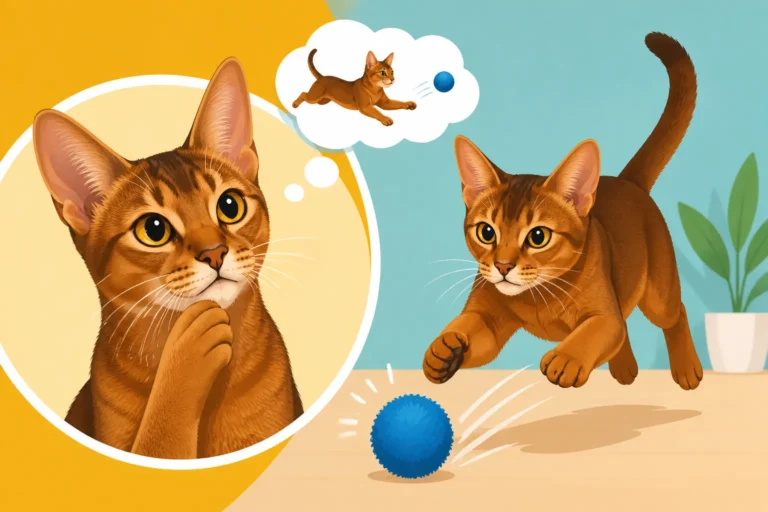
These cats aren't just climbers; they're problem solvers. If there's a closed cabinet, a forbidden shelf, or a seemingly impossible gap, your Abyssinian will see it as a personal challenge. They have incredible dexterity and a surprising ability to manipulate their environment. You might walk into a room to find a cupboard door ajar that you swore you closed, or a prized possession knocked off a shelf. Why an Abyssinian Opens Doors and Cabinets isn't just mischief; it's a testament to their intelligence and determination.
Their exploratory nature means they will test the stability of every surface, the reach of every jump, and the strength of every decorative item. This isn't out of malice, but pure, unadulterated curiosity and a need for stimulation. What might be a sturdy shelf for a book is a potential launchpad or napping spot for an Abyssinian, and they will absolutely find the weak points. This means that when you're thinking about safety, you can't just consider the obvious climbing structures; you need to look at your entire home from an Abyssinian's perspective. Assume if they can reach it, they will investigate it, and if it's unstable, they'll expose it.
Assessing and Securing Your Current Climbing Zones
Before you invest in fancy new cat furniture, take a good, hard look at your existing home. Your Abyssinian has likely already identified all the prime climbing spots, whether you intended them to or not. Identifying potential hazards in these areas is crucial for their safety and your peace of mind.
Identifying Unsafe Surfaces and Objects
Walk through your home with your Abyssinian's perspective in mind. Where do they already climb? What high surfaces do they eye longingly? Common culprits for unsafe climbing include wobbly bookshelves, unstable dressers, tall entertainment units, and even kitchen counters that offer a tempting view. These surfaces often weren't designed to bear a cat's weight or to withstand the impact of a graceful, yet forceful, leap.
Beyond stability, consider what's on those surfaces. Breakable items, heavy picture frames, potentially toxic houseplants, candles, and unsecured lamps are all serious hazards. An Abyssinian's sudden burst of energy or a miscalculated jump can send these items crashing down, risking injury to your cat or significant damage to your belongings. Think about Why an Abyssinian Bumps Furniture Before Anyone Notices as their vision goes; an accident waiting to happen, even for a perfectly sighted cat. Even seemingly benign objects like charging cables or blinds cords can become entanglement risks. You have to remove the temptation or secure the item.
Anchoring Furniture and Clearing Hazards
Once you've identified the problem areas, it's time for action. The most critical step is anchoring any tall, freestanding furniture to the wall. Bookcases, dressers, and even tall cat trees can tip over if an Abyssinian launches itself off them with enough force or if two Abyssinians decide to play king of the castle at the same time. Many furniture pieces come with anti-tip kits, but if yours doesn't, you can easily find affordable straps or brackets at most hardware stores or on Amazon. This simple step can prevent a catastrophic accident.
Next, remove or secure all hazardous objects from any surfaces your Abyssinian can access. This might mean relocating delicate vases to a display cabinet they can't open, or using museum putty to secure lamps and other decor that sits precariously on shelves. Why Medication Must Be Locked Away From an Abyssinian and Which Houseplants an Abyssinian Will Destroy are serious considerations; toxic items need to be completely out of reach. For electrical cords, invest in cable management solutions. Cord covers, ties, and conduit can prevent chewing hazards and entanglement. Remember, an Abyssinian will find a way, so proactive safety measures are your best defense.
Designing and Installing Safe Vertical Spaces
Your Abyssinian craves vertical territory, so providing safe, designated climbing spaces is paramount. These aren't just alternatives to your forbidden furniture; they are essential enrichment elements that fulfill their natural instincts.
Sturdy Cat Trees and Condos
Cat trees are the go-to solution for many cat owners, and for good reason. They provide a dedicated space for climbing, scratching, and napping. However, not all cat trees are created equal, especially for an active and athletic Abyssinian. You need something robust and stable. Look for trees with wide, heavy bases that resist tipping, and solid posts wrapped in sisal for good scratching opportunities. Why an Abyssinian Needs a Tall Cat Tree is no exaggeration; they truly want to go as high as possible.
Consider multi-level trees that offer various platforms and enclosed cubbies. Abyssinians often love to dart up, survey, and then retreat into a cozy hideaway. Ensure that the platforms are large enough for your cat to comfortably sit, stand, and turn around. Avoid flimsy, lightweight trees that wobble when your Aby jumps on them, as this can deter them from using the structure or, worse, cause an accident. If you find a great one but it feels a little wobbly, consider anchoring it to the wall, just like you would a bookcase, for extra security.
Wall-Mounted Cat Shelves and Climbers
For the ultimate vertical playground, wall-mounted shelves and climbers are a fantastic option. They save floor space, offer an even greater sense of height, and can be customized to fit your home's layout and your cat's climbing style. Why Wall Shelves Work Better Than a Tree for an Abyssinian is often true because they allow you to create intricate, linear routes that mimic climbing a tree in nature, rather than just up and down a central pole.
When installing wall shelves, ensure they are securely mounted into wall studs or using appropriate heavy-duty anchors. This is not the place to skimp on hardware! The shelves themselves should be wide enough for your Abyssinian to comfortably traverse and turn around on. Non-slip surfaces, like carpet remnants or textured mats, can be added to the shelves to provide better grip and prevent slips during energetic leaps. You can find excellent modular cat shelf systems, hammocks, and bridges on Amazon, allowing you to design a unique and engaging climbing route that reaches up to the ceiling. Think about creating a "cat superhighway" that circles a room, connecting different high points and giving your Aby endless possibilities for exploration.
Outdoor Enclosures (Catios)
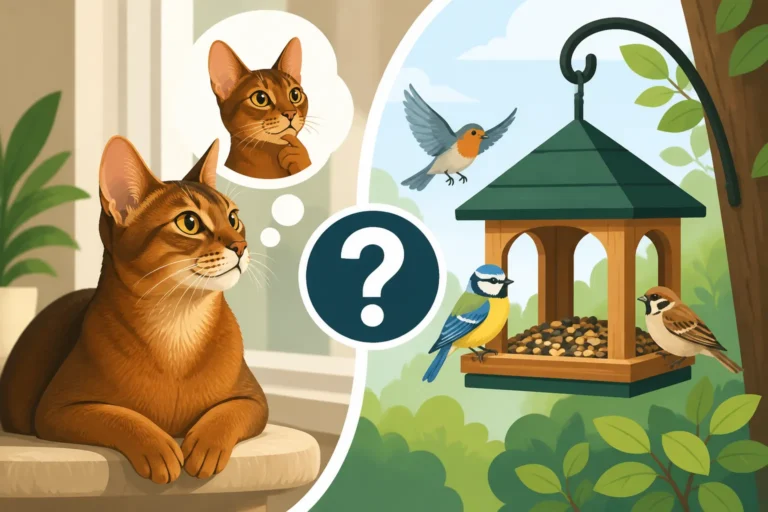
If you want to offer your Abyssinian a taste of the outdoors without the inherent dangers of free-roaming, a catio (cat patio) is an incredible solution. Abyssinians are far too valuable and vulnerable to be allowed outside unsupervised. A catio allows them to experience fresh air, sunshine, and the stimulation of birds and squirrels, all within a safe, enclosed space.
A catio can be a small window box enclosure, a modular system that attaches to a window or door, or a custom-built, fully enclosed outdoor room. Regardless of size, the key is security. Ensure all sides, the roof, and the floor are fully enclosed with sturdy wire mesh or similar material that an Abyssinian cannot squeeze through or chew through. All access doors should be secure and lockable. Inside, outfit the catio with multiple climbing levels, perches, scratching posts, and sheltered spots for napping. Consider adding a water source and some cat-safe plants for extra enrichment. Regular checks for wear and tear, especially after storms, are essential to maintain its integrity. How an Abyssinian Uses a Catio is a fantastic way for them to enjoy nature safely.
Maintaining and Monitoring Your Abyssinian's Climbing Environment
Creating a safe climbing environment isn't a one-time task; it's an ongoing process. Just as your Abyssinian's needs and abilities may change over time, so too can the integrity of their climbing structures. Regular maintenance and attentive monitoring are key to ensuring their continued safety and enjoyment.
Regular Safety Checks and Repairs
Think of your cat's climbing areas like a child's play equipment – they need periodic inspection. Over time, sisal can fray, screws can loosen, and carpet can wear thin. Make it a habit to perform a quick safety check on all cat trees, wall shelves, and catios at least once a month. Jiggle cat trees to check for wobble, inspect wall mounts for any signs of strain, and look for torn fabric or exposed sharp edges. For catios, check for any gaps in the mesh, rust spots, or damaged fasteners that could compromise security.
If you spot any issues, address them promptly. Tighten loose screws, replace worn sisal with new rope, or reinforce shelves that seem less stable. A stitch in time saves nine, and in this case, it could prevent a fall or escape. This vigilance ensures that your investment in their happiness and safety continues to pay off. You might also notice How an Abyssinian's Play Changes After Ten, requiring adjustments to their climbing routes to make them easier to navigate.
Adapting to Age and Health Changes
As your Abyssinian ages, their physical capabilities will naturally change. A spry young Aby might effortlessly scale a tall cat tree, but an older cat might struggle with the same jumps. Arthritis, joint pain, or even declining eyesight can make high leaps risky. What an Old Abyssinian Slows Down From can impact their ability to climb safely. It's crucial to observe your cat and adapt their environment accordingly.
For senior Abyssinians, you might need to add ramps or wider, shallower steps to their climbing routes. Ensure that all platforms are easily accessible without requiring strenuous jumps. Lower some of the highest perches or add intermediate steps. Pay attention to how they use their spaces; if they stop using a favorite high spot or hesitate before jumping, it might be a sign they need easier access. Why an Old Abyssinian Stops Using the Top Shelf is a clear signal that changes are needed. Continuing to provide vertical enrichment is important for their mental well-being, but it must be adjusted to their physical limitations.
Preventing Boredom and Redirecting Undesirable Climbing
Even with the best climbing setup, an Abyssinian can still get bored if the environment isn't stimulating enough, or if they're not getting enough interactive play. Boredom can lead to destructive behaviors, including climbing areas you'd rather they didn't. What an Abyssinian Does When It Is Bored can be quite extensive, from knocking things over to attempting to scale forbidden shelves.
To keep them engaged, regularly rotate toys and hide treats on different levels of their cat tree or shelves, encouraging them to explore. Puzzle feeders placed at various heights can also provide mental stimulation and make them "work" for their food. Why Foraging Suits an Abyssinian's Mind and body. Dedicate specific playtime sessions with wand toys that encourage vertical leaps and chases up and down their designated structures. This active engagement reinforces the idea that their cat furniture is the place for fun, high-energy activities. If they attempt to climb something inappropriate, gently redirect them to a designated climbing area and reward them when they use it. Consistency is key to training your clever Aby.
Disclaimer
This article is for general informational purposes only and does not constitute professional advice. Laws, prices and regulations vary by location and change over time. Consult a qualified professional for guidance on your specific situation.