Why Medication Must Be Locked Away From an Abyssinian
It’s a scenario many Abyssinian owners know all too well: you turn your back for a moment, and your clever, curious cat has found its way into a drawer, a cabinet, or even worse, a purse left casually on the floor. While their endless energy and intelligence are part of what makes Abyssinians so endearing, these traits also make them masters of mischief, especially when it comes to things they shouldn't touch – and this is never more critical than with human medications. This guide will walk you through why safeguarding all medicines from your Abyssinian isn't just a good idea, but an absolute necessity for their health and safety.
The Abyssinian's Inherent Curiosity: A Major Hazard
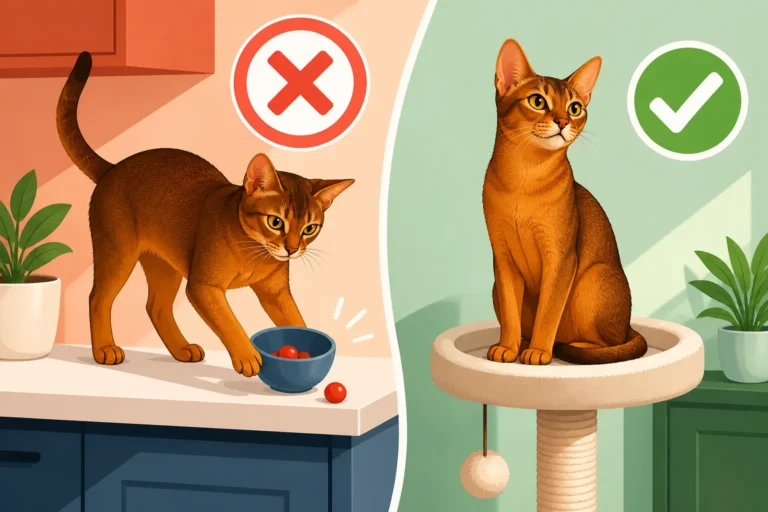
Your Abyssinian isn't just a pet; they're a pint-sized explorer, a miniature detective determined to uncover every secret your home holds. This isn't laziness or naughtiness; it's simply how their brilliant minds are wired, and it’s why a casual approach to medication storage can have devastating consequences.
The "Always On" Brain
Abyssinians are renowned for their incredible intelligence and problem-solving abilities. Their brains are "always on," constantly observing, learning, and strategizing. This means that if they see you open a cabinet, even once, they'll catalog that information and try to replicate the action when you're not looking. They're not content to just watch; they want to participate, to understand, to do. This insatiable drive means that what you might consider a secure spot, like a standard kitchen cabinet with a simple knob, is often just another puzzle waiting to be solved for an Abyssinian. They’ll try pushing, pulling, prying, and even using their teeth to get at whatever has piqued their interest inside. It's a testament to their cleverness, yes, but it’s also a constant challenge for owners. You might find yourself saying, "My cat never used to do that," only to realize they've just leveled up their mischief game.
Climbing and Reaching Capabilities
When we think of cat-proofing, we often think of securing low cabinets. But with an Abyssinian, you need to think vertically, too. These cats are champion climbers and jumpers, often referred to as "airborne" due to their love for high places. A kitchen counter isn't a barrier; it's a launchpad to the top of the fridge or the highest shelf. Why an Abyssinian Reaches the Top of a Bookcase They are lean, agile, and possess incredible spring in their hind legs, allowing them to scale heights that would deter many other breeds. A bottle of pills left on a bathroom counter or a nightstand is well within reach for an ambitious Abyssinian. They'll use nearby furniture, towel racks, or even your own head as stepping stones to get to their desired vantage point, or in this case, their target. Their need for vertical space and observation is strong, making any elevated surface a potential access point. An Abyssinian Needs Height More Than It Needs Floor This means that any medication stored on what seems like a high shelf needs a second, third, and fourth look to ensure it's truly out of bounds for their acrobatic antics.
Chewing and Investigating With Their Mouths
Abyssinians explore with more than just their paws; their mouths are also critical tools for investigation. A crinkly pill bottle or a soft medication packet isn't just something to bat around; it's something to bite, chew, and shred. They might not be trying to ingest the medication, but in their pursuit of play or curiosity, they can easily puncture packaging and expose themselves to harmful substances. Think about it: a seemingly childproof cap might be no match for a determined Abyssinian who decides to chew through the plastic. Even something as simple as a tube of topical cream, if bitten into, can lead to ingestion of ingredients that are perfectly safe for humans but highly toxic for cats. This isn't about hunger; it's about the innate drive to understand their environment, and sometimes, that involves a thorough oral examination.
The Dangers of Ingesting Human Medication
The casual way we store and consume our own medications often overlooks the profound and immediate danger they pose to our pets, especially a cat as curious and quick as an Abyssinian. What might be a minor inconvenience for a human, like an upset stomach, could be life-threatening for a cat.
Common Household Meds and Their Toxic Effects
It's easy to assume that "a little bit" won't hurt, but for cats, even minuscule amounts of certain human medications can be lethal. Pain relievers are perhaps the most common culprits. Ibuprofen (like Advil or Motrin), naproxen (Aleve), and especially acetaminophen (Tylenol) are extremely toxic. Acetaminophen, in particular, can cause severe liver damage and destroy red blood cells in cats, leading to a condition called methemoglobinemia, which impairs their ability to carry oxygen. Even one regular-strength tablet can be fatal.
Antidepressants and ADHD medications are another huge concern. Cats are often attracted to the smell or taste of these drugs, and ingestion can lead to serious neurological issues like seizures, tremors, disorientation, and hyperthermia. Cold and flu medications, often containing decongestants (like pseudoephedrine or phenylephrine), can cause severe cardiac and neurological stimulation in cats, leading to elevated heart rate, high blood pressure, and seizures. Even seemingly benign supplements, vitamins, or herbal remedies can be dangerous, as many contain ingredients not tested for feline safety or are formulated in concentrations far too high for a cat's small body. The frustrating truth is, if it's not specifically prescribed for your Abyssinian by a vet, it should be considered a potential poison.
Over-the-Counter vs. Prescription: Equally Dangerous
There's a common misconception that over-the-counter (OTC) medications are somehow less dangerous than prescription drugs because they are readily available without a doctor's note. This simply isn't true for animals. As mentioned, common OTC pain relievers like ibuprofen and acetaminophen are incredibly toxic. Decongestants, antihistamines, and even some antacids can also cause severe reactions in cats.
Prescription medications add another layer of complexity. Blood pressure medications, heart medications, thyroid drugs, and seizure medications, while crucial for human health, are potent pharmaceuticals designed for a much larger physiology. Even a small "sample" amount for a cat can lead to a drastic overdose. Consider a situation where a grandparent is visiting and brings their daily pill organizer. It's often left on a bedside table, an easy target for a snooping Abyssinian. The variety and concentration of these drugs mean that an Abyssinian accessing even a single dose can lead to immediate and severe medical emergency. The bottom line is, whether it's bought off the shelf or dispensed by a pharmacy, all human medication poses a significant threat.
What to Do in an Emergency
If you suspect your Abyssinian has ingested any human medication, time is absolutely of the essence. This is not a situation to "wait and see" or try home remedies.
- Act Immediately: Don't delay. Every second counts.
- Contact Your Veterinarian or Emergency Vet Clinic: Call them before you leave so they can prepare for your arrival. Be ready to provide information about what medication your cat may have ingested, the approximate amount, and when it might have happened. If you have the medication bottle, bring it with you.
- Do NOT Induce Vomiting Unless Directed: Some medications can cause more harm coming back up than they do going down. Only induce vomiting if explicitly instructed by a vet, and they will likely give you precise instructions on how to do it safely.
- Monitor Your Cat for Symptoms: Even if you can't identify the medication, watch for signs like lethargy, vomiting, diarrhea, tremors, staggering, excessive drooling, difficulty breathing, or changes in pupil size. Any unusual behavior should be noted. Why a Lethargic Abyssinian Needs Blood Work Fast The quicker veterinary intervention happens, the better the prognosis. This situation is terrifying for any pet owner, but prompt, decisive action can make all the difference.
Practical Solutions for Securing Medications
Given the inherent risks and your Abyssinian's undeniable knack for getting into things, establishing a robust system for medication security is non-negotiable. It's about outsmarting a very smart cat.
Childproof Latches and High Cabinets
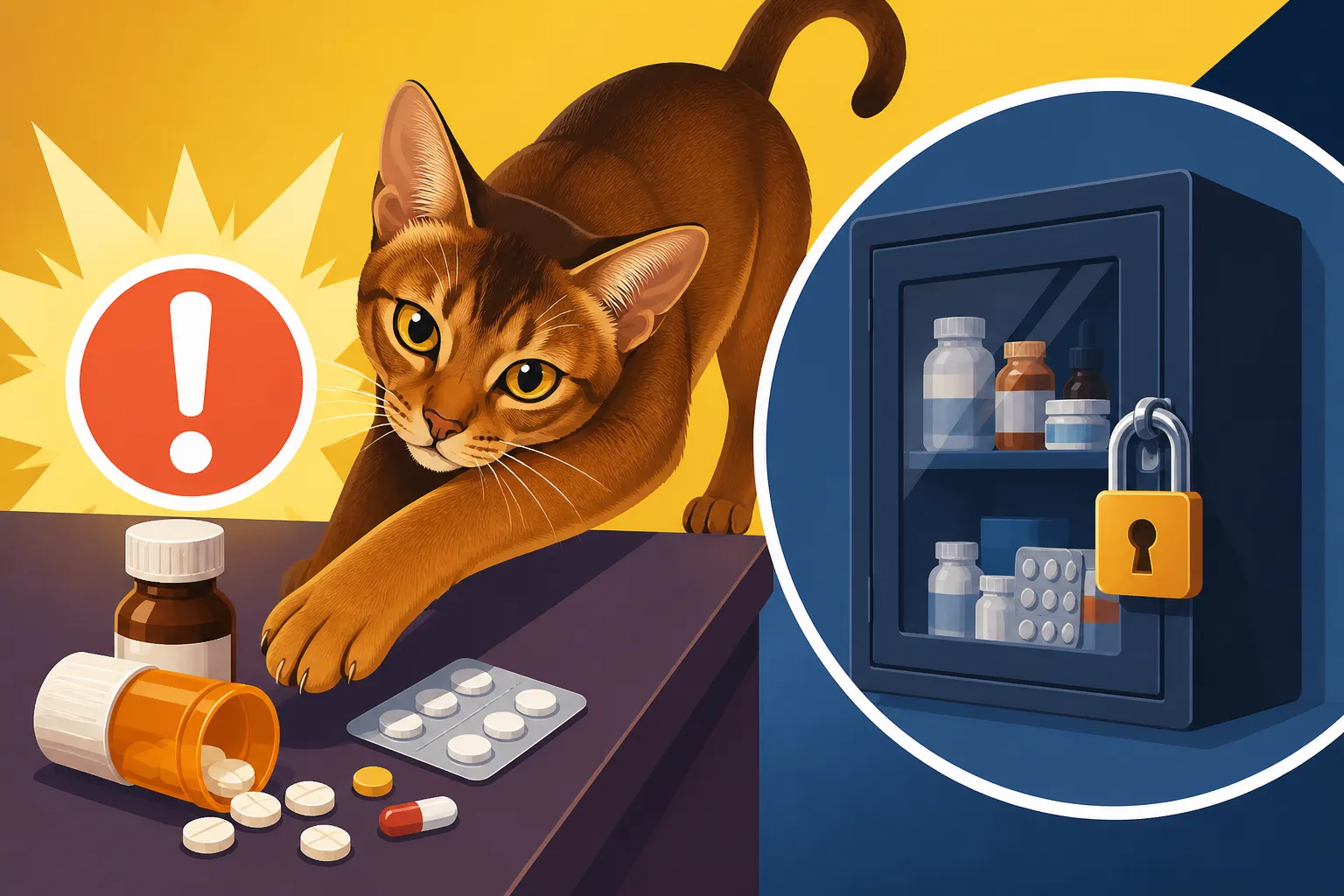
For many cat owners, especially those with Abyssinians, standard cabinets are simply not secure enough. Their nimble paws and intelligent minds can often figure out how to open traditional knobs or pulls. This is where childproof latches become your best friend. These aren't just for toddlers; they are incredibly effective against curious cats. There's a wide range of options available on platforms like Amazon, from adhesive magnetic locks that keep the exterior sleek, to exterior U-shaped latches that wrap around handles.
While high cabinets seem like a logical solution, remember your Abyssinian's impressive climbing ability. A high cabinet that isn't also secured with a latch is merely a challenging climb away from potential disaster. The ideal solution is a high cabinet combined with a childproof latch. Install them on any cabinet door or drawer within your Abyssinian's reach, and yes, that often means lower cabinets and upper ones if they have a clear path to climb. This layering of security measures creates a much more formidable barrier. How to Secure a Cupboard Against an Abyssinian Always double-check that the latches are properly engaged after every use.
Lock Boxes and Pet-Specific Storage
Beyond childproof latches, consider investing in dedicated medication lock boxes. These are small, sturdy containers that can be locked with a key or a combination, providing an extra layer of security for particularly dangerous medications or for when you have guests who might not be as vigilant. These boxes can be kept inside a secured cabinet, adding a second barrier, or placed in a location truly inaccessible to your cat, like a locked bedroom closet.
Another approach is to designate a "pet-safe zone" for all human medications. This might be a specific cabinet in a utility room or a high, locked shelf in your pantry. The key is consistency: all medications go into this one secure spot every single time. This reduces the chance of a stray pill bottle being left out. Remember that cat-specific medications should also be stored safely, but they are generally formulated for feline consumption and pose less immediate threat if accessed (though overdosing is still a concern). For your human meds, treat them like hazardous materials.
Smart Habits for Medication Handling
Prevention is always better than a frantic trip to the emergency vet. Developing smart habits around medication can drastically reduce the risk to your Abyssinian.
- Never Leave Pills Unattended: This might seem obvious, but it's astonishing how often a moment of distraction leads to a forgotten pill on the counter. Take your medication over a sink, where any dropped pills can be immediately rinsed away, rather than on a table or countertop where a curious paw could bat it to the floor.
- Keep Bottles Capped and Stored Immediately: After taking a pill, immediately recap the bottle tightly and return it to its secure location. Don't leave it on the counter "just for a minute." That minute is all an Abyssinian needs.
- Proper Disposal of Old Medications: Don't just toss expired or unused medications in the regular trash where an Abyssinian might dig them out. Many pharmacies offer medication take-back programs, or you can mix them with an undesirable substance like coffee grounds or kitty litter, seal them in a plastic bag, and then dispose of them. Check local guidelines for proper disposal.
- Be Mindful of Bags and Purses: Many people carry medications in their purses or bags. An Abyssinian will happily explore any open bag left on the floor or a chair, seeing it as an exciting new territory. Make it a habit to hang bags or store them in a closed closet. What an Abyssinian Steals and Hides
Educating Everyone in the Household
You might be the most diligent pet owner in the world, but if others in your household aren't equally informed and vigilant, your Abyssinian could still be at risk. It takes a village to keep a busy cat safe!
Family and Guests
It's absolutely crucial to educate everyone who lives in or regularly visits your home about the unique challenges of owning an Abyssinian and the critical importance of medication security. This includes spouses, children, roommates, and even frequent houseguests. Don't assume they understand the danger; explicitly explain it.
For family members, make it a clear household rule: all medications must be stored in the designated secure location immediately after use. For children, explain in an age-appropriate way why "kitty can't have people medicine" and demonstrate how to correctly put away their own vitamins or any other accessible items. For guests, a simple, polite request can go a long way. You might say, "Please make sure your purse is hung up or in a closet, as our Abyssinian is incredibly curious and might try to get into anything left on the floor. And if you have any medications, please keep them in a closed container out of reach." This isn't being overbearing; it's protecting your beloved pet.
Long-Term Vigilance
Keeping an Abyssinian safe from medications isn't a one-time task; it's an ongoing commitment that requires consistent vigilance. Their intelligence means they learn from observation, and if they notice a lapse in your routine, they'll seize the opportunity. This means:
- Regularly Review Your Security Measures: As your cat grows or as new medications enter your home, periodically reassess your storage solutions. Are the latches still working? Is that high shelf still truly out of reach now that your Abyssinian has discovered new jumping techniques?
- Reinforce Good Habits: Gentle reminders for household members are important. It’s easy for anyone to get complacent.
- Stay Informed: New medications are always coming out, and sometimes new dangers are identified. Keeping generally informed about pet safety and common toxins can help.
By understanding your Abyssinian's unique behavioral traits and implementing thoughtful, consistent safety measures, you can create a home environment where their boundless curiosity can thrive without putting them in harm's way. It's a small price to pay for the joy and companionship they bring.
Medication Storage Comparison
Here’s a quick overview of common medication storage options and their suitability for an Abyssinian-proof home:
| Storage Method | Security Level for Abyssinians | Convenience | Cost | Notes |
|---|---|---|---|---|
| Standard High Shelf (unsecured) | Low | High | Very Low | NOT RECOMMENDED. Easily accessible by a climbing Abyssinian. |
| Standard Low Cabinet (unsecured) | Very Low | High | Very Low | NOT RECOMMENDED. Abyssinians are notorious for opening cabinets. |
| High Cabinet with Childproof Latch | High | Medium | Low-Medium | RECOMMENDED. Combines height and a physical barrier. |
| Low Cabinet with Childproof Latch | Medium-High | Medium | Low-Medium | Acceptable, but higher is always better for items like medications. Ensure latches are robust. |
| Dedicated Lock Box | Very High | Medium | Medium | HIGHLY RECOMMENDED. Provides absolute security for critical medications. Can be stored within another secure cabinet for double protection. |
| Medicine Cabinet (above sink) | Medium | High | Very Low | Better than an open counter, but many medicine cabinets have simple latches. Consider adding an internal lock for extra security if your Abyssinian can climb to it. |
| Sealed Container in a Deep Drawer | Medium | Medium | Low | If the drawer itself has a childproof latch, this improves security. A deep drawer alone can still be opened. |
The key takeaway is that an Abyssinian's intelligence and athleticism demand more than just standard pet-proofing. Layered security, good habits, and educating everyone in the home are essential to keeping them safe from accidental medication poisoning.
Disclaimer
This article is for general informational purposes only and does not constitute professional advice. Laws, prices and regulations vary by location and change over time. Consult a qualified professional for guidance on your specific situation.