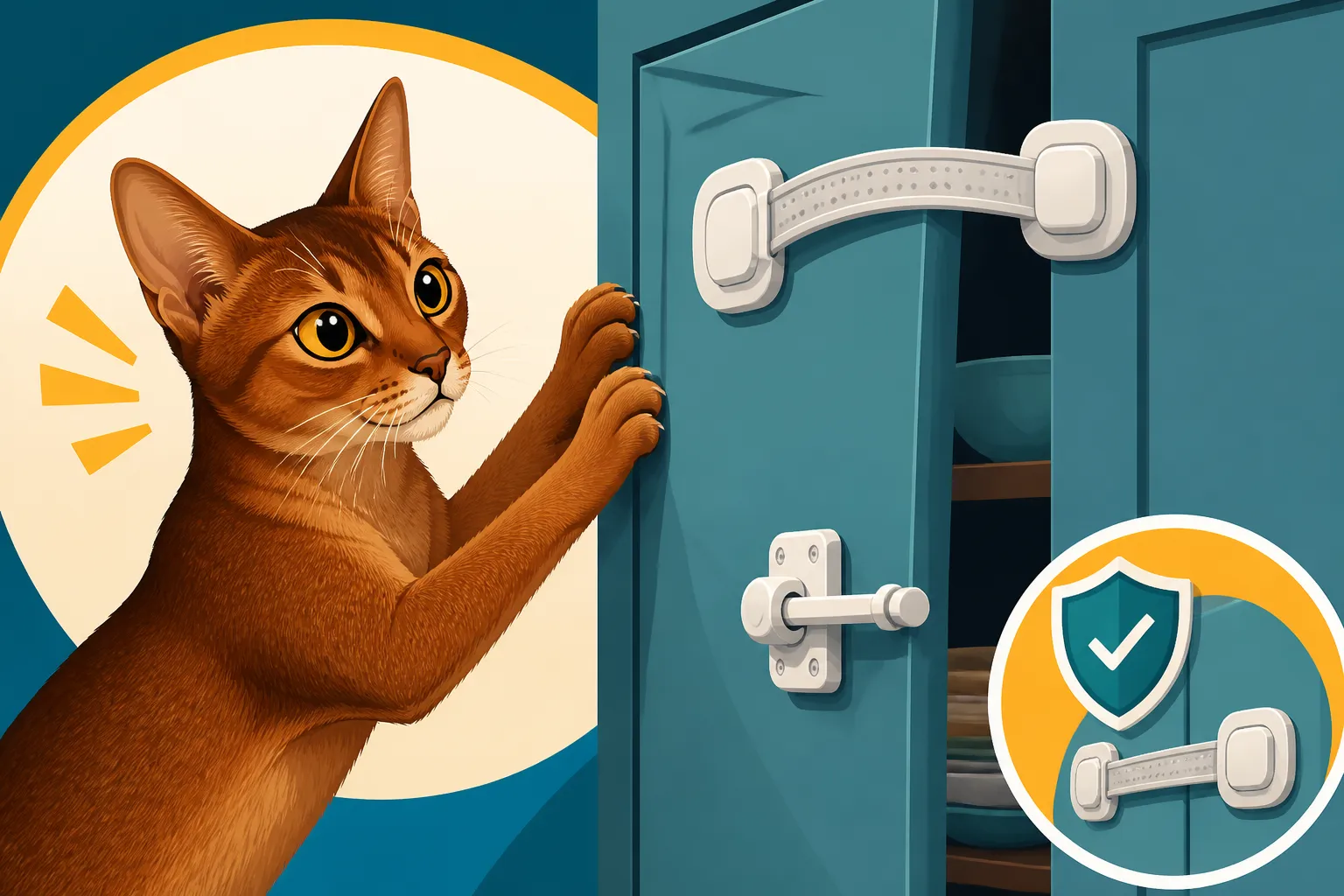
How to Secure a Cupboard Against an Abyssinian
Anyone who shares their home with an Abyssinian knows that a closed door or cupboard is less of a barrier and more of an intriguing challenge. These highly intelligent and endlessly curious cats have a knack for getting into places you'd swear were impossible, often leading to everything from scattered cereal to potentially dangerous encounters with cleaning supplies. This guide is here to walk you through practical, real-world strategies to secure your cupboards effectively, ensuring both your sanity and your Abyssinian's safety.
Understanding the Abyssinian's Cabinet-Cracking Mindset
It's easy to get frustrated when you find your meticulously organized pantry looking like a tornado just swept through, but understanding why your Abyssinian is so determined to breach your cabinets is the first step toward a lasting solution. These aren't just ordinary housecats; they're feline masterminds in sleek, ticked coats.
Why They Do It: More Than Just Naughtiness
Let's be clear: your Abyssinian isn't trying to be "naughty" in the human sense. Their relentless curiosity and high intelligence drive them to explore every nook and cranny of their environment. Think of your home as a giant, multi-level puzzle box, and every closed cupboard door is just another level waiting to be unlocked. Their natural problem-solving skills mean that if a latch can be manipulated, they will eventually figure it out. They watch you, they learn, and they experiment. It's truly fascinating to observe, even if it's incredibly inconvenient when you're trying to make dinner. This innate drive to explore is precisely Why an Abyssinian Opens Doors and Cabinets, a testament to their cleverness rather than any malicious intent.
Their high energy levels also play a significant role. An Abyssinian that isn't sufficiently stimulated through play, interactive toys, and vertical exploration will often seek out other "entertainment" – and an unopened cabinet represents a world of possibilities. It's a game to them, a thrilling hunt for whatever treasures might lie within. If you've ever seen the sheer joy on their face when they finally get a drawer open, you'll know it's not about being bad; it's about pure, unadulterated Aby fun.
What They're Looking For: A World of Opportunity
So, what exactly sparks this intense interest in your hidden spaces? Often, it's pretty straightforward: food. The smell of kibble, treats, or even human snacks can be an irresistible siren call. They'll claw, push, and lever at doors, driven by their powerful sense of smell and their inherent love of anything edible. But it's not always about sustenance. Sometimes, they're simply seeking out new textures, sounds, or hiding spots. A cabinet filled with linens might become a luxurious new napping spot, or a drawer full of plastic bags might offer an exciting crinkly play experience. They might even just be looking for a quiet, enclosed space to observe their kingdom from a new vantage point.
The trouble arises when their investigations lead them to things that aren't just inconvenient, but genuinely dangerous. Cleaning supplies, medicines, sharp objects, or even certain foods that are toxic to cats can all become targets. This is why securing your cupboards isn't just about keeping your house tidy; it's a critical part of keeping your beloved Abyssinian safe and sound. It's astonishing how quickly they can learn to differentiate between a cabinet that’s merely interesting and one that holds their favorite crunchies.
Essential Cabinet Security Solutions
When it comes to securing your cupboards against an intelligent and persistent Abyssinian, you need to think beyond simply closing the door. They have opposable thumbs in spirit, if not in fact, and can often figure out handles, knobs, and even some basic latches.
Childproof Latches for Feline Minds
The good news is that many solutions designed for human toddlers work remarkably well for curious cats. Childproof latches come in a variety of styles, and understanding their pros and cons can help you choose the right ones for your home.
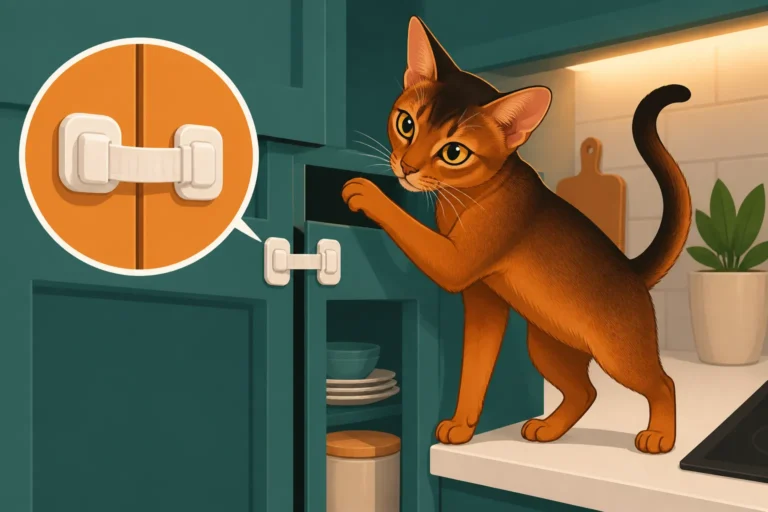
One of the most popular and effective types is the magnetic cabinet lock. These are installed inside the cabinet door, making them invisible from the outside, which is a big plus for aesthetics. You use a magnetic "key" to open them. For an Abyssinian, these are often the gold standard because there's no visible latch to manipulate and no gap to wedge a paw into. You can find excellent multi-packs on Amazon that come with installation templates. Installation usually involves screwing small pieces into the inside of the door and frame, so a bit of DIY skill and a drill are helpful.
Another option is the spring-loaded cabinet latch. These are also installed inside, but they require you to push down on a small lever inside the cabinet to release the catch. They're usually less expensive than magnetic locks and can be slightly easier to install for some people. The downside is that if your Abyssinian is really determined and manages to create even a tiny gap, they might be able to get a paw in and trip the mechanism. For an Abyssinian, this might work for less critical cupboards, but for areas with real hazards, a stronger solution is usually advisable.
Finally, there are external strap locks or adhesive latches. These wrap around cabinet knobs or stick to the outside of the cabinet. They're fantastic for temporary solutions or for rental properties where you can't drill into cabinetry. However, Abyssinians are smart. Many will quickly figure out how to chew through the plastic strap, or they'll simply pull hard enough to detach the adhesive. While easy to install, they often don't stand up to the long-term ingenuity of an Abyssinian. Always prioritize safety over convenience when dealing with areas containing harmful items.
Here's a quick comparison of popular cabinet latch types:
| Latch Type | Installation Difficulty | Visibility (Exterior) | Effectiveness Against Abyssinians | Best Use Case |
|---|---|---|---|---|
| Magnetic Locks | Moderate (drilling) | Invisible | Very High | High-risk items, long-term security |
| Spring-Loaded Latches | Easy-Moderate (drilling) | Invisible | Medium-High | Low-to-medium risk items, easy access needed |
| Strap/Adhesive Locks | Very Easy (no tools) | Highly Visible | Low-Medium (temporary) | Temporary fixes, low-risk items, rentals |
| Sliding Cabinet Locks | Easy (no tools) | Highly Visible | Medium | Double-doored cabinets, quick fix |
Securing Pantry and Food Cabinets
The pantry is often ground zero for Abyssinian investigations. The tantalizing smells of food are a powerful motivator, and a well-stocked pantry offers an endless array of potential snacks and playthings. For these high-traffic, high-value targets, magnetic locks are usually your best bet. Install them on every door of your pantry, not just one. Remember, your Abyssinian will find the weakest link.
Beyond the locks, consider how you store your food inside. Keep dry goods in sturdy, airtight containers. Glass jars with secure lids, metal canisters, or heavy-duty plastic bins that lock are far more Aby-proof than flimsy cardboard boxes or plastic bags. Even if they somehow bypass the outer latch, they still face an internal barrier. This also helps with pest control, but more importantly, it means that even if they do manage a breach, they can't immediately get into anything harmful or make a massive mess. Storing things on higher shelves is also a good initial defense, but don't rely on height alone – these cats can scale incredible heights. An Abyssinian Needs Height More Than It Needs Floor, after all!
For cabinets containing canned goods or heavier items, the sheer weight might seem like a deterrent, but a determined Abyssinian can still pull things down. Consider adding a tension rod across the inside of shelves to prevent items from being nudged off if the cabinet is breached. This creates another layer of security, making it harder for paws to hook onto items and drag them forward.
Keeping Dangerous Items Out of Reach
This is perhaps the most critical aspect of cupboard security. Cabinets containing cleaning products, medications, sharp utensils, or anything potentially toxic must be treated with the utmost seriousness. For these, I recommend a multi-layered approach.
Firstly, use the most robust latching system you can find, like magnetic locks, and ensure they are properly installed. Double-check them regularly for any signs of wear or weakening adhesion. Secondly, consider adding an internal lock or barrier within that cabinet. For example, store cleaning chemicals in a locked plastic bin inside the secured cabinet. This means even if the primary cabinet latch somehow fails, there's another hurdle. Why Medication Must Be Locked Away From an Abyssinian is not just a suggestion; it's a vital safety rule for any curious cat, especially one as clever as an Aby.
Another trick is to put child safety covers on any exposed electrical outlets inside cabinets, especially if your Abyssinian has a tendency to chew on cords. While your cat may not be able to get their head into an outlet, they might try to manipulate or chew on plugs, which could lead to electrocution. Always think like a cat, or rather, like an Abyssinian, which means anticipating every possible angle of attack. Some owners even install small motion-activated alarms inside these high-risk cabinets, not to deter the cat directly, but to alert you immediately if a breach occurs. You can find these affordable security additions on Amazon as well.
Advanced Strategies for the Determined Abyssinian
Even with the best latches, some Abyssinians seem to possess a superhuman ability to outsmart them. If you're dealing with a particularly persistent furry Houdini, it's time to bring out the big guns.
Behavioral Adjustments and Environmental Enrichment
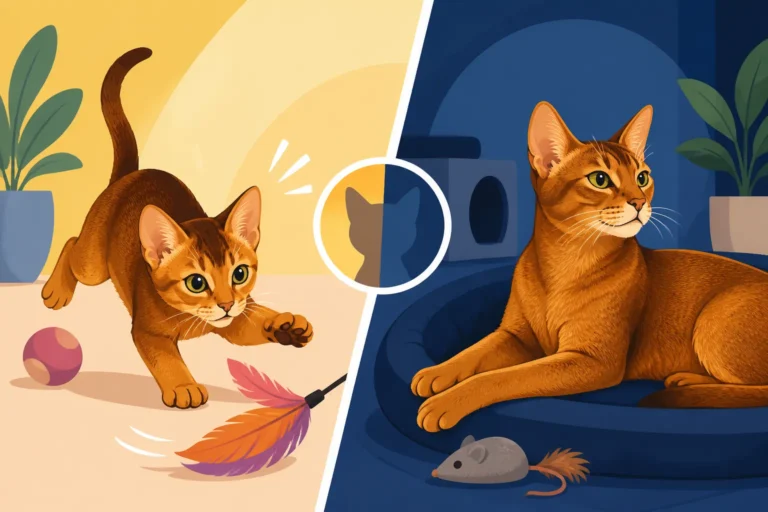
A bored Abyssinian is a destructive Abyssinian. While locks are physical barriers, addressing the root cause of their exploration can significantly reduce their attempts to get into forbidden zones. Ensure your cat has plenty of appropriate mental and physical stimulation. This means regular, interactive play sessions with wand toys that mimic prey. A good 15-20 minute session, two or three times a day, can work wonders for their energy levels. What an Abyssinian Does When It Is Bored often involves mischief, so preventing boredom is key.
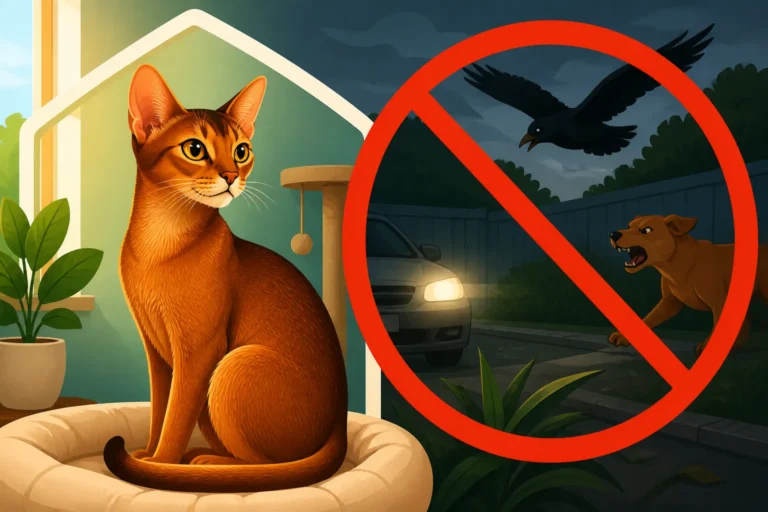
Puzzle feeders are also invaluable. Instead of simply placing food in a bowl, make your Abyssinian work for it. This taps into their natural hunting instincts and provides mental exercise. Hiding portions of their daily kibble around the house in various approved spots can also give them a "job" and redirect their investigative energies away from your cabinets. Providing ample vertical space – cat trees, wall shelves, and catio access – allows them to climb, observe, and feel secure, which can reduce their need to explore "forbidden" horizontal spaces. They need outlets for their boundless energy, and if they don't have enough, your cabinets will become the next big adventure.
Consider getting a second cat, especially another Abyssinian or a similarly active breed. Two Abyssinians can often keep each other entertained, reducing the likelihood of single-cat boredom leading to cabinet raids. They will wrestle, chase, and explore together, often leaving your kitchen cabinets alone.
Beyond Basic Latches: When Standard Locks Fail
If your Abyssinian has truly mastered every childproof latch you've thrown at them, it might be time for some more creative, and perhaps even DIY, solutions.
One approach is to reinforce existing latches with additional mechanisms. For instance, if a magnetic lock isn't holding firm enough, you might add a small eye-hook and barrel bolt on the inside of the cabinet door, accessible only by reaching around the side. This is obviously less convenient for you, but it adds a layer of security that's hard for a cat to bypass. Another trick involves using strong, industrial-grade hook-and-loop fasteners (like heavy-duty Velcro) on the inside edges of the cabinet door and frame. When pressed together, these can create a surprisingly strong seal. Be prepared to replace these periodically as the adhesive may wear over time, or your Abyssinian might just try to chew them off. Again, you can source such items easily on Amazon.
For persistent door-opening experts, a simple door wedge placed firmly under the door can sometimes buy you time. However, smart Abyssinians will often try to paw at the top of the door to get it to wobble, or even attempt to pull it from underneath, so this isn't a foolproof solution. You might also consider installing a small, decorative piece of molding or trim along the bottom edge of cabinets that your cat struggles with, creating a lip that's harder for them to pry open with a paw. These solutions require a bit more effort and may not be aesthetically pleasing to everyone, but when you're dealing with an Aby on a mission, sometimes you have to get creative.
Maintaining Consistency and Patience
The most crucial "advanced" strategy is consistency. An Abyssinian learns through repetition and reinforcement. If they manage to open a cabinet even once, and find something interesting or rewarding, they will learn that their persistence pays off. This makes it incredibly difficult to break the habit. Therefore, every single cupboard containing anything you don't want them in must be secured, all the time. Don't leave one unlocked "just this once."
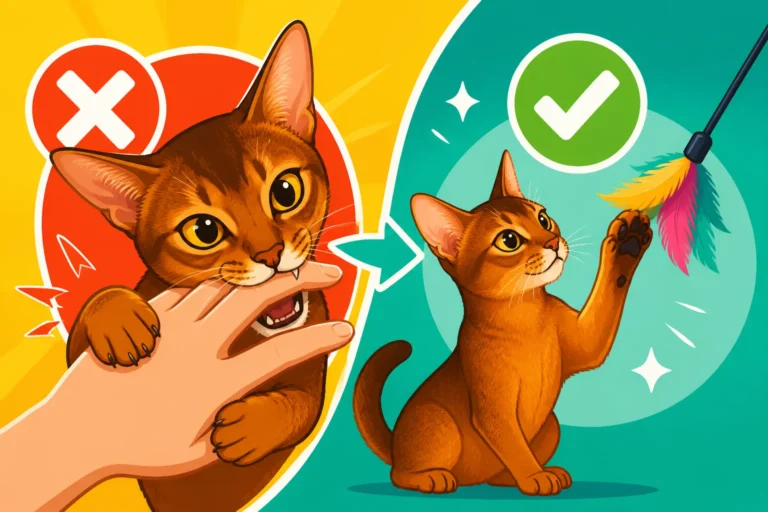
When you see your Abyssinian attempting to get into a forbidden cabinet, redirect their energy immediately. Engage them with a favorite toy, a puzzle feeder, or a play session. Praise and reward them when they engage with appropriate toys and climbing structures. Never punish them for their natural curiosity; instead, channel it. Their intelligence is a gift, and it's our job as their guardians to help them use it constructively rather than destructively. It will take patience, but with consistent effort, you can create a safe, stimulating environment where your Abyssinian thrives without raiding your kitchen.
Disclaimer
This article is for general informational purposes only and does not constitute professional advice. Laws, prices and regulations vary by location and change over time. Consult a qualified professional for guidance on your specific situation.