Why Childproof Latches End Up on an Abyssinian’s Kitchen
If you share your home with an Abyssinian, you've likely experienced that moment of dread: a cupboard door ajar, the faint rustle of a bag, and your beloved, mischievous cat emerging triumphantly with something it absolutely shouldn't have. It's a common, if frustrating, reality for Abyssinian owners that what might keep a toddler out of trouble often ends up being the very thing you need to protect your feline companion from its own relentless curiosity. This guide will delve deep into why these energetic, intelligent cats become kitchen invaders and how childproof latches become an essential part of an Abyssinian-proofed home.
The Abyssinian Mind: A Master of Investigation
Abyssinians are not your average house cats. They possess a unique blend of intelligence, agility, and an insatiable curiosity that often puts them in a league of their own when it comes to exploring every nook and cranny of your home. This isn't just a quirky trait; it's a fundamental aspect of their personality that drives many of the behaviors owners find both endearing and challenging. Their minds are constantly whirring, seeking out new puzzles to solve and new territories to conquer.
Unraveling the Abyssinian's Innate Curiosity
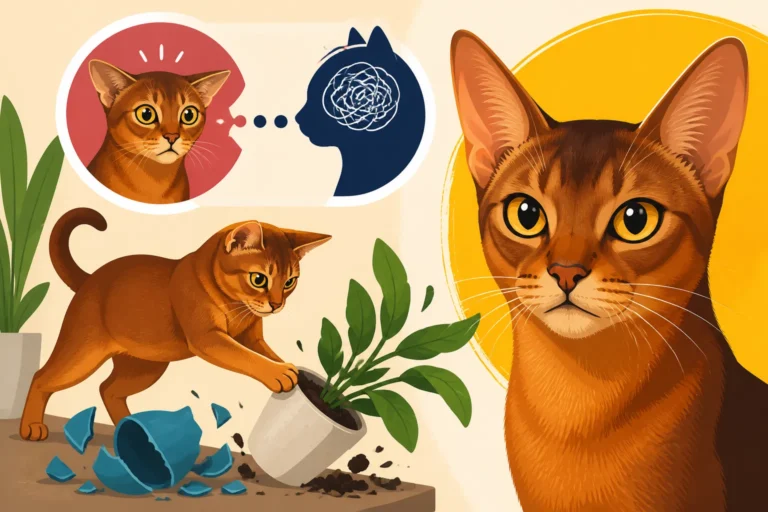
An Abyssinian's curiosity isn't a passive trait; it's an active, driving force. These cats are natural detectives, driven by an instinct to investigate every scent, sound, and closed door. Think of them as tiny, furry anthropologists, constantly studying their environment to understand how it works and, more importantly, how they can interact with it. A closed cupboard isn't just a piece of furniture; it's a tantalizing mystery, a challenge to be overcome. They'll push, pull, pry, and even gnaw at things to get to the bottom of whatever piques their interest. This deep-seated drive means that merely telling an Abyssinian "no" often falls on deaf ears; their intrinsic need to explore overrides most learned boundaries unless those boundaries are physically enforced. This is also why Why an Abyssinian Opens Doors and Cabinets is such a common topic among owners.
They are incredibly observant animals. They watch you, studying your habits, your routines, and particularly how you interact with objects in their environment. If they see you open a cabinet with a specific motion, they'll register it. It might take a few attempts, or even a few days, but they will try to replicate that motion. Their intelligence isn't just about problem-solving; it's about learning and adapting. If one method doesn't work, they'll try another, exhibiting a persistence that can often outlast an owner's patience. This makes securing areas like the kitchen less about simple deterrence and more about creating complex barriers.
High Intelligence and Problem-Solving Skills
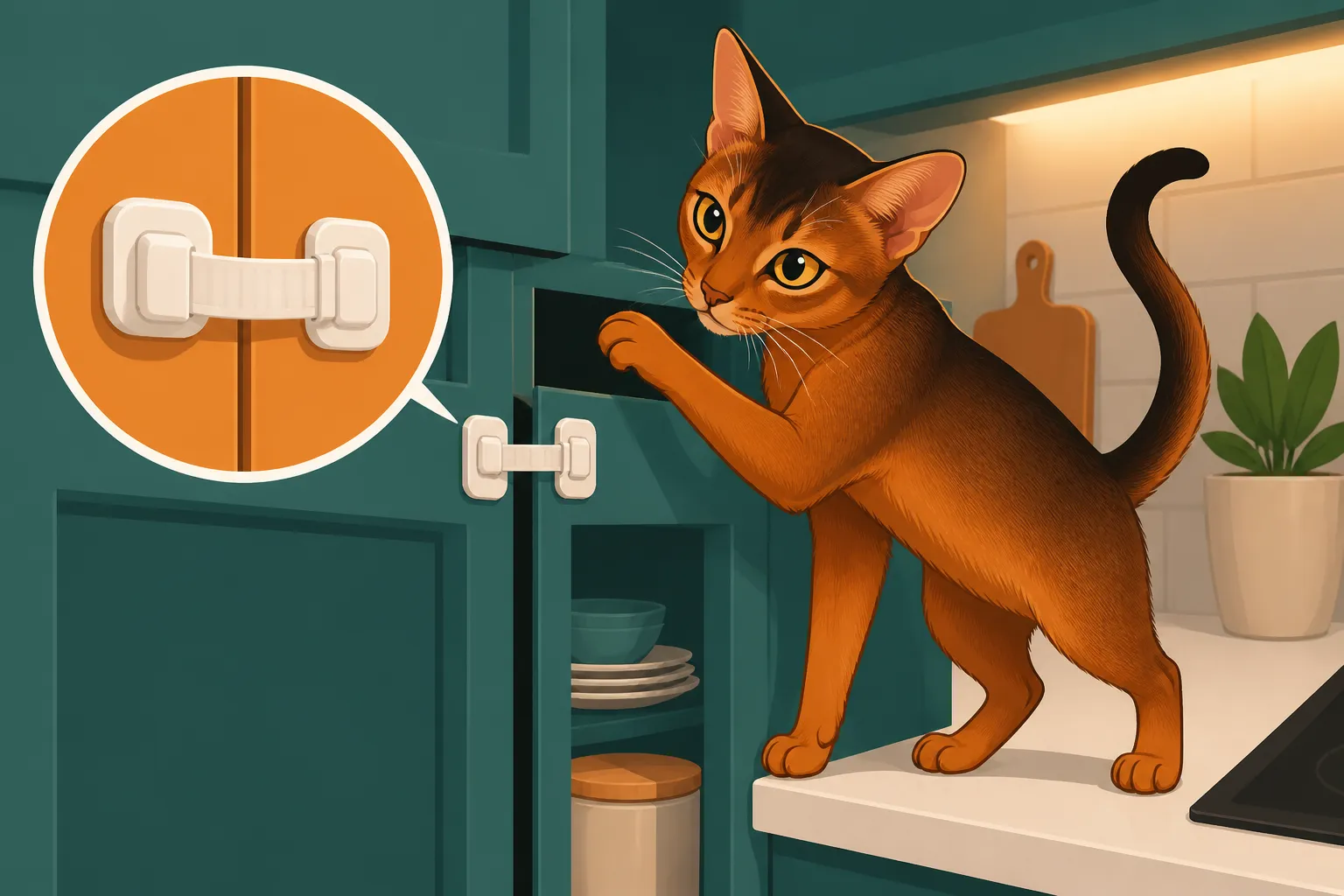
It's no exaggeration to say that Abyssinians are among the most intelligent cat breeds. They don't just react to their environment; they actively engage with it. Their problem-solving skills are truly remarkable. Give an Abyssinian a puzzle feeder, and they'll often figure it out in minutes, eager for the next challenge. This same sharp intellect applies to their interactions with your home. A simple magnetic catch on a cabinet door? That's barely a warm-up exercise. They'll quickly learn to pull at the top or bottom of the door, looking for the weakest point, or even wedge a paw into a crack and leverage it open.
This intelligence manifests in their ability to manipulate objects. Latches, handles, even childproof mechanisms designed for human dexterity can often be outsmarted by an Abyssinian's clever paws and persistent nature. They understand cause and effect. If pulling a handle sometimes results in a door opening, they will continue to pull that handle. They are not easily discouraged by failure; in fact, a challenge often seems to egg them on further. This is precisely why many owners find themselves needing to secure areas that other cat breeds might ignore entirely. An Abyssinian might try to get into a cupboard simply because it can, not just because it suspects treats are inside. This boundless energy and mental drive means they always need something to do, and if you don't provide it, they'll find their own entertainment, often in places you'd rather they didn't. The Abyssinian Is the Busiest Cat in the House is a title they've earned for a reason.
Why an Abyssinian Opens Doors and Cabinets
So, why do they do it? It's a combination of their innate traits. Their profound curiosity dictates that any closed space must contain something interesting. Their intelligence provides them with the tools to figure out how to access that space. And their agile, strong bodies allow them to execute their plans. Abyssinians have nimble paws that are surprisingly adept at grasping and manipulating, almost like hands. They can hook a claw under a cabinet door, push a slider, or even swat at a lever until it gives way.
Beyond mere curiosity, there can be other motivators. Food, of course, is a primary driver. They smell it, they know it's there, and they'll stop at nothing to get to it. But it's not always food. Sometimes, it's just the thrill of discovering a new hiding spot for a toy, or a dark, quiet place to nap. Other times, they might be looking for attention; a loud crash from the kitchen is a surefire way to get you to come running. Whatever the reason, once an Abyssinian discovers they can open a door or cabinet, it becomes a permanent part of their skillset. This is why proactive measures are so important, because trying to un-teach an Abyssinian a fun new skill is often an uphill battle.
Kitchen Calamities: What Abyssinians Get Into
The kitchen, with its tantalizing smells, shiny surfaces, and myriad cupboards, is often the most appealing room in the house for an Abyssinian. It's a treasure trove of sensory delights and potential mischief. Unfortunately, it's also often the most dangerous. From spilled flour to toxic cleaning agents, the risks are manifold, making securing this space paramount for their safety and your peace of mind.
The Lure of the Pantry and Food Storage
Anyone who owns an Abyssinian knows their obsession with food. They're often lean, muscular cats with incredibly high metabolisms, always on the lookout for their next meal or a tasty snack. A closed pantry door is merely a suggestion, not a barrier. They can smell food through packaging, and their persistence knows no bounds when hunger or greed strikes. I've heard countless stories of Abyssinians systematically tearing through bags of kibble, gnawing open treat containers, or even unzipping insulated grocery bags left on the floor. It's not just about eating the food; it's about the challenge, the reward, and the sheer joy of tearing something apart.
Beyond their own designated food, the pantry holds human treasures like pasta, rice, bread, or even sealed bags of cookies. While some of these might seem harmless, excessive consumption of human foods can lead to digestive upset, and certain items like chocolate, onions, or garlic are outright toxic. Imagine coming home to a scene of shredded flour bags, a trail of oats, or worse, an empty bag of something dangerous. The clean-up is one thing, but the potential veterinary bill and worry for your cat's health are far more serious. This is a big reason why What an Abyssinian Costs to Keep Every Year often includes a line item for unexpected vet visits.
The Fascination with Cleaning Supplies and Toxins
Under the sink. This is the classic "danger zone" in any home, and an Abyssinian's curiosity ensures they'll find it. Cleaning supplies, disinfectants, detergents, even pest control products – these are often stored in easily accessible lower cabinets. For an Abyssinian, the vibrant colors of packaging or the unique scents of these products can be incredibly intriguing. They might bat at a bottle, chew on a sprayer, or even attempt to lick up a spilled drop of cleaner.
The consequences of ingesting cleaning supplies are dire, ranging from severe oral burns and digestive distress to organ damage or even death. Many household chemicals are highly corrosive or poisonous. It's not just the under-sink area; laundry rooms and utility closets often house similar dangers, and an Abyssinian will find a way in if given the opportunity. Even something as seemingly innocuous as a garbage can can pose a risk if it contains discarded food wrappers, bones, or small items that could cause choking or internal damage. This is why childproof latches aren't just for preventing food theft; they are truly life-saving devices.
Water Play and Under-Sink Adventures
Many Abyssinians have a peculiar fascination with water. They often enjoy watching faucets drip, batting at running water, or even playing in shallow bowls. This playful relationship with water can lead them to seek out its source, which often means the pipes under your sink. A leaky pipe, condensation on plumbing, or even just the sound of water running through the system can draw them in.
Once under the sink, it's not just the water itself that poses a risk. It's the confined space, the potential for electrical wiring, or the collection of various tools and oddments that often accumulate there. A cat exploring a dark, damp space could encounter rust, mold, or sharp objects. They might also get trapped if a door swings shut behind them, leading to unnecessary stress and potential injury. Moreover, a determined Abyssinian could chew through a plastic pipe or loosen a connection, leading to a much larger, more expensive water leak. Given their energy, it's not uncommon to find them engaged in Why an Abyssinian Plays With Water in various ingenious ways.
The Imperative for Kitchen Security
Given the combination of an Abyssinian's intelligence and the inherent dangers of a kitchen, securing this space isn't just a recommendation – it's an absolute necessity. It's about creating a safe environment for your cat, protecting your belongings, and ultimately ensuring a harmonious household. Ignoring these needs can lead to heartache, expensive repairs, or both.
Protecting Your Abyssinian from Harm
The most critical reason to secure your kitchen is the safety of your Abyssinian. These cats are adventurous and will explore with little regard for potential hazards. A cabinet filled with dish soap, a pantry stocked with human snacks, or even a drawer containing sharp knives can all become targets for their curious paws. Ingestion of toxic substances, cuts from sharp objects, or injuries from falling items are all very real possibilities. I've known owners who've had Abyssinians chew through electrical cords (another common cabinet inhabitant), resulting in severe burns.
It's easy to assume your cat won't be that bold or that persistent, but with an Abyssinian, you should always operate under the assumption that they will try everything. They don't understand the concept of "poison" or "danger." They only see a challenge, a scent, or a new texture to investigate. Proactive childproofing measures are not about limiting their natural instincts but about channeling those instincts into safe and appropriate outlets. A secure kitchen means you don't have to constantly supervise them, allowing them the freedom to explore other, safer parts of their environment. Why an Abyssinian Is the Busiest Cat in the House means they will find something to do, so make sure it's something safe.
Safeguarding Your Home from Abyssinian Shenanigans
Beyond protecting your cat, childproof latches and other security measures also protect your home and its contents. An Abyssinian can wreak surprising havoc in a short amount of time. Imagine coming home to a kitchen floor covered in coffee grounds, a torn bag of flour, or a spilled bottle of olive oil. The mess is one thing, but the potential for staining, damage to flooring, or attracting pests is another.
They are also notorious for stealing small objects. Anything that fits in their mouth or can be batted around becomes a toy. This could mean your car keys, a shiny piece of jewelry, or even important documents. While often amusing, it can be incredibly frustrating when essential items disappear into the black hole of an Abyssinian's secret stash. What an Abyssinian Steals and Hides is a testament to their cleverness and how good they are at making things vanish. By securing cabinets and drawers, you're not just preventing access to dangerous items; you're also safeguarding your personal property and preventing costly clean-ups and repairs.
Why Standard Cat-Proofing Isn't Enough
Many cat owners are familiar with basic cat-proofing: putting away breakables, securing cords, and perhaps trying a simple magnetic cabinet latch. However, for an Abyssinian, these measures are often woefully inadequate. Standard magnetic latches, for instance, are often easily defeated by a determined Abyssinian who learns to pull hard enough at the right spot. Push-button mechanisms designed for adult humans might seem foolproof, but an Abyssinian's dexterity and persistence can be surprising.
The key difference lies in the Abyssinian's intelligence and physical capabilities. They don't just paw at things randomly; they observe, they learn, and they strategize. A heavier cabinet door that might deter another cat simply becomes a strength challenge for an Abyssinian. Their ability to climb and jump also means that "out of reach" for a typical cat might be perfectly within an Abyssinian's grasp. This is why you often need to level up your home security to childproof standards, as these products are designed with a more robust and problem-solving mind in mind. Think of it as investing in advanced security for a cat that thinks like a miniature genius.
Choosing the Right Latches for Your Clever Cat
Once you recognize the need for enhanced kitchen security, the next step is selecting the right childproof latches. Not all latches are created equal, especially when you're trying to outsmart an Abyssinian. Understanding the different types and their effectiveness will save you time, money, and frustration.
Exploring Different Types of Childproof Latches
There's a surprising variety of childproof latches on the market, each with its own mechanism. What works for a toddler might not deter a cunning Abyssinian, so it's worth exploring the options.
- Magnetic Cabinet Locks: These locks are installed inside the cabinet or drawer, making them invisible from the outside. You use a magnetic key to disengage the lock and open the door. They are highly effective because there's no visible part for your Abyssinian to manipulate. The downside is needing to keep track of the key, but many come with a convenient holder you can stick to a wall or the fridge. Brands like Safety 1st and Tot Lok offer robust magnetic systems.
- Adhesive Strap Locks: These are flexible straps with adhesive pads that stick to the outside of the cabinet or drawer and the adjacent frame. They usually have a push-button or squeeze-release mechanism. They are easy to install without tools and are visible. While effective for quick solutions, a determined Abyssinian might try to chew through the strap or figure out the release button over time. Look for stronger materials if you go this route.
- Spring-Release Latches (Internal): These are simple plastic latches installed inside the cabinet door that catch on the frame. When you push down on the door, it releases. For an Abyssinian, these are often quite easy to defeat as they can learn to pull and push on the door to find the sweet spot that makes it pop open. They offer minimal deterrence for a truly clever cat.
- Sliding Cabinet Locks: These loop around two cabinet door handles or knobs, preventing them from opening. They are external, highly visible, and require no installation. They are good for double-door cabinets but won't work on single drawers or cabinets without adjacent handles. They can be a good temporary fix or for cabinets an Abyssinian only casually investigates.
- Toggle/Lever Handle Locks: Designed for lever-style door handles, these prevent the lever from being pushed down. While not typically for kitchen cabinets, if you have a pantry door with a lever handle, this could be a consideration. Abyssinians are known to be able to jump and push down on lever handles.
Here's a quick comparison of popular latch types:
| Latch Type | Installation Method | Visibility | Abyssinian Effectiveness | Pros | Cons |
|---|---|---|---|---|---|
| Magnetic Cabinet Locks | Adhesive/Screws | Invisible | High | Very secure, sleek look | Requires a key, some installation effort |
| Adhesive Strap Locks | Adhesive | Visible | Moderate to High | Easy to install, no tools needed | Can be chewed, might look unsightly |
| Spring-Release Latches | Screws (internal) | Invisible | Low to Moderate | Inexpensive, out of sight | Easily defeated by clever/strong cats |
| Sliding Cabinet Locks | None (external) | Visible | Moderate | No installation, portable | Only for handle/knob pairs, visible, can be removed by cat |
| Toggle/Lever Handle Locks | Adhesive | Visible | Moderate to High | Good for preventing door opening | Only for specific door types, visible |
When looking at options on platforms like Amazon, remember to read reviews specifically from pet owners, not just parents. A product that holds up to a human toddler might still be outsmarted by a tenacious Abyssinian.
Installation and Effectiveness for Determined Abyssinians
The installation of your chosen latch is just as important as the latch itself. Magnetic locks that screw in offer the most secure option, as adhesive ones can sometimes be pulled off by a truly determined Abyssinian. If using adhesive options, ensure the surface is clean and dry for maximum stick, and give the adhesive plenty of time to cure before testing. Always follow the manufacturer's instructions to the letter.
For Abyssinians, a layered approach often works best. For particularly sensitive areas like under the sink where toxins are stored, consider combining a strong internal magnetic lock with an external strap lock for double security. For cabinets that contain less dangerous but still undesirable items (like a snack pantry), a robust magnetic lock might suffice. Remember that the goal is not just to make it difficult, but to make it impossible for your Abyssinian to open the cabinet without human intervention. They are smart enough to learn workarounds, so choose the most secure options you can find.
It's also worth thinking about the consistency of your approach. If some cabinets are locked and others are not, your Abyssinian will quickly learn which ones are fair game and focus their efforts there. Aim for comprehensive security, at least in the kitchen, to avoid encouraging them to "test" every single latch.
Where to Buy Reliable Cat-Proofing Solutions
Finding reliable childproof latches is easier than ever thanks to online retailers. Websites like Amazon offer a vast selection, often with customer reviews that can give you insights into how well a product stands up to clever pets. You can search for "child safety locks" or "cabinet locks for pets" to find a range of options. Hardware stores and big-box retailers also carry these items, allowing you to see them in person before you buy.
When shopping, pay attention to the materials. Look for sturdy plastics or metals that won't easily snap or be chewed through. Read the installation instructions carefully before purchasing to ensure they're compatible with your cabinets and that you're comfortable with the process. Sometimes, investing a little more in a higher-quality, more robust locking system upfront can save you a lot of headache (and potential veterinary bills) down the line. Don't be afraid to try a few different types for different areas of your kitchen to see what works best for your particular set of cabinets and your Abyssinian's unique skills.
Beyond Latches: Holistic Approaches to Abyssinian Kitchen Proofing
While childproof latches are indispensable, a truly Abyssinian-proofed kitchen goes beyond just locking cabinets. It involves a combination of environmental enrichment, strategic storage, and consistent training to create a harmonious and safe living space. You're not just stopping them from getting in; you're also giving them better, safer things to do.
Redirection Through Engaging Enrichment
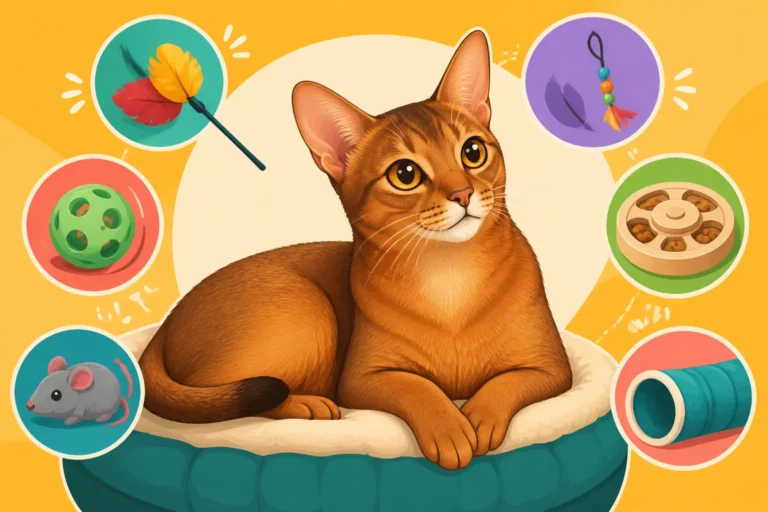
An Abyssinian's destructive or mischievous behavior often stems from boredom or a lack of mental and physical stimulation. These are highly intelligent and energetic cats that need an outlet for their natural instincts. If you don't provide it, they'll create their own "enrichment" by exploring forbidden territories. Providing ample, engaging enrichment can significantly reduce their desire to break into cabinets.
- Puzzle Feeders: Instead of just putting their food in a bowl, use puzzle feeders. These make mealtime a game, stimulating their minds and burning off energy. There are many types, from simple treat balls to complex multi-stage puzzles. Rotate them frequently to keep things fresh. Which Puzzle Feeders Hold an Abyssinian's Attention is a great resource for ideas.
- Vertical Space: Abyssinians are natural climbers and explorers of high places. Providing plenty of vertical territory – cat trees, wall shelves, catio access – gives them safe, approved spaces to survey their domain. If they're busy climbing and exploring their cat tree, they're less likely to be trying to pry open the fridge. Why an Abyssinian Needs More Vertical Furniture Than Most Cats explains this perfectly.
- Interactive Play: Daily, dedicated play sessions are crucial. Use wand toys that mimic prey to engage their hunting instincts. Twenty minutes a day, split into two or three sessions, can make a huge difference. An Abyssinian that's tired from a good play session is less likely to be plotting its next kitchen heist. How Much Play an Abyssinian Needs Each Day cannot be overstated.
- Window Perches: A secure window perch or a bird feeder outside a window can provide hours of stimulating entertainment, allowing them to "hunt" visually without causing any trouble indoors.
By enriching their environment, you're redirecting their immense energy and intelligence into positive, safe activities, making them less inclined to turn their attention to your kitchen cabinets.
Strategic Food Storage and Access Control
Even with the best latches, smart storage practices can offer an extra layer of defense and peace of mind. Assume your Abyssinian could eventually figure out a latch, and plan accordingly.
- Store Attractants High Up: If possible, store highly appealing items like treats, cat food, and easily accessible human snacks on higher shelves, preferably in sealed containers, even within locked cabinets. This means if a latch does fail, they still have to navigate a height challenge and another container.
- Secure Trash Cans: Invest in a sturdy trash can with a locking lid or one that's foot-pedal operated and heavy enough not to be tipped over. Abyssinians are known to be persistent with trash cans, especially if there are interesting smells inside. Why an Abyssinian Gets Into the Bin is a struggle many owners face.
- Put Away Groceries Immediately: Don't leave grocery bags unattended, even for a moment. An Abyssinian can unearth a plastic bag of cat treats or a package of chicken faster than you can say "be right back."
- Childproof Your Fridge: Some Abyssinians are clever enough to open certain types of refrigerators. If yours is one of them, consider a childproof lock for the fridge door itself, especially if it's within jumping reach.
These simple habits create additional barriers that reinforce the security provided by the latches and minimize potential temptations.
Consistent Training and Boundary Setting
While Abyssinians are incredibly intelligent, they still benefit from consistent training and clear boundaries. They thrive on routine and understanding what is expected of them, even if their mischievous nature occasionally pushes those limits.
- "Off" Command: Teach a reliable "off" command for counters and other forbidden surfaces. Use positive reinforcement (treats, praise) when they comply. The key is consistency; every time they jump on the counter, gently redirect them with the "off" command.
- Clicker Training: Abyssinians respond exceptionally well to clicker training. You can teach them a variety of tricks, which not only provides mental stimulation but also strengthens the bond between you and helps them learn to respond to cues. Which Tricks an Abyssinian Learns Fastest often includes fetching and sitting. This can translate to general obedience, making them more likely to heed your warnings about off-limits areas.
- Deterrents (Use with Caution): While physical barriers are best, sometimes gentle deterrents can support training. Motion-activated air sprayers (like Ssscat, often available on Amazon) can be used temporarily in front of off-limit cabinets or counters to create a negative association when you're not there. However, these should never be used as a primary solution and always with careful monitoring to ensure they don't cause undue stress. Avoid punishment, as it can damage your relationship with your cat.
- Establish Designated Spaces: Ensure your Abyssinian has plenty of their own designated, safe spaces in the kitchen or nearby where they are allowed to be, such as a tall cat tree or a window perch. This gives them an approved alternative when they want to be close to the action.
By combining physical barriers with positive reinforcement and environmental enrichment, you create a comprehensive strategy that caters to your Abyssinian's needs while keeping them safe and your kitchen intact. It’s a delicate balance, but one that is absolutely achievable with these remarkable cats.
Living with an Abyssinian: Embracing the Challenge
Living with an Abyssinian is a unique and often hilarious experience. Their intelligence, energy, and relentless curiosity are part of what makes them so captivating, but these very traits also present distinct challenges. Embracing these challenges with a proactive and understanding approach is key to a happy home for everyone involved.
The Joy and Frustration of a Highly Intelligent Cat
There's no denying the immense joy an Abyssinian brings. Their playful antics, their chirps and trills, and their constant "help" with every task make them incredibly engaging companions. They are often described as the "clowns of the cat world" for good reason! However, that same high intelligence that allows them to learn tricks and fetch toys also enables them to open cabinets, dismantle childproof locks, and find the most creative ways to get into mischief. This can lead to a rollercoaster of emotions for owners: adoration one moment, exasperation the next.
It's important to remember that when your Abyssinian is being mischievous, they aren't being "bad" on purpose. They are simply acting on their natural instincts for exploration, play, and problem-solving. They are wired to investigate, and a closed cabinet represents an irresistible puzzle. Understanding this intrinsic drive helps temper frustration with appreciation for their cleverness. You might sigh as you re-secure a pantry door for the fifth time, but you also can't help but admire their sheer determination. They keep you on your toes, constantly challenging you to think one step ahead. What Abyssinian Owners Wish They Had Known often includes just how smart and persistent these cats truly are.
A Proactive Approach to a Harmonious Home
The key to a harmonious home with an Abyssinian is proactive management. Waiting for problems to arise before addressing them will lead to more stress, more damage, and potentially more danger for your cat. Instead, assume your Abyssinian will try to get into everything, and prepare accordingly. This means:
- Early Intervention: If you're bringing an Abyssinian kitten home, start with childproof latches installed from day one. It's much easier to establish a secure environment before they develop habits of exploring forbidden zones.
- Constant Vigilance and Adaptation: Your Abyssinian's methods of breaking into things might evolve. What works today might be bypassed tomorrow. Stay vigilant, observe their habits, and be prepared to upgrade or change your security measures as needed. Think of it as an ongoing, playful arms race.
- Balance Security with Enrichment: Don't just focus on restriction. A home that is purely "cat-proofed" without providing adequate outlets for their energy and intelligence can lead to a frustrated, anxious, or even destructive cat. Balance your security measures with plenty of opportunities for safe play, climbing, and mental stimulation. Provide plenty of toys, puzzle feeders, and vertical spaces to keep their minds and bodies busy.
- Embrace the Journey: Living with an Abyssinian is an adventure. There will be moments of chaos, moments of awe, and certainly moments of laughter. By taking a proactive approach to their environment and understanding their unique needs, you can mitigate the frustrations and fully enjoy the boundless affection and vibrant personality of these truly special cats.
The childproof latches in your kitchen aren't just barriers; they're a testament to your Abyssinian's remarkable intellect and your commitment to keeping your clever companion safe and happy.
Disclaimer
This article is for general informational purposes only and does not constitute professional advice. Laws, prices and regulations vary by location and change over time. Consult a qualified professional for guidance on your specific situation.