What an Abyssinian Costs to Keep Every Year
The dream of bringing an energetic, charming Abyssinian cat into your life often starts with the excitement of finding the right kitten, but many new owners quickly realize that the initial purchase price is just the tip of a much larger financial iceberg. This comprehensive guide will walk you through all the ongoing expenses involved in keeping an Abyssinian healthy, happy, and well-cared for, helping you plan your budget for their entire lifespan.
The Initial Sticker Shock: Beyond the Purchase Price
When you're first captivated by those striking ticked coats and intelligent eyes, it's easy to focus solely on the adoption or purchase fee. However, the true cost of bringing an Abyssinian home stretches far beyond that initial sum. There's a whole world of essential items and initial services you'll need to account for before your new furry family member even steps paw inside your door.
Initial Supplies and Setup Costs
Imagine bringing your Abyssinian home for the very first time. You can't just set them down and expect them to be perfectly content; they need a proper setup. Think about the basics: food and water bowls, a comfortable bed, scratching posts, and toys. Because Abyssinians are so active and love to climb, investing in sturdy, tall cat trees or wall-mounted shelves is crucial. This isn't just a luxury; it's a necessity for their well-being and helps prevent them from scaling your curtains or bookcases. A good quality, multi-level cat tree can be a significant investment, but it's one that pays dividends in keeping your Abyssinian engaged and their claws off your furniture. You'll also need a carrier for safe transport, especially for those initial vet visits, and don't forget the first bag of premium cat food and a supply of litter.
The quality of these initial purchases really does matter, especially with a breed as active and intelligent as the Abyssinian. Opting for cheaper, flimsy scratching posts might save you a few dollars upfront, but a determined Abyssinian will shred them in no time, potentially turning to your sofa next. Similarly, durable food bowls, perhaps stainless steel or ceramic, are better for hygiene and longevity than plastic ones that can harbor bacteria. Consider these items as foundational investments in your cat's long-term comfort and your peace of mind.
It’s tempting to cut corners here, especially after paying a significant sum for the cat itself, but resist the urge. These items are fundamental to setting up a safe, stimulating, and healthy environment. Think about how a toddler needs a safe, engaging space; an Abyssinian is no different. They thrive on having their own designated areas for play, rest, and observation.
The Cost of Bringing Your Abyssinian Home
Beyond the basic supplies, there are often costs associated with the actual transfer of your kitten or adult Abyssinian to your home. If you're acquiring your cat from a breeder, especially one who prioritizes health and ethical practices, they will typically have taken care of initial vaccinations, deworming, and sometimes even microchipping. However, it's always wise to confirm exactly what's included in the purchase price. Sometimes, if you're getting a younger kitten, they may only have their first round of shots, meaning follow-up boosters will be your responsibility.
Transportation can also add up. If your Abyssinian is coming from out of state or even across the country, shipping costs can be substantial. This might involve air travel, which requires a specific type of carrier and often a health certificate from a veterinarian. Even if you're driving to pick up your new companion, fuel costs, and potential overnight stays for longer trips, need to be factored in. Remember, the goal is to make this transition as stress-free as possible for your Abyssinian, so rushing them home might save money but could negatively impact their adjustment.
Reputable breeders will often ensure their kittens are spayed or neutered before they leave for their new homes, especially if they are sold as pet quality. If this isn't included, or if you're adopting an intact adult, you'll need to budget for the spay or neuter procedure. This is a critical step not just for population control, but for your cat's long-term health and behavior, preventing certain cancers and reducing undesirable traits like spraying.
Essential Early Vet Visits and Vaccinations
Even if your Abyssinian arrives with a clean bill of health and initial vaccinations, a crucial first step is to schedule a "new pet" check-up with your own veterinarian within a few days of bringing them home. This allows your vet to establish a baseline for your cat's health, discuss a vaccination schedule, and address any immediate concerns. It also gives your Abyssinian a chance to get used to the clinic environment.
During this visit, your vet will likely recommend any booster shots needed, parasite prevention, and discuss microchipping if it hasn't already been done. They might also suggest a comprehensive stool sample analysis to check for internal parasites that are common in kittens. It's also a great opportunity to ask about breed-specific health concerns. For example, understanding Which Four Diseases the Abyssinian Actually Carries can help you be proactive about their health. These early visits, while seemingly frequent, are foundational to ensuring your Abyssinian starts life on the right paw and establishes a healthy relationship with their vet.
Vaccinations are an ongoing cost, though less frequent after the initial kitten series. Typically, adult Abyssinians will need yearly or tri-annual boosters for core vaccines like rabies and feline distemper (FVRCP). Your vet will tailor a vaccination plan based on your cat's lifestyle and local regulations. Beyond vaccines, annual fecal tests and routine deworming are also crucial for preventative care, ensuring your cat remains free from common parasites that can impact their digestion and overall vitality.
The Daily Grind: Food, Litter, and Enrichment
Once your Abyssinian is settled, the bulk of your yearly expenses will shift to their day-to-day needs. These are the consistent costs that keep your active, intelligent companion thriving. Think of it as their "living expenses," which, for an Abyssinian, can be a bit more demanding than for some other breeds.
Feeding Your High-Energy Abyssinian
Abyssinians are famously active, often described as perpetual motion machines. This high energy output means they burn through calories at a faster rate than many other cat breeds, even those that are physically larger. Consequently, they need a high-quality diet rich in animal protein to maintain their lean muscle mass and fuel their endless adventures. Don't be surprised if your Abyssinian eats more than you might expect for their size.
The choice of food is paramount. While it might be tempting to opt for cheaper, filler-heavy kibble, a premium wet or dry food with real meat as the first ingredient is vital for an Abyssinian's health. Wet food, in particular, contributes significantly to their hydration, which is a major factor in kidney health – a consideration for a breed like the Abyssinian. Investing in good nutrition now can potentially save you larger vet bills down the line by supporting their overall health and vitality.
Many Abyssinian owners find that free-feeding doesn't work well; these clever cats can become grazers or even overeat. Instead, measured meals throughout the day can help manage their weight and keep them engaged. Puzzle feeders are also an excellent way to slow down their eating and provide mental stimulation, aligning with their innate intelligence and need for "work." Remember, a well-fed Abyssinian is a happy Abyssinian, less prone to destructive behaviors born of boredom or nutritional deficiencies.
Litter Box Logistics
Litter isn't just a small side item; it's a significant recurring expense that needs careful consideration. Abyssinians, like all cats, deserve a clean and comfortable place to do their business. This means regular scooping, daily if possible, and full litter changes as needed. The type of litter you choose also impacts your budget and your cat's preference.
There's a wide variety of litter options available, from traditional clay to silica gel, pine, or corn-based litters. Each has its pros and cons in terms of odor control, dust, environmental impact, and, of course, cost. Abyssinians tend to be fastidious, and if their litter box isn't up to par, they might start seeking alternative, less desirable, places to eliminate. Finding a litter that works for both you and your Abyssinian is key to maintaining a harmonious home. Many owners find value in buying litter in bulk from retailers like Chewy to manage costs, especially if they have multiple cats.
The number of litter boxes also matters. The general rule of thumb is one box per cat, plus one extra, especially in multi-cat households or larger homes. Given an Abyssinian's penchant for climbing and exploring, placing litter boxes in easily accessible, yet private, locations throughout your home is essential. Don't forget the cost of scoops, liners, and odor neutralizers if you choose to use them.
Keeping Your Abyssinian Entertained and Active
An Abyssinian that isn't sufficiently stimulated is an Abyssinian looking for trouble. These cats are incredibly intelligent and energetic, requiring a significant investment in toys and enrichment to keep their minds and bodies busy. This isn't just about throwing a few plastic balls around; it's about providing a varied and engaging environment.
Budget for a regular rotation of toys. Feather wands, laser pointers, crinkle balls, and small plush toys are often hits. They love toys they can stalk, pounce on, and "kill." Interactive toys that dispense treats, like puzzle feeders, are also excellent for their mental acuity. However, Abyssinians can quickly tire of toys, so rotating them weekly can keep things fresh and exciting. This often means buying new toys throughout the year, adding to your annual costs.
Beyond toys, consider their environment. We already touched on cat trees and wall shelves, but also think about window perches where they can watch the world outside. Some owners even invest in "catios" – secure outdoor enclosures – to give their Abyssinian safe access to fresh air and outdoor stimulation. Remember, for an Abyssinian, vertical space is as important as floor space. A boring home environment for an Abyssinian often leads to them creating their own "fun," which might involve climbing your curtains, opening cabinets, or knocking things off shelves – all things you’d rather avoid.
Protecting Their Health: Veterinary Care and Preventative Measures
One of the most significant and variable annual expenses for any cat owner, especially an Abyssinian, is veterinary care. While a well-bred Abyssinian comes from lines screened for certain genetic issues, general health maintenance and unexpected illnesses are always a possibility.
Routine Check-ups and Preventative Care
Even a perfectly healthy Abyssinian needs at least one annual veterinary check-up. These visits are crucial for catching potential health issues early, updating vaccinations, and ensuring your cat maintains a healthy weight and overall condition. During this annual visit, your vet will perform a thorough physical examination, checking their teeth, ears, eyes, coat, and palpating their abdomen. They'll also listen to their heart and lungs.
As your Abyssinian enters middle age (around 7 years old), your vet might recommend additional preventative screenings, such as yearly blood work. This can include a complete blood count, chemistry panel, and a thyroid check. For a breed with a predisposition to conditions like renal amyloidosis, early detection of kidney changes, even subtle ones, can make a huge difference in long-term management. Asking your vet about How the SDMA Value Reads on an Abyssinian can be particularly helpful, as it's a very early indicator of kidney function. These preventative measures, while an added cost, are invaluable for extending your Abyssinian's healthy lifespan.
Don't underestimate the power of routine check-ups. Abyssinians are known for being stoic and can hide illness very well, often continuing their energetic antics even when they're not feeling 100%. Your vet's experienced eye and diagnostic tools can pick up on subtle signs that you, as an owner, might miss.
The Ever-Present Dental Bill
Dental health is a critical, and often overlooked, component of an Abyssinian's annual care, and it can become one of the biggest lines in your budget. Abyssinians are unfortunately prone to dental issues, including juvenile gingivitis and tooth resorption. Why Abyssinian Gum Trouble Starts at Six Months is a common concern, and if left unaddressed, can lead to serious pain and tooth loss.
Even with diligent home care, such as daily toothbrushing (which is highly recommended, starting from kittenhood!), most Abyssinians will need professional dental cleanings under anesthesia at some point. These procedures involve scaling, polishing, and sometimes extractions, and they can be quite costly. It’s not uncommon for an Abyssinian to need a dental cleaning every year or two, especially as they age. Your vet will assess their dental health during annual check-ups and advise on the appropriate frequency.
Preventative measures like dental chews or water additives can help, but they rarely replace the need for professional veterinary dental care. Ignoring dental problems is not an option; dental disease can lead to pain, infection, and even impact vital organs if bacteria from the mouth enter the bloodstream. So, when you're thinking about Why Abyssinian Dental Work Is the Biggest Line in the Budget, remember it's an investment in their overall health and comfort.
Managing Specific Abyssinian Health Concerns
While Abyssinians are generally a robust breed, they do have certain genetic predispositions and breed-specific health concerns that responsible owners need to be aware of and budget for. Conditions like Pyruvate Kinase Deficiency (PKD) and Progressive Retinal Atrophy (PRA-rdAc) can be screened for via DNA tests, and reputable breeders will provide results for the parents. However, renal amyloidosis, a kidney disease, is an unfortunate concern that cannot be screened for with a simple gene test, making Renal Amyloidosis Is the Abyssinian Problem Nobody Can Test For a significant challenge.
If your Abyssinian develops a chronic condition like kidney disease, diabetes, or hyperthyroidism later in life, the costs can escalate significantly. This might include specialized prescription diets, medications, more frequent veterinary visits, and diagnostic tests like blood work, urinalysis, and ultrasound. For a cat in kidney failure, daily subcutaneous fluids administered at home can add up in terms of supplies and initial training costs.
It's important to have frank conversations with your vet about these possibilities and to understand the typical progression and management costs associated with them. While you hope your Abyssinian lives a long, healthy life free of such issues, being prepared for the potential financial strain of chronic illness is a responsible part of ownership. This is where a robust emergency fund or pet insurance truly shines.
The Unforeseen: Emergency Funds and Pet Insurance
Life with a cat, especially an active and curious Abyssinian, is full of surprises. Sometimes these surprises are delightful, like finding them curled up in a new, adorable spot. Other times, they're terrifying, like a sudden injury or illness. Being financially prepared for the unexpected is crucial for an Abyssinian owner.
Budgeting for the Unexpected
Even with the best preventative care, accidents and sudden illnesses can strike without warning. An Abyssinian, with their boundless energy and love for exploring high places, might take an ill-fated leap, or ingest something they shouldn't. Suddenly, you're looking at emergency vet visits, diagnostic tests, potential surgery, and hospitalization. These bills can quickly run into hundreds or even thousands of dollars.
Many owners find themselves in the heartbreaking position of having to choose between their cat's health and their financial capability. This is where an emergency fund specifically designated for pet care becomes a lifesaver. Setting aside a small amount each month into a separate savings account can build up a cushion over time, ensuring you're ready for whatever comes your way. It provides immense peace of mind, knowing you can provide the best care without undue financial stress.
Consider what an emergency might look like: a urinary blockage (common in male cats), a sudden lameness from a fall, or an acute episode of anemia, which can occur in Abyssinians with untreated What PK Deficiency Does to an Abyssinian's Red Cells. These situations require immediate veterinary attention, and often costly diagnostics and treatment.
Navigating Pet Insurance Options
Pet insurance is becoming an increasingly popular way to mitigate the financial risk of unexpected veterinary emergencies and chronic illnesses. For a breed like the Abyssinian, with known predispositions to certain health issues, it can be a particularly wise investment. Policies typically cover accidents, illnesses, surgeries, medications, and diagnostic tests.
When researching pet insurance, it's essential to compare different providers and policy types. Some popular options include Healthy Paws and many others that cater to different budgets and coverage needs. Policies can range from accident-only coverage to comprehensive plans that include wellness benefits. Look closely at the deductible, reimbursement percentage, and annual limits. A lower deductible or higher reimbursement means you pay less out-of-pocket when a claim arises.
The best time to get pet insurance for your Abyssinian is when they are young and healthy. This is because most policies will not cover pre-existing conditions. So, if your Abyssinian develops kidney disease before you get insurance, that condition will likely be excluded from coverage. Getting it early ensures the widest possible coverage throughout their life. This is often debated, but for the potential costs involved in lifelong care, many find Whether Pet Insurance Is Worth It for an Abyssinian to be a resounding yes.
Understanding Exclusions and Waiting Periods
Before signing up for any pet insurance policy, meticulously read the fine print regarding exclusions and waiting periods. Almost all policies have a waiting period, meaning there's a certain amount of time after enrollment before coverage for accidents or illnesses kicks in. This could be a few days for accidents and a few weeks for illnesses. It's designed to prevent people from signing up only when their pet is already sick.
Exclusions are also vital to understand. As mentioned, pre-existing conditions are almost universally excluded. Some policies might also exclude certain hereditary or congenital conditions, or even specific breed-related ailments, though many comprehensive plans do cover them if they aren't pre-existing. Cosmetic procedures, routine grooming, and sometimes even specific dental procedures (beyond illness/injury) might also be excluded.
It's crucial to be an informed consumer. Don't be afraid to call the insurance provider directly and ask specific questions about what is and isn't covered, especially concerning any conditions known to affect Abyssinians. A thorough understanding will help you choose the right plan and avoid unpleasant surprises when you need to file a claim.
Lifestyle and Home Adaptations for Your Abyssinian
Abyssinians aren't just pets; they're dynamic members of your household, and their unique personality and needs often require specific adaptations to your living space. These aren't necessarily "extra" costs, but rather essential investments that contribute to their well-being and prevent problems.
Vertical Space and Climbing Structures
If you've ever spent time with an Abyssinian, you know they live life in the vertical dimension. They are climbers, jumpers, and perching experts who crave high vantage points. Providing adequate vertical space isn't just a nicety; it's a fundamental requirement for their physical and mental health. Without appropriate outlets, they'll turn your bookshelves, kitchen cabinets, and even door frames into their personal climbing gym.
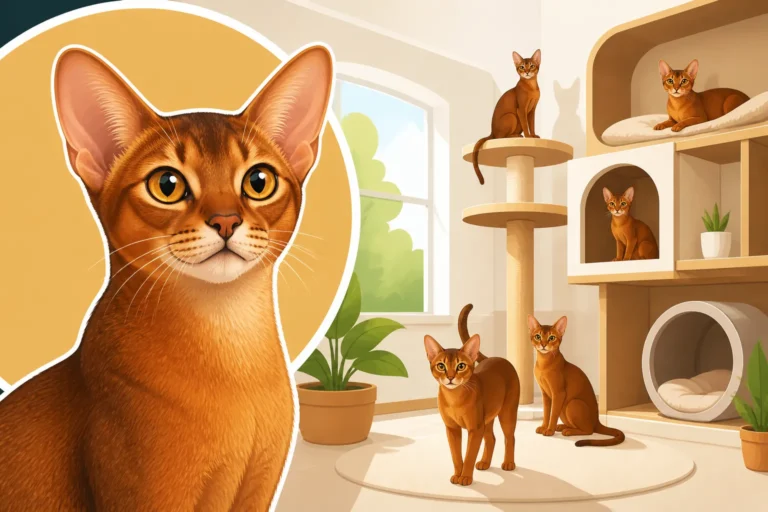
This means investing in sturdy, tall cat trees, wall-mounted shelves, and perhaps even "catios" (enclosed outdoor spaces). A good quality cat tree that reaches the ceiling can be a significant upfront cost, but it's an investment in your cat's happiness and the integrity of your furniture. When considering What a Cat Tree Tall Enough for an Abyssinian Costs, think about its durability and stability; a wobbly tree is a dangerous tree for a high-flying Abyssinian. Wall-mounted shelving systems designed for cats are another fantastic option, allowing you to create an entire "cat superhighway" that keeps them active and engaged.
These structures provide not only exercise but also mental stimulation. Abyssinians love to observe their surroundings from a high perch, feeling safe and in control. Having these dedicated spaces helps manage their energy, reduces stress, and satisfies their natural instincts. It truly is part of Why an Abyssinian Needs More Vertical Furniture Than Most Cats.
Protecting Your Home from an Energetic Abyssinian
An Abyssinian's intelligence and boundless curiosity mean they often get into places and things other cats wouldn't even consider. They are infamous for opening cabinets, exploring bins, and even turning on faucets. This requires some "Abyssinian-proofing" your home, which can come with its own set of costs.
You might find yourself investing in child-proof latches for cabinets, especially those containing food, cleaning supplies, or anything breakable. Securing trash cans with lids that lock or are heavy enough to deter a curious paw is also a good idea. Consider cable management solutions to protect electrical cords, which a bored or curious Abyssinian might decide to chew on. This protects both your belongings and your cat from potential harm.
Beyond preventing mischief, an Abyssinian's energetic play can sometimes lead to accidental damage. A knocked-over vase, a scratched piece of furniture, or a broken lamp are all possibilities with a cat that climbs and jumps with such gusto. While not a direct "cost" in the same way as food or vet bills, it's a financial consideration that comes with owning such a lively breed. Investing in robust, cat-friendly alternatives, like more scratching posts or durable furniture, can help minimize these incidents.
Travel and Pet Sitting Expenses
While Abyssinians can be great travel companions for some, others might prefer to keep them at home, necessitating pet sitting or boarding expenses. If you travel frequently, this can become a significant annual cost. A reliable pet sitter who visits your home daily ensures your Abyssinian stays in their familiar environment, which can reduce stress. The cost of a pet sitter varies widely depending on your location and the services provided, but budgeting for this is crucial if you plan to be away.
Boarding facilities are another option, but ensure you choose one that can accommodate an Abyssinian's high energy and need for interaction. Some Abyssinians may find the kennel environment stressful, so a facility that offers individual playtime or "cat condos" rather than small cages is preferable, though often more expensive. Researching and visiting potential sitters or boarding facilities well in advance is highly recommended.
If you choose to travel with your Abyssinian, there are costs associated with that too. Airlines charge fees for pets in the cabin or cargo, and specific carriers are often required. You might also need an updated health certificate from your vet before travel. Keep in mind that not all Abyssinians enjoy travel, so assessing your individual cat's temperament is key before planning a cross-country adventure.
The Long-Term View: Lifetime Costs and Financial Planning
Owning an Abyssinian isn't just about managing annual expenses; it's a commitment that can span 12 to 15 years, or even longer. Thinking about the lifetime financial implications allows you to make more informed decisions and ensures you can provide for your beloved companion through all stages of their life.
How Costs Evolve as Your Abyssinian Ages
The cost of keeping an Abyssinian isn't static; it typically follows a curve. The first year, with initial setup, kitten vaccinations, and spay/neuter, is often quite expensive. The middle years, assuming good health, might see a slight dip as routine care becomes predictable, mainly revolving around food, litter, yearly check-ups, and dental cleanings. However, as your Abyssinian enters their senior years (typically around 10-12 years old), costs often begin to rise again.
Senior Abyssinians, like older people, are more prone to age-related conditions such as arthritis, kidney disease, hyperthyroidism, and dental problems. This can mean more frequent vet visits, specialized prescription diets, ongoing medications, and additional diagnostic tests. For example, How an Old Abyssinian's Kidneys Are Monitored might involve blood tests every 6-12 months. Managing chronic pain from arthritis or adjusting to vision loss can also incur costs for mobility aids or environmental modifications.
It's a bittersweet reality that as our cats age, their needs become more complex and often more expensive. Planning for these later-life care costs is a compassionate part of pet ownership and ensures your Abyssinian can enjoy their golden years with comfort and dignity.
The Value of a Well-Bred Abyssinian
While the initial purchase price of a well-bred Abyssinian can seem high, it often translates into long-term savings in veterinary costs. Reputable breeders invest heavily in the health of their lines, performing DNA tests for conditions like PK Deficiency and PRA-rdAc, and carefully tracking pedigrees for issues like renal amyloidosis. This due diligence reduces the likelihood of inherited diseases, providing you with a healthier kitten.
Conversely, a "cheap" Abyssinian from a backyard breeder or kitten mill often comes without health guarantees or screening. While the upfront cost might be lower, the risk of inheriting serious genetic conditions, or suffering from preventable illnesses due to poor care, is significantly higher. These issues can lead to astronomical veterinary bills down the line, quickly negating any initial savings. Think about it: a seemingly inexpensive kitten who later requires thousands of dollars in medical treatment for an inherited condition is not truly cheaper in the long run.
Understanding What an Abyssinian Breeder Should Have Tested Before You Buy is crucial not just for ethical reasons, but for your own financial protection. Investing in a healthy, well-socialized kitten from a responsible breeder is often the most cost-effective decision over the cat's lifetime.
Financial Peace of Mind for Abyssinian Owners
Ultimately, the goal of understanding these costs is to achieve financial peace of mind. No one wants to be caught off guard by a sudden veterinary bill or struggle to provide their beloved Abyssinian with the care they deserve. By actively planning and budgeting, you can ensure that you're always prepared.
This means not only setting aside an emergency fund or securing pet insurance, but also realistically evaluating your lifestyle and financial capacity before bringing an Abyssinian home. These are not low-maintenance, inexpensive pets. They require commitment, time, and financial resources. Knowing this upfront allows you to confidently provide them with a full, rich life, free from the worry of unforeseen expenses.
Consider creating a dedicated "Abyssinian fund" in your savings, or perhaps even an investment account that you contribute to regularly. This proactive approach transforms potential financial crises into manageable expenses, allowing you to focus on the joy and companionship your Abyssinian brings into your home.
Budgeting Strategies for Abyssinian Owners
Now that we've covered the breadth of potential expenses, let's talk about how to effectively manage them. Budgeting for an Abyssinian doesn't have to be overwhelming. With a few smart strategies, you can keep track of costs and ensure your playful companion receives everything they need without breaking the bank.
Tracking Your Expenses
The first step to effective budgeting is knowing where your money goes. This might sound obvious, but many people are surprised when they actually sit down and track their pet-related spending. You can use a simple spreadsheet, a budgeting app, or even just a notebook to log all your Abyssinian's expenses. Categorize them into things like "Food," "Litter," "Vet Visits," "Medications," "Toys & Enrichment," and "Miscellaneous."
Seeing these numbers in black and white will give you a clear picture of your actual monthly and annual outlay. You might discover that you're spending more on certain categories than you thought, or identify areas where you could potentially save without compromising your cat's well-being. This data is incredibly powerful for making informed decisions. For instance, after seeing your spending, you might realize that What an Abyssinian Costs to Keep Every Year is higher than you anticipated, prompting you to adjust your savings plan.
Don't forget to include those less frequent but significant expenses, like annual dental cleanings or a new cat tree, and factor them into your overall yearly budget. Breaking down these larger costs into monthly allocations can make them feel more manageable.
Saving for Large Bills
Beyond tracking, actively saving for larger, anticipated expenses is crucial. We've discussed dental work and potential senior care costs, which are rarely small bills. Instead of being hit with a huge expense all at once, you can proactively save for them throughout the year.
For example, if you know your Abyssinian needs an annual dental cleaning that typically costs a certain amount, divide that by 12 and set aside that amount monthly. Do the same for potential senior care needs that might kick in after a certain age. This dedicated savings approach ensures that when the time comes, the funds are readily available, alleviating stress and preventing you from having to dip into other savings or go into debt.
It's also a good idea to have a separate, accessible emergency fund for truly unforeseen situations, distinct from your planned savings for known large bills. This provides an extra layer of financial security for your Abyssinian's health.
Making Smart Choices for Your Cat and Wallet
There are many ways to be a savvy Abyssinian owner without skimping on their care.
- Buy in Bulk: For staples like food and litter, buying larger quantities from online retailers like Chewy often results in cost savings. Just ensure you have adequate storage and that the food won't expire before your cat can consume it.
- Preventative Care: Staying on top of routine vet visits and preventative measures is often cheaper than treating an advanced illness. A yearly check-up and What an Abyssinian's Annual Checkup Costs is significantly less than an emergency visit for a preventable condition.
- DIY Grooming: Abyssinians have short, low-maintenance coats, so professional grooming isn't typically needed. Learning to trim their claws at home can save you regular vet tech fees.
- DIY Enrichment: While buying new toys is fun, you can also create enrichment with household items. Cardboard boxes, paper bags (handles removed!), and even empty toilet paper rolls can provide endless entertainment for a playful Abyssinian. Rotate homemade toys with store-bought ones.
- Pet Insurance: As discussed, pet insurance can be a fantastic way to manage unexpected large bills, especially for a high-energy, climbing breed.
By combining these strategies, you can provide an excellent quality of life for your Abyssinian while maintaining a healthy financial outlook. Being a responsible pet owner means being prepared for both the daily joys and the occasional challenges that come with sharing your life with these wonderful cats.
Annual Abyssinian Ownership Cost Breakdown
To give you a clearer picture, here's a generalized table summarizing potential annual costs for a healthy, adult Abyssinian. Keep in mind that these figures are estimates and can vary widely based on your location, your chosen products, and your cat's individual needs.
| Category | Estimated Annual Low Cost | Estimated Annual High Cost | Notes |
|---|---|---|---|
| Food (Premium Quality) | $360 | $720 | High-protein wet/dry food. Varies by brand, portion size, and diet type. Abyssinians eat more than you might expect for their size. |
| Litter | $180 | $360 | Depends on type (clay, silica, natural), frequency of changes, and number of litter boxes. Buying in bulk can save money. |
| Routine Vet Care | $150 | $300 | Includes annual check-up, core vaccinations. Does NOT include extensive diagnostics or unexpected illness. What an Abyssinian's Annual Checkup Costs often varies by clinic. |
| Dental Care | $0 | $800+ | Can range from nothing (if home brushing is sufficient) to annual professional cleanings under anesthesia, or even extractions. This is a significant variable. |
| Flea/Tick/Worming | $100 | $250 | Monthly or quarterly preventative treatments. |
| Toys & Enrichment | $50 | $200 | Varied interactive toys, puzzle feeders, replacement wands. Abyssinians get bored easily, so rotation and new items are important. |
| Cat Trees/Shelves | $0 | $200 | Annual allocation for repair/replacement of existing structures or adding new ones. Initial setup costs are often higher. |
| Pet Insurance | $240 | $720 | Monthly premiums for accident & illness coverage. Whether Pet Insurance Is Worth It for an Abyssinian is a personal decision, but can protect against large bills. |
| Miscellaneous | $50 | $150 | Carrier replacement, grooming mitts, nail clippers, occasional pet-proofing supplies, and unexpected minor items. |
| Total Annual Cost | $1,130 | $3,700+ | This range excludes major emergencies or chronic illnesses. Remember, the first year will likely be higher due to initial setup costs and spay/neuter if not included in the purchase price. Why an Abyssinian Is Not Cheaper to Own is clear when you see the numbers. |
It's vital to view these numbers as a guide, not a definitive price list. Your Abyssinian's specific needs, your location, and even market fluctuations for pet products will all play a role in your actual annual expenditure. However, this table provides a solid framework for understanding the financial commitment involved.
Disclaimer
This article is for general informational purposes only and does not constitute professional advice. Laws, prices and regulations vary by location and change over time. Consult a qualified professional for guidance on your specific situation.