Whether Somali Carriers Lower an Abyssinian’s Price
It's quite common for prospective Abyssinian owners to hear whispers or even direct questions about "Somali carriers" when discussing breeding lines, and it can definitely lead to confusion. You might be wondering if this genetic trait somehow devalues a beautiful Abyssinian kitten, or if you're getting a lesser quality cat for your money. Rest assured, understanding the genetics behind this simply helps you make an informed choice, and often, the impact on price for a pet Abyssinian is far less dramatic than you might imagine. This guide will help demystify what a Somali carrier is and whether it truly affects an Abyssinian's price tag.
Understanding the Somali Connection in Abyssinian Lines
The Abyssinian and Somali breeds are intimately linked, essentially being two sides of the same genetic coin. The Somali cat is, at its heart, a long-haired Abyssinian. This isn't a case of two separate breeds that just happen to look a bit alike; the long-hair gene, which defines the Somali, actually originated within Abyssinian lines as a recessive trait. For generations, before the Somali was recognized as its own breed, these long-haired kittens would occasionally pop up in Abyssinian litters, often to the surprise and sometimes consternation of breeders trying to maintain the Abyssinian's signature sleek, short coat.
The Genetics of Long Hair in Abyssinians
Let's get a little bit into the science, but don't worry, it's not too complicated! The gene for long hair is recessive. What does that mean for an Abyssinian? It means a cat needs two copies of the long-hair gene (one from each parent) to actually express long hair and be a Somali. If an Abyssinian has only one copy of this long-hair gene, it won't have long hair itself. Its coat will be short and typically Abyssinian, but it carries the potential to pass that long-hair gene on to its offspring. This cat is what we call a "Somali carrier."
Imagine two Abyssinian parents, both looking perfectly Abyssinian with their short coats. If both of these parents happen to be Somali carriers, there's a statistical chance that some of their kittens will inherit two copies of the long-hair gene – one from each carrier parent – and thus be born with a longer coat, a true Somali. The other kittens in that litter might be non-carriers (inheriting two short-hair genes), or they might be carriers themselves (inheriting one short-hair and one long-hair gene). It's a genetic lottery, but one that breeders can now easily test for.
Identifying a Somali Carrier
In the past, identifying a Somali carrier was a bit of a guessing game, relying on tracking pedigrees and observing unexpected long-haired kittens in litters. A breeder would only know their Abyssinian was a carrier if it produced a Somali kitten when bred to another carrier. It was a clear, if sometimes inconvenient, indicator.
However, modern science has made things much simpler and more transparent. We now have readily available DNA tests that can precisely identify whether an Abyssinian carries the long-hair gene. A simple cheek swab is all it takes. This means that reputable breeders are no longer flying blind. They can test their breeding cats and know with certainty if they are carriers, non-carriers, or affected (meaning they are Somalis themselves). This knowledge allows them to make informed decisions about pairings, ensuring they can produce either pure Abyssinian litters or, if they also breed Somalis, plan for mixed litters. You can find more information on this process in How the Abyssinian's DNA Panel Is Ordered.
Breeder Practices and Transparency Around Carriers
A good breeder isn't just selling you a kitten; they're providing a lifetime companion with a history and a future. Their practices, especially regarding genetic health and transparency, are paramount. When it comes to Somali carriers, responsible breeders have clear protocols in place.
The Role of DNA Testing
DNA testing is truly a game-changer for ethical breeding. Any reputable Abyssinian breeder today should be regularly testing their breeding stock for genetic conditions, and this absolutely includes the long-hair gene that makes a cat a Somali carrier. These tests are accurate and relatively inexpensive. A breeder should be able to show you the test results for both parent cats. If an Abyssinian is a carrier, that test result will clearly state it.
These tests don't just tell a breeder if their cat is a carrier; they also help them plan their pairings to avoid inadvertently producing long-haired kittens if their focus is strictly Abyssinians, or to ensure they meet the standards for both breeds if they work with both. It's a tool for genetic management, not a scarlet letter. Reputable breeders understand this and use it to better their lines. They are upfront about which lab runs the tests, and you should be able to ask Which Lab Runs the Abyssinian Genetic Panel.
What a Good Breeder Should Disclose
Transparency is key. When you inquire about an Abyssinian kitten, a responsible breeder will openly discuss the genetic health of their lines. This includes being frank about whether a parent cat is a Somali carrier. They won't hide it or try to downplay it, because they understand that for a pet owner, the carrier status of an Abyssinian with a short coat makes no practical difference to the cat's health or appearance.
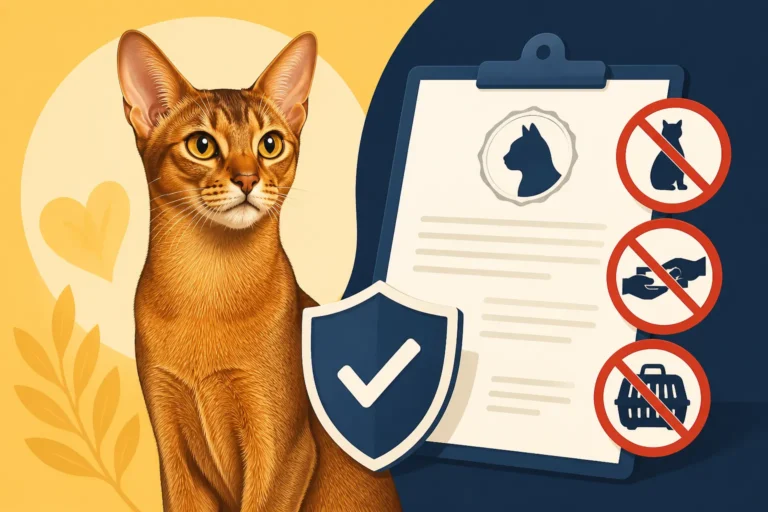
They should explain what being a carrier means – that the kitten itself will have a short coat, just like any other Abyssinian, and that it won't magically grow long hair. They will likely have a non-breeding agreement in place, which is common for all pet-quality kittens, regardless of carrier status. This ensures that only cats suitable for breeding, and whose genetics are fully understood, contribute to future generations. If a breeder is evasive or seems uncomfortable discussing genetic test results, that's a significant red flag. You should always insist on seeing The Test Results an Abyssinian Breeder Owes You and feel comfortable asking Which Questions to Ask an Abyssinian Breeder First.
The Real Impact on an Abyssinian's Price
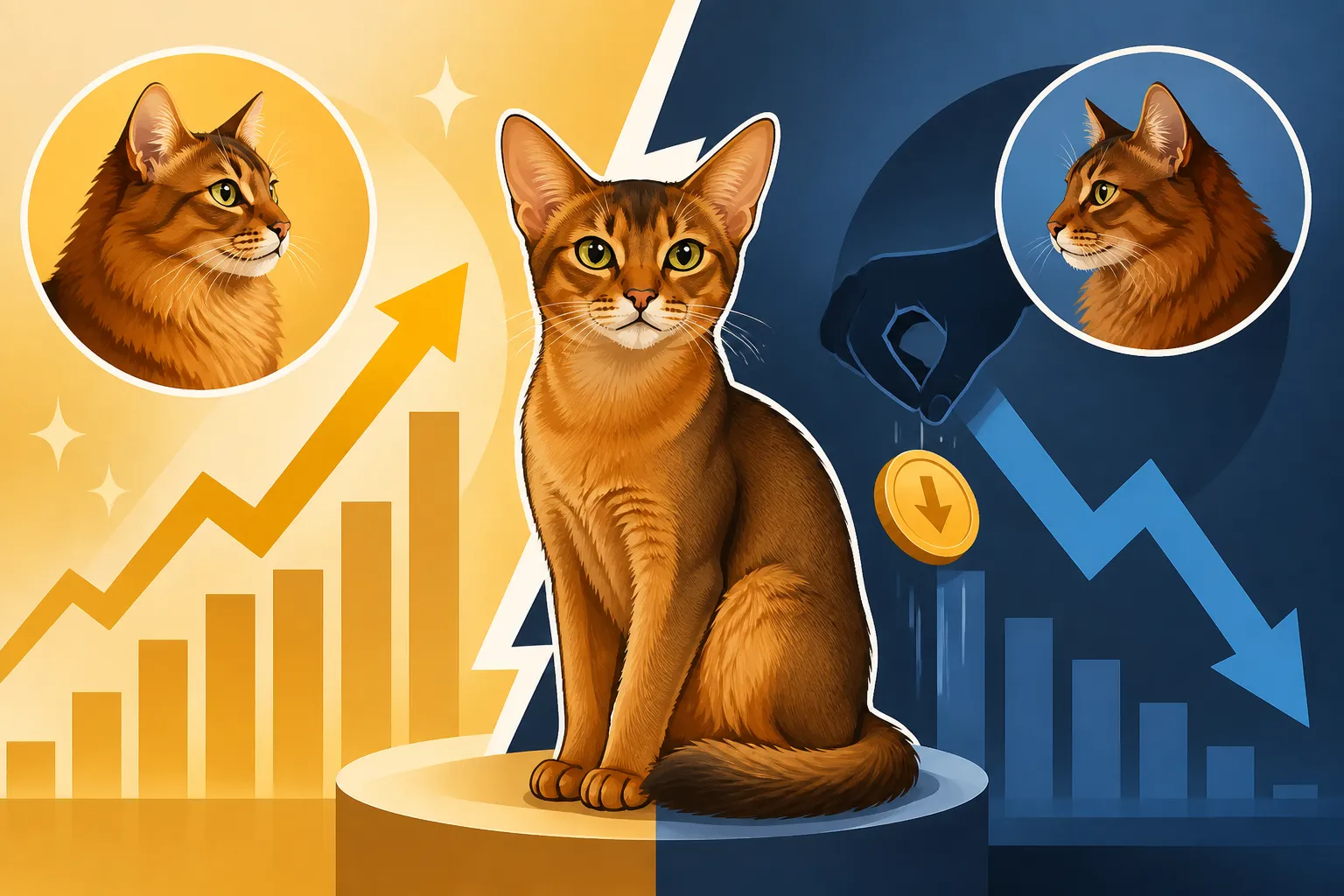
Now, let's get to the crux of your question: does being a Somali carrier lower an Abyssinian's price? For a pet-quality Abyssinian kitten, the answer is usually no, or at most, negligibly. For show or breeding quality, it can be a different story.
Pet vs. Show Quality
Most Abyssinians are sold as "pet quality," meaning they are wonderful companions but might have a minor conformational fault that prevents them from excelling in the show ring, or they are sold under a strict spay/neuter contract to prevent breeding. For these kittens, whether they are a Somali carrier or not makes almost no difference to their price. They will look, act, and feel like any other Abyssinian. Their short, ticked coat will be just as stunning, and their energetic personality just as captivating.
Where it might impact price, and this is rare, is if a breeder is struggling to place an Abyssinian kitten that visually has a slightly longer-than-ideal coat for the Abyssinian standard, even if it's not full Somali length, and they know it's a carrier. However, this is more about meeting the visual standard for showing than the carrier status itself. A true Somali, which is distinct from an Abyssinian, would typically be priced according to the Somali breed standard. The presence of a long-haired kitten in an Abyssinian litter might affect how that specific long-haired kitten is priced, as discussed in Why a Longhair Abyssinian Kitten Is Priced Apart, but this is about the phenotype (what it looks like), not the genotype (its carrier status).
For a pet home, a Somali carrier Abyssinian is simply an Abyssinian. Its price will be primarily determined by the breeder's overall pricing structure, the kitten's color (e.g., Why a Cream Abyssinian Female Costs the Most), the region, and general market demand, not by the hidden long-hair gene it carries.
The Value of Health and Temperament
What truly drives the value of an Abyssinian kitten, and should be your primary concern, are its health, temperament, and the ethical practices of the breeder. A healthy, well-socialized kitten from a reputable breeder, regardless of carrier status, is worth its price. This includes a kitten that has been properly vaccinated, dewormed, and comes with a health guarantee. Breeders who invest in these areas often have higher prices, and rightly so, because they are ensuring you get a robust, happy companion.
Consider the long-term costs of owning a cat. While the initial purchase price is important, it pales in comparison to the lifetime costs of vet care, food, and enrichment. Investing in a kitten from healthy, well-tested lines can save you significant heartache and expense down the road. This is also where pet insurance providers like Healthy Paws can come into play, offering peace of mind for unexpected health issues, though they won't typically cover pre-existing or congenital conditions that were evident at the time of purchase.
Adopting an Abyssinian Carrier: What It Means for You
So, you're considering an Abyssinian who happens to be a Somali carrier. What does this actually mean for your daily life with your new feline friend? In almost all cases, absolutely nothing.
Living with a Carrier
An Abyssinian that is a Somali carrier will behave, look, and feel just like any other Abyssinian. It will have that short, sleek, ticked coat you admire. It will possess the same boundless energy, intelligence, and curiosity that makes the breed so unique. The Abyssinian Is the Busiest Cat in the House, and a carrier will be no exception. You won't notice any difference in its grooming needs; An Abyssinian Needs Brushing Once a Week and No More, regardless of its carrier status.
The long-hair gene is recessive and only expresses itself when two copies are present. Since your pet Abyssinian only has one copy (or none, if it's not a carrier), its phenotype – its physical appearance – will be entirely Abyssinian. You're bringing home a short-haired cat, not a long-haired one, and its genetic carrier status won't change that. You'll still be looking for high-quality food, perhaps from a trusted source like Chewy, to support its active lifestyle, and considering enriching toys to keep its busy mind engaged.
The Importance of Spay/Neuter Contracts
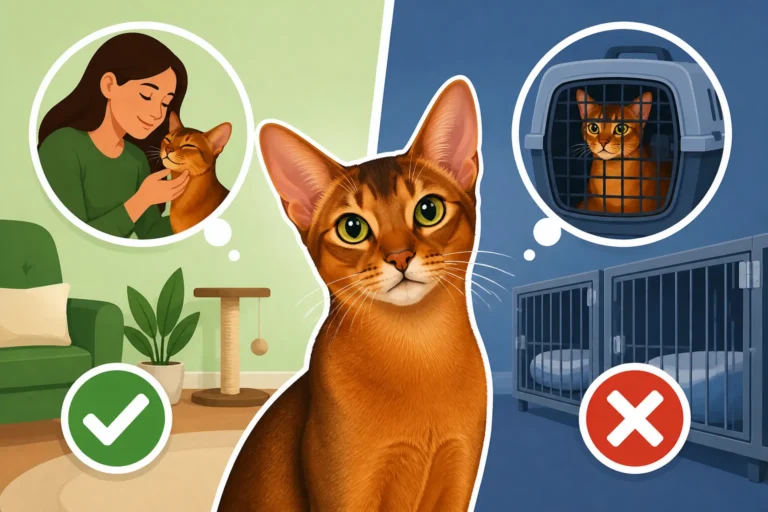
For most pet-quality kittens, whether they are Somali carriers or not, they will be sold with a spay or neuter contract. This means you agree to have your kitten spayed or neutered by a certain age, usually six to twelve months. This is standard practice among ethical breeders for several reasons:
- Preventing unwanted litters: Overpopulation is a serious issue, and responsible breeding helps control it.
- Maintaining breed standards: It ensures that only carefully selected cats contribute to the future of the breed, preserving desired traits and minimizing genetic problems.
- Health and behavior benefits: Spaying or neutering can prevent certain health issues (like mammary tumors or uterine infections in females, and testicular cancer in males) and often leads to calmer, more predictable behavior, reducing spraying, roaming, and aggression.
For a Somali carrier Abyssinian, a spay/neuter contract is even more crucial. If a carrier cat were to be bred to another carrier, it could produce long-haired Somalis. Without proper genetic testing and understanding, these matings could occur, leading to kittens that are either unexpected or not bred with appropriate care. By honoring a spay/neuter contract, you ensure that the genetic trait for long hair is responsibly managed within the breed, protecting future generations. This is a common part of What an Abyssinian Breeder Contract Restricts.
What to Prioritize When Choosing Your Abyssinian
When you're ready to bring an Abyssinian into your home, your focus should be on several key aspects, with Somali carrier status being low on the list for a pet-only kitten.
First and foremost, look for a reputable breeder. This means someone who is transparent about their practices, performs all recommended health screenings, and places their kittens in loving homes with appropriate contracts. They should be able to provide pedigrees, demonstrate a clean cattery environment, and allow you to interact with the kitten's parents if possible. You can explore How to Vet an Abyssinian Breeder Before Paying for more tips.
Secondly, prioritize the kitten's health and temperament. A healthy kitten is active, alert, has clear eyes, clean ears, and a good appetite. A well-socialized kitten is curious, playful, and comfortable interacting with people. These traits are far more important than whether it carries a recessive long-hair gene.
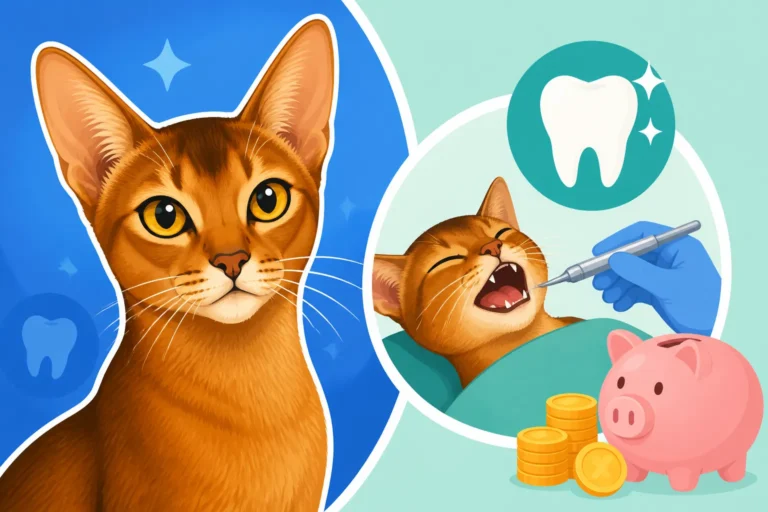
Finally, consider the overall cost of ownership. The initial purchase price is just the beginning. Factor in ongoing expenses like high-quality food, vet visits, potential dental care (which can be a significant budget line for Abyssinians, as explained in Why Abyssinian Dental Work Is the Biggest Line in the Budget), toys, and enrichment. A kitten's carrier status won't impact these long-term costs.
To summarize, here's a quick look at how various factors influence an Abyssinian's price, and where Somali carrier status fits in:
| Factor | Impact on Price for Pet Abyssinian (Short Coat) | Impact on Price for Show/Breeding Abyssinian (Short Coat) | Notes |
|---|---|---|---|
| Somali Carrier Status | Minimal to None | Minor (if acknowledged and managed) | For a pet, it's irrelevant. For breeders, it requires careful pairing but doesn't inherently devalue the cat if managed responsibly. |
| Breeder Reputation & Ethics | High | High | Ethical breeders with health testing, proper care, and guarantees will command higher prices. This reflects their investment in the cat's welfare. |
| Health & Genetic Testing | High | High | Kittens from health-tested parents (e.g., Which Two DNA Tests an Abyssinian Must Have) are more expensive but offer peace of mind. |
| Temperament & Socialization | High | Moderate (depends on show ring suitability) | A well-socialized, friendly kitten is more desirable and may fetch a slightly higher price. |
| Color | Moderate | Moderate to High | Rarer or highly sought-after colors (e.g., Cream, Fawn) can influence price, as seen in Why Blue and Fawn Abyssinians Cost More compared to Why a Ruddy Abyssinian Is the Cheapest Color. |
| Show Potential | None (for pet quality) | High | Kittens with ideal conformation and temperament for showing are priced higher, but typically sold with breeding rights. This is What a Show Quality Abyssinian Sells For. |
| Pedigree & Lineage | Moderate (for transparency) | High | Strong, well-documented pedigrees, especially those known for health and longevity, add value, particularly for breeding stock. You can verify Which Registry an Abyssinian's Papers Come From. |
Ultimately, a Somali carrier Abyssinian is still a magnificent Abyssinian. For a loving pet home, its genetic carrier status for long hair is mostly a technical detail for breeders to manage responsibly. Focus on finding a healthy, happy kitten from a transparent and ethical source, and you'll bring home a wonderful companion, regardless of its recessive genes.
Disclaimer
This article is for general informational purposes only and does not constitute professional advice. Laws, prices and regulations vary by location and change over time. Consult a qualified professional for guidance on your specific situation.