Why Blue and Fawn Abyssinians Cost More
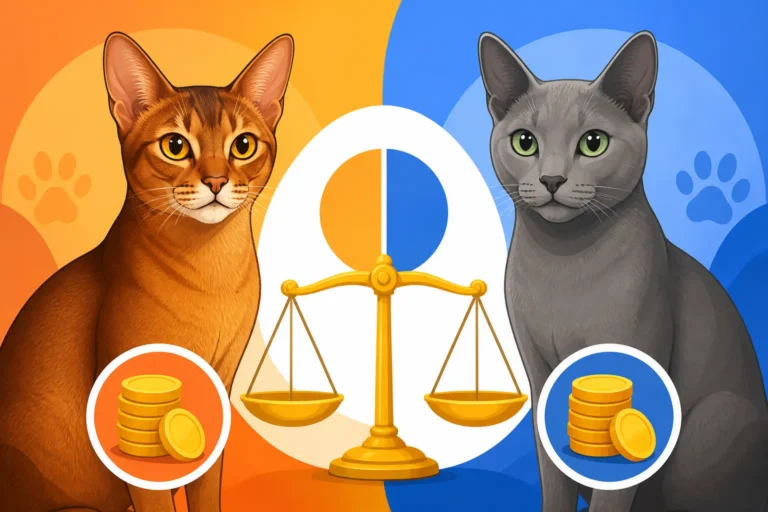
You've probably noticed that when you start looking into bringing home an Abyssinian kitten, the prices aren't always straightforward. Beyond the general cost of a purebred cat, you might discover that certain coat colors, like blue and fawn Abyssinians, often come with a higher price tag. This isn't just a random whim; there are genuine reasons rooted in genetics, breeding efforts, and simple supply and demand that make these stunning dilute colors a bit more of an investment. Let's dig into why these particular Abyssinians tend to cost more and what that means for your budget.
Understanding the Standard Abyssinian Price Spectrum
Before we dive into the specifics of blue and fawn Abyssinians, it's helpful to understand the general landscape of Abyssinian pricing. When you're dealing with a reputable breeder, the initial cost of a kitten isn't just about the cat itself; it's about all the care, health testing, lineage, and early socialization that went into raising it. Factors like a breeder's reputation, their location, the demand in their area, and whether you're looking for a pet-quality or show-quality cat all play a significant role. How Much a Pet Abyssinian Costs From a Breeder covers this in more detail.
Generally, the most common Abyssinian colors—ruddy and sorrel—tend to be at the more accessible end of the price scale. Ruddy, being the "original" and most prevalent color, often sets the baseline. Sorrel, sometimes called red, is also quite common and usually falls into a similar price bracket. It's when you start looking at the less frequently seen colors that the numbers begin to climb. This isn't unique to Abyssinians; many purebred cats and dogs see price variations based on coat color, markings, and other physical traits that are harder to produce consistently.
The Genetics Behind Blue and Fawn Abyssinians
The primary reason blue and fawn Abyssinians command a higher price point boils down to genetics and, consequently, their relative rarity. These colors are what we call "dilute" versions of the more common ruddy and sorrel.
The Dilution Gene Explained
Think of it like this: ruddy is essentially a black-based ticked coat, and sorrel is a red-based ticked coat. The dilution gene is a recessive gene that, when present in two copies (one from each parent), "dilutes" the intensity of the base color.
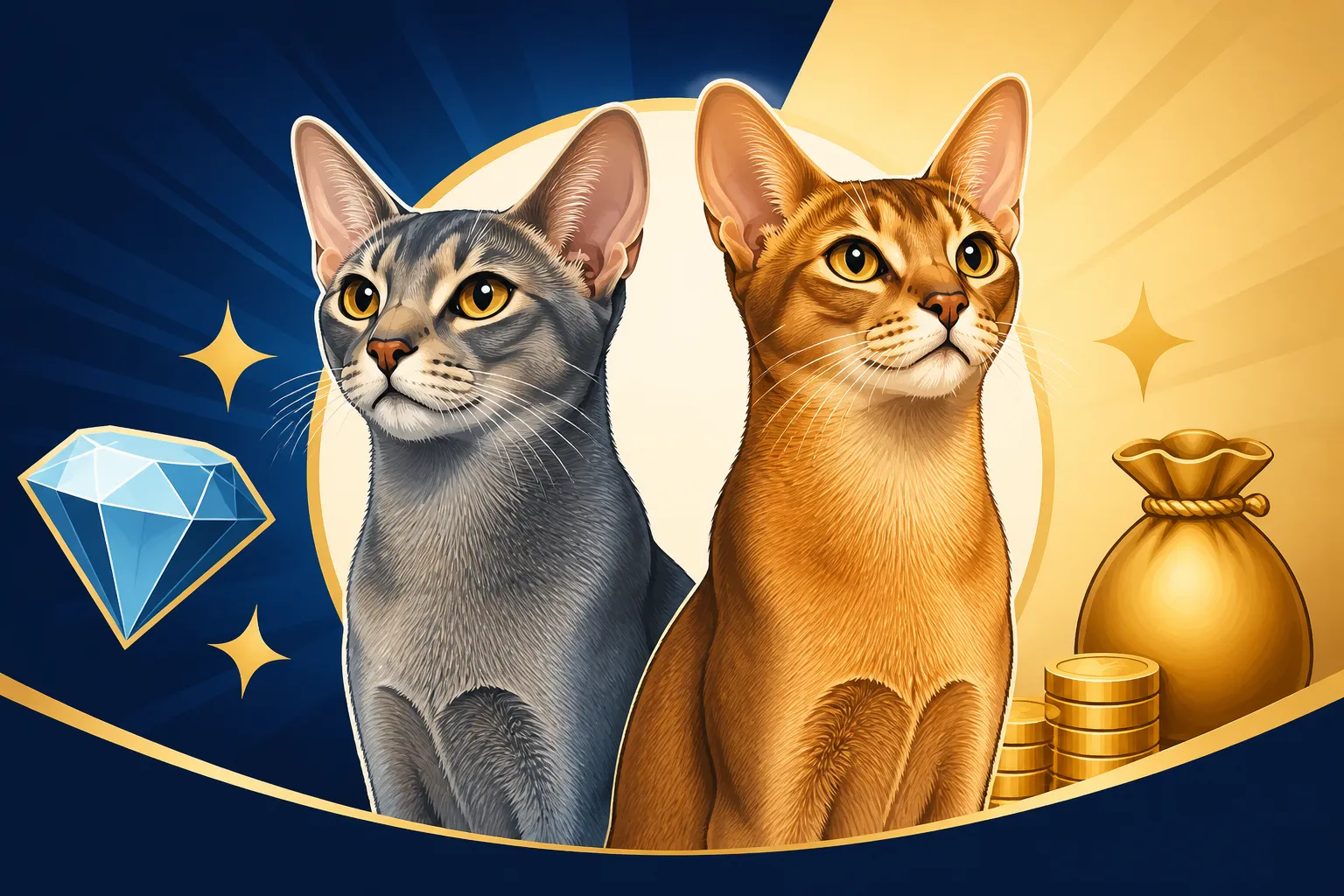
- Blue Abyssinian: This stunning color is the dilute version of ruddy. Instead of the rich black and brown ticking, the black pigment is softened to a slate grey or blue, and the underlying band appears more buff or cream. The overall effect is a cooler, smoky appearance. What Dilution Does to a Blue Abyssinian goes into more detail on this genetic magic.
- Fawn Abyssinian: This is the dilute version of sorrel. The warm cinnamon-red tones of a sorrel are softened to a delicate, creamy beige or mushroom shade. The fawn Abyssinian has an incredibly ethereal, delicate appearance. Why a Fawn Abyssinian Is the Palest of the Four explains why this color stands out so much.
For a kitten to be born blue or fawn, both parents must carry at least one copy of the recessive dilution gene. If a cat carries one copy, they are a "carrier" but won't display the dilute color themselves; they'll look ruddy or sorrel. If they have two copies, they'll be blue or fawn. Breeding specifically for these dilute colors requires careful planning and knowledge of the parents' genetic backgrounds, ensuring both can pass on the necessary gene. This genetic complexity makes producing these colors reliably much harder for breeders than simply producing ruddy or sorrel.
Rarity vs. Common Colors
Because the dilution gene is recessive and requires both parents to contribute, blue and fawn Abyssinians are inherently less common in litters. A breeder might have a pair capable of producing blue or fawn kittens, but they won't necessarily get a whole litter of them. You might see a litter with a mix of ruddy, sorrel, blue, and fawn. This naturally limits the supply of these particular colors.
Consider the challenge: a breeder isn't just trying to produce a certain color; they're also striving for excellent health, temperament, and adherence to the breed standard in terms of body type, ear set, and eye shape. Adding a specific, less common color into that already complex breeding equation makes it significantly more challenging. It’s not just about mating any two Abyssinians that carry the gene; it’s about mating the best Abyssinians that carry the gene, to ensure the health and quality of the offspring.
Breeding Challenges and Demand for Dilute Abyssinians
The effort involved in producing blue and fawn Abyssinians, combined with their strong appeal, directly impacts their cost. Breeders face additional considerations and often higher demand for these specific kittens.
The Breeder's Investment and Effort
Reputable Abyssinian breeders invest a tremendous amount of time, knowledge, and resources into their breeding programs. When it comes to dilute colors like blue and fawn, this investment can be even greater:
- Genetic Testing: Breeders need to know the genetic makeup of their breeding cats, including whether they carry the dilution gene. This often means more extensive DNA testing, ensuring they understand the potential colors a pairing can produce. While general health panels are a must for all Abyssinians, targeted color genetics add another layer.
- Careful Pairings: Selecting the right breeding pair becomes more intricate. A breeder might have a fantastic ruddy queen, but if she doesn't carry dilution, she can't produce blue kittens, even if paired with a dilute-carrying male. This means breeders might need to maintain a larger pool of breeding cats or seek out specific lines to bring in the dilute genetics without compromising other important traits.
- Smaller Litters: Abyssinian litters are generally not huge to begin with. Why Abyssinian Litters Are Small explains some of the reasons for this. If a breeder is hoping for a certain number of blue or fawn kittens, the smaller litter sizes mean fewer chances, making each dilute kitten even more "valuable" in terms of the effort it took to produce.
All of these factors translate to a higher cost for the breeder, which is then reflected in the kitten's price. It's not about making a huge profit on a "rare" color, but about recouping the significant investment in genetic knowledge, careful selection, and dedicated care.
The Impact of High Demand
Let's be honest, those blue and fawn Abyssinians are absolutely gorgeous. Their soft, muted tones often strike people as incredibly elegant and unique, a real standout from the more common ruddy or sorrel. This aesthetic appeal creates a strong demand. Many prospective owners specifically seek out these colors, drawn to their refined beauty.
This high demand, coupled with the limited supply due to genetic complexities, naturally drives prices up. Breeders often have longer waitlists for blue and fawn kittens compared to other colors. When you're on a waiting list for an Abyssinian, especially for a specific color, you might find yourself waiting quite a while, and the price will reflect that desirability. How Long an Abyssinian Waitlist Runs can give you an idea of typical waiting periods.
The Long-Term Cost of Ownership
While the initial purchase price of a blue or fawn Abyssinian might be higher, it's crucial to remember that this is just one piece of the overall financial commitment. Owning an Abyssinian, regardless of color, is a significant long-term investment. What an Abyssinian Costs to Keep Every Year can be quite an eye-opener!
Ongoing Care and Supplies
Every Abyssinian needs high-quality food, vet care, and enrichment. You'll be budgeting for premium cat food, which you can easily source from places like Chewy, ensuring your energetic companion gets the nutrition they need. Fresh, custom-portioned meals may be worth considering if they fit your lifestyle and budget, especially as some Abyssinians can be a bit particular about their food. Regular vet check-ups, vaccinations, and parasite prevention are also non-negotiable, and these costs add up over their The Twelve to Fifteen Years an Abyssinian Usually Gets.
Health Insurance Considerations
Given the breed's predispositions to certain health conditions, such as early-onset periodontal disease and kidney issues like renal amyloidosis (which, unfortunately, there isn't a genetic test for yet, as discussed in Why No Gene Test Exists for Abyssinian Amyloidosis), pet insurance can be a wise investment. Companies like Healthy Paws offer policies that can help mitigate the financial impact of unexpected veterinary emergencies or long-term illness management. While the initial cost of a blue or fawn Abyssinian is higher, the cost of future vet care remains the same as for any other Abyssinian. Protecting yourself with pet insurance can bring peace of mind. Whether Pet Insurance Is Worth It for an Abyssinian is a good read if you're on the fence.
Comparison of Abyssinian Color Pricing Factors
Here's a quick overview of how different factors influence the pricing of Abyssinian colors:
| Factor | Ruddy/Sorrel Abyssinians | Blue/Fawn Abyssinians |
|---|---|---|
| Genetic Basis | Dominant or co-dominant traits, easier to predict | Recessive dilution gene, requires both parents to carry |
| Rarity | More common, often found in larger numbers in litters | Less common, fewer appear in litters |
| Breeding Difficulty | Relatively straightforward to achieve desired color | Requires careful genetic tracking and selective breeding |
| Demand | Consistent demand, but usually not as high as dilutes | High demand due to unique, elegant appearance |
| Waitlist Time | Shorter or no waitlist for pet quality | Often longer waitlists, especially for high-quality dilute |
| Breeder Effort | Standard breeding practices for health and type | Additional genetic planning for color alongside health and type |
In conclusion, while the blue and fawn Abyssinians certainly captivate with their unique beauty, their higher price tag is a reflection of the intricate genetic dance, the dedicated effort of responsible breeders, and the simple economics of supply and demand. Knowing this helps you appreciate the true value behind these stunning cats and prepares you for the full financial journey of bringing one into your life.
Disclaimer
This article is for general informational purposes only and does not constitute professional advice. Laws, prices and regulations vary by location and change over time. Consult a qualified professional for guidance on your specific situation.