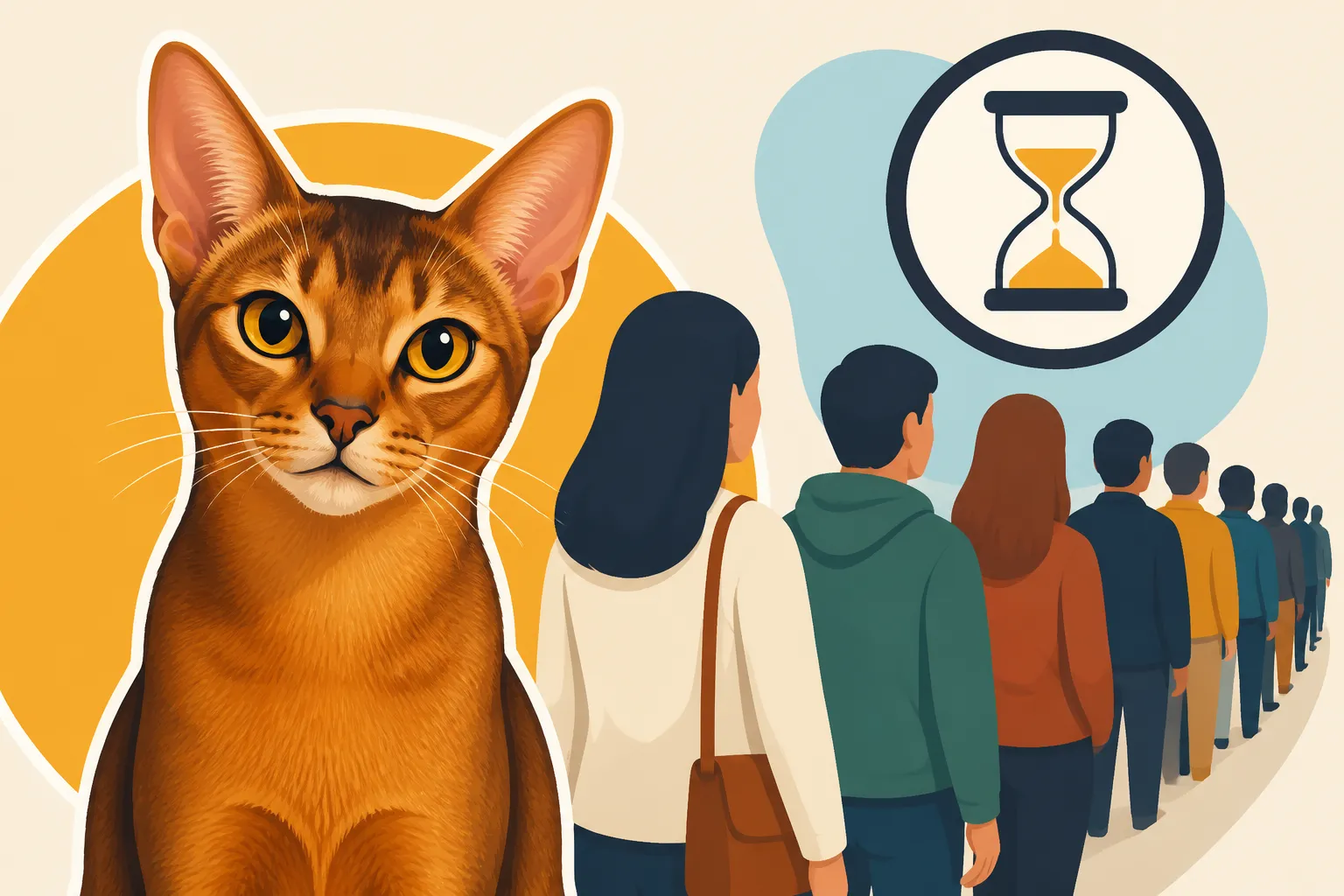
How Long an Abyssinian Waitlist Runs
The excitement of bringing home an Abyssinian kitten is truly unmatched; their vibrant personalities and striking looks make them utterly captivating companions. But let's be honest, the reality of finding one often crashes into the frustrating wall of "waitlist." It can feel like you've won the lottery just to get your name on a list, and then you're left wondering how long this delightful agony will last. This guide is here to shed light on exactly what to expect when you're navigating the world of Abyssinian waitlists, helping you understand the timelines, the reasons behind them, and how to make the most of your waiting period.
Understanding Why Abyssinian Waitlists Are the Norm
It’s easy to feel impatient when you’re ready to welcome a new furry family member, especially one as sought-after as an Abyssinian. But the existence of waitlists isn't a ploy to make you wait; it's a testament to responsible breeding and the unique characteristics of the breed itself. Understanding these underlying reasons can help manage expectations and appreciate the effort that goes into raising healthy, well-socialized kittens.
The Dynamics of Responsible Breeding
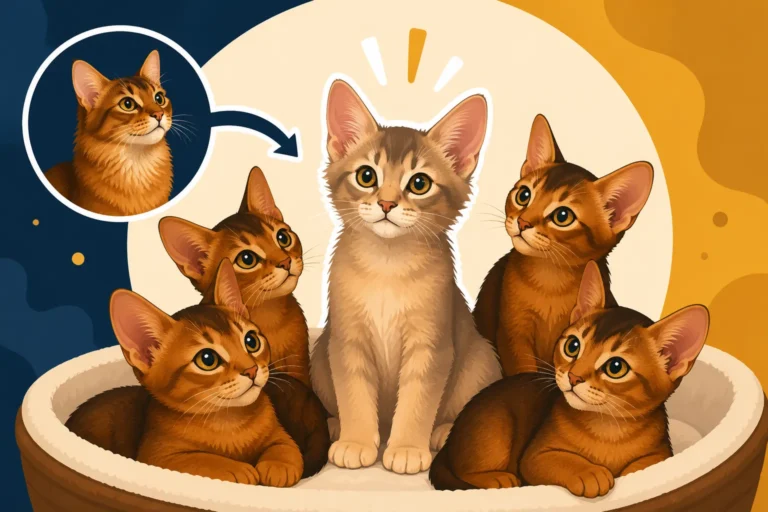
Ethical Abyssinian breeders prioritize the health and welfare of their cats above all else, and this directly impacts how many kittens they produce. Unlike some other breeds, Abyssinians tend to have smaller litters. It's not uncommon for a queen to have only two to four kittens, sometimes even just one! This naturally limits the number of kittens available at any given time. Good breeders also don't constantly breed their queens; they allow ample recovery time between litters, ensuring the mother remains healthy and happy. This means a queen might only have one litter every 12 to 18 months, further contributing to the limited availability.
Beyond litter size and frequency, responsible breeders meticulously plan each mating. They research pedigrees to avoid genetic issues, focusing on producing kittens that not only meet the breed standard but are also robust and free from inherited diseases. They often invest in extensive health screening for their breeding cats, including DNA tests for conditions like Pyruvate Kinase Deficiency Is the Abyssinian's Best Known Test and PRA-rdAc Takes an Abyssinian's Sight by Five. This careful selection process takes time and means they're not just breeding for the sake of breeding. They're dedicated to improving the breed and providing healthy companions, which inevitably leads to fewer, but higher quality, kittens.
High Demand Meets Limited Supply
The Abyssinian's captivating personality – their intelligence, curiosity, and boundless energy – makes them incredibly popular. They are often described as "the clowns of the cat world," always on the go, exploring, and engaging with their human companions. This unique blend of beauty and brains means that demand often far outstrips supply. People who fall in love with the breed often aren't interested in any other cat, creating a consistent pool of eager prospective owners.
Furthermore, Abyssinians aren't just pets; they're family members that typically enjoy The Twelve to Fifteen Years an Abyssinian Usually Gets. Many dedicated owners return to the same breeder for their next Abyssinian, or recommend their breeder to friends and family, creating a continuous flow of inquiries. This word-of-mouth reputation for quality and healthy kittens means that even before a litter is conceived, a breeder might already have a list of approved homes waiting. This steady interest, combined with the inherent limitations of responsible breeding practices, naturally extends how long an Abyssinian waitlist runs.
What to Expect Once You're on an Abyssinian Waitlist
Getting on an Abyssinian waitlist is just the first step in a journey that requires patience and communication. It's not like ordering something online with a guaranteed delivery date; it's a dynamic process involving living creatures. Knowing what to expect in terms of timelines and breeder interaction can help you feel more at ease during this waiting period.
Typical Waitlist Timelines
The length of an Abyssinian waitlist can vary quite a bit, but generally, it's safe to anticipate waiting anywhere from a few months to over a year, or even longer for specific colors or genders. For highly reputable breeders with strong demand, a 6-12 month wait is very common, and some lists for particular preferences (like a cream female, which is often in high demand and can impact Why a Cream Abyssinian Female Costs the Most) could extend to 18 months or more. This isn't just about the number of people ahead of you; it's also about the natural breeding cycles of the queens and the breeder's discretion in matching kittens to homes.
Breeders typically manage their waitlists by taking into account the preferences of families (gender, color, personality) and the birth order of the kittens. When a new litter arrives, the breeder assesses each kitten's temperament and development over several weeks before making placements. They want to ensure the kitten is a good fit for your home and lifestyle. This means that even if you're high on a list, you might wait for a subsequent litter if the current one doesn't produce a kitten that perfectly aligns with your preferences or your family's needs.
Deposits and Communication Protocols
Almost every ethical Abyssinian breeder will require a deposit to secure your place on their waitlist or to reserve a specific kitten. This deposit signals your serious intent and helps the breeder plan their litters and allocate kittens. The amount of How Much an Abyssinian Deposit Runs can vary widely, but it's typically a portion of the total purchase price. It’s crucial to understand the breeder’s deposit policy upfront: Is it refundable? Under what circumstances? Most deposits are non-refundable, especially once a kitten has been specifically allocated to you, as it represents the breeder’s commitment to holding that kitten for you.
Communication during the waitlist period is a two-way street. A good breeder will keep you updated on their breeding plans, confirmed pregnancies, and the arrival of litters. They may send occasional newsletters, photos, or updates via email or a private social media group. However, it’s also important for prospective owners to understand that breeders are busy individuals caring for multiple cats. Frequent, unsolicited inquiries about "Is it time yet?" can be overwhelming. Respect their communication schedule and trust that they will reach out when there’s news. When the time comes to select a kitten, expect detailed conversations about your home, lifestyle, and preferences to ensure a perfect match.
Factors Influencing Waitlist Duration
While general timelines can give you a rough idea, several specific factors can significantly impact how long you'll personally wait for your Abyssinian kitten. Understanding these nuances can help you refine your expectations and even inform your choices when speaking with breeders.
Breeder Reputation and Availability
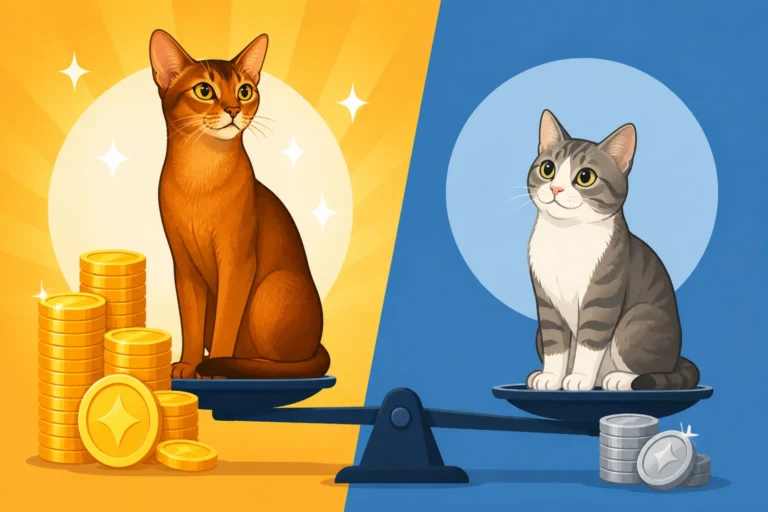
The most highly regarded Abyssinian breeders, known for their exceptional health testing, temperament, and adherence to breed standards, almost always have the longest waitlists. Their reputation for producing outstanding, healthy kittens precedes them, drawing in discerning buyers from far and wide. These breeders often have families waiting who have acquired Abyssinians from them for decades, creating a loyal following. It's a sign of quality, but it does mean a longer wait.
Conversely, newer or less established breeders might have shorter waitlists, or even immediate availability. While this can be tempting if you're eager to get a kitten quickly, it's crucial to exercise caution. Always thoroughly vet any breeder, regardless of their waitlist length. Ensure they conduct all necessary health screenings, provide a comprehensive contract, and are transparent about their cattery practices. A shorter waitlist shouldn't come at the cost of health and ethical standards. Always refer to resources like How to Vet an Abyssinian Breeder Before Paying to ensure you're making an informed decision.
Desired Color and Gender
Abyssinians come in four recognized colors: ruddy (the classic "wild" color), sorrel (a warmer, cinnamon red), blue (a soft grey-blue), and fawn (a pale, dilute version of sorrel). While all are beautiful, some colors are rarer or more in demand than others. Fawn, for example, tends to be less common than ruddy or sorrel, so if you have your heart set on a fawn Abyssinian, your wait might be longer. Similarly, if you're set on a specific gender, that can add to the wait. Most litters usually have a mix of genders, but it's not always a 50/50 split, and if your preference is for a female kitten, and a litter is predominantly male, you might need to wait for the next one.
It’s often helpful to be flexible with your preferences if you want to shorten your wait. If you’re open to any gender or any of the four standard colors, your chances of a quicker placement increase significantly. Discuss your flexibility with the breeder; they might be able to offer you a kitten sooner if you're not tied to a very specific set of characteristics. This flexibility shows the breeder you're more focused on welcoming an Abyssinian into your home rather than holding out for a particular aesthetic, which can also streamline the matching process.
Time of Year and Breeding Cycles
Just like in nature, cat breeding can have seasonal rhythms, though it's less pronounced with indoor cats. Some breeders might plan their litters to coincide with warmer months when kittens are easier to socialize outdoors (in a safe, enclosed space, of course), or to avoid holiday periods when families are busy. Queens also have their own natural cycles, and sometimes a planned breeding simply doesn't take. This isn't a reflection on the breeder but a natural part of working with animals.
For instance, a breeder might have two queens, one who is a reliable producer of litters around spring, and another who tends to have litters in the fall. If you join the waitlist in late summer hoping for a kitten that year, you might have to wait until the spring litter if the fall queen doesn't conceive or if all her kittens are already spoken for. These biological realities mean that even the most meticulous planning can't always guarantee a specific timeline, and being understanding of these natural rhythms is part of the process.
Making the Most of Your Waiting Period
A waitlist doesn't have to mean inactive waiting. In fact, it's a golden opportunity to prepare yourself and your home for your energetic new family member. Using this time wisely can lead to a smoother transition for both you and your Abyssinian kitten.
Research and Education
While you're waiting, dive deep into all things Abyssinian! Learn about their unique needs and quirky behaviors. Abyssinians are known for being incredibly active and curious, and they thrive on interaction. Understanding Why an Abyssinian Will Not Sit on Your Lap but will perch on your shoulder can help you appreciate their affection in their own way. Researching their dietary needs is also important, as What to Feed an Abyssinian That Never Stops Moving will be different from a sedentary cat.
This is also a great time to learn about common Abyssinian health issues, like What Kidney Failure Looks Like in a Young Abyssinian or Why an Abyssinian Kitten's Gums Fail at Six Months. Being informed allows you to recognize potential signs early and discuss preventative care with your vet. Look into local veterinarians who have experience with purebred cats, as they might be more familiar with breed-specific considerations. Education empowers you to be the best possible owner from day one, rather than trying to play catch-up once your kitten arrives.
Kitten-Proofing Your Home
Abyssinians are notorious for their intelligence and athleticism. They are climbers, jumpers, and problem-solvers, often figuring out how to open cabinets and doors. Use your waitlist time to thoroughly kitten-proof your home. This means securing cabinets, tucking away electrical cords, removing fragile or dangerous items from accessible shelves, and identifying potential escape routes. Think like a tiny, agile detective with an insatiable curiosity – because that's exactly what you'll be getting!
Creating a vertical landscape is also crucial for an Abyssinian. They love to be high up, observing their domain from above. Invest in tall, sturdy cat trees and consider installing wall-mounted shelves. Websites like Chewy offer a wide range of options for cat furniture, toys, and puzzle feeders that will keep your Abyssinian mentally stimulated and physically active. Setting up these climbing opportunities before your kitten arrives will give them appropriate outlets for their energy and help prevent them from scaling your curtains or bookcases.
Financial Preparation and Budgeting
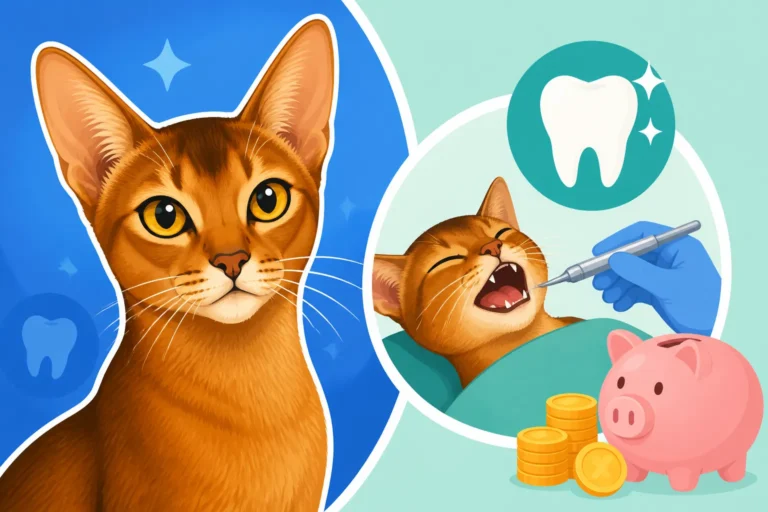
An Abyssinian kitten is an investment, not just in the purchase price but in their ongoing care. Use the waiting period to create a comprehensive budget for your new companion. This should include food, litter, toys, and routine veterinary care, including vaccinations and yearly check-ups. Don't forget about potential dental costs, as Why Abyssinian Dental Work Is the Biggest Line in the Budget is a common reality for the breed due to their predisposition to certain gum issues.
Consider looking into pet insurance, especially since Abyssinians can be prone to certain genetic conditions. Companies like Healthy Paws offer various plans that can help offset unexpected veterinary expenses. Researching these options now means you'll have a safety net in place when your kitten finally arrives, allowing you to focus on their health and happiness without immediate financial stress. Having a dedicated "kitten fund" in place will make the first year, which can be quite expensive as outlined in What an Abyssinian's First Year Actually Costs, much more manageable.
Alternatives to Lengthy Waitlists
While waiting for a purebred Abyssinian kitten from a reputable breeder is often the ideal path, it's not the only way to welcome this wonderful breed into your home. If a long waitlist simply isn't feasible for your timeline or situation, there are other avenues to explore.
Adopting an Older Abyssinian Kitten
Sometimes, an older Abyssinian kitten becomes available from a breeder who might have initially held them back for showing or breeding purposes, or because a family on the waitlist had an unexpected change in circumstances. These kittens are typically 4-8 months old and have often received more socialization and basic training from the breeder. They've usually had all their initial vaccinations and sometimes even their spay/neuter surgery.
The advantages of adopting an older kitten are numerous. Their personality is more developed, giving you a clearer idea of their temperament. They're often past the most destructive "kitten zoomies" phase and may be litter-trained and socialized. You also bypass the lengthy waitlist, as these kittens are usually available for immediate placement. Breeders often have an easier time placing older kittens quickly, and you might find that an older kitten is a perfect fit for your lifestyle, especially if you work full-time.
Abyssinian Rescue Organizations
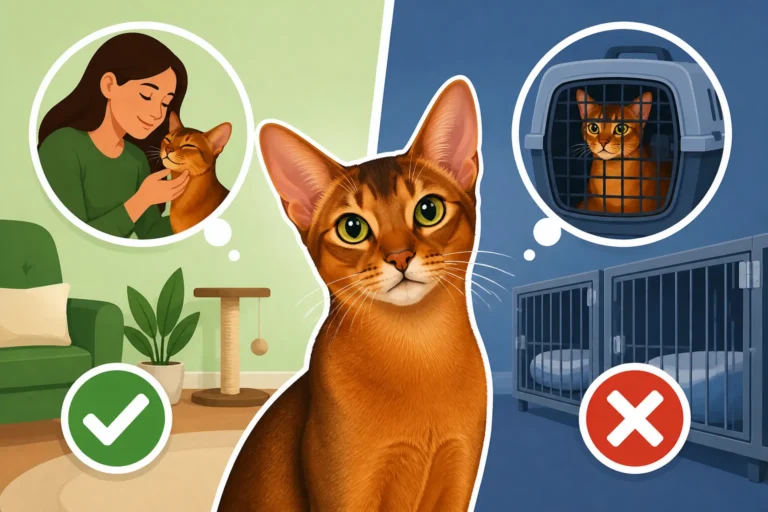
Believe it or not, Abyssinians do occasionally find themselves in rescue organizations. While less common than mixed breeds, purebred cat rescues, or general cat rescues with a network of foster homes, sometimes have Abyssinians available. These cats might be surrendered due to owner health issues, lifestyle changes, or simply because their previous owners underestimated the breed's high energy and need for interaction.
Adopting from a rescue can be incredibly rewarding. Rescues often provide thorough veterinary care, including vaccinations, spay/neuter, and sometimes even dental work, before adoption. They also usually have a good understanding of the cat's personality and history, helping ensure a good match. The adoption fees are typically much lower than a breeder's purchase price, and you're giving a deserving cat a second chance. If you’re considering this route, research breed-specific rescues in your area or national organizations with Abyssinian networks. Be prepared to fill out an application and potentially have a home visit, similar to what a reputable breeder might require. It’s a fantastic option for those who want to provide a loving home to an Abyssinian without the wait of a traditional breeding program.
Conclusion
Navigating the world of Abyssinian waitlists can feel like a test of patience, but it’s an essential part of acquiring a healthy, well-socialized kitten from a responsible breeder. Whether you choose to endure the wait for a specific kitten, explore the option of an older kitten, or consider the incredibly rewarding path of rescue, understanding the process and preparing your home will make all the difference. The wait might be long, but the joy and endless entertainment an Abyssinian brings into your life are truly priceless.
Disclaimer
This article is for general informational purposes only and does not constitute professional advice. Laws, prices and regulations vary by location and change over time. Consult a qualified professional for guidance on your specific situation.