What to Feed an Abyssinian That Never Stops Moving
If you've ever watched your Abyssinian tear through the house like a furry comet, scaling furniture and launching themselves off shelves, you know they're not your average couch potato cat. Their boundless energy and insatiable curiosity mean they burn through calories at an incredible rate, often leaving us owners wondering if we're feeding them enough, or even the right kind of fuel. This guide will walk you through everything you need to know about nourishing your athletic Abyssinian, ensuring they stay healthy, vibrant, and ready for their next adventure.
Understanding Your Abyssinian's Unique Energy Needs
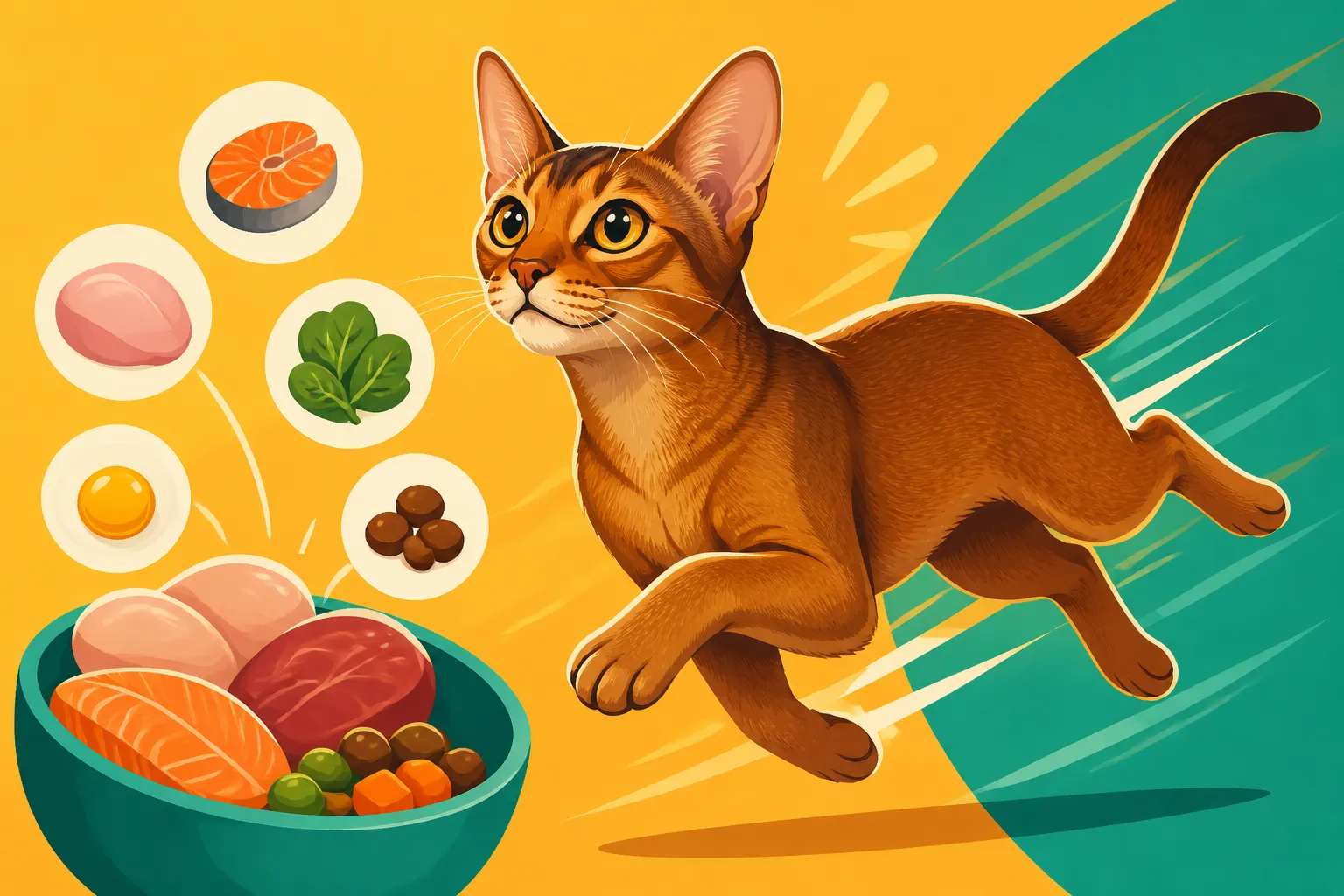
Abyssinians are not just cats; they're high-performance athletes in miniature, perpetually in motion. Their lean, muscular bodies are built for speed, agility, and endless play, and this remarkable metabolism means their dietary requirements differ significantly from more sedentary breeds. You might notice your Abyssinian seems to eat a surprising amount for their size, or that they never seem to gain an ounce despite their hearty appetite. This isn't a fluke; it's a direct reflection of their active lifestyle.
Why Abyssinians Are Perpetual Motion Machines
The Abyssinian breed is renowned for its vivacious personality, often described as "the clown of the cat world." They are incredibly intelligent, endlessly curious, and possess an almost dog-like eagerness to engage with their surroundings. This isn't just a charming quirk; it's a fundamental aspect of their physiology. Unlike some cat breeds that might be content with long naps punctuated by a brief play session, Abyssinians thrive on constant mental and physical stimulation. They explore every nook and cranny, climb to the highest perches, and demand interactive play, all of which expends a considerable amount of energy. How Many Hours a Day an Abyssinian Stays Active might surprise you, but it perfectly illustrates why their diet needs to be up to the task.
Think of it this way: a Formula 1 race car needs specific, high-octane fuel to perform at its peak. You wouldn't put regular unleaded into it and expect championship performance. Similarly, your Abyssinian, with their finely tuned engine, requires a diet that supports their sustained activity levels. This isn't about feeding them more in terms of volume if that volume is empty calories; it's about providing nutrient-dense, high-quality sustenance that matches their metabolic demands. Their lean physique, devoid of excess fat, means every calorie counts and needs to be efficiently utilized.
The Link Between Activity and Metabolism
An Abyssinian's constant activity directly influences their metabolic rate. They have a higher basal metabolic rate (BMR) compared to many other cat breeds, meaning they burn more calories even at rest, just to maintain essential bodily functions. When you add in their daily antics – the climbing, jumping, chasing, and vocalizing – their caloric expenditure skyrockets. This high metabolism means their bodies are constantly regenerating energy, repairing muscles, and fueling their neurological processes. If their diet doesn't provide adequate energy, they can quickly deplete reserves, potentially impacting their overall health and energy levels.
Moreover, Abyssinians tend to have a strong predatory drive, which manifests in their play. They stalk, pounce, and sprint, simulating hunting behaviors that are inherently energy-intensive. A diet that doesn't account for this energy output can lead to subtle signs of fatigue or even compromise their immune system over time. You want to see that bright-eyed, bushy-tailed, ready-for-anything Abyssinian every single day, and proper nutrition is the bedrock of that vibrant health.
Fueling the Fire: Calorie and Protein Requirements
Given their ceaseless energy, the caloric and protein needs of an Abyssinian are often higher than those of other domestic shorthairs. It's not just about quantity; it's about the quality and composition of the food you offer, ensuring every bite contributes to their optimal health and endless enthusiasm.
Calculating Your Abyssinian's Calorie Needs
Estimating a cat's exact calorie needs can feel a bit like guesswork, but with an Abyssinian, it's crucial to get it right. Adult cats typically need around 20-35 calories per pound of body weight per day, but for an active Abyssinian, you'll often find yourself at the higher end of that spectrum, or even exceeding it. Factors like age, activity level, whether they are spayed/neutered, and individual metabolism all play a role. A young, intact male Abyssinian flying through kittenhood might require considerably more fuel than a senior, spayed female. It's often said that Why an Abyssinian Eats More Than a Bigger Cat, and for good reason—their caloric density needs are impressive.
Always start with the feeding guidelines on your chosen food, but be prepared to adjust. Monitor your cat's body condition closely; you should be able to feel their ribs easily under a thin layer of muscle, and they should have a discernible waist when viewed from above. If they seem too thin, gradually increase their food; if they start to put on even a little weight (which is rare for an Abyssinian, but can happen), slightly reduce it. Remember, consistency in evaluation is key. How Many Calories a Neutered Abyssinian Needs will be slightly less than an intact cat, for example, but still likely higher than average.
Prioritizing High-Quality Protein for Muscle Maintenance
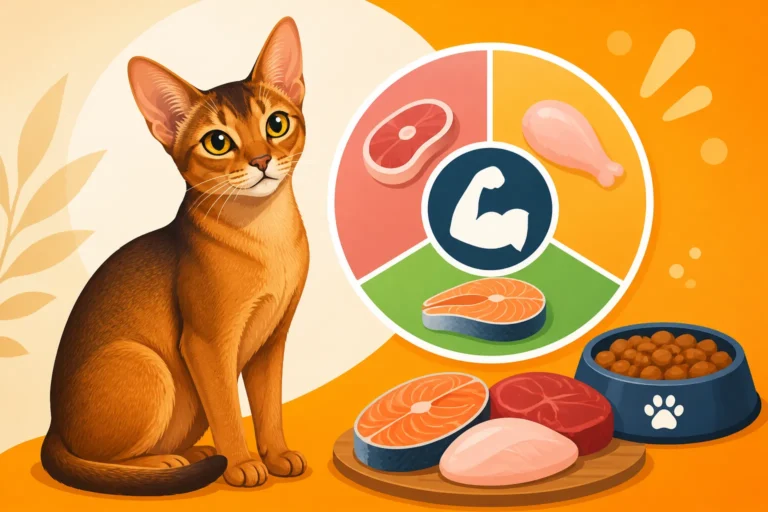
Protein is the cornerstone of an Abyssinian's diet, absolutely non-negotiable for their muscular build and overall vitality. As obligate carnivores, cats require animal-based protein to thrive. This isn't just for building and repairing muscle; protein provides essential amino acids like taurine, crucial for heart health and vision. Why Taurine Matters in an Abyssinian's Food cannot be overstated, as a deficiency can lead to severe health issues. For an Abyssinian, with their lean, athletic physique, a diet rich in high-quality animal protein (think chicken, turkey, fish, beef, or lamb) is paramount.
Aim for a food that lists a high percentage of protein, ideally from named meat sources, within the first few ingredients. Look for crude protein percentages generally above 30-35% on a dry matter basis, though many premium wet foods offer even higher levels. The source of the protein matters just as much as the quantity. Muscle meats are superior to unspecified "meat meals" or by-products, as they are more bioavailable and easier for your Abyssinian's body to utilize. Ensuring Which Protein Level Keeps an Abyssinian's Muscle On means supporting their energetic lifestyle and preventing muscle wastage as they age.
The Art of Feeding: Schedules, Methods, and Hydration
How you feed your Abyssinian is almost as important as what you feed them. Their natural instincts and unique health considerations, particularly regarding hydration, demand a thoughtful approach to meal times and water access.
Structured Meal Times vs. Free Feeding
Many busy cat owners opt for free-feeding, leaving a bowl of dry kibble out all day. While this might seem convenient, it's generally not ideal for an Abyssinian. For one, Why a Bowl Left Down Suits an Abyssinian Badly is multifaceted. Free-feeding can lead to overeating in some cats, though usually not Abyssinians, but it can also make it difficult to monitor their actual intake, which is critical for noticing early signs of illness. More importantly, it doesn't align with their natural hunting and feasting cycle. Cats are designed to eat several small meals throughout the day, mimicking their ancestral hunting patterns.
Instead, structured meal times, ideally three to four small meals a day, can be much more beneficial. How Many Meals a Day an Abyssinian Should Get typically falls into this range. This approach allows you to control portion sizes, monitor appetite, and incorporate interactive feeding methods. Plus, it gives you scheduled opportunities to connect with your Abyssinian throughout the day. If you work long hours, an automatic feeder can dispense these smaller meals at set times, ensuring your Abyssinian maintains a consistent feeding routine even when you're not home.
The Critical Role of Hydration for Abyssinian Health
Hydration is a non-negotiable for Abyssinian health, largely due to their genetic predisposition to certain kidney conditions, particularly renal amyloidosis. This cruel disease involves abnormal protein deposits in the kidneys, and while diet can't prevent it, adequate hydration can help support kidney function and potentially slow progression. Why an Abyssinian's Kidneys Make Water Intake Matter cannot be stressed enough. Cats naturally have a low thirst drive, having evolved to get most of their water from prey. A diet consisting solely of dry kibble, which contains very little moisture, can leave them chronically dehydrated.
To combat this, prioritizing wet food is paramount. Wet food typically contains 70-80% moisture, closely mimicking the water content of a mouse. Beyond food, encouraging water intake is essential. Here are a few tips:
- Water Fountains: Many Abyssinians are fascinated by running water and will drink significantly more from a fountain than a still bowl.
- Multiple Water Stations: Place bowls in various locations around the house, away from food and litter boxes.
- Ceramic or Stainless Steel Bowls: Plastic bowls can harbor bacteria and impart a strange taste, deterring some cats.
- Add Water to Food: A little extra water or low-sodium broth (check ingredients carefully) can be added to wet food to boost hydration.
Always ensure fresh, clean water is available 24/7. Monitoring urine output can also give you clues about their hydration levels.
Engaging Their Minds with Puzzle Feeders
Abyssinians are intelligent and driven by their predatory instincts. Just dumping food in a bowl twice a day can be boring and contribute to behavioral issues. This is where puzzle feeders shine. These feeders make your Abyssinian work for their meal, simulating the "hunt" and providing crucial mental stimulation. They can range from simple treat balls to more complex labyrinth feeders, easily found on platforms like Amazon or Chewy.
Introducing puzzle feeders can reduce boredom, slow down fast eaters, and provide an outlet for their abundant energy. If your Abyssinian tends to "inhale" their food, a puzzle feeder can turn mealtime into a fulfilling activity, preventing indigestion and promoting a healthier eating pace. Start with easy puzzles and gradually increase the difficulty as your cat masters them. This not only keeps their mind sharp but also reinforces positive feeding behaviors.
Deciphering Food Labels: Wet, Dry, and Beyond
The cat food aisle is a bewildering place, filled with enticing packaging and marketing claims. Understanding what to look for on a label is crucial for providing your Abyssinian with the best possible nutrition.
The Benefits and Drawbacks of Wet vs. Dry Food
When it comes to feeding an Abyssinian, the debate between wet and dry food often leans heavily towards wet food, primarily due to the critical hydration factor discussed earlier.
Wet Food Benefits:
- High Moisture Content: As mentioned, this is vital for kidney health and overall hydration.
- Often Higher in Protein: Many wet foods are formulated with more animal protein and fewer carbohydrates.
- Palatability: Many cats find wet food more appealing due to its aroma and texture.
- Portion Control: Easier to portion out specific amounts, aiding in weight management. How Much Wet Food an Abyssinian Gets Through will vary, but ensuring it's a significant part of their diet is key.
Wet Food Drawbacks:
- Cost: Generally more expensive per serving than dry food.
- Spoilage: Cannot be left out for long periods, especially in warm climates.
- Dental Health (Perception): Some believe dry kibble helps clean teeth, but the effect is minimal and not a substitute for proper dental care.
Dry Food Benefits:
- Convenience: Can be left out without spoiling for longer periods.
- Cost-Effective: Typically cheaper than wet food.
- Dental Health (Limited): Some specialized dental kibbles can offer some abrasive action, but regular kibble does little.
Dry Food Drawbacks:
- Low Moisture Content: The biggest drawback for Abyssinians, contributing to chronic dehydration if not supplemented. Why Kibble Alone Leaves an Abyssinian Short of Water is a major concern.
- Often Higher in Carbohydrates: Can contribute to weight gain and blood sugar issues in some cats, though less common in Abyssinians due to their metabolism.
- Processing: Heavily processed, which can degrade nutrient quality.
For an Abyssinian, a diet that is predominantly wet food is generally recommended. If you choose to feed some dry kibble, ensure it's high quality and that your cat is also receiving plenty of moisture from other sources.
Decoding Ingredients: What to Look For (and Avoid)
Learning to read a pet food label effectively is like having a secret weapon in your quest for your Abyssinian's optimal health. The ingredient list is where the real story lies.
What to Look For:
- Named Meat as First Ingredient: The first few ingredients should be identifiable animal proteins like "chicken," "turkey," "salmon," "beef," or "lamb." Meat "meal" (e.g., "chicken meal") is also acceptable if it's a named source, as it's a concentrated form of protein.
- High Protein, Moderate Fat: Aim for crude protein percentages generally above 30-35% (on a dry matter basis for kibble, or as listed for wet food) and moderate fat (around 15-25%). Which Protein Percentage an Abyssinian Needs is consistently high to support their muscle and energy.
- Low Carbohydrates: Cats don't have a dietary requirement for carbohydrates. Avoid foods with excessive fillers like corn, wheat, soy, or rice as primary ingredients.
- Essential Fatty Acids: Look for sources of Omega-3 and Omega-6 fatty acids, such as fish oil, flaxseed, or specific animal fats, for healthy skin and coat.
- Vitamins and Minerals: Ensure the food is "complete and balanced" for your cat's life stage, indicating it contains all necessary vitamins and minerals.
What to Avoid (or Limit):
- Vague Meat Sources: "Meat by-products," "animal digest," or "meat and bone meal" without a specific animal name are less desirable.
- Excessive Fillers: Large amounts of corn, wheat, soy, or unnamed grains.
- Artificial Colors, Flavors, and Preservatives: These offer no nutritional value and can sometimes trigger sensitivities.
- Sugar/Sweeteners: Completely unnecessary and unhealthy for cats.
When considering food for your energetic Abyssinian, look for reputable brands that prioritize high-quality, animal-based ingredients. Many premium brands are available on platforms like Chewy, offering a wide selection and detailed ingredient breakdowns to help you make informed choices.
The Role of Raw or Fresh Food Diets
The popularity of raw or fresh food diets has grown, with some owners believing they offer a more natural, biologically appropriate approach to feeding. For an Abyssinian, who would naturally consume whole prey in the wild, this concept holds appeal. Fresh food services deliver pre-portioned, human-grade meals to your door, taking some of the guesswork out of balancing a raw diet.
Potential Benefits of Raw/Fresh Diets:
- High Moisture Content: Similar to wet food, raw diets are naturally hydrating.
- Minimally Processed: Ingredients retain more natural nutrients.
- High Animal Protein: Often very rich in the animal proteins cats thrive on.
- Digestibility: Some owners report better digestion, smaller stools, and improved coat quality.
Potential Drawbacks and Risks:
- Nutritional Imbalance: DIY raw diets without expert guidance can easily be nutritionally incomplete, leading to deficiencies or excesses. This is a significant risk.
- Bacterial Contamination: Raw meat carries bacteria (like Salmonella, E. coli) that can pose risks to both cats and humans. Strict hygiene is essential.
- Cost and Convenience: Often the most expensive option and requires careful handling and storage.
- Safety of Bones: If feeding whole prey or bones, there's a risk of choking, fractured teeth, or internal injuries.
If you're considering a raw or fresh food diet for your Abyssinian, it's absolutely vital to consult with a veterinary nutritionist. They can help ensure the diet is complete and balanced, mitigating the risks. Commercial raw diets are often formulated to be complete, but independent verification of their nutritional adequacy is always a good idea. For Abyssinians with their specific health considerations, any significant dietary change should always be a conversation with your vet. How to Balance a Raw Diet for an Abyssinian is complex and requires careful planning.
Navigating Food Changes and Picky Eaters
Even the most enthusiastic eater can be resistant to change, and Abyssinians, despite their energy, can sometimes be surprisingly particular about their food. Transitioning diets and managing picky eating requires patience and understanding.
Gracefully Transitioning to a New Food
Sudden changes in diet can lead to digestive upset in cats, including vomiting or diarrhea. Why an Abyssinian Refuses a Sudden Food Change is not just about taste; it's about their sensitive digestive systems. A gradual transition is always the best approach, typically taking 7-10 days, or even longer for particularly sensitive cats.
Here's a general guideline for transitioning food:
- Days 1-3: Mix 75% old food with 25% new food.
- Days 4-6: Mix 50% old food with 50% new food.
- Days 7-9: Mix 25% old food with 75% new food.
- Day 10 onwards: 100% new food.
Observe your Abyssinian closely during this period. If you notice any digestive upset, slow down the transition. Return to the previous ratio and maintain it for a few more days until their system adjusts before moving to the next stage. Persistence and a slow pace are key to a successful transition.
Strategies for the Finicky Abyssinian
While many Abyssinians are enthusiastic eaters, some can be particular. If your high-energy cat is turning up their nose at mealtime, it can be concerning. Before assuming pickiness, rule out any underlying medical issues with a vet visit. Dental pain, gastrointestinal problems, or other illnesses can all cause a sudden loss of appetite.
Once medical issues are excluded, here are some strategies for a finicky Abyssinian:
- Warm it Up: Gently warming wet food to body temperature can enhance its aroma and palatability, making it more appealing. Just be sure it's not too hot.
- Variety (Within Reason): While a stable diet is good, some cats appreciate a rotation of different proteins or textures (e.g., pâté one day, shredded the next).
- Freshness: Ensure wet food is fresh from the can or pouch and not left out too long. Cats have a keen sense of smell and will often reject stale food.
- Clean Bowls: Always use clean food bowls. Residual food can become unappetizing.
- Low-Stress Environment: Ensure your Abyssinian can eat in a quiet, safe spot away from household commotion or other pets.
- Small, Frequent Meals: Offering smaller portions more frequently can keep their interest.
- No "People Food" Scraps: Avoid feeding table scraps, which can lead to pickiness for their regular food and an imbalanced diet.
Remember, a healthy cat will eventually eat. Don't fall into the trap of constantly switching foods to find "the one" if it creates more problems than it solves. Stick to a high-quality option, transition slowly, and give them time to adjust.
Treats, Supplements, and Weight Management
Treats can be a wonderful tool for training and bonding with your Abyssinian, and supplements might occasionally be necessary. However, it's crucial to integrate these wisely within their overall dietary plan and to maintain their naturally lean physique.
Choosing and Using Treats Wisely
Abyssinians are highly trainable and often very food-motivated, making treats an excellent motivator for teaching tricks like How to Teach an Abyssinian to Fetch or encouraging positive behaviors. However, treats should always be given in moderation. They should never make up more than 10% of your cat's daily caloric intake to prevent nutritional imbalances and unwanted weight gain.
When choosing treats:
- Prioritize High-Quality Ingredients: Look for treats with simple, natural ingredients, preferably animal-based protein. Avoid artificial colors, flavors, and excessive fillers.
- Small Size: Abyssinian mouths are small, and smaller treats are easier to manage and prevent overfeeding.
- Variety: Rotate treat types to keep your Abyssinian interested and to provide a range of micro-nutrients.
- Freeze-Dried Meats: These are often a fantastic option—pure protein, minimal ingredients, and highly palatable.
Remember, treats are a bonus, not a meal replacement. If your Abyssinian is getting a lot of treats for training, slightly reduce their main meal portions for that day to keep their overall caloric intake balanced. Which Treats an Abyssinian Will Actually Work For often involve strong flavors and textures, so experiment to find their favorites.
Understanding Supplements: When Are They Necessary?
For a healthy Abyssinian eating a complete and balanced, high-quality diet, supplements are often unnecessary. Commercial pet foods are formulated to provide all the nutrients a cat needs. However, there are specific situations where a veterinarian might recommend supplementation:
- Age-Related Issues: Older Abyssinians might benefit from joint supplements (e.g., glucosamine, chondroitin) if they're developing arthritis. What Pain Relief an Arthritic Abyssinian Can Take often accompanies these.
- Skin and Coat Health: Omega-3 fatty acid supplements can support skin barrier function and coat luster, especially for cats with dry skin or allergies.
- Kidney Support: For Abyssinians with diagnosed kidney disease, specific kidney support supplements might be recommended by your vet to help manage the condition.
- Gastrointestinal Issues: Probiotics or prebiotics might be suggested for cats with chronic digestive sensitivities.
- Specific Deficiencies: In rare cases, if a vet diagnoses a specific nutrient deficiency, a targeted supplement would be prescribed.
Never give your Abyssinian supplements without consulting your veterinarian. Over-supplementation can be just as harmful as a deficiency, leading to toxicity. What works for humans or dogs is not necessarily safe or effective for cats.
Maintaining the Abyssinian's Lean Physique
Why an Abyssinian Rarely Gets Fat is often because of their incredible metabolism and activity levels, but it's not impossible for them to become overweight. Even a slight increase in weight can put strain on their joints and increase the risk of health issues. Maintaining their lean, athletic body condition is vital for their longevity and quality of life.
Regularly assess your Abyssinian's body condition. You should be able to easily feel their ribs, spine, and hip bones under a thin layer of muscle, but they shouldn't be visibly protruding. They should also have a distinct waist when viewed from above. How to Read an Abyssinian's Body Condition Through That Coat is a skill worth learning.
If you suspect your Abyssinian is gaining too much weight, or if they seem less active, consult your vet. They can help rule out underlying medical causes and devise a safe weight management plan. This usually involves:
- Reducing Calories: Slightly decreasing portion sizes or switching to a lower-calorie, high-fiber food.
- Increasing Activity: Ensuring daily interactive play sessions and environmental enrichment.
- Limiting Treats: Being stricter about treat intake.
Remember, Why a Lean Abyssinian Puts Less Load on Its Joints is a crucial factor in their long-term health, especially as they get older.
Dietary Considerations Through Life Stages
Just like humans, an Abyssinian's nutritional needs evolve as they move through different life stages. A rapidly growing kitten has vastly different requirements than a mature adult or a gracefully aging senior.
The Energetic Demands of Abyssinian Kittens
Abyssinian kittens are bundles of concentrated energy. They grow rapidly and are constantly exploring, playing, and learning, which means their caloric and nutritional demands are incredibly high. They need food specifically formulated for "growth" or "all life stages" that provides a dense concentration of calories, protein, and essential nutrients.
Look for kitten food with:
- High Protein: Crucial for muscle and tissue development.
- Higher Fat Content: Provides the energy density needed for rapid growth.
- Balanced Calcium and Phosphorus: Essential for bone development.
- DHA: An Omega-3 fatty acid important for brain and vision development.
Feed your Abyssinian kitten several small meals throughout the day, often 3-4 times, to support their continuous growth and energy expenditure. They have tiny stomachs but huge appetites and metabolic rates. Monitor their growth and body condition closely. How Many Calories an Abyssinian Kitten Needs will seem immense for their size, but it's entirely appropriate for their explosive growth.
Maintaining Optimal Health in Adult Abyssinians
Once your Abyssinian reaches about one year of age, they transition from kitten food to adult maintenance formulas. While their growth rate slows, their energy levels often remain incredibly high well into adulthood. The focus shifts to maintaining their lean muscle mass, supporting organ health, and providing sustained energy.
Adult Abyssinians still require a high-quality, high-protein diet, with a good balance of healthy fats and carbohydrates. As discussed, wet food should be a primary component of their diet for hydration. Continue with structured meal times and incorporate puzzle feeders to keep them mentally stimulated. Regular body condition assessments are essential to ensure they remain at a healthy weight. How Much an Abyssinian Should Weigh at One is a good baseline, but individual variations exist, so body condition is a more reliable indicator than a number on the scale.
It's also a good idea to record Why an Abyssinian's Weight Should Be Recorded at Every Visit to the vet. This provides valuable data over time for tracking their health.
Adapting Diet for the Senior Abyssinian
As your Abyssinian enters their senior years (typically around 7-10 years old), their activity levels might gradually start to decrease, and their metabolism might slow down slightly. This means their dietary needs will shift again. The goal for senior Abyssinians is to support aging organs, maintain muscle mass, and manage any emerging health conditions.
Consider these adjustments for an older Abyssinian:
- Slightly Fewer Calories: If their activity decreases, they may need slightly fewer calories to prevent weight gain. However, continue to monitor. How to Adjust an Old Abyssinian's Food often involves careful monitoring rather than drastic cuts.
- High-Quality Protein Remains Key: Don't reduce protein! Older cats can lose muscle mass, and high-quality protein is vital for maintaining it. Why an Old Abyssinian Needs Its Protein Kept Up is crucial for healthy aging.
- Increased Moisture: Hydration becomes even more critical for aging kidneys. Ensure a diet rich in wet food and easy access to fresh water.
- Joint Support: Supplements like glucosamine or chondroitin, or foods fortified with them, might be beneficial for aging joints.
- Digestibility: Some senior formulas are designed to be highly digestible, which can be helpful for older digestive systems.
Regular veterinary check-ups are paramount for senior Abyssinians, as they can screen for common age-related conditions like kidney disease, hyperthyroidism, and dental issues, all of which can impact dietary needs. Your vet can provide specific dietary recommendations based on your individual cat's health status.
Common Feeding Pitfalls to Avoid
Even with the best intentions, it's easy to fall into common traps when feeding our beloved Abyssinians. Being aware of these pitfalls can help you ensure your cat receives the best possible nutrition.
Overlooking the Importance of Water Access
We've covered this already, but it bears repeating because it's that important for Abyssinians. The most common feeding pitfall for cats, in general, is relying solely on dry kibble without adequate attention to water intake. For an Abyssinian, given their propensity for kidney issues, this can have serious long-term consequences. Never assume your cat is drinking enough just because there's a bowl out. Always strive to maximize their moisture intake through wet food and encouraging water consumption. If you notice your Abyssinian becoming Why a Thirsty Young Abyssinian Is a Red Flag, it's time for a vet check.
Not Monitoring Body Condition Regularly
It's easy to get complacent once your Abyssinian settles into adulthood, assuming their diet is perfectly dialed in. However, metabolism can change, activity levels might fluctuate, and underlying health issues can subtly affect their weight and body condition. Not regularly feeling their ribs and assessing their waistline means you could miss early signs of either weight gain or, more commonly for Abyssinians, weight loss, which can indicate illness. Even Why an Abyssinian's Muscle Loss Shows Before Its Fat is something to be aware of and check for. Make it a habit to perform a quick body condition check weekly.
Falling for Marketing Gimmicks Over Nutritional Value
The pet food industry is a multi-billion dollar business, and marketing departments are excellent at making products sound appealing, often using buzzwords like "grain-free," "natural," or "holistic." While some of these terms can be associated with good quality, they don't automatically guarantee it. Why Grain Free Marketing Misses What an Abyssinian Needs is a classic example; cats have no dietary need for grains, but simply removing grains doesn't make a food inherently healthier if they're replaced with other starches like potatoes or peas, which cats also don't need in large quantities.
Always prioritize the ingredient list and the guaranteed analysis (protein, fat, fiber, moisture percentages) over catchy slogans or flashy packaging. Do your research, read reviews, and choose foods from reputable companies with transparent ingredient sourcing and manufacturing processes. Your Abyssinian deserves nutrition based on science, not just clever marketing.
Ignoring Dental Health
While feeding is about what goes into their mouth, the health of their mouth itself profoundly impacts their ability to eat and digest properly. Abyssinians are prone to certain dental issues, notably juvenile gingivitis and gum overgrowth. If your cat is experiencing dental pain, they might eat less, drop food, or even refuse to eat.
Never ignore signs of dental problems like bad breath, redness along the gum line, or difficulty chewing. Dry food alone does not provide adequate dental cleaning; regular toothbrushing (if tolerated from kittenhood) and professional veterinary dental cleanings are essential. Why Abyssinian Dental Work Is the Biggest Line in the Budget for many owners, so planning for this is critical. A healthy mouth ensures your energetic Abyssinian can continue to enjoy their food and maintain their vibrant lifestyle.
Disclaimer
This article is for general informational purposes only and does not constitute professional advice. Laws, prices and regulations vary by location and change over time. Consult a qualified professional for guidance on your specific situation.