Which Protein Percentage an Abyssinian Needs
One of the most common worries for Abyssinian owners is making sure their high-energy, constantly moving companion is getting the right fuel. You know your Aby isn't like other cats; they're lean, muscular, and seem to burn through calories just by existing. So, figuring out the precise protein percentage they need to maintain that incredible vitality and health can feel like a real puzzle. This comprehensive guide will help you understand the unique dietary requirements of your Abyssinian, focusing on their protein needs across different life stages, and how to choose the best food to keep them thriving.
The Abyssinian's Unique Energy and Muscle Mass Demands
It’s no secret that Abyssinians are powerhouse cats. They’re built for agility, speed, and endless exploration. Unlike some more sedentary breeds who might spend the bulk of their day napping, your Aby is probably scaling cat trees, chasing toys, or supervising your every move with an intense gaze. This incredible activity level isn't just endearing; it has a direct impact on their nutritional needs, especially when it comes to protein.
Why Abyssinians Burn Through Calories So Quickly
Just watch an Abyssinian for an hour, and you’ll see it. They dart, they leap, they pounce. Their sleek, muscular bodies are designed for constant motion, and that kind of athleticism requires a significant amount of energy. Think of them as miniature feline athletes. They possess a naturally high metabolism, which means they process food and convert it into energy much faster than many other cats. This isn't just about playing; it’s about maintaining their lean physique and supporting every system in their body, from their sharp minds to their powerful heart. If you've ever wondered How Many Calories an Adult Abyssinian Burns, you'll quickly realize it's more than you might expect for their size.
This constant energy expenditure isn't something that can be fueled adequately by just any cat food. They don't have a lot of excess fat stores to draw upon, and their drive to move means they're constantly breaking down and rebuilding tissues. Providing them with a diet that supports this inherent busyness is crucial for their long-term health and happiness. A sluggish Abyssinian isn't just a sad sight; it’s often a sign that something isn't quite right with their diet or health.
The Role of Protein in Maintaining Abyssinian Muscle and Vitality
Protein is the cornerstone of an Abyssinian's diet. It's not just "good for them"; it's absolutely vital for their very being. Protein is made up of amino acids, which are the building blocks for every cell in their body. For a cat that spends its days launching itself onto high shelves or engaging in spirited games of fetch, those muscles are constantly working, tearing down, and rebuilding. Without sufficient, high-quality protein, this repair process can’t happen efficiently.
Imagine trying to build a magnificent skyscraper with insufficient materials. It simply wouldn't stand up. The same applies to your Aby's musculature. Protein supports the development and maintenance of lean muscle mass, which is critical for their agility and strength. It also plays a key role in producing enzymes, hormones, and antibodies, all of which are essential for a robust immune system and overall vitality. Adequate protein ensures strong claws for climbing, a healthy skin and coat, and optimal organ function. When we talk about Which Protein Level Keeps an Abyssinian's Muscle On, we're really talking about providing the fuel for their unique lifestyle and preventing muscle atrophy that can unfortunately creep in, especially as they get older. Without enough protein, their famously energetic personality can wane, and their physical capabilities can diminish, impacting their quality of life.
Understanding the Ideal Protein Percentage for an Abyssinian
Navigating the world of cat food labels can be confusing, with so many brands touting "high protein" as the ultimate solution. While a higher protein content is generally beneficial for Abyssinians, it's not simply a matter of picking the highest number you see. The quality of that protein, and how it fits into a balanced nutritional profile, is just as important.
The 'More Is Better' Myth vs. Balanced Nutrition
It’s easy to fall into the trap of thinking that if protein is good, then more protein must be better. For an Abyssinian, this isn't entirely wrong, but it's not the whole story. Cats are obligate carnivores, meaning their bodies are designed to derive most of their nutrients from animal-based protein. This is non-negotiable. They cannot thrive on a vegetarian or vegan diet, nor can they efficiently process large amounts of carbohydrates. So, a diet rich in animal protein is indeed foundational.
However, even for a high-energy Aby, a balanced diet is key. Excesses of any single nutrient, even protein, can potentially put strain on organs over time, or lead to an imbalance in other essential nutrients like fats, vitamins, and minerals. The goal isn't just high protein, but optimal protein—protein that is highly digestible and provides the complete array of essential amino acids your cat needs, without being so overwhelming that it skews their overall nutrition. A diet that is solely protein-focused, without adequate healthy fats or essential micronutrients, is not truly balanced.
What the Experts Recommend: Minimums and Optimal Ranges
So, what's the magic number? For an adult cat, the Association of American Feed Control Officials (AAFCO) recommends a minimum of 26% crude protein on a dry matter basis. However, this is just a minimum to prevent deficiency, not an optimal level for a highly active, muscular breed like the Abyssinian.
For Abyssinians, most veterinary nutritionists and experienced breeders recommend a diet with a significantly higher protein content, typically in the range of 30-45% on a dry matter basis. Some particularly active Abyssinians, or those in peak physical condition, might even benefit from diets with protein content pushing into the higher 40s or even 50s, provided the protein is from high-quality animal sources and the rest of the diet is balanced.
It’s about understanding that your Abyssinian's natural diet, if they were to hunt small prey in the wild, would be very high in protein and moderate in fat, with very few carbohydrates. Aiming for a commercial diet that mimics this natural profile is the best approach. This ensures they have the sustained energy for their daily adventures and the building blocks for their impressive musculature.
Decoding Food Labels: Dry Matter Basis Explained
This is where many cat owners get tripped up. When you look at the "Guaranteed Analysis" on a bag of kibble or a can of wet food, you'll see percentages for protein, fat, fiber, and moisture. The key is that these percentages are listed "as fed," meaning they include the water content. Since wet foods have a much higher moisture content than dry kibble, their "as fed" protein percentage will look deceptively lower.
To truly compare foods, you need to convert the "as fed" percentages to a "dry matter basis" (DMB). This removes the water content from the equation, giving you a true picture of the nutrient concentration.
Here's how to do it:
- Find the Moisture Percentage: Look at the Guaranteed Analysis on the label. Let's say a wet food lists "Moisture: Max 78%."
- Calculate Dry Matter: Subtract the moisture percentage from 100%. So, 100% – 78% = 22% dry matter.
- Calculate Dry Matter Protein: Divide the "as fed" protein percentage by the dry matter percentage, then multiply by 100 to get a percentage.
- Example: If the same wet food lists "Crude Protein: Min 10%."
- (10% Protein / 22% Dry Matter) * 100 = 45.45% Protein on a Dry Matter Basis.
Now, let's compare that to a typical dry kibble:
- Dry Kibble Moisture: Typically around 10%. So, 100% – 10% = 90% dry matter.
- Dry Kibble Protein: Let's say it lists "Crude Protein: Min 35%."
- Dry Matter Protein: (35% Protein / 90% Dry Matter) * 100 = 38.89% Protein on a Dry Matter Basis.
As you can see, the wet food that looked lower in protein (10% as fed) actually has a higher protein concentration (45.45% DMB) than the dry kibble (38.89% DMB) once you account for moisture. This calculation is vital for making accurate comparisons and ensuring your Abyssinian truly gets the protein they need.
Sourcing Quality Protein and Adapting for Life Stages
Once you understand how much protein your Abyssinian needs, the next step is to focus on where that protein comes from. Not all protein is created equal, and the source makes a significant difference in terms of digestibility and amino acid profile. Furthermore, your Aby's protein needs aren't static; they shift throughout their life.
Identifying High-Quality Protein Sources in Cat Food
When you're scrutinizing those ingredient lists, you want to see animal-based proteins listed prominently at the top. Remember, cats are obligate carnivores, so plant-based proteins, while they contain protein, do not provide the complete amino acid profile an Abyssinian needs to thrive. Look for named meat sources, not vague terms.
Excellent protein sources include:
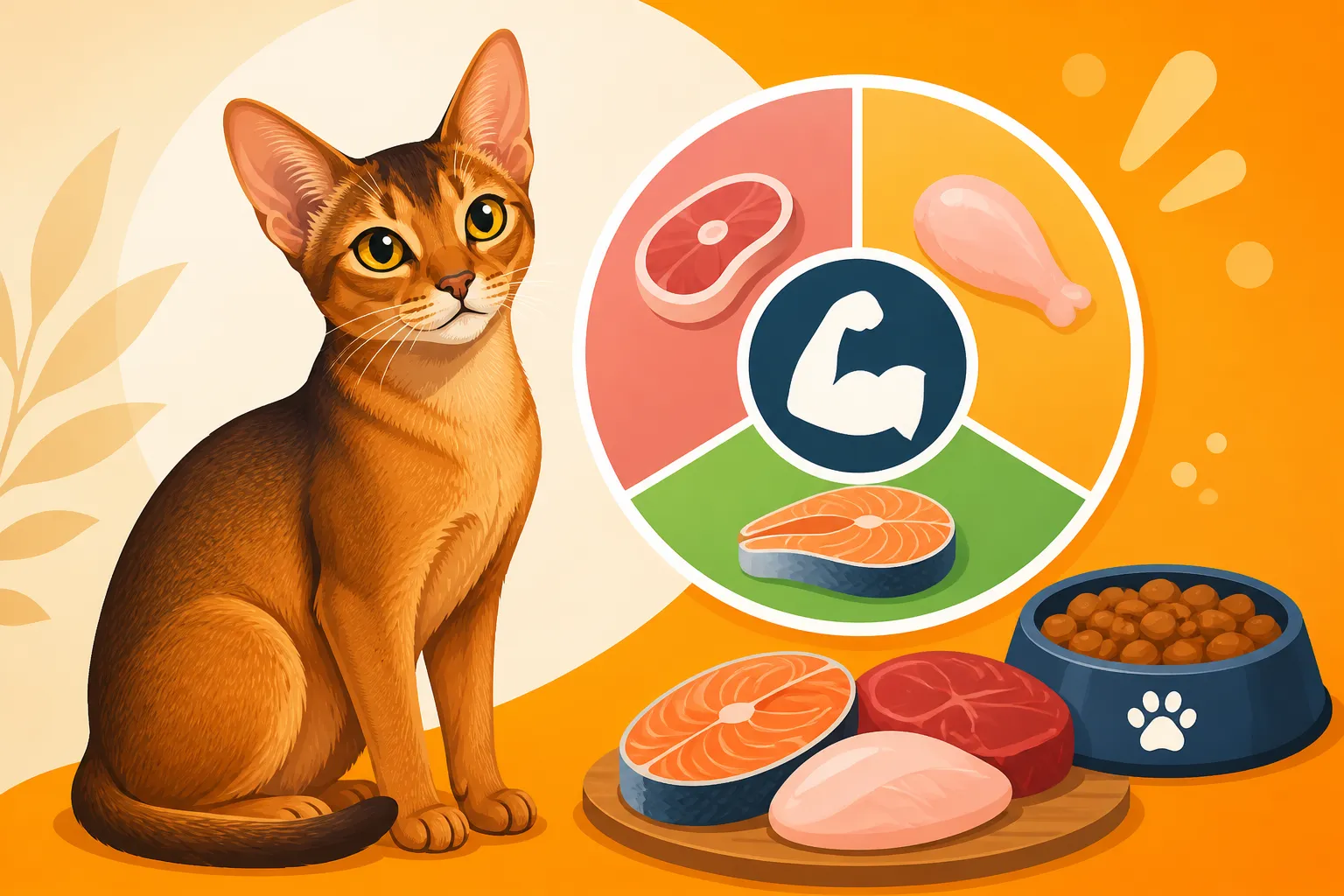
- Whole Meats: Chicken, turkey, salmon, beef, lamb. These are great, but remember that whole meats contain a high percentage of water, so their contribution to the dry matter protein percentage might be less than you think.
- Meat Meals: Chicken meal, salmon meal, turkey meal. Don't be fooled by the word "meal." This actually indicates that the meat has been cooked down to remove moisture and fat, leaving a concentrated source of protein. A high-quality meat meal can often provide more usable protein per serving than fresh whole meat once moisture is accounted for.
- Organ Meats: Liver, heart, kidney. These are packed with not just protein but also essential vitamins and minerals, mimicking what a cat would consume in the wild.
What you want to avoid are foods where plant-based proteins like corn gluten meal, pea protein, or potato protein are high on the ingredient list. While they contribute to the total protein percentage, they are not as bioavailable or complete for a feline as animal-derived proteins. Many reputable brands offer foods prioritizing these high-quality animal proteins, including some fresh food diets.
Adjusting Protein for Different Abyssinian Life Stages
An Abyssinian's life is a journey, and their dietary needs change along the way. Their protein requirements aren't static; they adapt with age and activity level.
- Kittens: Growing Abyssinians are like tiny, hyper-efficient machines. They need a substantial amount of protein to support their rapid growth, bone development, and the incredible energy they expend learning to climb and explore. Their bodies are literally building themselves from the ground up. Kitten formulas are specifically designed with higher protein and fat levels to meet these intense demands. A good kitten food will typically have a protein percentage well into the 35-50% dry matter range. If you're pondering What an Abyssinian Kitten Should Eat in Its First Year, remember protein is king.
- Adults: As discussed, a healthy, active adult Abyssinian generally thrives on diets with 30-45% protein on a dry matter basis. This maintains their muscle mass, supports their high metabolism, and keeps their coat gleaming.
- Seniors: This is where it gets a little more nuanced. Many people mistakenly believe older cats need less protein. However, quite the opposite is often true for healthy senior cats. As cats age, they can experience sarcopenia (muscle wasting), and maintaining high-quality protein intake can help combat this. Why an Old Abyssinian Needs Its Protein Kept Up is a critical concept. Unless a senior Abyssinian has specific health issues, particularly kidney disease (which can sometimes necessitate a modified protein approach, always under veterinary guidance), maintaining a good protein level is usually beneficial. For more on monitoring kidney health, see How an Old Abyssinian's Kidneys Are Monitored.
- Pregnant/Lactating Queens: These mothers have immense nutritional demands, similar to or even exceeding those of growing kittens. They need significantly elevated protein, fat, and calories to support the development of their kittens and the production of milk. Often, feeding a high-quality kitten formula to a pregnant or lactating queen is the recommended approach.
Always observe your Abyssinian's body condition and energy levels. These are often the best indicators of whether their diet is truly meeting their needs.
The Importance of Wet Food for Hydration and Protein Delivery
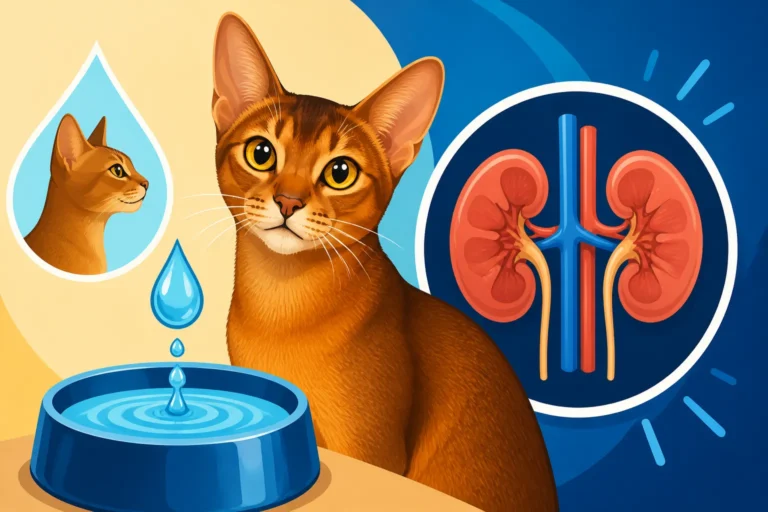
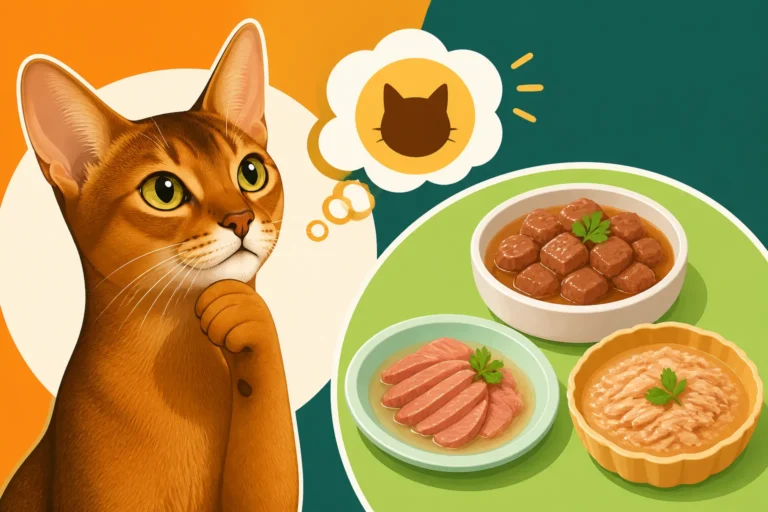
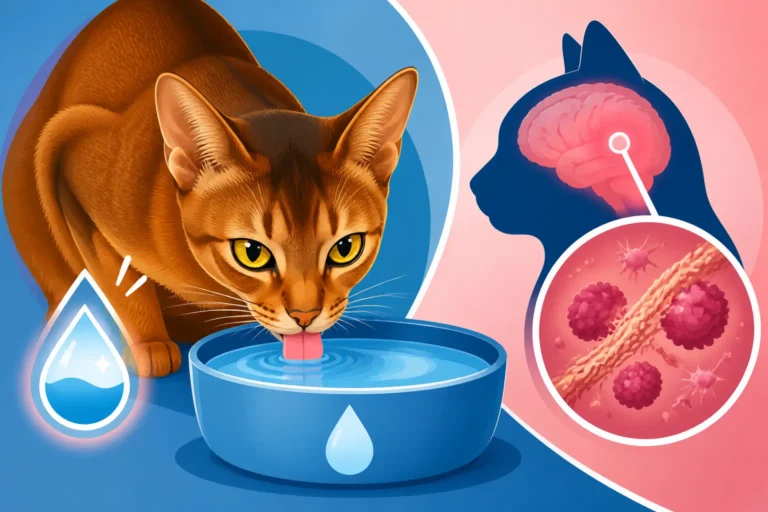
While dry kibble can certainly meet an Abyssinian's protein requirements if chosen carefully, wet food offers a significant advantage: hydration. Cats, by nature, have a low thirst drive. In the wild, they get most of their moisture from their prey. This means they often don't drink enough water from a bowl to fully compensate for a dry-food-only diet.
Given that Abyssinians, as a breed, can be prone to certain kidney issues, ensuring adequate hydration is paramount. Wet food, with its high moisture content (often 70-80%), helps to flush the kidneys and support urinary tract health. Why Wet Food Protects an Abyssinian's Kidneys is a topic worth diving deeper into, but suffice to say, it's a huge benefit.
Beyond hydration, many premium wet foods also offer:
- Higher Protein Density: When converted to a dry matter basis, many wet foods contain higher protein percentages than comparable dry foods.
- Lower Carbohydrates: Wet foods are generally much lower in carbohydrates, which is more appropriate for an obligate carnivore's digestive system.
- Palatability: Many cats find wet food more appealing, ensuring they get the nutrients they need without fuss.
Incorporating wet food, even if it's just one meal a day, can significantly boost your Abyssinian's hydration and protein intake. Brands like Chewy, known for their wide selection, offer numerous high-quality wet food options. Fresh, human-grade cat food is also often very high in animal protein and moisture, closely mimicking a natural diet.
Practical Considerations and What to Watch For
Feeding your Abyssinian isn't just about pouring kibble into a bowl; it's about a holistic approach to their nutrition that considers their unique biology and boundless energy. Knowing what to look for, beyond just the protein percentage, and when to seek professional advice is essential for their long-term health.
The Balance with Other Nutrients: Fats and Carbs
While protein is critical, it doesn't exist in a vacuum. A truly optimal diet for your Abyssinian balances protein with appropriate levels of fats and minimal carbohydrates.
- Fats: Healthy fats are a concentrated source of energy, providing more than twice the calories per gram compared to protein or carbohydrates. For an active Abyssinian, these fats are crucial fuel. They also play a vital role in nutrient absorption, hormone production, and maintaining a healthy skin and coat. Essential fatty acids, like Omega-3s (found in fish oils), are particularly important for anti-inflammatory benefits and cognitive function. Look for animal-based fats like chicken fat or salmon oil in the ingredient list.
- Carbohydrates: Cats have a very limited ability to digest and utilize carbohydrates. Their natural diet contains almost none. While some amount of carbohydrates might be present in kibble as binders, it's best to keep this percentage as low as possible. High carbohydrate diets can contribute to weight gain (though rare in Abyssinians), dental issues, and may not provide the sustained energy release their active lifestyle demands. When you're assessing protein percentages, always keep an eye on the carbohydrate content – lower is generally better for an Abyssinian.
The goal is a diet that emphasizes high-quality animal protein, moderate healthy fats, and very low carbohydrates. This triad provides the most biologically appropriate nutrition for your energetic companion.
Signs Your Abyssinian Might Not Be Getting Enough Protein
Your Abyssinian is a master of disguise when it comes to illness or discomfort, but their body and behavior often tell a story if you know how to read the subtle cues. If your Aby isn't getting enough protein, or if the protein they are receiving isn't of high quality, you might start to notice some changes:
- Dull or Coarse Coat: A healthy Abyssinian coat should be soft, sleek, and shimmering. If it starts to look dull, dry, or feel coarse, it could be a sign of nutritional deficiency, including insufficient protein.
- Muscle Loss or Weakness: Abyssinians are naturally lean and muscular. If you notice a reduction in their muscle mass, particularly over their spine or hips, despite them not appearing underweight overall, it's a red flag. Their typical explosive jumps might become less frequent or less powerful.
- Low Energy or Lethargy: This is perhaps one of the most noticeable signs for an Abyssinian. If your usually busy cat is suddenly quiet, sleeping more, or simply not as enthusiastic about play, it could indicate a lack of proper fuel. This isn't just about general energy; it's about their inherent drive.
- Poor Healing or Immune Function: Protein is essential for tissue repair and immune system strength. If your Aby seems to take longer to heal from minor scrapes or is frequently under the weather, their protein intake might be a contributing factor.
- Weight Loss: While Abyssinians are typically lean, unexplained weight loss is always a serious concern. If they're losing weight despite eating, or if they just seem too thin, it absolutely warrants investigation. Remember, Why a Lean Abyssinian Hides Illness Longer Than a Heavy Cat means you need to be extra vigilant. Learning How to Read an Abyssinian's Body Condition Through That Coat is an invaluable skill.
If you observe any of these signs, don't hesitate to consult your veterinarian. Early intervention is always best.
Consulting Your Veterinarian for Personalized Dietary Advice
While this guide provides a wealth of information to help you make informed decisions, it's crucial to remember that every Abyssinian is an individual. What works perfectly for one might need slight adjustments for another. This is particularly true if your Abyssinian has any pre-existing health conditions, such as kidney disease, liver issues, or allergies.
Your veterinarian is your best resource for personalized dietary advice. They can:
- Assess Health Status: Conduct a thorough physical examination and potentially bloodwork or urine tests to rule out underlying health issues that might impact dietary needs.
- Recommend Specific Diets: Based on your Abyssinian's age, activity level, current weight, and any health concerns, they can recommend specific commercial diets or even provide guidance on home-cooked options if appropriate.
- Interpret Lab Results: Help you understand how diet can support management of conditions like early-stage kidney disease, where protein type and digestibility might become as important as the percentage.
- Monitor Progress: Work with you to monitor your Aby's response to any dietary changes and adjust as needed.
Never make drastic changes to your Abyssinian's diet without consulting your vet, especially if they are already dealing with a health condition. A partnership with your vet ensures your lively Abyssinian receives the precise nutrition they need to thrive for many happy, energetic years.
| Food Type | Typical Moisture (%) | 'As Fed' Protein (%) | Estimated Dry Matter Protein (%) | Best for Abyssinian? |
|---|---|---|---|---|
| Dry Kibble | 8-10% | 30-40% | 33-44% | Good, if high-quality |
| Wet Canned Food | 75-85% | 8-12% | 32-60% | Excellent, high moisture |
| Kitten Formula | 10% (dry) / 78% (wet) | 35-45% (dry) / 10-15% (wet) | 39-50% (dry) / 45-68% (wet) | Essential for growth |
| Senior Formula | Varies | 28-35% (often) | 31-40% (often) | Monitor for muscle loss |
Disclaimer
This article is for general informational purposes only and does not constitute professional advice. Laws, prices and regulations vary by location and change over time. Consult a qualified professional for guidance on your specific situation.