How a Chamois Brings Up an Abyssinian’s Shine
We all adore the sleek, ticked beauty of an Abyssinian's coat, but achieving that truly dazzling, high-gloss shine can sometimes feel like chasing a mirage. Traditional brushes often leave it looking tidy but lacking that undeniable shimmer, leaving many owners frustrated. This guide will reveal the secret to unlocking your Abyssinian's most brilliant coat yet: the humble chamois cloth.
The Abyssinian Coat: A Ticked Marvel That Demands a Special Touch
The Abyssinian isn't just another short-haired cat; their coat is a finely tuned marvel of genetics and texture. It's what gives them their wild, almost iridescent appearance, and it's also why conventional grooming advice often misses the mark for these athletic beauties. Understanding this unique structure is the first step to truly making that coat gleam.
The Unique Structure of Abyssinian Fur
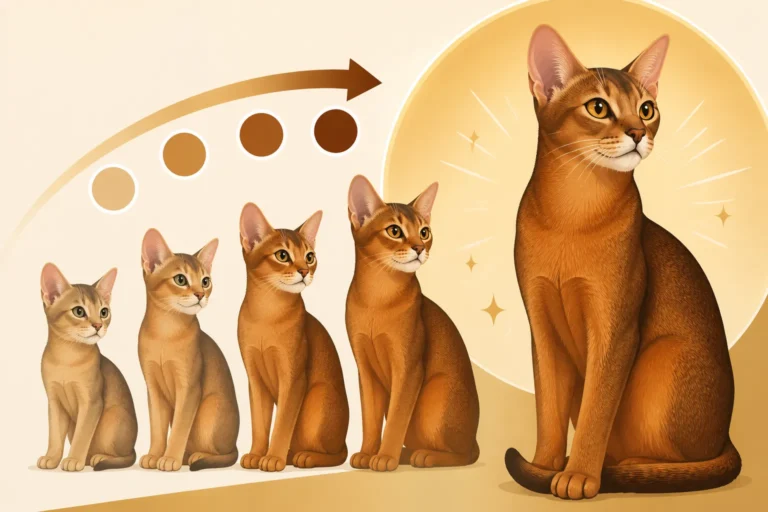
Unlike many other breeds that have distinct stripes or solid colors, the Abyssinian's coat is defined by its "ticking." This means that each individual hair isn't a single color, but rather banded with several shades, typically three or four, alternating light and dark along its length. It's this banding that creates the illusion of depth and movement, shimmering as your cat moves through the light. You might even find yourself pondering Why Each Abyssinian Hair Carries Three or Four Bands. This ticking means there's virtually no undercoat, just a dense, fine, close-lying topcoat that feels incredibly soft and resilient. Because of this, Abyssinians are often described as having How Fine an Abyssinian's Coat Feels. This unique genetic trait is a huge part of their appeal, making them appear perpetually alert and wild, yet they are nothing but domestic cuddlers.
Why Standard Grooming Tools Fall Short
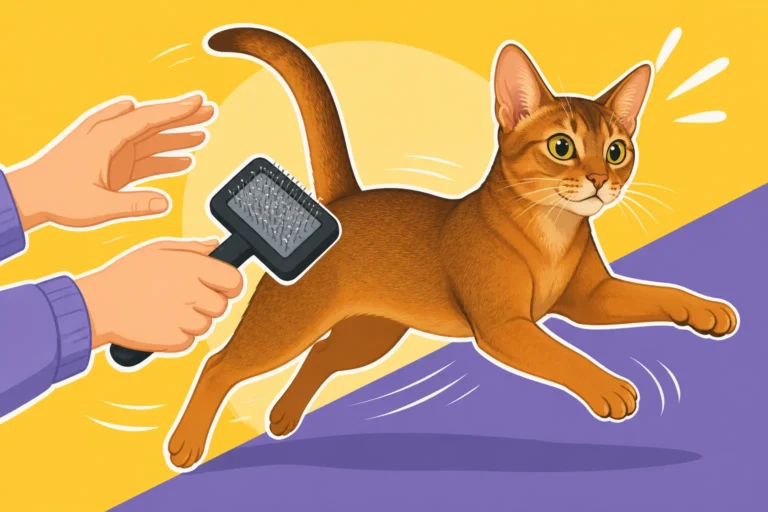
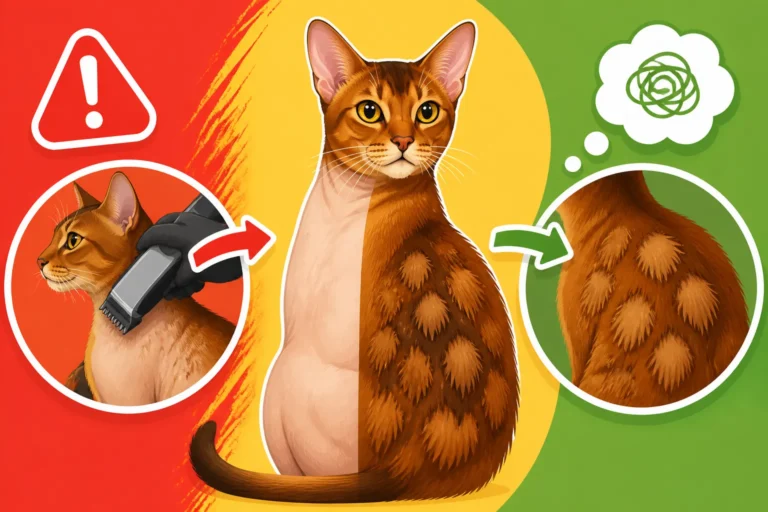
Given this special coat, it's no wonder that many standard grooming tools don't quite cut it. A slicker brush, for instance, designed to detangle and remove loose undercoat in breeds like Persians or Ragdolls, is completely unsuitable for an Abyssinian. It can actually damage their delicate ticking and pull out healthy guard hairs, flattening the very texture that makes their coat so special. Even some finer combs, while useful for How a Weekly Comb Preserves an Abyssinian's Banding and removing stray hairs, won't impart that glossy finish. The problem is that these tools are built for removing, detangling, or stimulating oil, not for polishing. They simply aren't designed to enhance the natural sheen of a coat that already has minimal shedding and no dense undercoat. You might already know Why the Wrong Brush Flattens an Abyssinian's Ticking from past experiences with less than ideal tools.
The Desire for That Signature Abyssinian Luster
Every Abyssinian owner knows that deep desire for their cat's coat to reflect the light, to have that almost liquid sheen that truly sets the breed apart. It's not just about cleanliness; it's about showcasing the natural beauty of their ticked fur. We want to see those individual bands of color catch the sun, making our ruddies look like polished copper, our sorrels like burnished bronze, our blues like glimmering slate, and our fawns like soft, glowing sand. This luster is a hallmark of good health and careful grooming, a testament to the effort we put into their care. It’s what transforms a tidy cat into a truly breathtaking one, turning heads and inviting admiration.
Introducing the Chamois: Your Secret Weapon for Ultimate Shine
If you've been searching for that missing piece in your Abyssinian's grooming routine, the answer might surprise you: a chamois cloth. Often associated with polishing cars or drying dishes, this unassuming tool is perfectly suited to bringing out the best in your Abyssinian's unique coat.
What Exactly is a Chamois Cloth?
A chamois cloth, traditionally made from chamois or sheepskin leather, is known for its incredible softness, absorbency, and non-abrasive nature. Modern chamois cloths are often synthetic, offering similar properties with greater durability and ease of care. The key characteristic is its finely textured, almost velvety surface, which allows it to pick up microscopic dust and dirt particles without scratching or damaging delicate surfaces. For our purposes, it’s not about absorption, but about its ability to polish. This isn't a tool for deep cleaning or shedding (which, let's face it, is minimal anyway, as Why an Abyssinian's Shed Hair Is Hard to See can attest), but rather for finishing. You can easily find high-quality synthetic chamois cloths online from retailers like Amazon or Chewy, making them a readily accessible grooming secret.
How a Chamois Interacts with the Ticked Coat
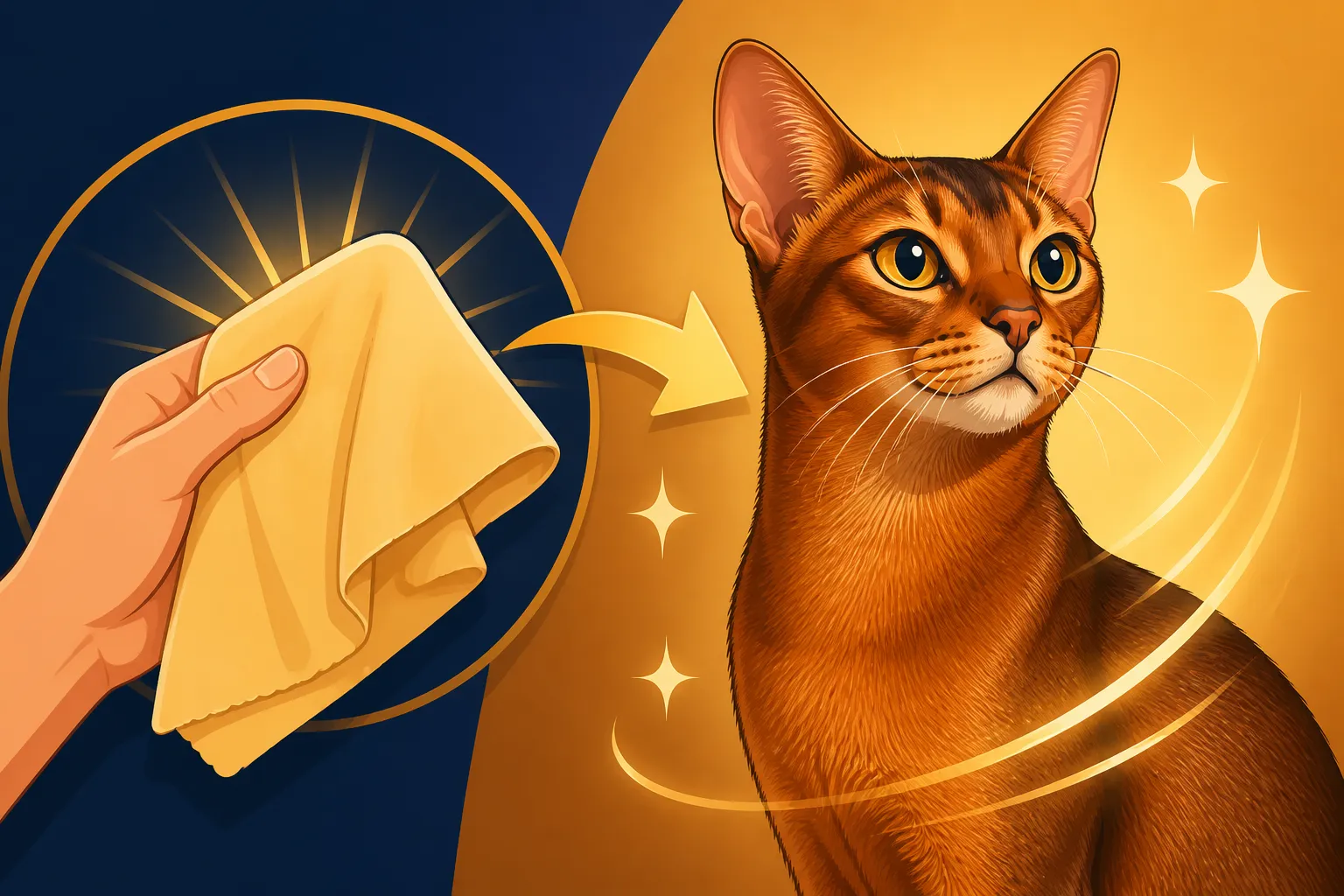
The magic of the chamois lies in its gentle, buffing action. When rubbed over your Abyssinian's short, fine hairs, the chamois works on a microscopic level. It polishes the surface of each hair shaft, smoothing down any tiny imperfections or rough edges that might be diffusing light. This smoothing action allows light to reflect more uniformly, creating that striking, high-gloss shine. Because the Abyssinian's coat lies so Why an Abyssinian's Coat Lies Close to the Body and lacks a significant undercoat, the chamois can get directly to the business of polishing the primary guard hairs without getting bogged down in fluff. It essentially burnishes the coat, enhancing the natural iridescence that the ticking already provides. It’s a very different action than a brush, which primarily works on separation or removal.
Benefits Beyond Just Shine: Dust and Static Control
While the glorious shine is the primary goal, a chamois offers some fantastic secondary benefits. Abyssinians, with their fine, smooth coats, can sometimes be prone to static, especially in drier environments or during certain seasons. The gentle friction of the chamois can help dissipate this static, leaving their coat feeling softer and less prone to attracting dust. Furthermore, that same polishing action helps to lift any fine dust or dander that might have settled on the coat, acting like a magnet for tiny particles that a regular brush might miss. This leaves the coat not just shinier, but also cleaner to the touch. It's an excellent way to give a quick touch-up between more thorough grooming sessions, especially before guests arrive or if your curious Abyssinian has been exploring dusty corners.
Mastering the Chamois Technique for a Dazzling Abyssinian
Using a chamois cloth isn't complicated, but there are a few tips and tricks to ensure you get the best possible results and that your Abyssinian enjoys the experience. Remember, grooming should be a bonding activity, not a chore.
Preparing Your Abyssinian for the Chamois Treatment
Before you bring out the chamois, it’s a good idea to ensure your Abyssinian's coat is clean and free of any loose fur or tangles, though tangles are rare with their short coats. A quick session with a soft rubber grooming mitt or a fine-toothed comb can help get rid of any surface debris. This step ensures the chamois is doing its primary job of polishing, not merely cleaning. Choose a quiet, comfortable time when your Abyssinian is relaxed, perhaps after a play session or when they're already settled on your lap. Keep the chamois itself clean and dry. A slightly damp chamois can be used, but for optimal shine, a dry one typically works best, especially if you're aiming to combat static. Remember that your Abyssinian's comfort is paramount; approach them calmly, letting them sniff the chamois first.
The Gentle Art of Polishing for Maximum Sheen
Now for the main event! Take your clean, dry chamois cloth and begin to gently rub it over your Abyssinian's coat. Use light to moderate pressure and work in short, smooth strokes, always following the direction of hair growth. You'll want to cover their entire body, from their head down their back and sides, and even their fine legs.
Think of it less like scrubbing and more like buffing a prized possession. You should feel a slight drag, and almost immediately, you'll start to see the difference. The fur will flatten beautifully, and the ticked pattern will pop, reflecting light with renewed intensity. The feeling should be pleasant for your cat, almost like a gentle massage. Pay particular attention to the back and sides, where the ticking is most prominent and the sheen is most noticeable. After just a minute or two, you'll notice a remarkable transformation, showcasing Why an Abyssinian's Coat Shimmers When It Moves so perfectly. This routine is far gentler than anything else, and most Abyssinians will readily accept it, perhaps even purring their approval.
Troubleshooting: Common Chamois Challenges and Solutions
While generally straightforward, you might encounter a few minor hurdles.
- Static Buildup: If the chamois seems to be creating more static rather than reducing it, try very lightly dampening a corner of the cloth with water and wringing it out thoroughly, so it's just barely moist. The slight humidity can help neutralize static. Ensure the room isn't excessively dry.
- Cat Resistance: Some Abyssinians might be wary of new textures or sounds. Introduce the chamois gradually. Let them investigate it, rub it on yourself first, and then try very brief, gentle strokes. Reward them with treats (you can find plenty of great options on Chewy) and praise. If they truly dislike it, don't force it; try again another day. Consistency and positive reinforcement are key.
- Lack of Shine: If you're not seeing the desired luster, check that the chamois is clean and dry. A dirty chamois can simply spread existing dust, and an overly wet one won't buff effectively. Also, ensure your cat's coat is fundamentally healthy – a dull coat can sometimes indicate underlying dietary or health issues, which even the best polishing can't fully overcome.
| Grooming Tool | Primary Function | Effect on Abyssinian Coat | Best Use for Abyssinian |
|---|---|---|---|
| Chamois Cloth | Polishing, Buffing | Enhances shine, reduces static | Finishing touch for maximum luster |
| Rubber Mitt | Loose hair removal, massage | Gentle shedding, stimulates skin | Regular grooming, bonding |
| Fine-Toothed Comb | Detangling, debris removal | Removes stray hairs, checks for mats | Occasional use, after brushing |
| Slicker Brush | Detangling, undercoat removal | Damages ticking, pulls healthy hair | Not recommended for Abyssinians |
Beyond the Polish: Maintaining Your Abyssinian's Radiant Coat
A chamois cloth is fantastic for achieving that immediate, show-stopping shine, but a truly radiant Abyssinian coat is built on a foundation of good health and consistent care. Think of the chamois as the crowning glory, not the entire kingdom.
The Role of Diet in Coat Health
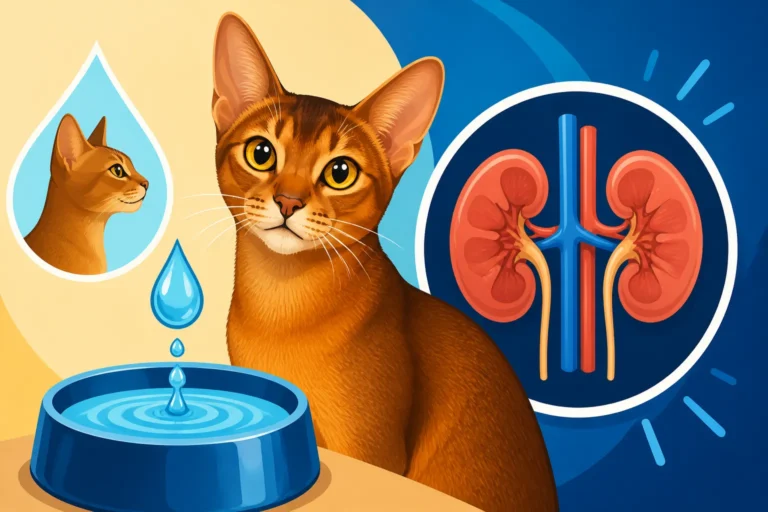
No matter how diligently you groom, a cat's coat is a direct reflection of its internal health, and diet plays an enormous role. A high-quality diet rich in protein, essential fatty acids (like Omega-3 and Omega-6), and vitamins is crucial for skin health and a lustrous coat. Look for foods with high-quality animal protein as the primary ingredient. These nutrients support healthy skin, which in turn produces strong, shiny hair. If your Abyssinian's coat is dull, brittle, or sheds excessively despite regular care, it might be time to review their diet. Higher-quality commercial or fresh food options can make a significant difference. Ensuring they are well-hydrated is also incredibly important, as sufficient water intake supports overall cell health, including skin and hair follicles. Remember, What to Feed an Abyssinian That Never Stops Moving often means a diet with higher calorie and protein density than you might expect for their size.
Regular Grooming Habits for Sustained Luster
The chamois should be part of a broader, consistent grooming routine. While Abyssinians are low-shedding cats with minimal grooming needs compared to long-haired breeds, they still benefit from regular attention. A weekly session with a soft rubber brush or grooming mitt will help remove any loose hairs (even if few) and stimulate blood flow to the skin, encouraging healthy coat growth. This also gives you a chance to check for any skin issues or parasites. Beyond the fur, remember to check their ears and eyes, and keep their claws trimmed. Even a cat that loves to climb needs regular claw care. Consistent, gentle handling during these times reinforces trust and makes all grooming, including the chamois polishing, a much more pleasant experience for everyone involved. Regular interaction, even if brief, is part of The Ticked Coat Is the Whole Abyssinian Grooming Job.
When to Seek Professional Advice
Sometimes, despite your best efforts with diet and grooming, an Abyssinian's coat might still appear dull, greasy, excessively dry, or you might notice skin irritation. If you've tried everything and the luster just isn't there, or if new skin problems arise, it's always best to consult your veterinarian. A dull coat can be a symptom of various underlying health conditions, including dietary deficiencies, allergies, hormonal imbalances, kidney issues, or even parasites. Your vet can perform diagnostics to pinpoint the cause and recommend appropriate treatments or dietary changes. While a chamois is a wonderful tool for enhancing shine, it can't fix a health problem. Trust your instincts; if something feels off, getting professional advice is always the smartest course of action for your beloved Abyssinian.
Disclaimer
This article is for general informational purposes only and does not constitute professional advice. Laws, prices and regulations vary by location and change over time. Consult a qualified professional for guidance on your specific situation.