Why Declawing Is the Worst Thing to Do to an Abyssinian
The decision to bring a vibrant, intelligent Abyssinian into your home is often met with immense joy and excitement, quickly followed by the reality of their incredible energy and, yes, their very sharp claws. Many new cat parents, especially those used to more sedentary breeds or those unfamiliar with the Abyssinian's particular needs, might find themselves grappling with scratched furniture and the perceived inconvenience of those magnificent claws. In moments of frustration, the thought of declawing might cross your mind as a quick fix, promising an end to shredded upholstery. However, for an Abyssinian, declawing is not only an inhumane procedure but one that fundamentally strips away their very essence, impacting their physical and psychological well-being in profound ways that we, as responsible caretakers, must understand and avoid at all costs. This comprehensive guide will explain why declawing is, without exaggeration, the worst thing you can do to your active, climbing companion.
The Abyssinian's Natural Instincts and What Declawing Takes Away
To truly understand why declawing is so detrimental, we need to first grasp the vital role claws play in an Abyssinian's life. These aren't just decorative bits of keratin; they are integral tools for survival, communication, and movement for one of the most athletic and intelligent cat breeds around. Removing them isn't just a simple manicure; it's a painful, life-altering amputation.
Claws as Essential Tools for an Abyssinian's Lifestyle
Imagine trying to navigate your world without your fingertips, without the ability to grip, balance, or even feel certain textures. That's a tiny glimpse into what declawing means for an Abyssinian. Their claws are absolutely essential for their natural way of life. These cats are climbers, jumpers, and explorers by nature. From scaling the highest cat trees to gracefully landing on narrow shelves, their claws provide the grip and traction needed for their incredible agility. Without them, simple acts like jumping onto a counter or quickly descending a scratching post become precarious, leading to slips, falls, and potential injuries.
Beyond acrobatics, claws are an Abyssinian's primary means of self-defense. While an indoor Abyssinian might not face wild predators, their claws offer a sense of security and a way to defend themselves if they feel threatened, whether by another pet in the household or during an unexpected encounter. Furthermore, scratching is a vital form of communication. It allows them to mark territory visually and with scent glands located in their paw pads, signaling their presence and ownership in their environment. Depriving them of this natural behavior can lead to increased anxiety and stress, as they lose a fundamental way to express themselves and interact with their surroundings.
The Physical Reality of a Declaw Surgery
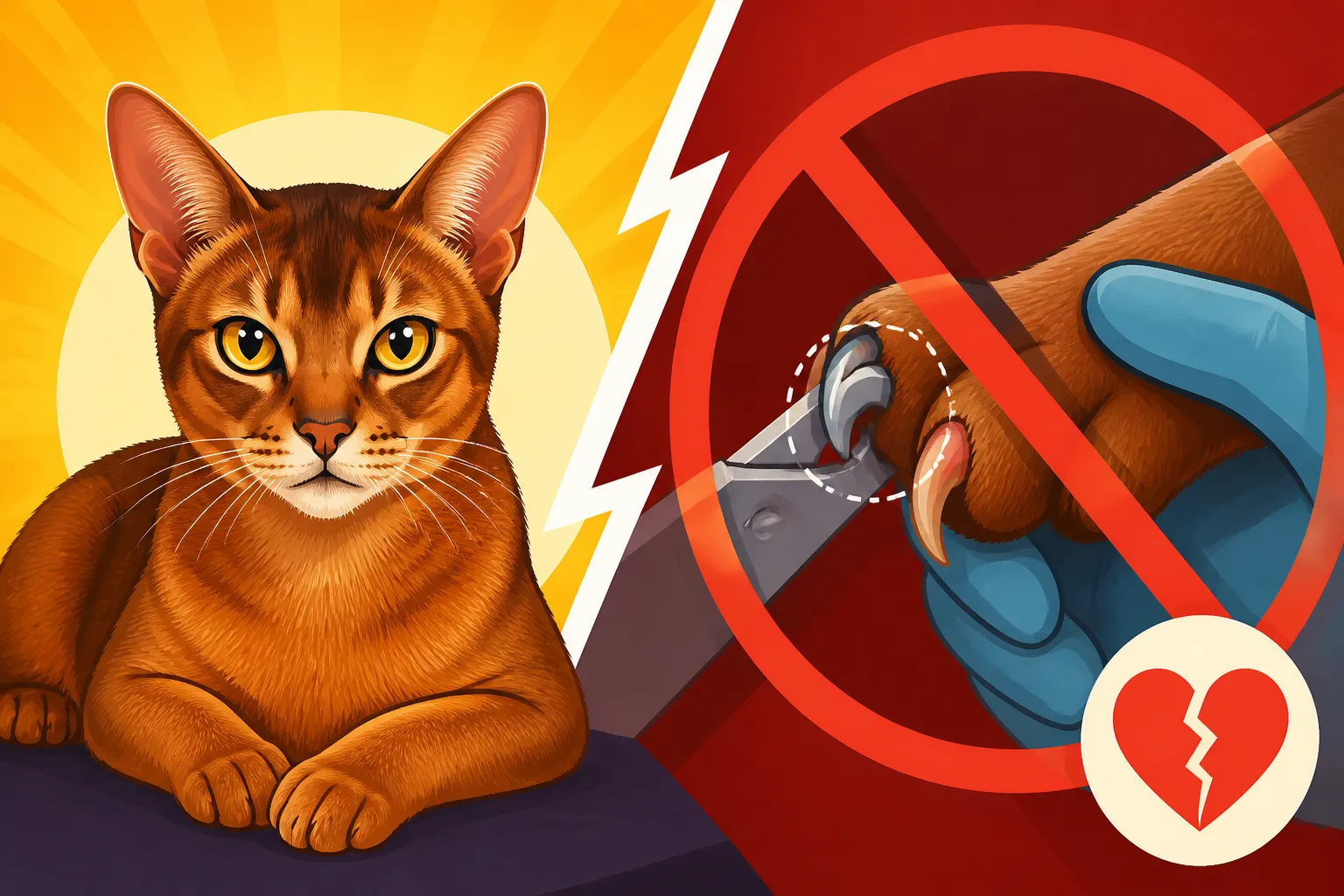
Many people mistakenly believe declawing is akin to trimming a human's fingernails. This couldn't be further from the truth. The procedure, known scientifically as an onychectomy, is actually an amputation of the last bone in each toe. It's not just the nail that's removed; it's the entire distal phalanx, which is comparable to removing the tip of your finger at the first knuckle. This isn't a minor surgery; it's a painful, invasive operation with significant risks.
The immediate aftermath involves severe pain. Cats must walk on the amputated stumps of their toes, which can be excruciating. The recovery period is often fraught with discomfort, requiring strong pain medication, and even then, some cats suffer chronic pain for the rest of their lives. Imagine trying to walk, run, and jump on perpetually sore feet. Beyond the pain, there are risks of infection, nerve damage, and even bone fragments being left behind, leading to persistent lameness and discomfort. It's a brutal procedure that leaves a permanent physical and psychological scar on an animal designed for grace and agility.
Behavioral Repercussions of Losing Their Primary Tools
The physical trauma of declawing often leads to a cascade of behavioral problems that can be far more challenging to manage than the original scratching. One of the most common issues is litter box aversion. Walking on sensitive, painful stumps on granular litter can be incredibly uncomfortable, prompting cats to seek softer surfaces like carpets, rugs, or furniture to relieve their discomfort. This can quickly become a habit, turning your declawed Abyssinian into a cat that consistently eliminates outside the litter box.
Furthermore, a declawed cat often feels defenseless. Lacking their primary means of self-defense, they may resort to biting when they feel scared, cornered, or threatened. This isn't out of malice but out of a deep-seated fear and an instinct to protect themselves with the only weapon they have left. A cat that previously used its claws to warn or deter can now only bite, which can be far more dangerous and unpredictable for both other pets and humans in the household. These behavioral shifts are tragic consequences of a procedure meant to solve a problem but often creates far greater ones, diminishing the cat's quality of life and straining the bond with their human companions.
Why Declawing Is Especially Detrimental for an Abyssinian
While declawing is harmful to any cat, it is particularly devastating for an Abyssinian. Their unique temperament, boundless energy, and innate need for vertical exploration make the loss of their claws an even greater infringement on their natural existence. They are not merely house pets; they are athletes, thinkers, and dynamic companions who thrive on activity and interaction.
The Abyssinian's Energetic Nature and Need to Climb
Abyssinians are renowned for their extraordinary athleticism and insatiable curiosity. They are true "vertical cats," always seeking the highest vantage points in your home, whether it's the top of a bookcase, a tall cat tree, or your shoulder. Their very design, from their muscular legs to their keen intelligence, is geared towards climbing, jumping, and exploring their environment from above. They use their claws to grip, to launch, to balance, and to confidently navigate these high spaces. An Abyssinian Needs Height More Than It Needs Floor is not just a suggestion for this breed; it's a core requirement for their happiness.
Imagine a world-class gymnast suddenly losing their ability to grip the bars or land safely. That's the equivalent impact of declawing on an Abyssinian. Without their claws, their natural climbing ability is severely compromised. They become hesitant, prone to slipping, and may even avoid their beloved vertical perches altogether. This isn't just a minor inconvenience; it's a profound deprivation. Their instinct to climb remains, but their physical capacity is stolen, leading to immense frustration, boredom, and a significant reduction in their quality of life. An Abyssinian that cannot fully engage in its natural behaviors is often a deeply unhappy one, and this can manifest in other unwanted behaviors as they try to cope with their restricted existence. How High an Abyssinian Will Climb is an astounding feat, but only with their claws intact.
Their Social Temperament and How Declawing Affects It
Abyssinians are known for their engaging and often very social personalities. They thrive on interaction, following their humans from room to room, "helping" with tasks, and generally wanting to be involved in everything. They form strong bonds with their families and are typically outgoing, even with visitors, preferring to greet them rather than hide. This confident and curious nature is rooted in their feeling of security and their ability to navigate and interact with their world.
Declawing can shatter this confidence. A cat in chronic pain, or one that feels vulnerable and defenseless, often becomes withdrawn, anxious, or even aggressive. Their social interactions can suffer because they may be less willing to engage in playful wrestling with other pets or even gentle handling from their human companions if they anticipate pain or feel exposed. The charming, playful, and affectionate Abyssinian you fell in love with can transform into a fearful or irritable shadow of their former self. The procedure can undermine the very foundation of their temperament, turning a happy, well-adjusted pet into one constantly battling discomfort and insecurity.
The Impact on Their Overall Well-being and Mental Health
It's easy to overlook the psychological toll declawing takes on a cat, especially one as intelligent and emotionally sensitive as an Abyssinian. Beyond the physical pain, there's the stress and anxiety of living without a fundamental part of their anatomy. Cats are creatures of routine and instinct, and sudden, drastic changes to their physical capabilities can be deeply unsettling. A declawed Abyssinian may experience chronic stress, leading to a range of issues from excessive grooming and lethargy to destructive behaviors not related to scratching.
Their natural outlets for physical and mental stimulation are curtailed. They can't climb with the same abandon, they can't mark territory naturally, and their sense of self-preservation is compromised. This can lead to a state of learned helplessness or a heightened sense of vulnerability. For a breed that thrives on challenge and activity, this can be a devastating blow to their mental health, resulting in a life lived with underlying fear and discomfort. We owe it to these intelligent creatures to protect their physical and mental integrity, allowing them to express their natural behaviors in safe and constructive ways.
Humane Alternatives to Destructive Scratching
The good news is that living harmoniously with an Abyssinian and their claws is absolutely achievable! There are many effective, humane, and loving alternatives to declawing that address natural scratching behavior without causing harm. It simply requires understanding your cat's needs and providing appropriate outlets.
Providing Appropriate Scratching Outlets
The key to preventing destructive scratching is to provide attractive, accessible, and varied alternatives. Abyssinians, with their love for climbing, often prefer vertical scratching surfaces. Think tall, sturdy sisal posts that allow them to stretch their full body length. A scratching post should be stable enough that it won't wobble when your energetic Abyssinian launches themselves at it. Many owners find success with multiple posts placed strategically throughout the home, especially near prime scratching targets like furniture. Consider placing one right next to your favorite armchair – if they have an appealing alternative right there, they're less likely to go for the sofa. Where to Put an Abyssinian's Scratching Posts can make all the difference in steering them towards acceptable spots.
Sisal rope is often a favorite material, but don't overlook cardboard scratchers, especially those that can be angled or laid flat. Some cats prefer different textures, so offering a variety allows your Abyssinian to choose what feels best on their paws. Regularly check and replace worn-out scratchers; a shredded post might seem unappealing to you, but it often signals success to your cat! For those who really embrace vertical living, wall-mounted scratchers can also be a fantastic option, seamlessly blending into your decor while providing an essential outlet. You can find a huge variety of these options on platforms like Amazon or Chewy, making it easy to experiment and find what your Abyssinian loves.
Training and Redirection Techniques
Positive reinforcement is your best friend when it comes to training an Abyssinian. These intelligent cats respond incredibly well to praise, treats, and clicker training. When you see your Abyssinian using an approved scratching post, immediately reward them with a treat, a favorite toy, or verbal praise. This helps them associate the desired behavior with a positive outcome. Consistency is key here; every time they use the right scratcher, reinforce it. This is similar to how you might How to Teach an Abyssinian to Fetch or other tricks; they thrive on interaction and rewards.
If you catch your Abyssinian scratching something inappropriate, avoid yelling or punishment, as this can create fear and anxiety without teaching them what to do. Instead, gently redirect them to a nearby scratching post. You can even entice them to use it by dangling a toy or sprinkling a little catnip on the post. Making undesirable spots less appealing can also help. Double-sided sticky tape, aluminum foil, or scent deterrents (like citrus sprays, which many cats dislike) can make certain furniture areas less attractive. Always ensure any deterrents are safe for your cat and your furniture.
Regular Nail Trimming and Soft Paws
One of the simplest and most effective ways to manage an Abyssinian's claws is through regular trimming. This isn't just about protecting your furniture; it's also important for your cat's health, preventing nails from becoming too long, snagging, or growing into their paw pads. Starting nail trims early, when your Abyssinian is a kitten, can help them get accustomed to the process. Make it a positive experience with treats and gentle handling. Even if they initially resist, consistent, calm efforts will pay off. How to Trim a Climbing Abyssinian's Claws is a skill every Abyssinian owner should learn.
If trimming isn't quite enough, or you want an extra layer of protection, consider soft nail caps. These are vinyl caps that are glued onto your cat's claws, effectively blunting them. They last for several weeks and fall off as the nail grows. They come in various sizes and are a completely humane way to prevent scratching damage without affecting your cat's natural claw retraction or their ability to walk and play normally. Many pet supply stores, including large retailers like Chewy and Amazon, offer these nail caps in various colors and sizes, making them an accessible and practical solution for many households. They are a temporary solution that allows your Abyssinian to keep their claws and all the functions that come with them, while protecting your home.
The Ethical and Long-Term Ownership Considerations
Ultimately, choosing to share your life with an Abyssinian means embracing their unique characteristics, including their natural behaviors. Understanding the ethical implications of declawing and considering the long-term impact on both your cat and your household budget are crucial parts of responsible pet ownership.
The Ethical Stance Against Declawing
In recent years, there has been a significant shift in the veterinary and animal welfare communities regarding declawing. A growing number of countries, including much of Europe, the UK, Australia, and parts of Canada, have banned the procedure outright, recognizing it as inhumane and unnecessary mutilation. Major veterinary associations, like the American Association of Feline Practitioners (AAFP), strongly oppose declawing, stating it is "ethically objectionable" and should only be considered as a last resort in rare, medically necessary circumstances (such as a severe tumor).
This ethical opposition stems from the understanding of the immense pain, psychological distress, and potential long-term complications that declawing inflicts. It's a procedure performed for human convenience, not for the cat's health or well-being. As pet parents, we have a responsibility to advocate for our animals and ensure their welfare. Choosing not to declaw aligns with a compassionate and modern understanding of animal care, prioritizing the cat's natural health and ability to express themselves.
The Financial and Emotional Cost of a Declawed Abyssinian
While declawing might seem like a one-time expense to save your furniture, the true financial and emotional costs can be far greater in the long run. The initial surgery itself can be costly, but this is often just the beginning. As discussed, declawed cats are prone to a host of physical complications, including chronic pain, infections, and nerve damage, which can lead to ongoing veterinary bills, medications, and even corrective surgeries. These are unforeseen expenses that can quickly add up, turning that "quick fix" into a significant financial drain.
Beyond physical ailments, the behavioral issues that arise from declawing, such as litter box aversion, can lead to costly damages. Replacing soiled carpets or repairing damaged floors can be far more expensive and time-consuming than investing in scratching posts or training aids. Emotionally, dealing with a cat that is chronically stressed, anxious, or aggressive is heartbreaking. The bond between you and your Abyssinian can be strained, and the joy of pet ownership can be overshadowed by the challenges posed by their suffering. This emotional toll is often overlooked but is a significant consequence of a procedure that promises convenience but delivers lasting problems.
Embracing the Abyssinian's Full Nature
Ultimately, choosing an Abyssinian means choosing a cat with a vibrant personality, incredible agility, and a strong instinct to climb and explore. Their claws are an integral part of who they are and how they interact with their world. Rather than fighting against this natural behavior, responsible ownership means embracing it and providing them with the tools and environment they need to thrive. Think of it as enriching their lives, not just tolerating a "problem."
By investing in high-quality scratching posts, engaging in positive reinforcement, regularly trimming their nails, and considering soft nail caps, you are not only protecting your home but, more importantly, honoring your Abyssinian's inherent nature. This approach fosters a deeper bond, builds trust, and ensures your intelligent, active companion lives a full, happy, and pain-free life, exactly as they were meant to. An Abyssinian is a magnificent cat, and their well-being is paramount; let's always choose kindness and understanding over invasive procedures.
Disclaimer
This article is for general informational purposes only and does not constitute professional advice. Laws, prices and regulations vary by location and change over time. Consult a qualified professional for guidance on your specific situation.