How to Cut an Abyssinian’s Claws Alone
Trying to trim your spirited Abyssinian's claws by yourself can feel like wrestling a miniature, furry tornado, leaving both of you stressed and perhaps a little scratched. It's a common struggle for Abyssinian owners, whose cats are known for their boundless energy and aversion to anything that feels like restraint. This guide is here to walk you through the process, offering practical steps and reassuring advice to make solo claw trimming a manageable, less daunting task for both you and your agile companion.
Understanding Your Abyssinian's Claws and Temperament
Before you even pick up a clipper, it's really helpful to understand what you're dealing with. Abyssinians aren't just any cat; they're unique in their energy and how they interact with their environment, which directly impacts their claws. Knowing this can help you approach the task with more empathy and less frustration.
The Anatomy of an Abyssinian's Claw
An Abyssinian's claw is a marvel of feline engineering, perfectly designed for climbing, hunting, and playing with a speed that often leaves us breathless. Like all cats, they have retractable claws, meaning they can pull them back into their paw pads, keeping them sharp and out of the way until needed. Each claw consists of a hard outer shell and an inner core called the "quick." The quick contains blood vessels and nerves, making it sensitive and prone to bleeding if cut. In lighter-colored claws, you can often see the pink quick through the translucent outer shell, giving you a visual guide of where not to cut. However, many Abyssinians have darker, richer paw pads and claws, making the quick much harder to spot, adding an extra layer of challenge. Their active lifestyle means these claws are constantly being used, sharpened, and sometimes, if not maintained, becoming a bit too long or sharp for comfort. How Often to Check a Climbing Abyssinian's Back Claws is a good read if you want to know more about the particular needs of an Abyssinian's paws.
Why an Abyssinian Fights the Clippers
Let's be real: most cats aren't thrilled about having their paws handled, and Abyssinians, with their independent and highly energetic nature, often take this a step further. They are incredibly sensitive to restraint, and even the slightest feeling of being held against their will can trigger their instinct to flee or, if necessary, fight. Their high metabolism and inquisitive minds mean they'd rather be exploring the top of your bookshelf or batting at a feather toy than sitting still for a nail trim. This isn't defiance; it's just who they are. They're often highly aware of their surroundings, and the sound or sensation of clippers can be startling or even frightening. Expecting them to calmly submit will only lead to disappointment and a struggle. Instead, a realistic approach acknowledges their temperament and focuses on minimizing stress for both of you. This means short, frequent sessions are usually more successful than trying to do all four paws at once.
The Importance of Regular Claw Trims
You might think that with all the climbing and scratching your Abyssinian does, their claws would naturally wear down. While they certainly use Where to Put an Abyssinian's Scratching Posts and Why an Abyssinian Needs a Post at Every Climbing Level often, it's rarely enough to keep their claws at an ideal length, especially the dewclaws (the little thumb-like claws on the inside of their front legs). Regular trimming is crucial for several reasons. Overly long claws can get snagged on carpets, blankets, or even toys, leading to painful tears or injuries. They can also grow so long that they curl back into the paw pad, causing ingrown nails that are incredibly painful and prone to infection. Beyond injury, long claws can make walking uncomfortable for your cat, changing their gait and potentially leading to joint problems over time. And, of course, for your furniture and your own skin, regular trims mean less damage from their enthusiastic play and their tendency to How Rough Play With an Abyssinian Gets. It’s a necessary part of their care, even if it feels like a battle.
Essential Tools for Solo Abyssinian Claw Trimming
Having the right equipment at your fingertips makes a world of difference when you're attempting to trim your Abyssinian's claws alone. It’s not just about the clippers; it’s about having everything ready to ensure a quick, efficient, and as stress-free as possible experience.
Choosing the Right Clippers
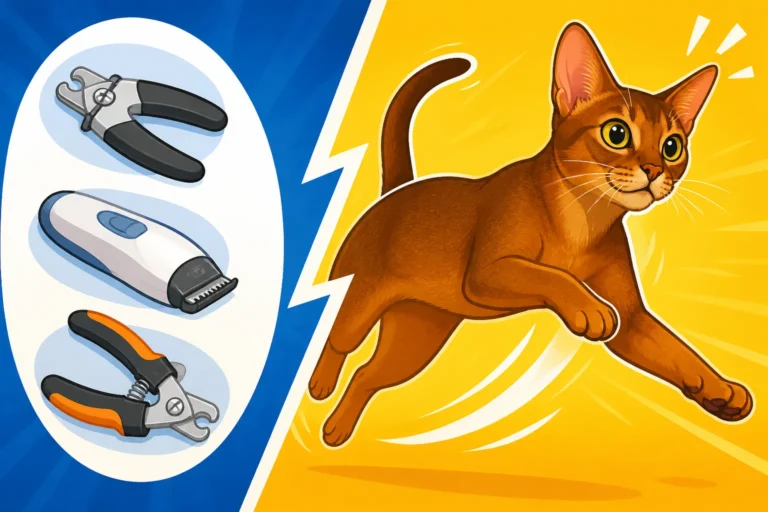
The market is flooded with different types of cat nail clippers, and finding the one that works best for both you and your Abyssinian is key. Generally, you'll encounter two main styles: scissor-style and guillotine-style. For most Abyssinian owners, especially those tackling the job solo, scissor-style clippers are often preferred. They offer more control and a clearer view of the claw as you cut, which is vital when you're trying to avoid the quick. Look for sharp blades; dull clippers will crush the nail rather than cut it cleanly, causing pain and making your cat even more resistant next time. Small, sharp clippers designed specifically for cats are ideal. Many pet supply stores, like Chewy, or online retailers such as Amazon, offer a wide selection. Don't be afraid to try a couple of different types to see what feels most comfortable and effective in your hand.
Here's a quick comparison of common clipper types:
| Clipper Type | Pros | Cons | Best For |
|---|---|---|---|
| Scissor-Style | Easy to maneuver, good visibility of the claw, precise cut. | Can be small for larger hands, some models may dull quickly. | Most cat owners, especially beginners or those with finicky cats. |
| Guillotine-Style | Quick, clean cut if used correctly, durable. | Less visibility of the quick, can be intimidating, requires practice. | Experienced owners, larger cats with thick claws. |
| Pliers-Style | Strong for very thick claws, good leverage. | Can be bulky, less precise for small cat claws, higher risk of crushing. | Large breed dogs, not generally recommended for cats. |
For an Abyssinian, you’ll most likely want a scissor-style clipper. If you're wondering Which Clippers Suit an Abyssinian That Will Not Sit, remember that comfort in your hand and sharpness are paramount.
Styptic Powder: Your Best Friend
Even the most seasoned cat owner can accidentally nick the quick. It happens, and it's nothing to be ashamed of. However, being prepared for it is essential. Styptic powder is a lifesaver in these situations. It contains agents that constrict blood vessels and stop bleeding quickly. Keep it within arm's reach every single time you attempt a nail trim. A small amount pressed onto the bleeding tip of the nail is usually enough to stop the flow. While a quick bleed isn't usually dangerous, it can be startling for both you and your cat, making them even more reluctant to cooperate in the future. Having styptic powder readily available not only helps manage the situation but also provides you with peace of mind, allowing you to proceed with more confidence.
Creating a Calm Environment and Rewards
Your Abyssinian's high-strung nature means that a calm, quiet environment is non-negotiable for successful claw trimming. Choose a time when your cat is naturally relaxed, perhaps after a strenuous play session or when they've just woken up from a nap. Avoid times when they're full of zoomies or feeling particularly antsy. Lay out a soft towel on your lap or on a comfortable surface where you can sit. This towel can also serve as a gentle wrap to help secure your cat, which we'll discuss more in the next section. High-value treats are absolutely essential for positive reinforcement. Think small, delicious morsels that your Abyssinian rarely gets, something truly irresistible. Many premium treats can be broken into tiny, manageable pieces. The goal is to associate the unpleasant experience of claw trimming with something incredibly positive. Don't underestimate the power of a good treat in shifting your cat's perspective over time. How to Start Grooming an Abyssinian Kitten emphasizes starting these positive associations early.
Step-by-Step Guide to Trimming Your Abyssinian's Claws Alone
Now that you're armed with knowledge and the right tools, let's get down to the actual trimming process. Remember, patience and a gentle touch are your greatest assets, especially when flying solo with a wriggly Abyssinian.
Setting the Scene for Success
Preparation is everything. Before you even think about grabbing your Abyssinian, make sure your clippers are clean and sharp, and your styptic powder is open and ready. Choose a quiet room where you won't be interrupted. Soft, indirect lighting is best so you can clearly see the claws without harsh shadows. The best time for this endeavor is often when your Abyssinian is a bit sleepy or has just had a burst of energy and is now winding down. Maybe they've just finished chasing a Which Wand Toy an Abyssinian Prefers or had a good session with their favorite puzzle feeder. A tired cat is generally a more cooperative cat. Consider playing some calming music or having a comforting blanket ready. This isn't just for your cat; it helps you stay calm, too. Your stress levels are easily picked up by your Abyssinian, so take a deep breath before you begin.
The Gentle Restraint Technique
This is arguably the trickiest part, as Abyssinians really dislike being held still. The key here is "gentle" restraint. Forget pinning them down forcefully; that will only escalate the struggle and potentially lead to injury for both of you. Instead, try the "burrito wrap" technique with a soft, thick towel. Lay the towel flat, place your Abyssinian in the middle, and gently wrap them, tucking one side under their body and then the other, leaving only one paw exposed at a time. This provides a sense of security while limiting their ability to swat or wriggle away entirely. Hold them close to your body, perhaps on your lap, using one arm to keep them snug and secure. Speak in a calm, soothing voice. If they start to panic, stop, release them, and try again later. The goal isn't to get all their nails in one go, especially when you're starting out. Success means getting even one or two claws clipped without a major meltdown. Remember, you're building trust and positive association, not trying to win a wrestling match.
The Snip: Angle, Quick, and Confidence
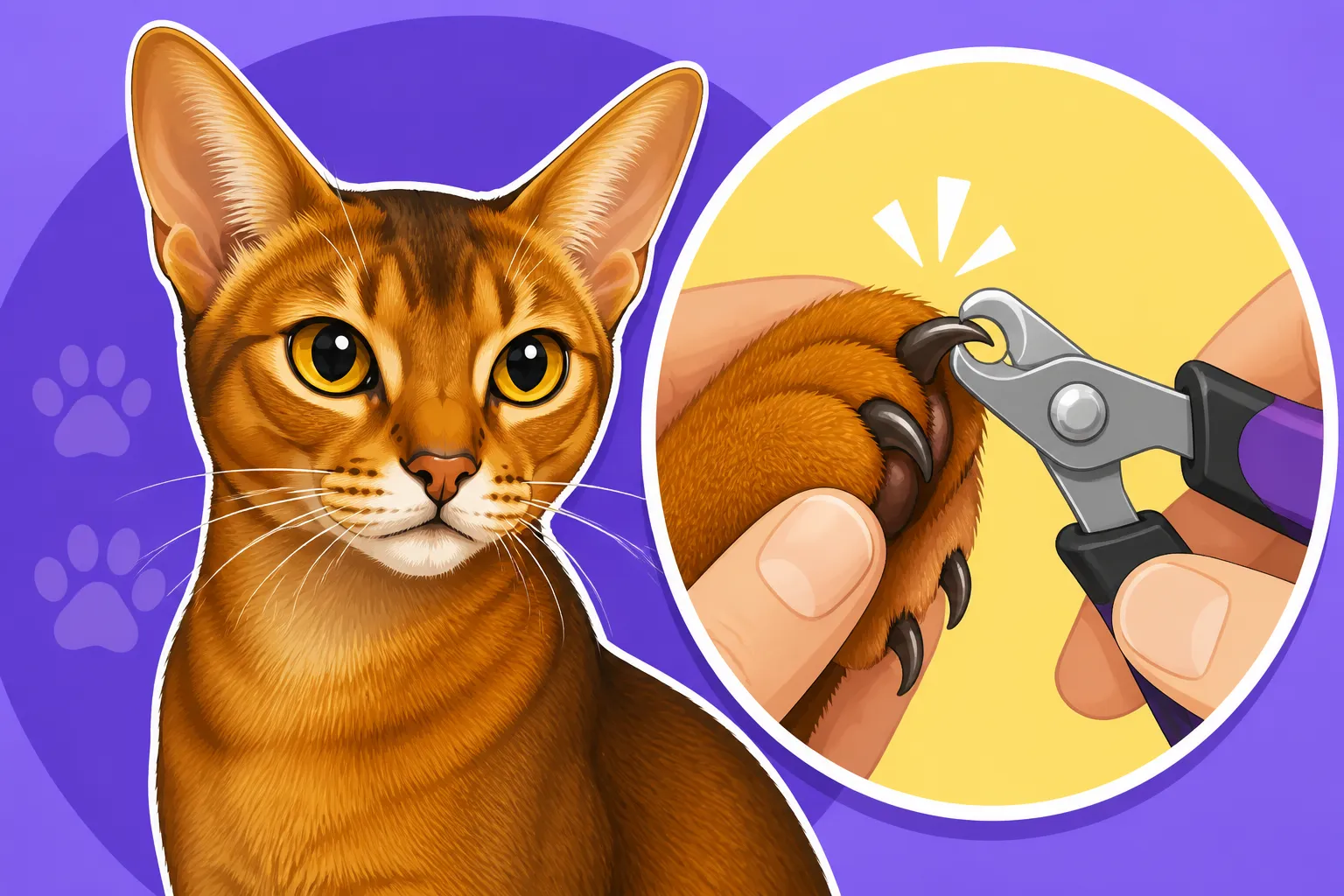
With your Abyssinian gently restrained and one paw exposed, it’s time for the actual trim. Gently press on the top of the paw and the paw pad to extend the claw fully. This action also helps to retract the quick slightly, making it easier to see. Position the clipper at a 45-degree angle, making sure you are only clipping the very tip of the white, translucent part of the claw, well clear of the pink quick. If your Abyssinian has darker claws, and you can't see the quick, err on the side of caution and only take off the very sharpest tip. It's always better to clip too little than too much. A good rule of thumb is to look for the "hook" at the very end of the claw; that's often the part you want to remove. Make a quick, confident cut. Hesitation can lead to a less clean cut and more stress for your cat. Once you've clipped one or two nails, immediately offer a high-value treat and lavish praise. Even if you only get one nail done, consider that a victory and try again later, or even the next day. The less trauma associated with each session, the better.
Post-Trim Rewards and Reinforcement
The moment you've successfully trimmed even one claw (or a few!), the work isn't over. Immediately release your Abyssinian from any restraint and offer that fantastic high-value treat you prepared. This instantaneous reward is crucial for positive reinforcement. Follow up with some gentle praise, a favorite toy, or even a short play session with Which Retrieve Toys an Abyssinian Brings Back. You want them to associate the end of the nail trim with something pleasant and desirable, not just the relief of being free. Avoid scolding or punishing them if they struggled, as this will only make them more fearful and less cooperative next time. Consistency with positive reinforcement will gradually build a more tolerant Abyssinian when it comes to claw trims. Over time, you might find that while they'll never love it, they'll at least tolerate the process more readily, perhaps even coming to expect their special treat.
Troubleshooting Common Challenges
Even with the best intentions and techniques, trimming an Abyssinian's claws solo can present its fair share of challenges. It's important to be prepared for these bumps in the road and to know how to navigate them gracefully.
What to Do If You Cut the Quick
This is almost every cat owner's biggest fear, and it can happen. If you accidentally nick the quick, don't panic. Your calm demeanor will help keep your Abyssinian calm. Immediately apply styptic powder to the bleeding claw tip. Use firm, but gentle, pressure for a few seconds. The bleeding should stop fairly quickly. If you don't have styptic powder, a clean cloth with some cornstarch or flour can sometimes work in a pinch, but styptic powder is truly the most effective. After the bleeding has stopped, reassure your cat with a calm voice and, if they seem amenable, offer a treat. If they are very distressed, release them and give them space. It's okay to postpone further trimming until another day. Learning from this experience, perhaps by taking even smaller snips next time, will make you more confident. Remember, Why an Abyssinian's Front Claws Wear Faster Than Its Back means you might be trimming the back claws less frequently, reducing the chances of hitting a quick there.
When Your Abyssinian Refuses to Cooperate
There will be days when your Abyssinian simply says "no." They might squirm relentlessly, vocalize loudly, or even try to bite or scratch. On these days, forcing the issue will only create a negative association and make future trims even harder. It's perfectly okay to stop and try again later, or even another day. Break the task down into smaller, more manageable steps. Can you just get one paw done today? Or perhaps just one or two claws on each paw? Sometimes, simply getting them used to the clippers being near their paws, or even just touching their paw pads, is a win.
If you consistently struggle, consider seeking professional help. Your veterinarian or a professional groomer can often trim claws quickly and efficiently, and they might even be able to demonstrate techniques that work for your particular Abyssinian. They might use a towel wrap or specific holding techniques that could be beneficial. Some owners find that having a second person, even just to distract the cat with treats or play, makes the process much smoother. Don't feel like a failure if you need assistance; your cat's comfort and safety are paramount.
Maintaining a Regular Trimming Schedule
Consistency is key to keeping your Abyssinian's claws healthy and making the trimming process less of a traumatic event. Most Abyssinians benefit from a claw trim every 2-4 weeks. By keeping them regularly trimmed, the quick tends to recede slightly, making it less likely to be cut. Mark it on your calendar, set a reminder on your phone, or integrate it into another regular grooming routine, like a weekly brushing. While The Ticked Coat Is the Whole Abyssinian Grooming Job is relatively low maintenance, adding claw trims to the routine can make it feel more natural.
The more frequently you trim, the less you have to take off each time, and the quicker the session will be. This ultimately leads to less stress for both of you. Over time, as your Abyssinian becomes more accustomed to the routine and the positive reinforcement, you might find that those wrestling matches become less frequent, replaced by a grudging, but ultimately cooperative, partner in paw care. Your consistent effort will pay off in the long run, ensuring your energetic Abyssinian can continue to climb and play safely and comfortably.
Disclaimer
This article is for general informational purposes only and does not constitute professional advice. Laws, prices and regulations vary by location and change over time. Consult a qualified professional for guidance on your specific situation.